

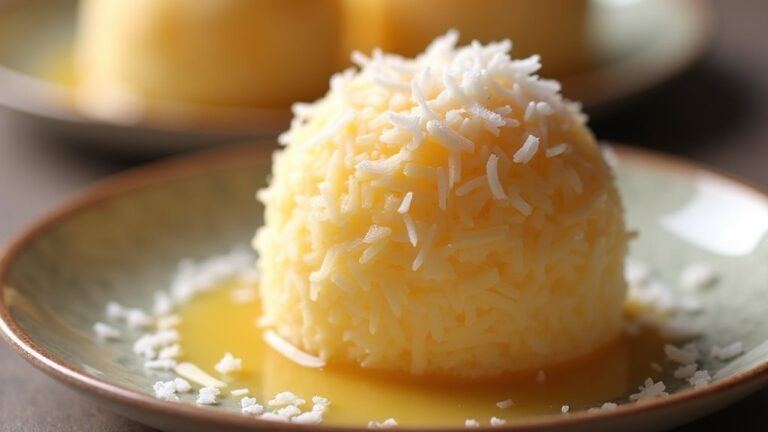
When I think of Bahian cuisine, I feel a warm embrace of flavors and traditions. Each recipe is more than just a meal; it’s a beautiful blend of cultures that have shaped Bahia’s unique culinary identity. From the crispy delight of acarajé to the comforting moqueca, these dishes are like little journeys into the heart of Bahia. There’s something truly special about how these flavors connect us to the vibrant spirit of this region. Curious to explore? Let’s take a look at some beloved recipes that capture Bahia’s rich cultural soul.
Acarajé

Acarajé is a traditional Bahian dish that embodies the rich culinary heritage of Brazil, particularly influenced by African flavors and cooking techniques. This deep-fried bean cake is made from black-eyed peas, seasoned with onions and spices, and filled with a delicious shrimp and vatapá mixture, creating a harmonious blend of textures and flavors.
Acarajé is often served as a street food snack or a festive dish during celebrations, making it a beloved staple in Bahian cuisine. To make Acarajé, you’ll need to set aside some time, as the preparation involves soaking, grinding, and frying. The result, however, is well worth the effort. The crispy exterior and the savory filling will transport you straight to the vibrant streets of Bahia.
This recipe serves 4-6 people, perfect for a gathering or a family meal.
Ingredients:
- 2 cups black-eyed peas (dried)
- 1 medium onion, chopped
- 1 teaspoon salt
- 1/2 teaspoon ground cumin
- 1/2 teaspoon cayenne pepper
- 2 cups shrimp, cooked and peeled
- 1/2 cup vatapá (a creamy paste made from bread, coconut milk, peanuts, and spices)
- 3 tablespoons palm oil (or vegetable oil for frying)
- 1/2 cup chopped fresh cilantro
- 1/2 cup chopped green onions
- Hot sauce (optional, for serving)
Cooking Instructions:
- Soak the Beans: Begin by soaking the black-eyed peas in water overnight. This softens them and makes them easier to peel and blend. After soaking, rinse the peas and remove the skins by rubbing them between your fingers. This step is essential for achieving the right texture of the acarajé.
- Make the Acarajé Batter: In a food processor, combine the peeled black-eyed peas, chopped onion, salt, cumin, and cayenne pepper. Pulse until you achieve a smooth, thick batter. The consistency should be somewhat similar to hummus—smooth but thick enough to hold shape when fried.
- Prepare the Filling: In a bowl, mix the cooked shrimp with vatapá, chopped cilantro, and green onions. Confirm that the mixture is well combined and seasoned to your liking. This filling will give your acarajé its distinctive flavor.
- Fry the Acarajé: Heat the palm oil in a deep pan over medium heat. Once the oil is hot, use a spoon to scoop out the batter and form small patties. Carefully drop each patty into the hot oil, frying until they’re golden brown and crispy on both sides, about 3-4 minutes. Make sure not to overcrowd the pan to guarantee even cooking.
- Assemble the Acarajé: Once fried, remove the acarajé from the oil and drain on paper towels. While still warm, slice each acarajé in half and generously fill it with the shrimp and vatapá mixture. Serve immediately, with hot sauce on the side for those who enjoy an extra kick.
Extra Tips:
When making Acarajé, confirm that your oil is sufficiently hot before adding the batter to avoid soggy cakes. It’s also important to let the fried acarajé rest on paper towels to absorb excess oil, which keeps them crispy.
If you’re short on time, you can prepare the filling ahead of time and store it in the refrigerator. Finally, feel free to experiment with different fillings, such as spicy fish or vegetarian options, to suit your taste preferences. Enjoy this delicious taste of Bahia!
Moqueca
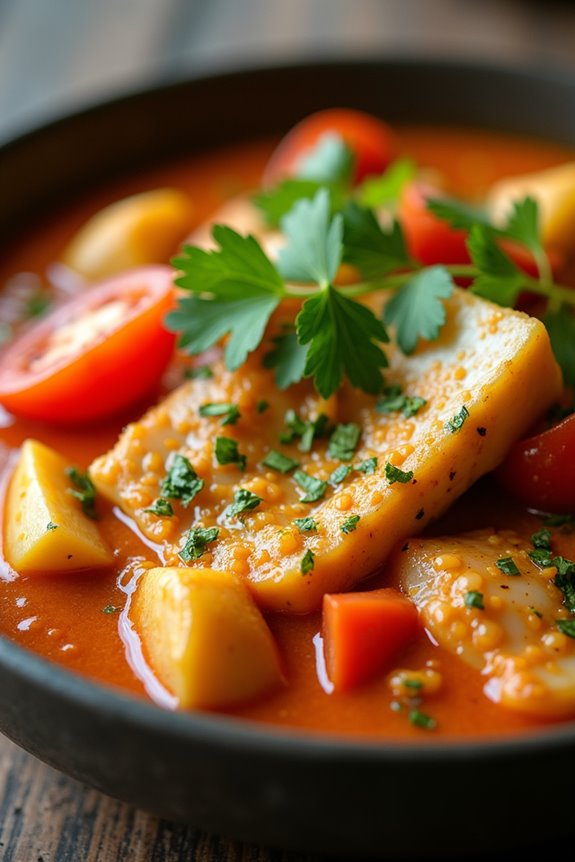
Moqueca is a traditional Brazilian dish that originates from the coastal state of Bahia. This rich and flavorful fish stew is renowned for its vibrant colors and aromatic ingredients, often featuring coconut milk, tomatoes, and a variety of spices that reflect the cultural diversity of the region. The dish is typically made with fresh fish, which is marinated in a mix of lime and seasonings and then cooked slowly to allow the flavors to meld beautifully.
Moqueca isn’t only a delight to the senses but also a representation of Bahian hospitality, often served at family gatherings and celebratory occasions.
Making a perfect Moqueca requires some preparation and the right ingredients, but the end result is worth the effort. The combination of seafood and tropical flavors creates a warm and inviting dish that pairs perfectly with white rice or farofa. Whether you’re cooking for a special occasion or a cozy family dinner, this recipe will transport you straight to the sun-soaked beaches of Bahia.
Ingredients (Serves 4-6):
- 2 pounds of firm white fish fillets (such as snapper or cod)
- Juice of 2 limes
- 4 cloves of garlic, minced
- 1 teaspoon of paprika
- 1 teaspoon of cayenne pepper (adjust to taste)
- Salt and black pepper to taste
- 2 tablespoons of olive oil
- 1 large onion, sliced
- 1 bell pepper (red or yellow), sliced
- 2 large tomatoes, chopped
- 1 can (14 oz) of coconut milk
- 1 cup of vegetable or fish broth
- 1 bunch of fresh cilantro, chopped
- 1/2 cup of palm oil (dendê oil)
- Cooked white rice (for serving)
Cooking Instructions:
- Marinate the Fish: Begin by cutting the fish fillets into large chunks. In a bowl, combine the fish with lime juice, minced garlic, paprika, cayenne pepper, salt, and black pepper. Gently toss to coat the fish evenly with the marinade. Cover the bowl and let it marinate in the refrigerator for at least 30 minutes to an hour. This step infuses the fish with flavor and tenderizes it.
- Sauté the Vegetables: In a large pot or Dutch oven, heat the olive oil over medium heat. Add the sliced onion and bell pepper, and sauté for about 5 minutes or until the vegetables are softened and fragrant. Stir occasionally to prevent burning. This step builds a flavorful base for your Moqueca.
- Add Tomatoes and Cook: Incorporate the chopped tomatoes into the pot, stirring to combine. Allow the mixture to cook for another 5-7 minutes until the tomatoes start to break down and release their juices. This creates a rich sauce that will complement the fish.
- Combine Coconut Milk and Broth: Pour in the coconut milk and vegetable or fish broth, stirring well to combine all the ingredients. Bring the mixture to a gentle simmer. This step adds creaminess to the stew and balances the acidity of the tomatoes.
- Add the Fish: Carefully add the marinated fish chunks to the pot, ensuring they’re submerged in the sauce. Reduce the heat to low, cover the pot, and let it simmer for about 15-20 minutes or until the fish is cooked through and flakes easily with a fork. Avoid stirring too vigorously to maintain the integrity of the fish.
- Finish with Palm Oil and Cilantro: Once the fish is cooked, drizzle the palm oil over the stew and gently stir in the chopped cilantro. Allow the Moqueca to simmer for an additional 5 minutes to let the flavors meld. Palm oil adds a distinct flavor characteristic of Bahian cuisine.
- Serve and Enjoy: Serve the Moqueca hot, accompanied by cooked white rice and a sprinkle of fresh cilantro on top. Enjoy the vibrant flavors and aromas that this Bahian dish brings to your table.
Extra Tips:
When preparing Moqueca, using fresh, high-quality fish is essential for the best flavor and texture. If you can’t find palm oil, you can substitute with more olive oil, but the unique taste of palm oil is a hallmark of this dish.
For an authentic touch, you can also serve the Moqueca in a clay pot, which retains heat well and enhances the overall dining experience. Finally, don’t hesitate to adjust the spice levels according to your preference, as Bahian cuisine is known for its bold flavors!
Vatapá
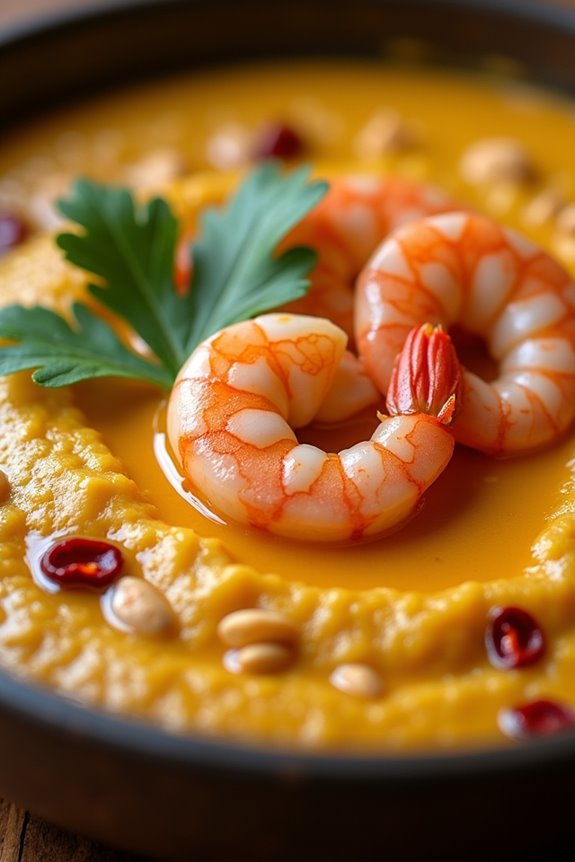
Vatapá is a traditional dish from Bahia, Brazil, that beautifully encapsulates the rich flavors of Afro-Brazilian cuisine. It’s a creamy, spicy paste made primarily from bread, shrimp, peanuts, and coconut milk, often served with rice or as an accompaniment to acarajé (a deep-fried bean cake). The dish is a staple of Bahian cooking and is often prepared during celebrations and gatherings, showcasing the region’s vibrant culinary heritage.
The preparation of vatapá involves a combination of ingredients that are blended together to create a luscious texture and a symphony of flavors. The use of toasted peanuts and ground spices lends depth to the dish, while the coconut milk adds a sweet creaminess that balances the heat from the peppers. Whether you’re a seasoned cook or a beginner, making vatapá is a rewarding experience that will transport your taste buds straight to the sunny shores of Bahia.
Ingredients (Serves 4-6)
- 500g of fresh shrimp, peeled and deveined
- 1 cup of stale white bread, crusts removed and torn into pieces
- 1 cup of coconut milk
- ½ cup of roasted peanuts, unsalted
- 1 medium onion, chopped
- 3 cloves of garlic, minced
- 2 tablespoons of ginger, grated
- 1-2 fresh red chili peppers, chopped (adjust to taste)
- 2 tablespoons of palm oil (or vegetable oil)
- 1 tablespoon of lime juice
- Salt to taste
- Fresh cilantro for garnish (optional)
Cooking Instructions
- Prepare the Shrimp: In a pot, bring water to a boil and add the peeled and deveined shrimp. Boil for about 2-3 minutes until they turn pink and are cooked through. Drain and set aside.
- Toast the Peanuts: In a dry skillet over medium heat, toast the roasted peanuts for about 3-5 minutes until they become aromatic and slightly golden. Be careful not to burn them. Once toasted, allow them to cool slightly and then grind them into a fine powder using a food processor or mortar and pestle.
- Blend the Base: In a blender, combine the torn bread, coconut milk, toasted peanut powder, onion, garlic, ginger, and red chili peppers. Blend until you achieve a smooth and creamy consistency. If the mixture is too thick, add a little more coconut milk to help it blend.
- Cook the Mixture: In a large saucepan, heat the palm oil over medium heat. Once hot, pour in the blended mixture. Cook for around 10 minutes, stirring frequently to prevent sticking. This will help deepen the flavors and thicken the vatapá.
- Add the Shrimp: Once the mixture has thickened, add the cooked shrimp to the saucepan. Stir well to combine and cook for an additional 5 minutes. Season with lime juice and salt to taste.
- Serve and Garnish: Remove from heat and let it cool slightly. Serve the vatapá warm, garnished with fresh cilantro if desired. It pairs beautifully with white rice or as a filling for acarajé.
Extra Tips
When making vatapá, feel free to customize the heat level by adjusting the amount of chili peppers according to your preference. For an even richer flavor, consider adding a splash of fish sauce or a pinch of ground black pepper to enhance the umami profile.
Additionally, if you’re looking for a vegetarian option, you can substitute the shrimp with mushrooms or tofu for a delicious alternative. Remember, the key to a great vatapá lies in the balance of flavors, so taste as you go and enjoy the cooking process!
Caruru
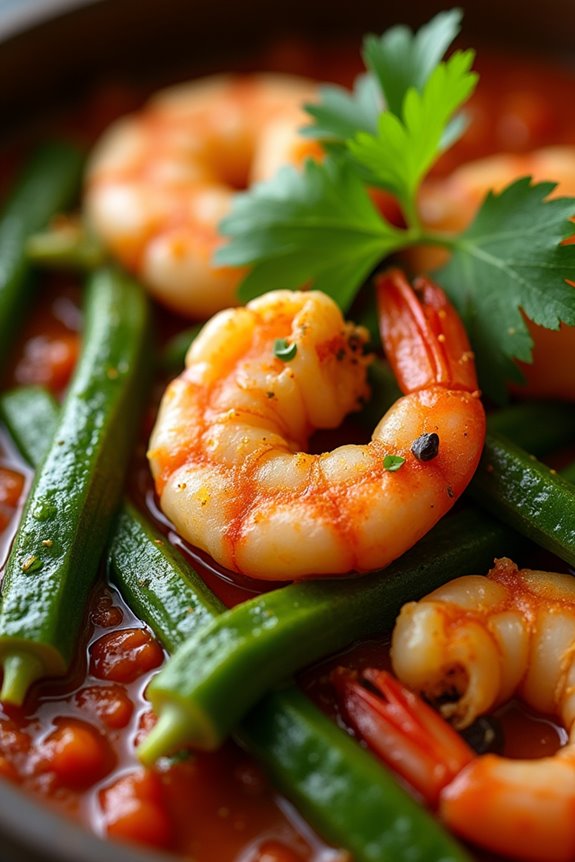
Caruru is a traditional Bahian dish that celebrates the rich culinary heritage of Brazil, particularly the state of Bahia. This dish typically features okra, shrimp, and a medley of spices, creating a vibrant and flavorful experience that embodies the essence of Afro-Brazilian cuisine.
Caruru is often served during special occasions and gatherings, offering a comforting taste that brings people together around the table. Its unique combination of ingredients and textures makes it a beloved staple among locals and food enthusiasts alike.
The preparation of Caruru requires some attention to detail, but the end result is a dish that bursts with flavors. The use of dendê oil, a staple in Bahian cooking, lends a distinctive taste that sets this dish apart.
While the recipe can vary, the essential components remain the same, allowing for creativity and personalization based on local ingredients or personal preferences. Gather your ingredients, and let’s plunge into creating this delightful dish that promises to impress your family and friends.
Ingredients (Serves 4-6):
- 500g of okra, sliced
- 300g of dried shrimp, cleaned
- 1 cup of chopped onions
- 3 cloves of garlic, minced
- 2 tablespoons of dendê oil (palm oil)
- 1 cup of crushed tomatoes
- 1 tablespoon of ground peanuts or peanut paste
- 1 tablespoon of ground coriander
- 1 tablespoon of ground cumin
- Salt to taste
- Fresh cilantro for garnish
- 2 cups of water
Cooking Instructions:
- Prepare the Ingredients: Begin by cleaning the dried shrimp in cold water and setting them aside. Wash and slice the okra into small pieces. Chop the onions, mince the garlic, and crush the tomatoes to prepare them for cooking. Having everything prepped will make the cooking process smoother.
- Sauté Onions and Garlic: In a large pot, heat the dendê oil over medium heat. Once hot, add the chopped onions and sauté them until they become translucent and fragrant, about 5 minutes. Then, add the minced garlic and continue to sauté for another 2 minutes, being careful not to let it burn.
- Add the Tomatoes and Spices: Stir in the crushed tomatoes, ground coriander, ground cumin, and a pinch of salt. Allow the mixture to cook for about 5 minutes, stirring occasionally to verify it doesn’t stick to the bottom of the pot. This step helps to build a rich base for the dish.
- Incorporate the Okra and Shrimp: Add the sliced okra and cleaned dried shrimp to the pot. Stir well to combine all the ingredients, allowing the okra to soften and the shrimp to absorb the flavors. Cook for another 10 minutes.
- Finish with Water and Peanuts: Pour in the water and bring the mixture to a gentle boil. Once boiling, reduce the heat and let it simmer for about 15-20 minutes. Then, add the ground peanuts (or peanut paste) and stir well to integrate them into the dish, providing a creamy texture.
- Serve and Garnish: Once cooked, check for seasoning and adjust with more salt if needed. Remove the pot from the heat, and serve the Caruru hot, garnished with fresh cilantro. It pairs beautifully with rice or can be enjoyed on its own.
Extra Tips:
When preparing Caruru, consider using fresh shrimp if available for a more vibrant flavor. If you prefer a vegetarian version, you can substitute the shrimp with diced tofu or mushrooms.
Additionally, feel free to adjust the spices and the level of heat according to your taste. Caruru can also be made a day in advance, as the flavors continue to develop and improve overnight, making it a great option for meal prep or gatherings.
Bobó De Camarão
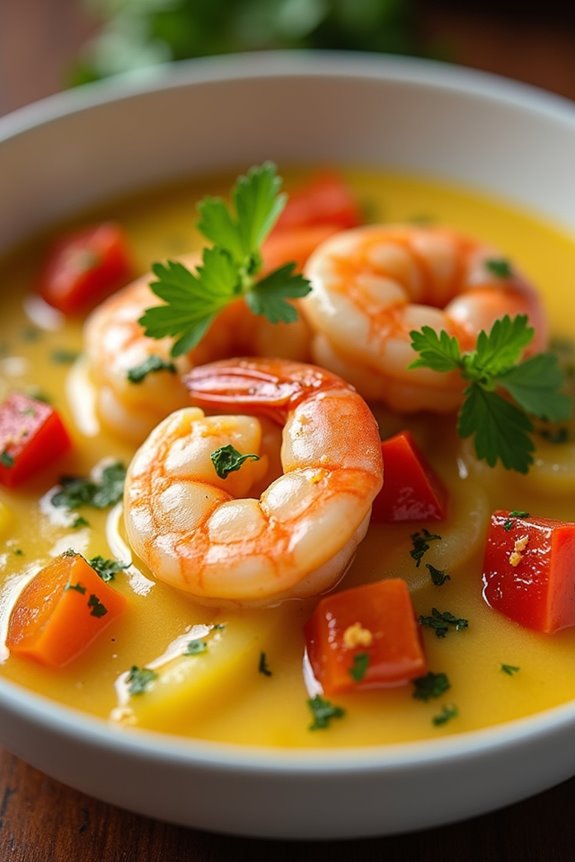
Bobó de Camarão is a traditional Bahian dish that beautifully combines the flavors of the sea with the rich, comforting elements of Brazilian cuisine. This creamy shrimp stew is made with a base of cassava (also known as yuca), coconut milk, and a medley of spices and seasonings that come together to create a dish that’s both hearty and satisfying.
Originating from the African influences in Bahian cooking, Bobó de Camarão is often served with white rice and is perfect for gatherings or family dinners.
The preparation of Bobó de Camarão involves a few key steps that guarantee the shrimp are perfectly tender and infused with the flavorful essence of the stew. The use of coconut milk not only adds creaminess but also balances the spice and richness of the dish.
Whether you’re a seasoned cook or a culinary novice, this recipe will guide you through the process of making this beloved Bahian dish that will transport your taste buds to the vibrant streets of Bahia.
Ingredients (serves 4-6):
- 1 lb (450g) large shrimp, peeled and deveined
- 1 lb (450g) cassava (yuca), peeled and chopped
- 1 cup coconut milk
- 1 medium onion, chopped
- 3 cloves garlic, minced
- 1 red bell pepper, chopped
- 1/2 cup diced tomatoes
- 2 tablespoons olive oil
- 1 teaspoon paprika
- 1/2 teaspoon cayenne pepper (adjust to taste)
- Salt and black pepper to taste
- Fresh cilantro, chopped (for garnish)
- Lime wedges (for serving)
Cooking Instructions:
- Prepare the Cassava: Begin by placing the chopped cassava in a large pot of salted water. Bring it to a boil and cook for about 20-25 minutes, or until tender. Once cooked, drain and set aside. When cool enough to handle, mash the cassava into a smooth puree and set aside.
- Sauté the Aromatics: In a large skillet, heat the olive oil over medium heat. Add the chopped onion, minced garlic, and red bell pepper. Sauté for about 5-7 minutes, or until the onions become translucent and the peppers soften.
- Add Tomatoes and Spices: Stir in the diced tomatoes, paprika, and cayenne pepper. Cook for an additional 5 minutes, allowing the flavors to meld together. Season with salt and black pepper to taste.
- Cook the Shrimp: Add the peeled and deveined shrimp to the skillet. Cook for 3-4 minutes, stirring occasionally, until the shrimp are pink and just cooked through.
- Incorporate the Cassava and Coconut Milk: Carefully fold the mashed cassava into the skillet with the shrimp and vegetables. Gradually stir in the coconut milk, mixing until well combined. Allow the mixture to simmer on low heat for about 10 minutes, letting the flavors blend together and the stew become creamy.
- Serve and Garnish: Once the Bobó de Camarão is heated through, taste and adjust seasoning if necessary. Serve hot, garnished with fresh cilantro and a squeeze of lime juice for added freshness.
Extra Tips:
When making Bobó de Camarão, feel free to experiment with the type of seafood used; other options like fish or even mixed seafood can work beautifully in this dish.
Additionally, if you want a spicier kick, consider adding diced chili peppers along with the other vegetables. To save time, you can prepare the cassava a day in advance and store it in the refrigerator.
Enjoy your culinary journey through Bahia with this flavorful and comforting dish!
Feijoada Baiana
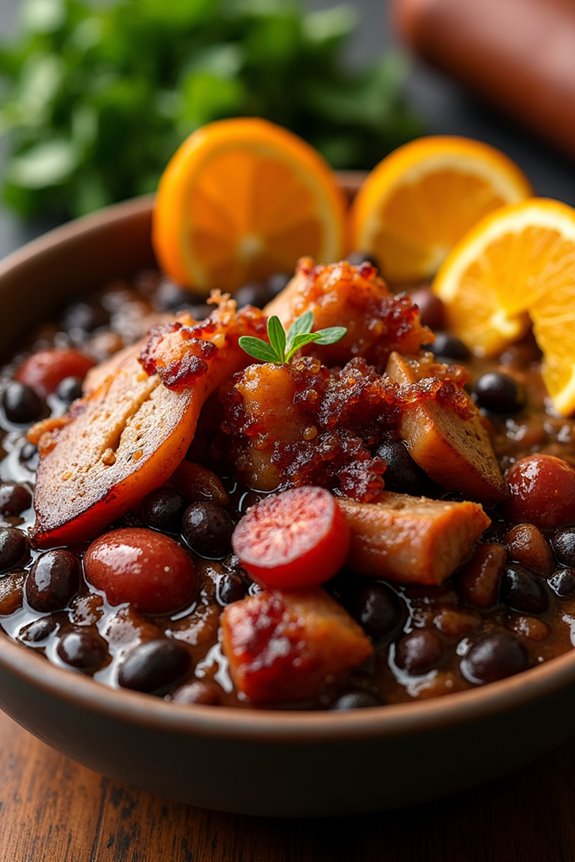
Feijoada Baiana is a hearty and flavorful black bean stew, deeply rooted in Brazilian culinary tradition, particularly in the Bahia region. This dish is a celebration of rich flavors and is typically made with a variety of meats, including pork and beef, which contribute to its robust taste.
Often served with rice, collard greens, and orange slices, Feijoada Baiana is a beloved dish that brings families and friends together around the dining table. The combination of spices and ingredients reflects the African influence on Bahian cuisine, making it not only delicious but also culturally significant.
Preparing Feijoada Baiana may take a bit of time, but the process is straightforward, and the results are well worth the effort. The slow-cooked stew allows the flavors to meld beautifully, creating a comforting meal that warms the heart and soul.
Whether you’re cooking for a special occasion or a casual gathering, Feijoada Baiana is sure to impress your guests and introduce them to the vibrant tastes of Brazil.
Ingredients (Serves 4-6):
- 500g black beans, soaked overnight
- 200g pork shoulder, cut into cubes
- 150g smoked sausage, sliced
- 150g chorizo sausage, sliced
- 100g bacon, chopped
- 100g beef brisket, cut into cubes
- 1 onion, finely chopped
- 4 cloves garlic, minced
- 2 bay leaves
- 1 teaspoon cumin
- 1 teaspoon black pepper
- Salt to taste
- 1 tablespoon olive oil
- 4 cups water
- Cooked white rice, for serving
- Chopped collard greens, for serving
- Orange slices, for garnish
Cooking Instructions:
- Prepare the Beans: Drain the soaked black beans and rinse them under cold water. Set aside. This step guarantees that the beans are clean and ready to absorb the flavors during cooking.
- Brown the Meats: In a large pot, heat the olive oil over medium heat. Add the bacon and cook until it starts to render fat and is crispy. Then, add the pork shoulder, beef brisket, smoked sausage, and chorizo sausage. Brown all the meats on all sides to develop flavor. This step helps create a rich base for the stew.
- Sauté Aromatics: Once the meats are browned, add the chopped onions and minced garlic to the pot. Sauté until the onions are translucent and fragrant. This step enhances the overall flavor profile of the stew.
- Combine Ingredients: Add the soaked black beans to the pot along with the bay leaves, cumin, black pepper, and salt. Pour in 4 cups of water to cover the beans and meats. Stir to combine all the ingredients. This guarantees that all the flavors are integrated before cooking.
- Simmer the Stew: Bring the mixture to a boil, then reduce the heat to low. Cover the pot and let it simmer for about 2-3 hours, stirring occasionally. This slow cooking process allows the beans to become tender and the flavors to meld beautifully.
- Adjust Seasoning: After simmering, taste the stew and adjust the seasoning with more salt and pepper if needed. This final seasoning step guarantees that the dish is perfectly flavored before serving.
- Serve the Dish: Remove the bay leaves before serving. Ladle the Feijoada Baiana into bowls and serve hot with cooked white rice, chopped collard greens, and orange slices on the side. The freshness of the orange balances the richness of the dish.
Extra Tips:
When making Feijoada Baiana, feel free to customize the types of meat based on your preferences or what you have on hand; the key is to maintain a balance of flavors.
Additionally, letting the stew rest for a few hours or overnight in the refrigerator can enhance the flavors even further, as they continue to develop. Reheat gently before serving, and don’t forget to enjoy it with a cold beer or a caipirinha for the full Bahian experience!
Dendê Oil Rice
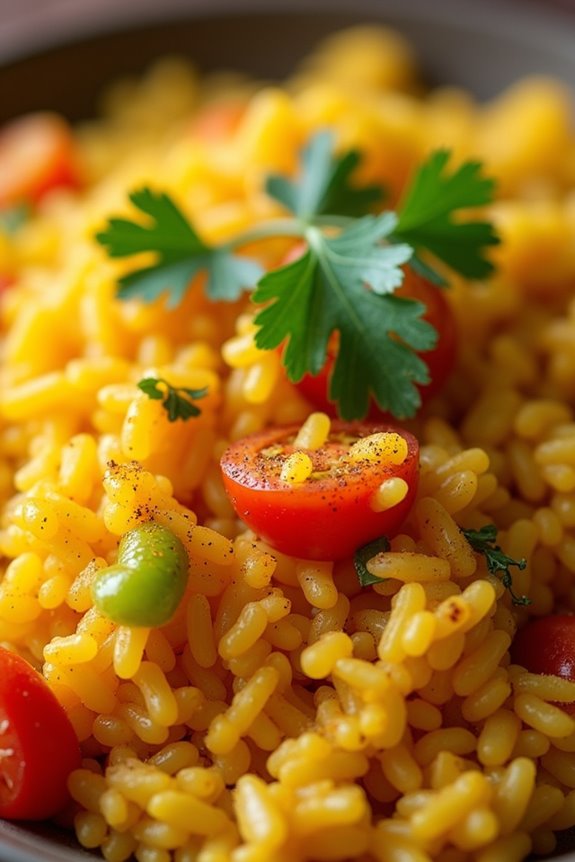
Dendê Oil Rice, or “Arroz de Dendê,” is a vibrant and flavorful dish that hails from the northeastern region of Brazil, particularly Bahia. This dish showcases the unique flavors of dendê oil, a palm oil that imparts a rich, nutty flavor and a striking yellow color. The rice is often cooked with various spices, vegetables, and sometimes seafood or meat, making it a versatile and beloved staple in Bahian cuisine.
Whether served as a side dish or the main attraction, Dendê Oil Rice is a celebration of flavors that transport you straight to the sunny coasts of Brazil.
Preparing Dendê Oil Rice isn’t only about the ingredients but also about the technique. The key to a successful rice dish lies in the careful balance of flavors and the cooking process. The rice absorbs the aromatic qualities of the dendê oil, combined with the freshness of vegetables and herbs, creating a dish that’s both comforting and exotic.
Serve this delightful rice alongside grilled meats, fish, or a fresh salad for a complete meal that embodies the spirit of Bahian cooking.
Ingredients (serving size: 4-6 people):
- 2 cups of long-grain rice
- 4 cups of water or vegetable broth
- 2 tablespoons of dendê oil
- 1 medium onion, finely chopped
- 3 cloves of garlic, minced
- 1 bell pepper, diced (any color)
- 1 cup of diced tomatoes (fresh or canned)
- 1 teaspoon of paprika
- 1 teaspoon of cumin
- Salt and pepper to taste
- Fresh cilantro or parsley for garnish
Cooking Instructions:
- Prepare the Ingredients: Start by gathering all your ingredients. Rinse the rice under cold water until the water runs clear to remove excess starch. This will help achieve fluffy rice. Chop the onions, garlic, bell pepper, and tomatoes, and set them aside.
- Sauté the Aromatics: In a large pot over medium heat, add the dendê oil. Once hot, sauté the chopped onions until they become translucent, about 3-4 minutes. Then, add the minced garlic and diced bell pepper, cooking for an additional 2-3 minutes until they soften and become fragrant.
- Add the Tomatoes and Spices: Stir in the diced tomatoes, paprika, cumin, salt, and pepper. Cook this mixture for about 5 minutes, allowing the tomatoes to break down and meld with the spices, creating a rich base for the rice.
- Combine the Rice: Add the rinsed rice to the pot, stirring well to coat the rice with the tomato and spice mixture. This step guarantees that each grain absorbs the flavorful oil and spices.
- Add the Liquid: Pour in the water or vegetable broth. Bring the mixture to a boil, then reduce the heat to low. Cover the pot with a lid and let it simmer gently for about 15-20 minutes, or until the rice is tender and has absorbed all the liquid.
- Fluff and Serve: Once the rice is cooked, remove the pot from heat and let it sit, covered, for another 5 minutes. Fluff the rice with a fork, then garnish with fresh cilantro or parsley before serving.
Extra Tips: When cooking Dendê Oil Rice, feel free to customize the dish by adding your favorite proteins, such as shrimp or chicken, during the sautéing step. For an extra kick, you can include a diced chili pepper or a splash of lime juice before serving.
Confirm that your heat is controlled during cooking to prevent the rice from burning, and always taste as you go to adjust the seasoning to your preference. Enjoy this delightful dish as part of a festive meal or a comforting family dinner!
Pato No Tucupi
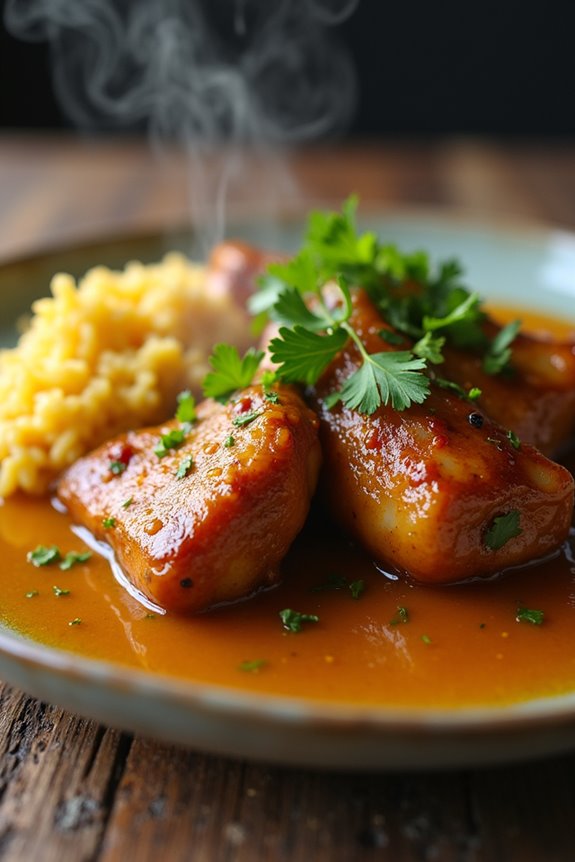
Pato No Tucupi is a delightful dish from the Brazilian state of Bahia, showcasing the rich culinary heritage of the region. This dish combines tender duck with tucupi, a yellow sauce extracted from wild manioc root, which is known for its unique flavor and earthy aroma. The combination of spices and ingredients creates a symphony of tastes that’s both comforting and exotic, making it a perfect centerpiece for any gathering.
Often served with rice and farofa, Pato No Tucupi isn’t only a celebration of Bahian culture but also an indication of the region’s vibrant agriculture and culinary traditions.
To prepare this dish, you’ll need to take your time to guarantee that the duck is tender and infused with the rich flavors of the tucupi. This recipe is perfect for a family gathering or a special occasion, serving 4-6 people. As you begin this culinary journey, you’ll discover the beauty of Bahian gastronomy and the joy of sharing a meal lovingly prepared with fresh, local ingredients.
Ingredients (Serves 4-6):
- 1 whole duck (about 3-4 pounds), cleaned and cut into pieces
- 4 cups tucupi
- 2 cups water
- 4 cloves garlic, minced
- 1 large onion, chopped
- 2-3 fresh chili peppers, chopped (adjust to taste)
- 2 tablespoons olive oil
- 1 tablespoon grated ginger
- 1 tablespoon dried oregano
- 1 teaspoon black pepper
- Salt to taste
- Fresh cilantro, chopped (for garnish)
- Cooked rice (for serving)
- Farofa (toasted cassava flour, for serving)
Cooking Instructions:
- Prepare the Duck: Start by cleaning the duck pieces thoroughly. Remove any excess fat and pat them dry with paper towels. This will help achieve a nice sear later. Season the duck pieces with salt and black pepper, ensuring they’re evenly coated.
- Sear the Duck: In a large, heavy-bottomed pot or Dutch oven, heat the olive oil over medium-high heat. Once hot, add the duck pieces, skin-side down, and sear until golden brown on all sides. This step not only enhances the flavor but also locks in the juices. Once browned, remove the duck pieces and set them aside.
- Sauté the Aromatics: In the same pot, add the chopped onion, garlic, ginger, and chili peppers. Sauté for about 5 minutes, or until the onions are translucent and fragrant. This will create a flavorful base for the dish.
- Add Tucupi and Water: Pour the tucupi and water into the pot, scraping up any browned bits from the bottom of the pot. This adds depth to the sauce. Bring the mixture to a gentle simmer.
- Simmer the Duck: Return the duck pieces to the pot, ensuring they’re submerged in the liquid. Add the dried oregano and adjust the seasoning with more salt if needed. Cover the pot and let it simmer on low heat for about 1.5 to 2 hours, or until the duck is tender and easily pulls away from the bone. Stir occasionally and check the liquid level, adding more water if necessary.
- Serve: Once the duck is tender, remove it from the pot and let it rest for a few minutes. Serve the duck pieces on a platter, spooning the tucupi sauce over the top. Garnish with fresh chopped cilantro. Serve alongside rice and farofa for a complete meal.
Extra Tips:
When preparing Pato No Tucupi, it’s important to use fresh ingredients, especially the tucupi, as its flavor is essential to the dish’s authenticity. If you can’t find tucupi, you can substitute it with a mixture of chicken broth and a few drops of lemon juice for a similar tangy effect.
Additionally, letting the dish rest for a few minutes after cooking allows the flavors to meld even further, enhancing the overall taste. Don’t hesitate to adjust the level of spiciness by adding more or fewer chili peppers, depending on your preference! Enjoy this flavorful journey into Bahian cuisine.
Bobo De Peixe
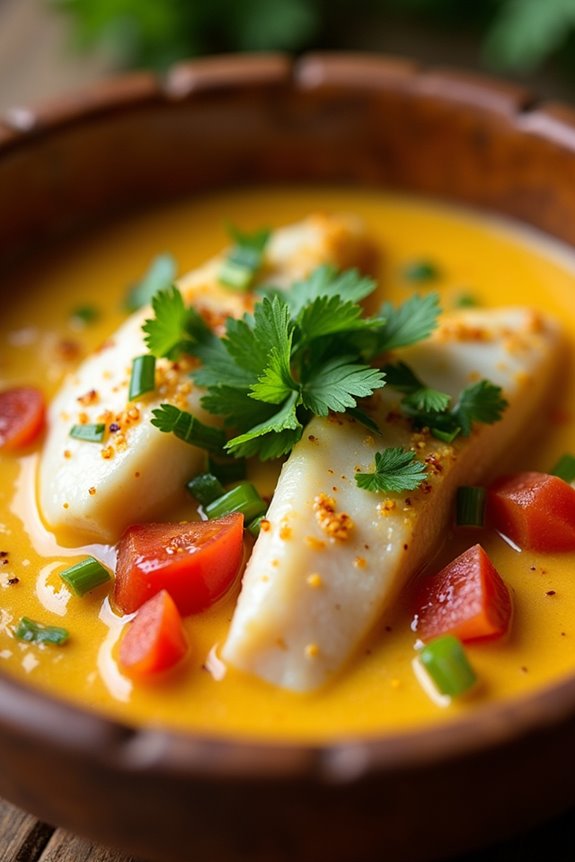
Bobo De Peixe is a traditional Bahian dish that beautifully showcases the vibrant flavors of Brazil’s coastal cuisine. Combining tender fish with a creamy cassava base, this dish is a true delight for seafood lovers. The preparation involves a variety of ingredients that impart a rich and complex flavor profile, making it a favorite at family gatherings and festive occasions.
As you begin this culinary journey, get ready to experience the unique blend of spices and textures that define Bahian cooking. The origins of Bobo De Peixe can be traced back to the African influence on Bahian cuisine, incorporating ingredients like dendê oil and coconut milk. This dish isn’t only a feast for the taste buds but also a visual delight, with its vibrant colors and enticing aroma.
Whether served with rice or on its own, Bobo De Peixe is bound to impress your guests and transport them to the sun-soaked shores of Bahia.
Ingredients (Serves 4-6)
- 1 lb (450g) white fish fillets (such as cod or tilapia)
- 1 cup cassava (manioc) flour
- 1 can (14 oz) coconut milk
- 1/2 cup dendê oil (palm oil)
- 1 medium onion, chopped
- 4 cloves garlic, minced
- 1 bell pepper (red or green), chopped
- 2 tomatoes, chopped
- 1/4 cup fresh cilantro, chopped
- 1 lime, juiced
- 1 teaspoon ground paprika
- 1 teaspoon black pepper
- 1 teaspoon salt
- 2 cups vegetable or fish broth
- 1/2 cup green onions, chopped (for garnish)
Cooking Instructions
- Prepare the Fish: Start by rinsing the fish fillets under cold water and patting them dry with paper towels. Season the fish with lime juice, salt, and black pepper, then set aside to marinate for about 15-20 minutes. This step allows the fish to absorb the flavors and enhances its taste.
- Sauté the Vegetables: Heat the dendê oil in a large pot over medium heat. Add the chopped onion, garlic, and bell pepper. Sauté for about 5-7 minutes, or until the onions become translucent and the peppers are soft. This creates a flavorful base for the dish.
- Add Tomatoes and Spices: Stir in the chopped tomatoes, ground paprika, and cook for another 3-4 minutes until the tomatoes start to break down and release their juices. The combination of these ingredients adds depth and richness to the sauce.
- Incorporate Coconut Milk and Broth: Pour in the coconut milk and vegetable or fish broth, stirring well to combine all the ingredients. Bring the mixture to a gentle simmer and let it cook for 10-15 minutes. This allows the flavors to meld together and creates a creamy consistency.
- Cook the Fish: Carefully add the marinated fish fillets to the pot, ensuring that they’re submerged in the sauce. Cover the pot and let the fish cook for about 8-10 minutes, or until it’s cooked through and flakes easily with a fork. Be gentle while stirring to avoid breaking the fish apart.
- Finish with Cassava Flour: Gradually sprinkle the cassava flour into the pot, stirring continuously to avoid lumps. Cook for an additional 5 minutes until the mixture thickens. The cassava flour is essential for achieving the signature creamy texture of Bobo De Peixe.
- Garnish and Serve: Once the dish has thickened to your liking, remove it from heat and stir in the chopped cilantro. Adjust seasoning if necessary. Serve hot, garnished with chopped green onions, alongside rice or crusty bread to soak up the delicious sauce.
Extra Tips
When preparing Bobo De Peixe, be mindful of the type of fish you choose; firm white fish works best as it retains its shape during cooking. Feel free to customize the dish by adding other seafood like shrimp or squid.
Additionally, the use of dendê oil imparts a distinctive flavor, but if you can’t find it, you can substitute with olive oil, although the taste will be different. Finally, let the dish rest for a few minutes after cooking before serving, as this allows the flavors to further develop. Enjoy your culinary adventure in Bahian cuisine!
Quindim
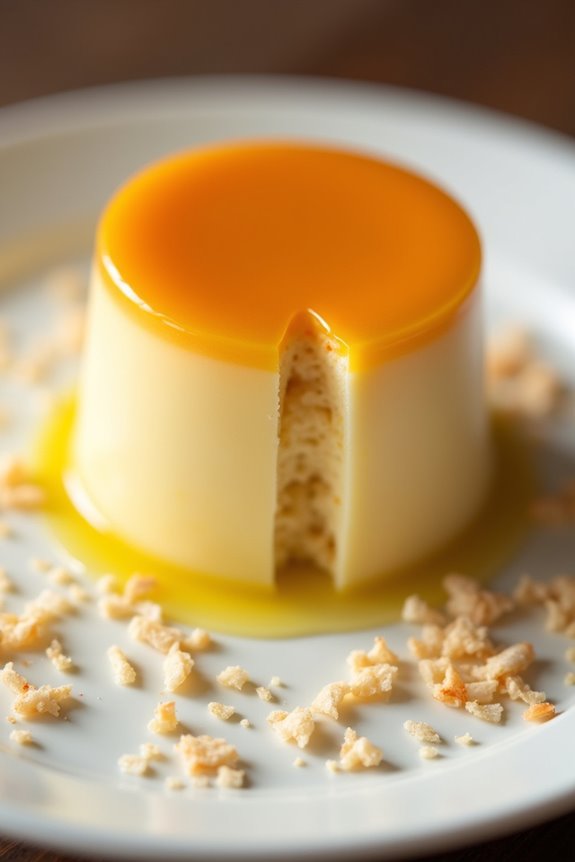
Quindim is a traditional Brazilian dessert that hails from the Bahia region, known for its vibrant flavors and rich culinary heritage. This delightful treat is a sweet, glossy custard made primarily from eggs, sugar, coconut, and butter. The name “quindim” is derived from the African word for “sweet,” reflecting the cultural influences that shape Bahian cuisine.
With its bright yellow hue and a smooth, creamy texture, quindim isn’t just a feast for the taste buds but also a visual delight that captures the essence of Brazil’s diverse culinary landscape. This dessert is perfect for those who enjoy a mix of sweet and slightly nutty flavors, thanks to the shredded coconut that provides a wonderful contrast to the richness of the custard.
Quindim is often served at parties and celebrations, making it a popular choice for festive occasions. Whether you’re looking to impress guests or simply indulge in a slice of heaven, making quindim at home is easier than it might seem. With a few simple ingredients and some careful preparation, you can bring a taste of Bahia right to your kitchen.
Ingredients (Serves 4-6)
- 1 cup shredded coconut (unsweetened)
- 1 cup sugar
- 1/2 cup butter, melted
- 4 large egg yolks
- 1 whole egg
- 1/2 cup whole milk
- 1 teaspoon vanilla extract
- 1 tablespoon cornstarch
- A pinch of salt
Cooking Instructions
- Preheat the Oven: Preheat your oven to 350°F (175°C) to guarantee it reaches the desired temperature for baking the quindim. This is an important step to achieve the perfect custard texture.
- Prepare the Baking Dish: Grease individual ramekins or a muffin tin with butter. This will prevent the quindim from sticking, making it easier to remove once baked. You can also sprinkle some sugar in the bottom of each ramekin for added sweetness and a beautiful caramelized effect.
- Mix the Ingredients: In a large mixing bowl, combine the shredded coconut, sugar, melted butter, egg yolks, whole egg, whole milk, vanilla extract, cornstarch, and a pinch of salt. Whisk until all ingredients are well blended and the mixture is smooth. This will guarantee that the flavors are evenly distributed throughout the custard.
- Pour into Ramekins: Carefully pour the mixture into the prepared ramekins, filling each about three-quarters full. This allows room for the quindim to rise slightly as it bakes.
- Bake in a Water Bath: Place the ramekins in a larger baking dish and fill the dish with hot water until it reaches halfway up the sides of the ramekins. This water bath will help the quindim cook evenly and prevent it from cracking.
- Bake: Bake in the preheated oven for approximately 30-40 minutes, or until the quindim is set and a toothpick inserted into the center comes out clean. Keep an eye on the color; it should be a beautiful golden yellow.
- Cool and Serve: Once baked, remove the ramekins from the water bath and allow them to cool to room temperature. After cooling, refrigerate for at least 2 hours before serving. To serve, gently run a knife around the edges and invert onto a plate.
Extra Tips
For the best results, use fresh coconut if possible, as it enhances the flavor and texture of the quindim. Additionally, be mindful of the baking time; ovens can vary, so check for doneness a few minutes before the recommended time.
Allowing the quindim to chill in the refrigerator not only enhances the flavor but also improves its texture, making it even more enjoyable. Finally, consider garnishing with a sprinkle of toasted coconut or a fresh fruit slice for a delightful presentation!
Cocada
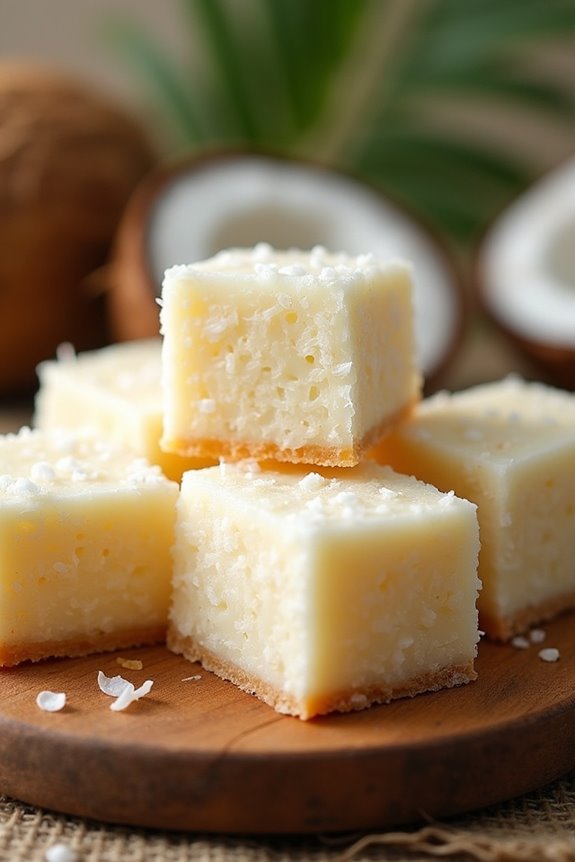
Cocada is a delightful Brazilian coconut sweet that captures the essence of the tropics with its rich flavors and chewy texture. Originating from the Bahia region, this treat is a staple at many celebrations and gatherings, celebrated for its simplicity and the deliciousness that comes from just a few ingredients.
The combination of fresh coconut, sugar, and milk creates a sweet indulgence that’s certain to please both children and adults alike. Making cocada is a straightforward process, and once you master it, you can easily whip up a batch for any occasion.
This beloved Bahian recipe can be customized in various ways, with some versions incorporating ingredients like condensed milk or nuts for added flavor and texture. However, the traditional version remains a favorite for its pure and authentic taste.
Whether served at a party or enjoyed as an everyday snack, cocada is a treat that embodies the warmth and vibrancy of Brazilian culture.
Ingredients (Serves 4-6):
- 2 cups grated fresh coconut (or unsweetened dried coconut)
- 1 cup granulated sugar
- 1/2 cup sweetened condensed milk
- 1/4 teaspoon salt
- 1 teaspoon vanilla extract
- 1 tablespoon butter (for greasing)
Cooking Instructions:
- Prepare the Baking Dish: Begin by greasing a baking dish or a rectangular pan (about 9×9 inches or similar) with butter. This will prevent the cocada from sticking once it’s set. Set the greased pan aside.
- Combine Ingredients: In a mixing bowl, combine the grated coconut, granulated sugar, sweetened condensed milk, salt, and vanilla extract. Stir the mixture well until all the ingredients are fully combined. The mixture should be moist but not overly wet.
- Cook the Mixture: Transfer the combined mixture to a medium saucepan and cook over medium heat. Stir continuously to prevent the mixture from sticking to the bottom of the pan. Cook for about 10-15 minutes, or until the mixture thickens and starts to pull away from the sides of the pan. The texture should be sticky and hold together when pressed.
- Transfer to the Dish: Once thickened, remove the saucepan from heat and carefully pour the mixture into the prepared baking dish. Using a spatula, spread it evenly and press it down firmly to create a flat surface.
- Cool and Cut: Allow the cocada to cool at room temperature for about 30 minutes. Once it has set and cooled down, use a sharp knife to cut it into squares or rectangles. Let it cool completely before serving.
- Serve: Your cocada is now ready to be enjoyed! Serve at room temperature, and store any leftovers in an airtight container.
Extra Tips: When making cocada, using fresh coconut will yield the best flavor and texture. If using dried coconut, verify it’s unsweetened to avoid overly sweet results.
Additionally, feel free to experiment by adding chopped nuts, dried fruits, or a sprinkle of cinnamon to the mixture for a unique twist. Remember, patience is key when cooking the mixture—stirring constantly helps achieve that perfect chewy consistency. Enjoy your cocada!
Peixe Ao Molho De Camarão
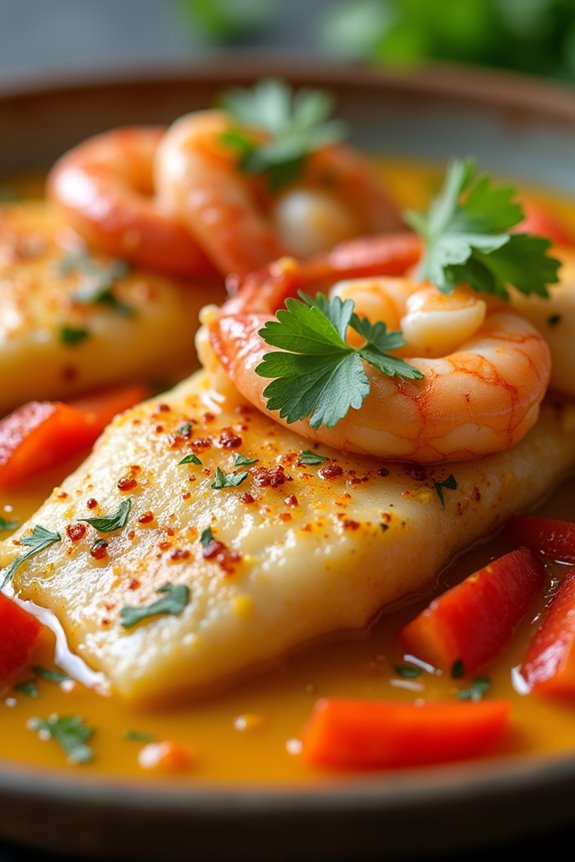
Peixe Ao Molho De Camarão, or Fish in Shrimp Sauce, is a quintessential dish from Bahia, Brazil, that beautifully combines the rich flavors of the sea. This dish highlights the local culinary tradition of using fresh ingredients, such as fish and shrimp, seasoned with aromatic herbs and spices. The result is a deliciously tender fish fillet enveloped in a creamy, savory shrimp sauce that’s perfect for serving over rice or with a fresh salad.
The preparation of Peixe Ao Molho De Camarão isn’t only about cooking but also about celebrating the vibrant culinary heritage of Bahia. The dish brings together the sweetness of shrimp, the zest of lime, and the warmth of coconut milk, making it a delightful experience for any seafood lover. Whether you’re hosting a dinner party or looking to indulge in a comforting meal, this recipe is sure to impress.
Ingredients (Serves 4-6):
- 1.5 lbs (700g) firm white fish fillets (such as tilapia or snapper)
- 1 lb (450g) shrimp, peeled and deveined
- 1 medium onion, finely chopped
- 2 cloves garlic, minced
- 1 red bell pepper, diced
- 1 cup coconut milk
- 1/2 cup fish stock or water
- 1/4 cup fresh lime juice
- 2 tablespoons olive oil
- 1 teaspoon paprika
- 1/2 teaspoon cayenne pepper (adjust to taste)
- Salt and pepper to taste
- Fresh cilantro or parsley for garnish
Cooking Instructions:
- Prepare the Fish: Rinse the fish fillets under cold water and pat them dry with paper towels. Season both sides with salt, pepper, and a sprinkle of lime juice. Set aside to marinate for about 15 minutes while you prepare the other ingredients.
- Sauté the Aromatics: In a large skillet or frying pan, heat the olive oil over medium heat. Once hot, add the chopped onion and minced garlic. Sauté for about 3-4 minutes until the onion becomes translucent and the garlic is fragrant.
- Add the Bell Pepper: Stir in the diced red bell pepper and continue to sauté for an additional 2-3 minutes until it softens slightly. This will add a lovely color and sweetness to your sauce.
- Cook the Shrimp: Add the peeled and deveined shrimp to the skillet, cooking for about 3-5 minutes until they turn pink and opaque. Be careful not to overcook them, as they can become rubbery.
- Create the Sauce: Pour in the coconut milk and fish stock (or water) into the pan. Stir in the paprika and cayenne pepper, mixing well to combine. Bring the mixture to a gentle simmer.
- Add the Fish: Carefully place the marinated fish fillets into the sauce, spooning some of the sauce over the top. Cover the skillet and let it simmer for about 10-15 minutes, or until the fish is cooked through and flakes easily with a fork.
- Final Touches: Once the fish is cooked, remove the skillet from heat and stir in the remaining lime juice. Taste the sauce and adjust the seasoning with more salt or pepper if needed.
- Serve: Garnish with freshly chopped cilantro or parsley before serving. Plate the fish with a generous spoonful of the shrimp sauce over rice or alongside a fresh salad.
Extra Tips: For an added layer of flavor, consider marinating the fish in lime juice and spices for a few hours before cooking. Additionally, using a variety of seafood such as scallops or squid can enhance the dish’s complexity. If you prefer a thicker sauce, let it simmer uncovered for a few minutes to reduce. Finally, pair it with a chilled glass of white wine or a invigorating caipirinha for a true Bahian dining experience!
Canjica
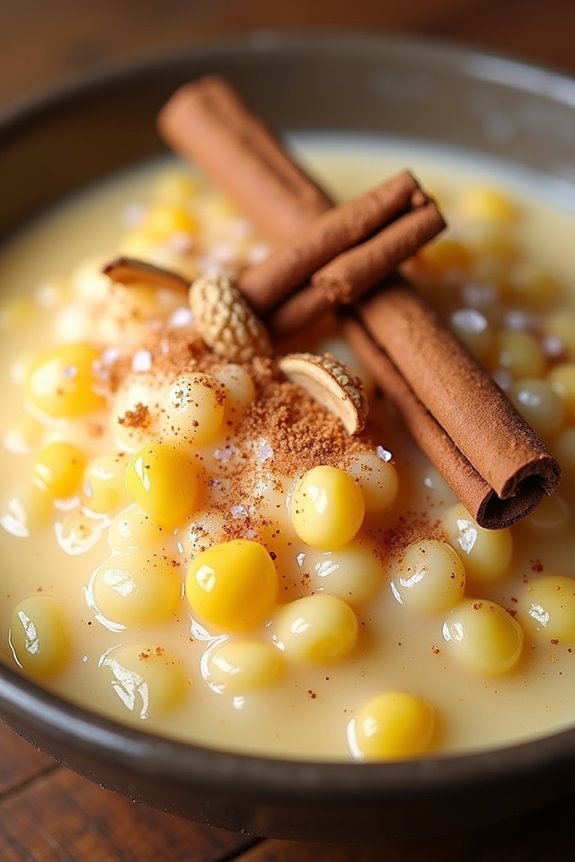
Canjica is a traditional Brazilian dish, particularly popular in the northeastern region of Bahia. This delightful treat is made from hominy corn, milk, and sugar, often flavored with spices and served as a comforting dessert or snack, especially during festive occasions such as the June festivals.
The creamy texture and sweet, aromatic flavors make Canjica a beloved favorite among many families, and it’s celebrated for its warm, comforting qualities.
To prepare Canjica, you’ll need to soak the hominy corn overnight, which allows it to soften and cook more evenly. The dish is typically sweetened with sugar and can be enhanced with additional flavors such as cinnamon, coconut, and even peanuts.
Once cooked, Canjica can be served warm or chilled, making it a versatile addition to any meal or gathering.
Ingredients (Serves 4-6):
- 1 cup of hominy corn (dried)
- 4 cups of water (for soaking)
- 4 cups of whole milk
- 1 cup of sugar (or to taste)
- 1 teaspoon of cinnamon powder
- 1 cup of grated coconut (fresh or dried)
- 1/2 cup of roasted peanuts (chopped, optional)
- A pinch of salt
- Cinnamon sticks (for garnish, optional)
Cooking Instructions:
- Soak the Hominy Corn: Begin by rinsing the hominy corn under cold water to remove any impurities. Place it in a bowl and cover with 4 cups of water. Allow it to soak overnight (or at least 8 hours) to guarantee the grains soften adequately.
- Cook the Hominy Corn: After soaking, drain the corn and transfer it to a large pot. Add fresh water to cover the corn (approximately 4 cups). Bring it to a boil over medium heat, then reduce the heat and let it simmer for about 1-1.5 hours, or until the corn is tender. Stir occasionally to prevent sticking.
- Prepare the Sweet Mixture: Once the corn is cooked, add the whole milk, sugar, a pinch of salt, and cinnamon powder to the pot. Stir well to combine all the ingredients. Allow the mixture to simmer for an additional 20-30 minutes, stirring frequently to guarantee the mixture doesn’t stick to the bottom of the pot.
- Add Coconut and Peanuts: Once the mixture has thickened to your desired consistency, add the grated coconut and chopped peanuts (if using). Stir well and let it cook for another 5 minutes to allow the flavors to meld.
- Serve: Remove the pot from the heat. You can serve Canjica warm in bowls, garnished with a sprinkle of cinnamon or a cinnamon stick for added flavor. Alternatively, allow it to cool and serve chilled.
Extra Tips:
When preparing Canjica, feel free to adjust the sweetness according to your preference; some may prefer it sweeter, while others may enjoy a more subtle flavor.
Experimenting with toppings, such as additional grated coconut or a drizzle of condensed milk, can also elevate the dish. It’s also a good idea to keep an eye on the consistency as it cooks; if it becomes too thick, you can always add more milk to achieve your desired creaminess.
Enjoy this traditional Bahian dish with family and friends!
Mungunzá
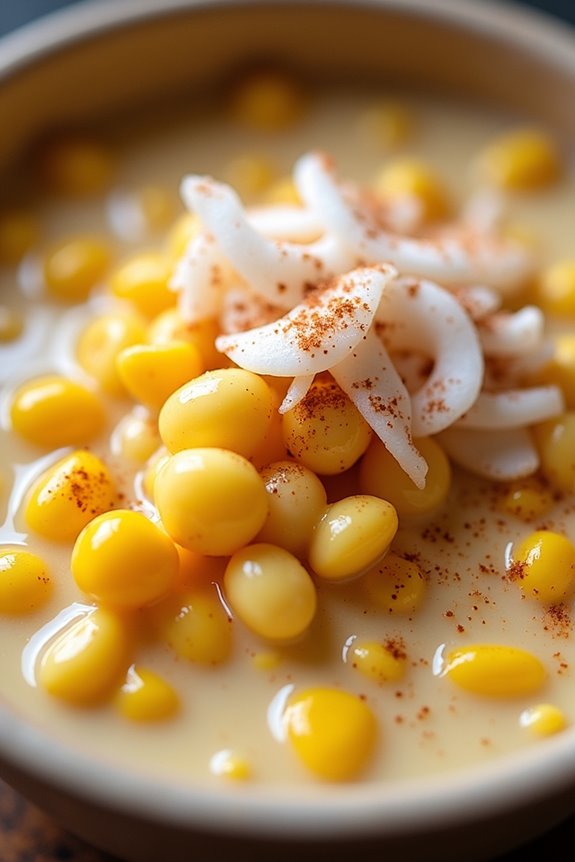
Mungunzá, a beloved dish from the northeastern state of Bahia in Brazil, is a traditional preparation that beautifully blends corn and coconut into a delightful sweet treat. This delicious dessert is often enjoyed during festive occasions and family gatherings, celebrated for its comforting texture and rich flavors. The name “mungunzá” is derived from the indigenous Tupi language, referring to the corn-based dish which has numerous variations across Brazil, but the Bahian version stands out for its unique combination of ingredients.
This dish typically features tender corn, creamy coconut milk, and a hint of sugar, resulting in a warm and satisfying dessert. Often garnished with cinnamon or served with a sprinkle of grated coconut, mungunzá encapsulates the essence of Bahian cuisine—simple yet deeply flavorful. Its preparation requires minimal ingredients and effort, making it a perfect option for both experienced cooks and those just beginning to explore the tastes of Brazil.
Ingredients (Serves 4-6):
- 1 cup of dried corn (preferably white or yellow)
- 4 cups of water
- 1 can (400ml) of coconut milk
- 1 cup of sugar (adjust to taste)
- 1 teaspoon of salt
- 1 teaspoon of cinnamon (for garnish)
- Grated coconut (for garnish, optional)
Cooking Instructions:
- Soak the Corn: Begin by rinsing the dried corn under cold water. Place the corn in a large bowl and cover it with water. Let it soak for at least 8 hours or overnight. This soaking process softens the corn, allowing it to cook more evenly.
- Cook the Corn: After soaking, drain and rinse the corn again. In a large pot, combine the soaked corn with 4 cups of fresh water. Bring the mixture to a boil over medium-high heat. Once boiling, reduce the heat to low, cover the pot, and let it simmer for about 1 to 1.5 hours or until the corn is tender and has burst open.
- Add Coconut Milk and Sugar: Once the corn is cooked, stir in the coconut milk, sugar, and salt. Mix well to guarantee that the sugar dissolves completely. Simmer the mixture for an additional 10-15 minutes, allowing the flavors to meld together.
- Serve: After the Mungunzá has thickened to your desired consistency, remove it from heat. It can be served warm or chilled. Scoop the mixture into bowls and garnish with a sprinkle of cinnamon and grated coconut, if desired.
- Enjoy: Mungunzá is best enjoyed fresh but can also be refrigerated for later consumption. Reheat gently before serving if you prefer it warm.
Extra Tips: When preparing Mungunzá, feel free to adjust the sweetness according to your taste preferences; some may prefer it sweeter while others might like a more subtle flavor. Additionally, experimenting with toppings such as crushed nuts or a drizzle of honey can elevate the dish further. If you want to add a hint of flavor complexity, consider infusing the coconut milk with a few slices of ginger during the cooking process, then removing them before serving. Enjoy this delightful Bahian treat!
Beijinho
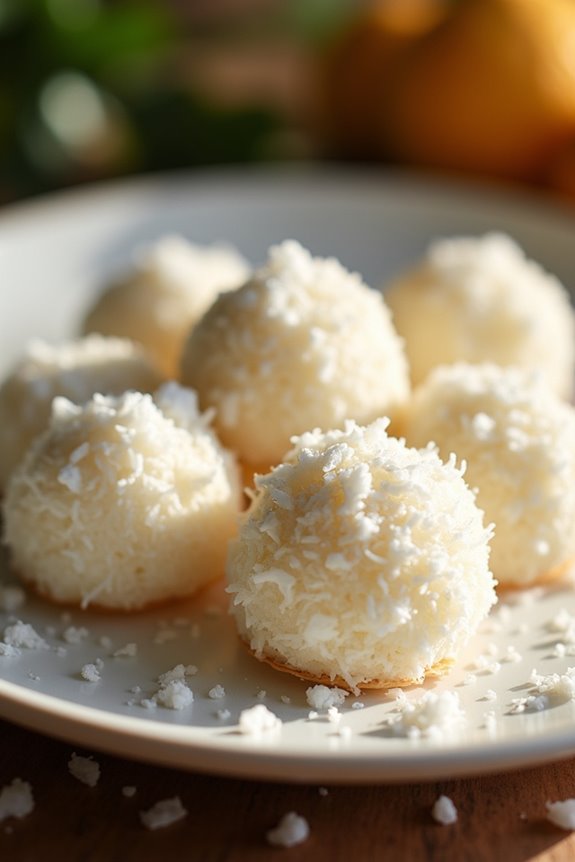
Beijinho, a beloved Brazilian sweet treat, is a delightful coconut confection that’s often enjoyed at birthday parties and festive gatherings. Similar to its chocolate counterpart, brigadeiro, beijinho is made with condensed milk and grated coconut, giving it a rich flavor and a chewy texture that’s simply irresistible.
The name “beijinho” translates to “little kiss,” embodying the sweetness and warmth of this treat, making it a perfect dessert for sharing with loved ones.
The preparation of beijinho is straightforward, allowing you to indulge in the flavors of Bahia without a fuss. Once you’ve mastered this recipe, you’ll find yourself making it time and again for celebrations or simply to satisfy your sweet tooth.
With its tropical flavor and delightful presentation, beijinho is sure to impress anyone who takes a bite.
Ingredients (Serves 4-6)
- 1 can (14 ounces) of sweetened condensed milk
- 1 tablespoon of unsalted butter
- 1 cup of grated coconut (fresh or dried)
- Extra grated coconut for rolling
- A pinch of salt
- Optional: chocolate sprinkles for decoration
Cooking Instructions
- Prepare the Mixture: In a medium saucepan, combine the sweetened condensed milk, unsalted butter, and a pinch of salt. Stir the mixture continuously over medium heat until it begins to thicken. This process will take around 10 to 15 minutes.
- Add the Coconut: Once the mixture has thickened and starts to pull away from the sides of the pan, add in the grated coconut. Continue stirring for an additional 5-7 minutes until the coconut is well incorporated and the mixture is thick enough to be molded.
- Cool the Mixture: Remove the saucepan from the heat and transfer the coconut mixture to a greased plate. Allow it to cool for about 30 minutes or until it’s cool enough to handle.
- Shape the Beijinhos: Once cooled, grease your hands slightly with butter to prevent sticking. Take small portions of the mixture (about a tablespoon each) and roll them into small balls, about the size of a cherry.
- Coat the Beijinhos: Roll the formed balls in extra grated coconut until they’re fully covered. If you prefer, you can also sprinkle them with chocolate sprinkles for a fun twist.
- Serve and Enjoy: Place the beijinhos on a serving plate and enjoy them fresh. They can be stored in an airtight container for up to a week, but they’re best enjoyed within the first few days for maximum freshness.
Extra Tips
When making beijinho, feel free to experiment with the texture by adjusting the amount of grated coconut based on your preference.
For a more intense coconut flavor, you can also add a splash of coconut milk to the mixture. Additionally, if you want to give your beijinhos a unique twist, consider adding a few drops of vanilla extract or using flavored extracts like almond.
Enjoy the process and have fun sharing these sweet little kisses with friends and family!
