

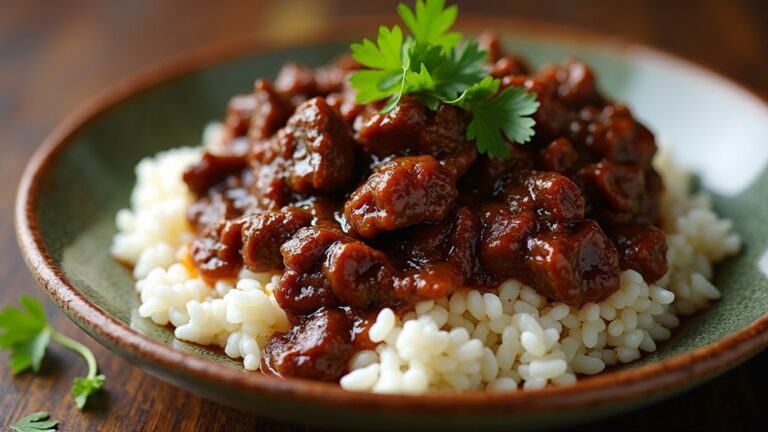
If you’re looking to add some zest to your lunch routine, Colombian cuisine is the way to go. These 13 scrumptious recipes are perfect for bringing vibrant flavors to your table. From the comforting Ajiaco soup to the lively Bandeja Paisa, each dish is a celebration of taste and tradition. Gather your loved ones and enjoy the rich culinary culture of Colombia. Let’s explore these tasty midday meal options together.
Ajiaco: Hearty Chicken and Potato Soup
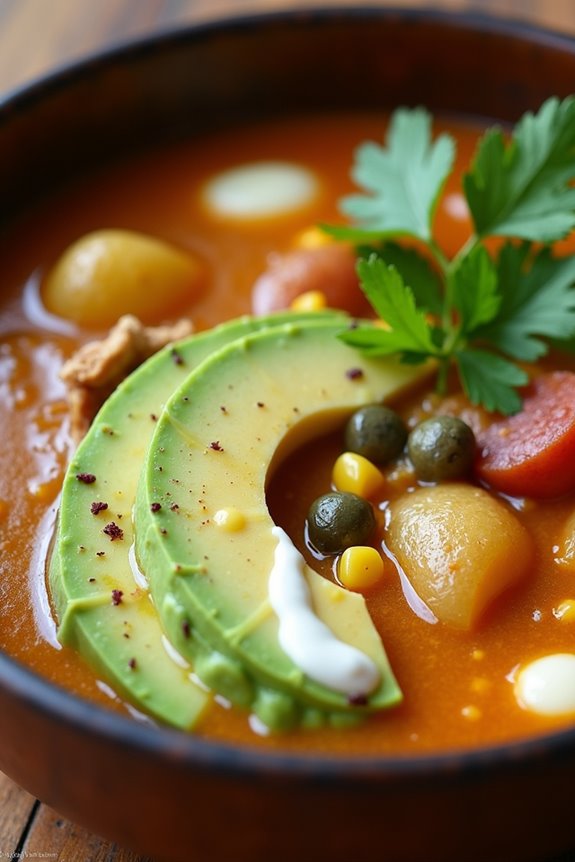
Ajiaco is a traditional Colombian soup that perfectly embodies the heartiness and warmth of Colombian cuisine. This dish is particularly beloved in Bogotá, where it’s often served on chilly days as a comforting family meal. The soup combines tender chicken, three different types of potatoes, and a fragrant blend of herbs, resulting in a rich and flavorful broth that’s both nourishing and satisfying.
It’s typically garnished with avocado, capers, and a splash of cream, adding both texture and an extra layer of flavor.
Cooking Ajiaco is a delightful experience as you watch the ingredients transform into a harmonious and aromatic soup. It’s a dish that not only fills your stomach but also warms your soul, making it perfect for gathering friends and family around the table. With its unique combination of flavors and textures, Ajiaco is sure to become a favorite in your home, much like it’s in Colombia.
Ingredients (Serves 4-6):
- 1 ½ pounds chicken breast or thighs, skinless and boneless
- 8 cups water
- 2 medium yellow potatoes, peeled and diced
- 2 medium russet potatoes, peeled and diced
- 2 medium red potatoes, peeled and diced
- 1 cup corn on the cob (or frozen corn)
- 1 medium onion, chopped
- 2 cloves garlic, minced
- 1-2 sprigs of fresh cilantro
- 1-2 sprigs of fresh guasca (a Colombian herb; substitute with dried if unavailable)
- Salt and pepper to taste
- 1 avocado, sliced (for garnish)
- Capers (for garnish)
- Heavy cream (for garnish)
Cooking Instructions:
- Prepare the Chicken: In a large pot, add the chicken breasts or thighs and cover with 8 cups of water. Bring to a boil over medium heat. Once boiling, reduce the heat to a simmer and cook for about 20-25 minutes until the chicken is fully cooked and tender.
- Remove and Shred the Chicken: After the chicken is cooked, carefully remove it from the pot and let it cool for a few minutes. Once cool enough to handle, shred the chicken into bite-sized pieces using two forks and set aside.
- Cook the Vegetables: Into the same pot with the chicken broth, add the diced yellow potatoes, russet potatoes, and red potatoes. Stir in the corn, chopped onion, minced garlic, and the sprigs of cilantro and guasca. Season with salt and pepper to taste. Allow the soup to simmer for about 15-20 minutes until the potatoes are tender.
- Return the Chicken to the Soup: Once the potatoes are cooked, return the shredded chicken to the pot. Stir well to combine the ingredients and let it simmer for an additional 5-10 minutes to allow the flavors to meld.
- Serve the Ajiaco: Ladle the hot Ajiaco into bowls. Garnish each serving with slices of avocado, a few capers, and a drizzle of heavy cream for an extra touch of richness.
Extra Tips:
When making Ajiaco, the type of potatoes you use is essential for achieving the perfect texture and flavor. The yellow potatoes help thicken the soup, while the russet and red potatoes provide a variety of flavors and textures.
If you can’t find guasca, dried guasca can be a good substitute, but fresh is always best for authenticity. Additionally, feel free to adjust the amount of cilantro and other garnishes according to your taste preferences. Enjoy this hearty soup with a side of rice or crusty bread for a complete meal.
Bandeja Paisa: A Traditional Colombian Platter
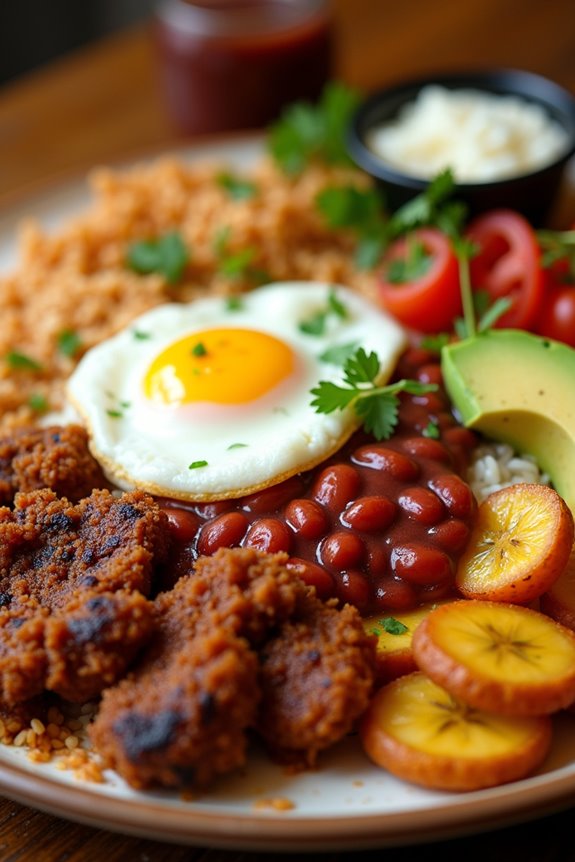
Bandeja Paisa is one of the most iconic dishes in Colombian cuisine, originating from the Antioquia region. This hearty meal is a feast that reflects the rich agricultural produce and diverse culinary influences of the area. Typically served on a large platter, Bandeja Paisa includes a variety of ingredients that offer a symphony of flavors and textures, making it a favorite for gatherings and special occasions. A traditional serving usually consists of beans, rice, ground beef, chicharrón (crispy pork belly), avocado, fried egg, and arepas, accompanied by a side of plantains and a crisp salad.
Preparing Bandeja Paisa may seem challenging due to the number of components; however, each element can be made ahead of time, making the final assembly a breeze. This dish isn’t only filling but also a wonderful representation of Colombian culture and hospitality. When served with a revitalizing beverage, such as aguapanela or a cold beer, it becomes an unforgettable culinary experience that brings people together.
Ingredients (Serves 4-6)
- 2 cups red beans
- 1 cup long-grain white rice
- 1 pound ground beef
- 1 pound chicharrón (crispy pork belly)
- 4 eggs
- 2 ripe avocados
- 4 small arepas
- 2 ripe plantains
- 1 cup diced tomatoes
- 1 cup chopped onion
- 2 tablespoons garlic, minced
- 1 teaspoon cumin
- 1 teaspoon paprika
- Salt and pepper to taste
- Fresh cilantro, for garnish
Cooking Instructions
- Prepare the Beans: Soak the red beans in water overnight. The next day, drain and rinse them. In a large pot, cover beans with fresh water and bring to a boil. Reduce heat and simmer for about 1-1.5 hours until tender. Season with salt and pepper towards the end of cooking.
- Cook the Rice: Rinse the rice under cold water until the water runs clear. In a separate pot, add 2 cups of water, bring to a boil, and add the rinsed rice. Reduce the heat, cover, and let it simmer for 15-20 minutes or until the water is absorbed and the rice is fluffy.
- Prepare the Ground Beef: In a skillet, heat a bit of oil over medium heat. Add the diced onion and minced garlic, sautéing until translucent. Add the ground beef, breaking it apart with a spatula. Season with cumin, paprika, salt, and pepper. Cook until browned and cooked through, about 8-10 minutes.
- Cook the Chicharrón: In a deep frying pan, heat oil over medium-high heat. Cut the pork belly into bite-sized pieces and fry until crispy and golden brown, about 10-15 minutes. Remove from the oil and drain on paper towels.
- Fry the Eggs: In the same skillet used for the ground beef, crack the eggs and fry to your liking (sunny side up is traditional). Remove and set aside.
- Prepare the Plantains: Peel the ripe plantains and slice them diagonally. In a separate skillet, heat oil over medium heat and fry the plantain slices until golden brown on both sides, about 3-4 minutes per side. Drain on paper towels.
- Assemble the Platter: On a large serving platter, arrange a portion of beans, rice, ground beef, chicharrón, fried eggs, sliced avocado, arepas, and fried plantains. Garnish with fresh cilantro and diced tomatoes.
Extra Tips
When making Bandeja Paisa, make sure to prep as many components in advance as possible to save time during assembly. You can prepare the beans and beef the day before, allowing the flavors to deepen.
Also, feel free to customize the dish with additional toppings, such as hot sauce or pickled onions, to enhance the flavor. Enjoy the dish while it’s hot and fresh for the best experience!
Arepas: Versatile Corn Cakes
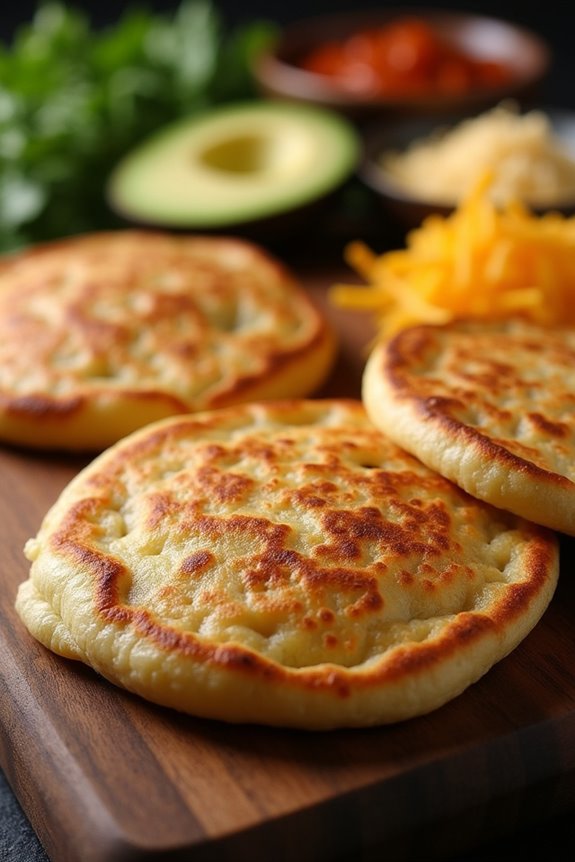
Arepas are a beloved staple in Colombian cuisine, known for their delightful texture and versatility. These corn cakes can be enjoyed in a variety of ways, whether stuffed with cheese, meats, or vegetables, or simply topped with avocado or butter. Made primarily from ground maize flour, arepas can be grilled, baked, or fried, making them adaptable to any meal of the day. Their neutral flavor pairs well with both savory and sweet toppings, making them a favorite among families and food lovers alike.
The beauty of arepas lies in their simplicity and the ease with which they can be prepared. With just a few ingredients, you can whip up a batch that will please everyone at the table. Traditionally, arepas are served for breakfast, lunch, or dinner, and can be customized to suit personal tastes. Whether you’re a novice in the kitchen or a seasoned chef, making arepas is a rewarding experience that allows for plenty of creativity.
Ingredients (serves 4-6):
- 2 cups of pre-cooked cornmeal (such as P.A.N. or Masarepa)
- 2 ½ cups of warm water
- 1 teaspoon of salt
- 1 tablespoon of vegetable oil (optional, for frying)
- Filling options: cheese, shredded chicken, beef, avocado, or beans (as desired)
Cooking Instructions:
- Prepare the Dough: In a large mixing bowl, combine the pre-cooked cornmeal and salt. Gradually add the warm water while mixing with your hands or a spoon until the dough forms. The dough should be moist but not sticky. If it’s too dry, add a little more water; if too wet, sprinkle in a bit more cornmeal.
- Knead the Dough: Once the dough is combined, knead it gently for a few minutes until smooth. Cover the dough with a clean kitchen towel and let it rest for about 10-15 minutes. This allows the dough to hydrate properly.
- Form the Arepas: After resting, divide the dough into equal portions, about the size of a golf ball. Flatten each ball into a disk approximately ½ inch thick. Make sure the edges are smooth to prevent cracking during cooking.
- Cook the Arepas: Choose your cooking method. For grilling or frying, heat a skillet or grill over medium-high heat and add oil if desired. Cook the arepas for about 5-7 minutes on each side until golden brown and crispy. For baking, preheat your oven to 375°F (190°C) and place the arepas on a baking sheet. Bake for about 20-25 minutes, flipping halfway through, until they’re firm and slightly golden.
- Add Fillings: Once cooked, let the arepas cool for a minute. You can slice them open and fill them with your choice of cheese, meats, or other fillings. Serve immediately while they’re warm.
Extra Tips: When making arepas, feel free to experiment with different types of fillings based on your preferences. If you want a more flavorful dough, you can add seasonings such as garlic powder or herbs to the cornmeal mixture. Additionally, cooking times may vary depending on the thickness of your arepas and the heat of your cooking surface, so keep a close eye on them to avoid burning. Enjoy your arepas with a side of hogao (Colombian tomato and onion sauce) for an authentic touch!
Sancocho: Flavorful Meat and Vegetable Stew
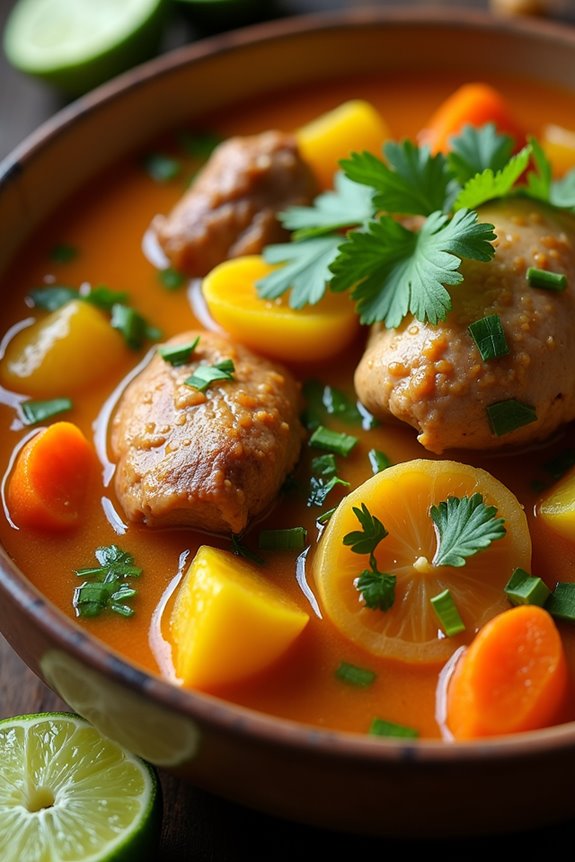
Sancocho is a traditional Colombian dish that embodies the heart of Colombian cuisine with its vibrant flavors and hearty ingredients. This stew isn’t only a meal but a celebration of family and community, often enjoyed during gatherings and special occasions.
The dish is characterized by its rich broth, tender meats, and a colorful assortment of vegetables, making it a comforting and satisfying choice for lunch or dinner.
The beauty of Sancocho lies in its versatility; different regions of Colombia have their variations, often using local ingredients and preferences. This recipe focuses on a classic version featuring chicken, beef, and a blend of root vegetables and plantains, creating a delightful harmony of taste and texture.
Perfect for serving 4-6 people, this stew is sure to warm your soul and satisfy your hunger.
Ingredients (Serves 4-6)
- 1 lb chicken thighs, bone-in and skin-on
- 1 lb beef chuck, cut into large chunks
- 8 cups water
- 2 medium carrots, sliced
- 2 medium potatoes, peeled and cubed
- 1 large green plantain, peeled and cut into chunks
- 1 cup corn kernels (fresh or frozen)
- 1 medium onion, chopped
- 2 cloves garlic, minced
- 1 bunch cilantro, roughly chopped
- 1 tsp ground cumin
- 1 tsp salt (or to taste)
- 1/2 tsp black pepper
- 1 lime, cut into wedges (for serving)
Cooking Instructions
- Prepare the Meat: In a large pot, add the chicken thighs and beef chuck. Pour in 8 cups of water and bring to a boil over medium-high heat. Skim off any foam that rises to the surface to keep the broth clear and flavorful.
- Add Aromatics: Once the water is boiling, reduce the heat to medium and add the chopped onion, minced garlic, ground cumin, salt, and black pepper. Stir well to combine and let it simmer for about 15 minutes. This step will infuse the meats with aromatic flavors.
- Incorporate Vegetables: After simmering, add the sliced carrots, cubed potatoes, and chunks of green plantain to the pot. These ingredients will enrich the stew with nutrients and natural sweetness. Let it all simmer together for another 20 minutes, or until the vegetables are tender.
- Add Corn and Cilantro: Once the root vegetables are cooked, add the corn kernels and chopped cilantro to the pot. Stir to combine and allow the stew to simmer for an additional 10 minutes. The cilantro will add a revitalizing flavor, balancing the richness of the meats.
- Check Seasoning and Serve: Taste the stew and adjust the seasoning if necessary. If you prefer a stronger flavor, feel free to add more salt or spices as desired. Once everything is well-cooked and seasoned, remove the pot from heat.
- Plate and Enjoy: Serve the Sancocho hot in bowls, garnished with extra cilantro if desired, and accompanied by lime wedges for a burst of acidity. Enjoy with rice or avocado on the side for a complete meal.
Extra Tips
When preparing Sancocho, feel free to customize the ingredients based on your preferences or what’s available in your pantry. You can substitute meats, such as pork or fish, and add other vegetables like yucca or squash.
To enhance the stew’s depth of flavor, consider marinating the meats in lime juice and spices for a few hours before cooking. Remember, the longer the stew simmers, the more the flavors meld together, so patience is key!
Enjoy this delightful dish with friends and family for a truly authentic Colombian experience.
Empanadas: Savory Pastry Pockets
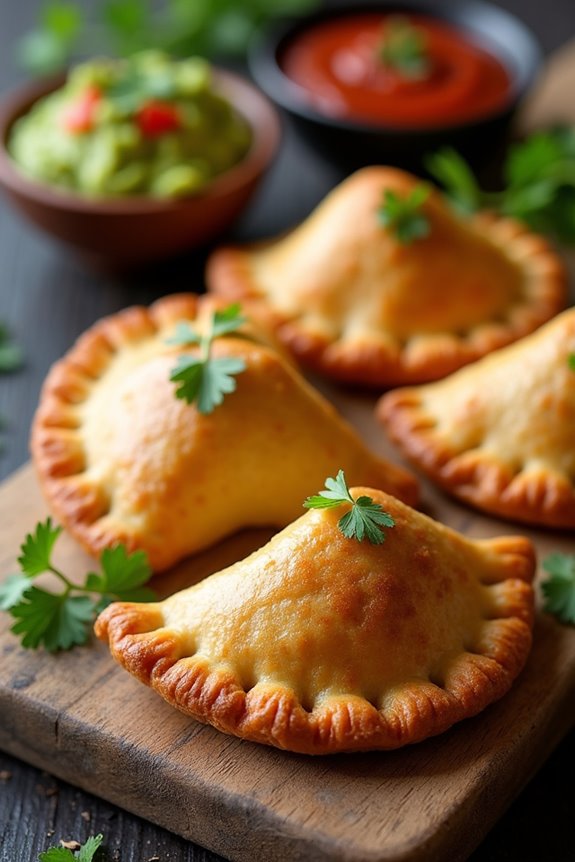
Empanadas are a beloved staple in Colombian cuisine, showcasing a delicious combination of flavors encased in a golden, flaky pastry. These savory pockets can be filled with a variety of ingredients such as meats, cheeses, or vegetables, making them a versatile dish suitable for any meal.
Traditionally enjoyed as a snack or appetizer, empanadas are often served with aji, a spicy Colombian sauce, or a side of guacamole for an added kick.
Making empanadas is both a fun and rewarding cooking project, perfect for gatherings or family dinners. The dough is easy to prepare, and the fillings can be customized to suit your taste preferences. The contrast of the crispy exterior and the warm, savory filling is what makes these empanadas so irresistible!
In this recipe, we’ll guide you through creating delicious Colombian empanadas filled with seasoned beef, ideal for serving 4-6 people.
Ingredients:
- 2 cups all-purpose flour
- 1/2 teaspoon salt
- 1/2 cup unsalted butter, cold and cubed
- 1/4 cup cold water
- 1 pound ground beef
- 1 medium onion, finely chopped
- 2 cloves garlic, minced
- 1/2 teaspoon ground cumin
- 1/2 teaspoon paprika
- 1/4 teaspoon black pepper
- 1/4 cup chopped fresh cilantro
- 1/2 cup diced potatoes (optional)
- Vegetable oil, for frying
Cooking Instructions:
1. Prepare the dough: In a mixing bowl, combine the flour and salt. Add the cold, cubed butter and mix until the mixture resembles coarse crumbs. Gradually add the cold water, mixing until the dough comes together. Knead the dough on a lightly floured surface for about 2-3 minutes until smooth. Wrap it in plastic wrap and refrigerate for at least 30 minutes.
2. Cook the filling: In a skillet over medium heat, add a splash of oil and sauté the onions until translucent, about 5 minutes. Add the minced garlic and cook for another minute. Then, add the ground beef, breaking it apart with a spatula. Cook until browned, about 6-8 minutes.
Stir in cumin, paprika, black pepper, cilantro, and diced potatoes (if using). Cook for another 5 minutes, and then remove from heat to let it cool.
3. Roll out the dough: Once the dough has chilled, take it out of the fridge and divide it into small balls, about the size of a golf ball. On a floured surface, roll each ball into a thin circle, approximately 5-6 inches in diameter.
4. Fill the empanadas: Place a tablespoon of the beef filling onto one half of each dough circle, leaving a little space around the edges. Fold the other half of the dough over the filling to create a half-moon shape. Press the edges together and crimp with a fork to seal securely.
5. Fry the empanadas: In a deep skillet or pot, heat vegetable oil over medium heat until hot. Carefully add the empanadas in batches, frying for about 3-4 minutes on each side until golden brown. Use a slotted spoon to remove them and drain on paper towels.
6. Serve and enjoy: Serve the empanadas warm with aji sauce or guacamole on the side for dipping.
Extra Tips:
When making empanadas, feel free to experiment with different fillings such as chicken, cheese, or even vegetables for a vegetarian option.
For a crispier texture, verify the oil is hot enough before frying. If you want to make a healthier version, consider baking the empanadas instead of frying them. Just brush them with a bit of oil and bake in a preheated oven at 375°F (190°C) for about 20-25 minutes or until golden brown.
Enjoy your culinary journey into Colombian cuisine!
Tamales: Wrapped Delights of Flavor
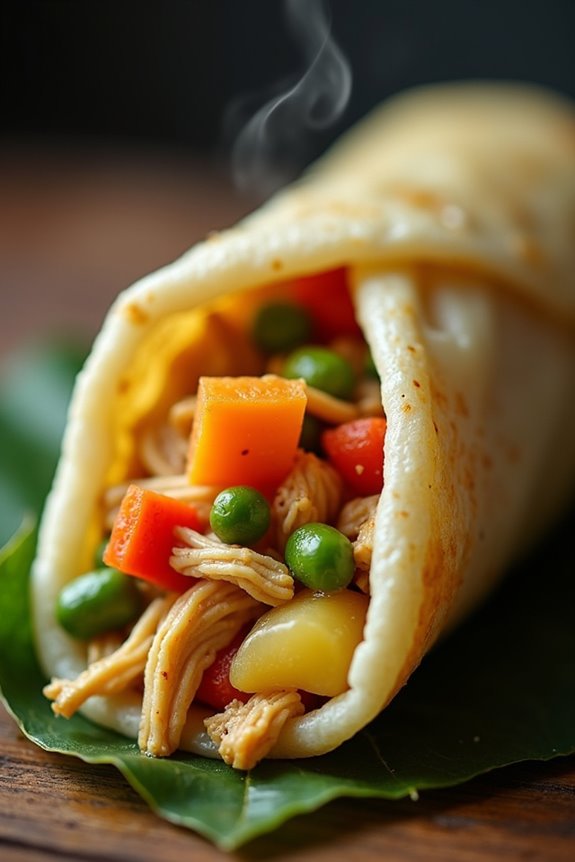
Tamales are a beloved traditional dish in Colombian cuisine, known for their comforting and hearty nature. These delicious parcels of masa (corn dough) are filled with a variety of ingredients, including meats, vegetables, and spices, then wrapped in banana leaves or corn husks and steamed to perfection. The result is a moist, flavorful treat that’s often enjoyed during special occasions or as a hearty meal any day of the week. With their vibrant flavors and unique presentation, tamales are bound to impress family and friends alike.
While the preparation of tamales may seem intimidating at first, the process can be quite rewarding. The key to achieving the perfect tamale lies in the balance of flavors, as well as the right texture of the masa. This recipe will guide you through making traditional Colombian tamales filled with tender chicken, flavorful vegetables, and aromatic spices. Once you master this dish, you can customize the fillings to your liking, making it a versatile addition to your culinary repertoire.
Ingredients (Serving Size: 4-6 people)
- 2 cups masa harina
- 1 cup chicken broth
- 1/2 cup vegetable oil
- 1 teaspoon baking powder
- 1 teaspoon salt
- 2 cups cooked chicken, shredded
- 1/2 cup diced carrots
- 1/2 cup diced potatoes
- 1/2 cup diced bell pepper
- 1/2 cup peas
- 1 teaspoon ground cumin
- 1 teaspoon paprika
- 1/2 cup fresh cilantro, chopped
- 6-8 banana leaves or corn husks, soaked in warm water
Cooking Instructions
1. Prepare the Masa:
In a large mixing bowl, combine the masa harina, baking powder, and salt. Gradually add the chicken broth and vegetable oil, mixing until you achieve a smooth, pliable dough. The dough should be moist but not sticky. If it feels too dry, add a little more broth until the desired consistency is reached.
2. Cook the Fillings:
In a skillet over medium heat, add a splash of oil and sauté the diced carrots and potatoes until they start to soften, about 5 minutes. Then, add the bell pepper, peas, shredded chicken, cumin, paprika, and cilantro. Stir well and cook for an additional 5-7 minutes until all the vegetables are tender and the flavors meld together. Remove from heat and let it cool.
3. Assemble the Tamales:
Lay a banana leaf or corn husk flat on a clean surface. Take a portion of the masa (about 1/4 cup) and spread it evenly over the leaf, leaving about 1 inch of space on the edges. Add a spoonful of the filling mixture onto the masa. Fold the edges of the leaf or husk over the masa to encase the filling, then fold the ends to create a neat package. Repeat this process until all masa and filling are used.
4. Steam the Tamales:
Place a steamer basket or a large pot filled with water over medium heat. Arrange the tamales upright in the steamer, making sure they’re standing and not touching each other. Cover with a lid and steam for about 1 to 1.5 hours, or until the masa pulls away easily from the leaf. Check the water level occasionally and add more if needed to prevent burning.
5. Serve and Enjoy:
Once cooked, carefully remove the tamales from the steamer and let them cool for a few minutes. Serve warm with your favorite salsa or avocado slices, and enjoy this delightful Colombian dish.
Extra Tips
When making tamales, it’s essential to verify that the masa is well-seasoned and the fillings are balanced in flavor. Don’t be afraid to experiment with different fillings, such as pork, beef, or even vegetarian options.
If you’re short on time, consider preparing the filling a day in advance to streamline the process. Additionally, the banana leaves can add a lovely aroma to the tamales, but if they’re difficult to find, corn husks will work just as well. Happy cooking!
Ceviche: Fresh and Zesty Seafood Dish
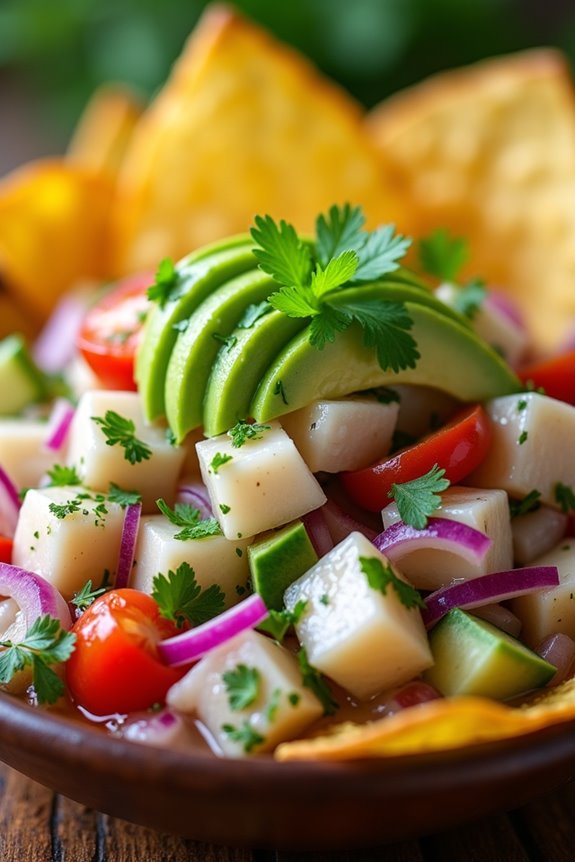
Ceviche is a vibrant and invigorating dish that showcases the fresh seafood abundant in Colombian coastal regions. This delightful appetizer is made by marinating raw fish in citrus juices, which “cooks” the seafood while infusing it with bright flavors. Commonly served chilled, ceviche is perfect for a light lunch or as a starter at a gathering, bringing a taste of the ocean directly to your table. The combination of acidity from citrus fruits, along with the crunch of fresh vegetables, makes each bite an explosion of flavors.
In Colombia, ceviche is often accompanied by side dishes like crispy plantain chips or avocado slices, enhancing its invigorating qualities. There are various regional variations, but this recipe focuses on the classic ceviche made with fresh white fish, lime juice, onions, and cilantro. It’s simple yet impressive, and it’s sure to impress your guests with its bold, zesty taste.
Ingredients (Serves 4-6):
- 1 lb of fresh white fish fillets (such as tilapia or red snapper), diced
- 1 cup of freshly squeezed lime juice
- 1 small red onion, thinly sliced
- 1 medium tomato, diced
- 1 small cucumber, diced
- 1 jalapeño, finely chopped (optional for heat)
- 1/2 cup of fresh cilantro, chopped
- Salt and pepper to taste
- Avocado slices (for garnish)
- Plantain chips (for serving)
Cooking Instructions:
- Prepare the Fish: Start by selecting the freshest fish available. Rinse the fish fillets under cold water and pat them dry with a paper towel. Cut the fish into small, uniform cubes, about 1/2 inch in size. This guarantees even marination and a pleasant texture.
- Marinate the Fish: In a glass or ceramic bowl, combine the diced fish with the freshly squeezed lime juice. Make sure the fish is fully submerged in the juice, as the acidity will “cook” the fish. Cover the bowl with plastic wrap and refrigerate for about 30 minutes to 1 hour, or until the fish appears opaque and firm.
- Prepare the Vegetables: While the fish is marinating, prepare the vegetables. Thinly slice the red onion, dice the tomato and cucumber, and finely chop the jalapeño if using. Place all the vegetables in a separate mixing bowl.
- Combine the Ingredients: Once the fish is ready, remove it from the refrigerator and drain a little of the excess lime juice, leaving enough to keep the fish moist. Add the marinated fish to the bowl with the vegetables. Gently mix in the chopped cilantro and season with salt and pepper to taste.
- Serve the Ceviche: To serve, spoon the ceviche into individual bowls or a large serving dish. Garnish with avocado slices on top. Accompany the ceviche with crispy plantain chips for a delightful contrast in texture.
Extra Tips:
When making ceviche, freshness is key. Always choose high-quality seafood from a reputable source to guarantee the best flavor and safety. Additionally, feel free to experiment with different types of seafood, such as shrimp or squid, and adjust the spice level to your liking by varying the amount of jalapeño.
For a more pronounced flavor, let the ceviche marinate a little longer, but be cautious not to over-marinate as it can lead to a mushy texture. Enjoy your homemade ceviche as a delightful taste of Colombian cuisine!
Mondongo: Rich Tripe Soup
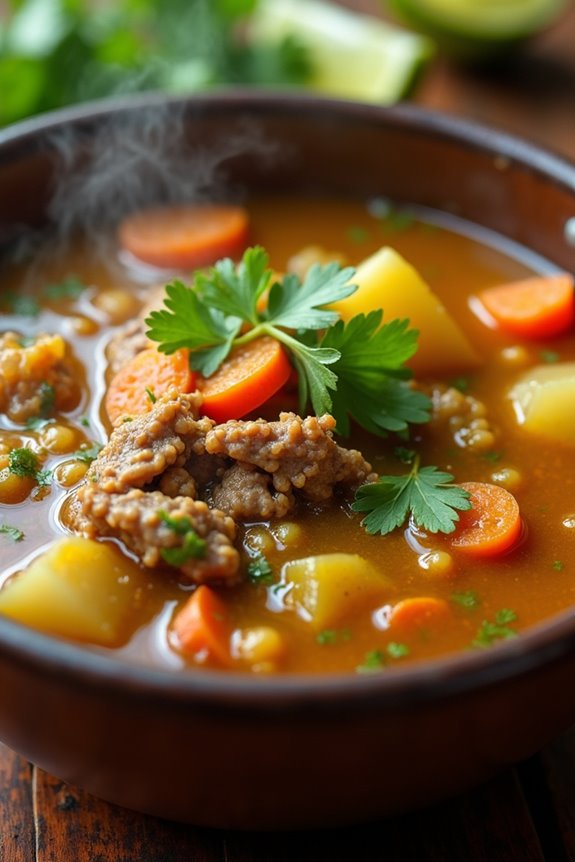
Mondongo is a traditional Colombian dish that’s beloved for its hearty and comforting qualities. This rich tripe soup is often enjoyed during special occasions or family gatherings, as it brings a sense of warmth and satisfaction to the table. Made with a variety of ingredients including tripe, vegetables, and spices, mondongo is a true representation of Colombian culinary heritage, showcasing the country’s diverse flavors and cooking techniques.
The preparation of mondongo may require some time and patience, but the end result is a deliciously flavorful soup that will surely impress your family and friends. The combination of tender tripe, fresh vegetables, and aromatic herbs creates a unique and complex taste that’s both nourishing and delightful. Serve mondongo with a side of rice and avocado for a complete meal that embodies the spirit of Colombian cuisine.
Ingredients (Serves 4-6)
- 2 pounds beef tripe, cleaned and cut into strips
- 1 large onion, chopped
- 2 cloves garlic, minced
- 1 large carrot, diced
- 1 large potato, diced
- 1 green bell pepper, chopped
- 1 tomato, chopped
- 2 teaspoons ground cumin
- 1 teaspoon dried oregano
- 1 bay leaf
- 8 cups beef broth or water
- Salt and pepper to taste
- Fresh cilantro, chopped (for garnish)
- Lime wedges (for serving)
Cooking Instructions
- Prepare the Tripe: Begin by thoroughly cleaning the tripe under cold running water. Remove any excess fat or impurities, then cut it into strips. Place the cleaned tripe in a large pot and cover it with water. Bring to a boil and let it cook for about 10 minutes. This initial boiling helps to remove any strong odors.
- Sauté the Aromatics: In a separate large pot, heat a tablespoon of oil over medium heat. Add the chopped onion and minced garlic, and sauté until the onion becomes translucent and fragrant, about 5 minutes. This step builds the base flavors for your soup.
- Add Vegetables: Once the onions and garlic are cooked, add the diced carrot, potato, green bell pepper, and chopped tomato to the pot. Stir well and let the vegetables cook for an additional 5-7 minutes. This allows the vegetables to soften and release their flavors.
- Combine Ingredients: Add the boiled tripe to the pot with the vegetables. Pour in the beef broth or water, and then add the ground cumin, dried oregano, bay leaf, salt, and pepper. Stir everything together to combine.
- Simmer the Soup: Bring the mixture to a boil, then reduce the heat to low. Cover the pot and let the soup simmer for about 1.5 to 2 hours, or until the tripe is tender. Stir occasionally and check the consistency; you may need to add more broth or water if it becomes too thick.
- Final Touches: Once the tripe is tender, taste the soup and adjust the seasoning if necessary. Remove the bay leaf before serving. Ladle the mondongo into bowls, garnish with fresh cilantro, and serve with lime wedges on the side for squeezing over the soup.
Extra Tips
When preparing mondongo, it’s crucial to clean the tripe thoroughly to avoid any unpleasant smells. You can also add other ingredients like chickpeas or plantains for variation. If you prefer a spicier version, consider adding a diced jalapeño or a splash of hot sauce.
Additionally, mondongo tastes even better the next day, as the flavors continue to develop; so don’t hesitate to make a larger batch for leftovers!
Arroz Con Pollo: Classic Chicken and Rice
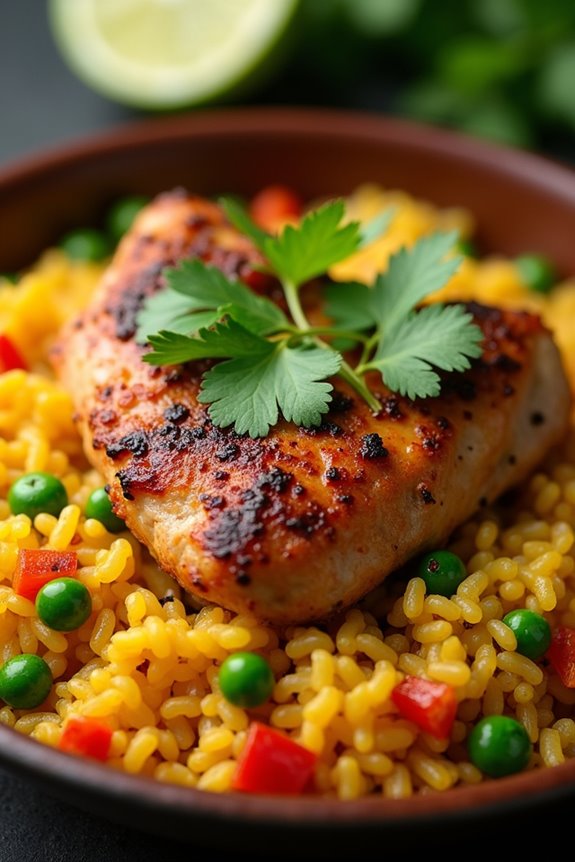
Arroz Con Pollo, a beloved dish in Colombian cuisine, combines the vibrant flavors of saffron-infused rice with tender chicken pieces, vegetables, and aromatic spices. This one-pot meal isn’t only hearty and satisfying but also a staple in Colombian households, often served during family gatherings and celebrations.
The dish reflects the diverse cultural influences of Colombia, showcasing ingredients and cooking techniques that have been passed down through generations.
Cooking Arroz Con Pollo is a delightful experience that brings together a medley of ingredients, from succulent chicken to colorful bell peppers and peas. As the chicken simmers and the rice absorbs the savory broth, your kitchen will be filled with tantalizing aromas, creating an inviting atmosphere.
Whether you’re preparing a casual lunch or a festive dinner, this classic dish is sure to impress your family and friends.
Ingredients (Serves 4-6):
- 2 cups long-grain rice
- 4 chicken thighs (bone-in, skin-on)
- 1 medium onion, diced
- 1 red bell pepper, diced
- 1 green bell pepper, diced
- 3 cloves garlic, minced
- 1 cup frozen peas
- 4 cups chicken broth
- 1 teaspoon saffron threads (or turmeric as a substitute)
- 1 teaspoon cumin
- 1 teaspoon paprika
- 1 tablespoon olive oil
- Salt and pepper to taste
- Fresh cilantro for garnish (optional)
- Lime wedges for serving (optional)
Cooking Instructions:
1. Prepare the Chicken: Season the chicken thighs generously with salt and pepper. In a large pot or Dutch oven, heat the olive oil over medium-high heat. Once hot, add the chicken thighs skin-side down and sear for about 5-7 minutes, or until the skin is golden brown and crispy.
Flip the thighs and cook for another 5 minutes. Remove the chicken from the pot and set aside.
2. Sauté the Vegetables: In the same pot, add the diced onion, red and green bell peppers, and garlic. Sauté for 3-4 minutes, stirring frequently, until the vegetables are softened and the onion is translucent.
3. Add the Rice and Spices: Stir in the rice, saffron (or turmeric), cumin, and paprika. Cook for another 2-3 minutes, allowing the rice to lightly toast and absorb the flavors from the vegetables and spices.
4. Combine and Simmer: Return the chicken to the pot and pour in the chicken broth. Bring the mixture to a boil, then reduce the heat to low. Cover the pot with a lid and let it simmer for about 25-30 minutes, or until the rice is tender and the chicken is cooked through.
5. Add Peas and Fluff: Once the rice is cooked, add the frozen peas and stir gently to combine. Cover the pot again and let it sit for an additional 5 minutes off the heat. This will allow the peas to warm through and the flavors to meld together.
6. Serve: Carefully remove the chicken thighs from the pot and shred the meat, if desired. Fluff the rice with a fork, and serve the dish hot, garnished with fresh cilantro and lime wedges on the side for an extra burst of flavor.
Extra Tips:
To enhance the flavor of your Arroz Con Pollo, consider marinating the chicken in a mixture of garlic, cumin, and lime juice a few hours before cooking. This not only infuses the meat with flavor but also makes it more tender.
Additionally, feel free to customize the dish by adding other vegetables like carrots or corn, or even using different cuts of chicken, such as drumsticks or breasts, depending on your preference. Enjoy your cooking adventure and the delightful tastes of Colombian cuisine!
Chicharrón: Crispy Fried Pork Belly
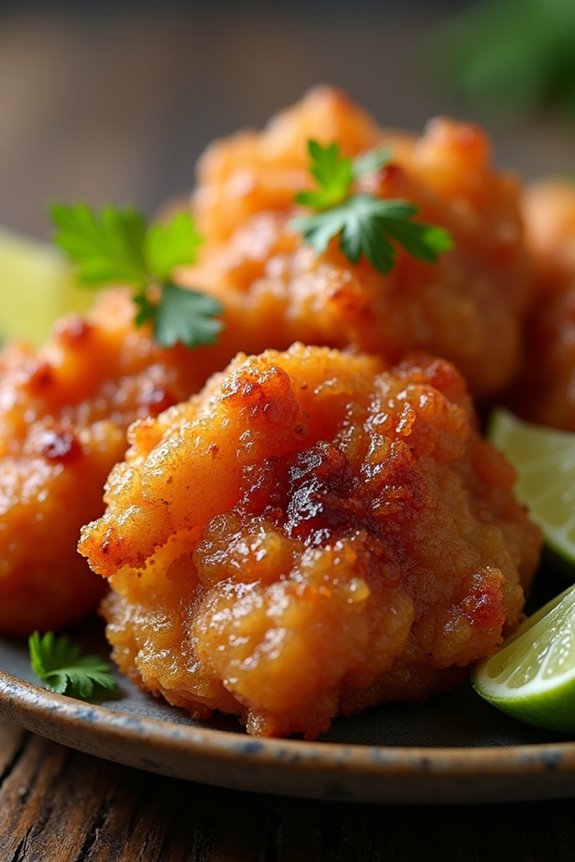
Chicharrón is a beloved dish in Colombian cuisine, known for its irresistible crunch and savory flavor. This crispy fried pork belly is often enjoyed as a snack or served as part of a hearty meal, pairing beautifully with arepas, rice, or a fresh salad. The key to achieving that perfect crispy texture lies in the preparation and cooking techniques, making it a favorite among both home cooks and chefs alike.
Whether you’re planning a gathering or simply craving a delicious treat, Chicharrón is guaranteed to impress.
To make the best Chicharrón, choosing the right cut of pork is paramount. You’ll want to use pork belly, which has a good balance of meat and fat. The process involves boiling the pork to render some of the fat, followed by frying until golden brown and crispy. The result is a dish that isn’t only flavorful but also has a satisfying crunch that’s hard to resist. Serve it with lime wedges and your favorite dipping sauce for an authentic Colombian experience.
Ingredients (serving size: 4-6 people):
- 2 pounds pork belly, skin on
- 1 tablespoon salt
- 1 teaspoon black pepper
- 4 cloves garlic, minced
- 1 cup water
- Vegetable oil (for frying)
- Lime wedges (for serving)
Cooking Instructions:
- Prepare the Pork Belly: Start by rinsing the pork belly under cold water. Pat it dry with paper towels. Cut the pork belly into 2-inch squares, making sure each piece has skin and fat. This will help in achieving that crispy texture.
- Season the Pork: In a large bowl, combine the salt, black pepper, and minced garlic. Rub this seasoning mixture all over the pork belly pieces, making sure they’re evenly coated. Let the pork belly sit for about 30 minutes to absorb the flavors.
- Boil the Pork: Place the seasoned pork belly in a large pot and add the cup of water. Bring the water to a boil over medium-high heat. Once boiling, reduce the heat to low and let it simmer for about 30 minutes. This step helps to render some of the fat from the pork.
- Drain and Dry: After simmering, carefully remove the pork belly pieces from the pot and place them on a paper towel-lined plate to drain excess moisture. Allow them to cool for about 10 minutes, which will help them fry better.
- Heat the Oil: In a large frying pan or deep skillet, pour enough vegetable oil to cover the bottom of the pan, about 1-2 inches deep. Heat the oil over medium-high heat until it reaches around 350°F (175°C). You can test the oil by dropping in a small piece of pork; if it sizzles, it’s ready.
- Fry the Pork: Carefully add the pork belly pieces to the hot oil, skin side down. Fry in batches if necessary to avoid overcrowding. Cook for about 5-7 minutes or until the skin is golden brown and crispy. Flip the pieces halfway through to ensure even cooking.
- Drain and Serve: Once crispy, remove the Chicharrón from the oil and place them on a paper towel-lined plate to drain excess oil. Serve the Chicharrón hot, with lime wedges on the side for squeezing over the top.
Extra Tips: For an extra layer of flavor, consider marinating the pork belly overnight in the seasoning mix. Additionally, if you want to enhance the crunchiness, after boiling, you can let the pork belly rest uncovered in the refrigerator for a few hours or overnight before frying. This allows the skin to dry out, resulting in an even crispier finish when fried. Enjoy your Chicharrón with a side of aji or your favorite dipping sauce!
Lentejas: Nutritious Lentil Stew
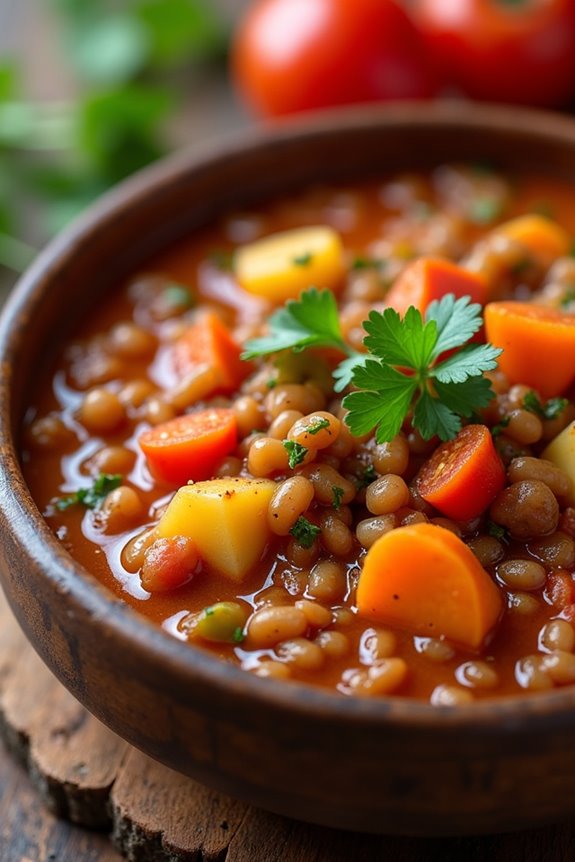
Lentejas, or lentil stew, is a traditional Colombian dish that isn’t only hearty and comforting but also packed with nutrients. This dish is a staple in many Colombian households, known for its rich flavors and protein content, making it an excellent choice for a nourishing lunch. The combination of lentils, vegetables, and spices creates a well-rounded meal that’s satisfying and filling.
Whether enjoyed on a chilly day or as a hearty weekly meal, lentejas is a dish that brings warmth and joy to the table.
Preparing lentejas is relatively simple and requires minimal ingredients, making it a perfect option for both novice and experienced cooks. The key to a flavorful stew lies in the proper seasoning and slow cooking to allow the lentils to absorb all the wonderful flavors from the ingredients. With a bit of patience, you can create a delightful lentil stew that your family will love and ask for again and again.
Ingredients (Serves 4-6):
- 2 cups dried lentils, rinsed and drained
- 1 medium onion, finely chopped
- 2 garlic cloves, minced
- 1 medium carrot, diced
- 1 medium potato, diced
- 1 bell pepper (red or green), chopped
- 1 cup diced tomatoes (fresh or canned)
- 4 cups vegetable broth or water
- 2 tablespoons olive oil
- 1 teaspoon ground cumin
- 1 teaspoon paprika
- Salt and pepper to taste
- Fresh cilantro for garnish (optional)
Cooking Instructions:
- Prepare the Lentils: Rinse the lentils under cold water, removing any debris or impurities. Drain and set aside. This step guarantees that your lentils are clean and ready for cooking.
- Sauté the Aromatics: In a large pot or Dutch oven, heat the olive oil over medium heat. Add the chopped onion and sauté for about 5 minutes, or until the onion becomes translucent. Then, add the minced garlic and cook for an additional minute, stirring frequently to prevent burning. This process builds a flavor base for your stew.
- Add Vegetables: Stir in the diced carrot, potato, and bell pepper. Cook for approximately 5-7 minutes, allowing the vegetables to soften slightly. The combination of vegetables will add texture and flavor to the stew.
- Combine Ingredients: Add the rinsed lentils and diced tomatoes to the pot, mixing well. Then, pour in the vegetable broth or water, and season with cumin, paprika, salt, and pepper. Stir to combine all ingredients, making sure everything is well mixed.
- Simmer the Stew: Bring the mixture to a boil, then reduce the heat to low and cover the pot. Let it simmer for about 30-40 minutes, or until the lentils and vegetables are tender. Stir occasionally and add more liquid if necessary to prevent sticking. This slow cooking allows the flavors to meld beautifully.
- Final Adjustments: Once cooked, taste the stew and adjust the seasoning as needed. If the stew is too thick, you can add a bit more broth or water to reach your desired consistency.
- Serve and Garnish: Ladle the lentil stew into bowls and garnish with fresh cilantro, if desired. Serve hot and enjoy this comforting meal with bread or rice on the side.
Extra Tips: When cooking lentejas, consider soaking the lentils in water for a few hours before cooking to reduce cooking time and enhance digestibility. Additionally, feel free to customize the stew by adding other vegetables you have on hand, such as zucchini or spinach, or incorporating spices like bay leaves or chili powder for extra flavor.
This dish can also be easily made in larger batches and freezes well for future meals.
Ensalada De Frutas: Refreshing Fruit Salad
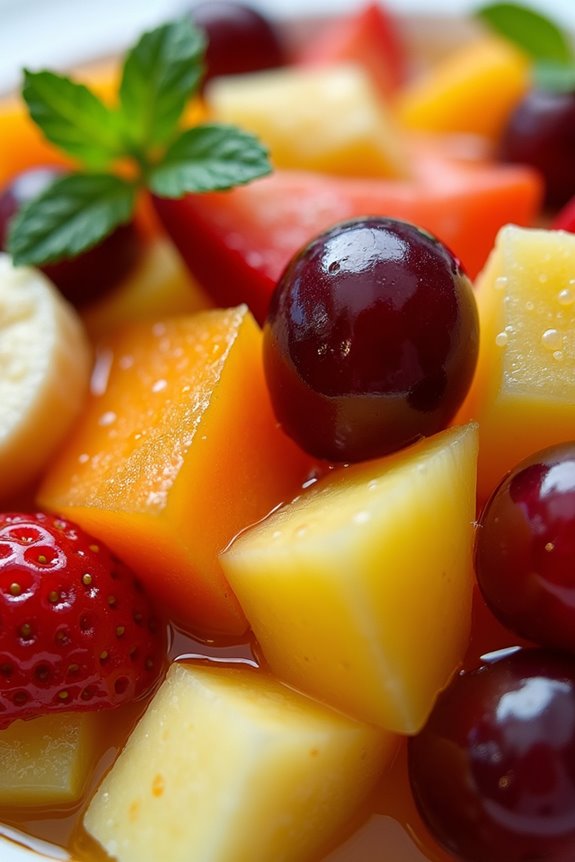
Ensalada De Frutas, or revitalizing fruit salad, is a vibrant and colorful dish that encapsulates the essence of Colombian cuisine. This delightful salad isn’t only a feast for the eyes but also a burst of flavors that combines the sweetness of tropical fruits with a hint of citrus.
Perfectly served as a light lunch or a revitalizing side dish, it’s a versatile recipe that can easily be adapted to include your favorite fruits or whatever is in season. This dish is especially popular during warm weather, making it an ideal choice for gatherings, picnics, or simply as a revitalizing treat at home.
To prepare Ensalada De Frutas, you’ll want to gather a selection of juicy fruits that complement each other well. The combination of textures and flavors makes this salad a standout dish.
Whether you choose to serve it as a side or as a light dessert, it’s sure to please everyone at the table. The dressing, made with lime juice and a sprinkle of sugar, adds a zesty kick that elevates the natural sweetness of the fruits.
Ingredients (Serves 4-6)
- 1 medium banana, sliced
- 1 cup strawberries, hulled and sliced
- 1 cup pineapple, diced
- 1 cup mango, diced
- 1 cup papaya, diced
- 1 cup grapes, halved
- 1 lime, juiced
- 2 tablespoons sugar (adjust to taste)
- Fresh mint leaves for garnish (optional)
Cooking Instructions
1. Prepare the Fruits: Begin by washing all the fruits thoroughly. Peel and slice the banana, hull and slice the strawberries, and dice the pineapple, mango, and papaya into bite-sized pieces. Halve the grapes.
This step is essential as it guarantees that all fruits are clean and ready to be mixed together.
2. Mix the Fruits: In a large mixing bowl, gently combine the sliced banana, strawberries, diced pineapple, mango, papaya, and halved grapes. Be careful not to mash the fruits; you want to maintain their shape and texture for an appealing presentation.
3. Make the Dressing: In a small bowl, whisk together the lime juice and sugar until the sugar is dissolved. This dressing won’t only add flavor but also help to prevent the fruits from browning, especially the bananas.
4. Combine the Dressing with the Fruits: Pour the lime dressing over the fruit mixture in the large bowl. Gently toss the fruits with the dressing until they’re well coated.
This step enhances the flavors and guarantees that each fruit piece is evenly flavored with the zesty dressing.
5. Chill and Serve: Cover the bowl with plastic wrap or a lid and refrigerate the fruit salad for at least 30 minutes before serving. Chilling allows the flavors to meld together and makes the salad even more revitalizing.
Serve the salad in individual bowls or a large serving dish, garnished with fresh mint leaves if desired.
Extra Tips
For an extra layer of flavor, consider adding a sprinkle of cinnamon or a splash of coconut milk to the fruit salad before serving.
You can also experiment with different fruits based on what you have available, such as kiwi, orange segments, or berries. If you prefer a sweeter salad, adjust the amount of sugar in the dressing accordingly. Enjoy this revitalizing treat as a healthy snack or a delightful addition to any meal!
Posta Negra Cartagenera: Colombian Style Braised Beef
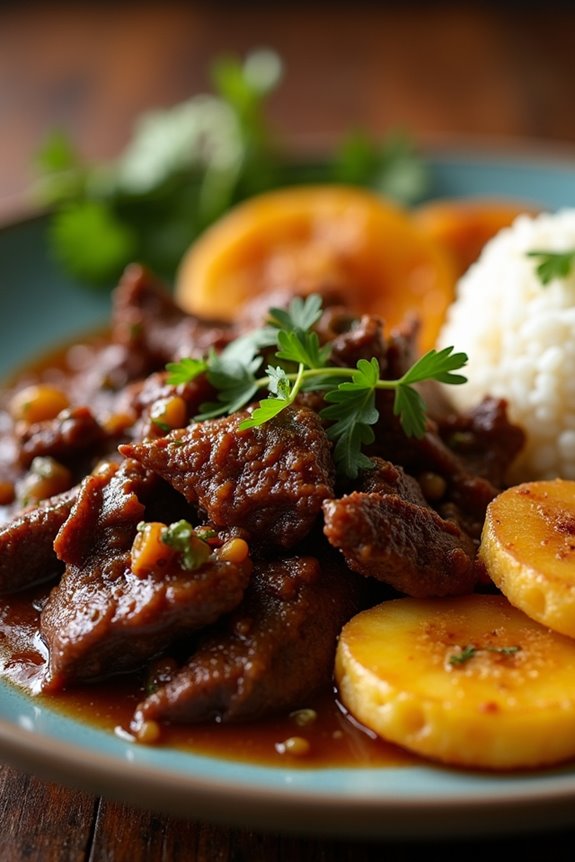
Posta Negra Cartagenera is a traditional Colombian dish that hails from the coastal city of Cartagena. Known for its rich flavors and tender texture, this braised beef dish is a favorite among locals and visitors alike. The meat is marinated and slowly cooked in a sweet and savory sauce made with a variety of spices, vegetables, and the star ingredient—Colombian dark beer. This dish is often served with rice and fried plantains, making it a hearty and satisfying meal.
To make Posta Negra Cartagenera, you’ll need to start with a good cut of beef, typically flank steak or brisket, which benefits from the long cooking process. The marinade is vital as it infuses the beef with deep flavors, while the slow braising guarantees that the meat becomes tender and flavorful. Once you master this recipe, you’ll impress friends and family with a taste of Colombia right at your dining table.
Ingredients (Serves 4-6)
- 2 to 3 pounds beef flank or brisket
- 1 cup dark Colombian beer (such as Aguila or Club Colombia)
- 1/2 cup soy sauce
- 1/2 cup brown sugar
- 1 large onion, finely chopped
- 4 cloves garlic, minced
- 2 bay leaves
- 1 teaspoon ground cumin
- 1 teaspoon ground black pepper
- 1 teaspoon dried oregano
- 1/2 teaspoon ground cinnamon
- 1/2 teaspoon ground cloves
- 1 tablespoon vegetable oil
- Salt to taste
- Fresh cilantro for garnish (optional)
Cooking Instructions
- Prepare the Marinade: In a large bowl, combine the dark beer, soy sauce, brown sugar, chopped onion, minced garlic, bay leaves, cumin, black pepper, oregano, cinnamon, and cloves. Mix well until the sugar dissolves. This marinade will give the beef its signature flavor.
- Marinate the Beef: Place the beef in a large resealable plastic bag or a shallow dish. Pour the marinade over the beef, confirming it’s fully coated. Seal the bag or cover the dish and refrigerate for at least 4 hours, preferably overnight. This step allows the flavors to penetrate the meat.
- Sear the Beef: Remove the beef from the marinade (reserve the marinade for later) and pat it dry with paper towels. In a large pot or Dutch oven, heat the vegetable oil over medium-high heat. Once hot, add the beef and sear it on all sides until browned, about 3-4 minutes per side. This step enhances the flavor through caramelization.
- Braise the Beef: After searing, pour the reserved marinade over the beef in the pot. Bring the mixture to a boil, then reduce the heat to low. Cover the pot and let it simmer for 2 to 3 hours, or until the beef is fork-tender. Make sure to occasionally check and stir the sauce to avoid sticking.
- Shred and Serve: Once the beef is tender, remove it from the pot and let it rest for a few minutes. Using two forks, shred the beef into bite-sized pieces. Return the shredded beef to the pot and stir to coat it in the sauce. Serve over white rice and garnish with fresh cilantro if desired.
Extra Tips
When cooking Posta Negra Cartagenera, using a quality cut of beef is fundamental for peak tenderness. For best results, allow the meat to marinate overnight, as this greatly enhances the depth of flavor.
Additionally, feel free to adjust the spices according to your preference; some people like to add a bit of heat with chili powder or fresh chili peppers. Enjoy this dish with a side of fried plantains or a fresh salad for a complete meal!
