


Exploring new cuisines is always a joy, and Chilean food holds a special place in my heart. With vibrant flavors and comforting dishes, it’s perfect for everyday meals. From the hearty Pastel de Choclo to the delightful Sopaipillas, there’s so much to uncover. If you’re looking to impress family or simply want to try something different, you’re in for a treat. Let’s take a closer look at these easy recipes that bring Chilean flavors to your kitchen.
Pastel De Choclo
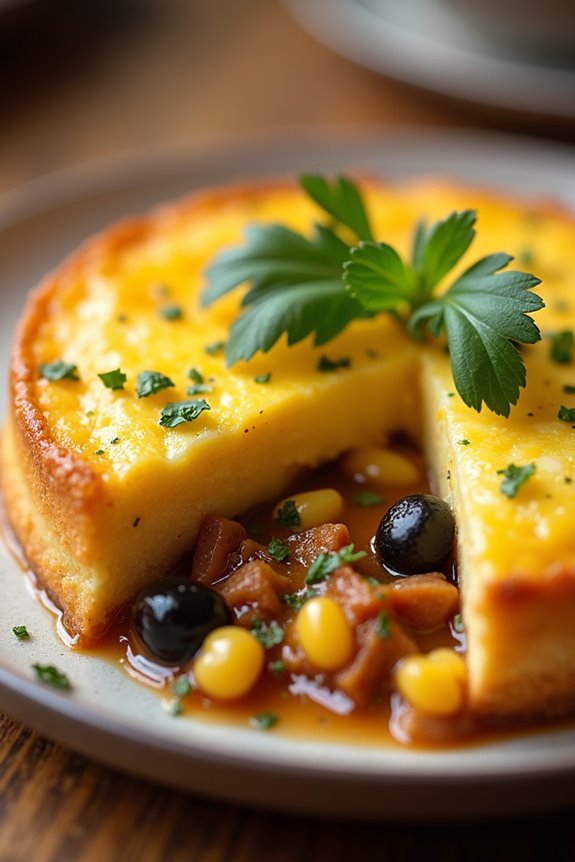
Pastel de Choclo, a beloved traditional Chilean dish, is a delightful corn pie that blends savory and sweet flavors with a comforting texture. This dish is a staple in Chilean cuisine, often enjoyed during family gatherings or festive occasions. The base is made from a creamy corn mixture, while the filling typically consists of a rich stew of meat, onions, hard-boiled eggs, olives, and spices, creating a hearty and satisfying meal that showcases the country’s agricultural richness.
The name “Pastel de Choclo” translates to “corn pie,” and it beautifully highlights the country’s love for corn, which is a central ingredient in many Chilean recipes. The dish is baked until golden and bubbly, resulting in a crust that’s both soft and slightly crispy. If you’re looking to experience the flavors of Chile, this recipe will provide you with a wonderful taste of its culinary heritage.
Ingredients (Serves 4-6):
- 4 cups of fresh or frozen corn kernels
- 1 cup of milk
- 1 tablespoon of butter
- 1 teaspoon of salt
- 1 teaspoon of black pepper
- 1 pound of ground beef (or a mix of beef and pork)
- 1 onion, finely chopped
- 2 hard-boiled eggs, sliced
- 1/2 cup of black olives, pitted and sliced
- 1 teaspoon of paprika
- 1 tablespoon of cumin
- 1 tablespoon of vegetable oil
- 1/4 cup of chopped fresh basil (optional)
Cooking Instructions:
- Prepare the Corn Mixture: In a blender or food processor, combine the corn kernels, milk, butter, salt, and black pepper. Blend until smooth and creamy. Transfer the mixture to a bowl and set aside.
- Cook the Meat Filling: In a large skillet, heat the vegetable oil over medium heat. Add the chopped onion and sauté until translucent, about 5 minutes. Add the ground beef (or meat mixture) and cook until browned, breaking it apart as it cooks.
- Season the Filling: Once the meat is browned, stir in the paprika and cumin. Mix well and allow the flavors to meld for a few minutes. Remove from heat and add the chopped fresh basil, if using.
- Assemble the Pie: Preheat your oven to 375°F (190°C). In a baking dish, spread the meat filling evenly on the bottom. Layer the hard-boiled egg slices and black olives over the meat. Finally, pour the creamy corn mixture over the top, spreading it evenly to cover the filling.
- Bake the Pastel de Choclo: Place the baking dish in the preheated oven and bake for about 30-40 minutes, or until the top is lightly golden and set. You can also broil the top for an additional 2-3 minutes for a crispier finish, keeping a close eye to avoid burning.
- Serve: Once baked, remove the Pastel de Choclo from the oven and let it cool for a few minutes before slicing. Serve warm, garnished with fresh herbs if desired.
Extra Tips: When making Pastel de Choclo, using fresh corn in season will elevate the flavor of the dish considerably. If fresh corn isn’t available, high-quality frozen corn can be used as a substitute. Additionally, feel free to customize the filling by adding other ingredients like bell peppers or spices to suit your taste. Enjoying it with a side salad or some avocado will enhance the meal even further!
Completo

Completo is a beloved Chilean street food that takes the classic hot dog to the next level. It isn’t just any ordinary hot dog; it’s loaded with an array of toppings that typically include sauerkraut, diced tomatoes, avocado, and a generous drizzle of mayonnaise. The combination of flavors and textures makes Completo a satisfying meal that can be enjoyed at any time of the day, whether it’s for a casual lunch, a quick snack, or a festive gathering with friends.
This dish is a staple in Chilean cuisine, showcasing the country’s love for bold and hearty flavors.
To prepare Completo, you’ll need fresh ingredients and a little bit of creativity. The beauty of this dish lies in its versatility; while the traditional toppings are a must, you can also customize it to suit your taste preferences. Whether you prefer a spicy kick with jalapeños or a dash of mustard, the Completo can easily be tailored to your liking.
Gather your ingredients and get ready to indulge in this delightful Chilean treat that’s sure to please everyone at the table.
Ingredients (Serves 4-6):
- 4-6 hot dog sausages
- 4-6 hot dog buns
- 1 cup sauerkraut
- 1 cup diced tomatoes
- 1 cup mashed avocado (or sliced)
- ½ cup mayonnaise
- 1 tablespoon lime juice
- Salt and pepper to taste
- Optional: diced onions, jalapeños, or mustard for additional toppings
Cooking Instructions:
- Prepare the Ingredients: Start by gathering all your ingredients. If you’re making mashed avocado, mash it in a bowl and mix in lime juice, a pinch of salt, and pepper to enhance the flavor. Dice the tomatoes and set them aside. If using sauerkraut from a can, drain it well.
- Cook the Hot Dogs: In a large saucepan, bring water to a boil, then add the hot dog sausages. Cook them for 5-7 minutes until they’re heated through. Alternatively, you can grill or pan-fry the sausages for a smoky flavor.
- Toast the Buns: While the hot dogs are cooking, you can toast the buns. Place them in a toaster or on a skillet for a few minutes until they’re golden brown and slightly crispy.
- Assemble the Completo: Once the hot dogs are ready, place each sausage in a toasted bun. Start layering the toppings by adding a generous scoop of sauerkraut, followed by diced tomatoes, and then a layer of mashed avocado.
- Add the Finishing Touches: Drizzle mayonnaise over the top of the Completo. You can also add optional toppings like diced onions, jalapeños, or mustard according to your preference.
- Serve and Enjoy: Serve the Completo immediately while hot. You can accompany it with a side of potato chips or a light salad for a complete meal.
Extra Tips:
When preparing Completo, feel free to get creative with the toppings to suit your taste. For a spicier version, consider adding a sprinkle of chili powder or sliced jalapeños.
If you want a creamier texture, you can substitute regular mayonnaise with avocado mayo or Greek yogurt. Additionally, using high-quality sausages and fresh ingredients will greatly enhance the overall flavor of the dish.
Enjoy this Chilean classic at your next gathering or as a fun family meal!
Cazuela
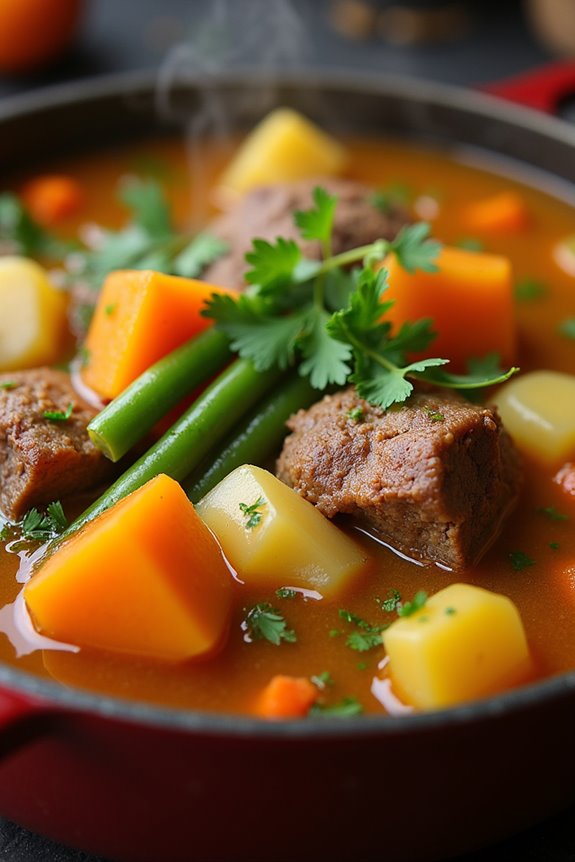
Cazuela is a traditional Chilean dish that embodies the warmth and comfort of home cooking. This hearty stew combines tender meats, seasonal vegetables, and a flavorful broth, making it a perfect meal for gatherings or family dinners. The dish reflects the agricultural richness of Chile, utilizing fresh ingredients and showcasing the country’s culinary heritage.
Whether enjoyed on a chilly evening or shared with loved ones, cazuela is a dish that brings people together, offering not just nourishment but a taste of Chilean culture.
Making cazuela is a straightforward process that allows for some flexibility regarding ingredients, depending on what vegetables are in season or available. The key to a great cazuela is the broth, which should be rich and flavorful, and the balance of textures from the vegetables and meat. By following this recipe, you’ll create a delicious cazuela that will surely impress your guests or satisfy your family.
Ingredients (serving size: 4-6 people)
- 1 kg (2.2 lbs) of beef or chicken, cut into chunks
- 2 tablespoons of vegetable oil
- 1 large onion, chopped
- 3 cloves of garlic, minced
- 2 medium carrots, sliced
- 2 medium potatoes, peeled and diced
- 1 cup of green beans, trimmed and cut into pieces
- 1 cup of pumpkin or squash, diced
- 1 teaspoon of paprika
- 1 teaspoon of oregano
- Salt and pepper to taste
- 6 cups of beef or chicken broth
- Fresh cilantro, chopped (for garnish)
Cooking Instructions
- Prepare the Meat: In a large pot, heat the vegetable oil over medium-high heat. Add the beef or chicken pieces and sear them until browned on all sides. This step helps to develop a rich flavor in the meat, which will enhance the overall taste of the cazuela.
- Sauté the Aromatics: Once the meat is browned, remove it from the pot and set it aside. In the same pot, add the chopped onion and minced garlic. Sauté for about 3-4 minutes until the onion is translucent and fragrant. This creates a flavorful base for the stew.
- Combine Ingredients: Return the meat to the pot and add the paprika, oregano, salt, and pepper. Stir well to coat the meat with the spices. This step infuses the meat with flavor before adding the broth.
- Add Broth and Simmer: Pour in the beef or chicken broth, ensuring the meat is fully submerged. Bring the mixture to a boil, then reduce the heat to low, cover, and let it simmer for about 30 minutes. This allows the flavors to meld and the meat to become tender.
- Add Vegetables: After 30 minutes, add the carrots, potatoes, green beans, and pumpkin or squash to the pot. Stir gently to combine, then cover and continue to simmer for an additional 20-30 minutes, or until the vegetables are tender. The simmering process ensures that the vegetables absorb the flavors of the broth.
- Serve: Once everything is cooked through, taste and adjust the seasoning if necessary. Ladle the cazuela into bowls and garnish with fresh cilantro before serving. The garnish adds a fresh touch and enhances the presentation of the dish.
Extra Tips
When making cazuela, feel free to customize the vegetables based on what’s available or in season. You can add corn, peas, or even bell peppers for added flavor and color.
To enhance the broth, consider adding a splash of white wine or a dash of soy sauce for depth. Leftovers can be stored in the refrigerator for a couple of days and often taste even better the next day as the flavors continue to meld. Enjoy your delicious cazuela with a side of fresh bread for a complete meal!
Pebre
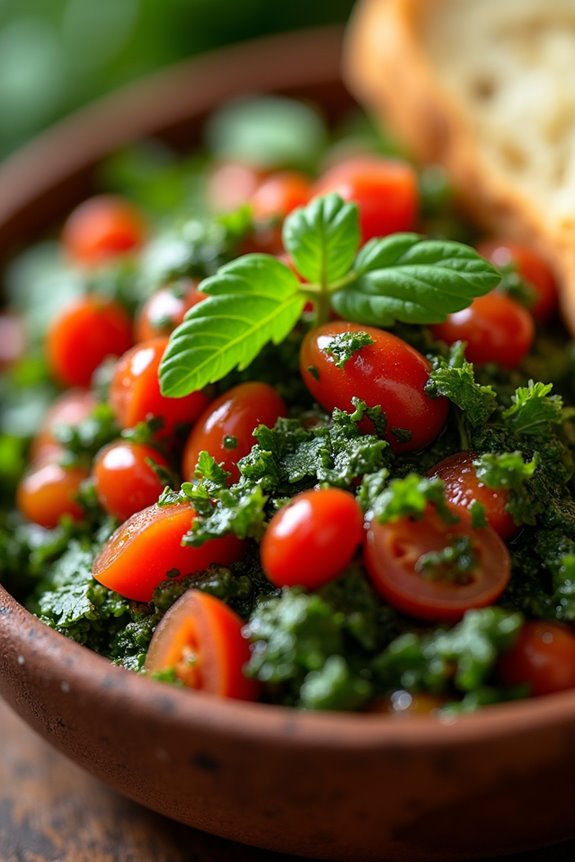
Pebre is a traditional Chilean condiment that adds a burst of flavor to various dishes, particularly grilled meats and fresh bread. This vibrant mixture typically consists of finely chopped ingredients that create a zesty and invigorating accompaniment, perfect for enhancing the flavor profiles of your meal.
Originating from the rural areas of Chile, Pebre is often served at barbecues and family gatherings, showcasing the country’s love for fresh ingredients and bold tastes.
The beauty of Pebre lies in its simplicity, yet it packs a punch with its combination of fresh herbs, vegetables, and spices. Each bite offers a delightful balance of heat from the chili peppers and brightness from the cilantro, making it a versatile condiment that can be adjusted to suit individual preferences.
Whether you choose to serve it as a dip or a topping, Pebre is sure to elevate your culinary experience.
Ingredients (Serves 4-6 people):
- 1 cup fresh cilantro, finely chopped
- 1 medium onion, finely chopped
- 2 medium tomatoes, diced
- 1-2 green chili peppers (like jalapeño or aji), finely chopped
- 2 cloves garlic, minced
- 2 tablespoons olive oil
- 1 tablespoon red wine vinegar
- Salt and pepper to taste
Cooking Instructions:
- Prepare the Ingredients: Begin by washing and chopping all your fresh ingredients. Finely chop the cilantro, onion, and green chili peppers, and dice the tomatoes. Mince the garlic cloves. Having everything prepped in advance will make the assembly of Pebre easier and quicker.
- Mix the Vegetables: In a medium-sized bowl, combine the chopped cilantro, onion, diced tomatoes, and chopped chili peppers. Gently toss the ingredients together to evenly distribute them. Make sure to use a bowl that’s large enough to allow for easy mixing without spilling the contents.
- Add the Garlic and Seasoning: Once the vegetables are mixed, add the minced garlic, olive oil, and red wine vinegar to the bowl. Stir well to combine all the ingredients. The oil and vinegar will help to meld the flavors together while also adding a nice tang to the mixture.
- Season to Taste: Sprinkle salt and pepper into the mixture according to your taste preference. Start with a small amount and adjust as needed. Taste the Pebre to confirm that the balance of flavors meets your desire; you can always add more seasoning if needed.
- Let it Rest: Once everything is combined, cover the bowl with plastic wrap or a lid and let the Pebre sit at room temperature for at least 30 minutes. This resting period allows the flavors to meld together beautifully, resulting in a more flavorful condiment.
- Serve: After resting, give the Pebre a final stir and taste one more time before serving. Spoon it into a serving dish and enjoy it alongside grilled meats, fresh bread, or as an accompaniment to any of your favorite Chilean dishes.
Extra Tips: When preparing Pebre, feel free to adjust the level of heat by choosing milder or hotter chili peppers based on your preference. If you want to add a unique twist, consider incorporating diced avocado or a squeeze of lime juice for extra creaminess and flavor.
Also, Pebre can be refrigerated for a few days, so you can make it ahead of time to enhance the flavor even further!
Porotos Granados
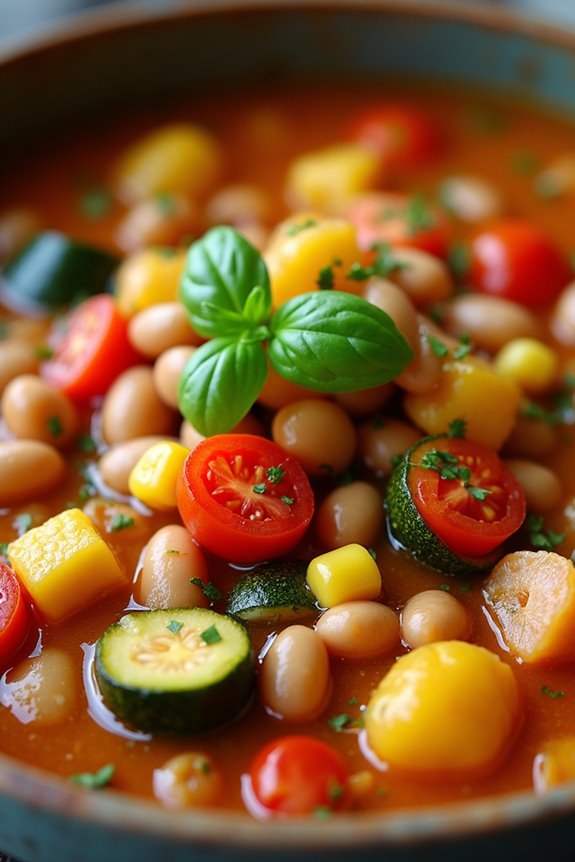
Porotos Granados is a traditional Chilean dish that beautifully showcases the country’s rich agricultural heritage. This hearty bean stew is made with fresh ingredients, primarily the star of the dish: the “porotos” or beans. Typically prepared in the summer months when beans are at their peak, this dish is both comforting and nourishing. Its vibrant colors and flavors reflect the essence of Chilean cuisine, making it a beloved staple at family gatherings and celebrations.
The preparation of Porotos Granados is straightforward, allowing the natural flavors of the ingredients to shine through. The dish combines fresh beans, corn, and a medley of vegetables, often flavored with spices and herbs. It can be served as a main course or a side dish, accompanied by a crusty bread or a simple salad. Whether enjoyed on a chilly evening or a warm summer day, Porotos Granados is a true representation of Chilean comfort food.
Ingredients (Serves 4-6):
- 2 cups fresh or dried cranberry beans (or pinto beans)
- 1 cup fresh corn kernels (about 2-3 ears of corn)
- 1 medium onion, diced
- 2 cloves garlic, minced
- 1 medium tomato, diced
- 1 medium zucchini, diced
- 1 medium bell pepper, diced
- 2 tablespoons olive oil
- 4 cups vegetable or chicken broth
- 1 teaspoon paprika
- 1 teaspoon cumin
- Salt and pepper to taste
- Fresh basil or cilantro for garnish (optional)
Cooking Instructions:
- Prepare the Beans: If using dried beans, soak them in water overnight. Drain and rinse before cooking. If using fresh beans, simply shell them and set them aside. In a pot, cover the beans with water and bring to a boil. Reduce heat and simmer until tender (about 1 hour for dried beans, or 20-30 minutes for fresh beans). Drain and set aside.
- Sauté the Vegetables: In a large pot, heat the olive oil over medium heat. Add the diced onion and sauté until it becomes translucent (about 4-5 minutes). Stir in the minced garlic and cook for an additional minute until fragrant.
- Add the Remaining Vegetables: Add the diced tomato, zucchini, and bell pepper to the pot. Cook for about 5-7 minutes, stirring occasionally, until the vegetables begin to soften.
- Combine Ingredients: Stir in the cooked beans and corn kernels. Add the vegetable or chicken broth, paprika, cumin, salt, and pepper. Bring the mixture to a boil, then reduce the heat to low and let it simmer for about 20 minutes, allowing the flavors to meld together.
- Adjust Seasoning: Taste the stew and adjust the seasoning with more salt, pepper, or spices as needed. If the mixture is too thick, you can add a bit more broth or water to reach your desired consistency.
- Serve: Once the Porotos Granados is ready, ladle it into bowls and garnish with fresh basil or cilantro if desired. Serve hot with crusty bread or a fresh salad.
Extra Tips: For an even heartier dish, you can add diced potatoes or carrots to the vegetable mixture. Feel free to experiment with other spices and herbs according to your taste. If you have access to fresh herbs like oregano or parsley, they can add a lovely depth of flavor.
Finally, this dish is perfect for meal prep and can be stored in the refrigerator for several days, making it a great option for busy weeknight dinners.
Chorrillana

Chorrillana is a beloved Chilean dish that embodies the spirit of comfort food with its hearty combination of flavors and textures. Originating from the streets of Valparaíso, this dish is typically enjoyed as a late-night snack or casual meal, making it a popular choice among locals and visitors alike. The core of Chorrillana consists of a generous serving of French fries topped with savory ingredients such as sautéed onions, beef, and fried eggs, creating a delightful mix that’s both satisfying and delicious.
What makes Chorrillana truly special is its adaptability; you can customize the toppings to suit your preferences, making it a versatile dish that can easily accommodate various tastes. Whether served at a family gathering or enjoyed during a night out with friends, Chorrillana is sure to please everyone at the table.
Now, let’s explore the ingredients and cooking instructions to create this mouthwatering dish for 4-6 people.
Ingredients:
- 4 large russet potatoes
- 1 lb (450 g) beef sirloin or flank steak, thinly sliced
- 2 large onions, thinly sliced
- 4 large eggs
- 1 cup vegetable oil (for frying)
- Salt and pepper, to taste
- Optional toppings: diced avocado, hot sauce, or chopped cilantro
Cooking Instructions:
- Prepare the Potatoes: Start by peeling the russet potatoes and cutting them into thick fries. Rinse them under cold water to remove excess starch, which will help achieve a crispier texture when fried. Pat them dry with paper towels to remove any moisture.
- Fry the Potatoes: In a large frying pan or deep fryer, heat the vegetable oil over medium-high heat. Once the oil is hot, carefully add the potato fries in batches to avoid overcrowding. Fry until they’re golden brown and crispy, which should take about 5-7 minutes. Remove the fries from the oil and place them on a paper towel-lined plate to drain excess oil. Season with salt while still hot.
- Sauté the Onions: In the same pan, using the leftover oil (add more if necessary), sauté the thinly sliced onions over medium heat. Cook until they become soft and caramelized, about 8-10 minutes. Stir occasionally to prevent burning. Once cooked, set the onions aside.
- Cook the Beef: In the same pan, add the thinly sliced beef and season with salt and pepper. Cook over medium-high heat until the meat is browned and cooked through, approximately 4-5 minutes. Mix in the sautéed onions and let them cook together for an additional minute to blend the flavors.
- Fry the Eggs: In a separate non-stick skillet, fry the eggs sunny-side up or to your desired doneness. Season with a pinch of salt and pepper during cooking.
- Assemble the Dish: On a large serving platter, layer the crispy fries at the bottom. Top with the beef and onion mixture, followed by the fried eggs. Optionally, add any additional toppings like diced avocado, hot sauce, or chopped cilantro for extra flavor.
Extra Tips:
For the best results, verify your oil is at the right temperature before frying the potatoes to achieve maximum crispiness. If you prefer a healthier version of Chorrillana, consider baking the fries instead of frying them. Additionally, feel free to experiment with different protein options like chicken or pork, or even add vegetables for a more colorful presentation. Enjoy your homemade Chorrillana with friends and family for a true taste of Chilean cuisine!
Paila Marina
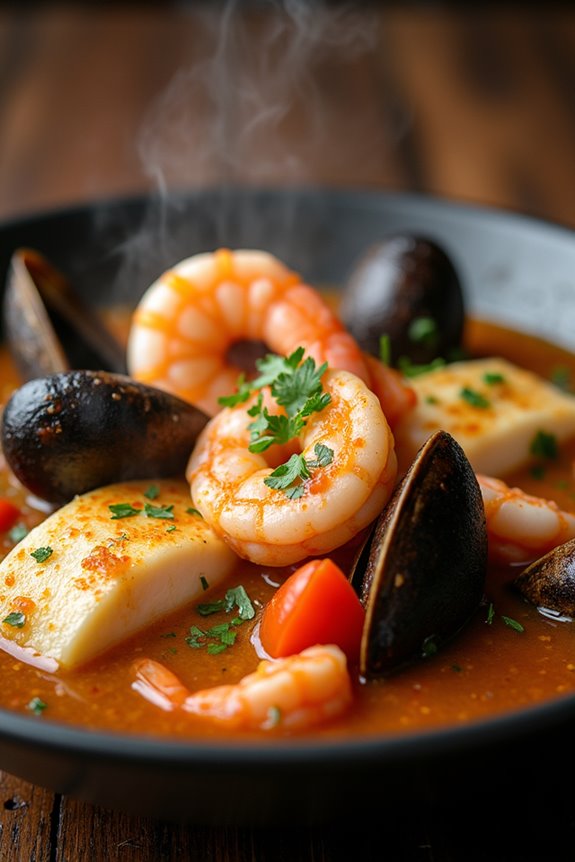
Paila Marina, a traditional Chilean seafood stew, embodies the rich flavors of the Pacific Ocean. This dish combines a variety of fresh seafood, including fish, shellfish, and mollusks, simmered together in a savory broth infused with spices, vegetables, and a splash of white wine. The name “paila” refers to the clay pot traditionally used for cooking, which adds a unique touch to the presentation and enhances the flavors of the ingredients.
Perfect for sharing with family and friends, Paila Marina is often served with crusty bread or rice, allowing diners to savor every drop of the delicious broth.
To prepare a delightful Paila Marina, you’ll want to gather the freshest seafood possible. The combination of ingredients can vary based on availability, but the essence of this dish lies in the harmony of flavors and textures. The stew isn’t just a meal; it’s a celebration of the ocean’s bounty, ideal for gatherings or special occasions.
With a little preparation and care, you can create a dish that transports you straight to the coastal shores of Chile.
Ingredients (Serves 4-6 people)
- 500g (1 lb) white fish fillets (such as hake or cod)
- 300g (0.66 lb) shrimp, peeled and deveined
- 300g (0.66 lb) mussels, cleaned
- 300g (0.66 lb) clams, cleaned
- 1 medium onion, finely chopped
- 2 garlic cloves, minced
- 1 red bell pepper, diced
- 2 medium tomatoes, chopped
- 1 cup of white wine
- 4 cups of fish or seafood stock
- 1 teaspoon paprika
- 1 teaspoon dried oregano
- 2 tablespoons olive oil
- Salt and pepper, to taste
- Fresh cilantro or parsley, for garnish
- Lime wedges, for serving
Cooking Instructions
- Prepare the seafood: Begin by cleaning and preparing all the seafood. Rinse the mussels and clams under cold water to remove any sand or grit. Peel and devein the shrimp, and cut the fish fillets into bite-sized pieces. Set all the seafood aside.
- Sauté the vegetables: In a large pot or clay paila, heat the olive oil over medium heat. Add the chopped onion and sauté until translucent, about 5 minutes. Then, add the minced garlic and diced red bell pepper, cooking for an additional 2-3 minutes until fragrant.
- Add the tomatoes and spices: Stir in the chopped tomatoes, paprika, and dried oregano. Cook for about 5 minutes until the tomatoes break down and create a sauce-like consistency. Season with salt and pepper to taste.
- Deglaze with wine: Pour in the white wine and allow it to simmer for 2-3 minutes, letting the alcohol evaporate and the flavors to meld. This step enhances the richness of the broth.
- Incorporate the stock: Add the fish or seafood stock to the pot, bringing it to a gentle boil. Once boiling, reduce the heat to a simmer and let it cook for about 10 minutes, allowing all the flavors to combine.
- Add the seafood: Gently add the fish pieces, shrimp, mussels, and clams to the pot. Cover and let simmer for an additional 5-7 minutes, or until the mussels and clams have opened and the shrimp are cooked through. Be careful not to overcook the seafood, as this can lead to a rubbery texture.
- Serve the stew: Once cooked, remove the pot from the heat. Ladle the Paila Marina into bowls, garnishing with freshly chopped cilantro or parsley. Serve with lime wedges on the side to add a zesty finish.
Extra Tips
When preparing Paila Marina, the freshness of the seafood is essential for the best flavor. If possible, visit a local fish market for the freshest catch.
You can also customize the seafood based on your preference or what’s available; just make sure that the cooking times are adjusted accordingly. To enhance the broth, consider adding a pinch of saffron or a touch of chili for a bit of heat.
Enjoy the stew with crusty bread to soak up the delicious broth, making it a truly satisfying meal.
Empanadas De Pino

Empanadas De Pino are a traditional Chilean dish that perfectly encapsulates the rich culinary heritage of the country. These savory pastries are filled with a delightful mixture of ground beef, onions, olives, hard-boiled eggs, and spices, all encased in a golden, flaky crust. They’re often enjoyed as a snack or a main meal, making them a versatile option for gatherings or casual dining. The combination of flavors and textures in Empanadas De Pino makes them a favorite among locals and visitors alike.
Making Empanadas De Pino can be a rewarding experience, as they allow you to explore the depth of Chilean cuisine right in your own kitchen. The preparation involves creating a flavorful filling and mastering the art of pastry making, guaranteeing that every bite is a delicious blend of hearty ingredients. Whether you’re looking to impress guests at a dinner party or simply craving a taste of Chile, this recipe is sure to satisfy.
Ingredients (Serves 4-6)
- 500g ground beef
- 1 large onion, finely chopped
- 2 tablespoons olive oil
- 1 teaspoon cumin
- 1 teaspoon paprika
- Salt and pepper to taste
- 4 hard-boiled eggs, chopped
- 100g black olives, pitted and chopped
- 500g empanada dough (store-bought or homemade)
- 1 egg, beaten (for egg wash)
Cooking Instructions
- Prepare the Filling: In a large skillet, heat the olive oil over medium heat. Add the finely chopped onion and sauté until it becomes translucent, about 5-7 minutes. Add the ground beef to the skillet, breaking it apart with a spatula, and cook until browned. Stir in the cumin, paprika, salt, and pepper, cooking for an additional 2-3 minutes. Once fully cooked, remove from heat and let cool slightly.
- Add Additional Ingredients: Once the beef mixture has cooled, stir in the chopped hard-boiled eggs and black olives. Confirm that all ingredients are well combined, and set the filling aside to cool completely.
- Roll Out the Dough: If you’re using homemade dough, roll it out on a lightly floured surface until it’s about 1/8 inch thick. If using store-bought dough, follow package instructions for rolling. Use a round cutter or a glass to cut out circles of dough, approximately 4-6 inches in diameter.
- Fill the Empanadas: Place a generous spoonful of the filling in the center of each dough circle. Be careful not to overfill, as this can cause the empanadas to burst while baking.
- Seal the Empanadas: Fold the dough over the filling to create a half-moon shape. Press the edges together to seal, and then crimp the edges with a fork or your fingers to guarantee they’re securely closed.
- Prepare for Baking: Preheat your oven to 200°C (400°F). Line a baking sheet with parchment paper. Place the filled empanadas on the prepared baking sheet, allowing some space between them. Brush the tops with the beaten egg to give them a beautiful golden color when baked.
- Bake the Empanadas: Bake the empanadas in the preheated oven for 20-25 minutes, or until they’re golden brown and cooked through. Keep an eye on them to confirm they don’t over-bake.
- Serve and Enjoy: Allow the empanadas to cool slightly before serving. They can be enjoyed warm or at room temperature, and pair well with a side of pebre or a fresh salad.
Extra Tips
When making Empanadas De Pino, feel free to customize the filling according to your taste preferences! You can add ingredients like diced bell peppers or even substitute the beef with chicken or lentils for a vegetarian option.
For a crispier crust, make sure to roll out the dough thinly, and don’t skip the egg wash, as it adds a beautiful sheen. These empanadas can also be frozen before baking; just make sure to separate them with parchment paper and store them in an airtight container. When ready to enjoy, bake directly from the freezer, adding a few extra minutes to the cooking time.
Ceviche
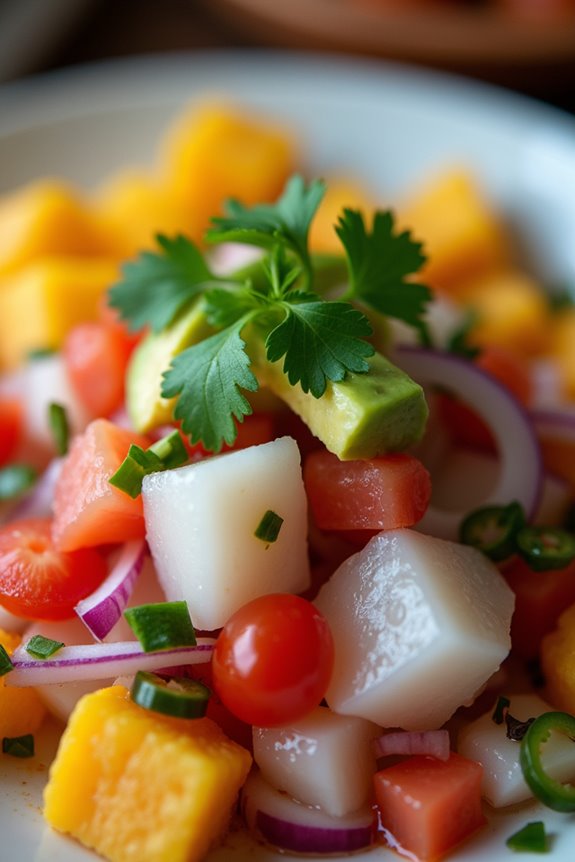
Ceviche is a traditional Chilean dish that showcases the freshness of seafood, typically made with raw fish cured in citrus juices, and enhanced with various seasonings and ingredients. The bright and zesty flavors of ceviche make it an invigorating and light meal, perfect for warm weather or as a delightful appetizer. The dish is often served with sides such as sweet potato, corn, or avocado, which complement the tangy taste of the marinated fish.
This popular dish isn’t only delicious but also a cultural staple in Chile. It highlights the country’s rich maritime resources, allowing for a variety of fish options, from the common tilapia to the more exotic sea bass and shrimp. Preparing ceviche is a great way to enjoy the bounty of the ocean while experiencing the vibrant culinary traditions of Chile.
Ingredients (Serves 4-6)
- 1 pound fresh white fish (such as tilapia or sea bass), skinless and boneless
- 1 cup freshly squeezed lime juice
- 1 small red onion, thinly sliced
- 1 cup diced tomatoes
- 1/2 cup chopped cilantro
- 1-2 jalapeño peppers, finely chopped (adjust to taste)
- Salt, to taste
- Freshly cracked black pepper, to taste
- 1 avocado, diced (for serving)
- Sweet potato, boiled and sliced (for serving)
- Corn on the cob, cooked (for serving)
Cooking Instructions
- Prepare the Fish: Start by verifying the fish is fresh and of high quality. Cut the fish into small, bite-sized cubes (about 1/2 inch). This will help it cure more quickly in the lime juice. Place the fish in a glass or ceramic bowl, as metal can react with the citrus.
- Marinate in Lime Juice: Pour the freshly squeezed lime juice over the fish, confirming all pieces are well-coated. The acid in the lime juice will “cook” the fish, changing its texture and color. Cover the bowl and refrigerate for at least 30 minutes, or until the fish is opaque and firm.
- Combine Vegetables: While the fish is marinating, prepare the vegetables. In a separate bowl, mix the sliced red onion, diced tomatoes, chopped cilantro, and finely chopped jalapeños. This mixture will add depth and flavor to the ceviche.
- Mix Everything Together: Once the fish is ready, drain some of the excess lime juice if necessary (to prevent the ceviche from being too tart). Add the vegetable mixture to the fish and gently fold everything together. Season with salt and freshly cracked black pepper to taste.
- Serve: To serve, spoon the ceviche into individual bowls or a large serving dish. Top with diced avocado for creaminess. Serve alongside boiled sweet potato slices and cooked corn on the cob for a traditional accompaniment.
Extra Tips
When preparing ceviche, using the freshest fish available is essential to guarantee the best flavor and safety. If you’re unsure about the freshness of the fish, consider asking your fishmonger for recommendations or even specific varieties known for ceviche.
Additionally, feel free to customize the recipe by adding other ingredients such as mango or cucumber for a different twist. Remember, the key to great ceviche lies in balancing the acidity of the lime juice with the other flavors, so taste as you go!
Humitas
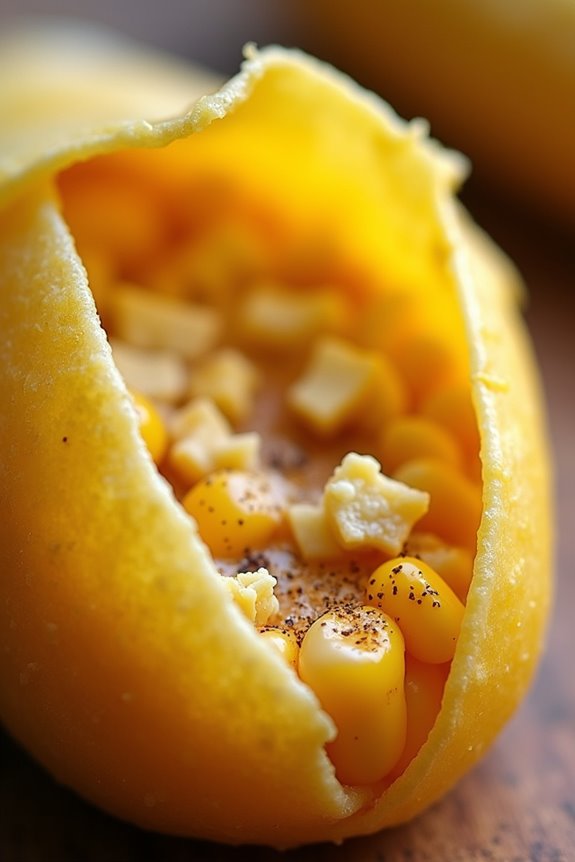
Humitas are a traditional Chilean dish made primarily from corn, and they’re a delightful mix of sweet and savory flavors. This dish is often enjoyed as a snack or a side dish, and it showcases the rich agricultural heritage of Chile. Humitas are wrapped in corn husks and steamed, creating a tender, flavorful treat that captures the essence of fresh corn.
They’re sometimes compared to tamales, but they’ve a distinct flavor profile and preparation method, reflecting the unique culinary traditions of Chile.
Making humitas can be a fun project, especially if you want to involve family or friends in the cooking process. The core of the dish is a mixture of fresh corn, cheese, and spices, all encased in a natural corn husk wrapper. The process may seem a bit labor-intensive, but the end result is definitely worth the effort.
This dish not only fills your belly but also provides a taste of Chile’s rich cultural heritage.
Ingredients (Serves 4-6)
- 4 cups of fresh corn kernels (about 6-8 ears of corn)
- 1 cup of milk
- 1 cup of crumbled cheese (preferably queso fresco or similar)
- 1/4 cup of butter, softened
- 2 teaspoons of baking powder
- 1 teaspoon of salt
- 1/2 teaspoon of black pepper
- 1/4 teaspoon of ground cumin
- 12-15 corn husks (soaked in water for 30 minutes)
Cooking Instructions
- Prepare the Corn: Start by removing the kernels from the corn cobs, placing them in a bowl. You can use a sharp knife to carefully slice down the sides of the cobs to extract the kernels.
- Blend the Mixture: In a blender, combine the corn kernels and milk. Blend until you achieve a smooth consistency. This mixture should be creamy but still have some texture from the corn.
- Combine Ingredients: In a large mixing bowl, combine the blended corn mixture with the softened butter, crumbled cheese, baking powder, salt, black pepper, and cumin. Stir well until all ingredients are evenly mixed.
- Prepare the Corn Husks: Take the soaked corn husks and dry them gently. Lay one husk flat and spoon about 1/4 cup of the corn mixture into the center of the husk. Fold the sides of the husk over the filling, then fold the bottom up to secure it. Repeat this process with the remaining husks and filling.
- Steam the Humitas: Place the wrapped humitas in a steamer basket, standing upright. Steam over boiling water for about 45-60 minutes, or until the humitas are firm and set. Check occasionally to verify there’s enough water in the steamer.
- Serve: Once cooked, carefully unwrap the humitas and serve warm. They can be enjoyed as is, or with a sprinkle of extra cheese or a drizzle of salsa.
Extra Tips
When making humitas, using fresh corn is essential for achieving the best flavor. If fresh corn isn’t available, frozen corn can be a substitute, but it may alter the texture slightly.
Additionally, you can experiment with different types of cheese to adjust the flavor profile to your liking. For a spicier kick, consider adding diced jalapeños or other hot peppers to the filling mixture.
Humitas can also be stored in the refrigerator for a couple of days and reheated easily, making them a convenient dish for meal prep!
Merluza a La Plancha
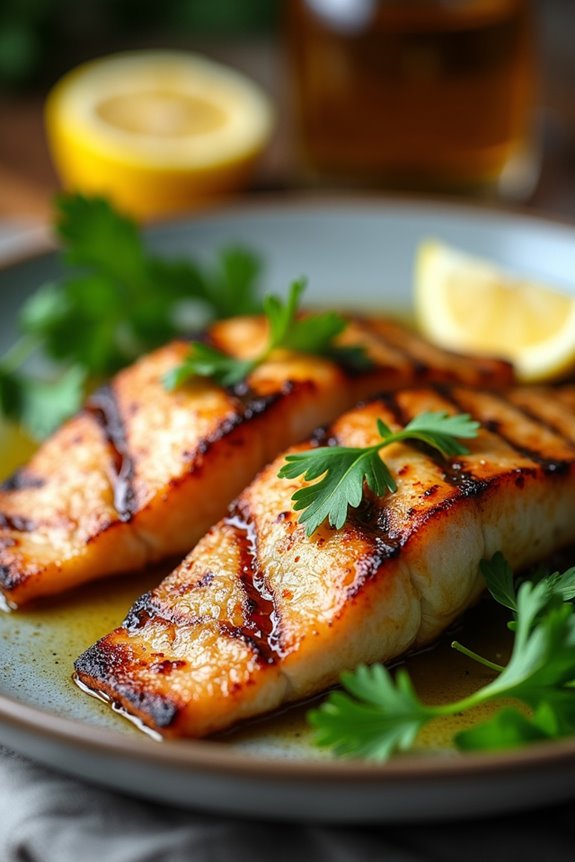
Merluza a La Plancha is a traditional Chilean dish featuring the delicate flavor of hake fish, which is grilled to perfection. This dish isn’t only a staple in Chilean cuisine but also a favorite for those who appreciate the simplicity of fresh ingredients. The preparation method emphasizes the natural taste of the fish while allowing it to remain moist and tender. With a few seasonings and a quick cooking time, this dish is ideal for a weeknight dinner or a special occasion.
In addition to its great taste, Merluza a La Plancha is a healthy option that can be paired with a variety of sides, making it versatile for any meal. Whether served with a rejuvenating salad or accompanied by roasted vegetables, this dish is sure to please everyone at the table. Get ready to enjoy a taste of Chile with this easy-to-follow recipe that highlights the best of local flavors.
Ingredients for Merluza a La Plancha (Serves 4-6):
- 4-6 pieces of fresh merluza (hake) fillets
- 4 tablespoons olive oil
- 2 cloves of garlic, minced
- Salt to taste
- Black pepper to taste
- Juice of 1 lemon
- Fresh parsley, chopped (for garnish)
Cooking Instructions:
- Prepare the Fish: Rinse the merluza fillets under cold water to remove any residual scales or impurities. Pat them dry with paper towels to guarantee they sear nicely on the grill. This extra step helps achieve a nice crust.
- Marinate the Fish: In a bowl, combine olive oil, minced garlic, salt, black pepper, and lemon juice. Whisk together until well blended. Place the fish fillets in the bowl and coat them thoroughly with the marinade. Allow the fish to marinate for at least 15-20 minutes at room temperature to enhance the flavors.
- Heat the Grill: Preheat your grill or a grill pan over medium-high heat. It’s essential to confirm that the grill is hot enough before placing the fish on it. A hot grill helps to achieve those beautiful grill marks and prevents the fish from sticking.
- Cook the Fish: Carefully place the marinated merluza fillets on the grill. Cook for about 4-5 minutes on each side, depending on the thickness of the fillets. Flip the fish gently using a spatula to avoid breaking the fillets. The fish should be opaque and flake easily with a fork when done.
- Garnish and Serve: Once the fish is cooked through, remove it from the grill and transfer it to a serving platter. Garnish with freshly chopped parsley for a burst of color and flavor. Serve hot with lemon wedges on the side for an extra zing.
Extra Tips: To elevate the dish further, consider adding a sprinkle of smoked paprika or a drizzle of balsamic reduction over the finished fish. This can enhance the flavor profile and add a touch of sophistication.
Additionally, if you’re looking for a heartier meal, serve the fish with a side of quinoa or a warm potato salad. Remember, fresh ingredients are key to making this dish shine, so try to source the freshest merluza available!
Asado
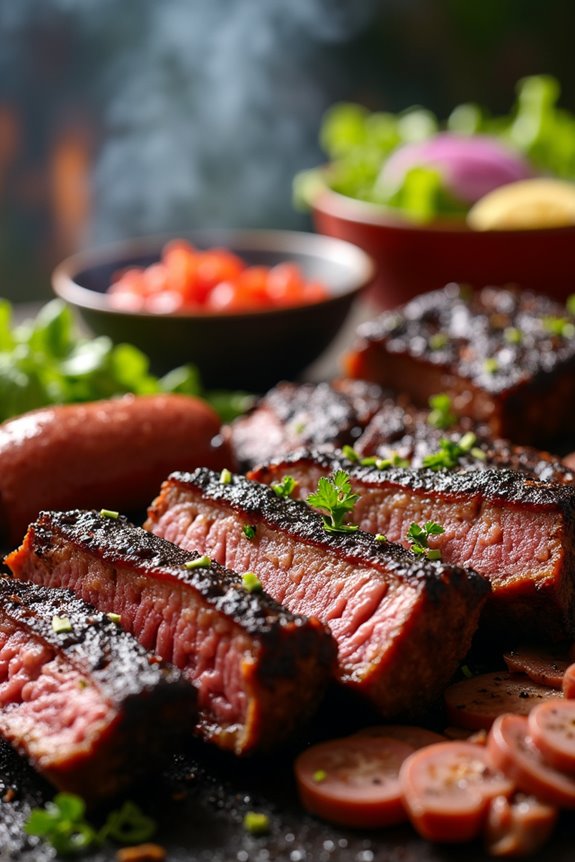
Asado isn’t just a meal; it’s a cherished tradition in Chile that embodies the spirit of camaraderie, family gatherings, and outdoor cooking. This hearty barbecue typically features various cuts of meat, including beef, pork, and sometimes lamb, all seasoned to perfection and cooked over an open flame.
The charm of asado lies not only in the flavors but also in the social aspect it brings, as friends and family come together to enjoy a leisurely afternoon filled with good food, laughter, and conversation.
Preparing an authentic asado requires some patience and attention to detail, but the reward is a delicious feast that will leave your guests raving about the flavors. The key to a successful asado lies in the quality of the meat and the cooking technique, which often involves grilling over wood or charcoal to infuse a smoky flavor.
Pairing the meats with traditional sides like pebre and a fresh salad can elevate your asado experience, making it a memorable celebration of Chilean culture.
Ingredients (Serves 4-6 People)
- 3 lbs of beef short ribs
- 2 lbs of pork ribs
- 1 lb of chorizo sausage
- 1 lb of lamb (optional)
- Salt (to taste)
- Freshly ground black pepper (to taste)
- Olive oil (for brushing)
- Fresh herbs (optional, such as rosemary or thyme)
- 1 lemon (for squeezing over the meat)
- Pebre sauce (for serving)
- Fresh salad (for serving)
Cooking Instructions
1. Prepare the Grill: Start by preparing your grill. If using charcoal, allow it to burn down until it’s covered with white ash to guarantee an even heat. If using wood, let it burn until you have a bed of hot coals. This step is vital for achieving that perfect smoky flavor.
2. Season the Meat: While the grill is heating, generously season the beef short ribs, pork ribs, and lamb with salt and freshly ground black pepper. You can also rub a bit of olive oil on the meat to enhance the flavor. If you have fresh herbs, you can chop them finely and sprinkle them over the meat for added aroma.
3. Grill the Meat: Once the grill is ready, place the beef short ribs and pork ribs directly over the heat. Allow them to sear and develop a nice crust for about 5-7 minutes on each side. After searing, move them to a cooler part of the grill to cook through slowly.
For the chorizo, place them on the grill at the same time, turning occasionally until they’re cooked through and slightly charred.
4. Cook the Lamb (if using): If you’re including lamb, place it on the grill after the beef and pork have had a head start. Lamb typically requires less time, so keep an eye on it to prevent overcooking.
5. Rest the Meat: Once all the meats are cooked to your desired doneness (ideally medium for beef), remove them from the grill and let them rest for about 10 minutes. This allows the juices to redistribute, guaranteeing tender and juicy meat.
6. Serve: Slice the meats into portions and arrange them on a large platter. Squeeze fresh lemon juice over the top for a burst of flavor. Serve with pebre sauce and a fresh salad on the side to complement the richness of the meats.
Extra Tips
When hosting an asado, it’s important to focus on the quality of the ingredients. Opt for fresh, high-quality meats from a reputable butcher, as this will greatly impact the flavor of your dish.
Additionally, consider preparing some side dishes in advance to make your cooking experience more relaxed. Asado is about enjoying the process, so take your time, savor each step, and most importantly, enjoy the company of your friends and family!
Sopaipillas

Sopaipillas are a delightful and traditional Chilean treat that can be enjoyed as a snack or dessert. These golden, fluffy pastries are made from a simple dough that’s deep-fried until crisp and served hot, often accompanied by a drizzle of chancaca (a sweet syrup made from raw sugar) or a sprinkle of powdered sugar.
The beauty of sopaipillas lies not only in their taste but also in their versatility; they can be served sweet or savory, making them a favorite among Chileans of all ages.
The origins of sopaipillas can be traced back to indigenous cultures in Chile, and they’ve since become an integral part of Chilean cuisine. Whether enjoyed at a family gathering, a festive celebration, or simply as a comforting snack at home, sopaipillas bring a sense of warmth and nostalgia.
This recipe will guide you through the process of making these delicious pastries from scratch, guaranteeing that you can create an authentic taste of Chile in your own kitchen.
Ingredients (Serves 4-6 people)
- 2 cups all-purpose flour
- 1 teaspoon baking powder
- 1/2 teaspoon salt
- 1/2 cup pumpkin puree (canned or fresh)
- 1/4 cup warm water
- 1 tablespoon vegetable oil (plus more for frying)
- Chancaca syrup or powdered sugar (for serving)
Cooking Instructions
1. Prepare the Dough: In a large mixing bowl, combine the flour, baking powder, and salt, mixing them well. Create a well in the center and add the pumpkin puree, warm water, and vegetable oil.
Mix all the ingredients together until a smooth dough forms. If the dough is sticky, add a little more flour as needed.
2. Knead the Dough: Transfer the dough onto a lightly floured surface and knead it for about 5 minutes until it becomes smooth and elastic.
This step is important as it helps develop the gluten in the dough, which contributes to the texture of the sopaipillas.
3. Roll Out the Dough: Once the dough is ready, use a rolling pin to roll it out to about 1/4 inch thick.
Make sure to keep the surface lightly floured to prevent sticking. After rolling, use a round cutter or a glass to cut out circles from the dough (approximately 3-4 inches in diameter).
4. Heat the Oil: In a deep frying pan or pot, heat about 2 inches of vegetable oil over medium heat until it reaches 350°F (175°C).
You can test the oil by dropping a small piece of dough into it; if it bubbles and rises to the surface, the oil is ready.
5. Fry the Sopaipillas: Carefully place a few of the cut dough circles into the hot oil, being careful not to overcrowd the pan.
Fry them for about 2-3 minutes on each side, or until they’re golden brown and puffed up. Use a slotted spoon to flip them and then remove them from the oil, placing them on a plate lined with paper towels to drain excess oil.
6. Serve: Once the sopaipillas are cooked, serve them warm with a drizzle of chancaca syrup or a dusting of powdered sugar.
They can also be enjoyed with savory toppings or fillings if you prefer.
Extra Tips
For an extra touch of flavor, consider adding a pinch of cinnamon or nutmeg to the dough for a warm, spiced flavor.
If you want a more authentic experience, try making your own chancaca syrup by simmering raw sugar with a bit of water and cinnamon until it thickens.
Remember to keep the oil at a consistent temperature while frying to guarantee even cooking and to prevent the sopaipillas from becoming greasy.
Enjoy your homemade sopaipillas and share them with family and friends for a true taste of Chile!
Pan De Pascua
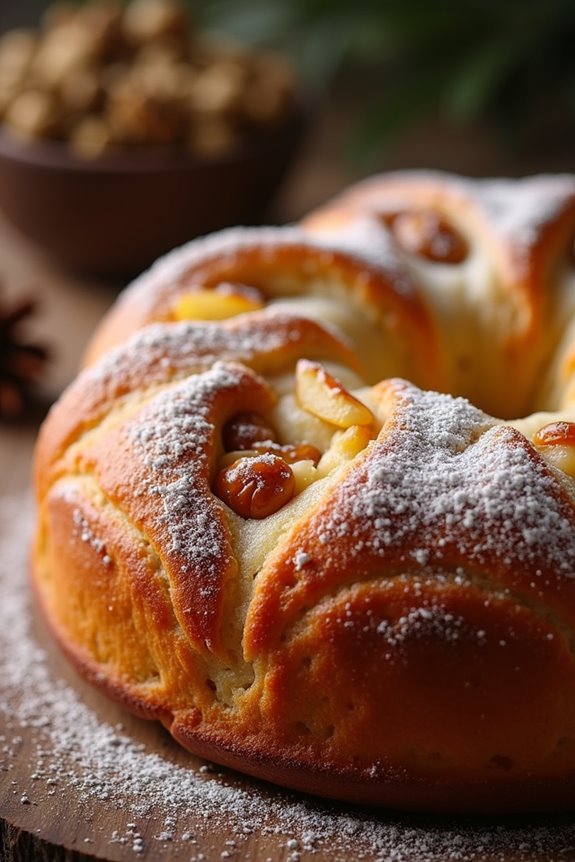
Pan De Pascua, or Chilean Christmas Cake, is a beloved traditional dessert that embodies the spirit of the holiday season in Chile. This moist and flavorful cake is packed with dried fruits, nuts, and spices, making it a delightful treat that brings warmth and joy to festive gatherings.
Often enjoyed with a cup of tea or coffee, Pan De Pascua is a must-have during the Christmas season, carrying with it the rich culinary heritage of Chile.
The origins of Pan De Pascua can be traced back to European influences, particularly from Germany and Italy, but over the years, it has evolved into a distinctively Chilean dish. The cake is often adorned with a dusting of powdered sugar or a glaze and can be enjoyed plain or with a side of whipped cream.
Preparing this cake is a labor of love, and while it may take some time, the resulting flavors and textures are well worth the effort.
Ingredients (serving size: 4-6 people):
- 2 cups all-purpose flour
- 1 teaspoon baking powder
- 1 teaspoon baking soda
- 1 teaspoon ground cinnamon
- 1/2 teaspoon ground nutmeg
- 1/2 teaspoon ground ginger
- 1/2 teaspoon salt
- 1 cup brown sugar
- 1/2 cup unsalted butter, softened
- 3 large eggs
- 1 cup whole milk
- 1 cup mixed dried fruits (such as raisins, apricots, and prunes)
- 1/2 cup chopped nuts (such as walnuts or almonds)
- 1/2 cup honey
- Powdered sugar (for dusting, optional)
Cooking Instructions:
- Preheat the Oven: Begin by preheating your oven to 350°F (175°C). This guarantees that the cake bakes evenly from the start.
- Prepare the Baking Pan: Grease a loaf pan or a round cake pan with butter and lightly dust it with flour. This will prevent the cake from sticking to the pan once it’s baked.
- Mix Dry Ingredients: In a mixing bowl, whisk together the all-purpose flour, baking powder, baking soda, cinnamon, nutmeg, ginger, and salt. This helps to evenly distribute the leavening agents and spices throughout the flour.
- Cream Butter and Sugar: In another large bowl, cream together the softened butter and brown sugar until the mixture is light and fluffy. This process incorporates air into the batter, which contributes to the cake’s light texture.
- Add Eggs: Add the eggs one at a time to the butter and sugar mixture, mixing well after each addition. This will help to emulsify the mixture, creating a smooth batter.
- Incorporate Milk: Gradually pour in the whole milk and honey, mixing until well combined. The milk adds moisture to the cake while honey imparts a unique flavor and sweetness.
- Combine Wet and Dry Ingredients: Slowly fold the dry ingredient mixture into the wet mixture using a spatula. Be careful not to overmix; stop once the flour is just incorporated.
- Add Fruits and Nuts: Gently fold in the mixed dried fruits and chopped nuts. These ingredients provide texture and bursts of flavor throughout the cake.
- Pour Batter into Pan: Transfer the batter into the prepared baking pan, smoothing the top with a spatula. This guarantees that the cake bakes evenly.
- Bake: Place the pan in the preheated oven and bake for about 45-50 minutes, or until a toothpick inserted into the center comes out clean. Keep an eye on it to prevent overbaking.
- Cool and Serve: Once baked, remove the cake from the oven and allow it to cool in the pan for about 10 minutes. Then, turn it out onto a wire rack to cool completely. Before serving, dust with powdered sugar if desired.
Extra Tips: For a more festive flavor, consider soaking the dried fruits in rum or brandy for a few hours before adding them to the batter. This adds an extra layer of richness to the cake.
Additionally, Pan De Pascua can be made a few days in advance; the flavors will continue to develop as it sits, making it even tastier! Store the cake in an airtight container to keep it fresh. Enjoy this delightful treat with your loved ones this holiday season!
