

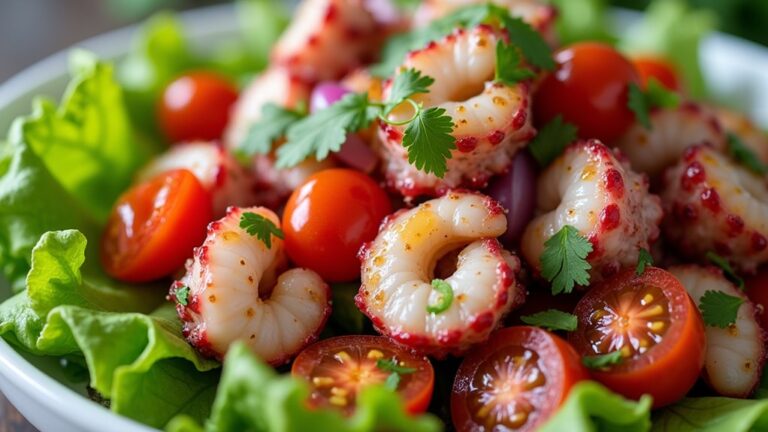
When I think of Chilean cuisine, I immediately envision the vibrant flavors of the ocean. Each dish tells a unique story, from the zesty Ceviche Chileno to the comforting warmth of Paila Marina. These recipes beautifully highlight the rich bounty of the Pacific. If you’re eager to recreate these hearty seafood delights, I’ve curated a selection that promises to bring a taste of Chile straight to your kitchen. Get ready to explore these delightful dishes and savor the freshness of the ocean in every bite.
Ceviche Chileno
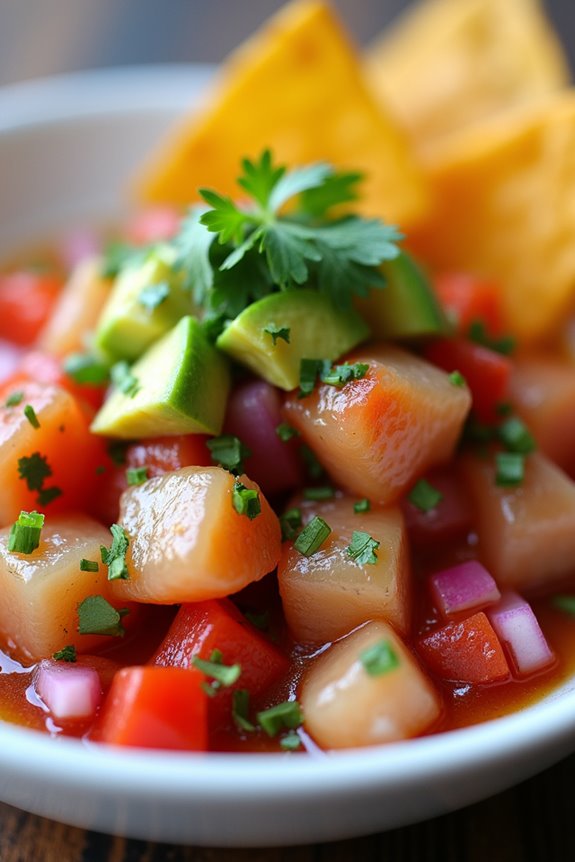
Ceviche Chileno is a vibrant and revitalizing seafood dish that epitomizes the coastal flavors of Chile. Traditionally made with fresh fish marinated in citrus juices, this dish is a staple in Chilean cuisine and is often enjoyed as an appetizer or light meal. The combination of fresh ingredients like fish, onions, cilantro, and chilies creates a tangy and aromatic experience that’s both satisfying and invigorating.
Each bite takes you on a journey to the shores of Chile, where the ocean’s bounty is celebrated in every dish. The key to a successful Ceviche Chileno lies in the quality of the fish and the balance of flavors. It’s important to use the freshest fish available, preferably caught the same day, to achieve the best taste and texture.
Pairing the fish with zesty lime juice and the crunch of fresh vegetables adds depth and complexity to the dish. Serve it chilled with crispy tortilla chips or on its own as a light and healthy option that will impress your guests and tantalize your taste buds.
Ingredients (Serves 4-6):
- 1 pound fresh white fish (such as corvina or tilapia), cut into small cubes
- 1 cup freshly squeezed lime juice
- 1 medium red onion, thinly sliced
- 1-2 green chilies (like jalapeño), finely chopped
- 1/2 cup fresh cilantro, chopped
- Salt to taste
- Black pepper to taste
- 1 avocado, diced (for garnish)
- Tortilla chips (for serving)
Cooking Instructions:
- Prepare the Fish: Start by confirming that your fish is fresh and has been properly cleaned. Cut the fish into small, uniform cubes (about 1/2 inch) to achieve even marination and consistency in texture. Place the cubed fish in a medium-sized bowl.
- Marinate with Lime Juice: Pour the freshly squeezed lime juice over the cubed fish, ensuring that all pieces are well coated. The acidity of the lime juice is what “cooks” the fish, so make sure to cover the bowl with plastic wrap and refrigerate for about 30-45 minutes. You’ll know the fish is ready when it appears opaque and firm to the touch.
- Add Vegetables: After the fish has marinated, carefully remove it from the refrigerator. Add the thinly sliced red onion and finely chopped green chilies to the bowl. Stir gently to combine, allowing the flavors to meld together while being careful not to break the fish apart.
- Season and Garnish: Season the mixture with salt and black pepper to taste. Add the chopped cilantro and mix again to incorporate all the ingredients evenly. If desired, garnish with diced avocado for an extra creamy texture that complements the dish beautifully.
- Serve: Spoon the Ceviche Chileno into serving bowls or onto a platter. You can serve it chilled on its own or with tortilla chips on the side for a delightful crunch. Enjoy immediately for the best taste and texture.
Extra Tips:
When preparing Ceviche Chileno, always prioritize fresh fish for the best flavor and safety. If you’re unsure about the freshness of your fish, ask your fishmonger for recommendations.
Additionally, adjust the level of heat from the chilies based on your preference; start with a small amount and add more if desired. Ceviche is best enjoyed fresh, but if you need to make it ahead of time, keep the fish and vegetables separate and combine them just before serving to maintain the crispness of the ingredients.
Pastel De Jaiba
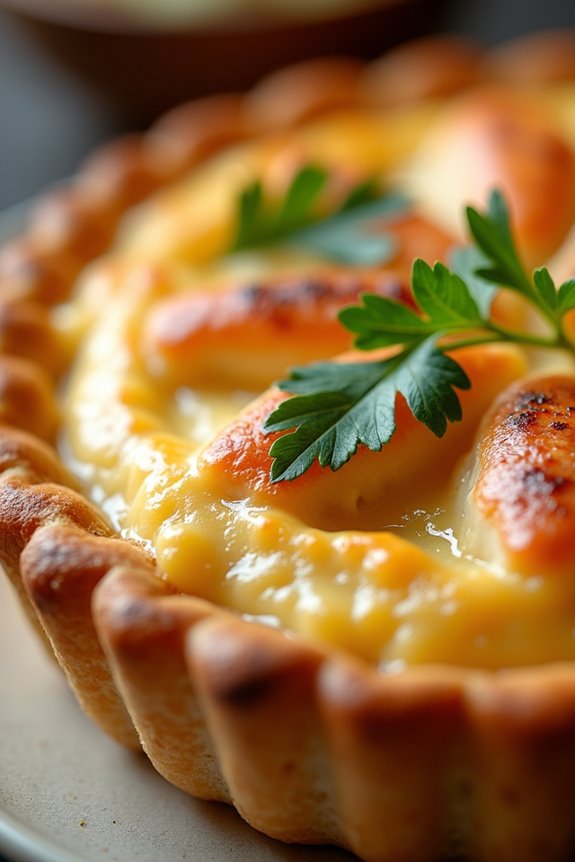
Pastel De Jaiba, or crab pie, is a delightful Chilean dish that showcases the rich flavors of fresh crab. This savory pie combines succulent crab meat with a creamy filling, baked to perfection in a golden crust. Traditionally enjoyed as a main course, it’s perfect for special occasions or family gatherings. The balance of flavors and textures in this dish makes it a beloved choice among seafood lovers.
Preparing Pastel De Jaiba is an enjoyable culinary adventure that allows you to experience the essence of Chilean cuisine. With its combination of crab, spices, and a light, flaky crust, this dish is bound to impress your guests. Serve it with a side salad or some crusty bread to soak up the delicious filling, and you’ll have a meal that’s as satisfying as it’s flavorful.
Ingredients for 4-6 servings:
- 2 cups cooked crab meat, shredded
- 1 cup mayonnaise
- 1 cup heavy cream
- 1 cup grated cheese (preferably a mix of mozzarella and Parmesan)
- 1 medium onion, finely chopped
- 2 cloves garlic, minced
- 1 teaspoon paprika
- 1/2 teaspoon cayenne pepper (optional)
- 1 teaspoon salt
- 1/2 teaspoon black pepper
- 1/4 cup fresh parsley, chopped
- 4 large eggs
- 1 pre-made pie crust (or homemade if preferred)
- 1 tablespoon olive oil
Cooking Instructions:
- Preheat the Oven: Begin by preheating your oven to 350°F (175°C). This step is essential as it guarantees that your pastel de jaiba bakes evenly, resulting in a perfectly cooked dish.
- Sauté the Onions and Garlic: In a skillet, heat the olive oil over medium heat. Add the finely chopped onion and sauté until translucent, about 5 minutes. Then, add the minced garlic and cook for an additional minute until fragrant. This will create a flavorful base for your filling.
- Prepare the Filling: In a large mixing bowl, combine the sautéed onion and garlic with the shredded crab meat, mayonnaise, heavy cream, grated cheese, paprika, cayenne pepper (if using), salt, black pepper, and chopped parsley. Stir well to guarantee all ingredients are evenly mixed. The combination of these ingredients will create a rich and creamy filling.
- Incorporate the Eggs: Beat the four eggs in a separate bowl and then gently fold them into the crab mixture. The eggs will help bind the filling together and give it a nice structure once baked.
- Assemble the Pie: Roll out your pre-made pie crust and place it in a 9-inch pie dish. Pour the crab filling into the crust, spreading it evenly. If you have extra crust, you can create a lattice top or simply leave it open-faced for a rustic look.
- Bake: Place the assembled pastel de jaiba in the preheated oven and bake for 30-35 minutes, or until the top is golden brown and the filling is set. Keep an eye on the pie to prevent over-browning; you can cover it with foil if needed.
- Cool and Serve: Once baked, remove the dish from the oven and allow it to cool for about 10 minutes. This resting time will help the filling firm up a bit, making it easier to slice and serve.
Extra Tips:
When making Pastel De Jaiba, consider using fresh crab meat for the best flavor, but canned crab can work in a pinch. To elevate the dish further, you can add a touch of lemon zest or a splash of white wine to the filling for added brightness.
Additionally, feel free to experiment with different types of cheese or spices to suit your taste. Remember, letting the pie rest before serving will enhance its texture and make for cleaner slices. Enjoy this delicious taste of Chilean cuisine!
Paila Marina
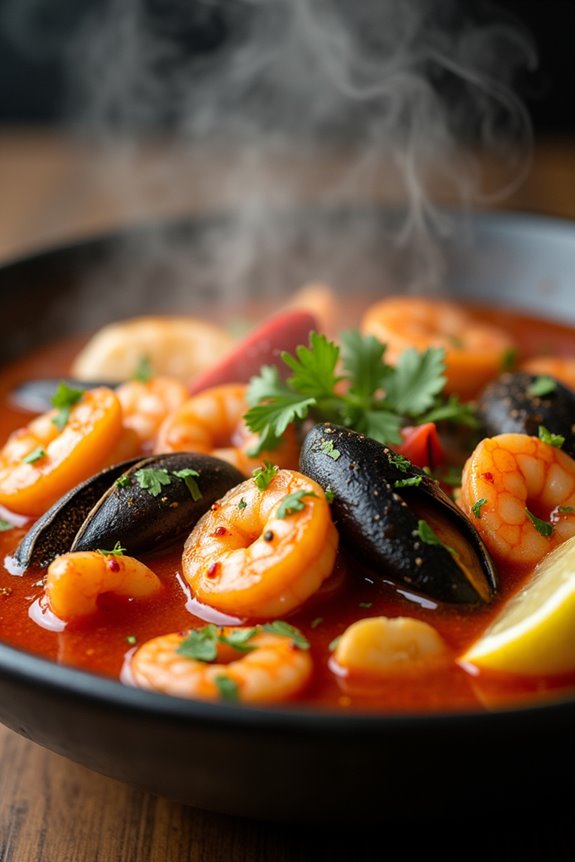
Paila Marina is a traditional Chilean seafood stew that captures the essence of the Pacific Ocean with its rich flavors and fresh ingredients. This dish is a favorite among coastal communities, where the bounty of the sea is abundant and celebrated in home kitchens and restaurants alike.
The combination of various seafood with aromatic herbs and spices creates a deliciously comforting dish that’s perfect for gatherings or family dinners. This hearty stew isn’t only packed with flavor but also showcases the vibrant culinary culture of Chile.
The use of fresh ingredients such as fish, shellfish, and local spices makes Paila Marina a unique experience. Each bite offers a taste of the sea, making it an irresistible choice for seafood lovers. Whether you’re enjoying it on a chilly evening or serving it at a festive occasion, Paila Marina is sure to impress.
Ingredients (Serves 4-6)
- 1 lb (450g) of white fish fillets (such as hake or cod), cut into chunks
- 1 lb (450g) of mixed shellfish (shrimp, mussels, and/or clams)
- 1 medium onion, diced
- 2 cloves of garlic, minced
- 1 red bell pepper, diced
- 2 medium tomatoes, chopped
- 1 cup of fish or seafood stock
- 1 cup of white wine
- 2 tablespoons of olive oil
- 1 teaspoon of paprika
- 1 teaspoon of dried oregano
- Salt and pepper to taste
- Fresh cilantro or parsley, chopped (for garnish)
- Lemon wedges (for serving)
Cooking Instructions
- Prepare the Base: In a large pot or Dutch oven, heat the olive oil over medium heat. Add the diced onion and sauté until translucent, about 5 minutes. This will create a flavorful base for your stew.
- Add Aromatics: Stir in the minced garlic and diced red bell pepper. Continue to cook for an additional 3-4 minutes, allowing the vegetables to soften and the garlic to become fragrant.
- Incorporate the Tomatoes: Add the chopped tomatoes to the pot and stir well. Cook for about 5 minutes until the tomatoes start to break down, releasing their juices and enhancing the flavor of the dish.
- Add Liquids and Seasoning: Pour in the white wine and seafood stock. Add the paprika, oregano, salt, and pepper. Stir everything together, bringing the mixture to a gentle simmer. This will help to meld the flavors together.
- Add Seafood: Once the broth is simmering, carefully add the fish chunks and mixed shellfish to the pot. Gently stir to combine, ensuring the seafood is submerged in the liquid. Cover the pot and let it cook for about 10-15 minutes, or until the seafood is cooked through and tender.
- Garnish and Serve: Once the seafood is ready, remove the pot from heat. Ladle the Paila Marina into bowls and garnish with freshly chopped cilantro or parsley. Serve with lemon wedges on the side for an extra burst of flavor.
Extra Tips
To elevate your Paila Marina, consider using a mix of both fresh and dried herbs to enhance the aromatic profile. You can also experiment with different types of seafood based on availability; just make sure to adjust cooking times accordingly.
Serve the dish with crusty bread or a side of rice to soak up the delicious broth. Enjoying this dish with a glass of chilled white wine will complement the seafood beautifully.
Machas a La Parmesana

Machas a La Parmesana is a delightful Chilean seafood dish that highlights the unique flavor of machas, or razor clams. These clams are prized for their tender, succulent meat and are often found along the Chilean coastline. This recipe brings together the natural sweetness of the machas with the rich, savory notes of cheese and spices, creating a dish that’s perfect for a special occasion or a cozy family dinner.
The combination of melted Parmesan cheese and the briny taste of the ocean makes this dish a true celebration of Chilean cuisine.
Preparing Machas a La Parmesana is both simple and rewarding. The dish is traditionally baked, allowing the flavors to meld together beautifully. With just a few ingredients and straightforward steps, you can create an impressive dish that will surely impress your guests.
Serve it with a side of crusty bread to soak up the delicious juices, and enjoy a taste of the sea right in your own home.
Ingredients (Serves 4-6)
- 24 machas (razor clams), cleaned
- 1 cup grated Parmesan cheese
- 1/2 cup breadcrumbs
- 1/4 cup chopped fresh parsley
- 2 cloves garlic, minced
- 1/4 teaspoon red chili flakes (optional)
- 1/2 cup white wine
- 2 tablespoons olive oil
- Salt and pepper to taste
- Lemon wedges (for serving)
Cooking Instructions
- Preheat the oven: Begin by preheating your oven to 375°F (190°C). This will guarantee that the machas cook evenly and develop a nice, golden crust when baked.
- Prepare the machas: If not already done, clean the machas thoroughly under cold running water to remove any sand or debris. Use a small knife to gently open the shells if needed, but be careful not to damage the meat inside.
- Make the topping: In a mixing bowl, combine the grated Parmesan cheese, breadcrumbs, chopped parsley, minced garlic, and red chili flakes (if using). Mix well to confirm that all ingredients are evenly distributed.
- Arrange the machas: Place the cleaned machas on a baking sheet, with the hinge side down. Pour the white wine over the machas, followed by a drizzle of olive oil. Season with salt and pepper to taste.
- Top with cheese mixture: Spoon the cheese and breadcrumb mixture generously over each macha, confirming they’re well-coated. This will create a delicious crust when baked.
- Bake: Place the baking sheet in the preheated oven and bake for 15-20 minutes, or until the cheese is golden and bubbly. Keep a close eye to avoid burning.
- Serve: Once baked, remove the machas from the oven and let them cool for a couple of minutes. Serve hot with lemon wedges on the side for an added burst of freshness.
Extra Tips
When cooking Machas a La Parmesana, it’s crucial to use fresh machas for the best flavor and texture. If you can’t find fresh machas, you can substitute them with other types of clams, though the taste may vary slightly.
Additionally, feel free to experiment with different herbs and spices in the topping to suit your preference. For a richer flavor, consider adding a splash of cream to the cheese mixture. Enjoy your culinary journey through Chilean seafood!
Curanto

Curanto is a traditional Chilean dish that has its roots in the indigenous Mapuche culture. This hearty meal is a festive gathering of various ingredients, typically cooked underground, making it a unique culinary experience. The name “curanto” comes from the Mapudungun word “curantu,” which means “to cook in the ground.”
While the original method involves using heated stones and digging a pit, this recipe adapts the traditional approach to a more accessible method for home cooks, using a large pot or an outdoor grill.
This delicious seafood and meat medley isn’t only packed with flavor but also showcases the rich culinary heritage of Chile. Curanto is often served during family gatherings or celebrations, making it a perfect dish for special occasions or a weekend feast. The combination of fresh seafood, meats, and vegetables creates a delightful symphony of tastes that will transport you to the stunning coasts of Chile.
Ingredients (serving size: 4-6 people)
- 500g mussels, cleaned
- 500g clams, cleaned
- 500g shrimp, peeled and deveined
- 500g chicken thighs, cut into chunks
- 300g pork ribs, cut into pieces
- 4 medium potatoes, peeled and quartered
- 2 large onions, chopped
- 3 cloves garlic, minced
- 2 cups chicken broth
- 1 cup white wine
- 1 tablespoon paprika
- 1 tablespoon olive oil
- Salt and pepper to taste
- Fresh parsley, for garnish
- Lemon wedges, for serving
Cooking Instructions
1. Prepare the Ingredients: Start by cleaning all seafood thoroughly. Rinse the mussels and clams under cold water to remove any sand. Peel and devein the shrimp, and cut the chicken thighs and pork ribs into bite-sized pieces.
Chop the onions and mince the garlic to have everything ready for cooking.
2. Sauté Aromatics: In a large pot or Dutch oven, heat the olive oil over medium heat. Add the chopped onions and minced garlic, sautéing until they become translucent and fragrant, about 5 minutes.
This step builds a flavorful base for the dish.
3. Brown the Meats: Add the chicken thighs and pork ribs to the pot, seasoning them with salt, pepper, and paprika. Cook until the meats are browned on all sides, about 7-10 minutes.
Browning the meat adds depth to the flavor, ensuring a savory profile in the final dish.
4. Layer the Potatoes: Once the meat is browned, arrange the quartered potatoes on top of the meat in the pot. The potatoes will absorb the flavors from the meat and broth as they cook.
5. Add Seafood and Liquids**: Carefully layer the cleaned mussels, clams, and shrimp on top of the potatoes. Pour in the chicken broth** and white wine, ensuring that all ingredients are well combined.
The liquid is essential for steaming the seafood and enhancing the overall flavor.
6. Simmer and Cook: Cover the pot with a lid and bring the mixture to a gentle simmer. Cook for about 20-25 minutes, or until the seafood is cooked through and the potatoes are tender.
Avoid lifting the lid too often, as this may release steam necessary for cooking.
7. Serve and Garnish: Once cooked, carefully remove the pot from heat. Serve the curanto hot in large bowls, garnished with fresh parsley and accompanied by lemon wedges for a zesty kick.
This adds a delightful brightness to the dish.
Extra Tips
When preparing curanto, feel free to customize the ingredients based on your preferences or what’s available. You can substitute different types of seafood or meats, and even add vegetables like bell peppers or corn for extra flavor.
If you prefer a spicier kick, consider adding some diced chili peppers to the sautéed onions. Additionally, if you have access to a grill, you can replicate the traditional cooking method by wrapping the ingredients in banana leaves and grilling them for an authentic smoky flavor.
Congrio Frito
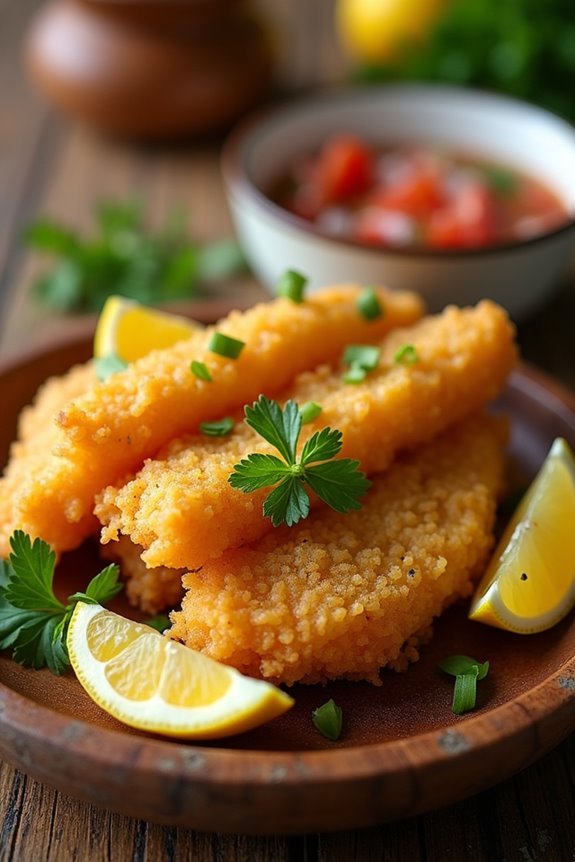
Congrio Frito, or fried conger eel, is a popular dish in Chilean cuisine, celebrated for its delicate texture and mild flavor. This dish highlights the freshness of the sea, typically served with a side of pebre, a traditional Chilean condiment made from tomatoes, onions, and cilantro. The preparation of Congrio Frito is straightforward, making it an ideal choice for both novice cooks and seasoned chefs looking to explore the rich tapestry of Chilean seafood.
To achieve the best results, selecting fresh conger eel is essential, as its flavor and texture are central to the dish. The eel is first marinated to enhance its taste and then coated in a simple batter before being fried to golden perfection. Whether enjoyed at a family gathering or a cozy dinner, Congrio Frito is sure to impress with its crispy exterior and tender inside.
Ingredients (Serves 4-6):
- 1 kg (2.2 lbs) fresh conger eel, cleaned and cut into portions
- 1 cup all-purpose flour
- 1 cup cornmeal (or breadcrumbs)
- 2 large eggs
- 1 teaspoon salt
- 1 teaspoon black pepper
- 1 teaspoon paprika (optional)
- 1 cup vegetable oil (for frying)
- Lemon wedges (for serving)
- Fresh parsley (for garnish)
Cooking Instructions:
- Prepare the Eel: Begin by cleaning and cutting the conger eel into manageable portions, about 3-4 inches long. Rinse them under cold water and pat them dry with paper towels to remove excess moisture. This step is vital to guarantee a crispy finish when fried.
- Marinate the Eel: In a bowl, season the eel pieces with salt, black pepper, and paprika if using. Allow them to marinate for about 15-30 minutes. This will infuse the fish with flavor and make it more delicious once cooked.
- Set Up the Breading Station: In one bowl, beat the eggs until well combined. In another bowl, mix the flour with a pinch of salt. In a third bowl, place the cornmeal (or breadcrumbs). This three-step breading process will give the eel a satisfying crunch.
- Bread the Eel: Take a piece of marinated eel, dip it first in the flour, ensuring it’s coated evenly. Next, immerse it in the beaten egg, allowing any excess to drip off. Finally, coat it in cornmeal (or breadcrumbs), pressing gently to adhere. Repeat this process for all the eel pieces.
- Fry the Eel: In a large frying pan, heat the vegetable oil over medium-high heat. Once the oil is hot, carefully add the breaded eel pieces in batches, making sure not to overcrowd the pan. Fry for about 3-4 minutes on each side or until golden and crispy. Use a slotted spoon to transfer the fried eel to a paper towel-lined plate to drain excess oil.
- Serve: Arrange the fried conger eel on a serving platter, garnished with fresh parsley and lemon wedges. Serve hot alongside pebre or your favorite dipping sauce for added flavor.
Extra Tips:
When frying Congrio Frito, maintaining the oil temperature is crucial for achieving a perfect crispiness. If the oil isn’t hot enough, the eel can absorb too much oil and become greasy. Conversely, if the oil is too hot, the outside may burn before the inside cooks through. Use a thermometer to monitor the temperature, aiming for around 350°F (175°C).
Additionally, consider experimenting with different spices in the marinade or breading to personalize the flavors to your taste. Enjoy your culinary journey into Chilean seafood!
Sopa De Mariscos
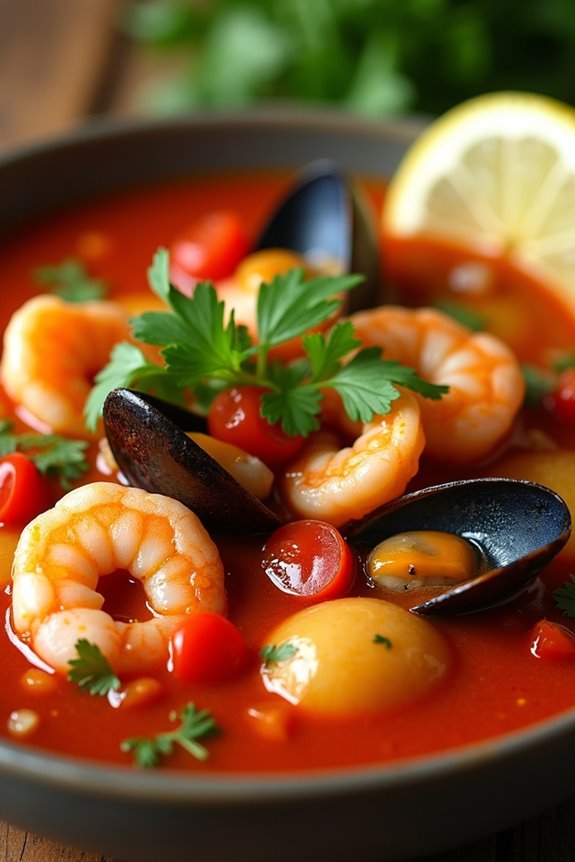
Sopa De Mariscos, or seafood soup, is a delightful dish that showcases the rich flavors of the ocean, making it a staple in Chilean cuisine. This hearty soup is packed with a variety of seafood, fresh vegetables, and aromatic herbs, creating a comforting meal that warms the soul. The combination of the briny seafood and the savory broth offers a culinary experience that transports you to the coastal regions of Chile.
This dish is perfect for gatherings, as it serves 4-6 people and is relatively simple to prepare. With fresh ingredients and a little bit of time, you can create an impressive and flavorful seafood soup that’s sure to be a hit at your dinner table. Whether served as an appetizer or a main course, Sopa De Mariscos is a wonderful way to celebrate the bounties of the sea.
Ingredients (Serves 4-6)
- 1 lb mixed seafood (shrimp, mussels, clams, squid, etc.)
- 1 medium onion, chopped
- 2 cloves garlic, minced
- 1 medium red bell pepper, chopped
- 2 medium tomatoes, diced
- 4 cups fish or seafood stock
- 1 cup white wine
- 1 tsp paprika
- 1 tsp cumin
- 2 tbsp olive oil
- Salt and pepper to taste
- Fresh cilantro or parsley for garnish
- Lemon wedges for serving
Cooking Instructions
- Prepare the Seafood: Rinse the mixed seafood under cold water to remove any sand or grit. If using shrimp, peel and devein them. Set aside.
- Sauté the Vegetables: In a large pot, heat the olive oil over medium heat. Add the chopped onion and red bell pepper, sautéing until they’re softened and translucent, about 5 minutes. Stir in the minced garlic and cook for an additional minute until fragrant.
- Add Tomatoes and Spices: Add the diced tomatoes, paprika, and cumin to the pot, stirring well to combine. Let the mixture cook for about 3-4 minutes until the tomatoes start to break down and release their juices.
- Pour in the Stock and Wine: Carefully add the fish or seafood stock and white wine to the pot. Bring the mixture to a gentle boil, then reduce the heat to low and let it simmer for about 15 minutes to allow the flavors to meld.
- Add the Seafood: Once the broth is flavorful, add the mixed seafood to the pot. Cook for an additional 5-7 minutes, or until the seafood is cooked through and tender. Be careful not to overcook the seafood to maintain its texture.
- Season and Serve: Taste the soup and season with salt and pepper as needed. Ladle the Sopa De Mariscos into bowls, garnishing with fresh cilantro or parsley. Serve with lemon wedges on the side for an extra burst of flavor.
Extra Tips
For the best flavor, use fresh seafood whenever possible, as frozen seafood can sometimes lack the same depth of taste.
Feel free to mix and match the types of seafood based on what’s available and in season. Additionally, you can enhance the broth by adding a pinch of saffron or a dash of hot sauce for a spicy kick.
Pair the soup with crusty bread for dipping, and enjoy!
Empanadas De Mariscos
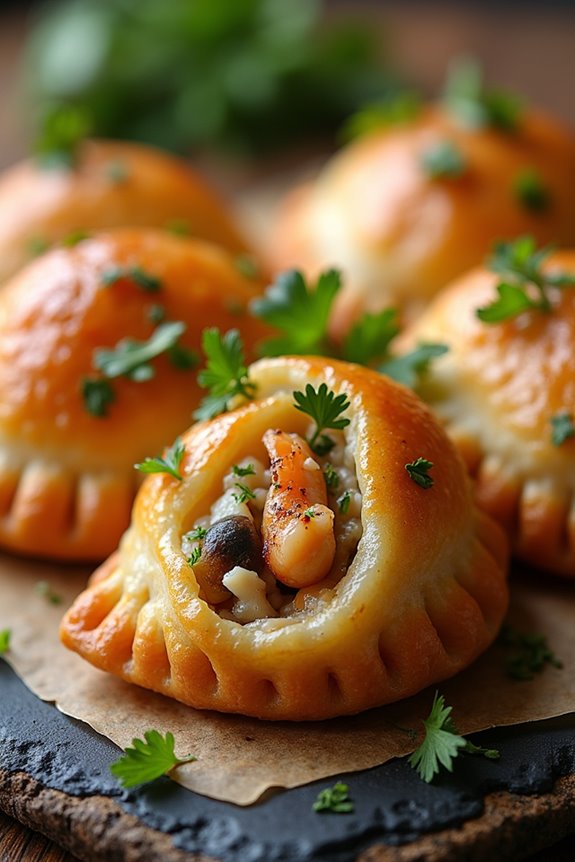
Empanadas de Mariscos, or seafood empanadas, are a beloved dish in Chile, showcasing the country’s rich maritime bounty. These delectable pastries are typically filled with a variety of seafood, such as shrimp, mussels, and fish, all seasoned to perfection and enveloped in a golden, flaky crust. Perfect as appetizers or a main dish, they capture the essence of coastal Chilean cuisine, combining fresh ingredients and traditional cooking methods.
Making empanadas de mariscos isn’t only a culinary adventure but also an opportunity to bring a taste of Chile to your table. The process of crafting these delightful pockets of flavor can be an enjoyable experience for both novice and seasoned cooks.
Once baked or fried to a crispy finish, they can be served with a tangy dipping sauce or a revitalizing salad, allowing you to customize the meal to your liking. Here’s how to prepare this delicious dish for 4-6 people.
Ingredients:
- 2 cups all-purpose flour
- 1/2 cup unsalted butter, chilled and cubed
- 1/2 teaspoon salt
- 1/4 cup ice water
- 1 tablespoon olive oil
- 1 small onion, finely chopped
- 2 cloves garlic, minced
- 1 cup shrimp, peeled and chopped
- 1 cup mussels, cooked and chopped
- 1 cup white fish, cooked and flaked
- 1/4 cup fresh cilantro, chopped
- 1 teaspoon paprika
- 1/2 teaspoon cumin
- Salt and pepper to taste
- 1 egg, beaten (for egg wash)
Cooking Instructions:
- Prepare the Dough: In a large mixing bowl, combine the flour and salt. Add the chilled, cubed butter and use your fingers or a pastry cutter to mix until the mixture resembles coarse crumbs. Gradually add the ice water, mixing until the dough comes together. Knead gently for a minute, wrap in plastic wrap, and refrigerate for at least 30 minutes.
- Cook the Filling: In a skillet, heat the olive oil over medium heat. Add the chopped onion and sauté until translucent, about 5 minutes. Stir in the minced garlic and cook for an additional minute until fragrant. Add the shrimp, mussels, and white fish to the skillet. Season with paprika, cumin, salt, and pepper. Cook for 5-7 minutes until the seafood is cooked through. Remove from heat and fold in the chopped cilantro. Allow the filling to cool.
- Roll Out the Dough: After chilling, remove the dough from the refrigerator. On a lightly floured surface, roll out the dough to a thickness of about 1/8 inch. Use a round cutter (about 4-5 inches in diameter) to cut out circles of dough.
- Fill the Empanadas: Place a tablespoon of the seafood filling in the center of each dough circle. Be careful not to overfill. Fold the dough over to create a half-moon shape and press the edges together to seal. Use a fork to crimp the edges for a decorative touch and guarantee a tight seal.
- Prepare for Baking or Frying: Preheat your oven to 375°F (190°C) if baking. Place the prepared empanadas on a baking sheet lined with parchment paper. Brush the tops with the beaten egg for a golden finish. If frying, heat oil in a deep pan to 350°F (175°C) and fry the empanadas in batches until golden brown on both sides, about 3-4 minutes per side.
- Serve: If baked, allow the empanadas to cool slightly before serving. If fried, drain on paper towels. Serve warm with a side of your favorite salsa or dipping sauce.
Extra Tips: To enhance the flavor of your empanadas, consider adding a squeeze of lime juice to the seafood filling before sealing the empanadas. Additionally, you can customize the filling by incorporating other seafood options such as calamari or scallops, or even adding diced vegetables like bell peppers or corn for added texture.
Enjoy this delightful dish with a revitalizing beverage to balance the flavors!
Salmón Al Horno
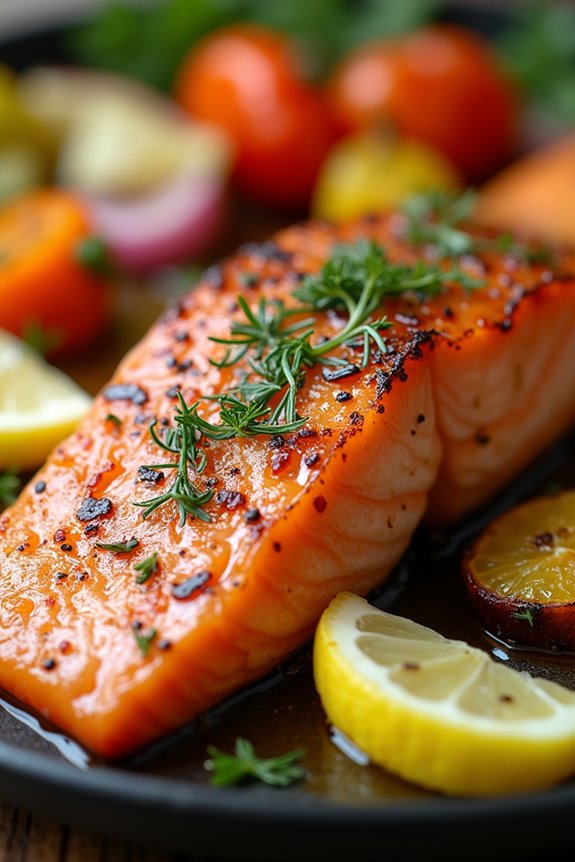
Salmón al horno, or baked salmon, is a delightful dish that showcases the fresh flavors of Chilean seafood. This dish isn’t only easy to prepare but also brings a taste of the Pacific coast right to your dining table. The succulent salmon fillet, seasoned with aromatic herbs and spices, is baked to perfection, making it a staple in Chilean cuisine. It pairs beautifully with a variety of sides, from roasted vegetables to a light salad, guaranteeing a well-rounded meal.
The preparation of Salmón al horno is straightforward, allowing even novice cooks to impress their guests with minimal effort. The key to this dish is the quality of the salmon and the balance of flavors created by the seasoning. With fresh ingredients and a few simple steps, you’ll have a delicious and healthy meal that highlights the essence of Chile’s rich culinary heritage.
Ingredients (serving size: 4-6 people)
- 4-6 salmon fillets (about 6 oz each)
- 4 tablespoons olive oil
- 2 tablespoons fresh lemon juice
- 2 cloves garlic, minced
- 1 tablespoon fresh dill, chopped (or 1 teaspoon dried dill)
- 1 tablespoon fresh parsley, chopped
- Salt and pepper to taste
- Lemon slices (for garnish)
Cooking Instructions
- Preheat the Oven: Begin by preheating your oven to 400°F (200°C). This guarantees that your salmon cooks evenly and retains its moisture during the baking process.
- Prepare the Baking Dish: Take a baking dish and lightly grease it with a bit of olive oil. This will prevent the salmon from sticking and make for easier cleanup later.
- Season the Salmon: In a small bowl, whisk together the olive oil, lemon juice, minced garlic, dill, parsley, salt, and pepper. Place the salmon fillets in the prepared baking dish, skin side down, and brush the seasoning mixture generously over each fillet, ensuring they’re well-coated.
- Bake the Salmon: Place the baking dish in the preheated oven and bake the salmon for 12-15 minutes. The cooking time may vary depending on the thickness of the fillets. The salmon should be opaque and flake easily with a fork when done.
- Garnish and Serve: Once the salmon is cooked, remove it from the oven and let it rest for a few minutes. Garnish with fresh lemon slices and additional herbs if desired. Serve warm alongside your choice of sides.
Extra Tips
For a more flavorful dish, consider marinating the salmon in the seasoning mixture for 30 minutes to an hour before baking. This allows the flavors to penetrate the fish more deeply.
Additionally, feel free to experiment with different herbs and spices based on your taste preferences—thyme or rosemary can add a lovely twist.
Remember to check the salmon for doneness to prevent overcooking, as it can dry out quickly. Enjoy your Salmón al horno with a glass of white wine for a truly authentic experience!
Chupe De Locos
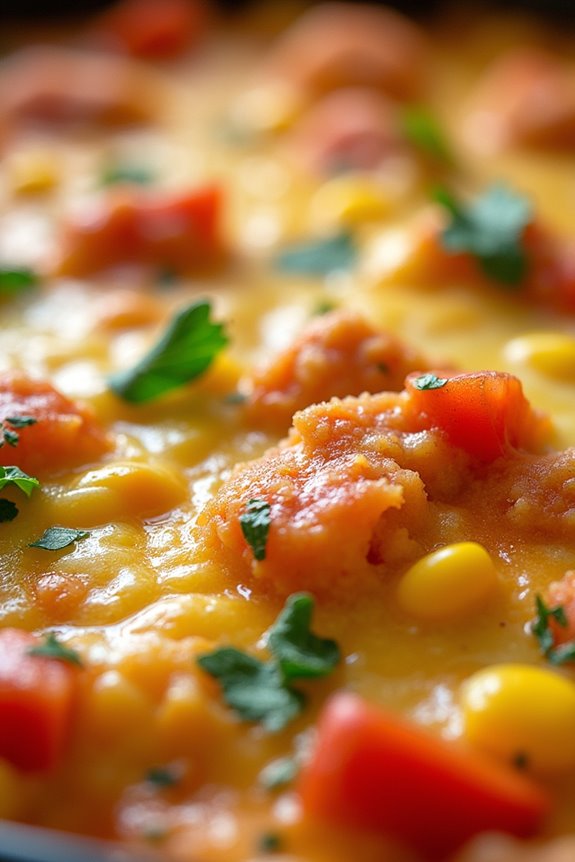
Chupe De Locos is a traditional Chilean seafood dish that highlights the rich flavors of the ocean. This creamy, comforting casserole is primarily made with locos, which are a type of edible mollusk similar to abalone, found along the Chilean coast. The dish is perfect for showcasing the unique taste of the locos, combined with a blend of aromatic spices, vegetables, and cheese, creating a delightful medley that warms the heart and pleases the palate.
The preparation of Chupe De Locos is a labor of love, as it incorporates a variety of fresh ingredients, including milk, cheese, and a medley of vegetables. This dish is commonly served during special occasions and family gatherings, making it a cherished part of Chilean culinary heritage. Whether you’re looking to impress your guests or simply indulge in a bowl of comfort food, Chupe De Locos is sure to become a favorite.
Ingredients (Serves 4-6):
- 500g locos (cooked and chopped)
- 1 cup milk
- 1 cup heavy cream
- 1 medium onion, finely chopped
- 2 cloves garlic, minced
- 1 medium tomato, diced
- 1 cup corn kernels (fresh or frozen)
- 1/2 cup grated cheese (such as mozzarella or a Chilean cheese)
- 1/4 cup grated Parmesan cheese
- 2 tablespoons butter
- 1 tablespoon olive oil
- 1 teaspoon paprika
- 1 teaspoon chili powder
- Salt and pepper to taste
- Fresh parsley for garnish (optional)
Cooking Instructions:
- Prepare the Locos: If you have fresh locos, clean and cook them in boiling water for about 5-7 minutes until tender. Once cooked, chop them into small pieces. If using canned or pre-cooked locos, simply drain and chop them.
- Sauté the Vegetables: In a large skillet, heat the olive oil and butter over medium heat. Add the chopped onion and garlic, sautéing until they become soft and translucent, about 5 minutes. This will create a flavorful base for the dish.
- Add Tomatoes and Corn: Stir in the diced tomato and corn kernels, cooking for another 3-4 minutes. This will enhance the dish’s texture and provide a touch of sweetness from the corn.
- Combine with Locos: Add the chopped locos to the skillet, mixing them well with the sautéed vegetables. Make sure the locos are evenly distributed throughout the mixture.
- Create the Cream Mixture: In a separate bowl, whisk together the milk, heavy cream, paprika, chili powder, salt, and pepper. Pour this mixture into the skillet, stirring to combine everything thoroughly.
- Add Cheese and Simmer: Fold in the grated cheese and let the mixture simmer on low heat for about 10 minutes, allowing the flavors to meld and the cheese to melt into the sauce.
- Bake the Chupe: Preheat your oven to 180°C (350°F). Transfer the mixture into a baking dish and sprinkle the grated Parmesan cheese on top. Bake for 20-25 minutes or until the top is golden and bubbling.
- Serve: Remove from the oven, garnish with fresh parsley if desired, and serve hot. Enjoy your Chupe De Locos with crusty bread or over rice to soak up the delicious sauce.
Extra Tips:
When preparing Chupe De Locos, feel free to customize the recipe by adding other seafood such as shrimp or fish for a mixed seafood version. Additionally, make sure to taste and adjust the seasonings as needed, especially the salt, since locos can have a naturally salty flavor. For a spicier kick, consider increasing the amount of chili powder or adding diced jalapeños. This dish is best enjoyed fresh, but leftovers can be stored in the refrigerator and reheated for a quick and satisfying meal.
Merluza a La Plancha

Merluza a La Plancha is a popular Chilean dish that showcases the deliciousness of fresh hake, a fish known for its mild flavor and flaky texture. This simple yet flavorful recipe highlights the natural taste of the fish, enhanced by a few key ingredients. Cooking the fish on a hot griddle allows it to develop a beautiful sear while keeping it moist and tender inside.
It’s a dish that can be enjoyed any day of the week and makes for a wonderful centerpiece at any gathering.
To prepare Merluza a La Plancha, you’ll need to start with fresh hake fillets. The key to a perfect result is to guarantee that your griddle or skillet is hot enough to sear the fish, sealing in the juices and creating a delightful crust. This dish is typically served with a side of seasonal vegetables or a fresh salad, making it a healthy and satisfying meal.
Whether you’re a seasoned cook or a beginner looking to explore Chilean cuisine, this recipe is straightforward and rewarding.
Ingredients (Serves 4-6)
- 4-6 hake fillets (about 150-200 grams each)
- 2 tablespoons olive oil
- 2 cloves garlic, minced
- Juice of 1 lemon
- Salt and pepper to taste
- Fresh parsley, chopped (for garnish)
- Lemon wedges (for serving)
Cooking Instructions
- Prepare the Fish: Rinse the hake fillets under cold water and pat them dry with paper towels. This step is vital because it removes excess moisture, which can prevent the fish from searing properly. Season both sides of the fillets generously with salt and pepper.
- Make the Marinade: In a small bowl, combine the minced garlic, olive oil, lemon juice, salt, and pepper. Mix well to create a marinade that will enhance the flavor of the fish. You can also add a pinch of paprika for an extra layer of flavor if desired.
- Marinate the Fish: Place the seasoned hake fillets in a shallow dish and pour the marinade over them. Ascertain that each fillet is well coated. Let the fish marinate for at least 15-20 minutes at room temperature. This allows the flavors to penetrate the fish and enhances its taste.
- Heat the Griddle: Preheat a griddle or large skillet over medium-high heat. It’s important to allow the griddle to get hot enough to create a good sear on the fish. You can test the heat by sprinkling a few drops of water on the surface; they should sizzle and evaporate quickly.
- Cook the Hake: Once the griddle is hot, carefully place the marinated hake fillets onto the surface. Cook for about 4-5 minutes on one side without moving them. Flip the fillets gently and cook for another 3-4 minutes on the other side, or until the fish is opaque and flakes easily with a fork.
- Serve: Remove the fillets from the griddle and transfer them to a serving platter. Garnish with chopped fresh parsley and serve with lemon wedges on the side for a burst of freshness.
Extra Tips
When making Merluza a La Plancha, it’s essential to use fresh hake for the best flavor and texture. If fresh hake isn’t available, frozen fillets can be used, but guarantee they’re fully thawed and patted dry before cooking.
Additionally, feel free to experiment with the marinade by adding herbs like thyme or oregano for a different flavor profile. Finally, serving the fish with a side of sautéed vegetables or a light salad can complement the dish beautifully and add a vibrant touch to your meal.
Ensalada De Pulpo
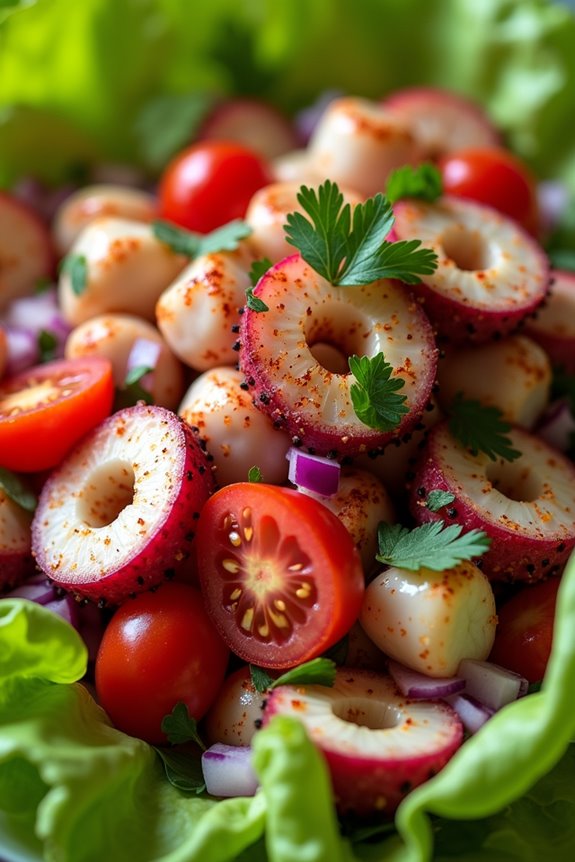
Ensalada De Pulpo, or octopus salad, is a vibrant and flavorful dish that showcases the delightful seafood of Chile. This dish perfectly balances the tender texture of octopus with fresh vegetables, zesty lime juice, and a hint of spice, making it a staple in Chilean cuisine.
It’s often served as an invigorating appetizer or a light main course, especially on warm days or during festive gatherings, where it can captivate the palate of your guests.
Preparing Ensalada De Pulpo isn’t only a culinary adventure but also a great way to introduce seafood into your meals. The key to a successful octopus salad lies in properly cooking the octopus to achieve tenderness and enhancing the flavors with the right ingredients.
This recipe will guide you through the process of creating a delicious Ensalada De Pulpo that serves 4-6 people, perfect for sharing with family and friends.
Ingredients:
- 2 pounds fresh octopus
- 1 medium red onion, finely chopped
- 1 medium red bell pepper, diced
- 1 cup cherry tomatoes, halved
- 1/2 cup fresh cilantro, chopped
- 1/4 cup olive oil
- 3 tablespoons fresh lime juice
- 1 teaspoon smoked paprika
- Salt and pepper, to taste
- Lettuce leaves, for serving (optional)
Cooking Instructions:
- Prepare the Octopus: Begin by cleaning the octopus. Rinse it under cold water and remove the beak and ink sac if they’re still inside. Once clean, bring a large pot of salted water to a boil.
- Cook the Octopus: Carefully place the octopus in the boiling water. Reduce the heat to a simmer and cook for about 45 minutes to 1 hour, or until the octopus is tender. You can test for tenderness by inserting a fork into the thickest part of a tentacle.
- Cool and Cut the Octopus: Once cooked, remove the octopus from the pot and let it cool slightly. Once cool enough to handle, chop the octopus into bite-sized pieces and set aside in a large mixing bowl.
- Combine the Vegetables: In the same bowl, add the finely chopped red onion, diced red bell pepper, halved cherry tomatoes, and chopped cilantro to the octopus. Toss gently to combine the ingredients.
- Dress the Salad: In a separate small bowl, whisk together the olive oil, lime juice, smoked paprika, and season with salt and pepper to taste. Pour this dressing over the octopus and vegetable mixture, and toss until everything is evenly coated.
- Serve: If desired, arrange lettuce leaves on a serving platter and spoon the octopus salad over the top. Serve immediately at room temperature or chill in the refrigerator for about 30 minutes before serving for a cooler dish.
Extra Tips:
When cooking octopus, make sure not to overcook it, as this can lead to a rubbery texture.
If you’re looking for added flavor, consider marinating the octopus in the dressing for a few hours before serving to allow the flavors to meld together.
Additionally, feel free to customize the salad by adding other ingredients such as avocado or capers for extra taste and texture. Enjoy the freshness and vibrant flavors of this classic Chilean dish!
