

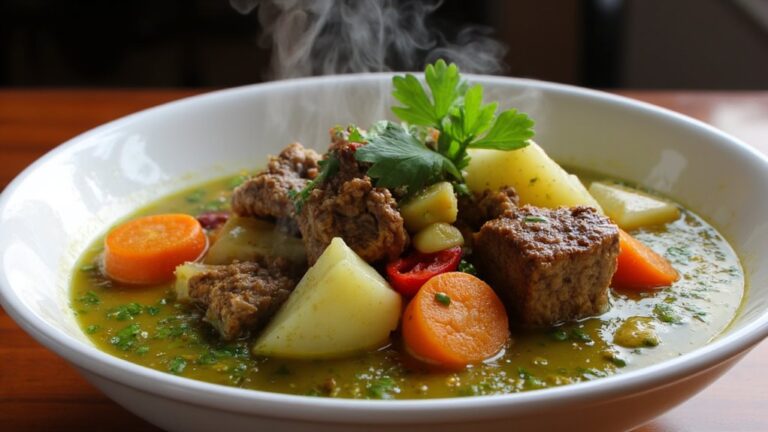
When South American flavors come to mind, it’s hard not to think about the deliciousness of succulent pork dishes. From the smoky charm of Argentine asado to the comforting embrace of Brazilian feijoada, each recipe is steeped in tradition and love. Picture tender, marinated ribs sizzling on the grill or a fragrant stew bubbling with spices. There’s an array of exciting recipes to explore, and I can’t wait to share them with you. These mouthwatering ideas might just inspire your next meal.
Argentine Asado: Grilled Pork Ribs
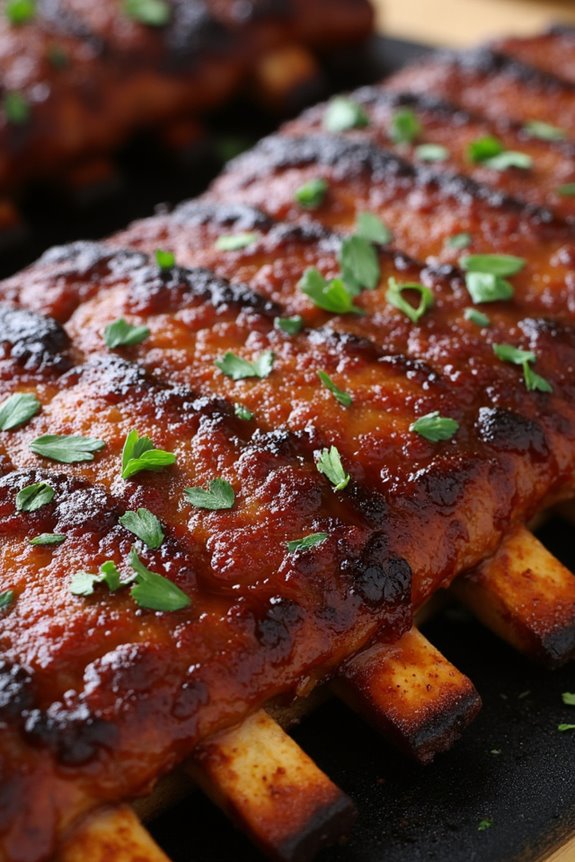
Argentine Asado is a traditional grilling technique celebrated across Argentina, showcasing a variety of meats with a focus on flavor and simplicity. Grilled pork ribs, in particular, are a favorite for gatherings, often accompanied by chimichurri sauce or a fresh salad. The key to making these ribs truly special lies in the marinade and the slow cooking process, allowing the meat to become tender and infused with robust flavors.
To achieve the perfect Argentine Asado, it’s essential to choose high-quality pork ribs and let them marinate for several hours or overnight. This enhances the flavor and tenderness of the meat. The grilling method is also vital; low and slow is the name of the game, allowing the fat to render and the ribs to develop a beautiful char. Gather your friends and family, because this dish is best enjoyed in good company!
Ingredients (Serves 4-6)
- 2 to 3 pounds pork ribs (baby back or spare ribs)
- 4 cloves garlic, minced
- 1/4 cup olive oil
- 2 tablespoons red wine vinegar
- 1 tablespoon smoked paprika
- 1 tablespoon dried oregano
- 1 tablespoon ground cumin
- 1 teaspoon black pepper
- 1 teaspoon salt
- Fresh parsley, chopped (for garnish)
- Optional: Chimichurri sauce for serving
Cooking Instructions
- Prepare the Marinade: In a mixing bowl, combine minced garlic, olive oil, red wine vinegar, smoked paprika, dried oregano, ground cumin, black pepper, and salt. Whisk together until well blended. This marinade will infuse the ribs with aromatic flavors.
- Marinate the Ribs: Place the pork ribs in a large resealable plastic bag or a shallow dish. Pour the marinade over the ribs, ensuring they’re well coated. Seal the bag or cover the dish with plastic wrap and refrigerate for at least 4 hours, or overnight for best results. This step is vital for tender, flavorful ribs.
- Preheat the Grill: About 30 minutes before grilling, preheat your grill to medium-low heat (around 250°F to 300°F). If using charcoal, create a two-zone fire by placing the coals on one side of the grill, leaving the other side empty for indirect cooking.
- Grill the Ribs: Remove the ribs from the marinade and let any excess drip off. Place the ribs on the cooler side of the grill (indirect heat) and cover the grill. Cook slowly for about 1.5 to 2 hours, flipping occasionally, until the ribs are tender and the meat pulls away from the bone easily.
- Sear the Ribs: Once the ribs are tender, move them to the hotter side of the grill to sear for about 5-10 minutes, turning frequently, until they develop a nice char and caramelization. This adds a delightful texture and flavor to the ribs.
- Rest and Serve: Remove the grilled ribs from the grill and let them rest for about 10 minutes. This allows the juices to redistribute throughout the meat. Slice the ribs and garnish with freshly chopped parsley. Serve with chimichurri sauce on the side, if desired.
Extra Tips
For an authentic Argentine experience, consider serving your grilled pork ribs with traditional sides like grilled vegetables or a fresh tomato salad.
If you want to experiment, try different marinades or spices to suit your taste. Remember to keep an eye on the grill temperature to avoid flare-ups and overcooking.
Enjoy the process as much as the meal, and don’t hesitate to share this dish with friends and family for a true asado celebration!
Brazilian Feijoada: Black Bean Stew With Pork
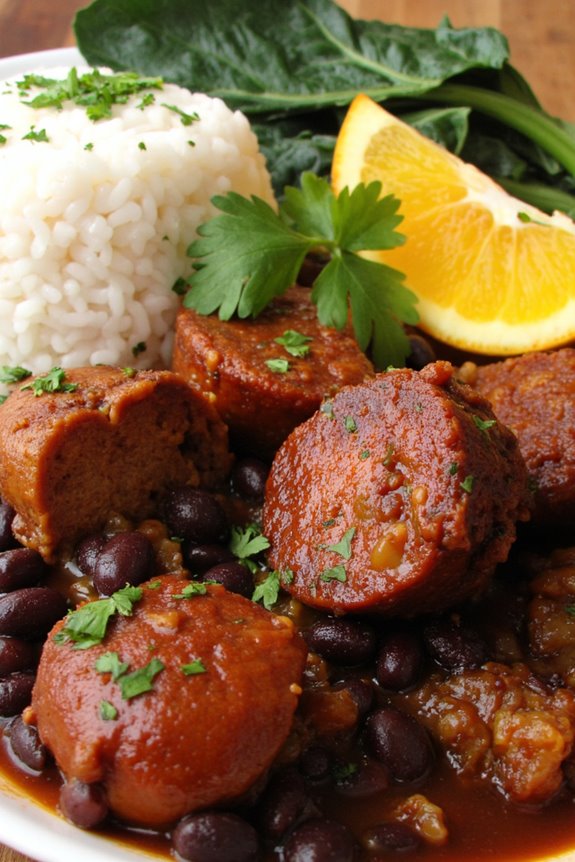
Brazilian Feijoada is a traditional black bean stew that showcases the rich flavors and culinary heritage of Brazil. This hearty dish is often made with a variety of meats, particularly pork, and is traditionally served with rice, collard greens, and orange slices. The combination of ingredients creates a robust and savory dish that’s perfect for gatherings or family meals.
While it may take a bit of time to prepare, the end result is well worth the effort, offering a taste of Brazil in every bite.
The origins of Feijoada date back to the colonial era, influenced by African, Portuguese, and indigenous Brazilian cuisines. Each region of Brazil has its own variations, with different types of meat and spices used. The beauty of Feijoada lies in its adaptability; you can customize it based on your preferences or what you have on hand.
Whether you’re preparing it for a special occasion or a cozy dinner at home, this dish is sure to impress.
Ingredients (Serves 4-6):
- 1 lb black beans, dried
- 1 lb pork shoulder, cut into chunks
- 1 lb smoked sausage, sliced
- 1/2 lb chorizo, sliced
- 1/2 lb bacon, chopped
- 1 onion, diced
- 4 cloves garlic, minced
- 1 bay leaf
- 1 teaspoon cumin
- 1 teaspoon black pepper
- 1 teaspoon paprika
- 4 cups chicken broth
- Salt to taste
- Fresh cilantro, for garnish
- Cooked white rice, for serving
- Collard greens, for serving
- Orange slices, for serving
Cooking Instructions:
- Prepare the Beans: Rinse the black beans under cold water and soak them overnight in a large bowl with plenty of water. This helps to soften the beans and reduces cooking time. Drain and set aside before cooking.
- Cook the Bacon: In a large pot or Dutch oven, cook the chopped bacon over medium heat until crispy. Use a slotted spoon to remove the bacon and set it aside, leaving the rendered fat in the pot.
- Sauté the Aromatics: Add the diced onion to the pot with the bacon fat and sauté for about 5 minutes until the onion becomes translucent. Then, add the minced garlic and cook for an additional minute until fragrant.
- Brown the Meats: Add the pork shoulder chunks, smoked sausage, and chorizo to the pot. Brown the meats on all sides for about 5-7 minutes. This step enhances the flavor of the stew.
- Combine Ingredients: Once the meats are browned, return the crispy bacon to the pot. Add the soaked black beans, bay leaf, cumin, black pepper, paprika, and chicken broth. Stir everything together to combine well.
- Simmer the Stew: Bring the mixture to a boil, then reduce the heat to low. Cover the pot and let it simmer for about 2-3 hours, or until the beans and meats are tender. Stir occasionally and check the consistency; if it becomes too thick, you can add more broth or water.
- Season and Serve: Before serving, taste the stew and adjust the salt as needed. Remove the bay leaf and ladle the Feijoada into bowls. Garnish with fresh cilantro and serve with cooked white rice, collard greens, and orange slices on the side.
Extra Tips: To enhance the flavor of your Feijoada, consider using a variety of meats beyond just pork, such as beef or lamb, to create a more complex profile.
Additionally, letting the stew sit for a few hours or overnight before serving allows the flavors to meld together beautifully. This dish is also excellent for leftovers, as it tastes even better the next day!
Peruvian Anticuchos: Grilled Pork Skewers
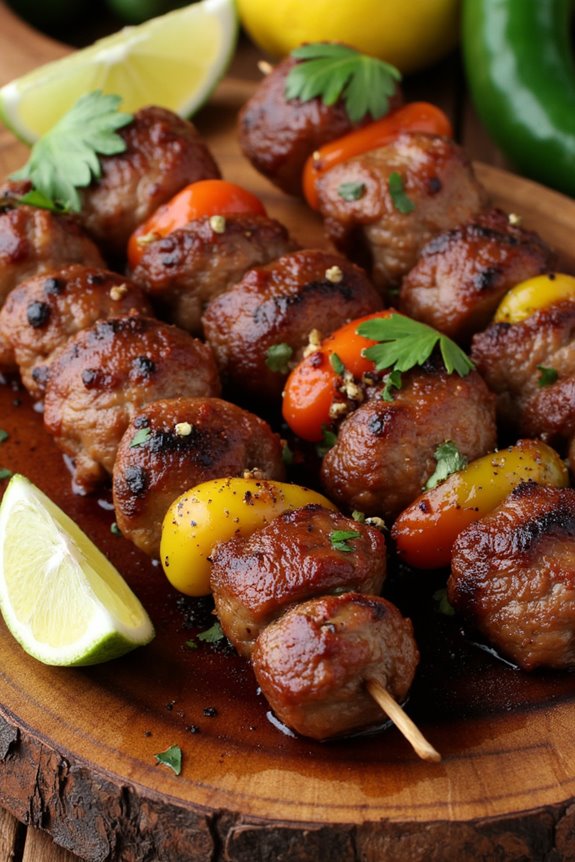
Anticuchos are a popular street food in Peru, traditionally made with marinated meat skewered and grilled to perfection. These delicious pork skewers are infused with a spicy marinade that reflects the vibrant flavors of Peruvian cuisine, including garlic, cumin, and aji pepper. The result is a tender, juicy, and slightly smoky dish that’s perfect for summer barbecues or simply as a delightful appetizer for gatherings.
To make authentic Peruvian Anticuchos, you’ll need to start with quality pork, preferably pork shoulder or tenderloin, which provides the right balance of flavor and tenderness. The marinade is key to achieving the distinct taste of anticuchos; it not only tenderizes the meat but also imparts a rich depth of flavor. Once marinated and skewered, the pork is grilled until perfectly charred, creating an irresistible crust while keeping the inside succulent. Serve these skewers with a side of spicy salsa and roasted potatoes for an unforgettable meal.
Ingredients (Serves 4-6)
- 2 lbs pork shoulder or tenderloin, cut into 1-inch cubes
- 4 cloves garlic, minced
- 2 tablespoons cumin
- 2 tablespoons aji amarillo paste (or substitute with another chili paste)
- 1/4 cup red wine vinegar
- 1/4 cup olive oil
- Salt and pepper to taste
- Wooden or metal skewers (if using wooden, soak them in water for 30 minutes)
- Optional: Lime wedges and fresh cilantro for garnish
Cooking Instructions
- Prepare the Marinade: In a large mixing bowl, combine the minced garlic, cumin, aji amarillo paste, red wine vinegar, olive oil, salt, and pepper. Whisk the ingredients together until well blended, creating a flavorful marinade for the pork.
- Marinate the Pork: Add the pork cubes to the marinade, guaranteeing each piece is fully coated. Cover the bowl with plastic wrap or transfer the mixture to a zip-top bag. Refrigerate for at least 2 hours, preferably overnight, to allow the pork to absorb the flavors.
- Preheat the Grill: Before grilling, preheat your grill to medium-high heat. If you’re using a charcoal grill, guarantee the coals are hot and evenly distributed for consistent cooking.
- Skewer the Pork: Once marinated, thread the pork cubes onto the skewers, leaving a little space between each piece to allow for even cooking. If desired, alternate with pieces of bell pepper, onion, or other vegetables for added flavor and color.
- Grill the Skewers: Place the skewers on the preheated grill. Grill for about 10-15 minutes, turning occasionally, until the pork is cooked through and has nice grill marks. The internal temperature should reach 145°F (63°C).
- Serve: Remove the skewers from the grill and let them rest for a few minutes. Serve warm, garnished with lime wedges and fresh cilantro, alongside your choice of dipping sauces or sides.
Extra Tips
For the best flavor, don’t rush the marinating process; letting the pork sit overnight will yield the most delicious results. Additionally, consider experimenting with different types of peppers or spices in the marinade to customize the heat level to your liking.
When grilling, keep a close eye on the skewers to prevent burning, and use a meat thermometer to guarantee perfect doneness. Enjoy your Peruvian Anticuchos as a delightful centerpiece at your next meal!
Chilean Porotos Granados: Pork and Bean Stew
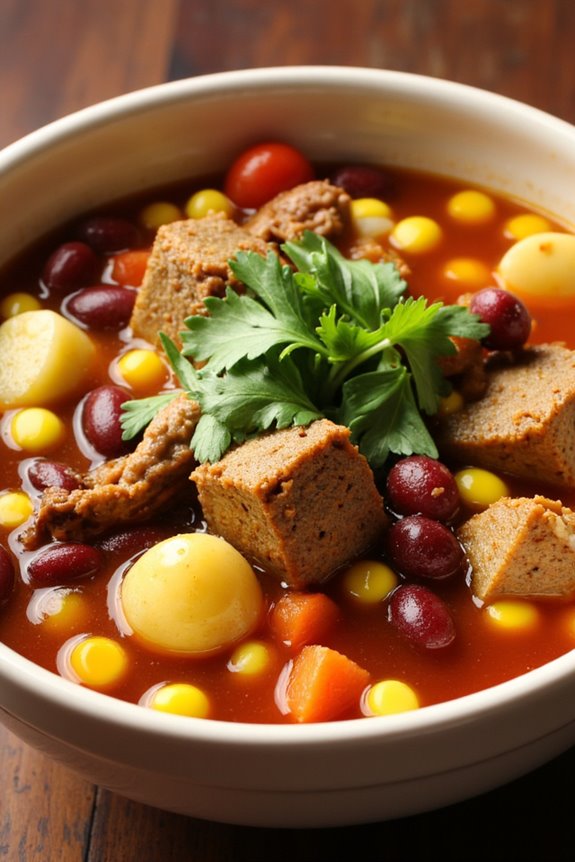
Chilean Porotos Granados is a delightful and hearty dish that combines fresh ingredients and traditional flavors, making it a favorite among many Chileans. This pork and bean stew isn’t only comforting but also showcases the rich culinary heritage of Chile. With a blend of pork, beans, and fresh vegetables, this dish offers a perfect balance of protein, fiber, and nutrients.
Traditionally served during the summer months, it can easily be enjoyed year-round, providing a taste of Chile’s vibrant agriculture.
To make Porotos Granados truly special, using fresh ingredients is crucial, especially when it comes to the beans. If possible, opt for fresh cranberry beans, which are often available in farmers’ markets or specialty stores. This stew can be made in one pot, making cleanup a breeze, and it’s great for feeding a crowd. Enjoy it with a side of crusty bread or a simple green salad for a complete meal.
Ingredients (Serves 4-6):
- 1 lb (450 g) pork shoulder, cut into 1-inch cubes
- 1 cup (200 g) fresh cranberry beans, shelled (or 1 can of cooked beans, drained and rinsed)
- 1 medium onion, chopped
- 2 cloves garlic, minced
- 2 medium tomatoes, diced
- 1 cup (150 g) corn kernels (fresh or frozen)
- 1 medium carrot, diced
- 1 medium potato, diced
- 4 cups (1 liter) chicken or vegetable broth
- 1 teaspoon paprika
- 1 teaspoon cumin
- 2 tablespoons olive oil
- Salt and pepper to taste
- Fresh cilantro or parsley for garnish
Cooking Instructions:
- Sauté the Pork: In a large pot, heat the olive oil over medium heat. Add the pork cubes and season with salt and pepper. Sauté until the pork is browned on all sides, about 5-7 minutes. This step adds flavor and creates a nice base for the stew.
- Add Aromatics: Once the pork is browned, add the chopped onion and minced garlic to the pot. Cook for about 3-4 minutes until the onion is translucent and fragrant. This will enhance the dish’s overall aroma and flavor.
- Incorporate Vegetables: Stir in the diced tomatoes, carrot, and potato. Cook for another 5 minutes, allowing the vegetables to soften slightly. This will create a rich base for the stew and allow the flavors to meld together.
- Combine Ingredients: Add the corn kernels, shelled beans (or canned beans), paprika, cumin, and broth to the pot. Bring the mixture to a boil, then reduce the heat to low. Cover the pot and let it simmer for 30-40 minutes. This simmering time allows the beans to cook through and the flavors to deepen.
- Adjust Seasoning: After simmering, taste the stew and adjust the seasoning with additional salt and pepper as needed. If you prefer a thicker stew, you can mash a few beans against the pot’s side to create a creamier texture.
- Garnish and Serve: Once the stew is ready, ladle it into bowls and garnish with fresh cilantro or parsley. Serve hot, accompanied by crusty bread or a simple salad for a complete meal.
Extra Tips:
When making Porotos Granados, feel free to customize the vegetables based on what you have on hand or your personal preferences. For example, adding bell peppers or zucchini can enhance the flavor and texture.
Additionally, if you want a spicier kick, consider adding a pinch of chili powder or fresh chili peppers. If using dried beans, remember to soak them overnight and cook them separately before adding them to the stew to guarantee they’re tender.
Enjoy this delicious dish with family and friends for a warm and satisfying meal!
Colombian Lechona: Stuffed Roasted Pork
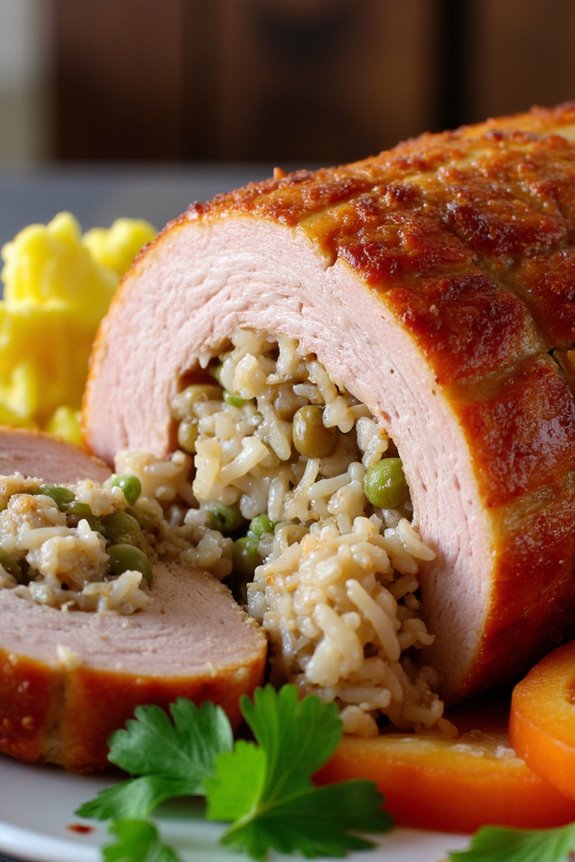
Colombian Lechona is a traditional dish that embodies the heart and soul of Colombian cuisine. Often served during festive occasions and family gatherings, this dish features a whole roasted pig stuffed to perfection with a savory mixture of rice, peas, and spices. The result is an incredibly flavorful and tender meat that has a crispy skin, making it a show-stopper at any dinner table. The preparation is labor-intensive but rewarding, as it brings together the rich culinary heritage of Colombia with a communal spirit.
The magic of Lechona lies not only in its taste but also in the cooking method. The pork is typically roasted for several hours, allowing the flavors to meld beautifully while the skin crisps up to a perfect golden brown. This dish is often accompanied by arepas, avocado, and a variety of salsas, making it a complete meal that showcases the diverse flavors of South America. Whether you’re celebrating a special occasion or simply exploring new culinary adventures, Colombian Lechona is sure to impress your guests and tantalize your taste buds.
Ingredients (serving size: 4-6 people)
- 1 whole pig (approximately 10-12 pounds), cleaned and dressed
- 4 cups of long-grain rice
- 2 cups of green peas (fresh or frozen)
- 1 large onion, finely chopped
- 4 cloves of garlic, minced
- 2 teaspoons of cumin
- 2 teaspoons of paprika
- 1 teaspoon of black pepper
- 1 tablespoon of salt
- 1 cup of pork fat or lard
- 2 cups of chicken broth
- 1 cup of chopped cilantro
- 1 lime, juiced
- Fresh banana leaves (optional, for wrapping)
Cooking Instructions
- Prepare the Pig: Confirm the pig is thoroughly cleaned and gutted. Pat the skin dry and score it lightly in a diamond pattern. This will help render the fat and achieve a crispy texture during roasting.
- Cook the Rice Mixture: In a large pot, heat the pork fat over medium heat. Add the chopped onions and garlic, sautéing until they become translucent. Stir in the rice, cumin, paprika, black pepper, and salt, mixing everything well. Pour in the chicken broth and bring to a boil. Reduce heat to low, cover, and simmer until the rice is cooked and has absorbed the liquid. Once done, mix in the green peas and chopped cilantro, allowing the mixture to cool.
- Stuff the Pig: Once the rice mixture is cool, fill the cavity of the pig with the rice and pea mixture. Make sure it’s packed tightly but not overly stuffed. If using banana leaves, you can line the inside of the pig with them before stuffing for added flavor.
- Season the Skin: Rub the skin of the pig with lime juice and sprinkle generously with salt, ensuring that it penetrates into the scored areas. This won’t only enhance the flavor but also help in achieving that coveted crispy skin.
- Roasting the Pig: Preheat your oven or outdoor roasting pit to 300°F (150°C). Place the stuffed pig on a roasting rack, skin side up, and roast for about 5-6 hours, or until the internal temperature reaches at least 160°F (70°C) and the skin is golden and crispy. Basting the pig with its own fat every hour will help keep the skin moist and flavorful.
- Rest and Serve: Once cooked, remove the pig from the oven and let it rest for at least 30 minutes before carving. This resting period allows the juices to redistribute within the meat, confirming tenderness.
- Carve and Enjoy: Carve the pig, serving the crispy skin alongside the flavorful stuffing. Pair it with traditional Colombian sides such as arepas, avocado, and fresh salsa for a complete meal.
Extra Tips
When preparing Colombian Lechona, patience is key. The longer you allow the pig to roast, the better the flavors will develop, and the skin will become perfectly crispy.
If you don’t have access to a whole pig, consider using a pork shoulder as a smaller alternative; just adjust the cooking time accordingly. Additionally, marinating the pig overnight with the spices and lime juice can enhance the flavor considerably.
Finally, always confirm you have a reliable meat thermometer to accurately monitor the internal temperature while roasting. Enjoy this celebration of Colombian culture and cuisine!
Uruguayan Chivito: Pork Sandwich

The Uruguayan Chivito is a beloved sandwich that captures the essence of Uruguayan cuisine. Traditionally made with beef, this pork variation offers a juicy and flavorful alternative that’s just as satisfying. The combination of tender pork, fresh vegetables, melted cheese, and a variety of sauces creates a mouthwatering experience that’s perfect for a family meal or a gathering with friends.
Whether you’re grilling the pork or cooking it in a skillet, this sandwich is guaranteed to please everyone at the table. To make your Chivito even more special, consider adding some traditional toppings such as olives, fried eggs, and even avocado. The key is to layer the ingredients generously so that each bite is packed with flavor.
Serve it alongside crispy fries or a fresh salad for a complete meal. Get ready to enjoy a taste of Uruguay right from your kitchen!
Ingredients (serving size: 4-6 people)
- 1 lb pork loin, thinly sliced
- 4-6 sandwich rolls (ciabatta or bolillo)
- 4 slices of provolone cheese
- 4 slices of cooked ham
- 1 large tomato, sliced
- 1 cup of lettuce, shredded
- 1 avocado, sliced
- 1/4 cup mayonnaise
- 2 tablespoons mustard
- 2 tablespoons olive oil
- Salt and pepper, to taste
- Optional: 4 fried eggs
- Optional: Pickled jalapeños or green olives for garnish
Cooking Instructions
- Prepare the Pork: Season the thinly sliced pork loin with salt, pepper, and a drizzle of olive oil. Let it marinate for about 15-20 minutes to enhance the flavor.
- Cook the Pork: Heat a skillet or grill over medium-high heat. Place the marinated pork slices in the skillet and cook for about 4-5 minutes on each side, or until they’re cooked through and have a nice golden-brown crust. Confirm the internal temperature reaches at least 145°F (63°C).
- Toast the Rolls: While the pork is cooking, slice the sandwich rolls in half and toast them lightly on a separate pan or in a toaster. This will add a nice crunch to your Chivito.
- Assemble the Sandwich: Spread a layer of mayonnaise and mustard on the bottom half of each toasted roll. Start layering with the cooked pork, followed by a slice of ham, a slice of provolone cheese, tomato slices, shredded lettuce, and avocado. If desired, add a fried egg on top for extra richness.
- Finish and Serve: Place the top half of the roll on the sandwich. Optionally, you can garnish with pickled jalapeños or green olives. Serve the sandwiches warm with a side of crispy fries or a fresh salad.
Extra Tips
When preparing your Uruguayan Chivito, feel free to customize the sandwich to suit your taste preferences. Experiment with different types of cheese or add more vegetables for a fresh crunch.
If you want to save time, you can also use pre-cooked pork or leftovers from a previous meal. Just remember, the key to a great Chivito is in the layering; don’t be afraid to add generous portions of each ingredient for maximum flavor in every bite!
Ecuadorian Hornado: Roast Pork With Crispy Skin
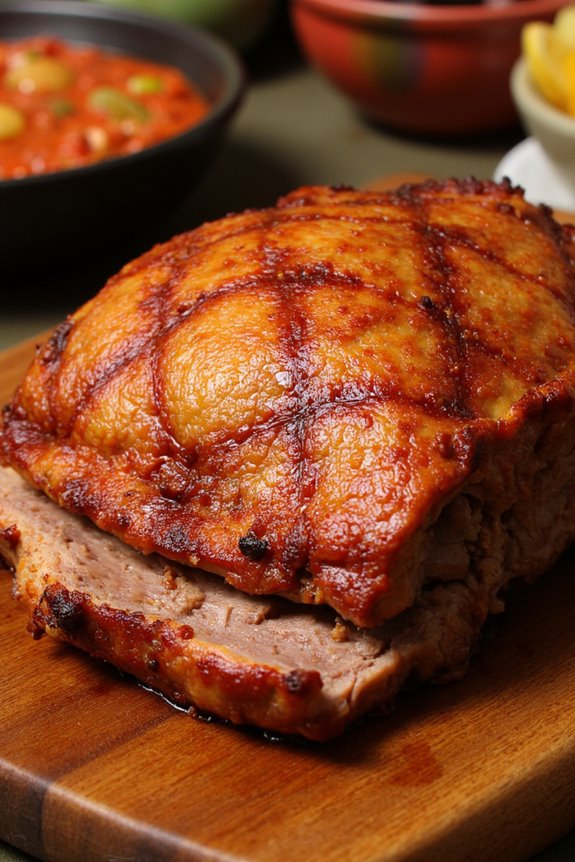
Ecuadorian Hornado is a traditional dish that perfectly embodies the rich flavors and culinary heritage of Ecuador. This succulent roast pork is known for its tender, juicy meat and irresistibly crispy skin, making it a popular choice for family gatherings and festive occasions. The dish is often served with sides like llapingachos (potato cakes), salad, and aji (a spicy sauce), creating a well-rounded and satisfying meal that everyone will enjoy.
The secret to achieving the perfect Hornado lies in the marinating process and cooking technique. A flavorful blend of spices is rubbed on the pork to enhance its natural taste, while the slow roasting method guarantees that the meat remains juicy and tender. The final touch is the high-temperature roasting that creates that coveted crispy skin, making every bite a delight.
Ingredients (Serves 4-6):
- 4-5 pounds pork shoulder, skin-on
- 4 cloves garlic, minced
- 2 tablespoons cumin powder
- 2 tablespoons paprika
- 1 tablespoon oregano
- 1 tablespoon salt
- 1 teaspoon black pepper
- 1 tablespoon white vinegar
- 1 cup water
- 2 bay leaves
- Optional: fresh cilantro for garnish
Cooking Instructions:
- Prepare the Pork: Start by scoring the skin of the pork shoulder with a sharp knife. Make shallow cuts in a crisscross pattern. This helps the skin to crisp up during roasting. Rinse the pork under cold water and pat it dry with paper towels.
- Make the Marinade: In a small bowl, mix together the minced garlic, cumin, paprika, oregano, salt, black pepper, and white vinegar. This fragrant blend of spices will be used to marinate the pork.
- Marinate the Pork: Rub the marinade all over the pork, making sure it gets into the scored skin and all over the meat. Cover the pork and let it marinate in the refrigerator for at least 4 hours, preferably overnight. This allows the flavors to penetrate deeply.
- Preheat the Oven: Preheat your oven to 300°F (150°C). This lower temperature will allow the pork to slowly cook and become tender before the final roasting stage.
- Roast the Pork: Place the marinated pork in a roasting pan. Pour the water into the bottom of the pan and add the bay leaves. This moisture will help keep the pork juicy while it cooks. Cover the pan with aluminum foil and roast in the preheated oven for about 3-4 hours.
- Crisp the Skin: After the slow roasting, increase the oven temperature to 450°F (230°C). Remove the foil and roast the pork for an additional 30-45 minutes, or until the skin is golden brown and crispy. Keep an eye on it to prevent burning.
- Rest and Serve: Once the pork is cooked and the skin is crispy, remove it from the oven and let it rest for about 15-20 minutes. This resting period allows the juices to redistribute throughout the meat, making sure each slice is juicy. Carve the pork into pieces for serving and garnish with fresh cilantro if desired.
Extra Tips:
To achieve maximum crispiness on the skin, you can rub a little bit of baking soda on the skin before marinating. Additionally, some cooks recommend using a fan oven setting during the last roasting stage to help dry out the skin further, enhancing the crispiness.
Serve your Hornado with traditional sides like llapingachos and aji for a truly authentic Ecuadorian experience. Enjoy your culinary journey to Ecuador!
Venezuelan Pernil: Slow-Roasted Pork Shoulder
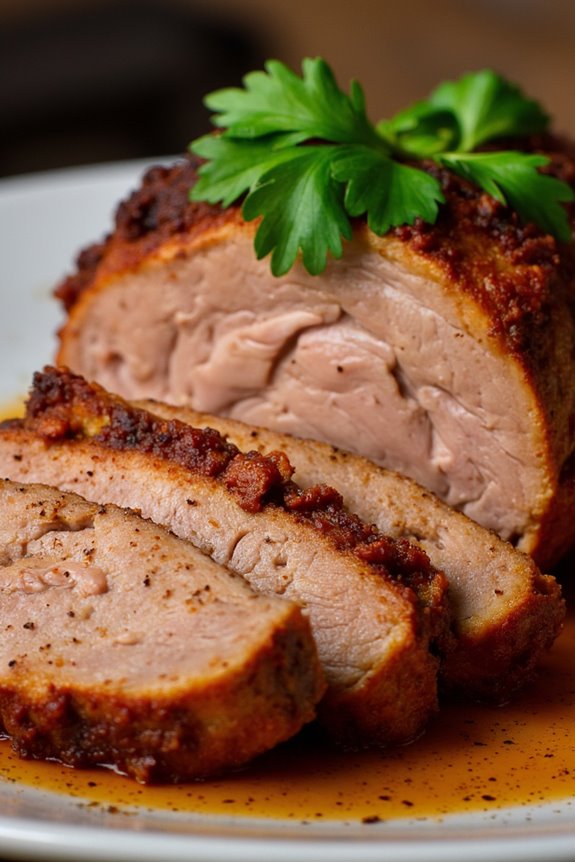
Venezuelan Pernil is a traditional dish that showcases the rich culinary heritage of Venezuela, often served during festive occasions and gatherings. This slow-roasted pork shoulder is marinated with a blend of spices and citrus, resulting in tender, juicy meat with a crispy skin. The cooking process enhances the flavors, making it a beloved centerpiece for family meals.
With its savory aroma and mouthwatering taste, this dish is sure to impress your guests and leave them craving more.
Preparing Pernil requires a bit of planning due to its marination and cooking time, but the results are worth the effort. The key to a perfect Pernil lies in the combination of spices and the slow-roasting technique, allowing the pork to absorb all the flavors.
Serve this vibrant dish with traditional sides such as rice, beans, or arepas for a complete meal that captures the essence of Venezuelan cuisine.
Ingredients (serves 4-6)
- 4-5 pounds pork shoulder
- 1 tablespoon salt
- 1 tablespoon black pepper
- 1 tablespoon paprika
- 1 tablespoon cumin
- 1 tablespoon oregano
- 6 cloves garlic, minced
- 1/2 cup fresh orange juice
- 1/4 cup fresh lime juice
- 1/4 cup olive oil
- 1 medium onion, chopped
- 1/4 cup fresh cilantro, chopped (for garnish)
Cooking Instructions
- Prepare the Marinade: In a large mixing bowl, combine the salt, black pepper, paprika, cumin, oregano, minced garlic, orange juice, lime juice, and olive oil. Whisk together until well blended to create a flavorful marinade.
- Marinate the Pork: Place the pork shoulder in a large dish or resealable plastic bag. Pour the marinade over the pork, ensuring it’s well coated. Cover the dish or seal the bag and refrigerate for at least 8 hours, preferably overnight for maximum flavor.
- Preheat the Oven: About 30 minutes before you’re ready to cook, preheat your oven to 300°F (150°C). This low temperature will allow the pork to cook slowly and become tender.
- Prepare for Roasting: Remove the marinated pork shoulder from the refrigerator and let it sit at room temperature for about 30 minutes. Place the pork in a roasting pan, skin side up. If desired, sprinkle the chopped onion around the pork for added flavor during roasting.
- Roast the Pork: Cover the roasting pan tightly with aluminum foil and place it in the preheated oven. Roast for about 4-5 hours, or until the meat is fork-tender and the internal temperature reaches at least 190°F (88°C).
- Crisp the Skin: Once the pork is tender, remove the foil and increase the oven temperature to 400°F (200°C). Roast for an additional 30-45 minutes, or until the skin is crispy and golden brown. Keep an eye on it to prevent burning.
- Rest and Serve: Once cooked, remove the Pernil from the oven and let it rest for about 15-20 minutes before slicing. This allows the juices to redistribute, ensuring a moist and flavorful dish. Garnish with fresh cilantro before serving.
Extra Tips
When preparing Venezuelan Pernil, consider using a meat thermometer to accurately gauge the pork’s doneness. This dish benefits from low and slow cooking, so patience is essential for achieving the perfect texture.
Additionally, you can save the drippings from the roasting pan to make a flavorful sauce or gravy to accompany the meat. For added flexibility, feel free to experiment with different citrus juices or spices in the marinade to create your unique twist on this classic dish.
Paraguayan Sopa Paraguaya: Pork and Cornbread
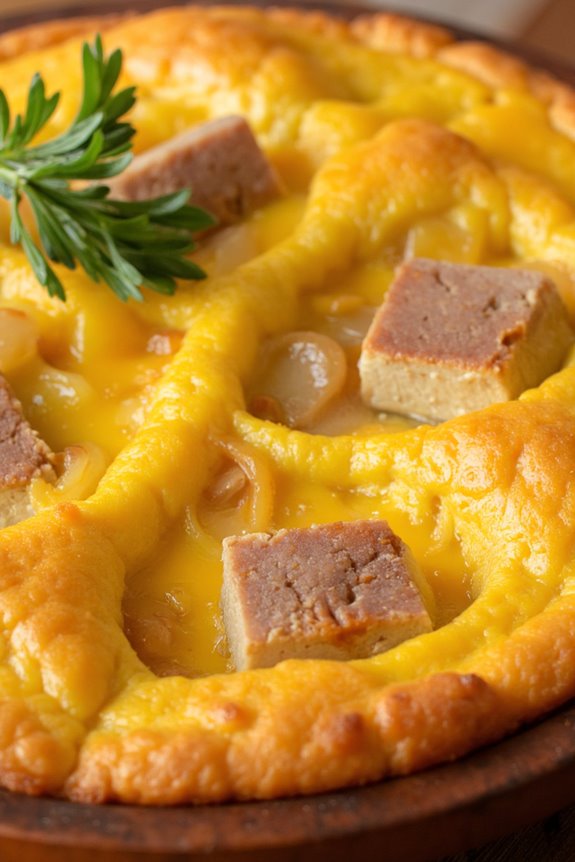
Sopa Paraguaya is a traditional Paraguayan dish that combines the delightful flavors of cheese, cornmeal, and pork, creating a savory cornbread that’s perfect for any occasion.
Despite its name, which translates to “Paraguayan soup,” this dish is actually a baked cornbread that’s dense and hearty. The incorporation of pork adds a rich, smoky flavor that elevates the dish, making it a favorite among locals and visitors alike.
Sopa Paraguaya is often served as a side dish, but it can also stand alone as a comforting meal. The texture of Sopa Paraguaya is unique, with a crispy top and a soft, moist interior.
This dish is versatile, allowing for variations that include different types of cheese or additional ingredients such as bell peppers or onions. However, the core recipe remains simple and relies on quality ingredients to shine through.
Whether you’re enjoying it at a family gathering or preparing it for a cozy dinner, Sopa Paraguaya will undoubtedly impress with its delightful combination of flavors.
Ingredients (Serves 4-6)
- 2 cups cornmeal
- 1 teaspoon baking powder
- 1 teaspoon salt
- 4 cups milk
- 1 cup shredded cheese (preferably Paraguayan cheese or mozzarella)
- 1 cup cooked pork, diced (smoked or seasoned)
- 1 medium onion, finely chopped
- 3 large eggs
- ½ cup vegetable oil or melted butter
Cooking Instructions
- Preheat the Oven: Start by preheating your oven to 350°F (175°C). This guarantees that the Sopa Paraguaya bakes evenly and develops that perfect golden crust.
- Prepare the Pork: If you haven’t already, cook the pork until it’s tender and flavorful. You can either roast, boil, or pan-fry it, then chop it into small, bite-sized pieces. Set aside to cool.
- Sauté the Onion: In a skillet over medium heat, add a little oil and sauté the chopped onion until it becomes translucent and fragrant, about 5-7 minutes. This step enhances the flavor of the onion, making it sweeter and more aromatic.
- Combine Dry Ingredients: In a large mixing bowl, combine the cornmeal, baking powder, and salt. Mixing these dry ingredients first helps to evenly distribute the baking powder and salt throughout the batter.
- Mix Wet Ingredients: In another bowl, whisk together the milk, eggs, and oil or melted butter until well combined. This mixture will add moisture to the cornbread and help it rise.
- Combine Mixtures: Slowly pour the wet mixture into the bowl of dry ingredients, stirring gently to combine. Be careful not to overmix, as this can lead to a denser texture.
- Add Cheese, Pork, and Onion: Fold in the shredded cheese, diced pork, and sautéed onions until evenly distributed within the batter. This guarantees that each bite of the Sopa Paraguaya is packed with flavor.
- Pour into Baking Dish: Grease a baking dish (approximately 9×13 inches) and pour the batter into it, spreading it evenly.
- Bake: Place the dish in the preheated oven and bake for about 45-50 minutes, or until the top is golden brown and a toothpick inserted into the center comes out clean.
- Cool and Serve: Allow the Sopa Paraguaya to cool slightly for about 10 minutes before cutting it into squares. Serve warm, and enjoy!
Extra Tips
For the best flavor, consider using leftover pork or smoked pork, as it adds an extra depth to the dish.
You can also experiment with different cheeses, such as feta or gouda, to find the flavor profile that suits your palate. Additionally, if you want to add a bit of heat, diced jalapeños or a sprinkle of red pepper flakes can be incorporated into the mixture.
Sopa Paraguaya is best enjoyed fresh but can also be refrigerated and reheated, making it a great make-ahead option for gatherings.
Bolivian Pique Macho: Pork Stir-Fry

Pique Macho is a beloved Bolivian dish known for its vibrant flavors and hearty ingredients. Traditionally made with beef, this version swaps in tender pork to create a delicious stir-fry that’s both satisfying and comforting. The dish typically features a medley of colorful bell peppers, onions, and spices, all tossed together with tender pork, making it a favorite for gatherings and family meals.
Pique Macho is often served with a side of fried potatoes and a sprinkle of fresh parsley, making it a complete and fulfilling meal. This dish isn’t only flavorful but also quick to prepare, making it an excellent choice for busy weeknights or casual gatherings. The combination of spices and fresh vegetables helps to elevate the pork, resulting in a dish that’s both aromatic and visually appealing.
Whether you’re a fan of Latin American cuisine or just looking to try something new, Bolivian Pique Macho is sure to impress your taste buds and leave you wanting more.
Ingredients (Serves 4-6)
- 1.5 pounds pork tenderloin, cut into bite-sized pieces
- 2 tablespoons vegetable oil
- 1 large onion, sliced
- 1 red bell pepper, sliced
- 1 green bell pepper, sliced
- 2 cloves garlic, minced
- 2 teaspoons paprika
- 1 teaspoon cumin
- 1 teaspoon black pepper
- 1 teaspoon salt
- 2-3 medium potatoes, peeled and cut into fries
- Fresh parsley, chopped (for garnish)
- Lime wedges (for serving)
Cooking Instructions
- Prepare the Potatoes: Begin by frying the potatoes in a large skillet or deep fryer until they’re golden brown and crispy. This usually takes about 5-7 minutes. Once cooked, remove them from the oil and set aside on a paper towel to absorb excess grease. This will provide a delicious crunchy element to your dish.
- Cook the Pork: In the same skillet, heat the vegetable oil over medium-high heat. Add the pork pieces and season with salt, black pepper, paprika, and cumin. Sauté the pork for about 8-10 minutes, stirring occasionally, until it’s browned and cooked through. Make sure to cook the pork in batches if your skillet isn’t large enough to avoid steaming.
- Sauté the Vegetables: Once the pork is cooked, add the sliced onions and bell peppers to the skillet. Stir-fry the vegetables alongside the pork for another 5-7 minutes until they’re softened but still slightly crisp. Add the minced garlic in the last minute of cooking to release its aroma without burning.
- Combine and Serve: Once the vegetables are cooked to your liking, combine everything in the skillet and mix well. Adjust the seasoning if necessary. Serve the Pique Macho hot, alongside the crispy fried potatoes, and garnish with freshly chopped parsley. Don’t forget to add lime wedges on the side for an extra zesty kick!
Extra Tips
When making Bolivian Pique Macho, feel free to customize the vegetables based on your preferences or what you have on hand. Zucchini, corn, or even a splash of soy sauce can add a unique twist to the dish.
If you prefer a spicier version, consider adding sliced jalapeños or a dash of hot sauce. For a more authentic experience, serve the dish with a side of fresh salsa or a simple salad. Enjoy your culinary adventure into Bolivian cuisine!
Surinamese Pork Satay: Skewered Pork With Peanut Sauce
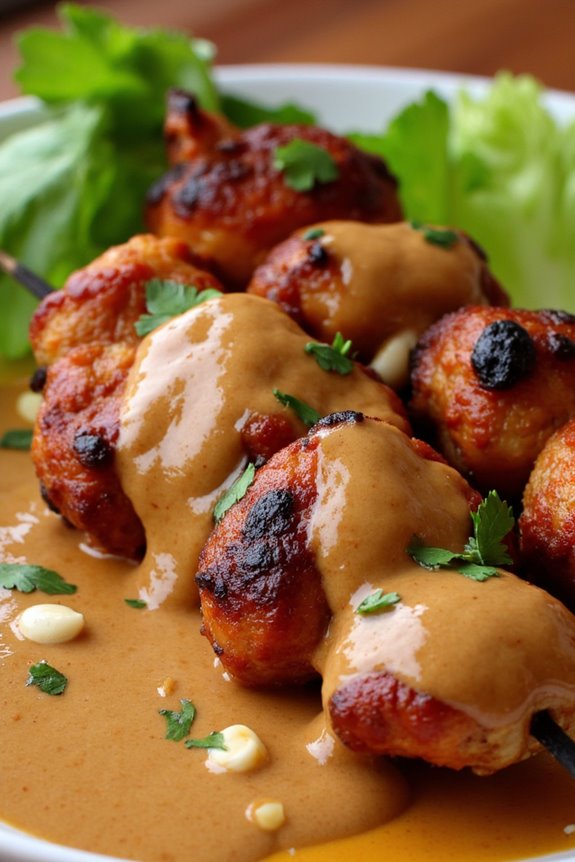
Surinamese Pork Satay is a delightful dish that showcases the rich culinary traditions of Suriname, blending influences from various cultures to create a unique flavor profile. This dish consists of marinated pork skewers grilled to perfection and served with a creamy, savory peanut sauce that elevates the overall taste experience. Perfect for gatherings or a family meal, this dish is both easy to prepare and enjoyable to eat, making it a favorite among many.
The key to a successful Surinamese Pork Satay lies in the marinade, which infuses the pork with a combination of sweet, salty, and spicy notes. Pairing the grilled skewers with a luscious peanut sauce offers a wonderful contrast of textures and flavors. Whether you’re a seasoned cook or a novice in the kitchen, this recipe will guide you step-by-step to create a delicious meal that’s sure to impress your family and friends.
Ingredients (Serves 4-6):
- 2 pounds of pork tenderloin, cut into 1-inch cubes
- 1/4 cup soy sauce
- 2 tablespoons brown sugar
- 2 tablespoons vegetable oil
- 3 cloves garlic, minced
- 1 teaspoon ground coriander
- 1 teaspoon ground cumin
- 1 teaspoon chili powder
- 1/2 teaspoon salt
- Skewers (soaked in water if using wooden skewers)
For the Peanut Sauce:
- 1 cup smooth peanut butter
- 1/2 cup coconut milk
- 1/4 cup soy sauce
- 2 tablespoons lime juice
- 1 tablespoon brown sugar
- 1 clove garlic, minced
- 1 teaspoon red pepper flakes (optional)
Cooking Instructions:
- Marinate the Pork: In a large bowl, combine soy sauce, brown sugar, vegetable oil, minced garlic, ground coriander, ground cumin, chili powder, and salt. Mix well until the sugar is dissolved. Add the pork cubes to the marinade, ensuring they’re well-coated. Cover the bowl and let the pork marinate in the refrigerator for at least 1 hour, or up to overnight for maximum flavor.
- Prepare the Peanut Sauce: In a saucepan over medium heat, combine the smooth peanut butter, coconut milk, soy sauce, lime juice, brown sugar, minced garlic, and red pepper flakes (if using). Stir the mixture until smooth and heated through. Allow it to simmer gently for about 5-7 minutes until slightly thickened. Remove from heat and set aside.
- Skewer the Pork: Preheat your grill or grill pan to medium-high heat. While the grill is heating, thread the marinated pork cubes onto the soaked skewers, packing them closely together but leaving a little space between each piece for even cooking.
- Grill the Satay: Place the skewered pork on the hot grill and cook for about 10-12 minutes, turning occasionally, until the pork is cooked through and has nice grill marks. The internal temperature should reach at least 145°F (63°C).
- Serve: Once cooked, remove the skewers from the grill and let them rest for a few minutes. Serve the skewers hot with the peanut sauce drizzled on top or on the side for dipping. You can garnish with chopped cilantro or crushed peanuts if desired.
Extra Tips:
For an added layer of flavor, consider incorporating additional spices like ginger or sesame oil into your marinade. You can also customize the peanut sauce by adjusting the sweetness or spice level to your liking. If you want a bit of crunch, serve the satay with fresh vegetables or a simple salad on the side. Enjoy your Surinamese Pork Satay with friends and family for a truly satisfying meal!
Brazilian Moqueca: Pork and Coconut Stew
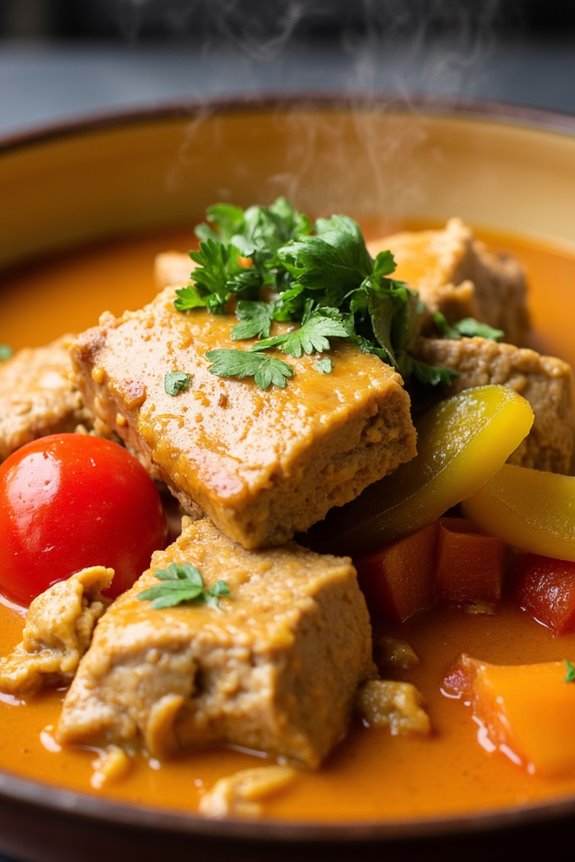
Brazilian Moqueca is a vibrant and aromatic stew that celebrates the rich culinary traditions of Brazil. Combining tender pork with the sweet creaminess of coconut milk and a medley of vegetables, this dish is a perfect representation of the tropical flavors that characterize Brazilian cuisine. The use of fresh herbs and spices adds depth and warmth, making it an excellent choice for a comforting family meal or a special gathering with friends.
This particular recipe features pork as the star ingredient, allowing it to absorb the fragrant flavors of the stew while remaining juicy and tender. Served with fluffy rice or crusty bread, Brazilian Moqueca isn’t just a meal; it’s a heartfelt experience that brings people together around the table. Prepare to indulge in a dish that’s as satisfying to your palate as it’s to your soul.
Ingredients (Serves 4-6):
- 2 lbs pork shoulder, cut into 1-inch cubes
- 1 cup coconut milk
- 1 large onion, chopped
- 4 cloves garlic, minced
- 1 bell pepper (red or yellow), sliced
- 2 tomatoes, diced
- 1/4 cup fresh cilantro, chopped
- 1/4 cup fresh parsley, chopped
- 2 tablespoons olive oil
- 1 tablespoon lime juice
- 1 teaspoon paprika
- 1 teaspoon ground cumin
- Salt and pepper to taste
- 1 red chili pepper, sliced (optional, for heat)
Cooking Instructions:
- Marinate the Pork: In a large bowl, combine the pork cubes with lime juice, garlic, paprika, cumin, salt, and pepper. Mix well to guarantee the pork is evenly coated. Cover and let it marinate in the refrigerator for at least 1 hour or overnight for deeper flavor.
- Sauté the Aromatics: In a large pot or Dutch oven, heat the olive oil over medium heat. Add the chopped onion and sliced bell pepper, sautéing until they become soft and translucent, about 5-7 minutes. This step builds a flavorful base for the stew.
- Brown the Pork: Increase the heat to medium-high and add the marinated pork to the pot. Brown the pork on all sides, which should take about 8-10 minutes. This step seals in the juices and adds a nice caramelization to the meat.
- Add Vegetables and Coconut Milk: Once the pork is browned, add the diced tomatoes and coconut milk to the pot. Stir well to combine all the ingredients. The coconut milk will create a rich, creamy sauce that envelops the pork and vegetables.
- Simmer the Stew: Reduce the heat to low, cover the pot, and let it simmer for about 30-40 minutes. Stir occasionally, allowing the flavors to meld together and the pork to become tender. If the stew becomes too thick, you can add a little water or more coconut milk to reach your desired consistency.
- Finish with Fresh Herbs: In the last 5 minutes of cooking, stir in the chopped cilantro and parsley, reserving a little for garnish. This adds freshness and vibrancy to the dish. If desired, add sliced chili pepper for added heat.
- Serve and Enjoy: Taste and adjust seasoning if necessary. Serve the Brazilian Moqueca hot, garnished with reserved herbs, alongside white rice or crusty bread to soak up the delicious sauce.
Extra Tips:
When making Brazilian Moqueca, feel free to adjust the vegetables based on what you have on hand or your personal preferences. Adding ingredients like chopped zucchini or eggplant can enhance the dish further.
Additionally, for a more intense coconut flavor, consider using full-fat coconut milk. Don’t rush the simmering process, as allowing the stew to cook slowly will intensify the flavors and guarantee the pork becomes melt-in-your-mouth tender. Enjoy your culinary journey through Brazil!
Argentine Chorizo: Spicy Pork Sausage

Argentine chorizo is a flavorful and spicy pork sausage that showcases the rich culinary traditions of Argentina. This dish isn’t only a staple at asados (barbecues) but also a versatile ingredient that can elevate various meals. The combination of spices, herbs, and high-quality pork results in a robust flavor profile that’s both satisfying and completely delicious.
Preparing your own chorizo allows you to control the spice levels and customize the taste according to your preference. Making Argentine chorizo at home is a rewarding experience that brings the vibrant flavors of South America to your kitchen. While it may seem intimidating at first, the process is quite straightforward with the right ingredients and tools.
Whether you choose to grill, pan-fry, or bake the sausages, they’ll certainly be a hit at your next gathering. Serve them with crusty bread, chimichurri sauce, or alongside grilled vegetables for a complete meal that captures the essence of Argentine cuisine.
Ingredients (Serving Size: 4-6 people)
- 2 lbs ground pork (preferably shoulder)
- 1/2 cup pork fat (cut into small pieces)
- 2 tablespoons smoked paprika
- 1 tablespoon garlic powder
- 1 tablespoon onion powder
- 1 tablespoon dried oregano
- 1 teaspoon ground cumin
- 1 teaspoon black pepper
- 1 teaspoon cayenne pepper (adjust for spice preference)
- 2 teaspoons salt
- 1/4 cup red wine vinegar
- 1/4 cup water
- Sausage casings (natural or synthetic, soaked in water)
Cooking Instructions
- Prepare the Casings: Rinse the sausage casings thoroughly under cold water to remove any excess salt. Soak them in water for at least 30 minutes before using to make them more pliable. Keep them submerged until you’re ready to stuff them.
- Mix the Meat and Spices: In a large mixing bowl, combine the ground pork and pork fat. Add the smoked paprika, garlic powder, onion powder, dried oregano, ground cumin, black pepper, cayenne pepper, and salt. Mix thoroughly using your hands or a sturdy spoon until the spices are evenly distributed throughout the meat.
- Add Liquids: Pour in the red wine vinegar and water into the meat mixture. This will help to keep the sausage moist and flavorful. Mix again until all the ingredients are well incorporated. The mixture should be slightly sticky and cohesive.
- Stuff the Sausages: Fit a sausage stuffer attachment onto a stand mixer or use a manual sausage stuffer. Slide one end of the soaked casing onto the stuffer, tying a knot at the other end. Fill the casing with the meat mixture, being careful not to overstuff it. Leave some space at the ends to tie off. Once filled, twist sausages into links of your desired size, tying off the ends with kitchen twine or string.
- Cook the Chorizo: Preheat your grill, skillet, or oven to medium-high heat. If grilling, cook the sausages for about 15-20 minutes, turning occasionally until they’re browned and cooked through. If pan-frying, add a little oil to the skillet and cook the sausages, turning frequently until they’re golden brown and fully cooked.
- Serve and Enjoy: Once cooked, remove the chorizo from the heat and let them rest for a few minutes. Serve them warm with your favorite sides, such as crusty bread, grilled vegetables, or chimichurri sauce.
Extra Tips
When making Argentine chorizo, feel free to experiment with the spice levels to suit your taste preferences. For a milder sausage, reduce the amount of cayenne pepper or omit it altogether.
Additionally, using high-quality pork and fresh herbs can greatly enhance the flavor of your chorizo. If you’re unsure about stuffing sausages, you can also shape the mixture into patties and grill them instead—this way, you can enjoy the flavors without the casing.
Enjoy your culinary adventure into the heart of Argentine cuisine!
Peruvian Seco De Cerdo: Pork Stew With Herbs
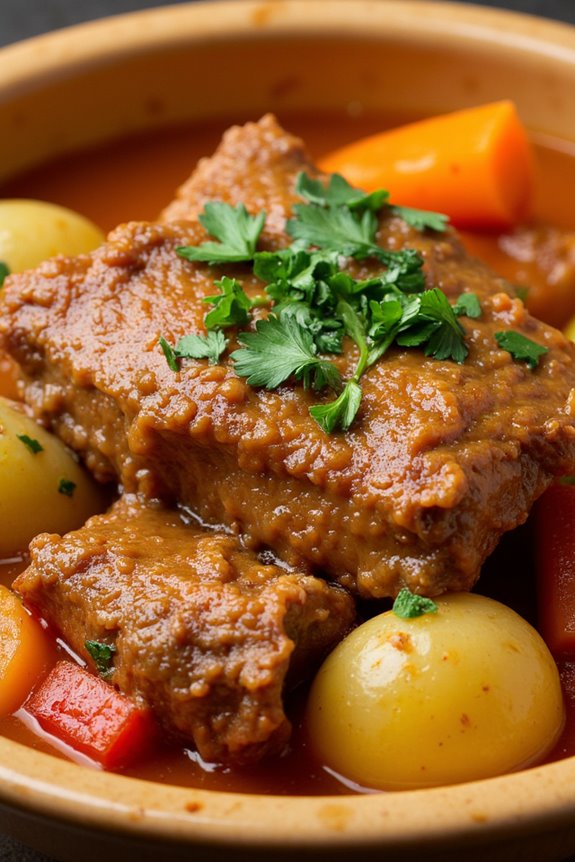
Seco de Cerdo is a traditional Peruvian dish that beautifully highlights the rich flavors of pork combined with the vibrant essence of fresh herbs. This hearty stew is a staple in Peruvian households, often enjoyed during family gatherings or special occasions.
The dish is characterized by its aromatic blend of cilantro, garlic, and spices that create a savory sauce, making it the perfect comfort food for any occasion. The key to a successful Seco de Cerdo lies in the marinating of the pork and the slow cooking process that allows the flavors to meld together.
Traditionally served with rice and beans, this dish isn’t only delicious but also a reflection of Peru’s rich culinary heritage. With its bright green hue and robust taste, Seco de Cerdo is sure to impress your family and friends.
Ingredients (Serves 4-6):
- 2 pounds pork shoulder, cut into 2-inch pieces
- 1 large onion, finely chopped
- 4 cloves garlic, minced
- 1 cup fresh cilantro, chopped (plus extra for garnish)
- 1/2 cup chicha de jora or beer
- 1/4 cup vegetable oil
- 1 teaspoon cumin
- 1 teaspoon black pepper
- 1 teaspoon paprika
- 1 teaspoon salt (adjust to taste)
- 2 cups beef or chicken broth
- 2 carrots, sliced
- 2 potatoes, diced
- 1 red bell pepper, chopped
- 1 bay leaf
Cooking Instructions:
- Marinate the Pork: In a large bowl, combine the pork pieces with minced garlic, chopped cilantro, cumin, black pepper, paprika, and salt. Mix well to guarantee the pork is evenly coated with the spices. Cover the bowl with plastic wrap and let it marinate in the refrigerator for at least 1 hour, or preferably overnight for deeper flavor.
- Sauté the Onions: In a large pot or Dutch oven, heat the vegetable oil over medium heat. Add the chopped onions and sauté until they become translucent and soft, about 5-7 minutes. Stir occasionally to prevent sticking and guarantee even cooking.
- Brown the Pork: Add the marinated pork to the pot and increase the heat to medium-high. Brown the pork on all sides, which should take about 8-10 minutes. This step adds depth and flavor to the dish.
- Deglaze the Pot: Once the pork is browned, pour in the chicha de jora or beer to deglaze the pot. Use a wooden spoon to scrape any browned bits from the bottom of the pot, which will enhance the stew’s flavor.
- Add Broth and Vegetables: Pour in the beef or chicken broth, making sure the pork is fully submerged. Add the sliced carrots, diced potatoes, chopped bell pepper, and bay leaf. Bring the mixture to a boil.
- Simmer the Stew: Once boiling, reduce the heat to low and cover the pot. Let the stew simmer for about 1.5 to 2 hours, or until the pork is tender and the flavors have melded together. Stir occasionally and check on the liquid level, adding more broth if necessary.
- Adjust Seasoning and Serve: After the cooking time, taste the stew and adjust the seasoning if needed. Remove the bay leaf before serving. Garnish with additional chopped cilantro and serve hot with rice and beans on the side.
Extra Tips:
When making Seco de Cerdo, consider using a good quality cut of pork shoulder for the best flavor and tenderness. For an extra kick, you can add minced jalapeños or a dash of hot sauce to the marinade.
If you have leftovers, this dish tastes even better the next day as the flavors continue to develop. Store any leftovers in an airtight container in the refrigerator for up to three days.
