

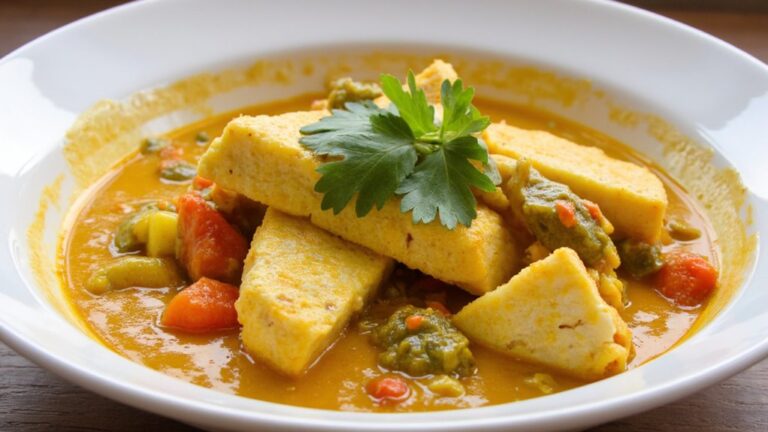
South American fish recipes have a special place in my heart. They bring together vibrant flavors and fresh ingredients that make each dish feel like a burst of sunshine. From the tangy Ceviche De Pescado to the comforting Moqueca De Peixe, there’s a delightful variety to explore. These recipes are perfect for adding a light and bright touch to your table. Get ready to discover some new favorites!
Ceviche De Pescado

Ceviche de Pescado is a vibrant and invigorating dish that hails from the coastal regions of South America. This classic preparation features fresh fish marinated in citrus juices, primarily lime or lemon, which “cooks” the fish while infusing it with zesty flavors. Often served as an appetizer, ceviche de pescado is celebrated for its simplicity and the quality of its ingredients.
Accompanied by various toppings such as onions, cilantro, and chili peppers, this dish embodies the essence of coastal cuisine and highlights the freshness of the ocean.
Making authentic ceviche de pescado requires high-quality, fresh fish, as it’s the star of the dish. The marinating process is essential, allowing the fish to absorb the citrus juices while melding with the other ingredients. The result is a dish that isn’t only delicious but also visually appealing with its vibrant colors.
Perfect for gatherings or a light summer meal, ceviche de pescado is sure to impress your guests with its bold flavors and invigorating taste.
Ingredients (Serves 4-6)
- 1 pound fresh white fish fillets (such as seabass or tilapia), diced
- 1 cup freshly squeezed lime juice
- 1 medium red onion, thinly sliced
- 1 medium tomato, diced
- 1/2 cup fresh cilantro, chopped
- 1-2 jalapeño peppers, finely chopped (adjust to taste)
- 1 teaspoon salt (adjust to taste)
- 1/2 teaspoon black pepper
- Tortilla chips or plantain chips, for serving
- Avocado slices, for garnish (optional)
Cooking Instructions
- Prepare the Fish: Start by selecting the freshest fish available. Rinse the fish fillets under cold water and pat them dry with paper towels. Dice the fish into small, uniform cubes to guarantee even marination. Place the diced fish in a glass or ceramic bowl to avoid any reactions with metal.
- Marinate the Fish: Pour the freshly squeezed lime juice over the diced fish, making sure that all pieces are completely submerged. The acidity of the lime juice will “cook” the fish. Cover the bowl with plastic wrap and refrigerate for about 30-45 minutes, or until the fish turns opaque and firm.
- Mix in Vegetables: Once the fish is ready, remove it from the refrigerator. Add the thinly sliced red onion, diced tomato, chopped cilantro, and finely chopped jalapeño peppers to the bowl. Gently fold the ingredients together, ensuring everything is well combined without breaking the fish pieces.
- Season the Ceviche: Sprinkle salt and black pepper over the ceviche mixture. Taste and adjust the seasoning as necessary, keeping in mind that the salt will enhance the flavors and balance the acidity of the lime juice.
- Serve: Transfer the ceviche de pescado to a serving platter or individual bowls. Garnish with avocado slices if desired. Serve immediately with tortilla chips or plantain chips on the side for dipping.
Extra Tips
To achieve the best flavor and texture, always use the freshest fish available, ideally within a day of purchase. You can also experiment with different types of fish or seafood, such as shrimp or scallops, to create variations of ceviche.
Additionally, consider adding other ingredients like diced mango or cucumber for a sweet or crunchy element. Ceviche is best enjoyed fresh, so try to consume it within a few hours of preparation to fully appreciate its flavors.
Moqueca De Peixe

Moqueca de Peixe is a vibrant and aromatic Brazilian fish stew that showcases the rich flavors of South American cuisine. Originating from the coastal regions of Brazil, particularly Bahia and Espírito Santo, this dish combines fresh fish with a variety of vegetables, coconut milk, and palm oil, creating a delightful blend of ingredients that’s both comforting and exotic.
Traditionally served with rice and farofa, this dish can easily transport you to the tropical shores of Brazil with every bite. The heart of Moqueca de Peixe lies in its bold flavors and colorful presentation. The use of ingredients like bell peppers, tomatoes, and cilantro not only adds to the dish’s visual appeal but also contributes to a well-rounded flavor profile.
This dish is perfect for sharing with family and friends, making it an excellent choice for gatherings or special occasions. With its unique combination of ingredients and spices, Moqueca de Peixe is sure to impress anyone who tries it.
Ingredients (Serves 4-6)
- 2 pounds of firm white fish (such as snapper or cod), cut into large chunks
- 1 teaspoon salt
- 1 teaspoon black pepper
- 1 tablespoon lime juice
- 2 tablespoons olive oil
- 1 large onion, chopped
- 1 red bell pepper, sliced
- 1 green bell pepper, sliced
- 3 cloves of garlic, minced
- 2 medium tomatoes, chopped
- 1 can (14 oz) coconut milk
- 1/2 cup palm oil (dende oil) or substitute with olive oil if unavailable
- 1/4 cup chopped fresh cilantro
- 1/2 teaspoon red pepper flakes (optional)
- Cooked white rice, for serving
- Farofa (toasted cassava flour) for serving (optional)
Cooking Instructions
- Marinate the Fish: In a bowl, combine the fish chunks with salt, black pepper, and lime juice. Let the fish marinate for about 20-30 minutes. This step enhances the flavor of the fish and helps to tenderize it.
- Sauté the Vegetables: In a large pot or Dutch oven, heat the olive oil over medium heat. Add the chopped onion and sliced bell peppers, sautéing until the onion becomes translucent and the peppers soften, about 5-7 minutes. The base of sautéed vegetables is essential for building depth in the stew.
- Add Garlic and Tomatoes: Stir in the minced garlic and chopped tomatoes. Cook for an additional 2-3 minutes, allowing the tomatoes to soften and release their juices. This will create a flavorful sauce for the fish to simmer in.
- Incorporate Coconut Milk and Palm Oil: Pour in the coconut milk and palm oil, stirring well to combine. Bring the mixture to a gentle simmer. The coconut milk adds creaminess, while the palm oil contributes a distinctive flavor characteristic of traditional Brazilian moquecas.
- Add the Fish: Carefully add the marinated fish pieces to the pot, ensuring they’re submerged in the sauce. Allow the stew to simmer gently for about 10-15 minutes, or until the fish is cooked through and flakes easily with a fork. Avoid stirring too vigorously to prevent breaking the fish apart.
- Finish with Cilantro and Seasoning: Once the fish is cooked, stir in the chopped cilantro and red pepper flakes, if using. Taste and adjust seasoning as needed. Allow the stew to sit for a few minutes to let the flavors meld before serving.
- Serve: Ladle the Moqueca de Peixe into bowls and serve with hot white rice and farofa on the side. Enjoy the dish while it’s warm for the best experience.
Extra Tips
When cooking Moqueca de Peixe, consider using a variety of fish to enhance the flavors and textures in the stew. Additionally, you can adjust the level of spiciness by varying the amount of red pepper flakes or adding fresh diced chilies.
For a more authentic taste, try to find palm oil, as it greatly contributes to the traditional flavor of the dish. Finally, don’t hesitate to garnish your Moqueca with additional fresh cilantro or lime wedges for a burst of freshness.
Grilled Fish Tacos With Mango Salsa
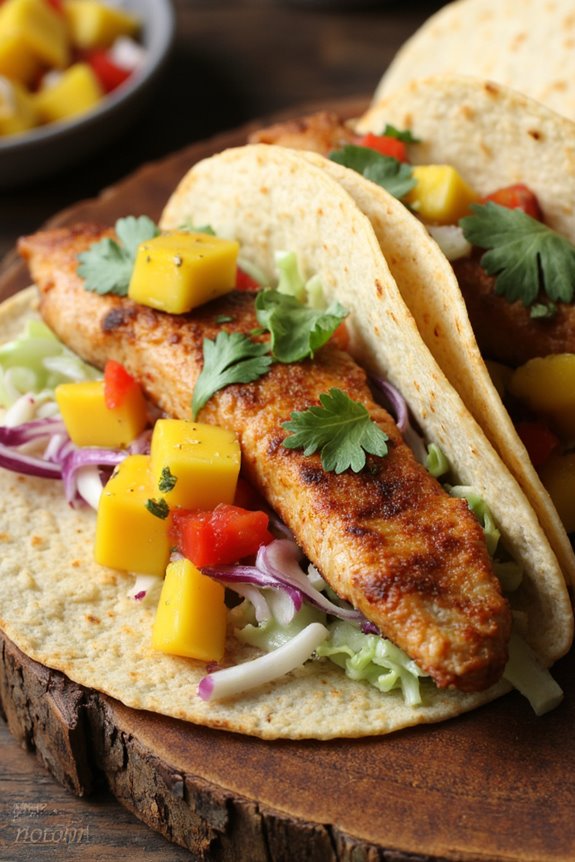
Grilled Fish Tacos with Mango Salsa is a vibrant dish that beautifully captures the essence of South American cuisine. The combination of perfectly grilled fish, paired with a revitalizing mango salsa, creates a delightful explosion of flavors that will transport your taste buds to sunny beaches. This dish isn’t only delicious but also healthy, making it an ideal choice for a light lunch or a festive dinner gathering with friends and family. The bright colors and bold tastes are sure to impress everyone at the table.
To enhance your dining experience, these fish tacos can be served with warm corn tortillas, crispy cabbage, and a drizzle of lime crema. The mango salsa adds a sweet and tangy element that complements the fish perfectly. With just a few ingredients and some simple steps, you can create an unforgettable meal that showcases the rich culinary traditions of South America.
Ingredients (serving size: 4-6 people):
- 1.5 pounds of firm white fish (such as tilapia, mahi-mahi, or snapper)
- 2 tablespoons olive oil
- 1 teaspoon chili powder
- 1 teaspoon cumin
- 1 teaspoon garlic powder
- Salt and pepper to taste
- 8 small corn tortillas
- 2 cups shredded cabbage
- Lime wedges (for serving)
For the Mango Salsa:
- 1 ripe mango, diced
- 1/2 red onion, finely chopped
- 1 red bell pepper, diced
- 1/4 cup cilantro, chopped
- Juice of 1 lime
- Salt to taste
Cooking Instructions:
- Prepare the Fish: Start by patting the fish dry with paper towels to remove any excess moisture. This guarantees a nice sear when grilled. Cut the fish into taco-sized pieces, approximately 2-3 inches long.
- Marinate the Fish: In a mixing bowl, combine olive oil, chili powder, cumin, garlic powder, salt, and pepper. Add the fish pieces to the marinade and toss gently until they’re well-coated. Let the fish marinate for at least 15-20 minutes to absorb the flavors.
- Make the Mango Salsa: While the fish marinates, prepare the mango salsa. In a separate bowl, mix together the diced mango, red onion, red bell pepper, cilantro, lime juice, and a pinch of salt. Stir gently to combine all the ingredients and set aside to allow the flavors to meld.
- Grill the Fish: Preheat your grill or grill pan over medium-high heat. Once hot, place the marinated fish pieces on the grill and cook for about 3-4 minutes on each side, or until the fish flakes easily with a fork and has nice grill marks. Be careful not to overcook the fish.
- Warm the Tortillas: While the fish is grilling, warm the corn tortillas on the grill for about 30 seconds on each side, or until they’re pliable and slightly charred.
- Assemble the Tacos: To assemble the tacos, place a few pieces of grilled fish on each tortilla. Top with shredded cabbage and a generous spoonful of mango salsa. Squeeze fresh lime juice over the top before serving.
Extra Tips: For added flavor, consider adding a drizzle of lime crema (a mixture of sour cream, lime juice, and a pinch of salt) over the tacos. If you can’t find ripe mangoes, diced pineapple can be a great substitute in the salsa. Additionally, you can customize the spice level by adding jalapeños to the salsa or using a spicy marinade for the fish. Enjoy your culinary adventure with these Grilled Fish Tacos with Mango Salsa!
Pan-Seared Tilapia With Chimichurri
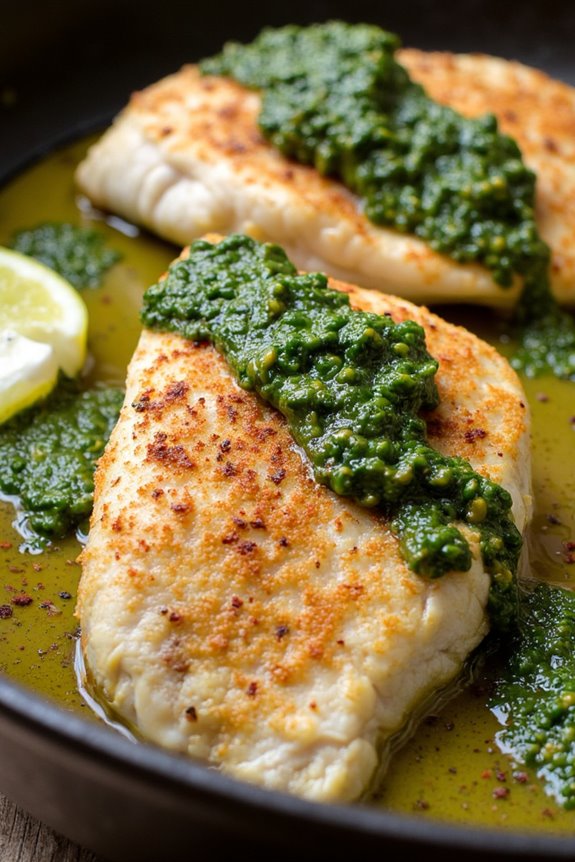
Pan-Seared Tilapia with Chimichurri is a vibrant and flavorful dish that showcases the delicate taste of tilapia while infusing it with the zesty and herbaceous notes of chimichurri sauce. This South American-inspired recipe brings a delightful combination of textures and tastes to the table, making it a perfect choice for a family dinner or a special gathering.
The tilapia is seared to golden perfection, creating a crispy exterior while remaining tender and flaky on the inside. Paired with the fresh, garlicky chimichurri, it elevates the dish to a whole new level.
Chimichurri is a traditional Argentinian sauce that typically features parsley, garlic, vinegar, and oil, making it a perfect accompaniment for grilled meats and fish alike. In this recipe, we’ll whip up a vibrant chimichurri that complements the tilapia beautifully, adding a fresh and tangy burst of flavor.
Get ready to impress your guests with this quick and easy dish that’s sure to become a favorite in your culinary repertoire!
Ingredients (serving size: 4-6 people)
- 4-6 tilapia fillets (about 1.5 pounds total)
- Salt and pepper to taste
- 2 tablespoons olive oil
- 1 cup fresh parsley, finely chopped
- 3 cloves garlic, minced
- 1 teaspoon red pepper flakes (optional)
- 1/4 cup red wine vinegar
- 1/2 cup olive oil (for chimichurri)
- Juice of 1 lime
Cooking Instructions
1. Prepare the Chimichurri Sauce: In a medium bowl, combine the chopped parsley, minced garlic, red pepper flakes (if using), red wine vinegar, olive oil, and lime juice. Whisk together until well mixed.
Taste and adjust seasoning with salt and pepper as needed. Set aside to allow the flavors to meld while you cook the tilapia.
2. Season the Tilapia: Pat the tilapia fillets dry with paper towels to remove excess moisture. Season both sides generously with salt and pepper. This step is essential as it enhances the flavor and helps achieve a nice sear.
3. Heat the Pan: In a large skillet, heat 2 tablespoons of olive oil over medium-high heat until shimmering. Make sure the oil is hot enough to create a sear but not so hot that it begins to smoke.
4. Cook the Tilapia: Carefully place the tilapia fillets in the hot skillet, making sure not to overcrowd the pan. Cook for about 3-4 minutes on one side, without moving them, until they develop a golden-brown crust.
Flip the fillets gently using a spatula and cook for another 3-4 minutes on the other side, until the fish flakes easily with a fork.
5. Serve: Once the tilapia is cooked, transfer the fillets to a serving platter. Drizzle the chimichurri sauce generously over the top of the fish.
You can also serve extra chimichurri on the side for those who want more.
Extra Tips
For the best flavor, make the chimichurri sauce a few hours in advance or even the day before, allowing the herbs and garlic to infuse the oil and vinegar.
You can also customize the chimichurri by adding other herbs like cilantro or oregano to suit your taste. If tilapia is unavailable, feel free to substitute it with other white fish varieties such as cod or halibut.
Enjoy your delicious Pan-Seared Tilapia with Chimichurri with a side of grilled vegetables or a fresh salad for a complete meal!
Pescado a La Plancha
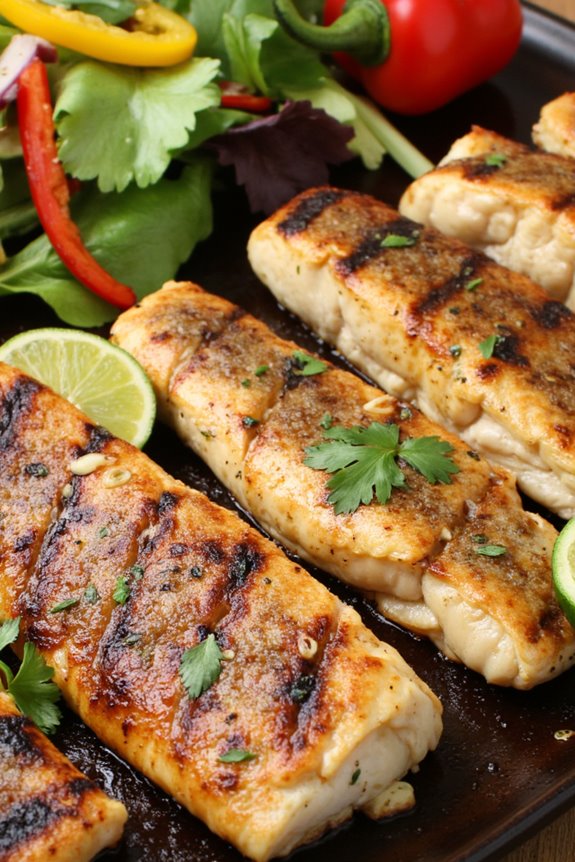
Pescado a La Plancha is a classic South American dish that showcases the vibrant flavors of fresh fish, grilled to perfection. This dish is particularly popular in coastal regions, where an abundance of fresh seafood makes it a staple on many tables. The simplicity of the preparation allows the natural flavors of the fish to shine through, enhanced by the use of zesty marinades and a grill that imparts a delightful char.
Perfect for a family gathering or a casual dinner, Pescado a La Plancha is as wholesome as it’s delicious.
In this recipe, we’ll use a firm white fish such as tilapia or snapper, which holds up well on the grill. The fish is marinated in a mixture of lime juice, garlic, and herbs, which not only adds flavor but also helps to tenderize the meat. Once grilled, the fish is often served with a side of fresh salad or grilled vegetables, making it a well-rounded meal that’s sure to impress.
Let’s plunge into the ingredients and the cooking process to bring this delightful dish to your table.
Ingredients (Serves 4-6)
- 4-6 fillets of firm white fish (tilapia, snapper, or similar)
- 2 limes (juiced)
- 4 cloves of garlic (minced)
- 1/4 cup of fresh cilantro (chopped)
- 1/4 cup of olive oil
- 1 teaspoon of cumin
- Salt and pepper to taste
- Fresh salad (for serving)
- Grilled vegetables (optional, for serving)
Cooking Instructions
- Prepare the Marinade: In a medium bowl, combine the lime juice, minced garlic, chopped cilantro, olive oil, cumin, salt, and pepper. Whisk until well mixed. This marinade will infuse the fish with flavor and help keep it moist during grilling.
- Marinate the Fish: Place the fish fillets in a shallow dish or a resealable plastic bag. Pour the marinade over the fish, making sure each piece is well coated. Cover the dish or seal the bag and refrigerate for at least 30 minutes, preferably up to 2 hours. This allows the flavors to penetrate the fish.
- Preheat the Grill: While the fish is marinating, preheat your grill to medium-high heat. If using a charcoal grill, make sure the coals are hot and glowing. A well-heated grill will create a nice sear on the fish, enhancing its flavor and texture.
- Grill the Fish: Once the grill is ready, remove the fish from the marinade and shake off any excess. Place the fillets directly on the grill grates. Cook for about 3-4 minutes on each side, or until the fish is opaque and flakes easily with a fork. Be careful not to overcook the fish, as it can dry out.
- Serve: Once the fish is cooked, carefully remove it from the grill using a spatula. Serve immediately with a side of fresh salad and grilled vegetables, if desired. A drizzle of extra lime juice can elevate the flavors even further.
Extra Tips
When preparing Pescado a La Plancha, it’s essential to choose the freshest fish possible for the best flavor. If you’re unsure about the doneness, use a fork to check if the fish flakes easily; that’s a good sign it’s ready.
Additionally, feel free to experiment with different herbs or spices in the marinade according to your taste preferences. Finally, verify your grill is clean and well-oiled to prevent sticking, which can ruin the presentation of your beautifully grilled fish.
Enjoy your culinary journey through South America!
Fish Escabeche
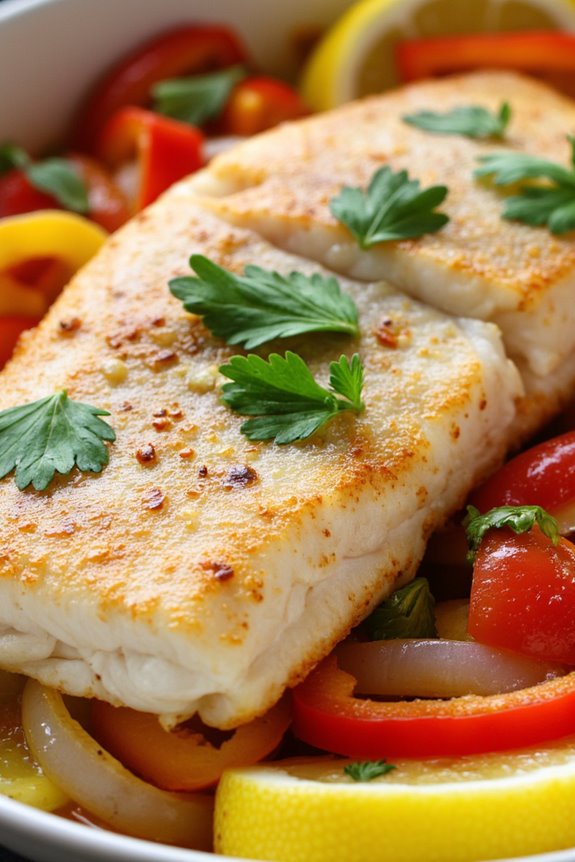
Fish Escabeche is a delightful South American dish, particularly popular in countries like Peru and Colombia. This dish features fish marinated and cooked in a tangy vinegar-based sauce, combined with a blend of spices that infuse the fish with rich flavors. The dish is often served cold or at room temperature, making it perfect for warm days or as part of a festive meal.
Escabeche can also be prepared ahead of time, allowing the flavors to develop and intensify, creating a truly memorable culinary experience. The beauty of Fish Escabeche lies in its versatility; you can use various types of fish, including tilapia, snapper, or mackerel.
The marinade typically includes ingredients like onions, garlic, and bell peppers, which add depth to the dish. This recipe isn’t only delicious but also a great way to enjoy the fresh, vibrant flavors of South American cuisine. Serve it alongside rice, bread, or a fresh salad for a complete meal that will transport you to the shores of South America.
Ingredients (serving size: 4-6 people)
- 2 pounds of firm white fish fillets (such as tilapia or snapper)
- 1 cup of white vinegar
- 1 cup of water
- 1 large onion, thinly sliced
- 1 bell pepper (red or yellow), thinly sliced
- 4 cloves of garlic, minced
- 1 teaspoon of cumin
- 1 teaspoon of paprika
- 1 teaspoon of black pepper
- 1 teaspoon of salt
- 1/2 cup of olive oil
- 1 teaspoon of sugar
- Fresh cilantro or parsley for garnish
- Lemon or lime wedges for serving
Cooking Instructions
- Prepare the Fish: Rinse the fish fillets under cold water and pat them dry with paper towels. Cut the fillets into bite-sized pieces if desired. Season the fish generously with salt and black pepper. This initial seasoning will enhance the fish’s flavor.
- Sauté the Vegetables: In a large skillet, heat the olive oil over medium heat. Add the sliced onions and bell peppers, and sauté them for about 5 minutes until they’re softened. Then add the minced garlic, cumin, paprika, and sugar, stirring for another minute until the mixture is fragrant.
- Cook the Fish: Carefully place the seasoned fish fillets into the skillet with the sautéed vegetables. Cook for about 3-4 minutes on each side, or until the fish is cooked through and flakes easily with a fork. Be gentle to avoid breaking the fish apart.
- Make the Marinade: In a separate bowl, combine the white vinegar and water. Once the fish is cooked, pour the vinegar mixture over the fish and vegetables in the skillet. Bring to a gentle simmer and let it cook for an additional 2-3 minutes to allow the flavors to meld.
- Cool and Serve: Remove the skillet from heat and let the fish escabeche cool to room temperature. For the best flavor, transfer the dish to a glass or ceramic container, cover it, and refrigerate for at least 2 hours, or overnight. Serve chilled or at room temperature, garnished with fresh cilantro or parsley and lemon or lime wedges on the side.
Extra Tips
When preparing Fish Escabeche, you can enhance the dish by adding other vegetables such as carrots or jalapeños for a bit of heat.
Be sure to allow enough marinating time to let the flavors fully develop; the longer it sits, the more delicious it becomes. This dish can also be made with leftover cooked fish, making it a great way to reduce waste while enjoying a flavorful meal.
Experiment with the spices and ingredients to make it your own!
Spicy Fish Stew
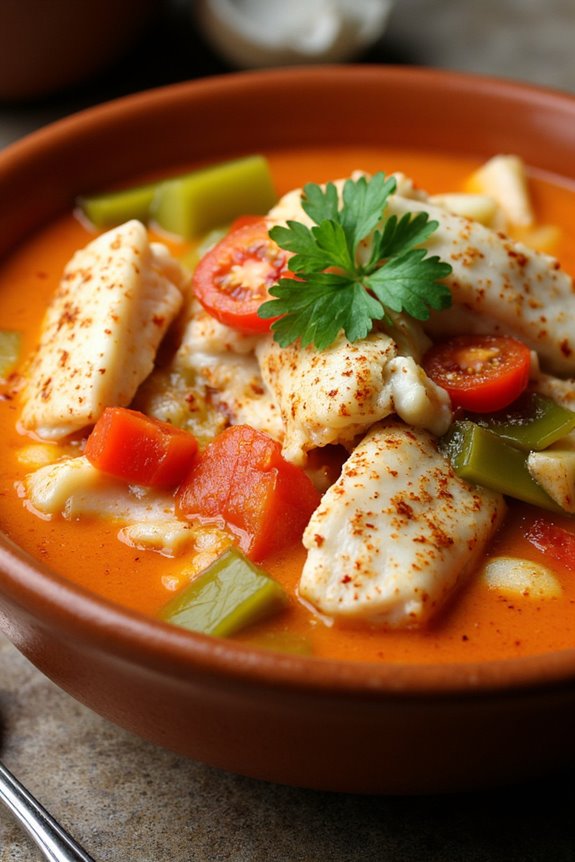
Spicy Fish Stew, or “Moqueca,” is a vibrant and flavorful dish that originates from the coastal regions of South America, particularly Brazil. This dish showcases the rich culinary traditions of the area, bursting with the fresh tastes of fish, spices, and vegetables. The combination of coconut milk, tomatoes, and bell peppers creates a comforting yet spicy stew that’s perfect for a family gathering or a cozy dinner.
This stew isn’t only delicious but also allows for a variety of fish and seafood to be used, making it adaptable to your local catch or personal preferences. The key to an authentic flavor lies in the use of fresh ingredients and a proper balance of spices. Serve it over a bed of fluffy rice or with warm crusty bread to soak up the savory broth.
Ingredients (serves 4-6):
- 2 lbs white fish fillets (such as cod, snapper, or tilapia)
- 1 cup coconut milk
- 1 large onion, chopped
- 3 cloves garlic, minced
- 1 red bell pepper, diced
- 1 green bell pepper, diced
- 2 medium tomatoes, chopped
- 1 teaspoon paprika
- 1 teaspoon cayenne pepper (adjust to taste)
- 1 teaspoon black pepper
- 1 tablespoon olive oil
- 1 tablespoon lime juice
- Fresh cilantro for garnish
- Salt to taste
Cooking Instructions:
- Prepare the Fish: Begin by rinsing the fish fillets under cold water and patting them dry with paper towels. Cut the fish into bite-sized pieces and season them with lime juice, salt, paprika, cayenne pepper, and black pepper. Allow the fish to marinate for about 15 minutes to absorb the flavors.
- Sauté the Vegetables: In a large pot or Dutch oven, heat the olive oil over medium heat. Add the chopped onion and sauté until it becomes translucent, about 5 minutes. Stir in the minced garlic and cook for an additional 1-2 minutes, making sure it doesn’t burn.
- Add the Peppers and Tomatoes: Incorporate the diced red and green bell peppers into the pot, stirring well. Cook for another 5 minutes until the peppers soften. Then add the chopped tomatoes, mixing everything together and letting it simmer for a few minutes until the tomatoes start breaking down.
- Combine with Coconut Milk: Pour in the coconut milk and stir until everything is well combined. Bring the mixture to a gentle simmer, allowing the flavors to meld together for about 10 minutes. Keep an eye on it to guarantee it doesn’t boil over.
- Add the Fish: Gently place the marinated fish pieces into the pot, making sure they’re submerged in the broth. Cover the pot and let the stew cook for about 10-12 minutes, or until the fish is cooked through and flakes easily with a fork.
- Final Adjustments and Serve: Taste the stew and adjust the seasoning if necessary. Once everything is cooked and seasoned to your liking, remove the pot from the heat. Serve the stew hot, garnished with fresh cilantro, and enjoy with rice or bread.
Extra Tips:
For an extra depth of flavor, consider adding a splash of fish sauce, a few slices of jalapeño for more heat, or even a handful of shrimp or mussels for a mixed seafood stew.
Additionally, don’t hesitate to customize the vegetables according to what’s in season or what you have in your pantry; zucchini or corn could be delightful additions.
Make sure to enjoy the stew fresh, but it can also be stored in the fridge for a couple of days, allowing the flavors to further develop.
Acarajé With Shrimp
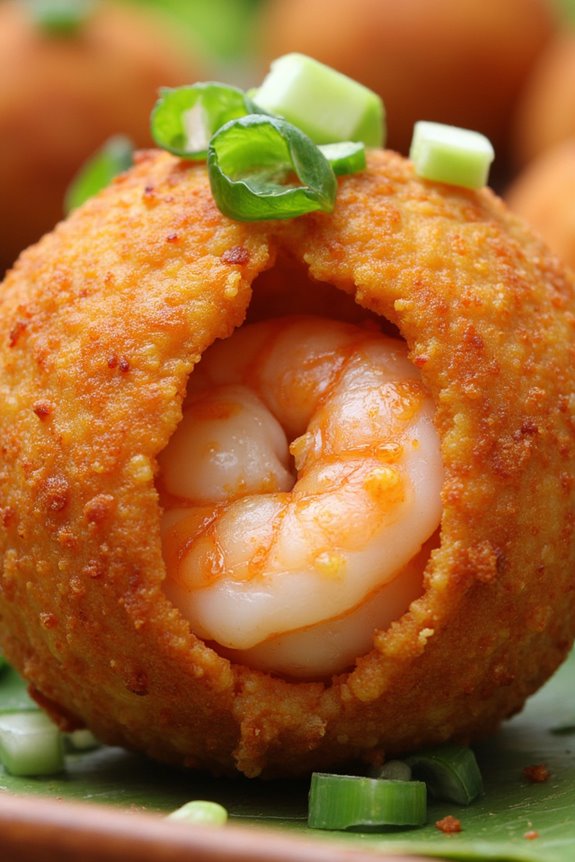
Acarajé is a traditional Brazilian dish that has its roots in the African culinary heritage brought to South America by enslaved peoples. This delightful street food consists of deep-fried black-eyed pea balls filled with a savory mix of shrimp, spices, and a variety of toppings. While it’s often enjoyed as a snack or appetizer, its rich flavors and textures make it a satisfying dish for any occasion. The crunchy exterior and soft interior of the acarajé complement the succulent shrimp, making it a favorite among locals and visitors alike.
Making Acarajé with shrimp isn’t only a delicious endeavor but also a beautiful way to celebrate the vibrant culture of Brazil. The preparation may take some time, but the end result is worth every minute. You’ll be rewarded with a dish full of flavor that captures the essence of South American cuisine. Serve Acarajé with a side of vatapá (a spicy paste made from bread, shrimp, and coconut milk) for an authentic experience.
Ingredients (Serves 4-6)
- 2 cups dried black-eyed peas
- 1 medium onion, finely chopped
- 1/2 teaspoon salt
- 1/4 teaspoon cayenne pepper
- 1/4 teaspoon ground cumin
- Vegetable oil (for frying)
- 1 pound shrimp, peeled and deveined
- 2 cloves garlic, minced
- 1/2 teaspoon paprika
- 1 tablespoon lime juice
- 1/4 cup green onions, chopped
- 1/4 cup fresh cilantro, chopped
- 1/2 cup vatapá (optional, for serving)
Cooking Instructions
- Prepare the Black-eyed Peas: Rinse the dried black-eyed peas under cold water and soak them in water overnight. This will soften the peas and make them easier to blend. After soaking, drain the peas and remove any skins that have loosened.
- Make the Acarajé Batter: In a food processor, combine the soaked black-eyed peas, chopped onion, salt, cayenne pepper, and cumin. Blend until you have a smooth, thick batter. If necessary, add a little water to achieve the right consistency.
- Shape the Acarajé: Heat vegetable oil in a deep pan over medium heat. Once the oil is hot, take a handful of the black-eyed pea batter and form it into a ball or patty shape, about the size of a golf ball. Carefully place it into the hot oil. Repeat with the remaining batter, being careful not to overcrowd the pan.
- Fry the Acarajé: Fry the balls for about 3-4 minutes on each side, or until they’re golden brown and crispy. Use a slotted spoon to remove the acarajé from the oil and drain on paper towels to absorb excess oil.
- Prepare the Shrimp Filling: In a skillet over medium heat, add a little oil and sauté the minced garlic until fragrant. Add the shrimp, paprika, lime juice, salt, and pepper. Cook the shrimp for about 3-5 minutes until they turn pink and are cooked through. Stir in the chopped green onions and cilantro, mixing well.
- Assemble the Acarajé: Once the acarajé is cooked, make a small slit in each ball and gently open it to create a pocket. Spoon the sautéed shrimp mixture into the opening. If desired, serve with vatapá on the side for dipping.
Extra Tips
When making Acarajé, it’s important to ascertain that the oil is at the right temperature for frying; too hot can burn the outside while leaving the inside raw, and too cool can result in greasy acarajé. You can test the oil by dropping a small amount of batter into it; if it sizzles and rises to the surface, the oil is ready.
Additionally, if you prefer a spicier flavor, feel free to adjust the amount of cayenne pepper and paprika in the shrimp filling. Enjoy your culinary journey into South American flavors!
Fish and Coconut Curry
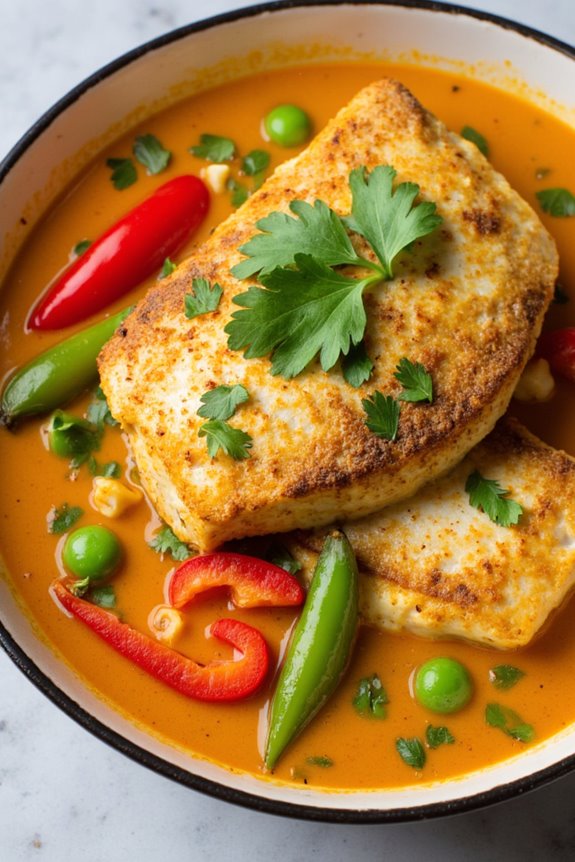
Fish and Coconut Curry is a delightful dish that showcases the vibrant flavors and culinary traditions of South America. This recipe combines tender, flaky fish with a rich coconut milk sauce infused with aromatic spices, creating a comforting and hearty meal. The dish isn’t only delicious but also simple to prepare, making it an excellent choice for both weeknight dinners and special occasions.
The fusion of fresh herbs and spices with creamy coconut milk elevates the natural taste of the fish, resulting in a dish that’s both satisfying and exotic.
In this recipe, we’ll use a variety of ingredients that are readily available and easy to work with. The combination of fish, coconut milk, and vegetables provides a wholesome and nutritious meal that’s perfect for families and gatherings. Serve this dish with steamed rice or crusty bread to soak up the flavorful sauce. Let’s explore the ingredients and cooking instructions for this delightful Fish and Coconut Curry, designed for 4-6 servings.
Ingredients:
- 1.5 lbs white fish fillets (such as cod, tilapia, or halibut)
- 1 can (14 oz) coconut milk
- 1 large onion, finely chopped
- 2 cloves garlic, minced
- 1-inch piece of ginger, grated
- 2 tablespoons red curry paste
- 1 tablespoon fish sauce
- 1 tablespoon lime juice
- 1 red bell pepper, sliced
- 1 cup snap peas or green beans
- 1 tablespoon vegetable oil
- Fresh cilantro, for garnish
- Cooked rice or crusty bread, for serving
Cooking Instructions:
- Prepare the Fish: Rinse the fish fillets under cold water and pat them dry with paper towels. Cut them into bite-sized pieces and set aside. This will help the fish cook evenly and absorb the flavors of the curry.
- Sauté the Aromatics: In a large skillet or saucepan, heat the vegetable oil over medium heat. Add the chopped onion and sauté until it becomes translucent, about 5 minutes. Then, add the minced garlic and grated ginger, cooking for another minute until fragrant. This step builds the flavor base for the curry.
- Add the Curry Paste: Stir in the red curry paste and cook for 2-3 minutes, allowing the spices to bloom and release their oils. This enhances the depth of flavor in the dish, making it more aromatic and robust.
- Incorporate Coconut Milk: Pour in the coconut milk and stir well to combine. Bring the mixture to a gentle simmer, allowing the flavors to meld together. This will create the rich sauce that will coat the fish.
- Add Vegetables: Add the sliced red bell pepper and snap peas (or green beans) to the pot. Let them cook in the simmering sauce for about 5 minutes, until they’re tender yet still crisp. The vegetables will add texture and color to the dish.
- Cook the Fish: Gently add the fish pieces to the sauce, ensuring they’re submerged. Cover the skillet and let the fish simmer for 5-7 minutes, or until it’s cooked through and flakes easily with a fork. This step is essential for ensuring the fish absorbs the flavors of the curry while cooking evenly.
- Finish with Seasoning: Stir in the fish sauce and lime juice to taste, adjusting seasoning as needed. The fish sauce adds a savory umami flavor, while the lime juice provides a revitalizing acidity that balances the richness of the coconut milk.
- Serve: Remove the skillet from heat and garnish with fresh cilantro just before serving. Serve the Fish and Coconut Curry over steamed rice or with crusty bread to soak up the delicious sauce.
Extra Tips:
When cooking Fish and Coconut Curry, feel free to customize the recipe by adding your favorite vegetables or using different types of fish based on availability.
If you prefer a spicier dish, increase the amount of red curry paste or add diced chili peppers. For a creamier texture, you can blend a portion of the coconut milk before adding it to the curry.
Always taste and adjust the seasoning as necessary, and remember that letting the curry sit for a few minutes before serving can deepen the flavors even more. Enjoy this dish with friends and family for a truly satisfying meal!
Salmon With Quinoa and Avocado
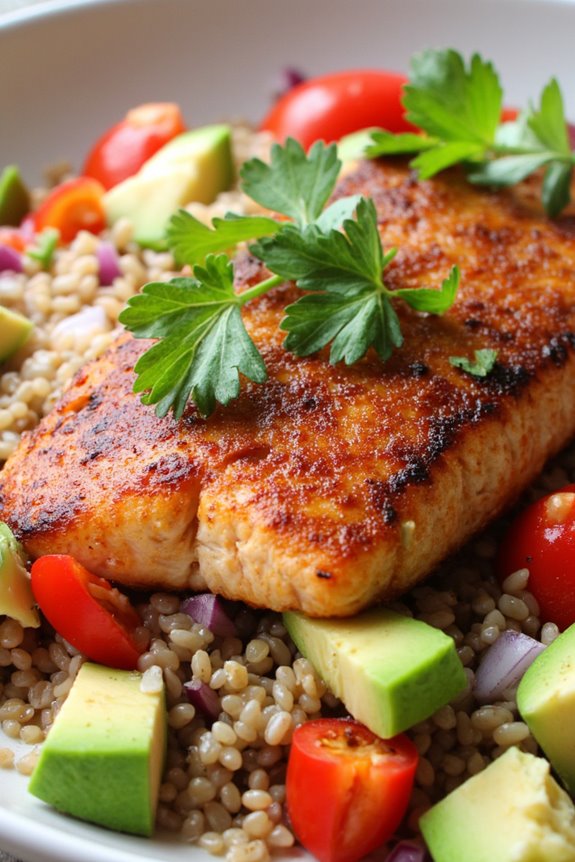
Salmon with quinoa and avocado is a nutritious and delicious dish that perfectly showcases the vibrant flavors of South American cuisine. The combination of tender, flaky salmon, fluffy quinoa, and creamy avocado creates a balanced meal that’s rich in protein, healthy fats, and fiber. This dish not only provides crucial nutrients but also offers a delightful medley of textures and tastes, making it a fantastic option for family dinners or entertaining guests.
Cooking salmon is surprisingly easy, and when paired with quinoa and avocado, it transforms into a gourmet meal that feels special yet is simple enough for any home cook to master. The quinoa serves as a wonderful base that absorbs the flavors of the salmon, while the fresh avocado adds a layer of creaminess and freshness to the plate. This recipe is perfect for serving 4-6 people, making it an ideal choice for family gatherings or meal prep for the week ahead.
Ingredients (Serves 4-6):
- 4-6 salmon fillets (about 6 oz each)
- 1 cup quinoa
- 2 cups vegetable or chicken broth
- 2 ripe avocados, diced
- 1 medium red onion, finely chopped
- 1 red bell pepper, diced
- 2 cloves garlic, minced
- 1/4 cup fresh cilantro, chopped
- Juice of 2 limes
- Olive oil
- Salt and pepper to taste
Cooking Instructions:
- Cook the Quinoa: Rinse the quinoa under cold water to remove any bitterness. In a medium saucepan, combine the rinsed quinoa and broth. Bring to a boil, then reduce the heat to low, cover, and let it simmer for about 15 minutes or until the quinoa is fluffy and the liquid is absorbed. Once cooked, remove from heat and let it sit covered for an additional 5 minutes. Fluff with a fork and set aside.
- Prepare the Vegetables: While the quinoa is cooking, prepare the vegetables. In a large bowl, combine the diced avocados, chopped red onion, diced red bell pepper, minced garlic, and chopped cilantro. Drizzle with lime juice and season with salt and pepper. Gently toss to combine and set aside.
- Cook the Salmon: Heat a large skillet over medium-high heat and add a drizzle of olive oil. Season the salmon fillets with salt and pepper. Once the oil is hot, place the salmon skin-side down in the skillet. Cook for about 4-5 minutes, then carefully flip the salmon and cook for an additional 3-4 minutes or until the salmon is just cooked through and flakes easily with a fork.
- Assemble the Dish: To serve, place a generous scoop of quinoa on each plate. Top with a salmon fillet and spoon the avocado and vegetable mixture over the top. Garnish with additional cilantro and lime wedges if desired.
- Serve and Enjoy: Serve the dish warm, allowing everyone to enjoy the combination of flavors and textures.
Extra Tips:
When cooking salmon, it’s important to avoid overcooking to maintain its moisture and tenderness. Consider marinating the salmon in lime juice, olive oil, and garlic for about 30 minutes before cooking for added flavor.
Feel free to customize the vegetable mix by adding cherry tomatoes or cucumber for extra freshness. This dish can also be served chilled as a salad, making it versatile for warmer days!
Peruvian Fish Curry
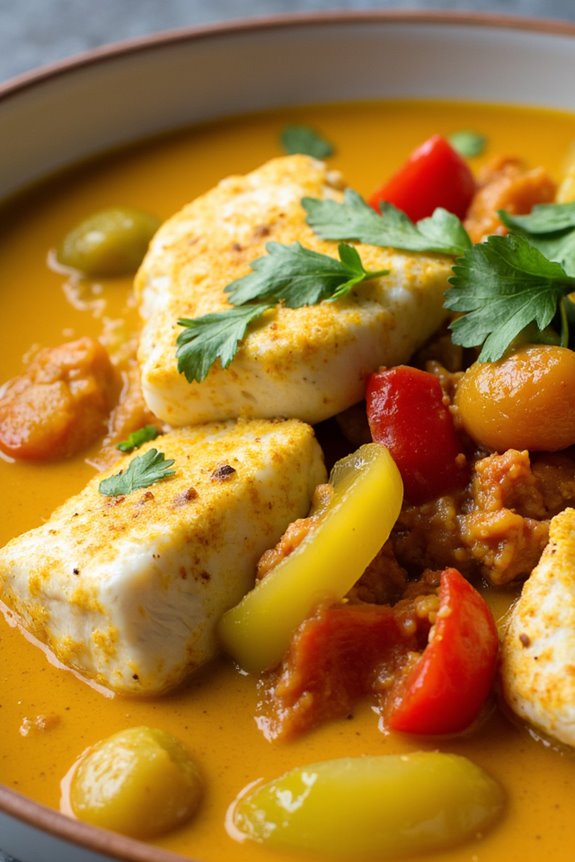
Peruvian Fish Curry is a delightful dish that brings together the vibrant flavors of Peru with the rich, aromatic spices typically found in curry recipes. This dish is inspired by the diverse culinary traditions of the coastal regions of Peru, where fresh fish is abundant and often paired with tropical ingredients like coconut milk and fresh herbs.
The combination of spices, tangy lime, and creamy coconut milk creates a luxurious sauce that envelops the fish, making it a perfect meal for gatherings or a comforting weeknight dinner.
In this recipe, we’ll utilize a firm white fish, such as tilapia or snapper, which holds up well in the curry without breaking apart. The dish is further enhanced with vegetables like bell peppers and onions, adding color and texture.
Serve this curry over a bed of fluffy rice or with crusty bread to soak up the delicious sauce, and you’ll have a meal that isn’t only satisfying but also a celebration of Peruvian flavors.
Ingredients (Serves 4-6)
- 1.5 pounds of firm white fish (tilapia, snapper, or cod), cut into large chunks
- 2 tablespoons vegetable oil
- 1 medium onion, finely chopped
- 2 cloves garlic, minced
- 1-inch piece of ginger, grated
- 1 red bell pepper, sliced
- 1 green bell pepper, sliced
- 2 teaspoons ground cumin
- 2 teaspoons paprika
- 1 teaspoon turmeric
- 1 can (14 oz) coconut milk
- 1 cup fish stock or water
- Juice of 1 lime
- Salt and pepper to taste
- Fresh cilantro, chopped (for garnish)
Cooking Instructions
- Prepare the Fish: Rinse the fish under cold water and pat it dry with paper towels. Cut the fish into large chunks to prevent it from breaking apart during cooking. Season the fish pieces with salt and pepper, and set them aside.
- Sauté the Aromatics: In a large pot or deep skillet, heat the vegetable oil over medium heat. Add the chopped onion and sauté for about 5 minutes until it becomes translucent. Stir in the minced garlic and grated ginger, cooking for an additional 1-2 minutes until fragrant.
- Add the Vegetables and Spices: Toss in the sliced red and green bell peppers and cook for another 3-4 minutes until they start to soften. Sprinkle in the ground cumin, paprika, and turmeric, stirring well to coat the vegetables in the spices. Cook for another minute to allow the spices to bloom.
- Make the Curry Sauce: Pour in the coconut milk and fish stock (or water) into the pot. Stir the mixture well and bring it to a gentle simmer. Allow the sauce to cook for about 5 minutes, so the flavors meld together.
- Cook the Fish: Gently add the seasoned fish chunks into the simmering sauce. Cover the pot and cook for about 10-12 minutes, or until the fish is cooked through and flakes easily with a fork. Be careful not to stir too vigorously to keep the fish intact.
- Finish and Serve: Once the fish is cooked, squeeze the lime juice over the curry and give it a gentle stir. Taste and adjust seasoning with additional salt and pepper if needed. Serve the curry hot, garnished with fresh cilantro, alongside rice or bread.
Extra Tips
When preparing Peruvian Fish Curry, using fresh, high-quality fish will greatly enhance the dish’s flavor. You can also customize the vegetables based on what you have on hand; zucchini or spinach make excellent additions.
If you prefer a spicier curry, consider adding chopped chili peppers or a dash of cayenne pepper. Finally, allowing the curry to sit for a few minutes before serving can help the flavors develop even more, making for a more delicious meal.
