

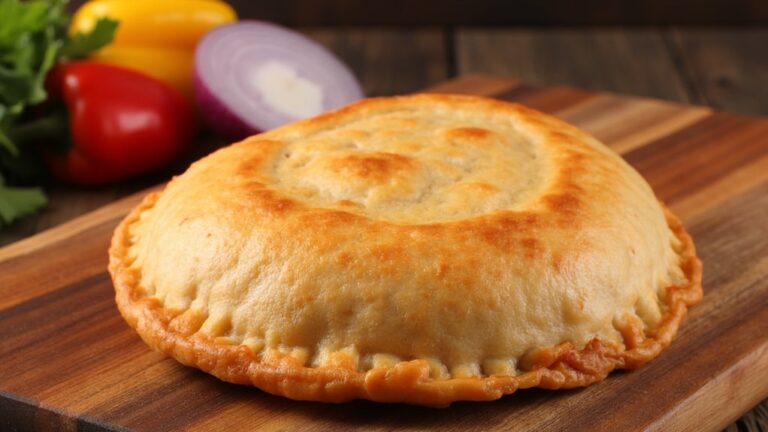
When it comes to comfort food, South American corn recipes are a true delight. They’re rustic, hearty, and bursting with flavor that feels like a warm hug. From creamy Chupe De Camarones to fluffy Arepas, each dish speaks of tradition and togetherness. These recipes are perfect for filling your belly and warming your soul. Ready to bring some heartwarming dishes into your kitchen?
Chupe De Camarones
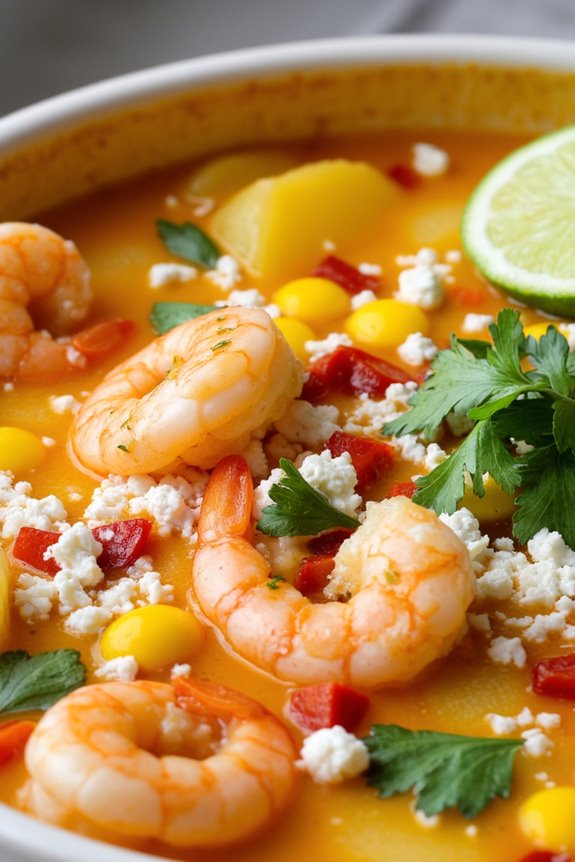
Chupe de Camarones is a traditional South American dish, particularly popular in Peru, known for its rich and comforting flavors. This shrimp chowder-like dish combines fresh shrimp with corn, potatoes, cheese, and a blend of spices, creating a hearty meal perfect for sharing. The combination of textures and flavors makes Chupe de Camarones a beloved choice for family gatherings or cozy dinners. It’s often served hot and can be accompanied by a wedge of lime for an added zing.
The base of Chupe de Camarones is a creamy broth that marries the sweetness of the shrimp with the earthiness of corn and potatoes, making it a delightful experience for the palate. The addition of cheese gives the dish a luscious creaminess, while the spices elevate the overall flavor profile. This dish showcases the best of rustic South American cuisine, incorporating local ingredients and traditional cooking techniques.
Ingredients (Serves 4-6):
- 1 lb (450g) fresh shrimp, peeled and deveined
- 2 cups corn kernels (fresh or frozen)
- 2 medium potatoes, diced
- 1 medium onion, finely chopped
- 2 cloves garlic, minced
- 1 red bell pepper, diced
- 4 cups fish or vegetable broth
- 1 cup whole milk
- 1 cup crumbled queso fresco or feta cheese
- 2 tablespoons olive oil
- 1 tablespoon aji amarillo paste (or other chili paste)
- 1 teaspoon ground cumin
- Salt and pepper, to taste
- Fresh cilantro or parsley, for garnish
- Lime wedges, for serving
Cooking Instructions:
- Prepare the Shrimp: In a large pot, heat the olive oil over medium heat. Add the shrimp and cook for 2-3 minutes until they turn pink and opaque. Remove the shrimp from the pot and set aside. This step guarantees the shrimp are perfectly cooked and maintain their tenderness.
- Sauté the Vegetables: In the same pot, add the chopped onion, garlic, and red bell pepper. Sauté for about 5 minutes until the vegetables are soft and fragrant. This step builds the flavor base for your Chupe de Camarones.
- Add Potatoes and Corn: Stir in the diced potatoes and corn kernels. Cook for an additional 3-4 minutes, allowing the corn to soften and the potatoes to start cooking. This step adds texture and sweetness to the dish.
- Pour in the Broth: Add the fish or vegetable broth to the pot. Bring to a boil, then reduce the heat and let it simmer for about 15 minutes until the potatoes are tender. This step creates a flavorful broth that serves as the foundation of the chowder.
- Incorporate Dairy and Spices: Pour in the whole milk and add the aji amarillo paste, ground cumin, and season with salt and pepper. Stir well and cook for another 5 minutes. This step enriches the broth and balances the flavors with creaminess and spice.
- Combine Shrimp and Cheese: Return the cooked shrimp to the pot and add the crumbled queso fresco. Mix gently and let it heat through for an additional 2-3 minutes. This step guarantees the shrimp is warmed and the cheese melts into the broth.
- Serve: Ladle the Chupe de Camarones into bowls, garnish with fresh cilantro or parsley, and serve with lime wedges on the side. This final step enhances the presentation and allows diners to add a fresh citrus twist to their servings.
Extra Tips:
When making Chupe de Camarones, feel free to experiment with the types of cheese used; a good melting cheese can add a delightful texture. If you prefer a spicier kick, increase the amount of aji amarillo paste or add fresh chopped chili peppers.
For added depth of flavor, consider incorporating a splash of white wine while sautéing the vegetables. Finally, using homemade broth can greatly enhance the taste of the dish, so don’t hesitate to prepare your own if time allows!
Arepas
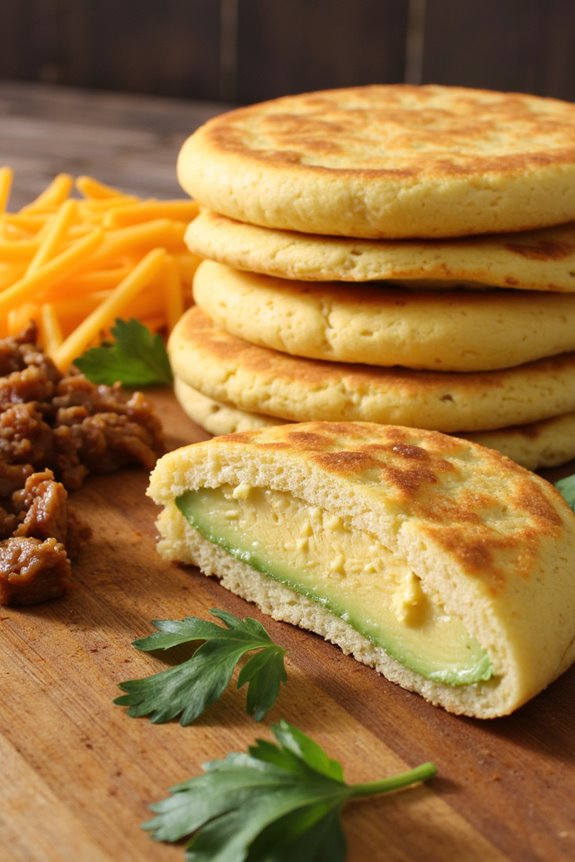
Arepas are a beloved staple in many South American countries, especially in Venezuela and Colombia. These versatile cornmeal cakes are made from ground maize dough and can be grilled, baked, or fried to perfection. Their slightly crispy exterior and soft interior make arepas the perfect canvas for a variety of fillings, ranging from cheese and avocado to meats and beans.
Whether served as a main dish or a side, arepas bring a touch of rustic charm to any meal. The beauty of arepas lies in their adaptability; they can be enjoyed at breakfast, lunch, or dinner. You can customize the fillings to suit your taste or dietary preferences.
With a few simple ingredients and steps, you can create delicious homemade arepas that will transport you straight to the heart of South America. Let’s get started on making this delightful dish for a serving size of 4-6 people!
Ingredients
- 2 cups of precooked cornmeal (arepa flour)
- 2 1/2 cups of warm water
- 1 teaspoon of salt
- 1 tablespoon of vegetable oil (plus extra for cooking)
- Optional fillings: shredded cheese, avocado slices, pulled pork, black beans, or any preferred filling
Cooking Instructions
- Prepare the dough: In a large mixing bowl, combine the precooked cornmeal and salt. Gradually pour in the warm water while stirring with your hands or a wooden spoon until the mixture is well combined and forms a soft dough. The dough should be moist but not sticky. If it feels too dry, add a little more water; if too wet, sprinkle in a bit more cornmeal.
- Shape the arepas: Divide the dough into 6-8 equal portions, depending on the size you prefer your arepas. Roll each portion into a ball and then flatten it gently to form a patty about 1/2 inch thick. The shape should be round and even, guaranteeing that they cook uniformly.
- Cook the arepas: Heat a skillet or griddle over medium heat and add a splash of vegetable oil. Once the oil is hot, place the arepas in the skillet, making sure not to overcrowd the pan. Cook for about 5-7 minutes on each side, or until they develop a golden-brown crust. You may need to adjust the heat to prevent burning.
- Bake the arepas (optional): For an extra crispy texture, you can finish cooking the arepas in the oven. After pan-frying, transfer them to a preheated oven at 350°F (175°C) for about 10-15 minutes. This step guarantees they’re cooked through and enhances their flavor.
- Add the fillings: Once cooked, let the arepas cool for a minute. Slice them open with a knife to create a pocket and fill them with your choice of ingredients. Popular fillings include cheese, avocado, shredded meats, or beans.
Extra Tips
When making arepas, the key is to ascertain the dough is the right consistency. It should be moist and pliable, making it easy to shape without cracking.
Don’t hesitate to experiment with different fillings and toppings to find your favorite combinations. Additionally, if you have leftover arepas, they can be stored in the fridge and reheated in a skillet or oven for a quick meal.
Enjoy the rustic flavors of South America right in your own kitchen!
Humita En Chala
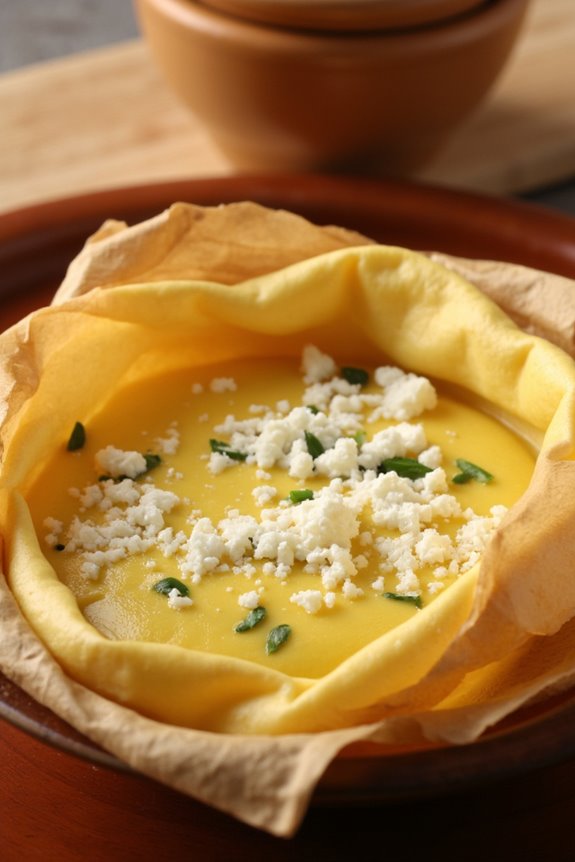
Humita En Chala is a traditional South American dish that beautifully showcases the versatility of corn. Originating from the Andean regions, this dish consists of a savory corn pudding wrapped in corn husks, which not only adds flavor but also keeps the pudding moist during cooking.
It’s a delightful combination of fresh corn, cheese, and spices, often enjoyed as a snack or side dish. The process of making Humita En Chala is a wonderful way to connect with the rich culinary traditions of South America, bringing family and friends together to enjoy this hearty treat.
The preparation of Humita En Chala involves grinding fresh corn to create a smooth mixture that includes cheese and herbs for added flavor. This mixture is then carefully wrapped in corn husks, which serve as natural steamers, allowing the flavors to meld beautifully during the cooking process.
Each bite reveals a tender and creamy filling with a hint of sweetness from the corn, making it a perfect accompaniment to any meal or a standalone dish for a light lunch.
Ingredients (serving size: 4-6 people):
- 4 cups fresh corn kernels (about 6-8 ears of corn)
- 1 cup queso fresco (or feta cheese, crumbled)
- 1/2 cup milk
- 1/4 cup cornmeal
- 1/4 cup sugar (optional, adjust for sweetness)
- 1 teaspoon baking powder
- 1/2 teaspoon salt
- 1/4 cup chopped fresh basil or cilantro
- 1 teaspoon paprika
- 12-15 corn husks (soaked in warm water for 30 minutes)
Cooking Instructions:
- Prepare the Corn: Start by shucking the corn and removing all the silk. Rinse the corn under cold water. Cut the kernels off the cobs, then place the kernels in a food processor. Pulse until you have a smooth puree, leaving a few whole kernels for texture if desired.
- Mix the Ingredients: In a large mixing bowl, combine the corn puree with the milk, cornmeal, sugar (if using), baking powder, salt, chopped herbs, and paprika. Mix until all ingredients are well incorporated and you have a smooth batter.
- Prepare the Corn Husks: Take the soaked corn husks and pat them dry. Lay a husk flat on a clean surface, with the wider end facing you. Spoon about 1/4 cup of the corn mixture onto the center of the husk. Sprinkle some crumbled queso fresco on top of the mixture.
- Wrap the Humita: Carefully fold the sides of the husk over the mixture, then fold the bottom up to encase the filling. Use kitchen twine to tie the bundle securely, or place it seam-side down in a steamer.
- Steam the Humitas: Arrange the wrapped humitas in a steamer basket over simmering water. Cover and steam for about 45-60 minutes, or until the mixture is firm and cooked through. Check occasionally to verify the water doesn’t evaporate completely.
- Serve and Enjoy: Once cooked, carefully unwrap the humitas and serve them warm. They can be enjoyed as is or with a drizzle of olive oil, sour cream, or a fresh salsa for added flavor.
Extra Tips: When making Humita En Chala, using fresh corn will yield the best flavor and texture. If fresh corn isn’t available, you can use frozen corn, but be sure to thaw it completely and drain any excess moisture.
Additionally, feel free to customize the cheese and herbs according to your preferences, as this dish is quite versatile and welcoming to various flavors. For a richer taste, you can also add a hint of chili powder or finely diced jalapeños for a spicy kick!
Polenta
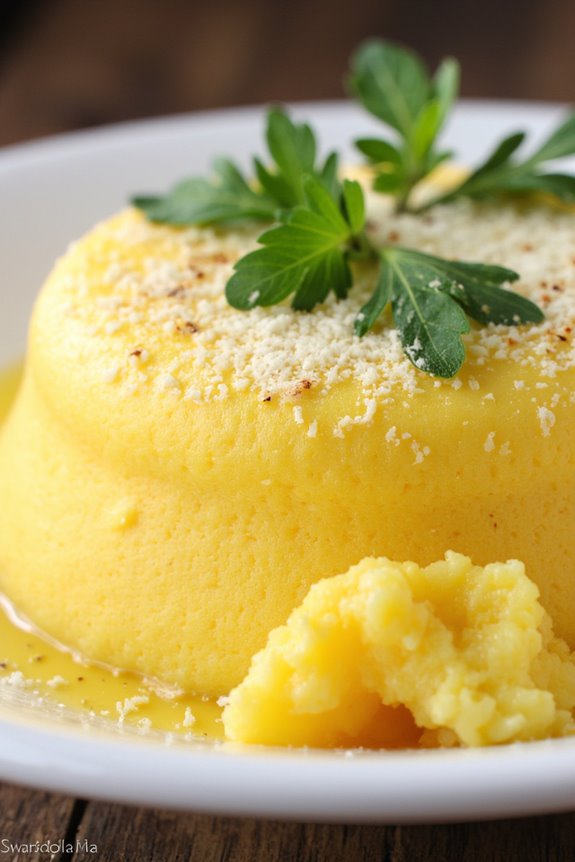
Polenta, a staple dish in many South American kitchens, is a versatile and hearty cornmeal dish that can be served in various ways. Originating from the Italian cuisine, it has been embraced by South American cultures, where it’s often paired with rich sauces, grilled meats, or sautéed vegetables.
The beauty of polenta lies in its simplicity; just a few ingredients come together to create a creamy, comforting dish that can be enjoyed as a side or a main course. This dish can be served soft and creamy right after cooking, or allowed to set and then sliced and grilled or fried for a different texture.
The flavor of polenta can be enhanced with cheese, herbs, or spices, making it a perfect canvas for your culinary creativity. Whether you’re serving it at a family dinner or a casual gathering, polenta is sure to impress your guests with its rustic charm and delightful taste.
Ingredients (Serves 4-6)
- 1 cup cornmeal (preferably medium or fine grind)
- 4 cups water or vegetable broth
- 1 teaspoon salt
- 2 tablespoons butter
- ½ cup grated Parmesan cheese (optional)
- Fresh herbs (such as basil or parsley, for garnish)
Cooking Instructions
- Boil the Liquid: In a large saucepan, bring 4 cups of water or vegetable broth to a boil. Adding broth instead of water will give your polenta a richer flavor.
- Add Salt: Once the liquid is boiling, stir in 1 teaspoon of salt. This step is vital as it enhances the overall flavor of the polenta.
- Add Cornmeal: Gradually whisk in 1 cup of cornmeal, making sure there are no lumps. Whisking continuously helps to prevent clumping and guarantees a smooth texture.
- Cook the Polenta: Reduce the heat to low and cook the polenta for about 30-40 minutes, stirring frequently. The polenta will thicken and begin to pull away from the sides of the pot when it’s done. This step is essential for achieving the right consistency.
- Add Butter and Cheese: Once the polenta is cooked, stir in 2 tablespoons of butter and ½ cup of grated Parmesan cheese (if using). This will make the polenta creamy and add a delicious cheesy flavor.
- Serve or Set: You can serve the polenta immediately while it’s still soft or pour it into a greased baking dish and let it cool until set. If you choose to set it, cut it into slices once it has firmed up.
- Garnish and Enjoy: Top with fresh herbs for garnish and serve alongside your favorite main dishes or sauces.
Extra Tips
For an extra depth of flavor, consider toasting the cornmeal in the saucepan for a few minutes before adding the liquid; this will enhance its nuttiness.
Additionally, if you prefer a smoother texture, you can use a food processor to blend the cooked polenta briefly. If you have leftovers, they can be stored in the fridge and reheated easily, making polenta a fantastic make-ahead option.
Tamales
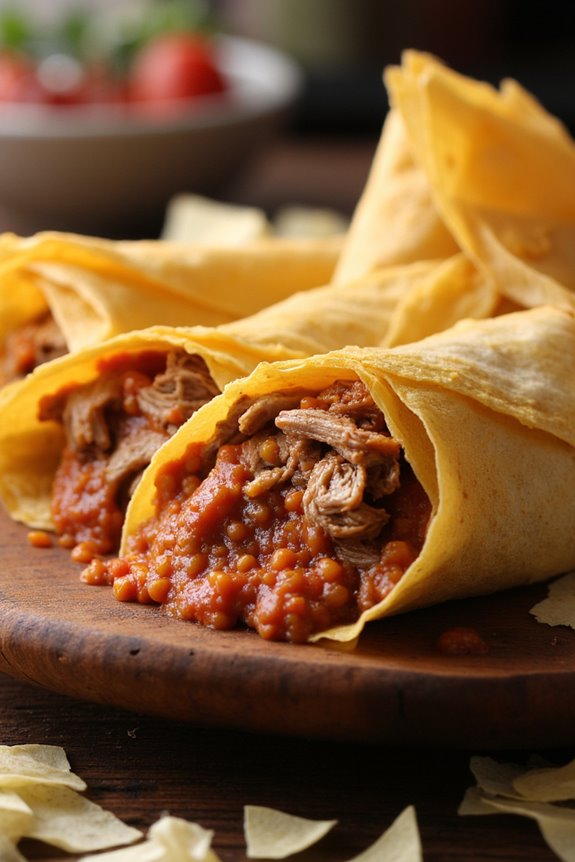
Tamales are a traditional South American dish made from masa (corn dough) that’s filled with a variety of ingredients, wrapped in corn husks, and steamed to perfection. This delicious comfort food is a staple in many Latin American countries, celebrated for its versatility and rich flavors.
The process of making tamales can be intricate, but the results are well worth the effort, bringing the taste of rustic South American cuisine right to your kitchen. This recipe will guide you through making classic tamales filled with shredded pork and a savory red sauce.
While there are countless variations of tamales, this version honors the traditional flavors and techniques that have been passed down through generations. Perfect for family gatherings or special occasions, tamales can also be made ahead of time and frozen for later enjoyment, making them a convenient and delightful dish.
Ingredients for Tamales (Serves 4-6 people):
- 2 cups masa harina
- 1 cup chicken broth (or water)
- 1/2 cup vegetable shortening
- 1 tsp baking powder
- 1 tsp salt
- 2 cups cooked shredded pork
- 1 cup red enchilada sauce
- 12-14 dried corn husks (soaked in warm water for 30 minutes)
Cooking Instructions:
- Prepare the Corn Husks: Start by soaking the dried corn husks in warm water for about 30 minutes. This will make them pliable and easier to work with. Once soaked, drain and set aside.
- Make the Masa Dough: In a large bowl, combine the masa harina, baking powder, and salt. In another bowl, beat the vegetable shortening until fluffy, then gradually add in the masa mixture, alternating with the chicken broth. Mix until a soft dough forms; it should be smooth and spreadable.
- Mix the Filling: In a separate bowl, combine the shredded pork and red enchilada sauce. Make sure the pork is well-coated with the sauce for maximum flavor.
- Assemble the Tamales: Take a soaked corn husk and lay it flat. Spread about 2-3 tablespoons of masa dough onto the center of the husk, leaving space at the sides and bottom. Place 1-2 tablespoons of the pork filling on top of the masa. Fold the sides of the husk over the filling, then fold the bottom up to secure the tamale. Repeat this process with the remaining husks and filling.
- Steam the Tamales: Arrange the tamales upright in a large steamer pot. If you don’t have a steamer, you can use a large pot with a steaming rack or a heatproof plate. Add water to the pot, making sure it doesn’t touch the tamales, and cover with a lid. Steam over medium heat for about 1 to 1.5 hours, or until the masa easily pulls away from the husk.
- Cool and Serve: Once cooked, allow the tamales to cool for a few minutes before serving. This will help them set. Serve warm with extra enchilada sauce or your favorite salsa for dipping.
Extra Tips: When making tamales, don’t be afraid to get creative with the fillings! You can substitute the pork with chicken, cheese, or vegetables for a vegetarian option.
Additionally, make sure to test the masa dough; it should hold its shape without being too dry or too wet. A good tip is to spread a small amount of dough in the palm of your hand and see if it holds together—this indicates it’s ready to be used.
If you’re making a larger batch, tamales freeze beautifully, so make extras to enjoy later!
Cuzqueña Corn Soup
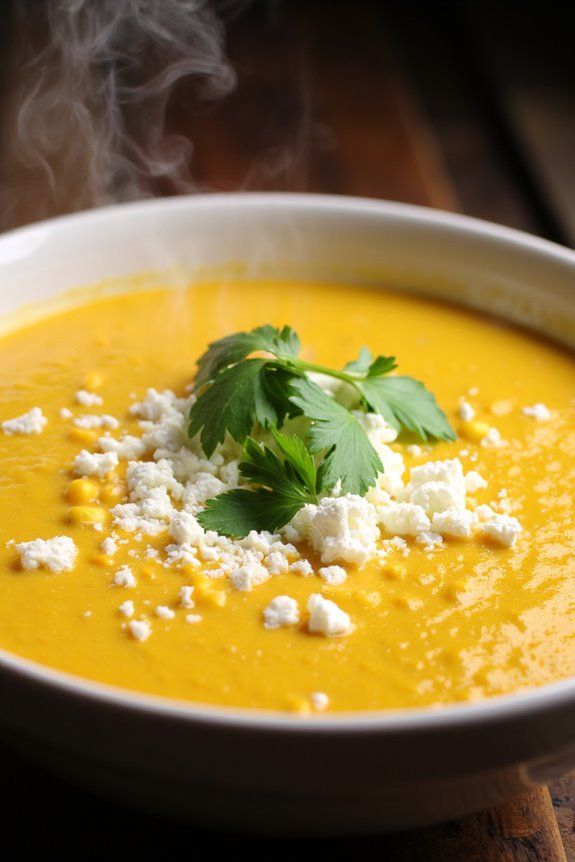
Cuzqueña Corn Soup, or “Sopa de Maíz Cuzqueña,” is a traditional dish from the highlands of Peru, particularly from the Cusco region. This hearty soup showcases the vibrant flavors of local corn, known as “choclo,” which is larger and more flavorful than the sweet corn found in many other parts of the world.
The dish is often enriched with potatoes, cheese, and spices, making it a comforting meal that reflects the rustic charm of South American cuisine. This soup isn’t only delicious but also embodies the cultural significance of corn in Peruvian society, where it has been cultivated for thousands of years.
With its creamy texture and wholesome ingredients, Cuzqueña Corn Soup is perfect for gatherings and serves as a splendid introduction to the flavors of South America. Whether enjoyed on a chilly evening or served as a starter at a festive occasion, this soup is bound to impress anyone who tries it.
Ingredients (Serves 4-6):
- 2 cups fresh or frozen white corn kernels
- 1 medium onion, chopped
- 2 cloves garlic, minced
- 4 cups vegetable broth or chicken broth
- 2 medium potatoes, peeled and diced
- 1 cup milk (or cream for a richer soup)
- 1 teaspoon ground cumin
- 1 teaspoon paprika
- Salt and pepper to taste
- ½ cup crumbled queso fresco (or feta cheese)
- Fresh cilantro or parsley for garnish
- Optional: a splash of lime juice
Cooking Instructions:
- Sauté the Aromatics: In a large pot, heat a tablespoon of oil over medium heat. Add the chopped onion and minced garlic, sautéing for about 5 minutes or until the onion is translucent and fragrant. This step builds the flavor base of your soup.
- Add the Corn and Spices: Stir in the corn kernels, cumin, and paprika into the pot. Cook for another 3-4 minutes, allowing the corn to absorb the flavors of the spices. The sweetness of the corn will start to enhance the overall flavor profile of the soup.
- Incorporate the Broth and Potatoes: Pour in the vegetable or chicken broth and add the diced potatoes. Bring the mixture to a boil, then reduce the heat and let it simmer for about 15-20 minutes, or until the potatoes are tender. This simmering process will help meld the flavors together and soften the potatoes.
- Blend the Soup: Once the potatoes are cooked, use an immersion blender to puree the soup to your desired consistency. You can make it completely smooth or leave some chunks for texture. If you don’t have an immersion blender, carefully transfer the soup in batches to a regular blender.
- Add Milk and Adjust Seasoning: Return the blended soup to the pot and stir in the milk (or cream). Heat gently while stirring, and season with salt and pepper to taste. If you prefer a tangy note, add a splash of lime juice at this stage.
- Serve and Garnish: Ladle the hot soup into bowls, topping each serving with crumbled queso fresco and a sprinkle of fresh cilantro or parsley. Enjoy your Cuzqueña Corn Soup warm with crusty bread or corn tortillas on the side.
Extra Tips:
When preparing Cuzqueña Corn Soup, using fresh corn will greatly enhance the flavor, but if that isn’t available, high-quality frozen corn is a great alternative.
For an extra layer of flavor, consider roasting the corn briefly before adding it to the soup. Additionally, feel free to adjust the spices according to your taste preferences; adding a bit of chili powder can give the soup a nice kick.
Finally, this soup can be stored in the refrigerator for a few days, and it tends to taste even better the next day as the flavors continue to develop.
Sopa De Maíz
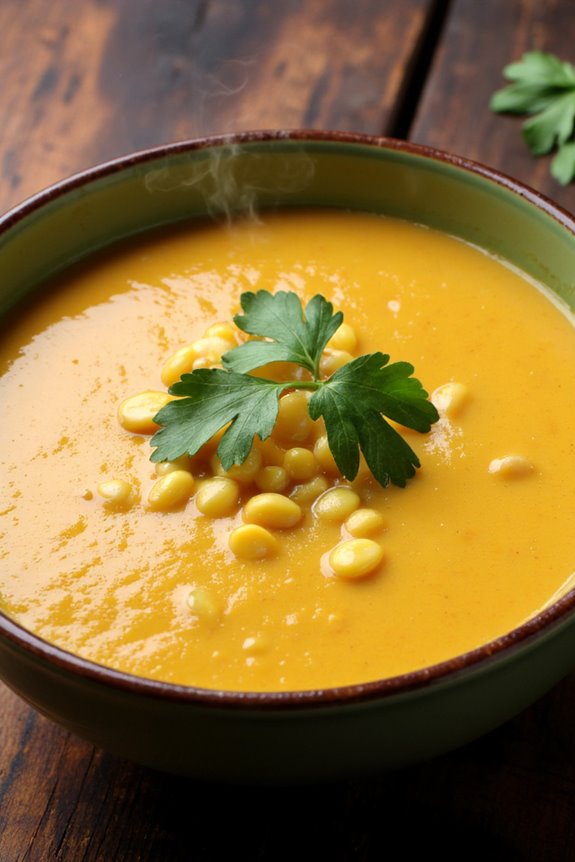
Sopa De Maíz, or Corn Soup, is a beloved dish in various South American countries, celebrated for its comforting warmth and creamy texture. This rustic soup embodies the rich agricultural heritage of the region, where corn is a staple ingredient. Made with fresh corn, spices, and often a touch of cream, Sopa De Maíz is perfect for any occasion, whether it’s a cozy family dinner or a gathering with friends. Its vibrant flavors and hearty consistency make it not only a dish to satisfy hunger but also a bowl of pure, wholesome goodness.
The beauty of Sopa De Maíz lies in its simplicity and versatility. While the main ingredient is corn, you can personalize the soup with your choice of vegetables, herbs, and proteins to suit your taste. The soup can be enjoyed on its own or served as a starter to a larger meal. Garnish it with fresh cilantro or a sprinkle of cheese for an added layer of flavor. Let’s explore the recipe so you can enjoy this delightful dish at home.
Ingredients (Serves 4-6):
- 4 cups fresh or frozen corn kernels
- 1 medium onion, chopped
- 2 cloves garlic, minced
- 4 cups vegetable or chicken broth
- 1 cup heavy cream
- 1 teaspoon ground cumin
- 1 teaspoon paprika
- Salt and pepper to taste
- 2 tablespoons olive oil
- Fresh cilantro for garnish (optional)
Cooking Instructions:
- Prepare the Ingredients: Start by gathering and preparing all your ingredients. Chop the onion and mince the garlic to make sure they’re ready to be sautéed. If using fresh corn, remove the kernels from the cob.
- Sauté the Aromatics: In a large pot, heat the olive oil over medium heat. Add the chopped onion and sauté for about 5 minutes until it becomes translucent. Then, add the minced garlic and cook for another minute until fragrant, stirring frequently to avoid burning.
- Add the Corn and Spices: Stir in the corn kernels, ground cumin, and paprika. Cook for about 3-4 minutes, allowing the corn to absorb the flavors of the sautéed onion and spices.
- Add the Broth: Pour in the vegetable or chicken broth, bringing the mixture to a boil. Once boiling, reduce the heat and let it simmer for about 15-20 minutes. This allows the flavors to meld together and the corn to cook through.
- Blend the Soup: After simmering, use an immersion blender to puree the soup until it reaches your desired consistency. If you prefer a chunkier texture, blend only half of the soup and leave some corn intact for added texture.
- Stir in the Cream: Return the pot to low heat and stir in the heavy cream. Allow the soup to warm through for about 5 minutes, but don’t let it boil. Season with salt and pepper to taste.
- Serve and Garnish: Ladle the soup into bowls and garnish with fresh cilantro, if desired. Serve hot, and enjoy the comforting flavors of your homemade Sopa De Maíz.
Extra Tips:
When preparing Sopa De Maíz, feel free to experiment with additional ingredients such as diced potatoes, carrots, or bell peppers for added nutrition and flavor. For a spicier kick, consider adding a pinch of cayenne pepper or a diced jalapeño during the sautéing process.
If you have leftovers, the soup can be stored in the refrigerator for up to three days and can be reheated on the stovetop. Just remember to add a splash of broth or water when reheating to maintain the desired consistency.
Pamonha
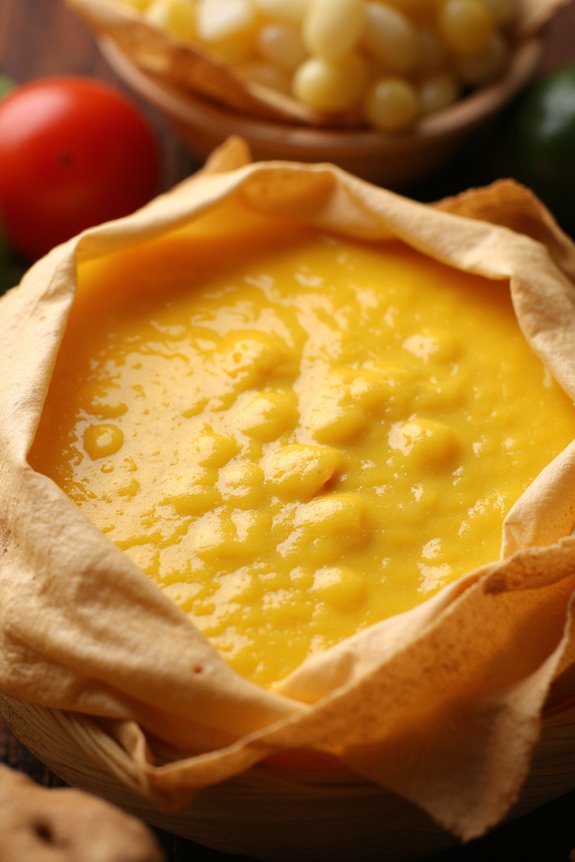
Pamonha is a traditional Brazilian dish made from corn, and it’s a staple in many South American countries. This delightful treat combines fresh corn, sugar, and a bit of salt, wrapped in corn husks and steamed to perfection. The result is a soft, creamy, and slightly sweet dish that can be enjoyed on its own or served as a side.
Pamonha is often made during corn harvest time and is a popular street food at festivals and fairs. It embodies the rustic charm of South American cuisine and is sure to impress anyone who tries it.
Making pamonha requires fresh corn, which is the star ingredient, giving it a unique flavor and texture. The process of preparing this dish may seem a bit labor-intensive, but the end result is worth every minute spent in the kitchen. The combination of sweet and savory flavors, along with the comforting texture, makes pamonha a must-try for anyone looking to explore South American culinary traditions.
Ingredients (Serves 4-6):
- 6 ears of fresh corn, husked
- 1 cup of milk
- 1/4 cup of sugar
- 1 teaspoon of salt
- 1/2 teaspoon of baking powder
- Corn husks (soaked in warm water for 30 minutes)
Cooking Instructions:
- Prepare the Corn: Begin by removing the husks from the corn. Cut the kernels off the cob using a sharp knife. Place the kernels in a blender or food processor, and blend until you have a smooth mixture. If you prefer a chunkier texture, pulse until you get the desired consistency, but make certain it’s still well-combined.
- Mix the Ingredients: In a large mixing bowl, combine the blended corn with the milk, sugar, salt, and baking powder. Stir the mixture well until all the ingredients are fully incorporated. You want a smooth and creamy consistency that will hold together when wrapped.
- Prepare the Corn Husks: Take the soaked corn husks and pat them dry with a towel. Lay one husk flat on a clean surface, and scoop about 1/4 cup of the corn mixture onto the center of the husk. Fold the sides over the mixture and then fold the bottom up to encase the filling securely. Repeat this process with the remaining husks and corn mixture.
- Steam the Pamonhas: Place the wrapped pamonhas upright in a large steamer pot or a deep pot with a steamer insert. Add water to the pot, making sure it doesn’t touch the pamonhas. Cover the pot and steam for about 40-50 minutes, or until the pamonhas are firm and set. Check occasionally to make sure there’s enough water in the pot.
- Serve: Once cooked, carefully remove the pamonhas from the steamer and allow them to cool slightly before unwrapping. Serve warm, and enjoy them as is or with a drizzle of honey or a sprinkle of cinnamon for added flavor.
Extra Tips:
When making pamonha, using the freshest corn available is crucial for the best flavor. If fresh corn isn’t available, you can substitute with frozen corn, but the texture may differ slightly.
Additionally, feel free to experiment with different flavorings, such as adding a bit of grated cheese for a savory version or using coconut milk for a tropical twist. Always make certain the corn husks are well-soaked to make them pliable and easy to wrap, and don’t rush the steaming process, as this is key to achieving the perfect pamonha texture.
Mote Pillo
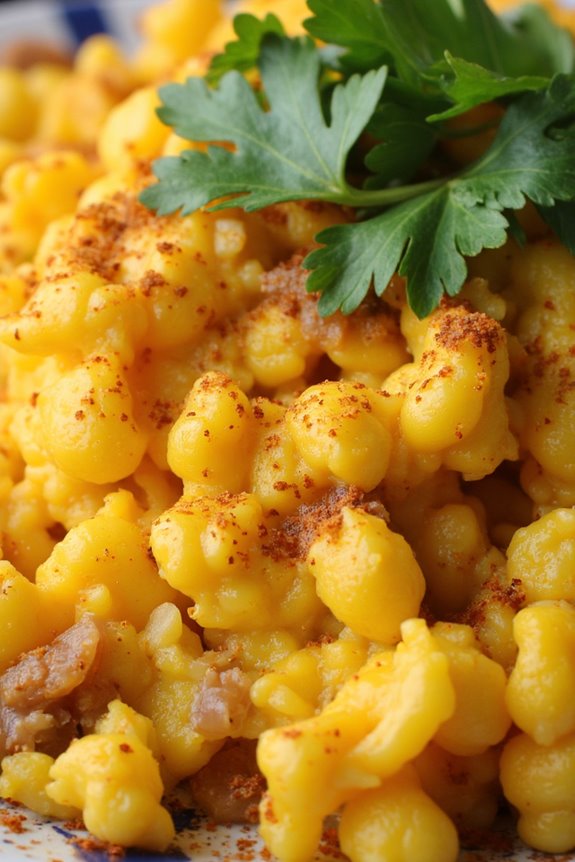
Mote Pillo is a traditional South American dish that showcases the versatility of corn, especially in countries like Ecuador and Colombia. This hearty and flavorful dish is made using mote, which are hominy or boiled corn kernels, and typically combined with a variety of ingredients such as eggs, onions, and spices to create a savory meal.
Mote Pillo is often enjoyed for breakfast or as a side dish, bringing a rustic charm to any table. The beauty of Mote Pillo lies in its simplicity and the capacity to customize it according to your taste preferences. With each bite, you’ll experience the delightful chewy texture of the mote, perfectly complemented by the richness of the eggs and the aromatic flavors of the onions and spices.
This dish isn’t only delicious but also a great way to introduce your family and friends to the vibrant culinary traditions of South America.
Ingredients (Serves 4-6):
- 2 cups mote (hominy or boiled corn kernels)
- 4 large eggs
- 1 medium onion, finely chopped
- 2 tablespoons vegetable oil
- 1/2 teaspoon cumin powder
- 1/2 teaspoon paprika
- Salt and pepper to taste
- Fresh cilantro, chopped (for garnish)
Cooking Instructions:
- Prepare the Mote: If you’re using dried mote, soak it overnight in water and then boil it according to package instructions until tender. If you’re using pre-cooked mote, simply rinse it under cold water and set aside.
- Sauté the Onions: In a large skillet, heat the vegetable oil over medium heat. Add the finely chopped onions and sauté until they’re translucent and fragrant, about 5-7 minutes. Stir occasionally to prevent burning.
- Season the Mixture: Once the onions are softened, add the cumin powder, paprika, salt, and pepper to the skillet. Mix well to coat the onions with the spices, cooking for another 1-2 minutes to enhance the flavors.
- Add the Mote: Gently stir in the prepared mote into the skillet with the onion mixture. Cook together for about 5 minutes, stirring frequently to ascertain the mote is heated through and well combined with the spices.
- Scramble the Eggs: In a separate bowl, whisk the eggs until well mixed. Push the mote mixture to one side of the skillet and pour the whisked eggs into the other side. Allow the eggs to cook for 1-2 minutes before gently scrambling them, then mix them into the mote until fully combined. Cook for another 2-3 minutes until the eggs are fully cooked.
- Serve: Remove the skillet from heat and garnish the Mote Pillo with freshly chopped cilantro. Serve hot as a main dish or as a hearty side.
Extra Tips:
When making Mote Pillo, feel free to customize the dish by adding in other ingredients such as diced bell peppers, cooked meats, or cheese to elevate the flavor.
Additionally, adjusting the spices according to your preference can make a significant difference in the dish’s taste. For a more colorful presentation, consider garnishing with avocado slices or serving alongside a fresh salsa. Enjoy your cooking adventure and the delightful flavors of South American cuisine!
Corn Empanadas

Corn empanadas are a delicious and versatile dish that showcases the rich flavors of South American cuisine. These savory pastries are made by filling a corn-based dough with a variety of ingredients, such as cheese, vegetables, or meats, and then baking or frying them to golden perfection.
Originating from various South American countries, empanadas are often enjoyed as snacks, appetizers, or even main courses, depending on the filling and serving style. They’re ideal for gatherings, offering a warm, comforting bite that everyone will love.
In this recipe, we’ll focus on making traditional corn empanadas with a flavorful cheese filling. The dough is made primarily from corn flour, giving it a unique texture and taste compared to traditional wheat-based empanadas. Pair these delicious empanadas with a tangy dipping sauce or fresh salsa, and they’ll be a hit at any meal or celebration.
Ingredients (Serves 4-6 people)
- 2 cups corn flour (masa harina)
- 1/2 cup warm water
- 1/4 cup unsalted butter, melted
- 1 teaspoon salt
- 1 cup shredded cheese (cheddar, mozzarella, or a mix)
- 1/4 cup finely chopped onions
- 1/4 cup diced bell peppers (optional)
- 1/2 teaspoon cumin (optional)
- Vegetable oil for frying (if frying)
Cooking Instructions
1. Prepare the Dough: In a large mixing bowl, combine the corn flour and salt. Gradually add the warm water and melted butter, mixing until a soft, pliable dough forms. If the dough is too dry, add a little more water, 1 tablespoon at a time, until the desired consistency is reached.
Cover the dough with a damp cloth and let it rest for about 15-20 minutes.
2. Make the Filling: In a separate bowl, mix the shredded cheese, chopped onions, diced bell peppers (if using), and cumin. Make certain all the ingredients are well combined. Set the filling aside while you prepare the empanadas.
3. Shape the Empanadas: After the dough has rested, divide it into small balls, about the size of a golf ball. On a floured surface, flatten each ball into a round disc, approximately 1/4 inch thick. Place about 1-2 tablespoons of the cheese filling in the center of each disc.
4. Seal the Empanadas: Carefully fold the dough over the filling to create a half-moon shape. Press the edges together to seal them tightly. You can use a fork to crimp the edges for a decorative touch and to make certain they’re well sealed.
5. Cook the Empanadas: You can either bake or fry the empanadas. To bake, preheat the oven to 375°F (190°C) and place the empanadas on a parchment-lined baking sheet. Brush the tops with a little melted butter or oil and bake for 20-25 minutes, or until golden brown.
To fry, heat vegetable oil in a deep pan over medium heat. Fry the empanadas in batches until they’re golden and crispy, about 3-4 minutes per side. Drain on paper towels.
6. Serve: Allow the empanadas to cool slightly before serving. Enjoy them warm with your choice of dipping sauce or salsa.
Extra Tips
When making corn empanadas, feel free to get creative with the fillings! You can incorporate cooked meats, beans, or even vegetables like spinach or mushrooms for added flavor and nutrition.
If you prefer a healthier option, consider baking instead of frying, as it requires less oil and results in a lighter dish. Additionally, make certain to seal the edges of the empanadas well to prevent the filling from leaking during cooking.
Enjoy your culinary journey through South America with these delightful treats!
