


When I think of South American street food, I picture bustling markets filled with vibrant colors and enticing aromas. Each dish, from flaky empanadas to tangy ceviche, has its own story to tell. You can almost hear the sizzle of arepas on the grill and taste the sweet crunch of churros. These recipes offer a glimpse into a world of flavors that celebrate culture and tradition. Let’s explore the must-try dishes that bring the lively streets right to your kitchen.
Empanadas
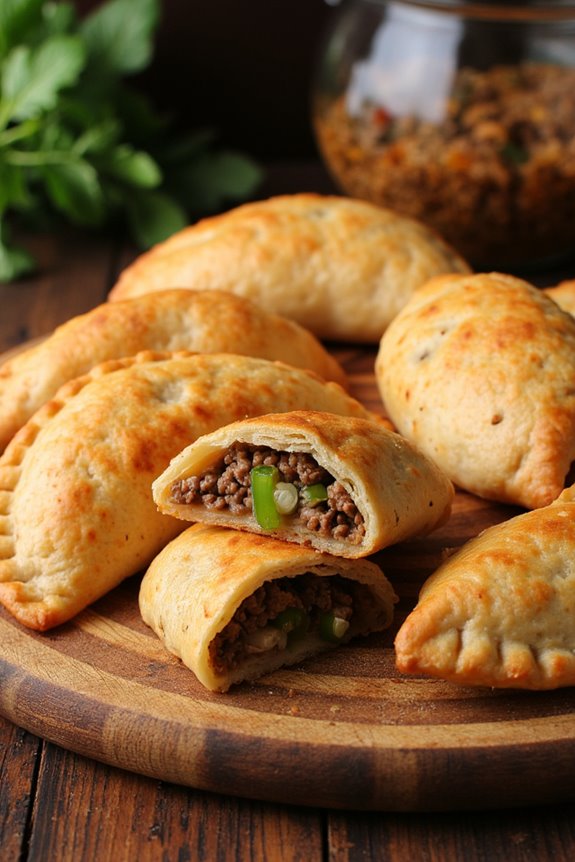
Empanadas are a beloved street food across South America, known for their flaky crust and savory fillings. Originating from Spain, these delicious pastries have been embraced and adapted by various Latin American countries, each adding their unique twist to the recipe.
Whether stuffed with beef, chicken, cheese, or vegetables, empanadas are perfect for any occasion, making them a popular snack or meal option. They can be baked or fried, allowing for a variety of textures and flavors that are certain to please everyone’s palate.
Making empanadas at home is a rewarding experience that allows you to customize the filling according to your preferences. While preparing the dough and filling requires some time and effort, the end result is well worth it.
You’ll get to enjoy the aroma of freshly baked or fried pastry wafting through your kitchen, and the satisfaction of serving a traditional dish that can be shared with family and friends. This recipe will guide you through creating empanadas that serve 4-6 people, perfect for a gathering or a cozy family dinner.
Ingredients
- For the dough:
- 3 cups all-purpose flour
- 1 teaspoon salt
- 1/2 cup unsalted butter, chilled and cubed
- 1 large egg
- 1/4 cup cold water
- For the filling:
- 1 pound ground beef (or chicken)
- 1 small onion, finely chopped
- 1/2 cup green bell pepper, finely chopped
- 1/2 teaspoon cumin
- 1/2 teaspoon paprika
- Salt and pepper to taste
- 1/4 cup olives, chopped (optional)
- 1/4 cup hard-boiled eggs, chopped (optional)
- For frying:
- Oil for frying (if frying)
Cooking Instructions
1. Prepare the dough: In a large mixing bowl, combine the flour and salt. Add the cubed butter and mix with your fingers or a pastry cutter until the mixture resembles coarse crumbs.
In a separate bowl, whisk together the egg and cold water. Pour the egg mixture into the flour mixture and stir until the dough begins to come together. Knead gently on a floured surface until smooth, then wrap in plastic wrap and refrigerate for at least 30 minutes.
2. Cook the filling: In a large skillet over medium heat, add the ground beef (or chicken) and cook until browned. Drain excess fat if necessary.
Add the chopped onion and green bell pepper to the skillet and sauté until softened, about 5 minutes. Stir in the cumin, paprika, salt, pepper, olives, and hard-boiled eggs (if using). Cook for an additional 2-3 minutes, then remove from heat and let cool.
3. Roll out the dough: Once the dough has chilled, divide it into two portions. On a floured surface, roll out one portion of the dough to about 1/8 inch thick. Use a round cutter or a glass to cut out circles of dough, approximately 4-5 inches in diameter.
4. Fill the empanadas: Place a tablespoon of the filling in the center of each dough circle. Be careful not to overfill. Fold the dough over to create a half-moon shape, and press the edges together to seal.
Use a fork to crimp the edges for a decorative touch and ascertain they’re well sealed.
5. Cook the empanadas: If baking, preheat your oven to 375°F (190°C) and place the empanadas on a baking sheet lined with parchment paper. Brush the tops with an egg wash (a beaten egg with a splash of water) and bake for 20-25 minutes or until golden brown.
If frying, heat oil in a deep skillet over medium-high heat. Fry the empanadas in batches until golden brown, about 3-4 minutes per side. Drain on paper towels.
6. Serve: Allow the empanadas to cool slightly before serving. Enjoy them warm, with your favorite dipping sauce or salsa.
Extra Tips
When making empanadas, feel free to experiment with different fillings to suit your taste. Vegetarian options can include cheese, spinach, or mushrooms, while adding spices can enhance the flavor profile.
If you want to make ahead, you can prepare the empanadas and freeze them unbaked. When ready to cook, simply bake or fry them straight from the freezer, adding a few extra minutes to the cooking time. Enjoy your homemade empanadas fresh and hot for the best experience!
Ceviche
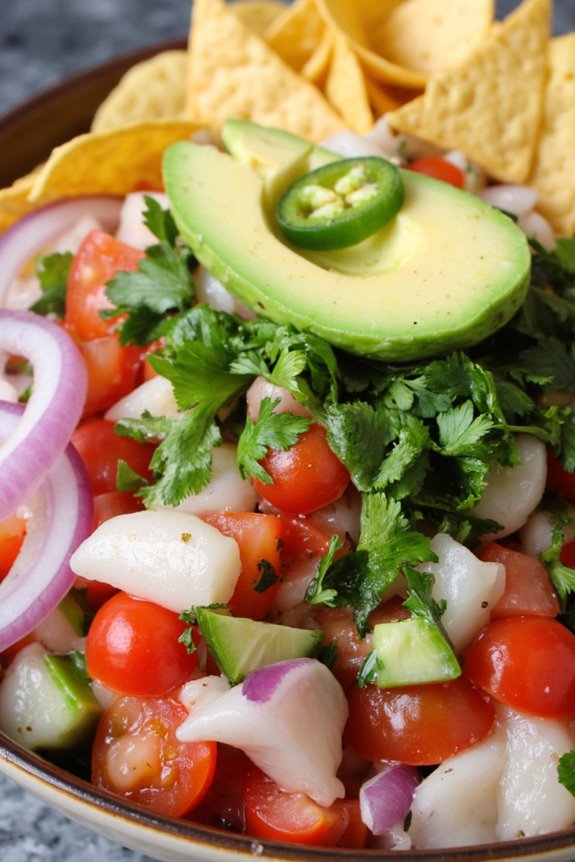
Ceviche is a vibrant and invigorating dish that has become a staple of South American street food, particularly in countries like Peru and Ecuador. This dish typically features fresh, raw fish marinated in citrus juices, primarily lime, which “cooks” the fish through acid denaturation. The combination of fresh ingredients, including herbs, vegetables, and spices, brings out a symphony of flavors that tantalizes the taste buds and offers a delightful culinary experience.
The beauty of ceviche lies in its versatility; you can use various types of fish or seafood, depending on what’s available and your personal preference. Traditionally, it’s served cold, making it not only a delicious appetizer or main dish but also a perfect option for warm weather gatherings. With its bright colors and bold flavors, ceviche is sure to be a hit at any table.
Ingredients (serving size: 4-6 people)
- 1 pound of white fish fillets (such as tilapia, snapper, or halibut)
- 1 cup of freshly squeezed lime juice (about 8-10 limes)
- 1 small red onion, thinly sliced
- 1 cup of diced tomatoes
- 1 cup of diced cucumber
- 1/2 cup of chopped fresh cilantro
- 1-2 small jalapeño peppers, seeded and finely chopped (optional)
- Salt and pepper to taste
- 1 avocado, diced (for garnish)
- Tortilla chips or plantain chips (for serving)
Cooking Instructions
- Prepare the Fish: Start by filleting the fish if necessary. Remove any skin and bones, then cut the fish into small, bite-sized cubes. It’s important to use the freshest fish possible to guarantee safety and enhance flavor.
- Marinate the Fish: Place the fish cubes in a glass or ceramic bowl (avoid metal, which can react with the lime juice). Pour the freshly squeezed lime juice over the fish, making sure all pieces are submerged. Cover the bowl with plastic wrap and refrigerate for about 30-40 minutes or until the fish appears opaque and firm, indicating that it has “cooked” in the acidity.
- Prepare the Vegetables: While the fish is marinating, slice the red onion, dice the tomatoes and cucumber, and chop the cilantro and jalapeño (if using). This step adds freshness and crunch to the ceviche.
- Combine Ingredients: Once the fish is ready, remove it from the refrigerator and drain off some of the lime juice if you prefer a less acidic dish. Gently fold in the sliced onions, diced tomatoes, cucumbers, cilantro, and jalapeños. Season with salt and pepper to taste.
- Serve: To serve, spoon the ceviche into individual bowls or a large serving dish. Top with diced avocado for creaminess and garnish with additional cilantro if desired. Serve with tortilla chips or plantain chips on the side for a delightful crunchy contrast.
Extra Tips
When making ceviche, it’s vital to use the freshest fish you can find, as the dish relies heavily on the quality of its main ingredient. If you’re unsure about the freshness, ask your fishmonger for advice.
Additionally, you can customize the flavor by adding ingredients such as mango, corn, or additional herbs. Always taste as you go to achieve the perfect balance of acidity and seasoning.
If you’re serving ceviche at a gathering, prepare it shortly before serving for the best texture and flavor. Enjoy!
Arepas
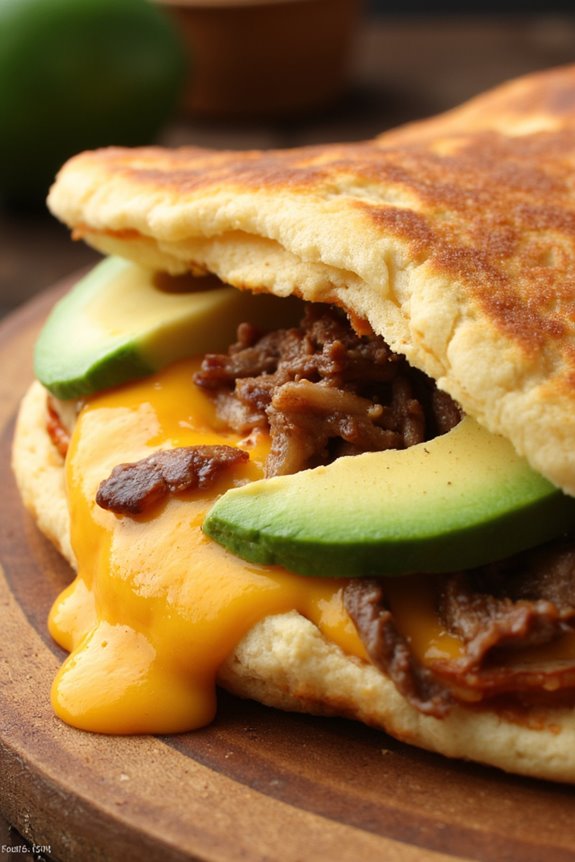
Arepas are a beloved staple in South American cuisine, particularly in Venezuela and Colombia. These versatile cornmeal cakes are made with masa harina, water, and salt, and can be grilled, baked, or fried to achieve a delightful texture. Arepas can be enjoyed at any time of the day and are often filled or topped with a variety of ingredients, making them a perfect canvas for your culinary creativity.
Whether you prefer them stuffed with cheese, meats, or fresh vegetables, arepas are a comforting and satisfying dish that will surely impress your family and friends.
To make arepas, you’ll need just a few simple ingredients and some basic cooking techniques. The dough is quick to prepare, and with a little practice, you’ll become an expert at shaping and cooking these delicious treats. Once cooked, the arepas can be sliced open and filled with your favorite fillings or served alongside various toppings. Enjoy this traditional street food recipe that brings the taste of South America right to your kitchen!
Ingredients (Serves 4-6)
- 2 cups masa harina
- 2 ½ cups warm water
- 1 teaspoon salt
- 1 tablespoon vegetable oil (for frying or grilling)
- Optional fillings (cheese, avocado, shredded beef, chicken, etc.)
Cooking Instructions
1. Prepare the Dough: In a large mixing bowl, combine the masa harina and salt. Slowly add the warm water, stirring with your hands or a spoon until the mixture begins to form a dough.
Continue mixing until the dough is smooth and pliable, ensuring there are no dry spots. If the dough feels too dry, add a little more water, one tablespoon at a time.
2. Shape the Arepas: Once the dough is ready, divide it into 6-8 equal portions (depending on your desired size). Roll each portion into a ball, then flatten it gently between your palms to form a disc about ½ inch thick.
Make sure the edges are smooth to prevent cracking during cooking.
3. Cook the Arepas: There are several methods to cook arepas. For frying, heat a tablespoon of vegetable oil in a skillet over medium heat. Once hot, place the arepas in the skillet and cook for about 5-7 minutes on each side, or until golden brown and crispy.
For baking, preheat the oven to 375°F (190°C) and place the arepas directly on the oven rack or a baking sheet. Bake for about 20-25 minutes, flipping halfway through, until lightly browned.
4. Add Fillings: Once cooked, remove the arepas from the heat and let them cool slightly. Using a sharp knife, carefully slice each arepa open, creating a pocket for your fillings.
Fill with your choice of ingredients, such as cheese, pulled meat, avocado, or beans. Serve warm and enjoy!
Extra Tips
For the best flavor and texture, consider letting the dough rest for about 10-15 minutes after mixing. This allows the masa harina to fully hydrate and results in a more tender arepa.
Experiment with different fillings and toppings to find your favorites; traditional choices include shredded cheese, black beans, or even a spicy avocado salsa. Arepas are incredibly versatile, so don’t hesitate to get creative!
Churros
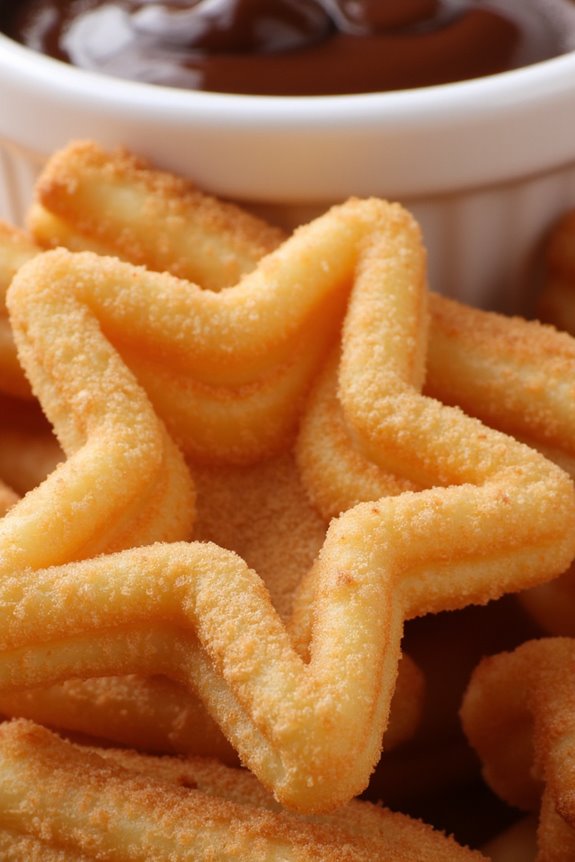
Churros are a beloved street food treat that originated in Spain but have found a special place in South American cuisine. These crispy, fried dough pastries are typically dusted with sugar and served with a rich chocolate dipping sauce, making them a delightful dessert or snack. The dough is simple yet satisfying, and the process of frying them creates a wonderfully crunchy exterior while keeping the inside soft and airy.
Making churros at home is an enjoyable experience that brings the vibrant street food culture directly to your kitchen. The key to perfect churros lies in the dough preparation and frying technique. With the right balance of ingredients and a little patience, you can create a batch that rivals any street vendor’s offering. Whether enjoyed on their own or paired with a sweet chocolate sauce, churros are sure to be a hit with family and friends.
Ingredients (serving size: 4-6 people)
- 1 cup water
- 2 tablespoons granulated sugar
- 1/2 teaspoon salt
- 1/4 cup vegetable oil (plus more for frying)
- 1 cup all-purpose flour
- 2 large eggs
- 1 teaspoon vanilla extract
- 1 cup granulated sugar (for coating)
- 1 teaspoon ground cinnamon (for coating)
Cooking Instructions
- Prepare the Dough: In a medium saucepan, combine the water, 2 tablespoons of sugar, salt, and 1/4 cup of vegetable oil. Heat the mixture over medium heat until it comes to a boil. Once boiling, remove it from the heat and stir in the flour until a smooth dough forms. Allow the dough to cool for about 10 minutes.
- Incorporate Eggs and Flavor: After the dough has cooled slightly, add the eggs one at a time, mixing well after each addition until fully incorporated. Stir in the vanilla extract. The dough should be thick and smooth, ready for piping.
- Heat the Oil: In a deep skillet or frying pan, pour enough vegetable oil to cover the bottom by about 2 inches. Heat the oil over medium-high heat until it reaches 350°F (175°C). To test if the oil is ready, drop a small piece of dough into the oil; it should sizzle and rise to the surface.
- Pipe the Churros: Prepare a piping bag fitted with a large star tip. Fill the bag with the churro dough. Once the oil is hot, carefully pipe strips of dough directly into the oil, cutting them to your desired length with scissors. Fry the churros in batches, being careful not to overcrowd the pan.
- Fry Until Golden: Fry the churros for about 2-3 minutes on each side or until they’re golden brown and crispy. Use a slotted spoon to transfer the churros to a paper towel-lined plate to drain excess oil.
- Coat in Sugar: In a shallow dish, mix together 1 cup of granulated sugar and 1 teaspoon of ground cinnamon. While the churros are still warm, roll them in the cinnamon-sugar mixture until fully coated.
- Serve: Serve the churros warm with a side of melted chocolate or your favorite dipping sauce. Enjoy!
Extra Tips
For the best results, make sure that your oil is at the correct temperature before frying the churros; too hot can lead to burnt exteriors while leaving the insides uncooked, and too cool can result in greasy churros.
Additionally, for added flavor, you can experiment with the coating by incorporating cocoa powder or using a flavored sugar mix. If you don’t have a piping bag, a resealable plastic bag with the corner cut off can work just as well. Enjoy your homemade churros!
Pupusas
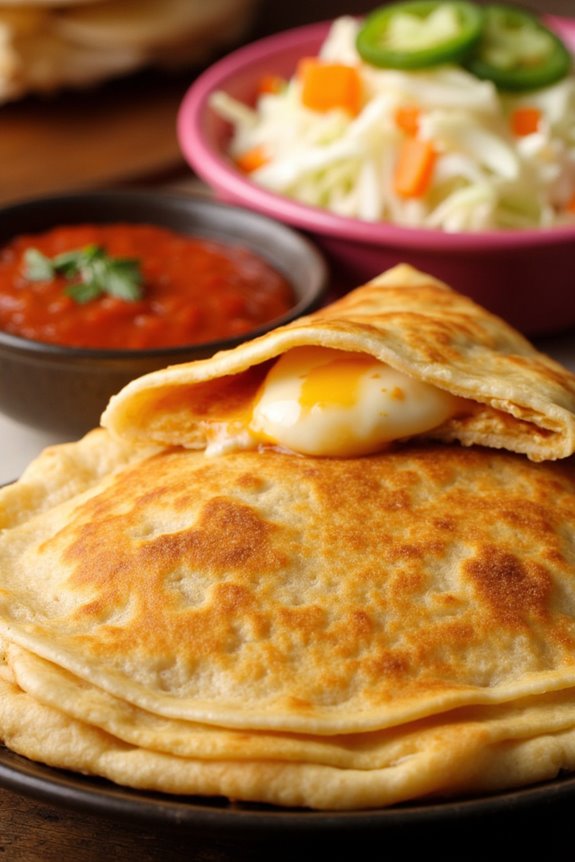
Pupusas are a traditional Salvadoran dish that has gained popularity throughout Central America and beyond. These thick corn tortillas are typically filled with a variety of ingredients, including cheese, beans, and meats, creating a delicious and satisfying meal. The beauty of pupusas lies not only in their taste but also in their versatility; you can customize them according to your preferences or what you have available in your pantry.
Served with a side of curtido (a pickled cabbage slaw) and salsa roja, pupusas are perfect for any occasion, from casual gatherings to festive celebrations.
Making pupusas at home is a delightful experience that brings the flavors of South America right to your kitchen. While the process may seem intimidating at first, it’s quite simple and can be done in just a few steps. With a bit of practice, you’ll be able to whip up these delicious treats in no time. Gather your ingredients and get ready to impress your family and friends with your culinary skills!
Ingredients (Serves 4-6)
- 2 cups masa harina (corn flour)
- 1 ½ cups warm water
- 1 cup grated cheese (such as mozzarella or queso fresco)
- 1 cup refried beans (canned or homemade)
- 1 teaspoon salt
- Oil for cooking (optional)
- Curtido (pickled cabbage slaw) for serving
- Salsa roja (red sauce) for serving
Cooking Instructions
- Prepare the Dough: In a mixing bowl, combine the masa harina and salt. Gradually add warm water while mixing with your hands until a smooth and pliable dough forms. If the dough feels too dry, add a little more water; if it feels too sticky, sprinkle in a bit more masa harina.
- Divide the Dough: Once the dough is ready, divide it into 8-10 equal portions, rolling each portion into a ball. This will make it easier to shape the pupusas later on.
- Flatten the Dough: Take one dough ball and flatten it into a disc about ½ inch thick using your hands or a tortilla press. Make sure the edges are smooth and even to prevent any filling from leaking out.
- Add the Filling: Place a spoonful of refried beans and a generous amount of grated cheese in the center of the flattened dough. Be careful not to overfill, as this can make it difficult to seal the pupusa.
- Seal the Pupusa: Gently fold the edges of the dough over the filling to enclose it, pinching the edges together to seal. Flatten the filled dough ball slightly to form a thicker disc again.
- Cook the Pupusas: Heat a skillet or griddle over medium heat. If desired, lightly grease the surface with oil. Cook each pupusa for about 3-4 minutes on each side or until golden brown and slightly crispy. You can also press down gently with a spatula while cooking for even browning.
- Serve: Once cooked, remove the pupusas from the skillet and keep them warm. Serve hot with curtido and salsa roja on the side.
Extra Tips
When making pupusas, don’t be afraid to experiment with fillings! You can mix and match ingredients such as cooked meats, vegetables, or different types of cheese to create unique flavors.
Additionally, for a more authentic taste, consider using freshly ground masa instead of masa harina, if available. Finally, remember that the thickness of the pupusas can affect cooking time; make them uniform in thickness for even cooking. Enjoy your pupusas hot and fresh for the best flavor!
Asado
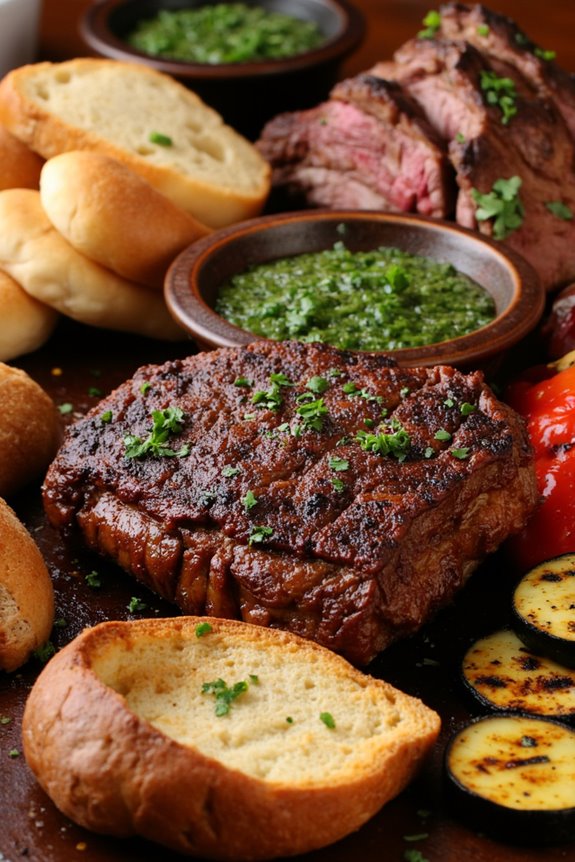
Asado is a traditional South American barbecue, especially popular in Argentina and Uruguay, where it’s much more than just a meal; it’s a social event that brings family and friends together. The preparation usually involves a variety of meats, cooked slowly over an open flame or charcoal, allowing the flavors to develop beautifully. The process can be simple or elaborate, but the key ingredients remain the same: high-quality cuts of meat, a good fire, and sometimes a variety of sauces and sides to complement the dish.
For an authentic asado experience, it’s essential to use different cuts of beef, pork, lamb, and sometimes chicken. Each type of meat brings its unique flavor, and cooking them together enhances the overall taste. Traditional accompaniments include chimichurri sauce, fresh bread, salad, and sometimes grilled vegetables. Gathering around the grill, sharing stories, and enjoying the flavors of asado is a cherished tradition that embodies the spirit of South American culture.
Ingredients (serving size: 4-6 people)
- 2 lbs (900 g) beef short ribs
- 2 lbs (900 g) flank steak
- 1 lb (450 g) pork sausage
- 1 lb (450 g) lamb chops
- 1 cup chimichurri sauce (store-bought or homemade)
- Salt to taste
- Freshly ground black pepper to taste
- 4-6 pieces of crusty bread (for serving)
- Optional: assorted vegetables for grilling (bell peppers, zucchini, eggplant)
Cooking Instructions
- Prepare the Grill: Start by preparing your grill for cooking. If using charcoal, light the charcoal and let it burn until covered with gray ash. If using a gas grill, preheat it to medium-high heat. The goal is to have a steady, even heat to cook the meat thoroughly without burning it.
- Season the Meat: Generously rub the beef short ribs, flank steak, pork sausage, and lamb chops with salt and freshly ground black pepper. The seasoning is essential, as it enhances the natural flavors of the meats. Allow the seasoned meat to sit at room temperature for about 30 minutes before grilling.
- Grill the Meat: Place the beef short ribs and flank steak on the grill first, as they’ll take longer to cook. Grill them for about 5-7 minutes on each side for medium-rare, depending on the thickness. Use a meat thermometer if necessary; the internal temperature should reach 130°F (54°C) for medium-rare.
- Add the Sausage and Lamb: After the beef has cooked for about 10-15 minutes, add the pork sausage and lamb chops to the grill. Cook the sausage for about 10 minutes, turning occasionally, and grill the lamb chops for about 4-5 minutes on each side for medium-rare.
- Rest the Meat: Once all the meats are cooked to your desired doneness, remove them from the grill and let them rest for about 10 minutes. This allows the juices to redistribute throughout the meat, making it more flavorful and tender.
- Serve: Slice the beef and lamb into portions, and arrange everything on a large platter. Serve with chimichurri sauce on the side for dipping, along with crusty bread and any grilled vegetables you may have prepared.
Extra Tips
When grilling asado, maintaining the right temperature is critical, so keep an eye on the fire and adjust as needed. If you’re using a charcoal grill, you can create zones by placing more coals on one side for high heat and fewer on the other for lower heat, allowing you to move the meat around based on how quickly it cooks.
Additionally, feel free to experiment with different cuts of meat and seasonings to make the dish your own. Remember, the essence of asado isn’t just in the food, but in the camaraderie and joy of sharing it with those you love.
Saltenas
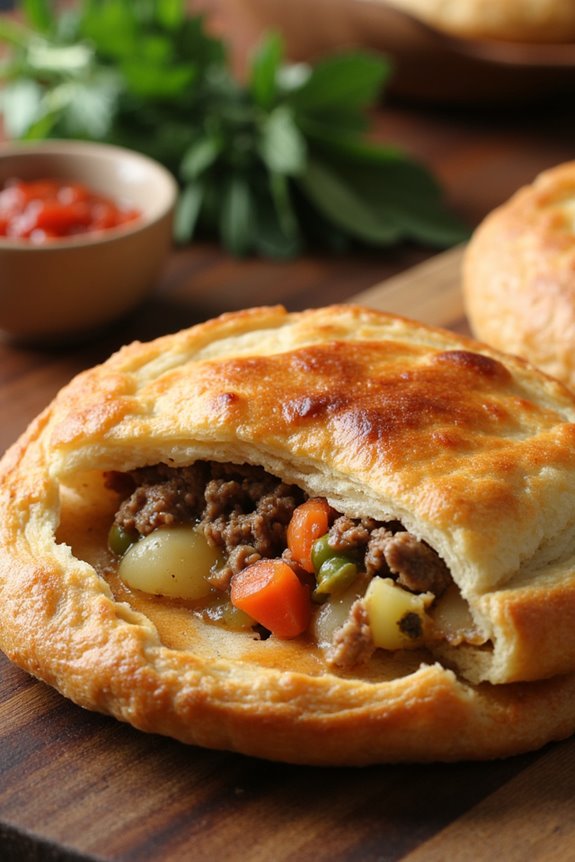
Salteñas are a beloved Bolivian street food that combines the essence of savory fillings with a slightly sweet, flaky pastry. These hand-held pastries are often enjoyed as a snack or light meal, typically filled with a mixture of meats, spices, and vegetables, all encased in a delicious dough. While they’re similar to empanadas, salteñas stand out due to their unique juiciness, often served with a rich gravy-like filling that makes them a delightful treat.
Originating from the city of La Paz, salteñas are a staple at local markets and street vendors, where the aroma of freshly baked pastries fills the air. Making your own salteñas at home can be a rewarding experience, allowing you to customize the filling to your liking. The key to achieving the perfect salteña lies in the dough, which requires a balance of texture and flavor to complement the delicious filling. Although the process may take some time, the end result is well worth it.
Ingredients (Serves 4-6 People)
- 4 cups all-purpose flour
- 1 cup unsalted butter, melted
- 1/2 cup sugar
- 1 teaspoon salt
- 1/2 cup cold water
- 1/2 cup beef broth
- 1 pound ground beef or chicken
- 1 cup diced potatoes
- 1/2 cup peas (fresh or frozen)
- 1/2 cup diced carrots
- 1 onion, finely chopped
- 2 cloves garlic, minced
- 1 teaspoon cumin
- 1 teaspoon paprika
- 1/2 teaspoon black pepper
- 1/4 teaspoon cayenne pepper (optional)
- 1 tablespoon vegetable oil
- 1 egg, beaten (for egg wash)
Cooking Instructions
- Prepare the Dough: In a large mixing bowl, combine the flour, sugar, and salt. Gradually add the melted butter and mix until crumbly. Slowly add the cold water and beef broth while kneading the dough until it’s smooth and elastic. Cover the dough with plastic wrap and let it rest for at least 30 minutes.
- Cook the Filling: In a large skillet, heat the vegetable oil over medium heat. Add the chopped onion and garlic, sautéing until the onion is translucent. Incorporate the ground meat and cook until browned. Then, add the diced potatoes, peas, and carrots, stirring to combine. Season with cumin, paprika, black pepper, and cayenne pepper, if using. Add a splash of water if the mixture appears dry, cover, and cook for about 10 minutes until the vegetables are tender. Set aside to cool.
- Assemble the Salteñas: Preheat your oven to 375°F (190°C). Divide the dough into equal pieces (about the size of a golf ball). Roll each piece into a circle about ¼ inch thick. Place a spoonful of the filling in the center of each circle. Carefully fold the dough over the filling to create a half-moon shape, sealing the edges by crimping with a fork or pinching with your fingers.
- Bake the Salteñas: Place the assembled salteñas on a baking sheet lined with parchment paper. Brush the tops with the beaten egg to give them a golden color. Bake in the preheated oven for 25-30 minutes, or until they’re golden brown and flaky.
- Serve and Enjoy: Remove the salteñas from the oven and let them cool slightly before serving. Enjoy them warm, ideally with a side of spicy salsa or a fresh salad.
Extra Tips
When making salteñas, it’s important to make certain the filling isn’t too wet, as this can cause the dough to become soggy. You can achieve the signature juiciness of salteñas by using a mix of meat juices and broth, but be mindful of the consistency.
Additionally, feel free to experiment with different fillings such as pork, vegetables, or cheese to suit your taste. To keep the dough moist while working, cover the pieces you’re not currently using with a damp cloth.
Picarones
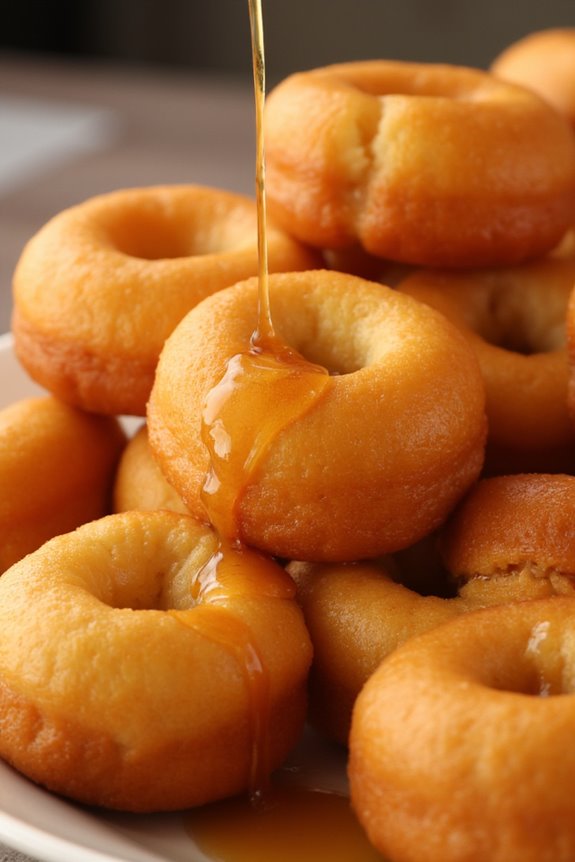
Picarones are a beloved street food originating from Peru, characterized by their sweet, doughnut-like structure made from a mixture of sweet potatoes and squash. These deep-fried treats are often drizzled with a luscious syrup made from chancaca, a raw cane sugar that gives them a unique flavor.
Traditionally enjoyed during celebrations and festivals, picarones have earned their place as a delightful snack any time of the year. The preparation of picarones is relatively straightforward, combining simple ingredients to create a dish that’s both comforting and indulgent.
The dough is light and airy, thanks to the yeast, while the addition of sweet potatoes and squash adds a subtle sweetness that pairs perfectly with the syrup. Making picarones at home allows you to enjoy this popular South American street food in the comfort of your own kitchen.
Ingredients (Serves 4-6):
- 1 cup sweet potato, cooked and mashed
- 1 cup pumpkin or squash, cooked and mashed
- 2 cups all-purpose flour
- 1 teaspoon dry yeast
- 1/4 cup sugar
- 1/2 teaspoon salt
- 1 teaspoon cinnamon
- 1/4 teaspoon ground nutmeg
- 1/2 cup warm water
- Oil for frying
For the syrup:
- 1 cup chancaca or brown sugar
- 1/2 cup water
- 1 cinnamon stick
- 2-3 cloves
- Zest of 1 orange
Cooking Instructions:
- Prepare the yeast mixture: In a small bowl, combine the warm water with the dry yeast and sugar. Let it sit for about 10 minutes, or until it becomes frothy. This step activates the yeast, which is vital for the dough to rise.
- Mix the dough: In a large mixing bowl, combine the mashed sweet potato, mashed pumpkin, flour, salt, cinnamon, and nutmeg. Pour in the activated yeast mixture and mix until all ingredients are well combined. The dough should be soft and slightly sticky.
- Let the dough rise: Cover the mixing bowl with a damp cloth and let the dough rise in a warm place for about 1 hour, or until it has doubled in size. This step is significant as it creates the light and airy texture of the picarones.
- Prepare the syrup: While the dough is rising, make the syrup by combining the chancaca (or brown sugar), water, cinnamon stick, cloves, and orange zest in a saucepan. Bring to a boil, then reduce the heat and let it simmer for about 10-15 minutes until it thickens slightly. Remove from heat and strain to remove the spices.
- Fry the picarones: Heat oil in a deep frying pan over medium heat. Once the oil is hot, use a spoon or your hands to shape the dough into rings or donuts. Carefully drop them into the hot oil, frying until they’re golden brown on both sides (about 2-3 minutes per side). Remove them with a slotted spoon and place them on paper towels to drain excess oil.
- Serve: Arrange the hot picarones on a plate and drizzle with the prepared syrup. Serve warm and enjoy the delightful combination of flavors!
Extra Tips:
For the best results, make sure your oil is at the right temperature before frying the picarones; too hot can burn them, while too cool can make them greasy.
If you want to experiment with flavors, consider adding a touch of vanilla extract to the dough or trying different spices in the syrup. For a crispier exterior, let the fried picarones rest for a few minutes before serving. Enjoy your homemade picarones as a perfect snack or dessert!
Pastel De Choclo
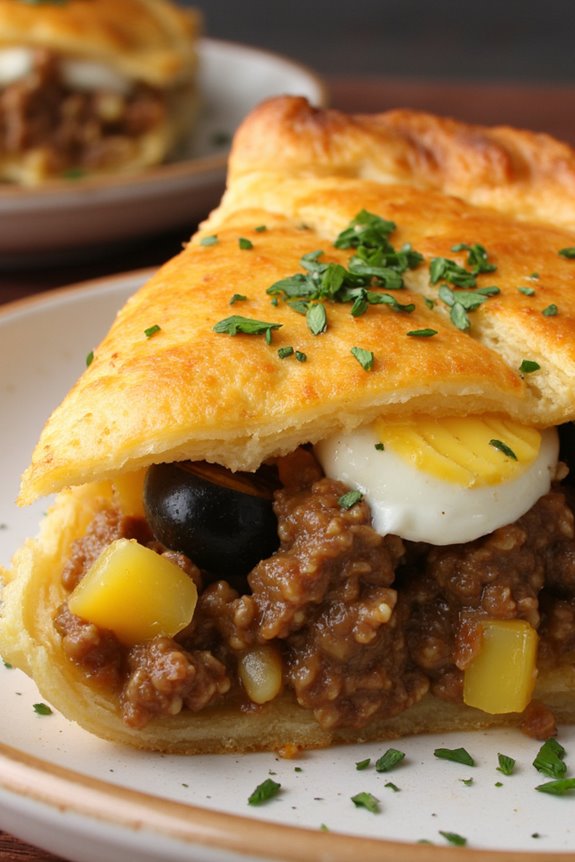
Pastel de Choclo is a traditional South American dish, particularly popular in Chile and Argentina. This hearty corn pie combines a delicious filling of seasoned meat, onions, hard-boiled eggs, olives, and spices, all topped with a sweet corn mixture. The dish is a delightful blend of flavors and textures, serving as a comforting meal for family gatherings or a cozy dinner at home. The vibrant flavors of the corn topping contrast beautifully with the savory filling, making it a beloved favorite among locals and visitors alike.
The origins of Pastel de Choclo date back to the indigenous peoples of the region, who first cultivated corn. Over the years, the dish has evolved, incorporating various ingredients and cooking techniques influenced by Spanish colonization and European culinary traditions. With its rich history and mouthwatering taste, Pastel de Choclo isn’t just a meal; it’s a celebration of South American culture and cuisine.
Ingredients (Serves 4-6):
- 2 cups of corn kernels (fresh or frozen)
- 1 cup of milk
- 1 tablespoon of butter
- 1 pound of ground beef (or a mix of ground beef and pork)
- 1 medium onion, finely chopped
- 2 cloves of garlic, minced
- 1 teaspoon of paprika
- 1 teaspoon of cumin
- Salt and pepper, to taste
- 2 hard-boiled eggs, chopped
- 1/2 cup of black olives, sliced
- 1/4 cup of fresh basil or parsley, chopped
- 1 tablespoon of sugar (optional, for sweetness)
Cooking Instructions:
- Prepare the Corn Mixture: In a blender or food processor, combine the corn kernels, milk, and butter. Blend until you achieve a smooth consistency. This mixture will form the sweet topping of your pastel. Set it aside.
- Cook the Meat Filling: In a large skillet over medium heat, add a splash of oil and sauté the chopped onion until it becomes translucent, about 5 minutes. Add the minced garlic and cook for another minute until fragrant. Then, add the ground beef (or beef and pork mixture), breaking it apart with a spatula. Cook until browned, approximately 7-10 minutes.
- Season the Filling: Once the meat is browned, stir in the paprika, cumin, salt, and pepper. Mix well and let it simmer for about 5 minutes to allow the flavors to meld together. Remove from heat and stir in the chopped hard-boiled eggs, olives, and fresh herbs.
- Assemble the Pastel: Preheat your oven to 350°F (175°C). In a greased baking dish, spread the meat filling evenly at the bottom. Pour the corn mixture over the meat layer, spreading it out with a spatula to cover the filling completely. If desired, sprinkle a tablespoon of sugar over the top for added sweetness.
- Bake the Pastel: Place the baking dish in the preheated oven and bake for about 30-40 minutes, or until the corn topping is golden brown and slightly crispy. Keep an eye on it to prevent burning.
- Serve: Once baked, remove the pastel from the oven and let it cool for a few minutes. Cut into squares or wedges and serve warm. Enjoy your delicious Pastel de Choclo with a fresh salad or side of your choice!
Extra Tips:
For a twist on the traditional recipe, you can add ingredients like cooked chicken, cornmeal, or even cheese to the filling for extra richness. Additionally, feel free to adjust the spices according to your taste preferences; some people enjoy adding a bit of red pepper flakes for a kick.
If you’re short on time, you can use canned corn and pre-cooked meats to speed up the process. Remember that letting the pastel sit for a few minutes after baking will help it set better, making it easier to cut and serve!
Tacos Al Pastor
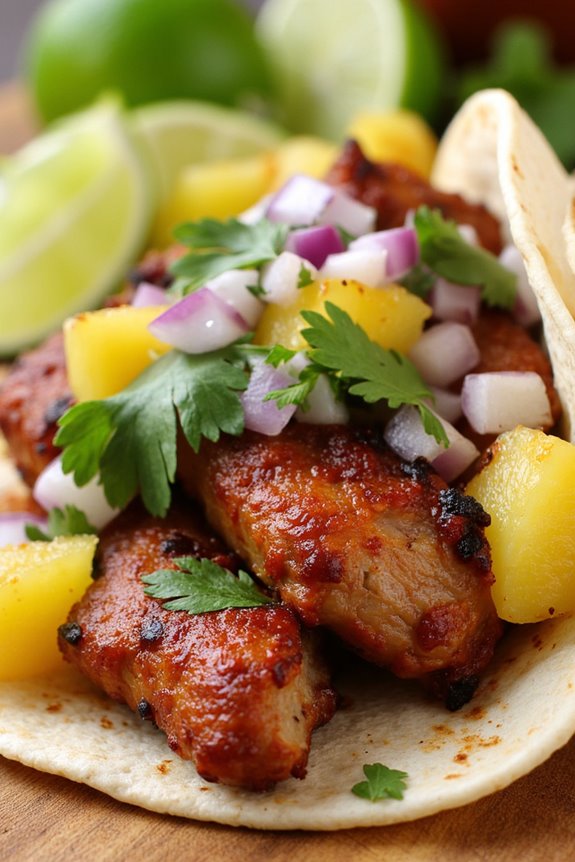
Tacos Al Pastor is a beloved street food originating from Mexico, characterized by its succulent marinated pork, pineapple, and fresh toppings all wrapped in soft corn tortillas. The name “Al Pastor” translates to “in the style of the shepherd,” which reflects the dish’s roots in Lebanese shawarma, brought to Mexico by immigrants.
The pork is marinated in a blend of spices and chilies, then slow-cooked on a vertical spit, allowing the flavors to meld beautifully while creating a delightful caramelization on the outside.
Traditionally served with fresh cilantro, onions, and a squeeze of lime, Tacos Al Pastor is perfect for gatherings or casual weeknight dinners. The combination of savory, sweet, and tangy flavors creates a fiesta of taste in every bite. Whether you’re cooking for family or friends, these tacos offer a vibrant and satisfying meal that embodies the spirit of South American street food.
Ingredients (Serves 4-6)
- 2 lbs pork shoulder, thinly sliced
- 1 cup pineapple, diced
- 1/2 cup onion, finely chopped
- 1/2 cup cilantro, chopped
- 12 corn tortillas
- 3 cloves garlic, minced
- 2 tablespoons adobo sauce (from chipotle peppers)
- 2 tablespoons vinegar (white or apple cider)
- 1 tablespoon ground cumin
- 1 tablespoon dried oregano
- 1 teaspoon chili powder
- 1 teaspoon smoked paprika
- 1 tablespoon salt
- 1 tablespoon black pepper
- Lime wedges, for serving
- Additional pineapple for garnish, if desired
Cooking Instructions
- Prepare the Marinade: In a large mixing bowl, combine the minced garlic, adobo sauce, vinegar, ground cumin, dried oregano, chili powder, smoked paprika, salt, and black pepper. Mix well until all the ingredients are thoroughly combined. This marinade will infuse the pork with robust flavors.
- Marinate the Pork: Add the sliced pork shoulder into the bowl with the marinade, ensuring each piece is evenly coated. Cover the bowl with plastic wrap or transfer the pork into a resealable bag. Refrigerate for at least 2 hours, ideally overnight, to allow the flavors to penetrate the meat.
- Cook the Pork: Preheat your grill or a griddle pan over medium-high heat. Once hot, place the marinated pork slices onto the grill and cook for about 4-5 minutes on each side or until fully cooked and slightly charred. If using a vertical spit (trompo), layer the pork with the diced pineapple and cook until the edges are crispy.
- Prepare the Tortillas: While the pork is cooking, warm the corn tortillas on a separate skillet or directly on the grill for about 30 seconds on each side. This will make them pliable and enhance their flavor.
- Assemble the Tacos: Once the pork is cooked, remove it from the grill and let it rest for a few minutes. Then, chop the pork into small pieces. To assemble, take a warm tortilla, add a generous portion of the chopped pork, top with diced pineapple, chopped onions, and cilantro.
- Serve: Serve the Tacos Al Pastor with lime wedges on the side for squeezing over the top. Enjoy with additional salsas or hot sauces if desired.
Extra Tips
For an authentic flavor, consider using a vertical rotisserie to cook the pork, as it mimics traditional Al Pastor methods. If you don’t have access to a rotisserie, grilling or pan-searing works well too.
Make sure to let the pork marinate for as long as possible to deepen the flavors. Experiment with additional toppings such as avocado, radishes, or different types of salsa to customize your tacos to your taste. Enjoy your delicious homemade Tacos Al Pastor!
Bolinho De Bacalhau
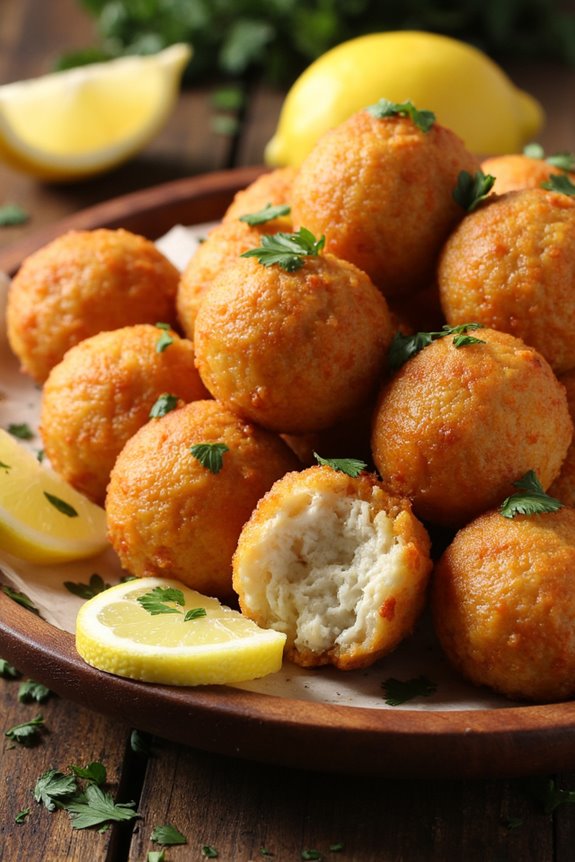
Bolinho De Bacalhau, or codfish balls, is a beloved street food from Brazil that tantalizes taste buds with its crispy exterior and tender, flavorful interior. Made primarily from salted cod, this dish has roots in Portuguese cuisine and has been embraced by South American food culture.
Served as a tasty snack or appetizer, these delightful bites are often accompanied by a dipping sauce, making them perfect for sharing at parties or enjoying on a casual evening.
The preparation of Bolinho De Bacalhau involves soaking and shredding the salted cod, mixing it with potatoes, onions, and herbs, then shaping the mixture into small balls before deep frying. The result is a golden-brown treat that captures the essence of coastal South America, with the ocean’s flavors coming alive in every bite.
Whether you’re cooking for a family gathering or a festive celebration, this recipe is bound to impress.
Ingredients (Serves 4-6):
- 1 lb salted cod (bacalhau)
- 2 medium potatoes, peeled and diced
- 1 small onion, finely chopped
- 2 cloves garlic, minced
- 1/4 cup fresh parsley, chopped
- 1/4 cup green onions, chopped
- 1/2 teaspoon black pepper
- 1/2 teaspoon paprika
- 1/2 teaspoon baking powder
- 1 large egg, beaten
- 1 cup all-purpose flour (for dredging)
- Vegetable oil (for frying)
- Lemon wedges (for serving)
Cooking Instructions:
- Prepare the Cod: Soak the salted cod in water for 24 hours, changing the water several times to remove excess salt. After soaking, boil the cod in fresh water for about 15 minutes or until cooked through. Drain and let it cool before shredding it into small pieces.
- Cook the Potatoes: In a pot, boil the diced potatoes until tender, about 15-20 minutes. Drain and mash them until smooth. Allow to cool slightly before combining with the cod.
- Combine Ingredients: In a large bowl, mix the shredded cod, mashed potatoes, chopped onion, minced garlic, parsley, green onions, black pepper, and paprika. Stir well until all ingredients are fully incorporated.
- Add Egg and Baking Powder: Stir in the beaten egg and baking powder to the mixture, guaranteeing everything is well combined. The mixture should be moist but firm enough to hold its shape.
- Shape the Balls: Using your hands, take small portions of the mixture and shape them into balls, about the size of a golf ball. Place them on a plate lined with parchment paper.
- Heat the Oil: In a deep frying pan, heat vegetable oil over medium-high heat. To test if the oil is ready, drop a small piece of the mixture into the oil; it should sizzle immediately.
- Fry the Cod Balls: Carefully add a few cod balls to the hot oil, being cautious not to overcrowd the pan. Fry them for about 3-4 minutes on each side or until they’re golden brown and crispy. Use a slotted spoon to transfer them to a paper towel-lined plate to drain excess oil.
- Serve: Serve the Bolinho De Bacalhau hot, with lemon wedges on the side for squeezing over the cod balls. Enjoy with a dipping sauce of your choice, such as a spicy aioli or a classic tartar sauce.
Extra Tips:
When preparing Bolinho De Bacalhau, make sure that the cod is adequately soaked to remove the saltiness; this step is vital for achieving the right flavor balance.
If you prefer a lighter version, you can bake the cod balls in a preheated oven at 375°F (190°C) for about 20-25 minutes instead of frying. Additionally, feel free to customize the recipe by adding other herbs or spices according to your taste preferences.
Enjoy your culinary adventure into the world of South American street food!
Sopaipillas
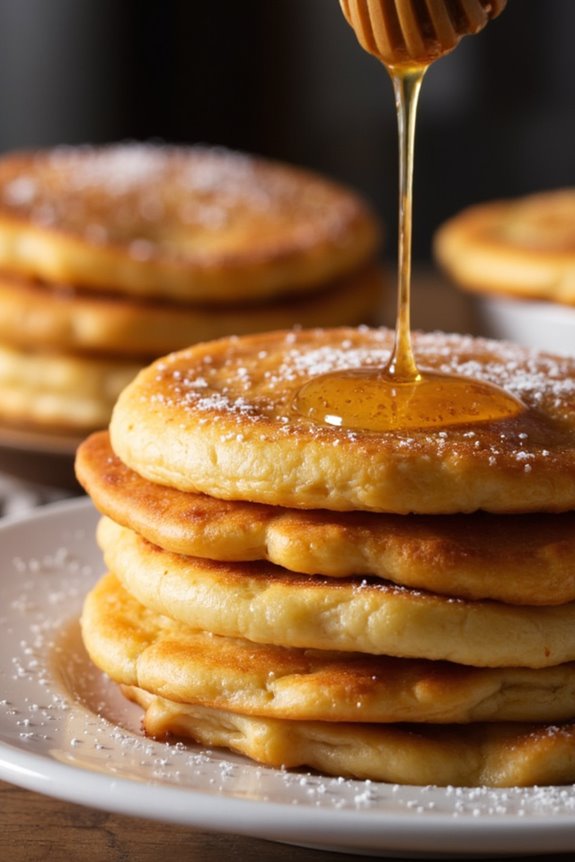
Sopaipillas are a delightful South American street food that has gained popularity for their fluffy texture and versatility. Originating from countries like Chile and Argentina, these fried pastries are typically served warm and can be enjoyed sweet or savory. The outer crust is golden and crispy, while the inside remains soft and airy, making them perfect for dipping in sauces or drizzling with honey.
They’re often enjoyed as a snack, dessert, or even a side dish during meals, bringing a taste of South American culture right to your kitchen.
Making sopaipillas from scratch is a fun and rewarding process that can be enjoyed by the whole family. The dough is simple to prepare, requiring only a few basic ingredients, and the frying process is quick, allowing you to serve fresh, hot sopaipillas in no time.
Whether you’re looking to impress guests or simply treat yourself to a delicious snack, following this recipe will guarantee your sopaipillas turn out perfectly every time.
Ingredients (serving size: 4-6 people)
- 2 cups all-purpose flour
- 1 teaspoon baking powder
- 1 teaspoon salt
- 2 tablespoons vegetable shortening or lard
- 3/4 cup warm water
- Oil for frying (canola or vegetable oil)
- Honey or powdered sugar (optional for serving)
Cooking Instructions
- Prepare the Dough: In a large mixing bowl, combine the all-purpose flour, baking powder, and salt. Mix well to evenly distribute the dry ingredients. Add the vegetable shortening or lard and use your fingers or a fork to blend it into the flour mixture until it resembles coarse crumbs.
- Add Water: Gradually pour in the warm water, mixing with your hands or a spoon until a soft dough forms. If the dough is too sticky, add a little more flour, or if it’s too dry, add a bit more water. Knead the dough in the bowl for about 2-3 minutes until it becomes smooth and elastic.
- Rest the Dough: Cover the bowl with a damp cloth or plastic wrap and let the dough rest for about 30 minutes. This resting period allows the gluten to relax, making it easier to roll out the dough later.
- Roll Out the Dough: After the resting period, divide the dough into smaller portions (about 4-6 pieces). On a floured surface, roll each portion out into a circle about 1/4 inch thick. Use a knife or a pizza cutter to cut the circles into quarters or into desired shapes (triangles or squares).
- Heat the Oil: In a deep frying pan or pot, pour in enough oil for frying (about 2-3 inches deep) and heat it over medium heat until it reaches 350°F (175°C). You can test the oil by dropping a small piece of dough into it; if it bubbles and rises, the oil is ready.
- Fry the Sopaipillas: Carefully place a few pieces of dough into the hot oil, making sure not to overcrowd the pan. Fry them for about 2-3 minutes on each side or until they’re puffed up and golden brown. Use a slotted spoon to remove them from the oil and place them on a paper towel-lined plate to drain excess oil.
- Serve Warm: Serve the sopaipillas warm, drizzled with honey or sprinkled with powdered sugar for a sweet treat, or alongside savory dips for a more substantial snack.
Extra Tips
For the best results, make certain that your oil is hot enough before frying, as this will help the sopaipillas puff up beautifully.
If you’re making them for a gathering, you can keep the fried sopaipillas warm in a low oven (around 200°F or 95°C) until they’re all cooked.
Experiment with different fillings or toppings—try filling them with cheese or serving them with a spicy salsa for a fun twist. Enjoy your homemade sopaipillas!
