

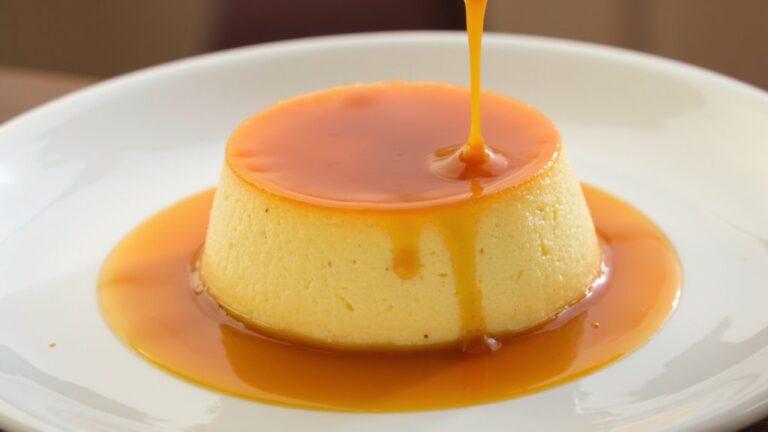
Discovering the world of Argentine asado is like uncovering a treasure trove of flavors. The smoky aroma of meat sizzling over an open flame is simply irresistible. Each recipe, from juicy ribeye to savory sausages, is a testament to tradition and connection. The homemade chimichurri brings a zesty kick, while grilled vegetables add the perfect touch to the feast. Join me as we explore these authentic recipes and learn how to create a memorable asado experience.
Classic Argentine Asado: The Ultimate Grill Experience
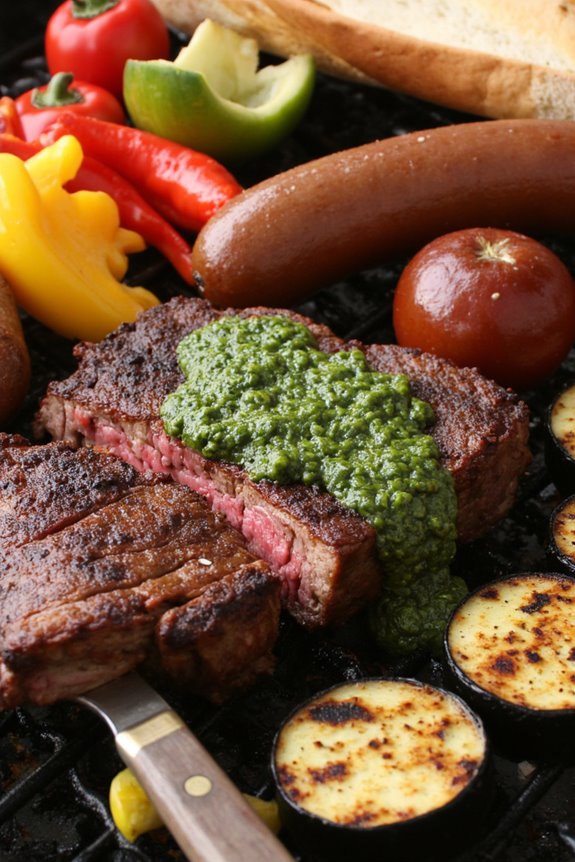
Asado is more than just a meal; it’s a cherished tradition in Argentina that brings family and friends together around the grill. This social event revolves around the preparation and enjoyment of various cuts of meat, accompanied by chimichurri sauce and delicious sides. The essence of an authentic asado lies in its simplicity and the quality of the ingredients, with the star of the show being the perfectly grilled meats, which are usually cooked over an open flame or charcoal.
The key to a successful asado isn’t just the cooking technique but also the atmosphere—it’s about taking your time, enjoying good conversation, and savoring every bite. While there are many variations, the classic Argentine asado typically features cuts like short ribs, sausages, and flank steak, all seasoned simply with salt to let the natural flavors shine through. Pairing the meat with homemade chimichurri, a vibrant herb sauce, enhances the overall experience and adds a burst of flavor.
Ingredients (serving size: 4-6 people)
- 2 lbs beef short ribs
- 1 lb flank steak
- 1 lb chorizo sausages
- 1 lb morcilla (blood sausage)
- Coarse sea salt (to taste)
- Freshly ground black pepper (to taste)
- 1 cup chimichurri sauce (homemade or store-bought)
- Optional: assorted grilled vegetables (bell peppers, eggplant, zucchini)
- Optional: crusty bread for serving
Cooking Instructions
- Prepare the Grill: Start by lighting your charcoal or wood fire. Allow it to burn down until you have a bed of glowing coals. If using a gas grill, preheat it to medium-high heat. The grill should be hot enough to sear the meat, which will help to lock in the juices.
- Season the Meat: While the grill is heating, generously season the beef short ribs, flank steak, and sausages with coarse sea salt and freshly ground black pepper. The salt is vital as it enhances the flavor of the meat and helps create a beautiful crust during grilling.
- Grill the Meats: Place the beef short ribs on the grill first, as they take the longest to cook (approximately 15-20 minutes). Flip them every 5 minutes to guarantee even cooking. After about 10 minutes, add the flank steak, cooking it for about 7-10 minutes total, turning once halfway through. Finally, add the sausages and morcilla to the grill for the last 5-7 minutes, turning occasionally until cooked through.
- Check for Doneness: Use a meat thermometer to check the internal temperature if desired. Flank steak should be cooked to medium-rare (about 130°F), while the short ribs can be cooked to your preferred doneness. The sausages should be thoroughly cooked with no pink remaining inside.
- Rest the Meat: Once cooked, remove the meats from the grill and allow them to rest for 5-10 minutes. This resting period is essential as it allows the juices to redistribute, making sure each bite remains juicy and flavorful.
- Serve: Slice the flank steak against the grain and serve alongside the short ribs and sausages. Drizzle chimichurri sauce over the meats and serve with grilled vegetables and crusty bread on the side.
Extra Tips
When preparing your asado, consider employing the “low and slow” method for the beef short ribs, allowing them to cook for a longer period at a lower temperature for maximum flavor and tenderness.
Additionally, using good-quality charcoal or wood can greatly enhance the smoky flavor of the grilled meats. Don’t be afraid to experiment with your chimichurri by adding ingredients like red pepper flakes for heat or a splash of lemon juice for acidity.
Finally, remember that an asado is as much about the experience as it’s about the food, so take your time, enjoy the process, and share the meal with loved ones.
Bife De Chorizo: Ribeye Steak Perfection
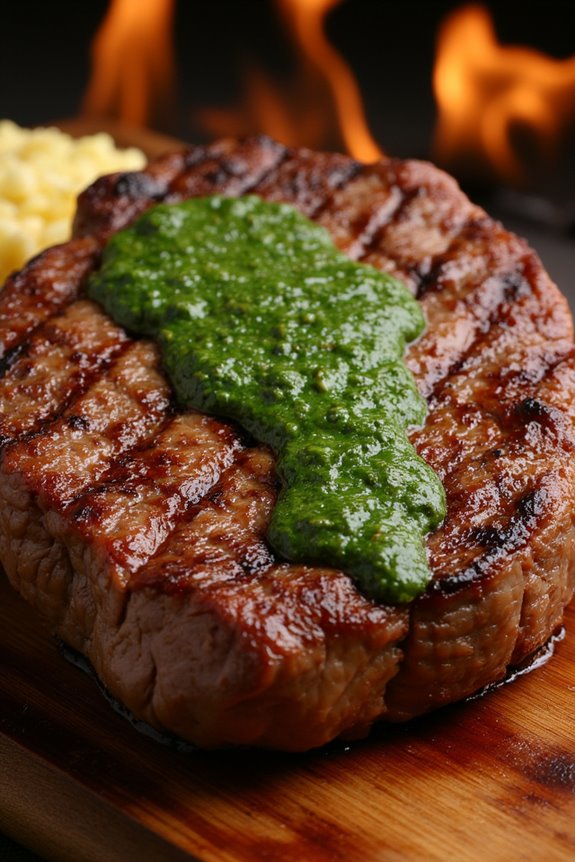
Bife de Chorizo is a quintessential Argentine dish that showcases the rich, savory flavors of ribeye steak, renowned for its tenderness and marbling. This cut of meat is often the star of any asado, complemented by the smoky aroma from the grill and the vibrant tastes of chimichurri sauce.
Cooking Bife de Chorizo isn’t just about the steak; it’s an experience that brings friends and family together, celebrating the art of grilling and the joy of good food.
To achieve ribeye steak perfection, it’s vital to select high-quality meat and cook it with care. The key is to allow the steak to come to room temperature before grilling, which guarantees even cooking. Additionally, seasoning the steak simply with salt enhances its natural flavors without overpowering them. When grilled to a perfect medium-rare, Bife de Chorizo delivers a juicy, flavorful bite that’s sure to impress any meat lover.
Ingredients (serves 4-6 people):
- 2 to 3 lbs Bife de Chorizo (ribeye steak)
- Coarse sea salt
- Freshly ground black pepper
- Olive oil (for brushing)
- Chimichurri sauce (for serving)
Cooking Instructions:
1. Preparation of the Steak:
Begin by removing the Bife de Chorizo from the refrigerator and allowing it to sit at room temperature for about 30-60 minutes. This step is vital as it helps the meat cook more evenly.
Pat the steak dry with paper towels to guarantee a good sear when it hits the grill.
2. Seasoning:
Generously season the steak on both sides with coarse sea salt and freshly ground black pepper. The salt will draw out moisture and enhance the beef’s natural flavors, while the pepper adds a touch of spice.
Avoid over-seasoning, as you want the flavor of the ribeye to shine through.
3. Preparing the Grill:
Preheat your grill to high heat, around 450°F to 500°F. If using charcoal, guarantee the coals are glowing red and covered with white ash.
For gas grills, let it heat for about 10-15 minutes. A hot grill is vital for creating a delicious crust on the steak.
4. Grilling the Steak:
Lightly brush the grill grates with olive oil to prevent sticking. Place the seasoned Bife de Chorizo on the grill and cook for about 4-5 minutes on one side without moving it.
This allows for beautiful grill marks to form. Flip the steak and continue to grill for another 4-5 minutes for medium-rare doneness. Use a meat thermometer to check the internal temperature, aiming for about 130°F-135°F.
5. Resting the Steak:
Once the steak is cooked to your desired doneness, remove it from the grill and let it rest for at least 10 minutes. Resting allows the juices to redistribute throughout the meat, resulting in a juicier steak.
6. Serving:
Slice the Bife de Chorizo against the grain into thick slices and serve with a generous drizzle of chimichurri sauce on top or on the side.
This Argentine herb sauce adds a fresh, zesty flavor that perfectly complements the rich steak.
Extra Tips:
For the best results, always choose a ribeye steak with good marbling, as the fat will render during cooking, keeping the meat moist and flavorful.
If you prefer a smoky flavor, consider adding some wood chips to your charcoal grill or using a smoker box on a gas grill. Additionally, feel free to experiment with different seasonings or marinades before grilling, but remember that simplicity often leads to the best flavor with such a high-quality cut of meat.
Enjoy your Bife de Chorizo with traditional sides like grilled vegetables or a fresh salad for a complete Argentine asado experience!
Asado De Tira: Short Ribs With a Twist
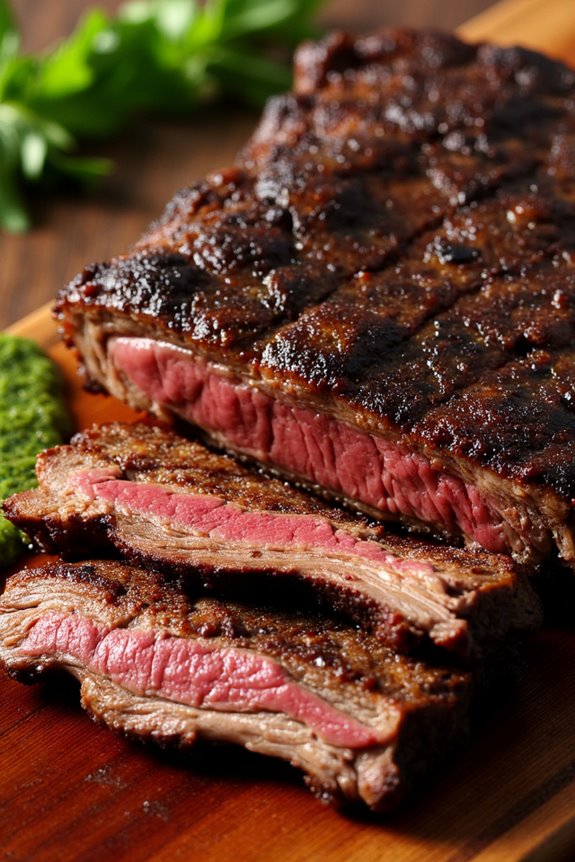
Asado de Tira, or short ribs, is a classic Argentine dish that embodies the essence of traditional grilling. This dish features beautifully marbled beef short ribs that are cooked low and slow, allowing the rich flavors to develop and the meat to become incredibly tender. With its roots deeply embedded in Argentine culture, Asado de Tira is often enjoyed during gatherings and celebrations, bringing friends and family together around the grill.
The twist in this recipe involves a marinade that infuses the ribs with a zesty, herbaceous flavor that elevates this beloved dish to new heights.
The preparation of Asado de Tira is straightforward, but the key is patience. Cooking the ribs over a wood or charcoal fire allows the meat to absorb the smoky flavors, while the marinade helps to tenderize the meat and add depth to the dish. Serve the ribs with a side of chimichurri sauce for an extra burst of flavor, and you’ll have a meal that not only satisfies the palate but also honors the traditions of Argentine asado.
Ingredients (Serves 4-6):
- 3 pounds of beef short ribs (asado de tira)
- 1/2 cup olive oil
- 1/4 cup red wine vinegar
- 4 cloves garlic, minced
- 2 tablespoons fresh oregano, chopped
- 1 tablespoon fresh rosemary, chopped
- 1 tablespoon smoked paprika
- 1 teaspoon cumin
- Salt and pepper, to taste
- 1 lemon, juiced
- Chimichurri sauce, for serving (optional)
Cooking Instructions:
- Prepare the Marinade: In a medium bowl, whisk together the olive oil, red wine vinegar, minced garlic, chopped oregano, chopped rosemary, smoked paprika, cumin, salt, pepper, and lemon juice. This marinade won’t only flavor the ribs but also help to tenderize the meat.
- Marinate the Ribs: Place the short ribs in a large resealable plastic bag or a shallow dish. Pour the marinade over the ribs, making sure they’re well-coated. Seal the bag or cover the dish, and refrigerate for at least 4 hours, preferably overnight. The longer the ribs marinate, the more flavorful they’ll become.
- Preheat the Grill: About 30 minutes before you’re ready to cook, preheat your grill to medium-low heat. If you’re using charcoal, verify that the coals are evenly distributed for a consistent cooking temperature.
- Grill the Ribs: Remove the ribs from the marinade and let any excess marinade drip off. Place the ribs on the grill bone side down and cook for approximately 3-4 hours, turning occasionally to make certain of even cooking. The ribs are done when they’re tender and the meat is pulling away from the bones.
- Rest and Serve: Once the ribs are cooked, remove them from the grill and allow them to rest for about 10-15 minutes. This resting time helps the juices redistribute throughout the meat. Slice the ribs between the bones and serve them with chimichurri sauce on the side for dipping.
Extra Tips:
When cooking Asado de Tira, consider using a mix of hardwoods for smoking, such as oak or cherry, to enhance the flavor of the ribs.
Additionally, keep an eye on the grill temperature, as cooking too hot can result in tough meat. If possible, use a meat thermometer to verify the ribs reach an internal temperature of about 190°F for a perfectly tender result.
Finally, enjoy the process of grilling and don’t rush; the best flavors come from taking your time and enjoying the experience!
Chorizo: Flavorful Argentine Sausages
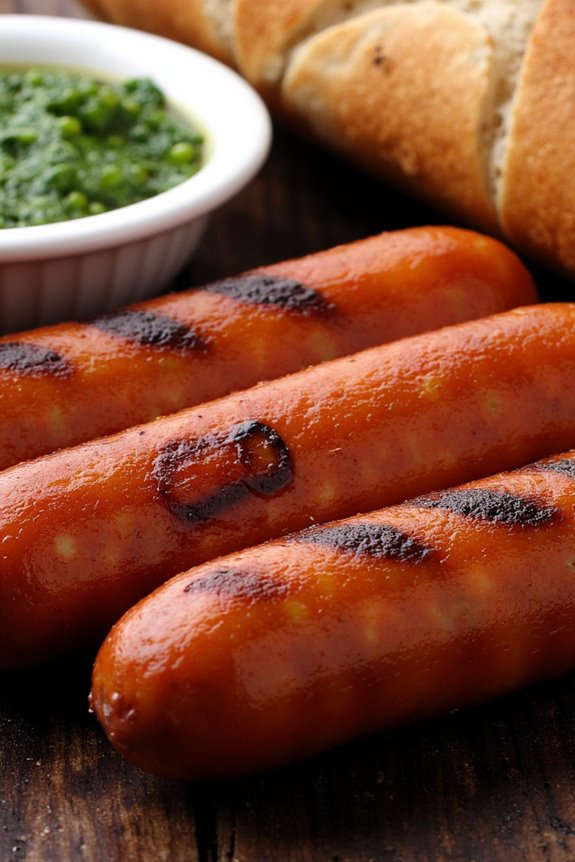
Chorizo is a staple in Argentine cuisine, renowned for its rich flavors and versatility. These sausages are traditionally made with seasoned pork, garlic, and a mix of spices, which contribute to their distinctive taste. Grilling chorizo is a popular method of preparation during asado, where the sausages are cooked over an open flame, allowing the smoky aroma to infuse into the meat.
Whether served as an appetizer or as part of a larger meal, chorizo is sure to impress your guests with its robust flavor. When preparing chorizo, the key is to allow the fat within the sausage to render properly while achieving a nice crispy exterior. Pairing it with chimichurri sauce or serving it alongside crusty bread elevates the experience. This recipe will guide you through making authentic Argentine chorizo that captures the essence of traditional asado. Enjoy the process and the delicious results!
Ingredients (Serves 4-6 people):
- 2 pounds ground pork
- 1/4 cup pork fat (or lard)
- 4 cloves garlic, minced
- 2 teaspoons smoked paprika
- 1 teaspoon sweet paprika
- 1 teaspoon crushed red pepper flakes
- 1 tablespoon salt
- 1 teaspoon black pepper
- 1 tablespoon red wine vinegar
- 1 tablespoon fresh parsley, chopped (optional)
- Sausage casings (natural or synthetic)
Cooking Instructions:
- Prepare the Sausage Casings: If using natural casings, soak them in cold water for at least 30 minutes to soften. Rinse them thoroughly to remove any salt. If using synthetic casings, follow the package instructions. This step is essential to guarantee the casings are pliable and ready to hold the sausage mixture.
- Mix the Meat and Spices: In a large mixing bowl, combine the ground pork, pork fat, minced garlic, smoked paprika, sweet paprika, crushed red pepper flakes, salt, black pepper, red wine vinegar, and fresh parsley (if using). Use your hands or a spoon to mix the ingredients thoroughly until well combined. This step assures the flavors meld seamlessly into the meat.
- Stuff the Sausages: Fit your sausage stuffer with the prepared casings and carefully fill them with the meat mixture, making sure not to overstuff. Tie off the ends securely. If you notice air bubbles, use a pin to prick them to prevent bursting during cooking. Proper stuffing is vital for even cooking and texture.
- Chill the Sausages: Place the stuffed chorizo sausages in the refrigerator for about an hour. Chilling helps the sausages firm up, which makes them easier to handle and grill later. This step is significant for maintaining their shape while cooking.
- Grill the Chorizo: Preheat your grill to medium-high heat. Place the sausages on the grill and cook for about 10-15 minutes, turning occasionally. The sausages should be browned and cooked through, reaching an internal temperature of 160°F (71°C). Grilling adds a smoky flavor and crispy texture that’s characteristic of authentic asado.
- Serve and Enjoy: Once the chorizo is cooked, remove them from the grill and allow them to rest for a few minutes. Serve them hot with chimichurri sauce, crusty bread, or alongside other grilled meats. Enjoy the delicious flavors of Argentine chorizo!
Extra Tips:
For an authentic touch, try grilling the chorizo over charcoal for a deeper smoky flavor. Experimenting with different spice blends and herbs can also customize the taste to your preference.
If you have leftover chorizo, it can be stored in the refrigerator for a few days or frozen for future meals. Just remember to reheat thoroughly before serving. Enjoy your asado experience!
Morcilla: The Richness of Blood Sausage
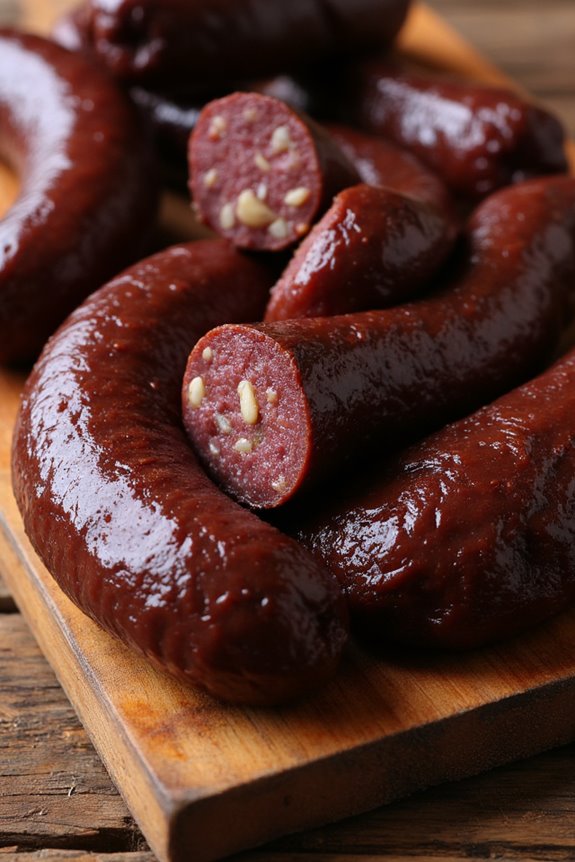
Morcilla, a traditional blood sausage popular in many Spanish-speaking countries, is a staple in asado gatherings. This rich and savory dish isn’t only a reflection of the culinary heritage of the region but also a delicious way to utilize every part of the animal. Made primarily from pig’s blood, fat, and a variety of spices, morcilla is often enjoyed grilled or fried, allowing its flavors to develop and the texture to become pleasantly crispy.
Making morcilla at home may seem intimidating, but with the right ingredients and a bit of patience, it can become a rewarding culinary experience. The following recipe is designed for 4-6 servings and includes all the essential components to create this flavorful blood sausage. Whether served alongside grilled meats or as part of a hearty breakfast, morcilla is sure to impress your family and friends.
Ingredients (Serves 4-6):
- 1 cup pig’s blood
- 1 cup pork fat or lard, finely chopped
- 1 cup onion, finely chopped
- 1/2 cup rice (uncooked)
- 2 cloves garlic, minced
- 1 teaspoon paprika
- 1 teaspoon black pepper
- 1/2 teaspoon ground cumin
- 1/2 teaspoon salt
- 1/2 cup beef or chicken broth
- Sausage casings (natural or synthetic)
Cooking Instructions:
- Prepare the Sausage Casings: Rinse the sausage casings thoroughly under cold water to remove any salt or preservatives. Soak them in water for at least 30 minutes to make them pliable for stuffing.
- Cook the Rice: In a small pot, bring 1 cup of water to a boil. Add the uncooked rice, cover, and reduce to a simmer. Cook for about 15 minutes or until the rice is tender and the water is absorbed. Set aside to cool.
- Sauté the Aromatics: In a large skillet, heat a tablespoon of oil over medium heat. Add the chopped onion and garlic, and sauté until soft and translucent, about 5-7 minutes. Remove from heat and let it cool slightly.
- Mix the Filling: In a large bowl, combine the pig’s blood, cooked rice, sautéed onions and garlic, pork fat, paprika, black pepper, cumin, and salt. Pour in the broth gradually while mixing to achieve a thick, pourable consistency. Make sure everything is well combined.
- Stuff the Casings: Rinse the casing again and place one end over a funnel or sausage stuffer attachment. Carefully fill the casing with the blood mixture, being careful not to overstuff. Twist the casing at intervals to create individual sausages, securing the ends with kitchen twine or tying knots.
- Cook the Morcilla: Bring a large pot of water to a gentle simmer. Add the stuffed morcilla sausages and let them cook for about 30-40 minutes. This will help set the filling. Once cooked, remove them from the pot and let them cool.
- Grill or Fry the Sausages: Preheat your grill or a skillet over medium-high heat. Cook the morcilla until the casings are crispy and browned, about 4-5 minutes per side. Serve hot and enjoy!
Extra Tips:
When making morcilla, make sure that you use fresh ingredients, particularly the pig’s blood, as it greatly affects the flavor and texture of the sausage.
If you’re new to sausage-making, take your time with the stuffing process, as it can be tricky. Additionally, consider experimenting with spices or adding ingredients like nuts or herbs to personalize the flavor to your liking.
Always keep an eye on the sausages while cooking to prevent them from bursting. Enjoy your homemade morcilla as part of a traditional asado or on its own with a side of chimichurri sauce!
Vacío: Grilled Flank Steak Delight
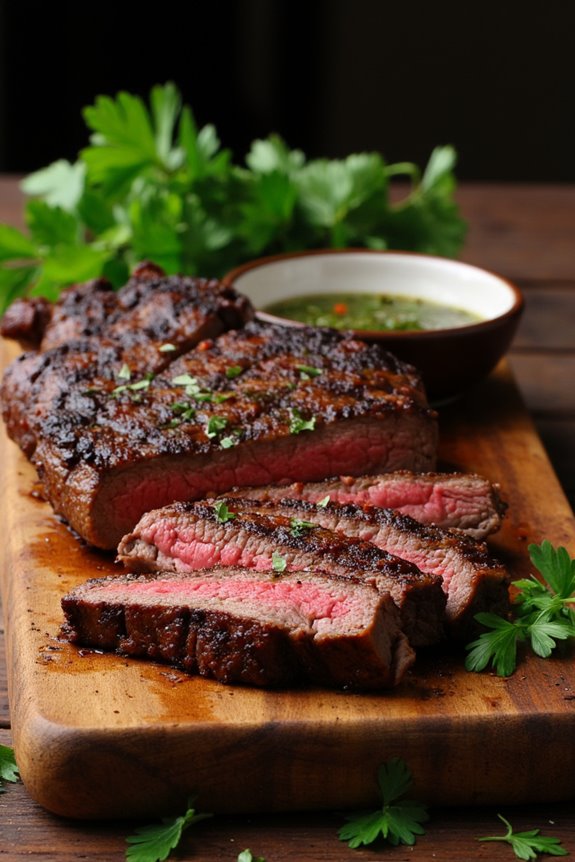
Vacío, or grilled flank steak, is a quintessential Argentine dish that embodies the spirit of asado. This cut of meat is known for its rich flavor and tenderness when cooked correctly, making it a favorite at barbecues and gatherings. The key to a great vacío lies in both the marinade and the cooking technique, which should be aimed at achieving a perfect char while keeping the inside juicy and flavorful.
With simple ingredients and straightforward steps, you’ll be able to impress your family and friends with this mouthwatering dish.
To prepare the perfect vacío, marinating the flank steak is vital. A traditional marinade often includes garlic, olive oil, vinegar, and herbs that enhance the meat’s natural flavors. The marinated meat is then grilled over hot coals, allowing the exterior to caramelize beautifully while keeping the interior succulent.
Serve your grilled flank steak with chimichurri sauce, grilled vegetables, or crusty bread, and you have a feast that captures the essence of Argentine cuisine.
Ingredients (Serves 4-6):
- 2 lbs of flank steak (vacío)
- 1/4 cup olive oil
- 4 cloves garlic, minced
- 1/4 cup red wine vinegar
- 1 tablespoon dried oregano
- 1 tablespoon smoked paprika
- 1 teaspoon salt
- 1 teaspoon black pepper
- Fresh parsley (for garnish)
- Chimichurri sauce (optional)
Cooking Instructions:
- Prepare the Marinade: In a bowl, combine olive oil, minced garlic, red wine vinegar, dried oregano, smoked paprika, salt, and black pepper. Mix well to create a smooth marinade that will infuse the meat with flavor.
- Marinate the Flank Steak: Place the flank steak in a large zip-top bag or a shallow dish. Pour the marinade over the meat, making sure it’s well coated. Seal the bag or cover the dish and refrigerate for at least 2 hours, or ideally overnight. This allows the flavors to penetrate the meat deeply.
- Preheat the Grill: About 30 minutes before cooking, preheat your grill to high heat. If using charcoal, make sure the coals are white-hot. For gas grills, allow the grill to reach a temperature of around 450°F (232°C).
- Grill the Flank Steak: Remove the flank steak from the marinade and let any excess drip off. Place the steak on the grill and cook for 5-7 minutes on one side without moving it to achieve nice grill marks. Flip the steak and cook for another 5-7 minutes for medium-rare, or longer if desired.
- Check for Doneness: Use a meat thermometer to check the internal temperature. For medium-rare, it should read around 135°F (57°C). If you prefer it more done, you can cook it to 145°F (63°C) for medium.
- Rest the Meat: Once cooked, remove the flank steak from the grill and let it rest for 10 minutes. This allows the juices to redistribute, making for a tender and juicy steak.
- Slice and Serve: Slice the steak against the grain into thin strips to maximize tenderness. Arrange on a platter, garnish with fresh parsley, and serve with chimichurri sauce if desired.
Extra Tips:
When preparing vacío, always remember that slicing against the grain is essential for tenderness. Letting the meat rest after grilling is equally important, as it prevents the juices from running out when you cut into it.
Additionally, don’t be afraid to experiment with different marinades or add a touch of spice to match your personal taste. Enjoy the authentic flavors of Argentina right from your grill!
Provoleta: Grilled Cheese for the Win
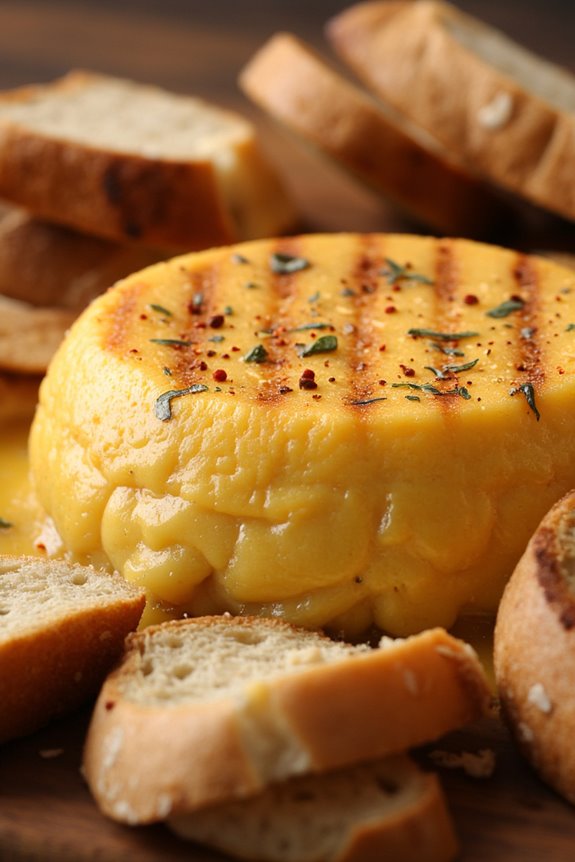
Provoleta is a delicious Argentinian dish that takes cheese to a whole new level. This simple yet indulgent appetizer is a must-try for any asado gathering, where it serves as a perfect starter to whet your appetite before the main course.
The dish features provolone cheese, which is grilled until it reaches a gooey, melty texture and is often seasoned with a sprinkle of oregano and a drizzle of olive oil. It’s typically served hot, straight from the grill, and is perfect for dipping with crusty bread.
To prepare Provoleta, you’ll want to choose high-quality provolone cheese, as it makes a significant difference in flavor and texture. The key is to grill it just right, so it becomes bubbly and slightly charred without melting too much and falling through the grates.
Pair this dish with a side of chimichurri sauce for dipping, and you’ll have a delightful start to your asado feast that will keep your guests coming back for more.
Ingredients (serving size: 4-6 people)
- 1 large wheel of provolone cheese (about 1 pound)
- 2 tablespoons olive oil
- 1 teaspoon dried oregano
- 1 teaspoon crushed red pepper flakes (optional)
- Freshly cracked black pepper (to taste)
- Crusty bread (for serving)
Cooking Instructions
- Prepare the Cheese: Start by taking the wheel of provolone cheese and removing any packaging. If the cheese comes with a rind, you can leave it on for grilling; it helps to hold the cheese together as it melts. Place the cheese on a cutting board.
- Season the Cheese: Drizzle the olive oil over the top of the provolone cheese. Sprinkle the dried oregano and crushed red pepper flakes (if using) evenly across the surface. Finish with a dash of freshly cracked black pepper to enhance the flavor.
- Preheat the Grill: Preheat your grill to medium heat. If you have a griddle or a cast-iron skillet that can withstand the heat, you can use that to guarantee the cheese doesn’t fall through the grates.
- Grill the Provoleta: Once the grill is hot, carefully place the provolone cheese directly on the grill grates or on the preheated griddle. Grill for about 5-7 minutes, watching closely. You want the cheese to start bubbling and browning but not to completely lose its shape.
- Check for Doneness: After 5-7 minutes, check the cheese. It should be golden brown and bubbling on the edges. If it’s not yet ready, you can close the grill lid to create an oven-like effect for an additional few minutes.
- Serve Immediately: Once the cheese is perfectly grilled, carefully remove it from the grill using a spatula. Serve it hot, directly on a cutting board or a heatproof serving dish. Pair it with slices of crusty bread for dipping.
Extra Tips
When grilling Provoleta, it’s essential to keep an eye on the cheese, as it can quickly go from perfectly melted to overly runny.
If you want to add a twist, consider experimenting with different herbs or spices to the top of the cheese before grilling. Additionally, serving it with a side of fresh chimichurri not only enhances the flavor but also adds a vibrant touch to the dish.
Enjoy this cheesy delight surrounded by friends and family, and watch as it becomes an instant favorite at your asado!
Costillas: Tender Grilled Ribs
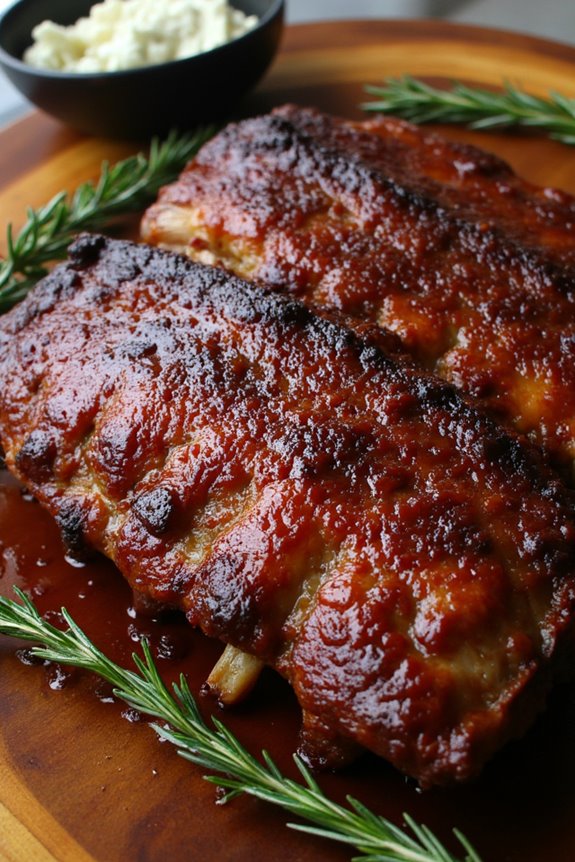
Costillas, or grilled ribs, are a quintessential part of any Argentine asado. Known for their delectable flavor and tenderness, these ribs are best enjoyed when they’re slow-cooked over an open flame, allowing the smoke to infuse the meat with a rich, savory taste. The secret to achieving tender, juicy ribs lies in the marinating process and the careful control of cooking temperature.
When prepared correctly, costillas can be the star of your barbecue, pleasing both family and friends alike. To make costillas truly unforgettable, it’s essential to select high-quality ribs and let them marinate for several hours, or ideally overnight. This not only enhances the flavor but also helps in breaking down the meat fibers, making them incredibly tender.
The combination of traditional seasonings and the smoky aroma from the grill creates a mouthwatering dish that embodies the spirit of Argentine barbecue culture. Get ready to impress your guests with these succulent ribs!
Ingredients (Serves 4-6)
- 2 racks of pork ribs (about 3-4 pounds)
- 1/2 cup olive oil
- 1/4 cup red wine vinegar
- 4 cloves garlic, minced
- 2 tablespoons fresh rosemary, chopped
- 2 tablespoons fresh thyme, chopped
- 2 tablespoons smoked paprika
- 1 tablespoon salt
- 1 tablespoon black pepper
- 1 tablespoon brown sugar
- 1 teaspoon chili powder (optional)
Cooking Instructions
- Prepare the Marinade: In a bowl, combine the olive oil, red wine vinegar, minced garlic, chopped rosemary, chopped thyme, smoked paprika, salt, black pepper, brown sugar, and chili powder (if using). Mix well until all ingredients are thoroughly combined, creating a flavorful marinade.
- Marinate the Ribs: Place the ribs in a large resealable plastic bag or a shallow dish. Pour the marinade over the ribs, ensuring they’re well coated on all sides. Seal the bag or cover the dish with plastic wrap. Refrigerate for at least 4 hours, preferably overnight, to allow the flavors to penetrate the meat.
- Preheat the Grill: Prepare your grill for indirect heat by heating one side to medium-high heat while leaving the other side off. If using charcoal, arrange the coals to one side. This setup will allow you to cook the ribs slowly without direct heat.
- Sear the Ribs: Remove the ribs from the marinade and let any excess marinade drip off. Place the ribs on the hot side of the grill and sear them for about 3-4 minutes on each side until they develop a nice crust.
- Cook the Ribs Indirectly: After searing, move the ribs to the cooler side of the grill, bone-side down. Close the lid and cook for approximately 2-3 hours, maintaining a grill temperature of around 250°F to 275°F. Check the ribs periodically and turn them if necessary.
- Check for Doneness: The ribs are done when the meat is tender and has pulled back from the bones. You can also use a meat thermometer; the internal temperature should reach about 190°F to 203°F for ideal tenderness.
- Rest and Serve: Once done, remove the ribs from the grill and let them rest for 10-15 minutes before slicing. This allows the juices to redistribute within the meat. Serve warm with your favorite sides and enjoy!
Extra Tips
For the best results, try to use a charcoal grill as it will provide a more authentic smoky flavor. If you’re short on time, you can marinate the ribs for just a couple of hours, but overnight is ideal for maximum flavor.
Additionally, consider making a simple chimichurri sauce to drizzle over the ribs before serving; it complements the richness of the meat beautifully. Finally, don’t be afraid to experiment with different spices or add a splash of your favorite beer to the marinade for a unique twist!
Pollo Al Asador: Whole Grilled Chicken

Pollo Al Asador, or whole grilled chicken, is a quintessential dish in Latin American cuisine that showcases the rich flavors and aromas of fire-cooked meats. This method of cooking not only infuses the chicken with a smoky goodness but also allows for the skin to become perfectly crispy while keeping the meat juicy and tender.
Traditionally, this dish can be found at family gatherings and celebrations, as it brings everyone together around the grill, creating a delightful communal eating experience.
The preparation of Pollo Al Asador is both simple and rewarding. The chicken is typically marinated in a blend of spices and herbs, ensuring that every bite is packed with flavor. The key to achieving the perfect Pollo Al Asador lies in the grilling technique, which can be done using a charcoal grill, gas grill, or even a rotisserie setup, enhancing the taste with the unique char that comes from cooking over an open flame.
With a bit of patience and attention, you can create a stunning centerpiece for your next BBQ that will impress family and friends alike.
Ingredients (Serves 4-6)
- 1 whole chicken (3-4 lbs)
- 2 tablespoons olive oil
- 2 tablespoons white vinegar
- 4 cloves garlic, minced
- 1 tablespoon smoked paprika
- 1 tablespoon ground cumin
- 1 tablespoon dried oregano
- 1 teaspoon salt
- 1 teaspoon black pepper
- 1 lemon, juiced
- Fresh herbs (such as parsley or cilantro) for garnish
Cooking Instructions
- Preparation of the Chicken: Begin by thoroughly cleaning the whole chicken under cold running water. Pat it dry with paper towels to remove excess moisture, which will help achieve a crispy skin when grilled. Remove any giblets from the cavity if included.
- Marinade Creation: In a medium mixing bowl, combine olive oil, white vinegar, minced garlic, smoked paprika, ground cumin, dried oregano, salt, black pepper, and lemon juice. Whisk these ingredients together until fully mixed, creating a flavorful marinade.
- Marinating the Chicken: Place the chicken in a large resealable plastic bag or a shallow dish. Pour the marinade over the chicken, ensuring it coats every part of the bird, including the cavity. Seal the bag or cover the dish and refrigerate for at least 2 hours, preferably overnight, to allow the flavors to penetrate the meat.
- Preparing the Grill: Preheat your grill to medium-high heat. If using a charcoal grill, light the charcoal and let it burn until covered with white ash. For a gas grill, simply turn on the burners to the desired temperature. If you have a rotisserie, set it up according to the manufacturer’s instructions.
- Grilling the Chicken: Once the grill is ready, remove the chicken from the marinade and let any excess drip off. If using a rotisserie, secure the chicken on the spit and place it on the grill. For direct grilling, place the chicken breast-side up on the grill grates. Close the lid and cook for about 1.5 hours, or until the internal temperature reaches 165°F (75°C) in the thickest part of the thigh.
- Resting the Chicken: Once cooked, carefully remove the chicken from the grill and let it rest for 10-15 minutes. This resting period allows the juices to redistribute throughout the meat, ensuring each bite is juicy and flavorful.
- Serving: After resting, carve the chicken into pieces and arrange them on a serving platter. Garnish with fresh herbs for an added touch of flavor and presentation. Serve with your favorite sides and enjoy!
Extra Tips
For an even more flavorful Pollo Al Asador, consider adding citrus slices or fresh herbs inside the cavity of the chicken before grilling. This will enhance the aroma and flavor as it cooks.
Additionally, you can experiment with different spices or add a touch of heat with chili powder or cayenne pepper in the marinade. If you have leftover chicken, it can be shredded and used in salads, tacos, or sandwiches for delicious meals throughout the week.
Picanha: Brazilian-Style Grilled Rump Cap
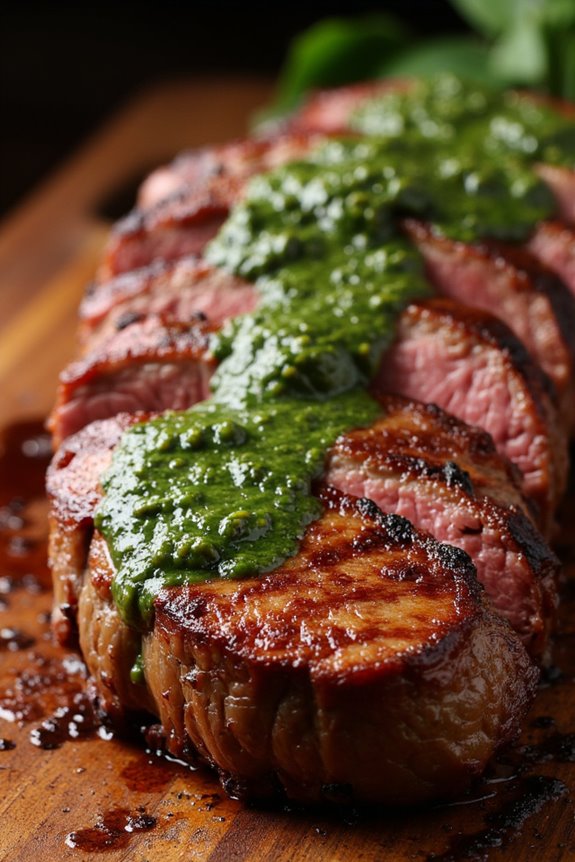
Picanha, a cut of beef that’s incredibly popular in Brazil, is known for its rich flavor and tenderness. This beautifully marbled rump cap is typically cooked over a charcoal grill, which enhances its natural flavors and creates a delicious crust on the outside. Traditionally, picanha is skewered and grilled in a way that allows the fat to baste the meat as it cooks, resulting in a juicy and flavorful experience that’s a staple at Brazilian barbecue gatherings, known as churrasco.
To prepare picanha, it’s important to select a good-quality piece of meat. Look for a cut that has a thick layer of fat on one side, as this will render down during cooking, infusing the meat with flavor. While the seasoning is typically simple—just coarse salt—you can choose to add additional spices or marinades to suit your taste. No matter how you prepare it, the star of the show is always the picanha itself, which should be cooked to perfection for a mouthwatering result.
Ingredients (Serves 4-6)
- 2 to 3 pounds of picanha (rump cap)
- Coarse sea salt (to taste)
- Freshly ground black pepper (optional)
- Optional: garlic powder or chimichurri sauce for serving
Cooking Instructions
- Prepare the Meat: Start by trimming any excess silver skin from the picanha, but leave a thick layer of fat on one side. This fat will render down and add flavor to the meat during cooking. Cut the picanha into thick, rectangular pieces (about 2-inch thick) with the grain of the meat.
- Season the Meat: Generously sprinkle coarse sea salt over the entire surface of the picanha. If you prefer, you can add freshly ground black pepper or a light dusting of garlic powder for additional flavor. Let it sit at room temperature for about 30 minutes to allow the salt to penetrate the meat.
- Prepare the Grill: Preheat your charcoal or gas grill to a high temperature. If using charcoal, arrange the coals to one side to create a two-zone cooking environment. This will allow you to sear the meat over direct heat and then move it to indirect heat to cook through without burning.
- Skewer the Meat: If using skewers, thread the picanha pieces onto the skewers with the fat side facing up. This will help baste the meat as it cooks. If you don’t have skewers, you can place the pieces directly on the grill grates.
- Grill the Picanha: Place the skewers or picanha pieces on the grill over the direct heat. Sear the meat for about 4-5 minutes on each side until a nice crust forms. Once seared, move the picanha to the indirect heat side of the grill, cover, and continue to cook for another 15-20 minutes, or until the internal temperature reaches your desired doneness (medium-rare is about 130°F to 135°F).
- Rest and Slice: Once cooked, remove the picanha from the grill and allow it to rest for about 10 minutes. This resting period helps the juices redistribute throughout the meat. After resting, slice the picanha against the grain into thin strips for serving.
Extra Tips
When grilling picanha, it’s essential not to rush the process. Allowing the meat to come to room temperature before grilling promotes even cooking. Additionally, using a meat thermometer can help you achieve the perfect doneness without overcooking.
If you’re feeling adventurous, try serving your picanha with a side of chimichurri sauce, which adds a fresh herbaceous flavor that complements the rich meat beautifully. Enjoy your Brazilian-style feast!
Ensalada Criolla: Fresh Argentine Salad
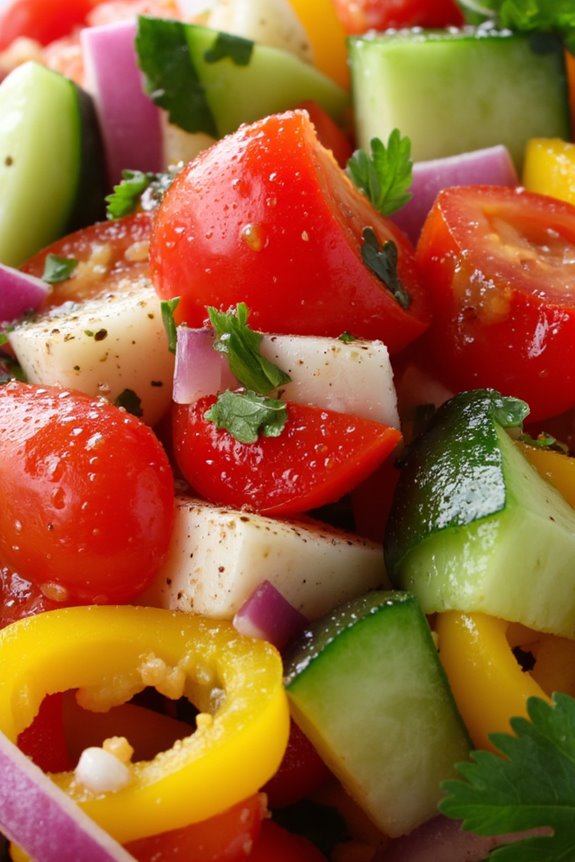
Ensalada Criolla is a vibrant and invigorating salad that captures the essence of Argentine cuisine. It’s often served alongside grilled meats during an asado, complementing the rich flavors of the grilled dishes. This salad isn’t only colorful but also packed with fresh vegetables, making it a nutritious addition to any meal. You can enjoy it as a side dish or even as a light main course on a warm day.
The beauty of Ensalada Criolla lies in its simplicity and the quality of its ingredients. The combination of tomatoes, onions, and bell peppers, dressed with olive oil and vinegar, creates a delightful burst of flavors. This salad can be easily customized with additional ingredients such as avocado or olives, depending on your preferences. Serve it chilled for the best experience, allowing the flavors to meld together beautifully.
Ingredients (Serves 4-6 people):
- 3 medium ripe tomatoes, diced
- 1 medium red onion, thinly sliced
- 1 medium green bell pepper, diced
- 1 medium yellow bell pepper, diced
- 1 cucumber, peeled and diced
- 1/4 cup fresh parsley, chopped
- 1/4 cup olive oil
- 2 tablespoons red wine vinegar
- Salt and black pepper to taste
Cooking Instructions:
- Prepare the Vegetables: Begin by washing all the vegetables thoroughly. Dice the tomatoes, cucumber, and bell peppers into bite-sized pieces. Thinly slice the red onion. Make sure to cut all the vegetables evenly to maintain a cohesive texture in the salad.
- Combine Ingredients: In a large mixing bowl, add the diced tomatoes, cucumber, green and yellow bell peppers, and sliced red onion. Gently toss the ingredients together to mix them well while being careful not to mash the tomatoes.
- Add Seasoning: Sprinkle the chopped fresh parsley over the mixed vegetables. Drizzle the olive oil and red wine vinegar over the top. Season with salt and black pepper to taste. The olive oil adds richness, while the vinegar provides a nice acidity that balances the flavors.
- Toss the Salad: Using a large spoon or salad tongs, gently toss all the ingredients together until everything is well coated with the dressing. Confirm the vegetables are evenly distributed throughout the salad.
- Chill and Serve: Refrigerate the salad for at least 30 minutes before serving. This chilling time allows the flavors to meld together and enhances the taste. Serve the Ensalada Criolla cold, alongside your favorite grilled meats.
Extra Tips:
For an added depth of flavor, consider marinating the sliced red onion in a bit of vinegar for about 10-15 minutes before adding it to the salad. This will mellow the onion’s sharpness and enhance the overall taste of the salad.
Additionally, feel free to experiment with other fresh herbs like cilantro or basil, or incorporate other vegetables such as radishes or corn for a more colorful presentation.
Chimichurri: The Essential Argentine Sauce
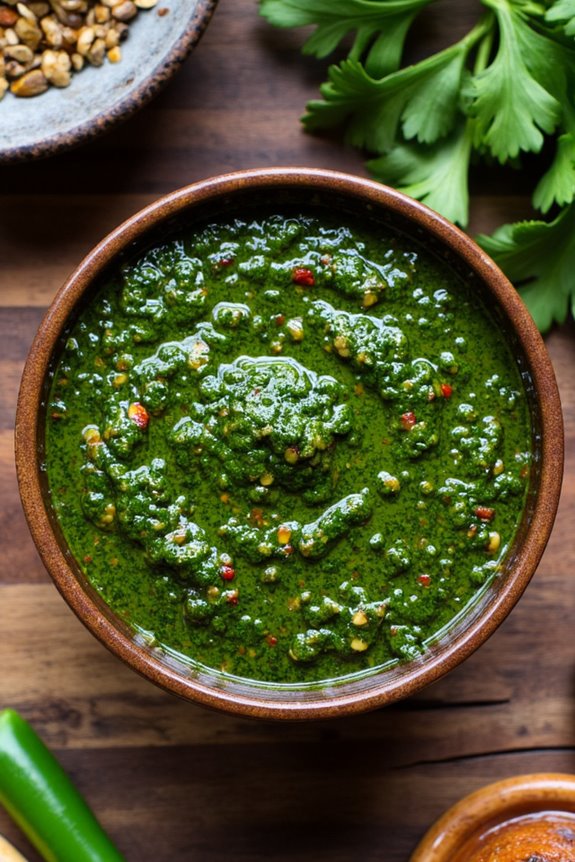
Chimichurri is a vibrant and zesty sauce that hails from Argentina, and it’s an essential accompaniment to any Asado. This herby condiment isn’t only easy to make but also enhances the flavor of grilled meats, making each bite an explosion of taste.
Traditionally, chimichurri is served with beef, but it can also complement chicken, fish, and vegetables, adding a fresh and tangy zing. The best part is that it can be made ahead of time, allowing the flavors to meld together beautifully.
To create the perfect chimichurri, you’ll want to focus on using fresh ingredients and the right balance of herbs, acidity, and oil. This recipe will yield enough chimichurri for 4-6 servings, making it a fantastic addition to your Asado feast. Whether you’re hosting a barbecue or just looking to elevate your weeknight dinner, this sauce will become a staple in your culinary repertoire.
Ingredients (Serves 4-6):
- 1 cup fresh parsley, finely chopped
- 1/2 cup fresh cilantro, finely chopped
- 4 cloves garlic, minced
- 1/2 teaspoon red pepper flakes (adjust to taste)
- 1/2 teaspoon salt
- 1/4 teaspoon black pepper
- 1/2 cup olive oil
- 1/4 cup red wine vinegar
- Juice of 1 lemon
Cooking Instructions:
- Prepare the Herbs: Start by finely chopping the fresh parsley and cilantro. The key to a great chimichurri is using fresh herbs, as they provide the bright flavor that this sauce is known for. Make sure to pick out any tough stems to guarantee a smooth, flavorful sauce.
- Mince the Garlic: Take the garlic cloves and mince them finely. Garlic adds a robust flavor to chimichurri, so don’t skip this step. If you’re a fan of garlic, feel free to add an extra clove or two.
- Combine Dry Ingredients: In a medium bowl, mix together the chopped parsley, cilantro, minced garlic, red pepper flakes, salt, and black pepper. Stir well to combine the dry ingredients evenly, which will guarantee that each bite of chimichurri is packed with flavor.
- Add Oil and Vinegar: Slowly drizzle in the olive oil and red wine vinegar while stirring the mixture. This will help to emulsify the sauce and create a cohesive blend of flavors. The oil adds richness, while the vinegar provides the necessary acidity.
- Incorporate Lemon Juice: Squeeze the juice of one lemon into the mixture and stir well. The lemon juice brightens the sauce and adds another layer of acidity, enhancing the overall flavor profile of chimichurri.
- Taste and Adjust: Before serving, taste the chimichurri and adjust the seasoning as needed. If you prefer a spicier sauce, add more red pepper flakes. If it’s too tangy, a little more olive oil can help balance the flavors.
- Let it Rest: Allow the chimichurri to sit for at least 30 minutes before serving. This resting period allows the flavors to meld together, resulting in a more robust and delicious sauce.
Extra Tips:
When making chimichurri, feel free to experiment with the herbs. While parsley and cilantro are traditional, you can also add oregano or basil for a different twist.
Additionally, chimichurri can be stored in an airtight container in the refrigerator for up to a week, making it a great make-ahead option. Just remember to give it a good stir before serving, as the ingredients may settle. Enjoy your chimichurri with grilled meats, or use it as a marinade for an even deeper flavor.
Vegetables a La Parrilla: Grilled Veggie Medley
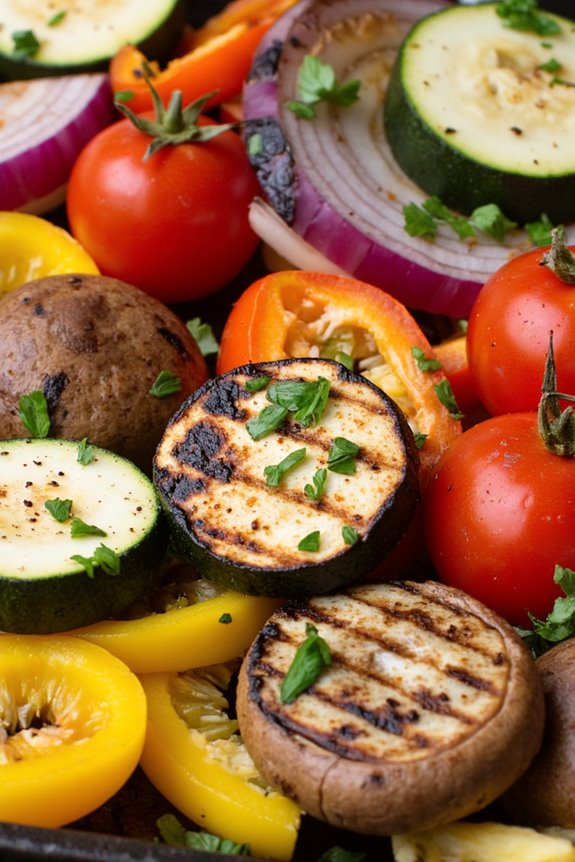
Grilling vegetables is a delightful way to enhance their natural flavors while adding a smoky twist that’s a hallmark of Asado cooking. This recipe for Vegetables a La Parrilla, or Grilled Veggie Medley, showcases a variety of seasonal vegetables that can be easily prepared on your grill. Not only do these vegetables complement the heartiness of traditional Asado meats, but they also provide a colorful and nutritious addition to your meal.
The grilling process caramelizes the sugars in the vegetables, making them tender and bursting with flavor. To achieve the best results, choose fresh, high-quality vegetables and guarantee your grill is preheated to the right temperature. The key to a successful grilled vegetable medley is to cut the vegetables into uniform sizes to guarantee even cooking.
This dish can be served as a side or as a main vegetarian option, making it versatile for any gathering. Gather your friends and family around the grill, and enjoy the vibrant flavors and textures of this Grilled Veggie Medley.
Ingredients (serving size: 4-6 people):
- 1 medium zucchini, sliced into rounds
- 1 medium yellow squash, sliced into rounds
- 1 bell pepper (any color), cut into strips
- 1 red onion, cut into wedges
- 1 cup cherry tomatoes, halved
- 1 cup mushrooms, halved
- 3 tablespoons olive oil
- 2 teaspoons balsamic vinegar
- 1 teaspoon garlic powder
- 1 teaspoon dried oregano
- Salt and pepper to taste
- Fresh parsley or basil for garnish
Cooking Instructions:
- Prepare the Vegetables: Start by washing all the vegetables thoroughly. Slice the zucchini and yellow squash into ½-inch rounds, cut the bell pepper into strips, and cut the red onion into wedges. Halve the cherry tomatoes and mushrooms. This guarantees that all vegetables will cook evenly on the grill.
- Make the Marinade: In a large mixing bowl, combine the olive oil, balsamic vinegar, garlic powder, dried oregano, salt, and pepper. Whisk everything together until well mixed. This marinade won’t only enhance the flavors of the vegetables but also help to prevent them from sticking to the grill.
- Marinate the Vegetables: Add all the prepared vegetables to the bowl with the marinade. Toss them gently to guarantee that all pieces are coated evenly. Let them marinate for about 15-30 minutes at room temperature. This step allows the flavors to penetrate the vegetables.
- Preheat the Grill: While the vegetables are marinating, preheat your grill to medium-high heat. A hot grill is essential for achieving those beautiful grill marks and for cooking the vegetables quickly without drying them out.
- Grill the Vegetables: Once the grill is hot, place the marinated vegetables on the grill. You can use a grill basket or skewers to prevent smaller pieces from falling through the grates. Grill the vegetables for about 8-10 minutes, turning them occasionally until they’re tender and have nice grill marks. The cherry tomatoes may burst, which is perfectly fine and adds to the overall flavor.
- Serve: Remove the grilled vegetables from the grill and transfer them to a serving platter. Garnish with freshly chopped parsley or basil for a pop of color and added freshness. Enjoy your delicious Vegetables a La Parrilla alongside your favorite grilled meats or as a standalone dish.
Extra Tips: To elevate the flavor profile, consider adding a sprinkle of feta cheese or crumbled goat cheese over the grilled vegetables just before serving. Additionally, feel free to experiment with different vegetable combinations based on what’s in season or what you have on hand.
Vegetables like asparagus, eggplant, or sweet potatoes also work beautifully on the grill. Remember to soak wooden skewers in water for at least 30 minutes before using them to prevent burning. Enjoy your grilling experience!
Dulce De Leche Flan: Sweet Ending to an Asado
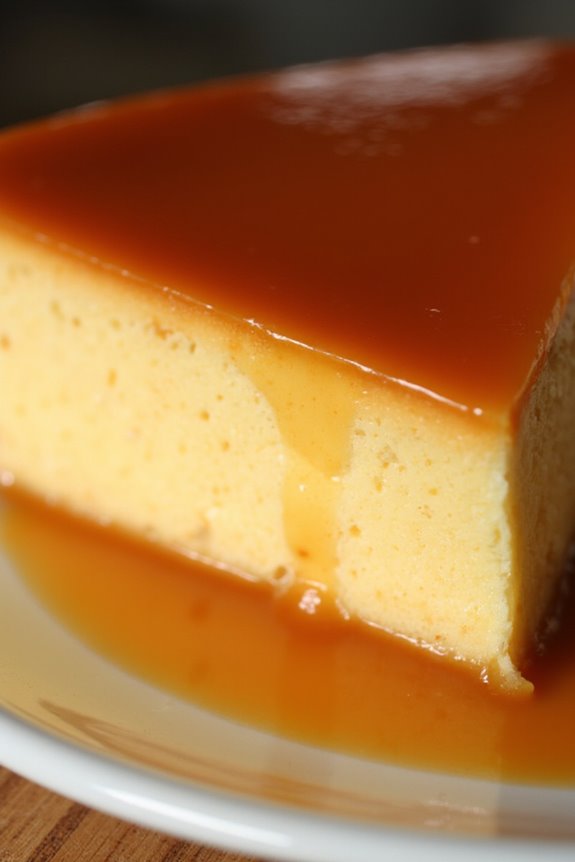
Asado is more than just a meal; it’s a social gathering that celebrates the joy of cooking and sharing good food with friends and family. After enjoying a feast of perfectly grilled meats and tasty sides, there’s no better way to wrap up the experience than with a rich and creamy dessert.
Dulce de leche flan is the perfect sweet ending to your asado, combining the smooth texture of traditional flan with the indulgent flavor of dulce de leche. This delightful dessert will leave your guests with a sweet memory of the meal and a yearning for more.
Making dulce de leche flan is easier than it may seem. With a few simple ingredients and a little bit of patience, you can create a dessert that isn’t only visually stunning but also incredibly flavorful. The flan is baked gently in a water bath, allowing it to develop its silky smooth consistency while the caramel creates a luscious sauce that complements the flan. Serve it chilled for a reviving treat that will impress everyone at the table.
Ingredients (Serves 4-6 people):
- 1 cup dulce de leche
- 1 cup whole milk
- 4 large eggs
- 1 teaspoon vanilla extract
- ½ cup sugar (for caramel)
- 3 tablespoons water (for caramel)
Cooking Instructions:
- Prepare the Caramel: In a small saucepan over medium heat, combine ½ cup of sugar and 3 tablespoons of water. Stir until the sugar dissolves, then stop stirring and let it cook without disturbing until it turns a golden amber color. This should take about 8-10 minutes. Once ready, quickly pour the caramel into a round 8-inch baking dish, tilting it to coat the bottom evenly. Set aside to harden.
- Blend the Flan Mixture: In a blender, combine 1 cup of dulce de leche, 1 cup of whole milk, 4 large eggs, and 1 teaspoon of vanilla extract. Blend on medium speed until the mixture is smooth and well combined.
- Strain the Mixture: To guarantee a silky texture, strain the blended mixture through a fine-mesh sieve into the prepared baking dish over the hardened caramel. This will remove any bubbles and create a smoother flan.
- Prepare the Water Bath: Preheat your oven to 350°F (175°C). Place the flan dish in a larger baking pan and fill the outer pan with hot water until it reaches halfway up the sides of the flan dish. This water bath helps the flan cook evenly.
- Bake the Flan: Carefully place the baking pan in the preheated oven and bake for about 50-60 minutes, or until the flan is set and a knife inserted in the center comes out clean.
- Cool and Chill: Once baked, remove the flan from the oven and the water bath, allowing it to cool at room temperature for about 30 minutes. Then, cover with plastic wrap and refrigerate for at least 4 hours, or preferably overnight.
- Serve: To serve, run a knife around the edges of the flan to loosen it. Invert the flan onto a serving plate, allowing the caramel to drizzle over the top. Slice and enjoy!
Extra Tips:
For a perfect dulce de leche flan, make sure to keep an eye on the caramel as it cooks; sugar can burn quickly. Additionally, using room temperature ingredients can help achieve a smoother mixture.
If you prefer a stronger flavor, try adding a pinch of sea salt to the dulce de leche mixture before blending for a salted caramel twist. Enjoy your flan chilled, as it enhances the flavors and makes for a reviving dessert after a hearty asado!
