


Afternoons in the kitchen are my favorite, especially with classic Chilean baking recipes on the agenda. The scent of freshly baked alfajores and the rich taste of pan de pascua bring so much joy. Each recipe carries a story, and sharing these with you feels special. These treats not only satisfy a sweet tooth but also create cherished memories. You might just discover your new favorite recipe among them.
Alfajores

Alfajores are a delightful treat that have become a staple in Chilean baking. These scrumptious cookies are traditionally made with two delicate layers filled with rich dulce de leche and often rolled in shredded coconut or dusted with powdered sugar. Their origins can be traced back to Moorish influences, but they’ve since evolved into beloved confections enjoyed throughout Latin America. The combination of the buttery cookie and the creamy filling creates a melt-in-your-mouth experience that’s hard to resist.
Making alfajores at home is simpler than it may seem. With just a few basic ingredients, you can create these delicious cookies that will impress family and friends alike. They’re perfect for afternoon tea, special occasions, or simply as a sweet treat to enjoy any time of day. Once you try your hand at baking these delectable cookies, you may find it hard to stop at just one!
Ingredients (Serves 4-6 people):
- 1 cup unsalted butter, softened
- 1 cup granulated sugar
- 2 large egg yolks
- 1 teaspoon vanilla extract
- 2 cups all-purpose flour
- 1 cup cornstarch
- 1 teaspoon baking powder
- 1/4 teaspoon salt
- 1 cup dulce de leche
- Shredded coconut or powdered sugar for dusting
Instructions:
- Prepare the Dough: In a mixing bowl, cream together the softened butter and granulated sugar until light and fluffy. This usually takes about 2-3 minutes. Add the egg yolks and vanilla extract, mixing until fully incorporated.
- Combine Dry Ingredients: In a separate bowl, whisk together the all-purpose flour, cornstarch, baking powder, and salt. This helps to evenly distribute the leavening agents and guarantees a smooth texture for your cookies.
- Mix the Dough: Gradually add the dry ingredients to the butter mixture, mixing until just combined. Be careful not to overmix, as this can lead to tough cookies. The dough should be soft and slightly sticky.
- Chill the Dough: Divide the dough into two portions, shape them into discs, and wrap them in plastic wrap. Refrigerate for at least 1 hour, or until firm. This step is vital as it helps the cookies maintain their shape while baking.
- Preheat the Oven: While the dough is chilling, preheat your oven to 350°F (175°C). Line a baking sheet with parchment paper to prevent sticking.
- Roll and Cut Cookies: Once the dough is chilled, roll it out on a lightly floured surface to about 1/4 inch thick. Use a round cookie cutter to cut out circles and place them on the prepared baking sheet.
- Bake the Cookies: Bake in the preheated oven for about 10-12 minutes, or until the edges are lightly golden. Allow the cookies to cool on the baking sheet for a few minutes before transferring them to a wire rack to cool completely.
- Assemble the Alfajores: Once the cookies are cooled, spread a generous amount of dulce de leche on the bottom of one cookie and sandwich it with another cookie. Press gently to adhere.
- Finish with Coconut or Sugar: Roll the edges of the filled cookies in shredded coconut or dust the tops with powdered sugar for an elegant finish.
Extra Tips:
When making alfajores, be sure to use high-quality dulce de leche for the best flavor. You can also experiment with different fillings, such as chocolate ganache or fruit preserves, to customize your alfajores to your liking.
For added decoration, consider drizzling melted chocolate over the assembled cookies or dipping half of each cookie in chocolate for a delightful twist. Enjoy your baking adventure!
Pan De Pascua
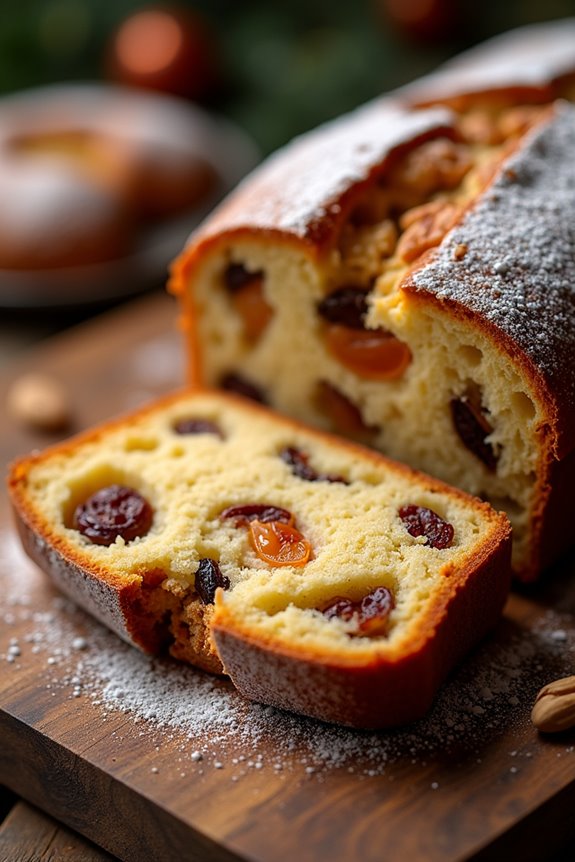
Pan De Pascua is a traditional Chilean cake that’s typically enjoyed during the Christmas season. This spiced fruitcake is rich in flavor, combining the sweetness of dried fruits, nuts, and a hint of warm spices that evoke the essence of the holidays. The name “Pan De Pascua,” which translates to “Easter Bread,” reflects its historical significance, as it was originally made for various celebrations, including Christmas and Easter.
Its dense texture and delightful aroma make it a beloved fixture on Chilean holiday tables, often accompanied by a steaming cup of coffee or hot chocolate. What makes Pan De Pascua truly special is its versatility; you can adjust the mix of fruits and nuts according to your preference or what you have on hand.
The cake is often adorned with a dusting of powdered sugar or a drizzle of chocolate, adding an extra touch of sweetness. Whether you’re baking for a festive gathering or just looking to celebrate the flavors of Chile, this recipe will bring joy to your table.
Ingredients (Serves 4-6 people):
- 2 cups all-purpose flour
- 1 teaspoon baking powder
- 1 teaspoon ground cinnamon
- 1/2 teaspoon ground nutmeg
- 1/2 teaspoon ground cloves
- 1/2 teaspoon salt
- 1/2 cup unsalted butter, softened
- 1 cup brown sugar
- 3 large eggs
- 1/2 cup milk
- 1 cup mixed dried fruits (such as raisins, apricots, and prunes)
- 1/2 cup chopped nuts (such as walnuts or almonds)
- 1/4 cup honey
- 1 teaspoon vanilla extract
- Powdered sugar (for dusting)
Cooking Instructions:
- Preheat the Oven: Begin by preheating your oven to 350°F (175°C). This guarantees that your cake cooks evenly and achieves the perfect texture.
- Prepare the Baking Pan: Grease a loaf pan (approximately 9×5 inches) with butter and lightly dust it with flour to prevent sticking. This step is essential for easy removal of the cake once baked.
- Mix Dry Ingredients: In a large mixing bowl, whisk together the all-purpose flour, baking powder, ground cinnamon, ground nutmeg, ground cloves, and salt. This mixture combines the dry ingredients and spices that will flavor the cake.
- Cream Butter and Sugar: In a separate bowl, beat the softened butter and brown sugar together until light and fluffy. This process incorporates air into the batter, leading to a lighter texture.
- Add Eggs and Wet Ingredients: Add the eggs one at a time, mixing well after each addition. Then, stir in the milk, honey, and vanilla extract until fully combined. This mixture adds moisture and richness to the cake.
- Combine Mixtures: Gradually add the dry ingredient mixture to the wet ingredients, stirring gently until just combined. Be careful not to overmix, as this can make the cake tough.
- Fold in Fruits and Nuts: Gently fold in the mixed dried fruits and chopped nuts. These ingredients add texture and flavor, making each bite a delightful experience.
- Bake the Cake: Pour the batter into the prepared loaf pan, smoothing the top with a spatula. Bake in the preheated oven for about 50-60 minutes, or until a toothpick inserted into the center comes out clean.
- Cool and Serve: Once baked, allow the cake to cool in the pan for about 10 minutes, then transfer it to a wire rack to cool completely. Before serving, dust the top with powdered sugar for an elegant finish.
Extra Tips:
For an extra layer of flavor, consider soaking the dried fruits in a bit of rum or orange juice for a few hours before adding them to the batter. This not only enhances the taste but also helps to keep the fruits moist during baking.
Additionally, feel free to experiment with different types of nuts or add chocolate chips for a more decadent dessert. Pan De Pascua can also be made ahead of time; in fact, it tastes even better after resting for a day, allowing the flavors to meld beautifully.
Chilenitos
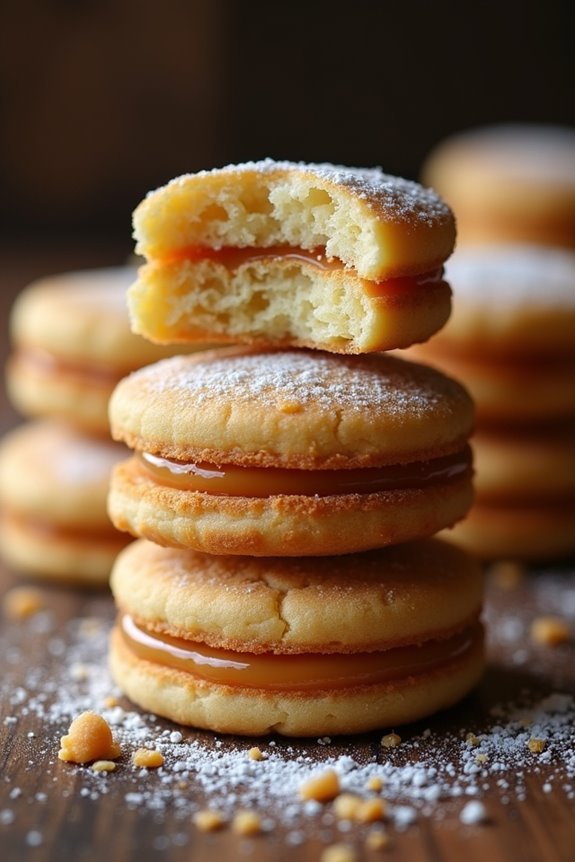
Chilenitos are a delightful Chilean treat that combines a tender, buttery cookie with a rich and sweet filling, typically made from dulce de leche. These delicious cookies are often enjoyed during special occasions, holidays, or simply as a sweet afternoon snack with a cup of tea or coffee. The name “Chilenitos” derives from their origin in Chile, and they’re beloved for their melt-in-your-mouth texture and delightful flavors.
These cookies aren’t only easy to make but also provide an opportunity for creativity. You can experiment with different fillings like fruit jams or chocolate ganache to suit your taste. The delightful contrast between the crumbly cookies and the creamy filling makes Chilenitos a favorite among both children and adults.
Let’s plunge into the recipe to create these scrumptious treats that will surely impress your family and friends.
Ingredients (Serves 4-6 people):
- 2 cups all-purpose flour
- 1/2 cup unsalted butter, softened
- 1/2 cup powdered sugar
- 1 large egg
- 1 teaspoon vanilla extract
- 1/2 teaspoon baking powder
- 1/4 teaspoon salt
- 1 cup dulce de leche (or any filling of your choice)
- Additional powdered sugar for dusting (optional)
Cooking Instructions:
- Prepare the Dough: In a large mixing bowl, cream together the softened butter and powdered sugar until light and fluffy. This process incorporates air into the mixture, which results in a lighter cookie. Add the egg and vanilla extract, and mix until well combined.
- Combine Dry Ingredients: In a separate bowl, sift together the all-purpose flour, baking powder, and salt. Sifting helps to aerate the flour and remove any lumps. Gradually add the dry ingredients to the wet mixture, mixing until a smooth dough forms. Avoid overmixing to keep the cookies tender.
- Chill the Dough: Wrap the dough in plastic wrap and refrigerate for at least 30 minutes. Chilling the dough firmens it up, making it easier to roll out and cut into shapes.
- Roll and Cut the Cookies: Preheat your oven to 350°F (175°C). On a lightly floured surface, roll out the chilled dough to about 1/8-inch thickness. Use cookie cutters to cut out shapes, and place them on a baking sheet lined with parchment paper. Leave some space between each cookie to allow for spreading.
- Bake the Cookies: Bake in the preheated oven for 10-12 minutes, or until the edges are lightly golden. Keep an eye on them, as they can bake quickly. Remove from the oven and let the cookies cool on the baking sheet for a few minutes before transferring them to a wire rack to cool completely.
- Assemble the Chilenitos: Once the cookies are completely cool, take half of the cookies and spread a generous amount of dulce de leche on the flat side. Top with the remaining cookies, pressing gently to create a sandwich. If desired, dust the tops with powdered sugar for an added touch of sweetness.
Extra Tips:
When making Chilenitos, feel free to customize the filling to suit your taste preferences. If you want a touch of tartness, consider adding a layer of fruit jam along with the dulce de leche.
Additionally, make sure that your butter is at room temperature for the best mixing results. Finally, remember to keep an eye on the baking time; cookies can go from perfectly baked to overdone in a matter of seconds!
Enjoy your homemade Chilenitos with family and friends for a delightful treat!
Empanadas De Manzana
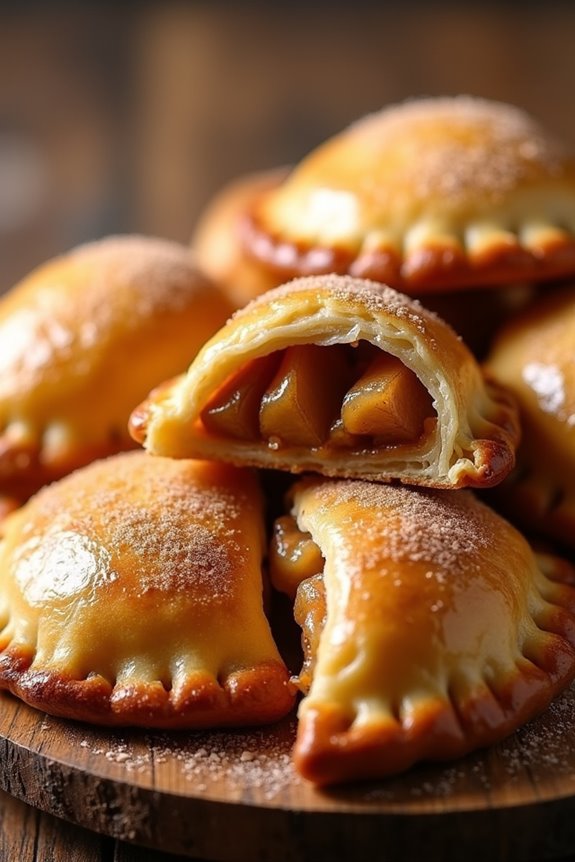
Empanadas de Manzana, or apple turnovers, are a delightful treat that showcases the sweetness of apples enveloped in a flaky pastry. Commonly enjoyed in Chile, these empanadas can be served as a dessert or a sweet snack. The combination of cinnamon and sugar with tender apples creates a comforting flavor that evokes memories of home baking. This recipe is simple enough for beginners but will impress anyone who takes a bite of these delicious pastries.
Making empanadas de manzana is an excellent opportunity to experiment with different types of apples. While tart varieties like Granny Smith work well to balance the sweetness, feel free to mix in sweeter apples such as Fuji or Gala for a unique flavor profile. Once the filling is prepared and the pastry dough is assembled, these little pockets of goodness are baked to golden perfection, making them a perfect addition to any gathering or family meal.
Ingredients (Serves 4-6):
- 2 cups all-purpose flour
- 1/2 cup unsalted butter, chilled and diced
- 1/4 cup sugar
- 1/2 teaspoon salt
- 4-5 tablespoons cold water
- 3 medium-sized apples, peeled, cored, and diced
- 1 tablespoon lemon juice
- 1 teaspoon ground cinnamon
- 1/4 cup brown sugar
- 1 egg, beaten (for egg wash)
Cooking Instructions:
- Prepare the Dough: In a large mixing bowl, combine the all-purpose flour, diced butter, sugar, and salt. Using your hands or a pastry cutter, mix until the mixture resembles coarse crumbs. Gradually add cold water, one tablespoon at a time, until the dough holds together. Wrap the dough in plastic wrap and refrigerate for at least 30 minutes.
- Make the Filling: In a separate bowl, combine the diced apples with lemon juice, ground cinnamon, and brown sugar. Toss well to coat the apples evenly. Allow the mixture to sit for about 10 minutes to let the flavors meld.
- Roll Out the Dough: Once the dough has chilled, preheat your oven to 375°F (190°C). On a floured surface, roll out the dough to about 1/8 inch thick. Use a round cutter or a glass to cut out circles of about 4-5 inches in diameter.
- Assemble the Empanadas: Place a spoonful of the apple filling in the center of each dough circle. Fold the dough over to create a half-moon shape, and press the edges together to seal. Use a fork to crimp the edges for an added decorative touch and to guarantee they’re well sealed.
- Prepare for Baking: Place the empanadas on a baking sheet lined with parchment paper. Brush the tops with the beaten egg to give them a beautiful golden color while baking.
- Bake: Bake in the preheated oven for 25-30 minutes, or until the empanadas are golden brown and puffed up. Remove from the oven and let cool slightly before serving.
Extra Tips:
To add more flavor to your empanadas de manzana, consider including raisins or chopped nuts in the apple filling for extra texture. You can also sprinkle some sugar on top before baking for a sweeter crust.
If you have leftover dough, you can make mini empanadas or use it for other fillings like cheese or meat. Enjoy your freshly baked empanadas warm with a scoop of vanilla ice cream for a delightful dessert!
Kuchen

Kuchen is a delightful traditional Chilean cake that showcases the country’s rich baking heritage. Often enjoyed during tea time or special family gatherings, this cake is versatile and can be made with various fillings, including fruits like apples, berries, or even custard. Its texture is moist and fluffy, making it a perfect treat for any occasion.
The word “kuchen” actually means “cake” in German, reflecting the influence of German immigrants on Chilean cuisine, particularly in the southern regions of the country.
This particular recipe for Kuchen is a classic version featuring a buttery base and a sweet fruit filling, creating a balance of flavors that’s certain to please everyone at the table. With simple ingredients and straightforward instructions, you can create this delectable dessert with ease.
Whether served warm with a scoop of vanilla ice cream or at room temperature with a dusting of powdered sugar, Kuchen is certain to impress your family and friends.
Ingredients (serves 4-6 people)
- 2 cups all-purpose flour
- 1 cup granulated sugar
- 1/2 cup unsalted butter, softened
- 3 large eggs
- 1/2 cup milk
- 2 teaspoons baking powder
- 1 teaspoon vanilla extract
- 1/4 teaspoon salt
- 2 cups fruit filling (such as apples, berries, or peaches)
- Powdered sugar (for dusting, optional)
Cooking Instructions
- Preheat the Oven: Begin by preheating your oven to 350°F (175°C). This guarantees that the cake bakes evenly and rises properly.
- Prepare the Baking Pan: Grease a 9-inch round cake pan with butter or non-stick spray and lightly dust it with flour. This prevents the cake from sticking to the pan.
- Mix the Dry Ingredients: In a medium bowl, whisk together the flour, baking powder, and salt. This helps to evenly distribute the leavening agent and guarantees a uniform texture in the cake.
- Cream the Butter and Sugar: In a large mixing bowl, cream together the softened butter and granulated sugar until light and fluffy. This step incorporates air into the mixture, giving the cake a lighter texture.
- Add Eggs and Vanilla: Beat in the eggs one at a time, mixing well after each addition. Then, add the vanilla extract and mix until well combined. This adds richness and flavor to your batter.
- Combine Dry and Wet Ingredients: Gradually add the dry ingredient mixture to the creamed butter mixture, alternating with the milk. Start and end with the dry ingredients, mixing until just combined. Be careful not to overmix, as this can make the cake dense.
- Fold in the Fruit Filling: Gently fold in your chosen fruit filling into the batter. This adds delicious flavor and natural sweetness to your Kuchen.
- Pour and Bake: Pour the batter into the prepared cake pan, spreading it out evenly. Bake in the preheated oven for 30-40 minutes or until a toothpick inserted into the center comes out clean.
- Cool and Serve: Once baked, remove the Kuchen from the oven and allow it to cool in the pan for about 10 minutes. Then, transfer it to a wire rack to cool completely. Dust with powdered sugar before serving, if desired.
Extra Tips
When making Kuchen, feel free to experiment with different fruit fillings to suit your taste or the season. Fresh fruits will create a juicier filling, while canned fruits may yield a sweeter result.
For added flavor, consider adding a sprinkle of cinnamon or nutmeg to the batter or fruit filling. Serve the Kuchen with whipped cream or ice cream for an extra indulgent treat. Enjoy your homemade Chilean Kuchen!
Torta De Milhojas
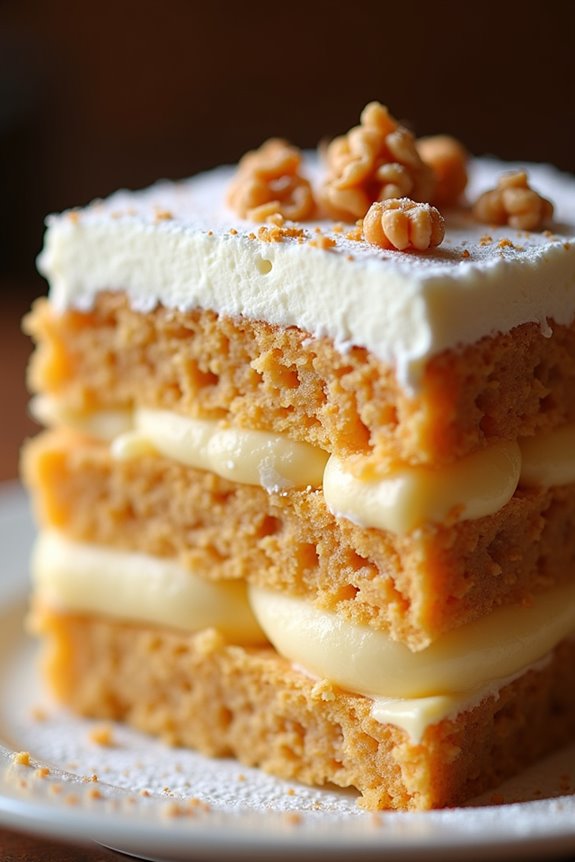
Torta De Milhojas, also known as “Thousand Layers Cake,” is a traditional Chilean dessert that boasts a rich, buttery pastry and a sumptuous filling, often made with dulce de leche or a creamy custard. This dessert isn’t only a visual delight but also a treat for the taste buds, combining layers of flaky pastry with sweet, smooth filling.
It’s a perfect dessert to impress your guests at gatherings or to enjoy during a cozy family dinner. The preparation of Torta De Milhojas might seem challenging with its multiple layers, but the result is well worth the effort. The flaky texture of the pastry contrasts beautifully with the creamy filling, creating a delightful experience in every bite.
This cake can be customized with various fillings, but the classic version remains a favorite among many. Let’s explore the ingredients and steps needed to create this memorable dessert for 4-6 people.
Ingredients:
- 1 package of puff pastry sheets (about 500g)
- 2 cups of dulce de leche (or homemade caramel)
- 1 cup of heavy cream
- 1 teaspoon of vanilla extract
- 1 tablespoon of powdered sugar (for sweetening the cream)
- 1 cup of chopped nuts (optional, for garnish)
- Extra powdered sugar (for dusting)
Cooking Instructions:
1. Preheat the Oven: Begin by preheating your oven to 400°F (200°C). This step is essential as it guarantees that the puff pastry cooks evenly and achieves a golden-brown color.
2. Prepare the Puff Pastry: Roll out the puff pastry sheets on a lightly floured surface to thin them out. Use a rolling pin to achieve an even thickness. Cut the sheets into 8 equal squares or rectangles, depending on your preference for the cake shape.
3. Bake the Pastry Layers: Place the cut pastry pieces on a baking sheet lined with parchment paper. Bake in the preheated oven for about 15-20 minutes or until they’re golden and puffed up. Keep an eye on them to prevent burning.
Once baked, remove from the oven and let them cool completely on a wire rack.
4. Prepare the Whipped Cream****: In a mixing bowl, combine the heavy cream, vanilla extract, and powdered sugar. Using a hand mixer or stand mixer, whip the cream until soft peaks form. This will add a light and airy texture to the cake.
5. Assemble the Cake: Once the pastry layers are cooled, start the assembly by spreading a layer of dulce de leche on the first pastry piece. Follow this by adding a layer of whipped cream.
Repeat the layering process with the remaining pastry, dulce de leche, and whipped cream, finishing with a final layer of pastry on top.
6. Chill the Cake: After assembling, place the cake in the refrigerator for at least 2 hours. This chilling time helps the layers to meld together, making it easier to slice and serve.
7. Serve and Garnish: Once chilled, remove the cake from the refrigerator. Dust the top with extra powdered sugar and sprinkle chopped nuts if desired. Slice into pieces and serve immediately.
Extra Tips:
For an added twist, consider infusing the whipped cream with flavors like coffee or chocolate to complement the dulce de leche.
Make sure to allow the cake some time to set in the refrigerator to guarantee clean slices when serving. Torta De Milhojas can also be made a day in advance, allowing the flavors to deepen and the layers to blend beautifully. Enjoy the delightful process of creating this classic Chilean dessert!
Pan De Muerto
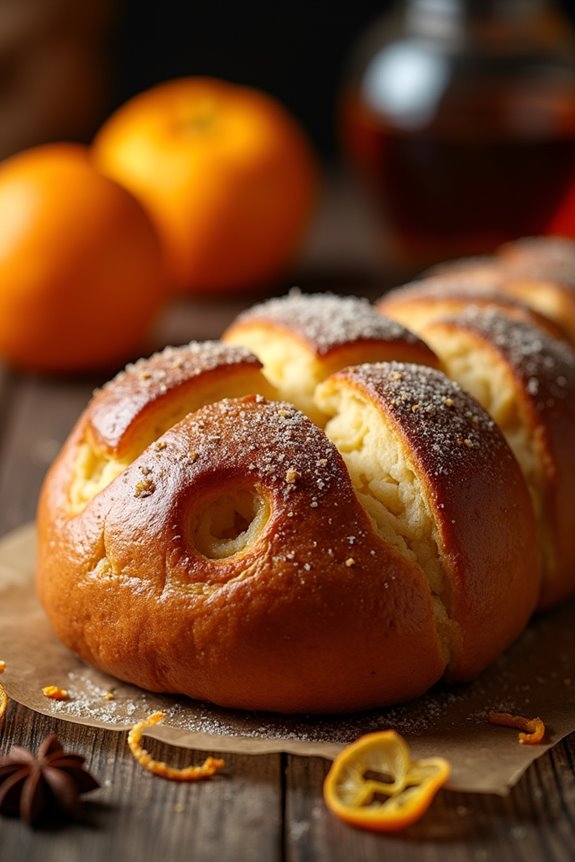
Pan De Muerto, or “Bread of the Dead,” is a traditional Mexican sweet bread typically prepared for Día de Muertos (Day of the Dead) celebrations. This delightful bread is often shaped like a skull or decorated with bone-like pieces, symbolizing the connection between the living and the dead. The tender, fluffy texture and subtle orange blossom flavor make it a beloved treat not only during the festivities but also throughout the year.
It’s often enjoyed with a hot beverage, making it a perfect recipe for gatherings with family and friends.
Making Pan De Muerto at home allows you to infuse your unique touch into this beloved recipe. While it may seem intimidating at first, the process can be quite enjoyable, especially with the help of loved ones. The fragrant aroma that fills your kitchen as it bakes is sure to create a warm and inviting atmosphere.
So, gather your ingredients and get ready to create a cultural masterpiece that will impress everyone at the table.
Ingredients (Serves 4-6):
- 4 cups all-purpose flour
- 1 cup sugar, divided
- 1 packet (2 1/4 teaspoons) active dry yeast
- 1/2 teaspoon salt
- 1/2 cup milk, warmed
- 1/2 cup unsalted butter, softened
- 3 large eggs
- 1 tablespoon orange zest
- 1/4 cup orange juice
- 1 teaspoon anise seeds (optional)
- Extra butter for brushing
- Extra sugar for sprinkling
Cooking Instructions:
- Prepare the Yeast Mixture: In a small bowl, combine the warmed milk with 1 tablespoon of sugar and the active dry yeast. Allow it to sit for about 5-10 minutes until it becomes frothy. This step guarantees that the yeast is activated and ready to help the dough rise.
- Mix the Dry Ingredients: In a large mixing bowl, whisk together the flour, remaining sugar, salt, and optional anise seeds. Anise adds a traditional flavor that complements the other ingredients beautifully.
- Combine Wet Ingredients: In a separate bowl, beat together the eggs, orange zest, and orange juice until well combined. Make sure the mixture is smooth, as this will contribute to the dough’s overall texture.
- Form the Dough: Add the frothy yeast mixture and the egg mixture to the dry ingredients. Using a wooden spoon or your hands, mix until a rough dough forms. Then, add the softened butter and knead the dough on a floured surface for about 10 minutes until it becomes smooth and elastic.
- First Rise: Place the dough in a lightly greased bowl, cover it with a kitchen towel, and let it rise in a warm place for about 1-2 hours, or until it has doubled in size. This is the time for the yeast to work its magic, making your bread light and fluffy.
- Shape the Bread: After the first rise, punch down the dough to release the air. Divide it into three portions: one larger piece for the main loaf and two smaller pieces for the decorative bones. Shape the larger piece into a round loaf and the smaller pieces into thin ropes to create bone shapes.
- Second Rise: Place the shaped loaf on a baking sheet lined with parchment paper. Arrange the bone shapes on top of the loaf, and then cover it with a towel again. Let it rise for another 30-45 minutes, until puffed.
- Preheat and Bake: Preheat your oven to 350°F (175°C). Once the dough has risen, bake the bread for about 25-30 minutes, or until golden brown. It should sound hollow when tapped on the bottom.
- Cool and Finish: Remove the bread from the oven and let it cool slightly. While still warm, brush it with melted butter and sprinkle with sugar for a glossy finish.
Extra Tips:
When making Pan De Muerto, don’t hesitate to get creative with its shape and decoration. While the traditional style is beautiful, you can also experiment with different designs that reflect your personality.
Additionally, if you want the bread to maintain its freshness longer, store it in an airtight container once it has completely cooled. This will help prevent it from drying out, allowing you to enjoy the delightful taste of Pan De Muerto for days to come.
Marraqueta
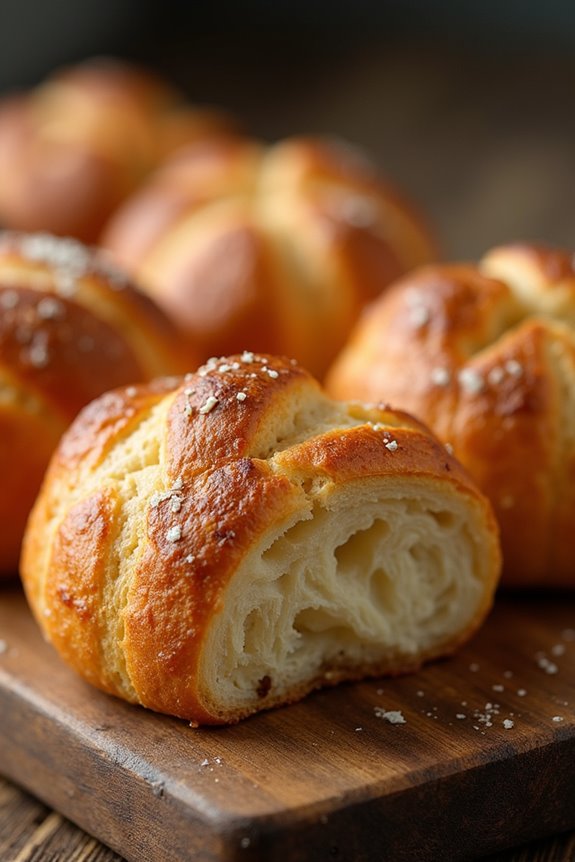
Marraqueta, a traditional Chilean bread, is loved for its crispy crust and soft, airy interior. This iconic bread is commonly enjoyed during breakfast or as a side to meals, often paired with avocado, cheese, or just a smear of butter. Its unique shape, resembling a split roll, makes it a delightful addition to any dining table.
Baking marraqueta at home not only allows you to experience the warmth of freshly baked bread but also fills your kitchen with an irresistible aroma. The process of making marraqueta may seem challenging, but with the right ingredients and techniques, you can replicate this beloved bread in your own kitchen.
The key to achieving the perfect marraqueta lies in the dough’s hydration and the technique used to shape the rolls. With a little patience and practice, you’ll impress your family and friends with your delicious homemade marraqueta that captures the essence of Chilean baking.
Ingredients (Serves 4-6)
- 4 cups all-purpose flour
- 1 ½ cups warm water (about 110°F/43°C)
- 1 tablespoon sugar
- 2 teaspoons salt
- 2 teaspoons active dry yeast
- 2 tablespoons olive oil
- Extra flour for dusting
Cooking Instructions
- Activate the Yeast: In a small bowl, combine the warm water, sugar, and active dry yeast. Stir gently and let it sit for about 5-10 minutes until it becomes frothy. This indicates that the yeast is active.
- Mix the Dry Ingredients: In a large mixing bowl, whisk together the all-purpose flour and salt. Create a well in the center of the flour mixture.
- Combine Wet and Dry Ingredients: Pour the frothy yeast mixture and olive oil into the well you created in the flour. Using a wooden spoon, gradually mix the flour into the liquid until a rough dough forms.
- Knead the Dough: Transfer the dough to a lightly floured surface. Knead the dough for about 10 minutes until it becomes smooth and elastic. If the dough is too sticky, sprinkle in a little more flour as needed.
- First Rise: Shape the kneaded dough into a ball and place it in a lightly oiled bowl, covering it with a damp cloth. Allow it to rise in a warm place for about 1 hour or until it has doubled in size.
- Shape the Rolls: Once the dough has risen, punch it down to release the air. Divide the dough into equal portions (about 8-10 pieces). Shape each piece into a ball, then flatten it slightly and fold it in half. Pinch the edges to create a seam.
- Second Rise: Place the shaped rolls seam side down on a baking sheet lined with parchment paper. Cover them with a cloth and let them rise for another 30 minutes until puffy.
- Preheat the Oven: While the rolls are rising, preheat your oven to 450°F (230°C). Place a shallow pan with water in the bottom of the oven to create steam during baking.
- Score the Rolls: Just before baking, use a sharp knife to make a shallow cut along the top of each roll. This will help them expand while baking.
- Bake the Marraqueta: Place the baking sheet in the preheated oven and bake for 15-20 minutes or until the rolls are golden brown and sound hollow when tapped on the bottom.
- Cool: Remove the marraquetas from the oven and let them cool on a wire rack for a few minutes before serving.
Extra Tips
For the best results, make sure your ingredients are at room temperature, especially the water, as this helps the yeast to activate properly. Additionally, if you want a crispier crust, you can brush the rolls with water before baking or place an additional pan of hot water in the oven to create steam.
Always keep an eye on your rolls towards the end of the baking time to avoid over-browning. Enjoy your homemade marraqueta warm with your favorite toppings!
Torta De Acelga
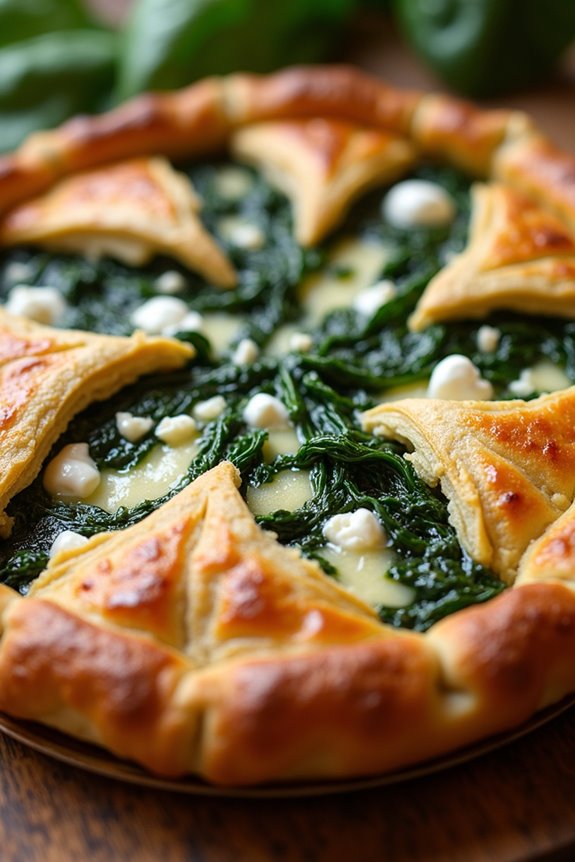
Torta de Acelga is a traditional Chilean dish that combines the earthy flavors of Swiss chard with a flaky pastry crust, creating a savory pie that’s both satisfying and nutritious. This dish is often enjoyed as a main course or a hearty snack, making it a versatile addition to any meal. The combination of fresh chard, eggs, and cheese, baked until golden brown, provides a rich and flavorful experience that showcases the best of Chilean home cooking.
The beauty of Torta de Acelga lies in its simplicity and the accessibility of its ingredients. You can find Swiss chard in most grocery stores, and it pairs wonderfully with various cheeses, allowing you to customize the recipe to your liking. Whether served warm or at room temperature, this torta is sure to impress family and friends with its deliciousness and rustic charm.
Ingredients (Serves 4-6):
- 1 package of puff pastry (2 sheets)
- 1 bunch of Swiss chard (about 500g), cleaned and chopped
- 1 medium onion, finely chopped
- 2 cloves of garlic, minced
- 3 large eggs
- 200g of feta cheese, crumbled
- 100g of grated mozzarella cheese
- 1/4 cup of fresh parsley, chopped
- 1/4 cup of olive oil
- Salt and pepper to taste
- 1 egg (for egg wash)
Cooking Instructions:
1. Prepare the Swiss Chard: In a large skillet, heat the olive oil over medium heat. Add the chopped onion and garlic, sautéing until the onion becomes translucent, about 5 minutes.
Then, add the chopped Swiss chard to the skillet and cook until it wilts down, approximately 3-4 minutes. Season with salt and pepper to taste. Once cooked, remove from heat and let it cool slightly.
2. Mix the Filling: In a large mixing bowl, combine the wilted Swiss chard mixture with the crumbled feta cheese, grated mozzarella cheese, chopped parsley, and three beaten eggs. Stir until the ingredients are evenly distributed and set aside.
3. Prepare the Pastry: Preheat your oven to 180°C (350°F). Roll out one sheet of puff pastry on a floured surface and place it in a greased pie dish, allowing the edges to hang over the sides. Guarantee that the pastry covers the bottom and sides of the dish evenly.
4. Assemble the Torta: Pour the Swiss chard filling into the pastry-lined pie dish, spreading it evenly. Roll out the second sheet of puff pastry and cover the filling, sealing the edges by pressing the top and bottom pastry together. Trim any excess pastry and cut small slits in the top to allow steam to escape.
5. Egg Wash: Beat the remaining egg and brush it over the top of the pastry to give it a beautiful golden color when baked.
6. Bake: Place the torta in the preheated oven and bake for 30-35 minutes, or until the pastry is golden brown and puffed up. Once done, remove from the oven and let it cool for about 10 minutes before slicing and serving.
Extra Tips:
For a twist on the classic Torta de Acelga, consider adding other vegetables such as spinach or sautéed mushrooms to the filling for added flavor and texture.
You can also experiment with different cheeses based on your preference; goat cheese or ricotta can add a wonderful creaminess. Additionally, this dish can be made ahead of time and reheated, making it a great option for meal prep or entertaining guests. Enjoy your delicious homemade torta!
Cuca De Manzana
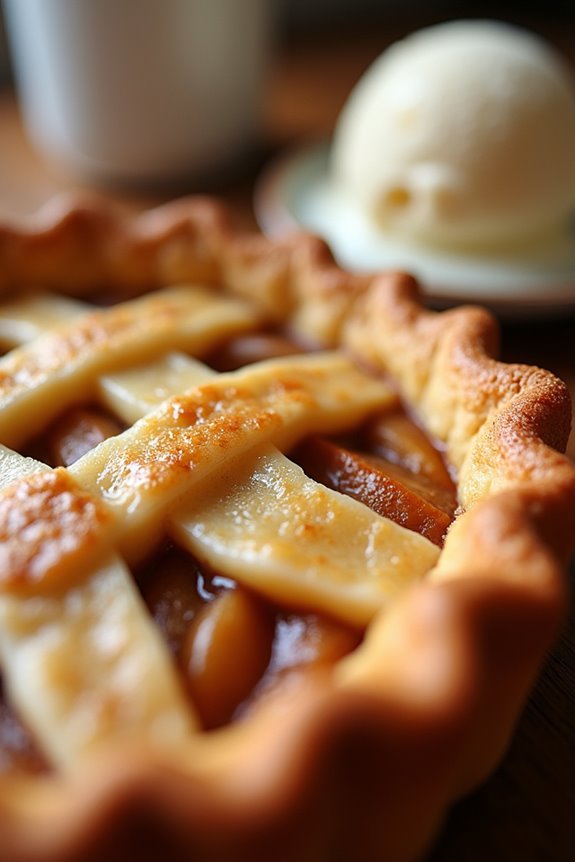
Cuca De Manzana is a delightful Chilean dessert that features a sweet apple filling encased in a buttery, crumbly crust. This dish isn’t only a favorite among locals but also a wonderful way to bring a taste of Chile to your home.
With its combination of tender apples, aromatic spices, and a satisfying crunch, Cuca De Manzana is perfect for gatherings or a cozy family dinner. Serve it warm with a scoop of vanilla ice cream or a dollop of whipped cream for an extra special treat.
Making Cuca De Manzana is a straightforward process that combines fresh ingredients and simple techniques, making it accessible even for novice bakers. This recipe yields 4-6 servings, making it an ideal choice for sharing with friends and family.
Whether you’re celebrating a special occasion or just indulging in a sweet craving, this dessert is sure to impress with its delightful flavors and textures.
Ingredients
- 4 medium-sized apples (preferably Granny Smith or any tart variety)
- 1 cup granulated sugar
- 1 teaspoon cinnamon
- 1 teaspoon vanilla extract
- 1 tablespoon lemon juice
- 2 cups all-purpose flour
- 1/2 cup unsalted butter, softened
- 1/2 cup powdered sugar
- 1 large egg
- 1/2 teaspoon baking powder
- Pinch of salt
Instructions
- Prepare the Apples: Start by peeling, coring, and slicing the apples into thin wedges. In a large mixing bowl, combine the sliced apples with granulated sugar, cinnamon, vanilla extract, and lemon juice. Toss everything together until the apples are well coated. Set aside to allow the flavors to meld while you prepare the crust.
- Make the Crust: In another bowl, cream together the softened butter and powdered sugar until light and fluffy. Beat in the egg until fully incorporated. In a separate bowl, whisk together the flour, baking powder, and salt, then gradually add this dry mixture to the wet ingredients. Mix until a soft dough forms.
- Preheat the Oven: Preheat your oven to 350°F (175°C) to guarantee it’s hot and ready for baking once you assemble the dish.
- Assemble the Cuca De Manzana: Divide the dough into two portions, one slightly larger than the other. Roll out the larger portion on a floured surface to fit the bottom of a greased pie dish. Press the dough into the dish, making sure to cover the bottom and sides evenly.
- Add the Apple Filling: Pour the prepared apple mixture into the crust, spreading it evenly.
- Top with Remaining Dough: Roll out the smaller portion of dough into a circle and place it over the apple filling. Pinch the edges to seal and make several slits in the top crust to allow steam to escape during baking.
- Bake: Place the assembled Cuca De Manzana in the preheated oven and bake for about 40-45 minutes, or until the crust is golden brown and the apples are tender.
- Cool and Serve: Once out of the oven, allow the dessert to cool for a few minutes. Slice and serve warm, garnished with ice cream or whipped cream if desired.
Extra Tips
For a richer flavor, consider adding a pinch of nutmeg or even some dried fruit like raisins to the apple mixture. If you want a more textured crust, you can replace some of the all-purpose flour with whole wheat flour.
Additionally, let the Cuca De Manzana cool slightly before serving to allow the filling to set up a bit, which will make slicing easier. Enjoy your baking adventure with this delightful Chilean treat!
Sopaipillas
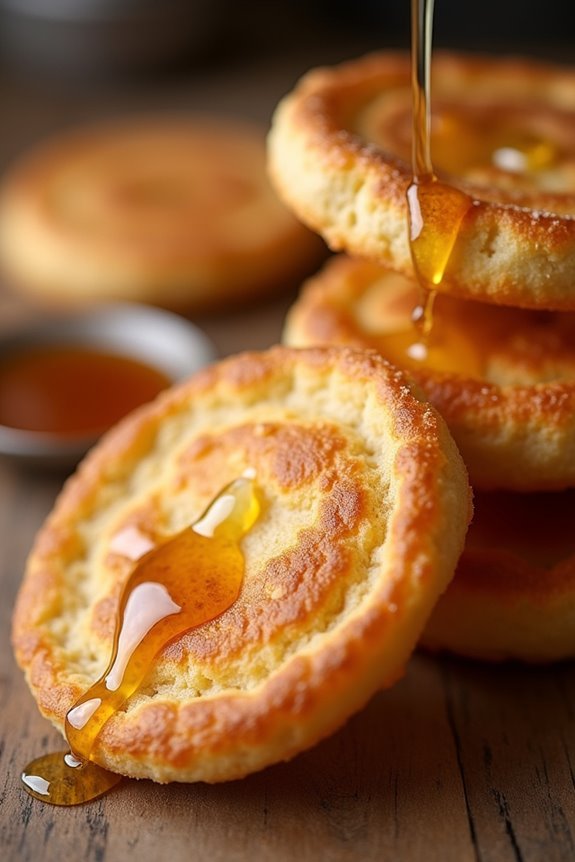
Sopaipillas are a beloved Chilean pastry that showcases the country’s rich culinary heritage. These delightful fried dough treats are crisp on the outside and soft on the inside, often enjoyed as a snack or dessert. Traditionally made with pumpkin or squash, sopaipillas are a versatile dish that can be served sweet, drizzled with honey or powdered sugar, or savory, paired with pebre or other toppings.
Whether you’re sharing them with family or serving them at a gathering, sopaipillas are bound to impress with their delicious flavor and delightful texture.
Making sopaipillas is a fun and rewarding experience that can be enjoyed by cooks of any skill level. With just a few simple ingredients, you can whip up a batch of these mouthwatering pastries in no time. The combination of pumpkin or squash gives the dough a distinct flavor and a beautiful golden hue, making them even more enticing.
Follow this easy recipe to create your own authentic Chilean sopaipillas that will transport your taste buds straight to the heart of Chile.
Ingredients (Serves 4-6)
- 2 cups all-purpose flour
- 1 cup cooked and mashed pumpkin or squash
- 1 teaspoon baking powder
- 1 teaspoon salt
- 2 tablespoons vegetable oil
- Warm water (as needed)
- Oil for frying
- Honey or powdered sugar (for serving, optional)
Cooking Instructions
- Prepare the Dough: In a large mixing bowl, combine the flour, baking powder, and salt. Mix well. Then, add the cooked and mashed pumpkin or squash along with the vegetable oil. Gradually mix in warm water, a little at a time, until the dough comes together. It should be soft but not sticky.
- Knead the Dough: Turn the dough onto a floured surface and knead for about 5 minutes until it becomes smooth and elastic. Cover the dough with a clean kitchen towel and let it rest for about 30 minutes. This rest period allows the gluten to relax, making it easier to roll out.
- Roll Out the Dough: After resting, divide the dough into smaller portions for easier handling. Roll out each portion to about 1/4 inch thickness on a floured surface. Cut the dough into circles or squares, depending on your preference.
- Heat the Oil: In a deep frying pan or pot, heat about 2 inches of oil over medium-high heat. The oil is ready for frying when a small piece of dough dropped into it sizzles immediately.
- Fry the Sopaipillas: Carefully place a few pieces of the cut dough into the hot oil, being careful not to overcrowd the pan. Fry each side for about 2-3 minutes or until they turn golden brown. Use a slotted spoon to remove them from the oil and drain on paper towels.
- Serve: Serve the sopaipillas warm, either drizzled with honey or sprinkled with powdered sugar for a sweet treat, or with pebre for a savory option.
Extra Tips
For the best results, make sure that the oil is hot enough before frying to achieve a perfect golden color and crispy texture. If you want to add an extra layer of flavor, consider infusing the dough with spices like cinnamon or nutmeg.
You can also experiment with different types of squash, such as butternut or zucchini, to give your sopaipillas a unique taste. Enjoy them fresh for the best experience, as they can lose their crispness over time.
Bizcochos
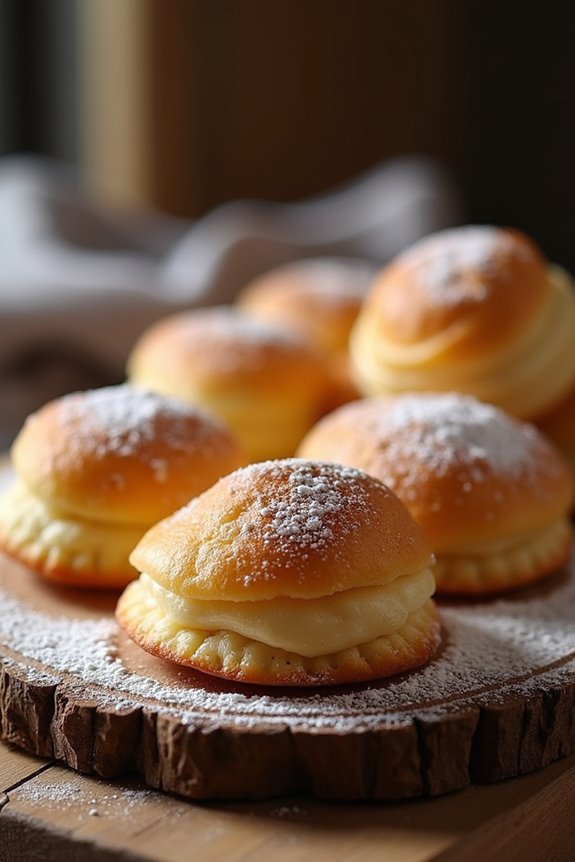
Bizcochos are a delightful treat from Chile, often enjoyed with coffee or tea. These sweet, flaky pastries are perfect for breakfast or as an afternoon snack. Traditionally, they’ve a rich, buttery flavor and a light, airy texture that melts in your mouth.
Making bizcochos is a wonderful way to experience the warmth and charm of Chilean baking in your own kitchen. To create these pastries, you’ll need a few simple ingredients and some patience, as the dough requires some resting time to achieve the perfect texture.
Once you master this recipe, you can even experiment with different fillings or toppings, making it a versatile addition to your baking repertoire. Gather your ingredients, and let’s explore the enchanting world of Chilean bizcochos!
Ingredients (Serves 4-6)
- 4 cups all-purpose flour
- 1 cup unsalted butter, softened
- 1 cup granulated sugar
- 1 cup milk
- 2 large eggs
- 2 teaspoons baking powder
- 1 teaspoon vanilla extract
- 1/2 teaspoon salt
- Powdered sugar (for dusting, optional)
Cooking Instructions
- Prepare the Dough: In a large mixing bowl, cream together the softened butter and granulated sugar until the mixture is light and fluffy. This process incorporates air, which will help create a tender texture in the bizcochos.
- Add Wet Ingredients: Beat in the eggs one at a time, confirming each is fully incorporated before adding the next. Then, stir in the milk and vanilla extract. Combining these wet ingredients will create a smooth batter that forms the base of your bizcochos.
- Mix Dry Ingredients: In a separate bowl, whisk together the all-purpose flour, baking powder, and salt. This step guarantees that the leavening agent is evenly distributed throughout the flour, which is vital for achieving the right rise and texture.
- Combine Ingredients: Gradually add the dry mixture to the wet mixture, stirring gently until a soft dough forms. Avoid overmixing, as this can lead to tough pastries. The dough should be cohesive and slightly sticky.
- Chill the Dough: Cover the bowl with plastic wrap and refrigerate the dough for at least 30 minutes. Chilling allows the butter to firm up, which helps the bizcochos maintain their shape during baking.
- Shape the Bizcochos: Once chilled, preheat your oven to 350°F (175°C). On a lightly floured surface, roll out the dough to about 1/4 inch thick. Cut out shapes using cookie cutters or a knife, and place them on a parchment-lined baking sheet.
- Bake: Bake the bizcochos in the preheated oven for about 15-20 minutes, or until the edges are lightly golden. Keep an eye on them to avoid overbaking, as they can quickly become dry.
- Cool and Serve: Remove the bizcochos from the oven and let them cool on a wire rack. Once cooled, dust with powdered sugar if desired, and serve with your favorite beverage.
Extra Tips
When making bizcochos, it’s important to confirm your butter is at room temperature to achieve the best creaming effect. Additionally, feel free to experiment with flavors by adding lemon zest or almond extract for a unique twist on the classic recipe.
Storing the bizcochos in an airtight container will keep them fresh for several days, allowing you to enjoy these delightful pastries over time.
Pastel De Choclo

Pastel de Choclo, or corn pie, is a traditional Chilean dish that beautifully combines the sweet and savory flavors of corn with a delicious filling of meat and vegetables. This hearty casserole captures the essence of Chile’s culinary heritage, showcasing the country’s rich agricultural produce, particularly its corn.
Perfect for family gatherings or social occasions, Pastel de Choclo is a comfort food that’s sure to please everyone at the table. The dish is typically made with a layer of ground beef mixed with spices, olives, and hard-boiled eggs, all topped with a creamy corn mixture. The contrast of the savory filling and the sweet corn topping creates a delightful balance of flavors.
Whether you’re familiar with Chilean cuisine or trying it for the first time, Pastel de Choclo is a rewarding dish to prepare and enjoy.
Ingredients (Serves 4-6 People)
- 2 cups of fresh or frozen corn kernels
- 1 cup of milk
- 2 tablespoons of butter
- 1 teaspoon of sugar
- Salt and pepper to taste
- 1 pound of ground beef
- 1 onion, finely chopped
- 2 cloves of garlic, minced
- 1 teaspoon of paprika
- ½ teaspoon of cumin
- 1 cup of black olives, pitted and chopped
- 2 hard-boiled eggs, sliced
- 1 tablespoon of fresh parsley, chopped (optional)
Cooking Instructions
1. Prepare the Corn Mixture: In a blender, combine the corn kernels, milk, butter, sugar, salt, and pepper. Blend until smooth and creamy. This will serve as the top layer of your pastel. Set this mixture aside.
2. Cook the Meat Filling: In a large skillet, heat a tablespoon of oil over medium heat. Add the chopped onion and garlic, sautéing until the onion is translucent. This should take about 5 minutes.
Then, add the ground beef to the skillet and cook until browned, breaking it up with a spatula.
3. Season the Meat: Once the beef is browned, stir in the paprika and cumin. Cook for an additional 2-3 minutes to allow the spices to infuse the meat. Season with salt and pepper to taste.
4. Combine Ingredients: Remove the skillet from heat and stir in the chopped olives and sliced hard-boiled eggs. The olives add a briny flavor, while the eggs contribute creaminess and protein.
5. Assemble the Dish: Preheat your oven to 375°F (190°C). In a baking dish, spread the meat filling evenly at the bottom. Pour the corn mixture over the meat, smoothing it out to cover completely.
6. Bake the Pastel: Place the baking dish in the preheated oven and bake for 30-35 minutes, or until the top is golden brown and set. The sweet aroma of corn will fill your kitchen as it bakes.
7. Serve and Enjoy: Once baked, remove from the oven and let it cool for a few minutes before serving. Cut into squares and garnish with fresh parsley if desired.
Extra Tips
For an extra layer of flavor, consider adding some diced bell peppers or carrots to the meat mixture. You can also experiment with different types of cheese mixed into the corn topping for a richer taste.
If you want a spicier kick, adding some diced jalapeños or chili powder to the ground beef will elevate the dish. Pastel de Choclo can be made ahead of time and stored in the refrigerator, making it perfect for meal prep or entertaining guests.
Enjoy your culinary adventure with this delightful Chilean classic!
