


Hey there, fellow food enthusiasts! Today, we’re delving into the heart of Colombian cuisine with a list of 14 classic dishes that are sure to inspire your inner chef. From the cozy hug of Sancocho to the irresistible flavors of Arepas, each recipe carries a piece of Colombia’s rich cultural tapestry. Picture the vibrant colors and textures that grace a Colombian table. Let’s uncover the stories these dishes have to tell.
Arepas
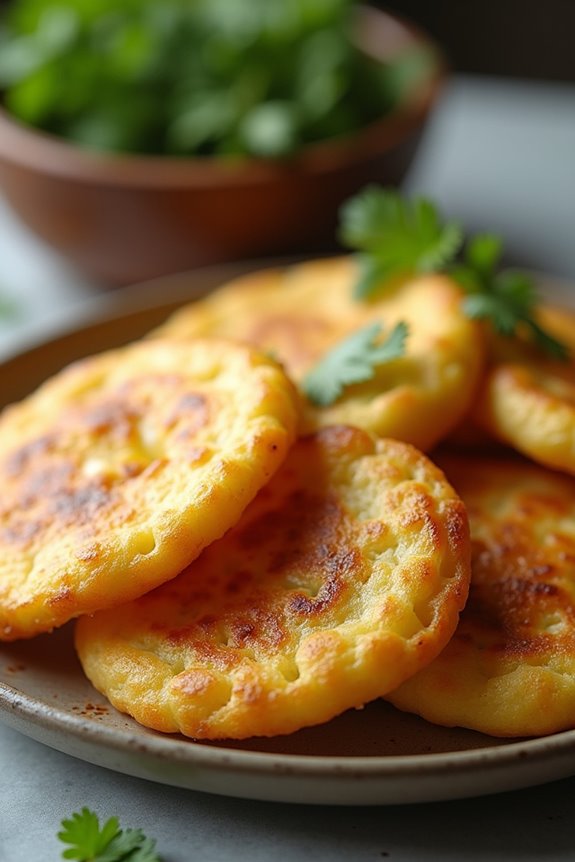
Arepas are a traditional Colombian dish that has become beloved across Latin America. These delicious cornmeal cakes are versatile and can be enjoyed at any meal of the day. Originating from the indigenous communities of the region, arepas can be grilled, baked, or fried, and they can be filled or topped with an array of ingredients, making them a perfect dish for both savory and sweet tastes.
Whether enjoyed plain or stuffed with cheese, meats, or vegetables, arepas are sure to delight your taste buds and bring a taste of Colombia to your kitchen.
Making arepas is a straightforward process that requires a few simple ingredients, primarily cornmeal, which is the star of the dish. With just a little bit of water and salt, you can create a dough that can be shaped into patties and cooked to golden perfection. This recipe will guide you through the steps to create a batch of arepas that serves 4-6 people, ensuring that there’s enough for everyone to enjoy!
Ingredients
- 2 cups of precooked cornmeal (masarepa)
- 2 ½ cups of warm water
- 1 teaspoon of salt
- 1 tablespoon of vegetable oil (optional for frying)
- Cheese, meat, or other fillings of your choice (optional)
Cooking Instructions
- Prepare the dough: In a large mixing bowl, combine the precooked cornmeal and salt. Gradually add the warm water while mixing with your hands or a spoon until a dough forms. The dough should be moist but not sticky. If it feels too dry, add a little more water; if too sticky, sprinkle a little more cornmeal.
- Shape the arepas: Divide the dough into equal portions, approximately the size of a golf ball. Roll each piece into a ball and then flatten it gently with your palms to form a patty about ½ inch thick. Make sure the edges are smooth to prevent cracking during cooking.
- Cook the arepas: Preheat a non-stick skillet or griddle over medium heat. If you prefer a crispier texture, you can add a tablespoon of vegetable oil. Place the arepas on the skillet and cook for about 5-7 minutes on each side, or until they develop a golden-brown crust. For a softer texture, you can also bake them in the oven at 375°F (190°C) for 15-20 minutes after pan-frying.
- Serve and fill: Once cooked, remove the arepas from the heat and let them cool slightly. You can either cut a slit in the side of each arepa to create a pocket for fillings or serve them open-faced. Fill with cheese, shredded meat, avocado, or any of your favorite toppings.
Extra Tips
When making arepas, feel free to experiment with different types of fillings and toppings to suit your taste preferences. You can incorporate herbs and spices into the dough for added flavor or try using different types of cheese for a unique twist.
Also, if you want to prepare arepas ahead of time, you can freeze them after cooking; simply reheat them in a skillet or oven when ready to serve. Enjoy your culinary adventure with this delightful Colombian staple!
Bandeja Paisa

Bandeja Paisa is a traditional Colombian dish that originates from the Antioquia region. This hearty platter is a celebration of flavors and textures, showcasing a variety of ingredients that come together to create a filling meal. The dish typically includes beans, rice, ground meat, chicharrón (fried pork belly), avocado, fried eggs, and plantains, making it a feast fit for the most ravenous of appetites.
It’s often served on a large platter, with each component arranged attractively, inviting diners to indulge in the rich culinary heritage of Colombia.
Preparing Bandeja Paisa may seem intimidating due to the variety of ingredients and steps involved, but the end result is well worth the effort. Each element of the dish is cooked separately to guarantee that the flavors shine through. The combination of savory meats, creamy avocado, and sweet plantains creates a perfect balance that will transport your taste buds straight to Colombia.
Whether you’re hosting a gathering or simply craving something special, Bandeja Paisa is sure to impress.
Ingredients (Serves 4-6)
- 2 cups cooked red beans
- 1 cup white rice
- 1 pound ground beef
- 1 pound chicharrón (fried pork belly)
- 4 eggs
- 2 ripe avocados
- 2 ripe plantains
- 1 medium onion, chopped
- 2 cloves garlic, minced
- 1 tablespoon vegetable oil
- 1 teaspoon ground cumin
- Salt and pepper to taste
- Fresh cilantro for garnish
Cooking Instructions
- Prepare the Beans: If using dried red beans, soak them overnight and then cook them in a pot with water until tender. If using canned beans, simply heat them in a saucepan and season with salt and cumin to taste.
- Cook the Rice: In a separate pot, bring 2 cups of water to a boil. Add the white rice, a pinch of salt, and reduce the heat to low. Cover and simmer for about 18-20 minutes or until the rice is fully cooked and fluffy.
- Make the Ground Beef: In a skillet, heat the vegetable oil over medium heat. Add the chopped onion and minced garlic, sautéing until soft. Add the ground beef, season with cumin, salt, and pepper, and cook until browned and fully cooked through.
- Prepare the Chicharrón: If you’re making homemade chicharrón, cut the pork belly into bite-sized pieces, season, and fry in a pan until crispy. Alternatively, you can purchase pre-made chicharrón from a local market.
- Fry the Eggs: In a separate pan, fry the eggs to your liking—sunny-side-up or over-easy works best for this dish.
- Cook the Plantains: Peel the ripe plantains and slice them diagonally. In a skillet, heat a bit of oil and fry the plantain slices until they’re golden brown and caramelized on both sides.
- Assemble the Dish: On a large platter, arrange the cooked rice, beans, ground beef, chicharrón, fried eggs, fried plantains, and slices of avocado. Garnish with fresh cilantro for added flavor and visual appeal.
Extra Tips
When preparing Bandeja Paisa, feel free to customize the dish to your taste. You can add or substitute ingredients like arepas or different types of meat.
The key to a successful Bandeja Paisa is guaranteeing that each component is cooked to perfection, allowing each flavor to stand out while also complementing the others. Serve it with a side of hot sauce for a spicy kick, and enjoy this Colombian classic with family and friends!
Sancocho
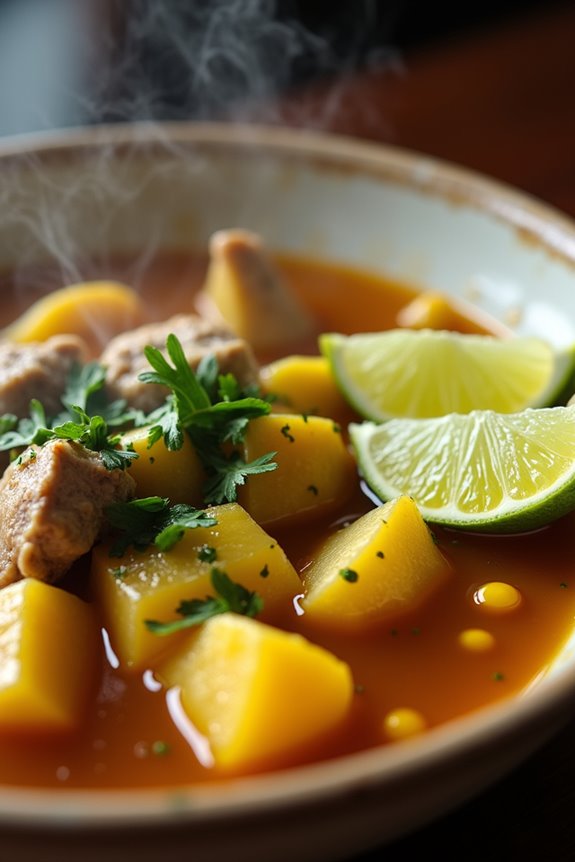
Sancocho is a traditional Colombian dish that embodies the warmth and richness of Latin American cuisine. This hearty soup is a staple at family gatherings and celebrations, often enjoyed on weekends or during special occasions. Each region in Colombia has its own variation of sancocho, but the base ingredients typically include a selection of meats, root vegetables, and plantains, all simmered together to create a flavorful and comforting broth.
The beauty of sancocho lies in its versatility; you can customize it according to your preferences or what you have on hand. Whether you choose chicken, beef, or fish, the combination of ingredients results in a dish that’s both nourishing and satisfying. Served with a side of rice, avocado, and a squeeze of lime, sancocho is sure to please everyone at the table.
Ingredients (Serves 4-6)
- 1 lb chicken pieces (bone-in, skin-on)
- 1 lb beef stew meat (cut into chunks)
- 4 cups water
- 2 medium potatoes (peeled and cut into chunks)
- 1 medium yucca (cassava, peeled and cut into chunks)
- 2 plantains (peeled and cut into thick slices)
- 1 medium onion (chopped)
- 2 cloves garlic (minced)
- 1 cup corn (fresh or frozen)
- 1 bell pepper (chopped)
- 1 teaspoon cumin
- 1 teaspoon oregano
- Salt and pepper to taste
- Fresh cilantro (for garnish)
- Lime wedges (for serving)
Cooking Instructions
- Prepare the Broth: In a large pot, combine the chicken and beef with 4 cups of water. Bring it to a boil over medium-high heat, skimming off any foam that rises to the top. This step helps to clarify the broth and enhance the flavors.
- Add Aromatics: Once the broth is boiling, add the chopped onion, minced garlic, and chopped bell pepper. These aromatics will infuse the broth with depth and flavor. Reduce the heat to medium-low and let it simmer for about 20 minutes.
- Incorporate Vegetables: After the initial simmer, add the potatoes, yucca, and plantains to the pot. These root vegetables will add texture and heartiness to the sancocho. Stir gently to combine and allow to simmer for an additional 15-20 minutes, or until the vegetables are tender.
- Add Corn and Seasoning: Once the vegetables are cooked, stir in the corn, cumin, oregano, salt, and pepper. Let the soup simmer for another 5-10 minutes to allow the flavors to meld together. Taste the broth and adjust the seasoning as necessary.
- Serve: Once everything is cooked through, ladle the sancocho into bowls. Garnish with fresh cilantro and serve with lime wedges on the side for a bright, zesty finish. Accompany the dish with rice for a complete meal.
Extra Tips
To enhance the flavor of your sancocho, consider marinating the meat in garlic, lime juice, and spices for a few hours before cooking. This will infuse the meat with flavor and make it more tender.
Additionally, feel free to experiment with different types of meats or vegetables based on your preferences or what’s in season. Sancocho is best enjoyed fresh, but you can refrigerate leftovers for up to 3 days, making it a great make-ahead meal option.
Ajiaco

Ajiaco is a traditional Colombian soup that’s hearty, comforting, and full of flavor. This dish is particularly popular in Bogotá and is often enjoyed during cold weather or family gatherings. The main ingredients include chicken, three types of potatoes, and a unique herb called guasca, which gives the soup its distinctive taste.
Ajiaco is typically served with avocado, capers, and a side of rice, making it a filling meal that embodies the rich culinary culture of Colombia.
Preparing Ajiaco can be an enjoyable experience for both novice and experienced cooks. The combination of flavors from the chicken, potatoes, and herbs creates a delightful broth that warms the heart. With a few simple steps, you can create a delightful dish that showcases the flavors of Colombia.
Ingredients (Serves 4-6):
- 2 chicken breasts (boneless and skinless)
- 2 chicken thighs (bone-in)
- 8 cups of water
- 2 medium yellow potatoes, peeled and diced
- 2 medium russet potatoes, peeled and diced
- 2 medium red potatoes, peeled and diced
- 1 cup of corn (fresh or frozen)
- 1 medium onion, chopped
- 2 garlic cloves, minced
- 1 cup of cilantro, chopped
- 1 tablespoon of guasca (dried)
- Salt and pepper to taste
- 1 avocado, sliced (for serving)
- Capers (for serving)
- Cooked white rice (for serving)
Cooking Instructions:
- Prepare the Chicken: In a large pot, combine the water, chicken breasts, and chicken thighs. Bring to a boil over medium-high heat. Once boiling, reduce the heat to medium-low and simmer for about 25-30 minutes. This will allow the chicken to cook through and infuse the water with flavor.
- Remove and Shred Chicken: After the chicken has cooked, carefully remove it from the pot using tongs or a slotted spoon. Let it cool slightly before shredding it into bite-sized pieces. Set aside to add back into the soup later.
- Cook the Vegetables: In the same pot, add the chopped onion and minced garlic to the boiling broth. Cook for about 5 minutes until the onions are translucent. Then, add the diced yellow, russet, and red potatoes, along with the corn. These potatoes will create a thick and creamy texture as they cook.
- Add Seasonings: Stir in the chopped cilantro, guasca, salt, and pepper. Let the soup simmer for an additional 20-25 minutes or until the potatoes are tender. The guasca is essential for that authentic Ajiaco flavor, so be sure not to skip this ingredient.
- Combine Chicken and Serve: Once the potatoes are cooked, return the shredded chicken to the pot and stir well to combine. Taste the soup and adjust the seasoning if necessary. Serve hot in bowls, garnished with slices of avocado and a sprinkle of capers, alongside a portion of white rice.
Extra Tips: When preparing Ajiaco, make sure to use the right types of potatoes, as they contribute to the dish’s unique texture. The yellow potatoes break down more easily, thickening the soup, while the red and russet potatoes hold their shape, adding heartiness.
If you can’t find guasca, you can substitute with a mix of dried oregano and thyme, but it may not deliver the same authentic flavor. Enjoy this dish with your family or friends, and don’t hesitate to experiment with serving it alongside other traditional Colombian sides.
Empanadas
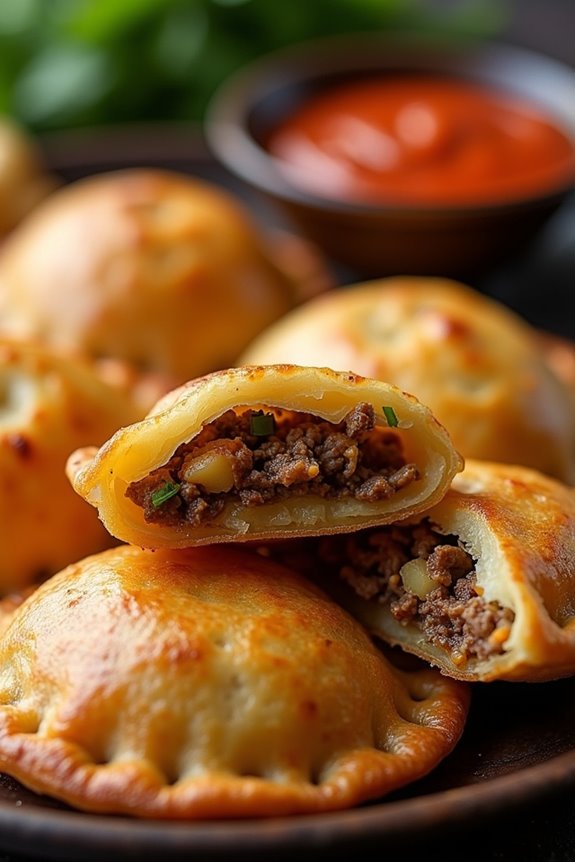
Empanadas are a beloved staple in Colombian cuisine, characterized by their flaky pastry and delicious fillings. These savory pockets can be enjoyed as a snack, appetizer, or main dish, making them incredibly versatile. Traditionally, they’re filled with a variety of ingredients such as beef, chicken, cheese, or vegetables, then folded and fried or baked to perfection.
Whether served with aji sauce or a fresh salad, Colombian empanadas are sure to delight anyone who tries them.
Making empanadas at home can be a fun and rewarding experience. The dough is simple to prepare, and you can get creative with the fillings based on your preferences. While the process may seem intimidating at first, with a little practice, you’ll soon be able to whip up a batch of these tasty treats for family gatherings or casual get-togethers.
Let’s plunge into the recipe for making Colombian empanadas, perfect for serving 4-6 people.
Ingredients:
- 2 cups all-purpose flour
- 1/2 teaspoon salt
- 1/2 teaspoon baking powder
- 1/4 cup unsalted butter, softened
- 3/4 cup warm water
- 1 cup cooked and shredded beef (or chicken)
- 1/2 cup diced potatoes (optional)
- 1/2 cup diced onion
- 1/4 cup chopped cilantro
- 1 teaspoon ground cumin
- 1 teaspoon paprika
- 1/2 teaspoon black pepper
- Oil for frying
Cooking Instructions:
- Prepare the Dough: In a large mixing bowl, combine the flour, salt, and baking powder. Add the softened butter and mix with your hands until the mixture resembles coarse crumbs. Slowly add the warm water, mixing until the dough comes together. Knead the dough on a floured surface for about 5 minutes until it becomes smooth. Cover with a damp cloth and let it rest for 30 minutes.
- Make the Filling: In a skillet over medium heat, add a splash of oil and sauté the diced onions until they become translucent. If you’re using diced potatoes, add them to the skillet and cook until they’re tender. Add the shredded meat, cumin, paprika, black pepper, and chopped cilantro. Stir well and cook for an additional 5 minutes. Remove from heat and let it cool slightly.
- Roll Out the Dough: Divide the rested dough into 10-12 equal portions. On a floured surface, roll out each portion into a circle about 5-6 inches in diameter. Make sure the edges are thinner than the center to guarantee even cooking.
- Fill the Empanadas: Place a spoonful of the filling in the center of each dough circle. Be careful not to overfill, as this may cause them to burst while cooking. Fold the dough over to create a half-moon shape and press the edges together to seal. You can crimp the edges with a fork for a decorative touch.
- Fry the Empanadas: In a deep frying pan, heat oil over medium-high heat. Once the oil is hot, carefully add the empanadas in batches, making sure not to overcrowd the pan. Fry for about 3-4 minutes on each side or until they’re golden brown. Remove and drain on paper towels.
- Serve: Serve the empanadas hot with a side of aji sauce or your favorite dipping sauce. Enjoy!
Extra Tips: When making empanadas, feel free to experiment with different fillings based on what’s available or your personal taste preferences. You can also bake the empanadas for a healthier option; just brush them with a little oil and bake at 375°F (190°C) for about 20-25 minutes or until golden.
Be sure to keep an eye on them to prevent burning. Finally, if you want to make them in advance, you can freeze the empanadas before frying; just make sure they’re well sealed to avoid freezer burn.
Tamales
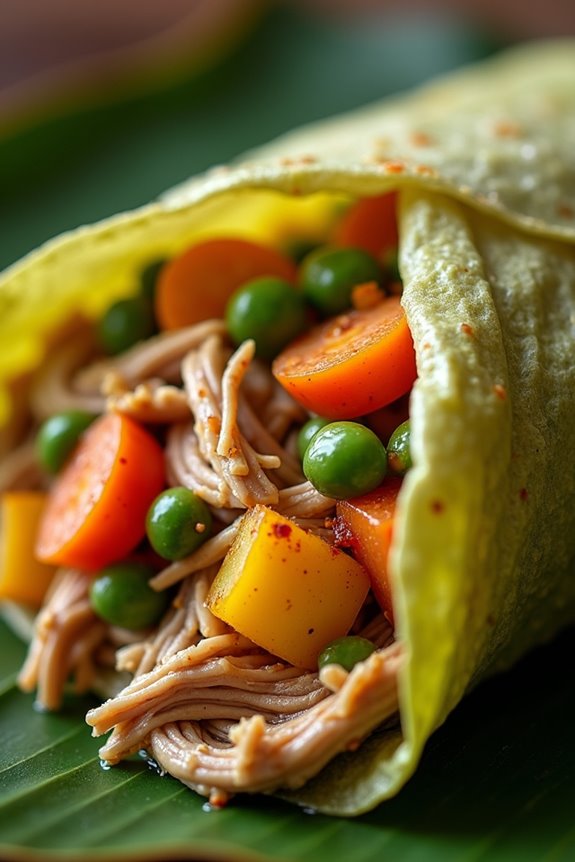
Tamales are a cherished traditional dish in Colombian cuisine, often enjoyed during festive occasions and family gatherings. These savory parcels are made by wrapping a flavorful mixture of seasoned meat, vegetables, and masa (corn dough) in banana leaves, then steaming them until perfectly cooked.
The various regional variations of tamales across Colombia showcase the rich diversity of ingredients and flavors found in the country, making each tamal a unique reflection of its origin.
Preparing tamales can be a labor of love, but the end result is well worth the effort. The blend of spices, meats, and the comforting texture of the masa creates a delightful dish that’s both satisfying and delicious.
Whether served as a main course or as part of a larger meal, Colombian tamales are sure to captivate your friends and family.
Ingredients (Serves 4-6 people)
- 2 cups masa harina (corn flour)
- 1 cup chicken broth
- 1 teaspoon baking powder
- 1 teaspoon salt
- 1 teaspoon ground cumin
- 1 teaspoon paprika
- 1 cup cooked, shredded chicken (or pork)
- ½ cup green peas
- ½ cup carrots, diced
- ½ cup potatoes, diced
- 1/2 cup diced bell pepper
- 1 onion, finely chopped
- 1 garlic clove, minced
- 10-12 banana leaves (or aluminum foil)
- ¼ cup vegetable oil
Cooking Instructions
1. Prepare the Banana Leaves: If using banana leaves, cut them into rectangular pieces, about 10×12 inches. Soften the leaves by passing them over an open flame or boiling them in water for a few minutes. This will make them pliable and easier to fold.
2. Prepare the Filling: In a skillet, heat the vegetable oil over medium heat. Add the chopped onion and garlic, sautéing until they’re translucent. Stir in the cooked chicken, green peas, carrots, potatoes, and bell pepper.
Season with salt, cumin, and paprika. Cook for another 5-7 minutes until the vegetables are tender. Remove from heat and set aside.
3. Make the Masa Mixture: In a large bowl, combine the masa harina, baking powder, and salt. Gradually add the chicken broth, mixing until you achieve a soft dough-like consistency.
If the mixture is too dry, add additional broth as needed.
4. Assemble the Tamales: Lay a piece of banana leaf on a flat surface. Spread about ¼ cup of masa mixture onto the center of the leaf, forming a rectangle. Add a spoonful of the filling on top of the masa.
Fold the edges of the banana leaf over the filling to create a neat package, then tie the tamal with kitchen twine or strip of banana leaf.
5. Steam the Tamales: Place the tamales upright in a large steamer pot. Add water to the pot, making sure it doesn’t touch the tamales. Cover the pot and steam for about 1 to 1.5 hours, checking occasionally to verify there’s enough water in the pot.
6. Serve: Once cooked, remove the tamales from the steamer and let them cool for a few minutes. Unwrap them before serving, and enjoy with a side of ají sauce or your favorite hot sauce.
Extra Tips
When making tamales, feel free to customize the filling according to your taste preferences. You can substitute chicken with beef, pork, or even make a vegetarian version with beans and vegetables.
Additionally, confirm that the masa is moist enough to hold the filling well without being too sticky. If you’re new to using banana leaves, don’t worry if they tear; just patch them up with extra pieces or use aluminum foil as an alternative for wrapping.
Enjoy the process, and don’t hesitate to involve family members in assembling the tamales for a fun cooking experience!
Ceviche
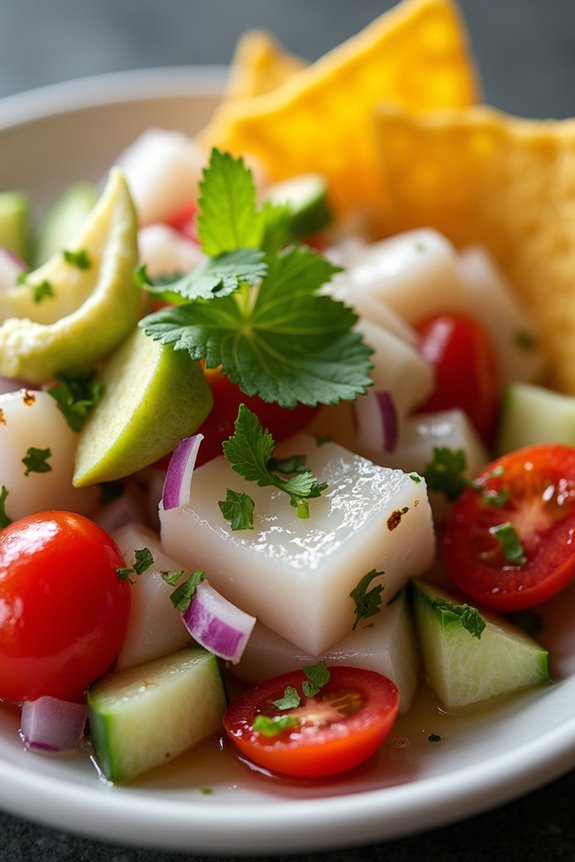
Ceviche is a beloved dish that showcases the vibrant flavors of Colombia’s coastal regions. This invigorating seafood dish is made by marinating raw fish or shellfish in citrus juices, typically lime or lemon, which effectively “cooks” the seafood while infusing it with bright, tangy flavors.
Traditionally, ceviche is served with a variety of accompaniments, such as avocado, onion, and cilantro, making it a perfect appetizer or light meal for warm weather.
The origins of ceviche can be traced back to ancient Peru, but Colombia has put its own spin on this classic dish, incorporating local ingredients and culinary techniques. The result is a delightful fusion of flavors that captures the essence of Colombian cuisine.
Whether enjoyed on a sunny beach or at a family gathering, ceviche is a dish that brings people together, celebrating the rich bounty of the sea.
Ingredients (serving size: 4-6 people)
- 1 pound (450g) fresh white fish (such as tilapia or snapper), diced into small cubes
- 1 cup freshly squeezed lime juice
- 1/2 cup red onion, thinly sliced
- 1/2 cup cherry tomatoes, quartered
- 1/2 cup cucumber, diced
- 1/4 cup fresh cilantro, chopped
- 1 avocado, diced
- 1-2 jalapeño peppers, finely chopped (optional, for heat)
- Salt and pepper to taste
- Tortilla chips or plantain chips for serving
Cooking Instructions
- Prepare the Fish: Start by confirming you have the freshest fish possible. Rinse the fish under cold water and pat it dry with paper towels. Dice the fish into small cubes (about 1/2 inch) for even marination and easy eating.
- Marinate the Fish: In a large mixing bowl, combine the diced fish and lime juice. Verify that the fish is fully submerged in the lime juice, as this is essential for the “cooking” process. Cover the bowl with plastic wrap and refrigerate for about 30-40 minutes. You’ll know the fish is ready when it turns opaque and firm to the touch.
- Add Vegetables: After the fish has marinated, drain off excess lime juice, leaving just a little for flavor. Add the sliced red onion, quartered cherry tomatoes, diced cucumber, chopped cilantro, and jalapeño (if using) to the bowl. Gently toss to combine all ingredients without breaking the fish cubes.
- Season the Ceviche: Taste the mixture and season with salt and pepper to your liking. Remember that the lime juice adds a significant flavor, so use salt sparingly at first and adjust as needed.
- Serve: Gently fold in the diced avocado right before serving to keep it intact. Present the ceviche in individual bowls or a large serving dish, accompanied by tortilla chips or plantain chips for a delightful crunch.
Extra Tips
When preparing ceviche, freshness is key—always source the highest quality seafood available. If you’re unsure about the freshness, consider purchasing fish from a reputable market with a good turnover.
For added flavor, experiment with different types of seafood such as shrimp or scallops, and feel free to include additional ingredients like mango or bell peppers for a unique twist.
Finally, ceviche is best enjoyed fresh, so aim to serve it the same day it’s made for peak taste and texture.
Lechona
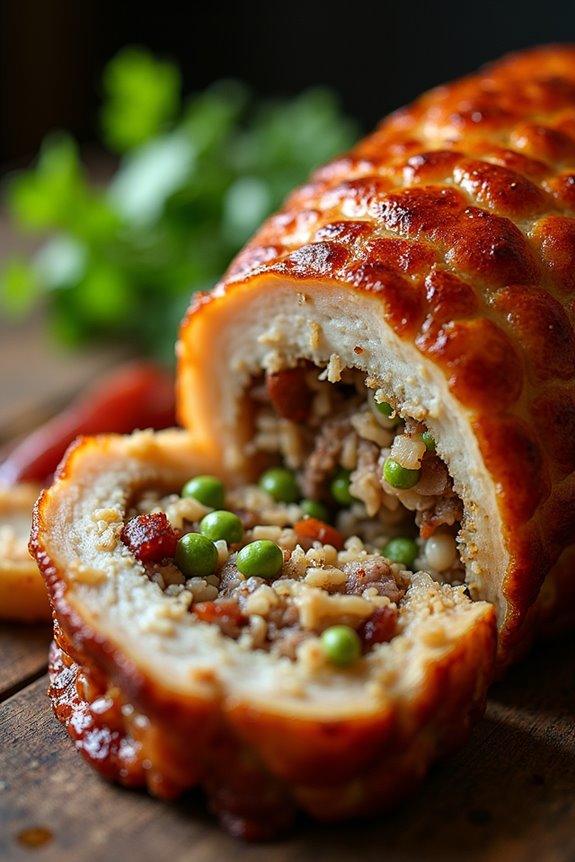
Lechona is a traditional Colombian dish that features a whole roasted pig, stuffed with a flavorful mixture of rice, peas, spices, and sometimes pork meat. This celebratory dish is often served at special occasions and gatherings, embodying the essence of Colombian culture and cuisine.
The preparation of lechona requires patience, as the pig needs to be marinated and slow-roasted to achieve that perfect tender and crispy skin, while the stuffing transforms into an aromatic and hearty filling.
Making lechona at home can be a rewarding experience, though it may seem intimidating at first. The process typically involves sourcing a small pig, which can be found at specialty markets or local farms. The combination of herbs and spices used in the stuffing adds depth and richness to the dish.
Whether you’re celebrating a family reunion or simply want to treat your loved ones to a taste of Colombia, lechona is sure to impress and satisfy.
Ingredients (Serves 4-6)
- 1 whole suckling pig (about 10-15 pounds)
- 4 cups of white rice
- 2 cups of green peas (fresh or frozen)
- 1 pound of pork belly (diced)
- 1 onion (finely chopped)
- 4 cloves of garlic (minced)
- 1 tablespoon of cumin
- 2 tablespoons of paprika
- 1 tablespoon of salt (or to taste)
- 1 teaspoon of black pepper
- 1 cup of chicken broth
- 1 tablespoon of vegetable oil
- 2 limes (juiced)
- Fresh herbs for garnish (cilantro or parsley)
Cooking Instructions
1. Prepare the Pig: Start by cleaning the whole pig thoroughly, removing any innards and hair. Rinse it inside and out with water and pat it dry. Marinate the pig with lime juice, salt, pepper, cumin, and paprika. Make certain to coat it evenly, inside and out. Let it marinate for at least 4 hours, or ideally overnight in the refrigerator.
2. Prepare the Filling: In a large pot, heat the vegetable oil over medium heat. Add the chopped onion and minced garlic, sautéing until they’re translucent. Then, add the diced pork belly and cook until browned.
Next, stir in the rice and green peas, mixing everything well. Pour in the chicken broth and bring to a boil. Reduce heat to low, cover, and let it simmer until the rice is cooked through and fluffy, about 20 minutes.
3. Stuff the Pig: Once the rice mixture is cooked, remove it from heat and allow it to cool slightly. Stuff the cavity of the marinated pig with the rice mixture, making sure it’s packed tightly. Sew the opening closed with kitchen twine or use skewers to secure it.
4. Roast the Pig: Preheat your oven to 250°F (120°C). Place the stuffed pig on a roasting rack in a large roasting pan. Cover the pig with aluminum foil to prevent burning. Roast for approximately 6-8 hours, or until the internal temperature reaches 160°F (70°C) and the skin is crispy.
Remove the foil during the last hour of roasting to crisp up the skin.
5. Rest and Serve: Once cooked, remove the pig from the oven and let it rest for about 30 minutes. This step allows the juices to redistribute within the meat. Then, carve the lechona and serve it hot, garnished with fresh herbs.
Extra Tips
When cooking lechona, it’s essential to monitor the temperature closely to make certain the skin crisps up without burning. If you have access to a charcoal or wood fire, consider roasting the pig outdoors for an authentic flavor and experience.
Additionally, serving lechona with a side of arepas or a fresh salad can complement the rich flavors of the dish. Don’t forget to save some of the leftover stuffing for a delightful second meal!
Patacones

Patacones, also known as tostones, are a beloved traditional dish in Colombian cuisine made from green plantains. These twice-fried crunchy plantain slices are often served as a snack or appetizer and are perfect for dipping into guacamole, salsa, or a wide array of sauces. Their crispy texture and savory flavor make them a favorite among both locals and visitors alike.
Preparing patacones is simple and requires minimal ingredients, making it an accessible dish for anyone looking to add a taste of Colombia to their kitchen.
The key to achieving the perfect patacón lies in selecting the right plantains. Choose green plantains that are firm and unripe, as they’ll hold their shape during frying. The process involves slicing the plantains, frying them until golden, smashing them into flat disks, and frying them again until they’re crispy. This double-frying technique gives patacones their signature crunchiness and allows them to absorb flavors beautifully.
Ingredients (Serving Size: 4-6 people)
- 3-4 green plantains
- Vegetable oil (for frying)
- Salt (to taste)
- Optional toppings: guacamole, salsa, or any preferred dipping sauce
Cooking Instructions
- Prepare the Plantains: Start by peeling the green plantains. To do this, cut off the ends of each plantain and make a slit along the length of the plantain. Carefully remove the skin, making sure not to damage the flesh inside. Slice the plantains into 1-inch thick pieces.
- First Frying: In a large skillet, heat about 1-2 inches of vegetable oil over medium heat. Once the oil is hot, add the sliced plantains in batches to avoid overcrowding. Fry the plantains for 3-4 minutes on each side until they’re light golden in color. Remove the plantains from the oil and place them on a paper towel to drain excess oil.
- Smashing the Plantains: After the first frying, take each fried plantain slice and place it between two pieces of parchment paper or plastic wrap. Using a flat object, such as a plate or a heavy pan, gently press down to flatten the plantain slices to about half an inch thick. Be careful not to apply too much pressure, as you want them to retain some texture.
- Second Frying: Return the flattened plantains to the hot oil and fry them again for about 2-3 minutes on each side or until they’re crispy and golden brown. Make sure to adjust the heat if necessary to prevent burning.
- Season and Serve: Once the patacones are crispy, remove them from the oil and place them on a paper towel to absorb any excess oil. While they’re still hot, sprinkle with salt to taste. Serve immediately with your favorite dipping sauces.
Extra Tips
To guarantee your patacones come out crispy, make sure the oil is hot enough before frying. You can test the oil by dropping a small piece of plantain in; if it sizzles, the oil is ready.
Also, don’t skip the smashing step, as it’s essential for achieving that characteristic crunchy texture. Finally, feel free to experiment with different toppings or seasonings to customize your patacones to your liking!
Buñuelos

Buñuelos are a traditional Colombian treat, particularly popular during the holiday season and festive occasions. These delightful, deep-fried dough balls are made from a simple mixture of cheese, flour, and eggs, resulting in a crispy exterior and a soft, cheesy interior. The recipe for buñuelos can vary from region to region, but they’re universally loved for their unique flavor and texture.
They’re often enjoyed with hot chocolate or coffee, making them a perfect companion for breakfast or as a snack.
Making buñuelos is a straightforward process that requires minimal ingredients but yields delicious results. While they may seem tricky to perfect, the key lies in achieving the right dough consistency and frying them at the correct temperature. Once you master the technique, you’ll find that buñuelos aren’t only easy to make but also a delightful addition to any gathering, sure to impress both family and friends.
Ingredients (Serves 4-6 people):
- 1 cup queso fresco (or any fresh cheese)
- 1 cup tapioca flour (or yuca starch)
- 1/4 cup all-purpose flour
- 1/2 teaspoon baking powder
- 1/4 teaspoon salt
- 2 eggs
- 1 tablespoon sugar
- 1/2 cup milk
- Oil for frying
Cooking Instructions:
- Prepare the Cheese Mixture: In a mixing bowl, crumble the queso fresco into small pieces. This will help the cheese incorporate well into the dough. Make sure to break it down as finely as possible for an even texture.
- Combine Dry Ingredients: In another bowl, whisk together the tapioca flour, all-purpose flour, baking powder, and salt. This mixture will form the base of your dough. Make sure the dry ingredients are well blended to avoid any lumps.
- Mix the Wet Ingredients: In a separate bowl, beat the eggs and sugar together until frothy. Then, add the milk and mix until combined. This mixture will provide moisture and sweetness to the dough.
- Create the Dough: Gradually add the dry ingredient mixture into the wet ingredients, stirring continuously to form a dough. Finally, fold in the crumbled cheese until the dough is smooth and all ingredients are well incorporated. The dough should be slightly sticky but manageable.
- Shape the Buñuelos: With wet hands (to prevent sticking), take a small portion of the dough and roll it into a ball about the size of a golf ball. Repeat until all the dough is shaped into balls.
- Heat the Oil: In a deep frying pan or pot, pour enough oil to submerge the buñuelos (about 2-3 inches deep). Heat the oil over medium-high heat until it reaches about 350°F (175°C). You can test if the oil is ready by dropping a small piece of dough into it; if it sizzles and rises, the oil is hot enough.
- Fry the Buñuelos: Carefully place a few buñuelos into the hot oil, making sure not to overcrowd the pan. Fry them for about 4-5 minutes, or until they’re golden brown and puffed up. Turn them occasionally to ensure even frying.
- Drain and Serve: Once golden brown, use a slotted spoon to remove the buñuelos from the oil and place them on a paper towel-lined plate to drain excess oil. Serve them warm, ideally with a hot beverage.
Extra Tips:
When making buñuelos, it’s important to keep an eye on the oil temperature. If it’s too hot, the outside will burn while the inside remains raw. If the temperature is too low, the buñuelos will absorb too much oil and become greasy.
Using a thermometer can help maintain the oil at the perfect frying temperature. Additionally, you can experiment by adding spices like ground cinnamon or nutmeg to the dough for an extra flavor twist. Enjoy your buñuelos with a drizzle of honey or sprinkled with powdered sugar for added sweetness!
Arroz Con Coco
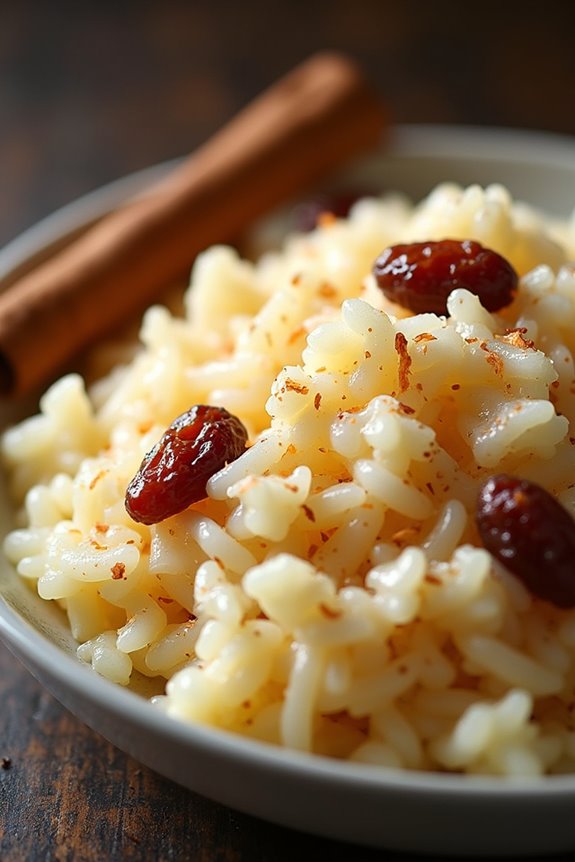
Arroz Con Coco, or Coconut Rice, is a traditional Colombian dish that beautifully marries the flavors of coconut and rice, creating a delightful and aromatic staple in Colombian cuisine. This dish is particularly popular on the Caribbean coast of Colombia, where fresh coconuts are plentiful.
The creamy texture and subtle sweetness of the coconut milk infuse the rice, making it an excellent accompaniment to a variety of main dishes, such as fish, chicken, or seafood.
Preparing Arroz Con Coco isn’t only simple but also allows you to explore the rich culinary heritage of Colombia. The combination of coconut and rice creates a tropical flavor that transports your taste buds to the sun-kissed beaches of the Caribbean.
This dish can be enjoyed warm or at room temperature, making it versatile for any occasion, whether it’s a family gathering or a festive celebration.
Ingredients (Serves 4-6)
- 2 cups white rice
- 1 can (400 ml) coconut milk
- 1 cup water
- 1/2 cup grated coconut (fresh or desiccated)
- 1/4 cup sugar
- 1 teaspoon salt
- 1 cinnamon stick
- 1/4 cup raisins (optional)
Cooking Instructions
- Rinse the Rice: Begin by rinsing the white rice under cold water to remove excess starch. This step helps to keep the rice from becoming overly sticky. Rinse until the water runs clear, then drain well.
- Combine Ingredients: In a large pot, combine the rinsed rice, coconut milk, water, grated coconut, sugar, salt, and the cinnamon stick. If you’re using raisins, you can add them at this stage too. Stir the mixture gently to guarantee that all the ingredients are evenly distributed.
- Cook the Rice: Place the pot over medium heat and bring the mixture to a gentle boil. Once it starts boiling, reduce the heat to low and cover the pot with a tight-fitting lid. Let the rice cook for about 20 minutes, or until the rice is tender and has absorbed all the liquid. Avoid lifting the lid during cooking, as this can release steam.
- Fluff and Serve: Once the rice is cooked, remove the pot from the heat and let it sit, still covered, for about 5 minutes. This resting time helps to enhance the flavors. Afterward, remove the lid, discard the cinnamon stick, and fluff the rice gently with a fork to separate the grains.
- Final Touches: Serve the Arroz Con Coco warm as a side dish to your favorite entrees, or enjoy it on its own. The dish can be garnished with additional grated coconut or a sprinkle of cinnamon for an extra touch.
Extra Tips
When making Arroz Con Coco, you can experiment with the level of sweetness by adjusting the amount of sugar to suit your taste. Additionally, if you prefer a creamier texture, consider using a higher ratio of coconut milk to water.
For added flavor, you may also incorporate other spices, such as cardamom or vanilla, depending on your preference. Enjoy your culinary adventure into Colombian cuisine!
Choclo Con Queso
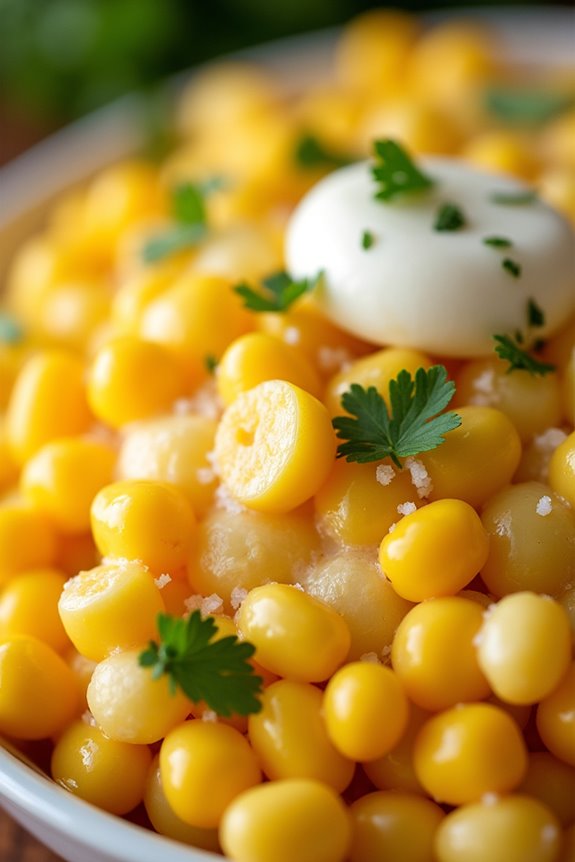
Choclo Con Queso is a delightful Colombian street food that showcases the rich flavors of fresh corn combined with the creamy texture of cheese. This dish is simple yet incredibly satisfying, making it a perfect appetizer or snack.
Traditionally, choclo refers to the sweet, tender corn that’s commonly found throughout Colombia, and when paired with cheese, it creates a comforting and delicious experience that brings a taste of Colombia right to your kitchen.
To prepare Choclo Con Queso, you’ll need to start with fresh ingredients to guarantee the sweetest and most flavorful outcome. The combination of boiled corn and melted cheese is a celebration of textures and flavors. As you enjoy this dish, you’ll find that the sweetness of the corn balances beautifully with the savory notes of the cheese, making it an irresistible treat for gatherings or simply enjoying at home.
Ingredients (Serves 4-6):
- 6 ears of fresh choclo (sweet corn)
- 1 cup of cheese (such as queso blanco or mozzarella)
- 4 tablespoons of butter
- Salt to taste
- Fresh cilantro (optional, for garnish)
Cooking Instructions:
- Prepare the Corn: Start by shucking the choclo, removing all the husks and silk threads. Rinse the corn under cold water to remove any impurities. If you prefer, you can cut the kernels off the cob later, but for a traditional presentation, leave the corn on the cob.
- Boil the Corn: Fill a large pot with water and add a pinch of salt. Bring the water to a boil, then carefully add the ears of choclo. Boil the corn for about 10-15 minutes or until the kernels are tender. Once cooked, remove the corn from the pot and let it cool slightly.
- Melt the Cheese: While the corn is cooling, cut the cheese into thick slices or cubes. You can use queso blanco for a more traditional flavor or mozzarella for a creamier texture.
- Prepare for Serving: Once the corn has cooled enough to handle, you can either serve it on the cob or cut the kernels off for easier eating. Place the corn on a serving plate or individual plates.
- Add Butter and Cheese: While the corn is still warm, spread a tablespoon of butter over each ear or sprinkle the cut kernels with butter. Immediately place slices or cubes of cheese on top of the warm corn so that it melts slightly.
- Garnish and Serve: If desired, sprinkle a bit of salt over the top and add fresh cilantro for garnish. Serve the Choclo Con Queso warm, and enjoy this delightful Colombian dish!
Extra Tips: For an added depth of flavor, you can grill the corn after boiling for a few minutes to give it a smoky taste. Additionally, feel free to experiment with different types of cheese to find your preferred combination. Pair Choclo Con Queso with a side of aji, a Colombian spicy sauce, for an extra kick!
Mondongo
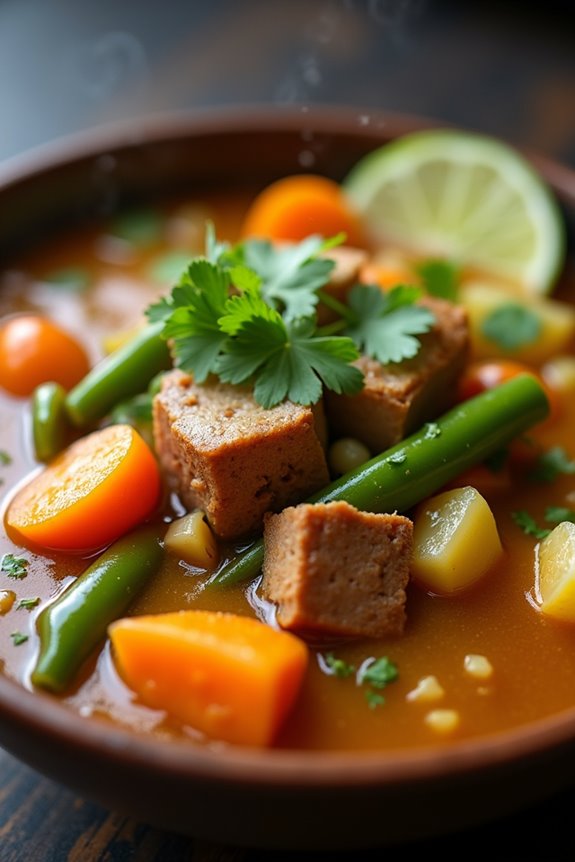
Mondongo is a traditional Colombian dish that features a hearty tripe soup, rich in flavor and history. It’s a beloved comfort food in many households, often served during family gatherings or special occasions. The combination of tender tripe, vegetables, and spices creates a deliciously satisfying meal that warms the soul.
Each region in Colombia has its own variation of mondongo, making it a versatile dish that reflects the country’s diverse culinary landscape.
Cooking mondongo requires patience, as the tripe needs to be cleaned and cooked properly to achieve the right texture. The dish is typically accompanied by white rice, avocado, and sometimes a side of arepas, making it a complete meal. With its robust flavors and comforting qualities, mondongo is bound to impress your family and friends.
Ingredients (serving size: 4-6 people)
- 2 lbs beef tripe, cleaned and cut into pieces
- 1 lb pork belly, diced
- 1 large onion, chopped
- 2 cloves garlic, minced
- 2 medium carrots, chopped
- 2 medium potatoes, diced
- 1 bell pepper, diced
- 1 cup chopped green beans
- 1 tsp cumin
- 1 tsp oregano
- 1 bay leaf
- 8 cups beef broth
- Salt and pepper to taste
- 2 tbsp vegetable oil
- Fresh cilantro for garnish
- Lime wedges for serving
Cooking Instructions
- Prepare the Tripe: Start by cleaning the tripe thoroughly under cold running water. Remove any impurities and excess fat. Cut the tripe into small pieces, about 1-2 inches. This will guarantee they cook evenly.
- Cook the Meats: In a large pot, heat the vegetable oil over medium heat. Add the diced pork belly and cook until it starts to brown. This will add flavor to the broth. Then add the cleaned tripe to the pot and sauté for a few minutes until both meats are slightly browned.
- Sauté the Aromatics: Add the chopped onion and minced garlic to the pot. Cook for about 5 minutes, stirring occasionally, until the onion becomes translucent and fragrant.
- Add Vegetables and Spices: Stir in the chopped carrots, potatoes, bell pepper, and green beans. Sprinkle the cumin, oregano, bay leaf, salt, and pepper over the vegetables and meats. Mix everything well to combine the flavors.
- Pour in the Broth: Carefully add the beef broth to the pot, making sure all ingredients are covered. Bring the mixture to a boil, then reduce the heat to low. Cover the pot and let it simmer for about 2-3 hours, or until the tripe is tender and the flavors have melded together.
- Final Adjustments: After the cooking time, check the seasoning and adjust with more salt or pepper if needed. Remove the bay leaf before serving.
- Serve: Ladle the mondongo into bowls, garnishing with fresh cilantro. Serve with lime wedges on the side for an extra burst of flavor.
Extra Tips
When preparing mondongo, it’s essential to clean the tripe thoroughly, as any residual odor can affect the dish’s taste. If you want to enhance the flavor even further, consider adding a splash of vinegar or a few slices of jalapeño for a bit of heat.
Additionally, allow the soup to sit for a while after cooking, as the flavors will continue to develop. Enjoy your mondongo with a side of rice and avocado for a complete meal that embodies the heart of Colombian cuisine!
Posta Negra Cartagenera
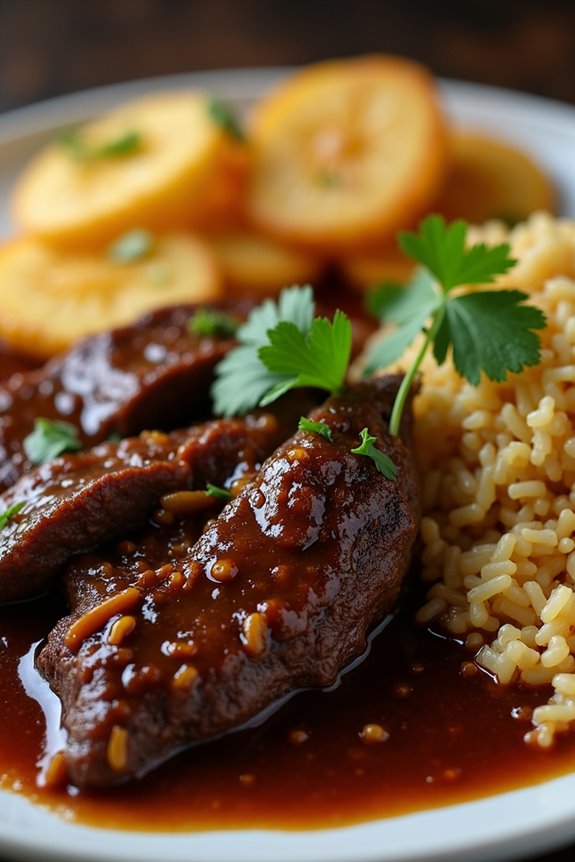
Posta Negra Cartagenera is a traditional Colombian dish that hails from the coastal city of Cartagena. This rich and flavorful beef dish is known for its dark, caramelized sauce and tender meat, making it a favorite among locals and visitors alike. The combination of spices, including cloves and cinnamon, gives the dish its distinctive taste, while the slow-cooking process guarantees that the beef absorbs all the delicious flavors, resulting in a melt-in-your-mouth experience.
This dish is often served with coconut rice and fried plantains, creating a delightful balance of flavors and textures on the plate. Preparing Posta Negra Cartagenera may take some time, but the end result is well worth the effort. It’s perfect for special occasions or a cozy family dinner, and it’s sure to impress anyone who tries it.
Ingredients (Serves 4-6)
- 2-3 lbs beef chuck roast
- 1 cup dark beer (preferably a stout)
- 1/2 cup soy sauce
- 1/4 cup brown sugar
- 1 large onion, chopped
- 4 cloves garlic, minced
- 2 teaspoons ground cumin
- 1 teaspoon ground black pepper
- 1 teaspoon ground cloves
- 1 teaspoon ground cinnamon
- 2 bay leaves
- 1/4 cup vegetable oil
- Salt to taste
- Fresh cilantro for garnish (optional)
Cooking Instructions
- Marinate the Beef: In a large bowl, combine the dark beer, soy sauce, brown sugar, minced garlic, cumin, black pepper, cloves, and cinnamon. Mix well to create a marinade. Place the beef chuck roast in the marinade, making sure it’s fully coated. Cover with plastic wrap and refrigerate for at least 2 hours, preferably overnight. This step is essential as it helps to tenderize the meat and infuse it with flavors.
- Sear the Meat: After marinating, remove the beef from the marinade (reserve the marinade for later use). In a large pot or Dutch oven, heat the vegetable oil over medium-high heat. Once hot, add the beef and sear it on all sides until it develops a nice brown crust, about 4-5 minutes per side. This step enhances the flavor and texture of the meat.
- Sauté the Onions: After searing the beef, remove it from the pot and set it aside. In the same pot, add the chopped onions and sauté until they’re translucent and soft, about 5-7 minutes. This will help build the base flavor for the sauce.
- Combine and Simmer: Return the seared beef to the pot and pour in the reserved marinade along with the bay leaves. Bring the mixture to a simmer, then cover the pot and reduce the heat to low. Let it cook slowly for about 2-3 hours, or until the beef is fork-tender. Stir occasionally and check for liquid levels, adding a bit of water if necessary to prevent burning.
- Reduce the Sauce: Once the beef is tender, remove it from the pot and place it on a cutting board. Increase the heat to medium-high and let the sauce boil uncovered for about 10-15 minutes, or until it thickens to your liking. While the sauce is reducing, slice the beef into thick pieces.
- Serve: Arrange the sliced beef on a serving platter and pour the thickened sauce over the top. Garnish with fresh cilantro if desired. Serve hot alongside coconut rice and fried plantains for the full Colombian experience.
Extra Tips
When preparing Posta Negra Cartagenera, be sure to allow enough time for marinating and cooking to guarantee the best flavor and tenderness. If you’re short on time, even a 2-hour marinade can make a difference, but overnight is ideal.
Additionally, feel free to adjust the spices to suit your personal taste—some may prefer a little more sweetness or a hint of heat. Finally, this dish tastes even better the next day, so consider making it ahead of time to enjoy the flavors after they’ve had time to meld together.
