


When Thanksgiving approaches, my heart fills with the desire for the comforting flavors of Colombian cuisine. There’s a special charm in dishes like Ajiaco and Sancocho that warms the soul and brings everyone closer. The festive spirit of Bandeja Paisa and the versatility of Arepas can turn any gathering into a joyful celebration. These 13 recipes promise to add warmth and delight to your holiday table. Let’s start with a hearty soup that’s just perfect for those chilly days.
Ajiaco: Hearty Colombian Chicken Soup
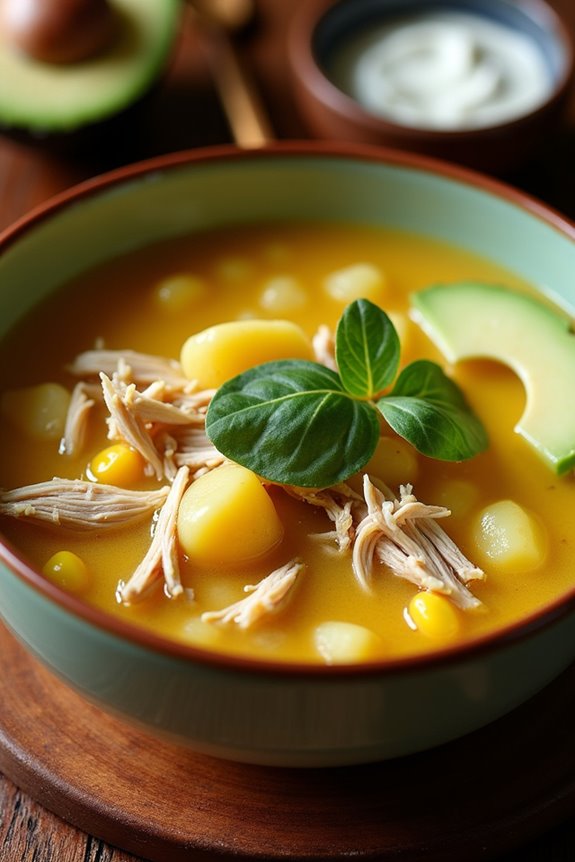
Ajiaco is a traditional Colombian chicken soup that warms the heart and soul, making it a perfect dish for Thanksgiving gatherings. This hearty soup is filled with flavors from various herbs and vegetables, including the unique taste of guascas, a native herb that gives the dish its distinctive flavor. The combination of chicken, potatoes, and corn cooked together creates a comforting meal that showcases Colombian culinary traditions.
Ajiaco is often served with avocado, capers, and a dollop of sour cream, making it a complete and satisfying dish.
To prepare Ajiaco, you’ll need a few key ingredients that come together beautifully. The base of the soup is made from three different types of potatoes, each contributing a unique texture and flavor. The use of chicken thighs guarantees a rich and succulent broth, while the corn adds sweetness to the mix. This dish isn’t only filling but also provides a sense of home and warmth, making it an excellent choice for any family occasion.
Ingredients (Serves 4-6 people):
- 4 cups of chicken broth
- 2 large chicken thighs (bone-in, skin-on)
- 2 medium yellow potatoes, peeled and diced
- 2 medium russet potatoes, peeled and diced
- 2 medium red potatoes, peeled and diced
- 1 cup of corn kernels (fresh or frozen)
- 1 medium onion, chopped
- 2 cloves of garlic, minced
- 1 bunch of guascas (or dried if unavailable)
- 2 tablespoons of olive oil
- Salt and pepper to taste
- 1 avocado, sliced (for serving)
- 1/4 cup of capers (for serving)
- 1/2 cup of sour cream (for serving)
Cooking Instructions:
1. Prepare the Chicken: In a large pot, heat the olive oil over medium heat. Add the chopped onion and minced garlic, sautéing until they become translucent and fragrant, about 3-4 minutes.
Next, add the chicken thighs to the pot and sear them until they’re golden brown on both sides, about 5-7 minutes.
2. Add the Broth: Pour in the chicken broth, making sure to scrape the bottom of the pot to release any flavorful bits stuck to it. Bring the mixture to a gentle boil, then reduce the heat to low and cover the pot. Let the chicken simmer for about 20-25 minutes until it’s cooked through.
3. Incorporate the Potatoes: Once the chicken is done, carefully remove it from the pot and set it aside to cool slightly. Add the diced yellow, russet, and red potatoes to the pot along with the corn and guascas.
Stir everything together, and allow it to simmer for another 20-30 minutes, or until the potatoes are tender and the soup has thickened slightly.
4. Shred the Chicken: While the soup is simmering, shred the chicken thighs into bite-sized pieces using two forks. Return the shredded chicken to the pot, mixing it in with the other ingredients.
Season the soup with salt and pepper to taste, adjusting as necessary.
5. Serve: Once everything is well combined and heated through, ladle the Ajiaco into bowls. Serve hot, accompanied by sliced avocado, capers, and sour cream on the side for each guest to add as desired.
Extra Tips:
When making Ajiaco, the key to achieving the best flavor is using fresh ingredients, particularly the guascas, which can be found in Latin markets or specialty stores.
If you can’t find guascas, dried guascas can be substituted, but use them sparingly as they’re more concentrated. Additionally, feel free to adjust the thickness of the soup by adding more or less broth, and consider adding a splash of lime juice for an extra zing.
Enjoy this delightful dish as part of your Thanksgiving feast, and don’t forget to savor every spoonful!
Bandeja Paisa: A Flavorful Mixed Platter
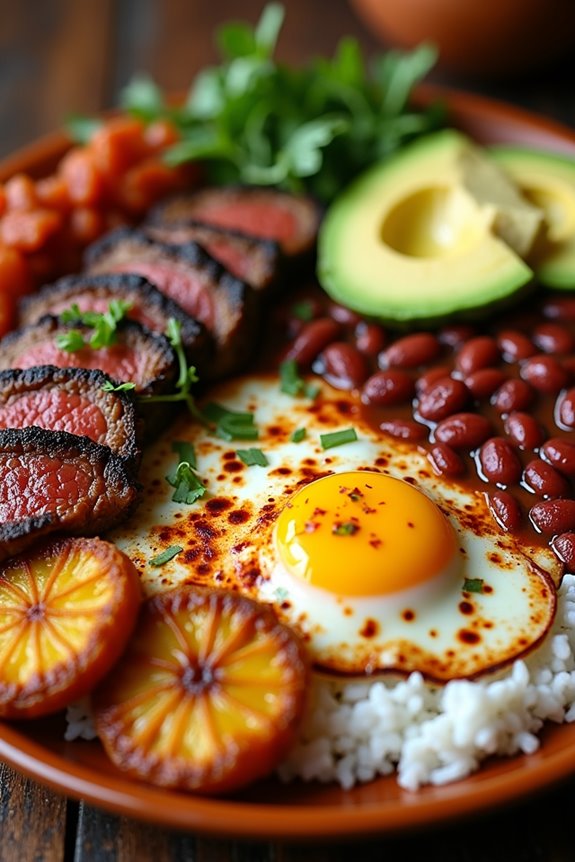
Bandeja Paisa is a traditional Colombian dish that showcases the vibrant and diverse flavors of the country’s cuisine. Originating from the Antioquia region, this hearty meal is characterized by its generous portions and a variety of ingredients that reflect the agricultural richness of Colombia. Typically served on a large platter, Bandeja Paisa combines proteins such as grilled steak, pork belly, and chorizo with staples like rice, beans, and fried plantains.
The dish isn’t only a feast for the eyes but also a celebration of Colombian culture, making it an excellent choice for Thanksgiving gatherings. Preparing Bandeja Paisa is an opportunity to experience the essence of Colombian cooking, as each component is crafted with care. The combination of textures and flavors—from the crispness of the plantains to the savory depth of the beans—creates a harmonious balance that will delight your guests.
Whether you’re serving it as a family meal or impressing friends during a festive occasion, this platter is sure to be a crowd-pleaser.
Ingredients (Serves 4-6)
- 1 lb of flank steak
- 1 lb of pork belly or chicharrón (fried pork skin)
- 4 chorizo sausages
- 2 cups of cooked red beans
- 2 cups of white rice
- 4 ripe plantains
- 4 eggs
- 1 avocado, sliced
- 1 cup of hogao sauce (Colombian tomato and onion sauce)
- Fresh cilantro for garnish
- Salt and pepper, to taste
- Vegetable oil for frying
Cooking Instructions
- Prepare the Beans: If using dry red beans, soak them overnight and then cook them until tender. Season with salt to taste. If using canned beans, simply heat them in a pot over medium heat. Set aside once cooked.
- Cook the Rice: Rinse the white rice under cold water until the water runs clear. In a pot, add the rinsed rice with double the amount of water. Bring to a boil, then reduce the heat to low, cover, and simmer for about 15-20 minutes until the rice is fluffy and the water is absorbed. Fluff with a fork and set aside.
- Prepare the Meats: Season the flank steak with salt and pepper. Grill or pan-sear over medium-high heat for about 5-7 minutes on each side or until desired doneness. For the pork belly, cook until crispy, and for the chorizos, grill or pan-fry until cooked through. Once done, slice the steak and chorizo into pieces.
- Fry the Plantains: Peel the ripe plantains and slice them diagonally into thick pieces. Heat vegetable oil in a frying pan over medium heat. Fry the plantain slices until golden brown on both sides, about 3-4 minutes per side. Remove and drain on paper towels.
- Fry the Eggs: In a separate pan, fry the eggs sunny-side up or to your preference. Season with salt and pepper.
- Assemble the Bandeja Paisa: On a large platter or individual plates, arrange the cooked rice, beans, sliced steak, chorizo, pork belly, fried plantains, and a fried egg. Top with slices of avocado and drizzle with hogao sauce. Garnish with fresh cilantro.
Extra Tips
When preparing Bandeja Paisa, feel free to customize the ingredients according to your taste and preferences. You can substitute the meats with chicken or turkey for a lighter version.
Additionally, make sure that all components are served hot to maintain their flavors and textures. Preparing each element in advance can help streamline the assembly process, allowing you to focus on enjoying the meal with your loved ones. Finally, don’t hesitate to serve with a side of arepas for an authentic Colombian touch!
Arepas: Cornmeal Cakes With Endless Fillings
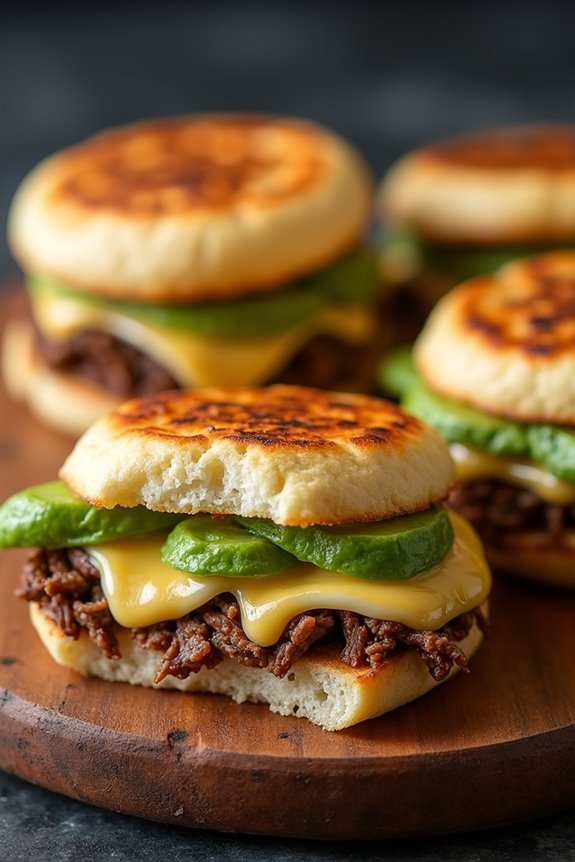
Arepas are a beloved staple in Colombian cuisine, known for their versatility and satisfying texture. These round, cornmeal cakes can be grilled, baked, or fried, and their neutral flavor makes them the perfect canvas for a variety of fillings. Traditionally, arepas are made from precooked corn flour, which gives them a deliciously soft and slightly crispy exterior. They can be enjoyed at any time of the day—whether as a breakfast treat filled with cheese, a savory lunch option packed with meats or vegetables, or a delightful snack accompanied by avocado.
Making arepas is a fun and straightforward process, allowing for creativity with fillings that suit your taste. Popular fillings include shredded beef, pulled chicken, avocado, and cheese, but the possibilities are endless. In Colombia, you might also find arepas stuffed with chicharrón (fried pork belly) or topped with hogao, a Colombian tomato and onion sauce. Gather your ingredients and get ready to impress your family and friends with these delicious cornmeal cakes!
Ingredients (Serves 4-6)
- 2 cups precooked corn flour (arepa flour)
- 2 ½ cups warm water
- 1 teaspoon salt
- 1 tablespoon vegetable oil (plus extra for cooking)
- Fillings of your choice (e.g., cheese, shredded beef, chicken, avocado, etc.)
Cooking Instructions
- Prepare the dough: In a large mixing bowl, combine the precooked corn flour and salt. Gradually add the warm water, mixing with your hands until the dough comes together. The mixture should be moist but not sticky. If the dough feels too dry, add a little more water; if it’s too wet, sprinkle in some more flour.
- Knead the dough: Once combined, knead the dough for about 2-3 minutes until it becomes smooth and pliable. This step is vital for developing the right texture in the arepas.
- Divide and shape: Divide the dough into equal portions, about the size of a golf ball. Flatten each ball into a disc, approximately ½ inch thick. Make sure the edges are smooth and even to guarantee even cooking.
- Cook the arepas: Heat a skillet or griddle over medium heat and add a little vegetable oil. Place the arepas on the skillet and cook for about 5-7 minutes on each side, or until they develop a golden-brown crust. You may need to adjust the heat to prevent burning.
- Finish cooking (optional): For a softer interior, you can finish cooking the arepas in a preheated oven at 350°F (175°C) for about 10-15 minutes after pan-frying them. This step guarantees they’re cooked through without losing their crunchy exterior.
- Fill the arepas: Once cooked, allow the arepas to cool slightly before slicing them open. Stuff them with your desired fillings, such as cheese, shredded meat, or avocado. Serve warm and enjoy!
Extra Tips
To enhance the flavor of your arepas, consider adding herbs or spices to the dough, such as garlic powder or chopped cilantro. If you want to impress your guests, try making a variety of fillings or serving them with different sauces, such as a spicy salsa or guacamole.
Arepas can also be made ahead of time and reheated, making them a convenient option for gatherings. Just be sure to keep them wrapped to maintain their moisture. Enjoy your Colombian Thanksgiving with these delightful creations!
Sancocho: Traditional Colombian Stew
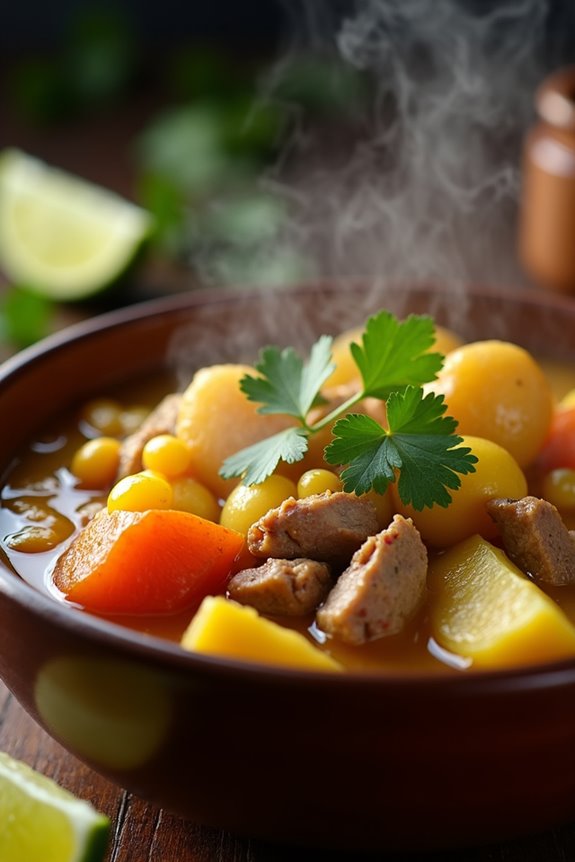
Sancocho is a hearty and comforting traditional Colombian stew that embodies the spirit of Colombian cuisine. It’s a dish that brings families together, often enjoyed during festive occasions and gatherings.
With its rich flavors and diverse ingredients, Sancocho varies from region to region, but the essence remains the same: a delectable broth filled with root vegetables, meats, and spices that warm the soul. This dish is perfect for a Colombian Thanksgiving, offering a taste of home and a celebration of culinary heritage.
The beauty of Sancocho lies in its versatility; you can use a variety of meats such as chicken, beef, or fish, along with an assortment of vegetables like plantains, yuca, and corn. Each ingredient adds depth to the stew, making it a complex yet comforting dish.
Whether served on its own or with a side of rice and avocado, Sancocho is sure to be a crowd-pleaser that will leave your guests asking for seconds.
Ingredients (Serves 4-6 people)
- 1 lb chicken pieces (thighs and drumsticks)
- 1 lb beef (brisket or chuck), cut into chunks
- 1 large onion, chopped
- 4 cloves garlic, minced
- 2 medium tomatoes, chopped
- 2 medium potatoes, peeled and cut into chunks
- 2 medium yuca (cassava), peeled and cut into chunks
- 2 green plantains, peeled and sliced
- 1 ear of corn, cut into pieces
- 6 cups chicken or beef broth
- 2 tablespoons vegetable oil
- 1 teaspoon cumin
- Salt and pepper to taste
- Fresh cilantro, for garnish
- Lime wedges, for serving
Cooking Instructions
- Prepare the Ingredients: Begin by washing and chopping all your vegetables and meats. This step guarantees that everything is ready to go when you start cooking, making the process smoother and more efficient.
- Sauté the Aromatics: In a large pot, heat the vegetable oil over medium heat. Add the chopped onion and garlic, sautéing until the onion becomes translucent and fragrant, about 3-4 minutes. This step builds a flavorful base for your stew.
- Brown the Meats: Add the chicken pieces and beef chunks to the pot, browning them on all sides for about 5-7 minutes. This step enhances the meat’s flavor and adds richness to the broth.
- Incorporate the Vegetables: Stir in the chopped tomatoes, potatoes, yuca, plantains, and corn. Mix everything well, letting the vegetables cook for another 5 minutes. This allows the vegetables to absorb some of the flavors from the meats and spices.
- Add the Broth and Seasonings: Pour in the chicken or beef broth, making certain it covers all the ingredients. Add cumin, salt, and pepper to taste. Bring the mixture to a boil, then reduce the heat and let it simmer for about 35-45 minutes, or until the meats and vegetables are tender.
- Adjust Seasoning: Once the Sancocho has simmered and the flavors have melded together, taste the broth and adjust the seasoning if necessary. You can add more salt, pepper, or cumin based on your preference.
- Serve and Garnish: Ladle the Sancocho into bowls, garnishing with fresh cilantro. Serve with lime wedges on the side for a zesty finish. Enjoy this warm, comforting stew with a side of rice or avocado if desired.
Extra Tips
When making Sancocho, feel free to experiment with the types of meat and vegetables used based on what you have on hand. Traditional recipes may include other ingredients such as pork or fish, and different regions of Colombia have their unique twists.
Additionally, remember to let the stew simmer long enough for the flavors to develop fully; the longer, the better! Finally, don’t forget to serve it with a side of hot sauce for those who enjoy a little heat.
Tamales: Wrapped Delights of Flavor
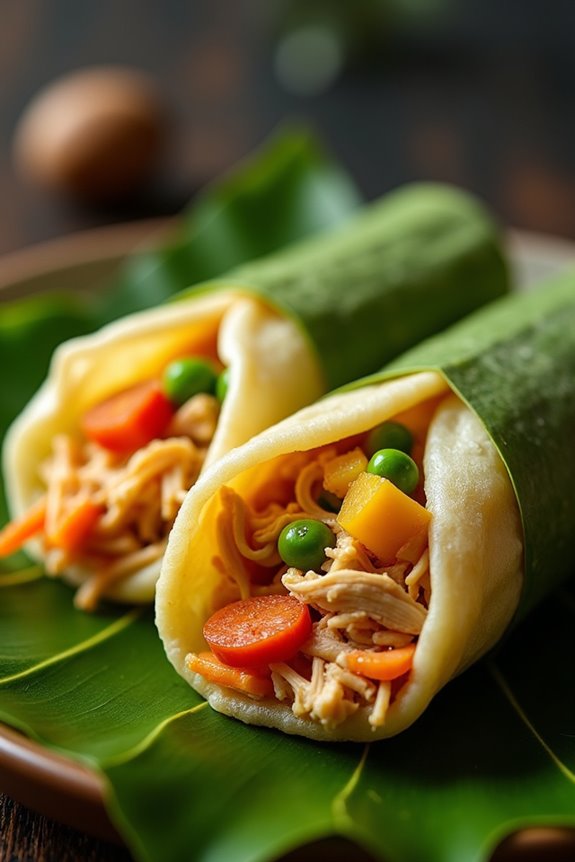
Tamales are a beloved tradition in Colombian cuisine, often enjoyed during festive occasions. These delightful parcels of masa (corn dough) are filled with a variety of ingredients, wrapped in banana leaves or corn husks, and then steamed to perfection. They embody a rich blend of flavors and textures, making them a comforting and satisfying dish that brings families together.
In Colombia, tamales can vary by region, with different fillings and accompaniments, but they all share a common element: the joy of sharing a meal.
The preparation of tamales can be a labor of love, often involving the help of family and friends. While the process may seem intimidating, the end result is a warm, hearty dish that’s well worth the effort.
Whether you’re filling them with seasoned meats, vegetables, or a combination of both, tamales are a versatile dish that can be customized to suit any palate. Serve them with a side of aji (a spicy Colombian sauce) for an added kick, and watch as your family gathers around the table to enjoy this delicious feast.
Ingredients (Serves 4-6 people):
- 2 cups masa harina
- 1 cup chicken broth (or vegetable broth for a vegetarian option)
- 1/2 cup lard or vegetable shortening
- 1 tsp baking powder
- 1 tsp salt
- 1 cup cooked, shredded chicken (or vegetables for vegetarian)
- 1/2 cup diced potatoes
- 1/2 cup diced carrots
- 1/4 cup peas
- 1/4 cup chopped cilantro
- 1 tsp cumin
- 1 tsp paprika
- Banana leaves or corn husks (soaked in warm water)
Cooking Instructions:
- Prepare the Dough: In a large mixing bowl, combine the masa harina, baking powder, and salt. In a separate bowl, beat the lard or vegetable shortening until fluffy. Gradually add the chicken broth to the lard, mixing well. Combine the wet and dry ingredients until you have a smooth dough that’s soft but not sticky.
- Prepare the Filling: In a skillet over medium heat, sauté the diced potatoes and carrots until they’re tender. Add the shredded chicken (or diced vegetables) along with the peas, cilantro, cumin, and paprika. Stir to combine and season with salt to taste. Remove from heat and let cool slightly.
- Assemble the Tamales: Take a soaked banana leaf or corn husk and lay it flat on a clean surface. Spread about 1/4 cup of the masa dough on the leaf, leaving space at the edges. Place a spoonful of the filling in the center of the masa. Fold the sides of the leaf or husk over the masa, then fold up the bottom to create a sealed packet. Repeat this process until all ingredients are used.
- Steam the Tamales: Arrange the tamales upright in a large steamer pot, making sure they’re standing and not touching each other. Fill the bottom of the steamer with water, cover it with a lid, and bring to a boil. Steam the tamales for about 1 to 1.5 hours, or until the masa easily pulls away from the leaf. Check periodically to confirm there’s enough water in the pot.
- Serve: Once cooked, remove the tamales from the steamer and let them cool slightly. Serve them warm, with a side of aji or your favorite sauce for dipping.
Extra Tips:
When making tamales, it’s important to verify that the masa dough has the right consistency—too dry will result in crumbly tamales, while too wet will make them mushy. If you find the masa too dry, add a little more broth; if it’s too wet, a bit more masa harina can help.
Additionally, experimenting with different fillings can lead to exciting variations—try adding cheese, olives, or even sweet fillings for a dessert version. Finally, tamales can be made ahead of time and frozen, making them a perfect dish for meal prep or holiday gatherings.
Empanadas: Savory Pastries for Sharing
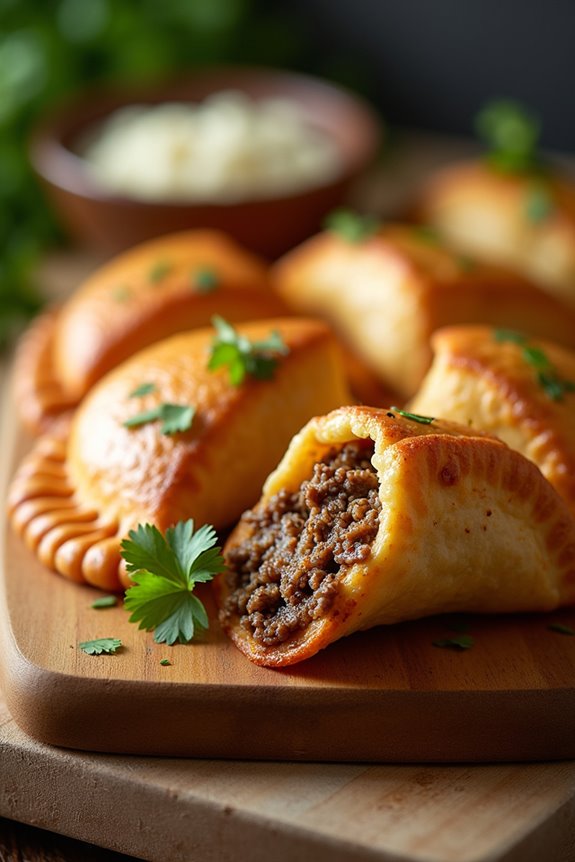
Empanadas are a beloved staple throughout Colombia, known for their flaky crust and rich fillings. They’re perfect for gatherings, making them an ideal dish for Colombian Thanksgiving celebrations. These savory pastries can be filled with a variety of ingredients, but traditional Colombian empanadas are often filled with seasoned meats, potatoes, or cheese.
They’re typically deep-fried or baked to golden perfection, creating a delightful contrast between the crispy exterior and the flavorful filling inside. Making empanadas is a wonderful way to bring friends and family together in the kitchen. The process may seem a bit labor-intensive, but it’s a rewarding experience that allows you to customize the fillings to your liking.
Whether you choose a classic ground beef and potato filling or opt for a vegetarian version with cheese and spinach, empanadas are sure to be a hit at your Thanksgiving feast.
Ingredients (Serves 4-6 People):
- 2 cups all-purpose flour
- 1/2 teaspoon salt
- 1/4 cup unsalted butter, chilled and cubed
- 1/2 cup cold water
- 1 cup cooked and shredded beef (or chicken)
- 1/2 cup mashed potatoes
- 1/2 onion, finely chopped
- 1/4 cup chopped cilantro
- 1 teaspoon ground cumin
- 1 teaspoon paprika
- Salt and pepper, to taste
- Oil for frying (if deep-frying)
Cooking Instructions:
1. Make the Dough: In a large mixing bowl, combine the flour and salt. Add the cubed butter and use your fingers or a pastry cutter to mix until the mixture resembles coarse crumbs. Gradually add cold water, mixing until the dough comes together.
Knead the dough gently for about 2-3 minutes, then wrap it in plastic wrap and let it rest in the refrigerator for at least 30 minutes.
2. Prepare the Filling: In a skillet over medium heat, sauté the chopped onion until translucent, about 3-4 minutes. Add the cooked and shredded beef (or chicken), mashed potatoes, cilantro, cumin, paprika, salt, and pepper.
Mix well and cook for an additional 5 minutes, allowing the flavors to meld. Remove from heat and let the filling cool.
3. Roll Out the Dough: After the dough has rested, divide it into small balls (about the size of a golf ball). On a floured surface, roll each ball out into a circle about 1/8 inch thick.
Use a round cutter if desired to ascertain uniform shapes.
4. Fill the Empanadas: Place a tablespoon of the filling in the center of each dough circle. Fold the dough over to create a half-moon shape and press the edges together to seal.
Use a fork to crimp the edges for a decorative touch and to ascertain they’re well sealed.
5. Cook the Empanadas: Heat oil in a deep skillet or frying pan over medium heat. Fry the empanadas in batches for about 3-4 minutes on each side, or until they’re golden brown and crispy.
Alternatively, you can bake them at 375°F (190°C) for about 20-25 minutes, flipping halfway through.
6. Serve: Remove the empanadas from the oil and drain on paper towels. Serve warm, with your choice of dipping sauces such as ají sauce or salsa.
Extra Tips:
When making empanadas, feel free to experiment with the fillings to suit your guests’ tastes—vegetarian options like cheese and spinach or black beans and corn are delicious alternatives.
To save time, you can prepare the filling a day in advance and store it in the refrigerator. Additionally, if you prefer a healthier option, baking the empanadas instead of frying them is a great way to reduce oil while keeping the texture enjoyable.
Patacones: Crispy Green Plantain Slices
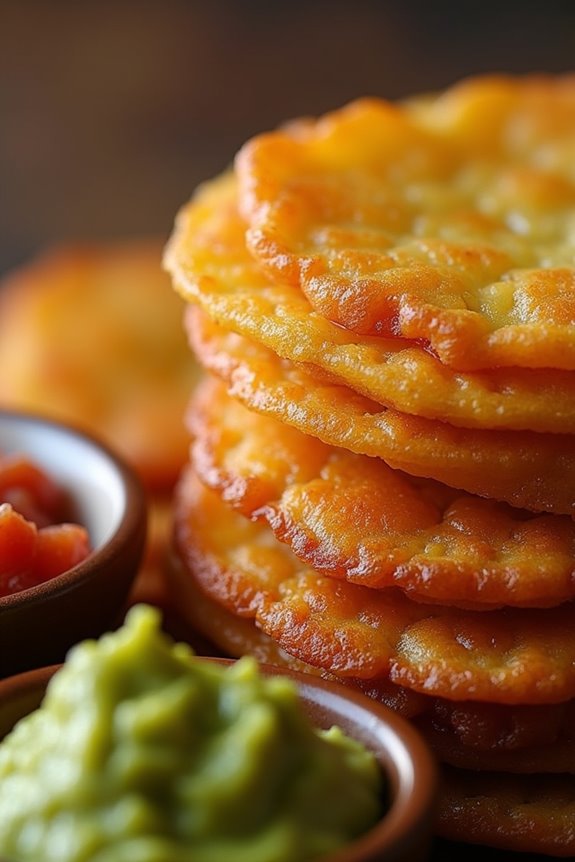
Patacones, also known as tostones, are a popular Colombian snack made from green plantains that are sliced, fried, and then flattened before being fried again. These deliciously crispy bites are perfect as a side dish or appetizer and can be served with a variety of toppings or dips. Their unique texture and flavor make them a wonderful addition to any Thanksgiving feast, bringing an authentic taste of Colombian cuisine to the table.
Making patacones isn’t only easy but also a fun cooking activity that can involve the whole family. The contrast of the crunchy exterior and the soft interior is what makes these plantain slices so irresistible. With a little bit of patience and the right technique, you’ll have a batch of golden-brown patacones that everyone will love.
Ingredients (serving size: 4-6 people):
- 2 large green plantains
- Vegetable oil (for frying)
- Salt (to taste)
- Optional toppings: guacamole, salsa, or hogao (Colombian sauce)
Cooking Instructions:
- Prepare the Plantains: Begin by peeling the green plantains. Cut off the ends and make vertical slits along the skin. Carefully remove the skin to expose the plantain. Slice the plantains into 1-inch thick pieces.
- First Fry: Heat about 1-2 inches of vegetable oil in a deep skillet or frying pan over medium-high heat. Once the oil is hot (about 350°F), carefully add the plantain slices. Fry them for about 3-4 minutes until they turn a light golden color. You may need to fry them in batches to avoid overcrowding the pan.
- Flatten the Plantains: Using a flat surface, such as the bottom of a plate or a tostonera (a special tool for flattening), gently press down on each fried plantain slice to flatten it to about 1/2 inch thick. Be careful not to press too hard, as you want them to remain intact.
- Second Fry: Return the flattened slices to the hot oil and fry for an additional 2-3 minutes on each side, or until they’re golden brown and crispy. Make sure to maintain the oil temperature to guarantee they cook evenly.
- Season and Serve: Once the patacones are cooked, remove them from the oil and place them on a paper towel-lined plate to drain any excess oil. Sprinkle with salt while they’re still hot. Serve immediately with your choice of toppings, such as guacamole or salsa.
Extra Tips:
For the best texture, make sure to use green, unripe plantains as they’re firmer and will fry better. If you find that your patacones aren’t as crispy as you’d like, you can fry them a bit longer, but be cautious not to burn them.
Additionally, serving them hot from the oil is key to maintaining their crunchiness. Experiment with different toppings to find your favorite combination or enjoy them plain for a simple yet delicious snack!
Arroz Con Coco: Coconut Rice for a Tropical Twist
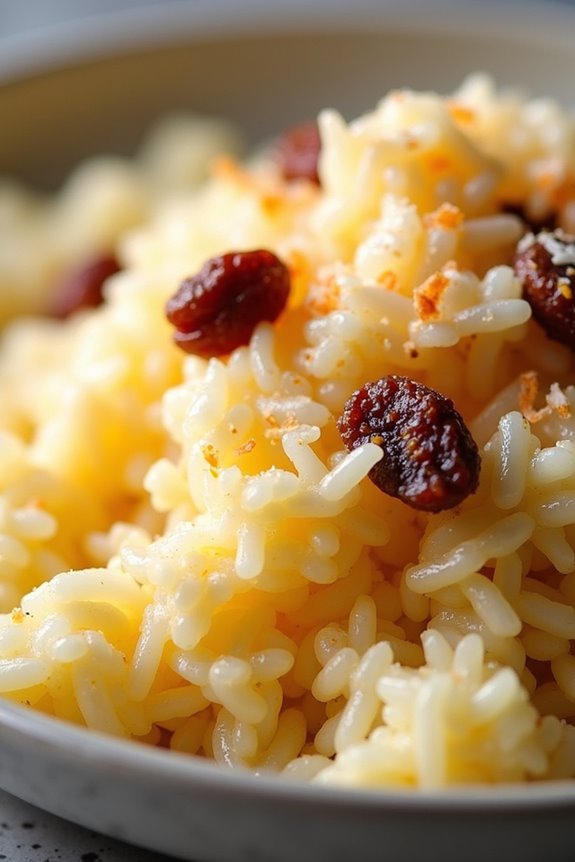
Arroz Con Coco, or Coconut Rice, is a delicious and vibrant dish that hails from the coastal regions of Colombia. This dish infuses traditional rice with the rich, creamy flavor of coconut milk, making it a perfect accompaniment to various dishes, or a delightful standalone treat. The nutty sweetness of the coconut pairs beautifully with savory ingredients, creating a tropical twist that’s bound to impress your guests during Thanksgiving or any festive gathering.
The preparation of Arroz Con Coco is relatively straightforward, yet the end result is a remarkable blend of flavors and textures. This dish not only highlights the culinary traditions of Colombia but also allows you to bring a taste of the tropics to your holiday table. As you gather your ingredients and follow the steps, you’ll be enveloped in the enticing aroma of coconut, making your kitchen feel like a warm Caribbean escape.
Ingredients (serving size: 4-6 people):
- 1 cup of long-grain rice
- 1 cup of coconut milk
- 1 cup of water
- 1/4 cup of sugar (adjust to taste)
- 1/2 teaspoon of salt
- 1/4 cup of grated coconut (optional, for garnish)
- 1/4 cup of raisins (optional, for garnish)
- 1 tablespoon of butter (optional, for added richness)
Cooking Instructions:
- Rinse the Rice: Begin by rinsing the long-grain rice under cold water until the water runs clear. This step removes excess starch and prevents the rice from becoming too sticky. Drain the rice well and set it aside.
- Combine Ingredients in a Pot: In a medium-sized saucepan, combine the rinsed rice, coconut milk, water, sugar, and salt. Stir the ingredients together until they’re well incorporated. The mixture should be creamy and fragrant.
- Bring to a Boil: Place the saucepan over medium-high heat and bring the mixture to a gentle boil. As it heats, keep an eye on it to guarantee it doesn’t boil over. This step is essential for cooking the rice evenly.
- Simmer the Rice: Once boiling, reduce the heat to low and cover the saucepan. Allow the rice to simmer for about 15-20 minutes, or until all the liquid has been absorbed and the rice is tender. Avoid lifting the lid during cooking, as this can release steam and affect the cooking process.
- Fluff the Rice: After the cooking time has elapsed, remove the saucepan from the heat and let it sit, covered, for an additional 5 minutes. This resting period allows the rice to finish cooking in its own steam. Afterward, remove the lid and fluff the rice gently with a fork.
- Add Optional Ingredients: If desired, stir in the butter for added richness or fold in grated coconut and raisins for extra flavor and texture. This step is optional but adds a lovely touch to the dish.
- Serve: Transfer the Arroz Con Coco to a serving dish and garnish with additional grated coconut or raisins if desired. Enjoy this tropical delight warm as a side dish or a comforting main dish.
Extra Tips: To enhance the flavor of your Arroz Con Coco, consider adding a pinch of cinnamon or a dash of vanilla extract to the cooking liquid. If you prefer a more pronounced coconut flavor, you can use unsweetened coconut milk and add extra grated coconut.
Additionally, this dish pairs wonderfully with grilled seafood, chicken, or as part of a festive buffet spread. Enjoy your culinary journey through Colombia with this delightful coconut rice!
Yuca Al Mojo: Yuca With Garlic Sauce
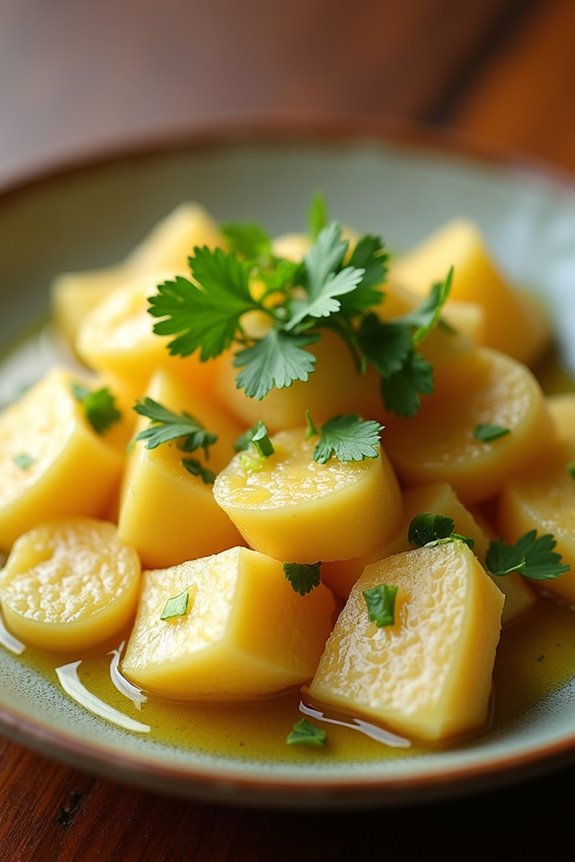
Yuca Al Mojo is a delightful Colombian dish that showcases the unique flavor and texture of yuca, also known as cassava. This starchy root vegetable is a staple in many Latin American cuisines and can be prepared in various ways. In this recipe, yuca is boiled until tender and then served with a vibrant garlic sauce, known as “mojo,” that elevates the dish with a burst of flavor.
This side dish is perfect for Thanksgiving or any family gathering, complementing meats and other traditional Colombian dishes beautifully.
The preparation of Yuca Al Mojo is straightforward and rewarding. When boiled correctly, yuca has a smooth, creamy texture that pairs perfectly with the zesty garlic sauce. The mojo typically consists of garlic, lemon juice, and a splash of olive oil, creating a rich and aromatic dressing that enhances the yuca’s natural flavors.
This dish will surely impress your guests and add a touch of Colombian flair to your holiday table.
Ingredients (serving size: 4-6 people):
- 2 lbs yuca (cassava)
- 4 cloves garlic, minced
- 1/2 cup olive oil
- 1/4 cup fresh lemon juice
- 1 teaspoon salt
- 1/2 teaspoon black pepper
- 1/4 cup chopped fresh cilantro (optional, for garnish)
Cooking Instructions:
- Prepare the Yuca: Start by peeling the yuca root. Cut off the ends and slice the skin lengthwise to remove it. Once peeled, cut the yuca into 2-3 inch chunks to guarantee even cooking.
- Boil the Yuca: Place the yuca pieces into a large pot and cover them with water. Add 1 teaspoon of salt to the water for flavor. Bring the water to a boil over medium-high heat. Once boiling, reduce the heat to medium-low and simmer for about 20-30 minutes, or until the yuca is fork-tender.
- Make the Mojo Sauce: While the yuca is cooking, prepare the garlic sauce. In a small saucepan, heat the olive oil over medium heat. Add the minced garlic and sauté for about 1-2 minutes, or until fragrant but not browned, as this can make the garlic bitter. Remove from heat.
- Combine Ingredients: In a mixing bowl, combine the sautéed garlic and oil with the fresh lemon juice, black pepper, and additional salt to taste. Stir well to create a cohesive sauce.
- Serve the Yuca: Once the yuca is cooked, drain it and let it cool slightly. Place the chunks of yuca on a serving platter and drizzle generously with the garlic sauce. If desired, sprinkle fresh cilantro on top for an added burst of flavor and color.
Extra Tips: When preparing Yuca Al Mojo, it’s essential to ascertain the yuca is cooked just right; overcooking can lead to a mushy texture. If you’re unsure, test a piece with a fork—there should be no resistance when it’s ready.
Feel free to adjust the amount of garlic and lemon juice in the mojo to suit your taste preferences. This dish can be served warm or at room temperature, making it versatile for any occasion. Enjoy your culinary adventure with this Colombian classic!
Buñuelos: Colombian Cheese Fritters
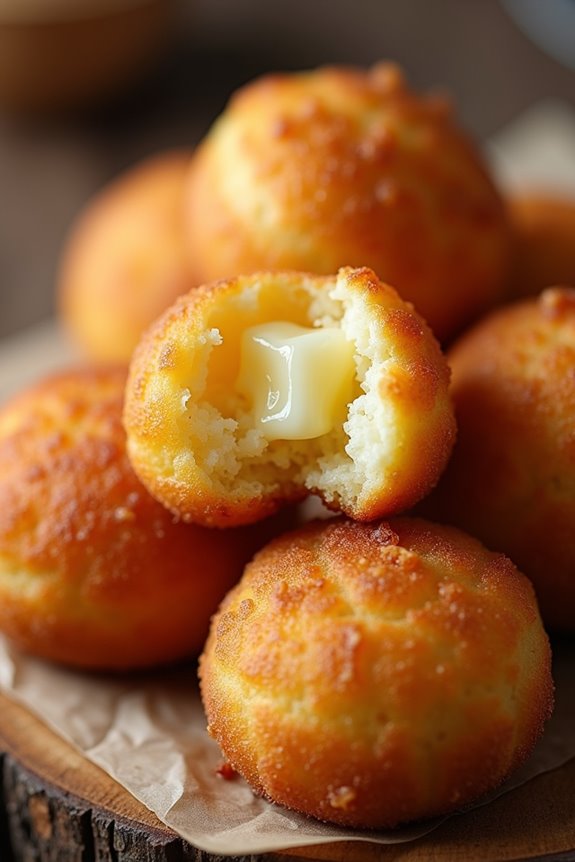
Buñuelos are a cherished Colombian treat, particularly popular during festive occasions like Christmas and Thanksgiving. These delightful cheese fritters are crispy on the outside and soft on the inside, making them an irresistible addition to any holiday feast. The unique blend of cheese and dough creates a wonderfully savory flavor that pairs perfectly with hot chocolate or coffee, making them an ideal snack or dessert.
To prepare buñuelos, you’ll need a few simple ingredients, most of which can be found in your pantry or local grocery store. The process is straightforward, but it’s important to pay attention to the temperature of the oil and the consistency of the dough to achieve the perfect fritter. Whether you’re new to the kitchen or a seasoned chef, these cheese fritters are sure to impress your family and friends during your Colombian Thanksgiving celebration.
Ingredients (Serves 4-6 people)
- 1 cup of queso fresco (or similar cheese like cotija)
- 1 cup of tapioca flour (also known as cassava flour)
- ½ cup of all-purpose flour
- 1 teaspoon of baking powder
- 1 tablespoon of sugar
- ½ teaspoon of salt
- 2 large eggs
- ¼ cup of milk
- Vegetable oil (for frying)
Cooking Instructions
- Prepare the Cheese Mixture: In a mixing bowl, crumble the queso fresco into small pieces. This will help it blend well with the other ingredients. Verify that the cheese is fresh, as it contributes greatly to the flavor of the buñuelos.
- Mix Dry Ingredients: In a separate bowl, combine the tapioca flour, all-purpose flour, baking powder, sugar, and salt. Mix these dry ingredients thoroughly to guarantee that the baking powder is evenly distributed throughout the flour mixture.
- Combine Ingredients: Add the crumbled cheese to the dry ingredients. Gently mix using your hands or a spatula until the cheese is well incorporated into the flour mixture.
- Add Wet Ingredients: In another bowl, whisk together the eggs and milk. Pour this mixture into the flour and cheese mixture. Stir until you have a smooth dough. If the dough feels too sticky, you can add a little more tapioca flour.
- Shape the Buñuelos: With your hands, take small portions of the dough and roll them into balls about the size of a golf ball. Make sure to keep the size uniform for even cooking.
- Heat the Oil: In a deep frying pan or pot, heat vegetable oil over medium-high heat. The oil should reach a temperature of about 350°F (175°C). You can test the oil by dropping a small piece of dough into it; if it sizzles and rises to the surface, the oil is ready.
- Fry the Buñuelos: Carefully place a few dough balls into the hot oil, making sure not to overcrowd the pan. Fry them for about 3-4 minutes or until they’re golden brown, turning occasionally to guarantee even cooking.
- Drain and Serve: Once the buñuelos are cooked, remove them from the oil using a slotted spoon and place them on paper towels to drain any excess oil. Serve them warm, and enjoy!
Extra Tips
When preparing buñuelos, it’s essential to keep the oil at the right temperature; if it’s too hot, the outside will cook too quickly while the inside remains raw. Conversely, if the oil isn’t hot enough, the buñuelos will absorb too much oil and become greasy.
For a delightful twist, you can experiment with different cheeses or add spices like black pepper or herbs to the dough for added flavor. Enjoy your buñuelos fresh, but they also reheat well in an oven for a few minutes if you have leftovers!
Natilla: Creamy Cinnamon Custard
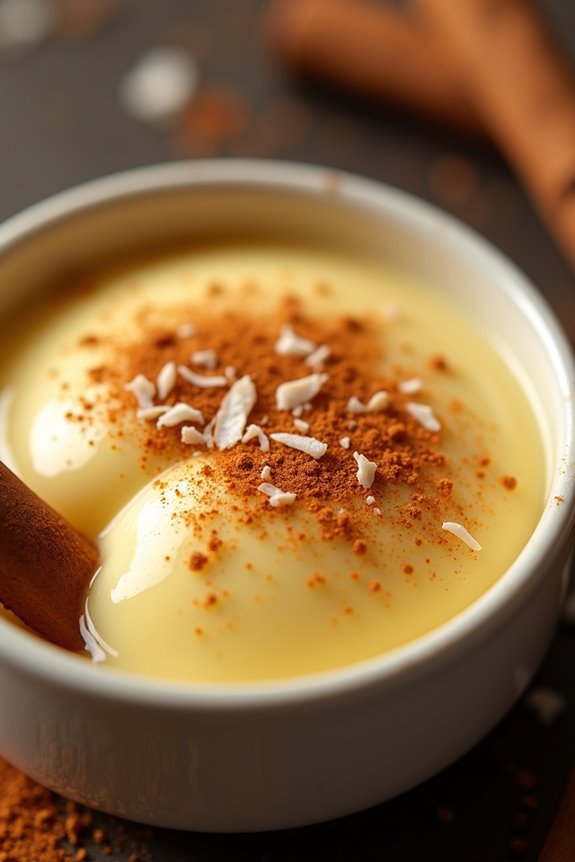
Natilla is a beloved traditional Colombian dessert often enjoyed during the festive Christmas season, including Thanksgiving celebrations. This creamy, rich custard is infused with the aromatic warmth of cinnamon and is typically thickened with cornstarch, giving it a delightful texture that melts in your mouth.
The sweetness of natilla, combined with its unique flavors, makes it a perfect ending to any holiday feast. Making natilla is a simple yet rewarding process that will fill your kitchen with the comforting scent of cinnamon and vanilla.
This dish can be served chilled or at room temperature, and it’s often garnished with coconut or a sprinkle of cinnamon powder for an extra touch of flavor. It’s a dish that brings family and friends together, celebrating the spirit of togetherness that’s central to Colombian traditions.
Ingredients (serving size of 4-6 people):
- 4 cups whole milk
- 1 cup sugar
- 1/2 cup cornstarch
- 1 teaspoon vanilla extract
- 1 cinnamon stick
- 1/4 teaspoon salt
- 1/2 cup shredded coconut (optional, for garnish)
- Ground cinnamon (for garnish)
Cooking Instructions:
- Prepare the Milk Mixture: In a medium saucepan, combine 3 cups of whole milk, the sugar, the cinnamon stick, and the salt. Heat over medium heat until the mixture is warm, stirring occasionally to dissolve the sugar. Remove from heat just before it starts to boil.
- Mix the Cornstarch: In a separate bowl, whisk together the remaining 1 cup of milk and the cornstarch until well combined and smooth. This will serve as the thickening agent for your natilla.
- Combine and Thicken: Slowly pour the cornstarch mixture into the warm milk mixture, whisking continuously to prevent lumps from forming. Return the saucepan to low heat and continue to cook, stirring constantly, until the mixture thickens and becomes a custard-like consistency (approximately 10-15 minutes).
- Add Flavor: Once thickened, remove the saucepan from heat, and stir in the vanilla extract. Remove the cinnamon stick and discard it. If desired, add shredded coconut at this stage for added texture and flavor.
- Cool the Natilla: Pour the natilla into individual serving dishes or a large dish. Allow it to cool at room temperature for about 30 minutes, then cover and refrigerate for at least 2 hours or until fully set.
- Serve: Before serving, sprinkle ground cinnamon on top for garnish, and add more shredded coconut if desired. Enjoy this creamy delight chilled or at room temperature.
Extra Tips:
To guarantee a smooth and creamy texture, make sure to whisk the cornstarch mixture thoroughly before adding it to the warm milk. Keep stirring continuously while it cooks to prevent clumping and burning.
If you prefer a sweeter natilla, feel free to adjust the sugar according to your taste. Additionally, natilla can be made a day in advance and stored in the refrigerator, making it a convenient option for holiday gatherings.
Tres Leches Cake: Indulgent Milk Cake

Tres Leches Cake is a beloved dessert that hails from Latin America, particularly Colombia, where it’s often enjoyed during festive occasions such as Thanksgiving. This rich and moist cake is soaked in a mixture of three different types of milk – evaporated milk, condensed milk, and heavy cream – which gives it an indulgent texture and a sweet flavor that’s irresistible.
The cake is typically topped with a light whipped cream frosting and can be garnished with fresh fruits or a sprinkle of cinnamon, making it a delightful centerpiece for any dessert table.
The beauty of Tres Leches Cake lies in its simplicity and the way it captures the essence of celebration through its layers of flavor and creaminess. It’s a dish that not only satisfies the sweet tooth but also invites everyone to gather around and share in the joy of good food.
Whether enjoyed at a family dinner or a holiday gathering, this cake is sure to impress and leave everyone asking for seconds.
Ingredients (Serves 4-6):
- 1 cup all-purpose flour
- 1 ½ teaspoons baking powder
- ¼ teaspoon salt
- 5 large eggs, separated
- 1 cup granulated sugar
- ½ cup whole milk
- 1 teaspoon vanilla extract
- 1 can (12 oz) evaporated milk
- 1 can (14 oz) sweetened condensed milk
- 1 cup heavy cream
- 1 cup heavy whipping cream (for frosting)
- 2 tablespoons powdered sugar (for frosting)
- Fresh fruit or cinnamon (for garnish, optional)
Cooking Instructions:
- Preheat the Oven: Begin by preheating your oven to 350°F (175°C). This guarantees that your cake will cook evenly and rise properly.
- Prepare the Cake Batter: In a medium bowl, sift together the all-purpose flour, baking powder, and salt. In a large bowl, beat the egg yolks with ¾ cup of granulated sugar until the mixture is thick and pale. Stir in the whole milk and vanilla extract until well combined.
- Combine Ingredients: Gradually add the sifted flour mixture to the egg yolk mixture, mixing until just combined. Be careful not to overmix, as this can lead to a dense cake.
- Whip Egg Whites: In a separate bowl, beat the egg whites until soft peaks form. Gradually add the remaining ¼ cup of sugar and continue beating until stiff peaks form. Gently fold the whipped egg whites into the batter in three additions, making sure that you maintain the light and airy texture.
- Bake the Cake: Pour the batter into a greased 9×13 inch baking dish and smooth the top. Bake in the preheated oven for 25-30 minutes or until a toothpick inserted in the center comes out clean. Let the cake cool completely in the pan.
- Prepare the Milk Mixture: In a large bowl, whisk together the evaporated milk, sweetened condensed milk, and heavy cream until well blended. Once the cake has cooled, poke holes all over the top using a skewer or fork.
- Soak the Cake: Slowly pour the milk mixture over the cake, making sure it seeps into the holes. Allow the cake to absorb the milk for at least 1-2 hours, preferably overnight in the refrigerator.
- Make the Frosting: In a medium bowl, beat the heavy whipping cream with powdered sugar until soft peaks form. Spread the whipped cream over the top of the soaked cake.
- Serve: Slice the cake and serve chilled. You can garnish with fresh fruits like strawberries or a sprinkle of cinnamon if desired.
Extra Tips:
When making Tres Leches Cake, be sure to let the cake soak in the milk mixture for a sufficient amount of time; overnight is preferable for maximum flavor and moisture.
Additionally, using room temperature ingredients can help create a better batter consistency. For a fun twist, consider adding a splash of rum or coconut extract to the milk mixture for a unique flavor profile.
Enjoy your delicious Tres Leches Cake!
Colombian Hot Chocolate: A Cozy Beverage

Colombian Hot Chocolate, or “Chocolate Santafereño,” is a delightful drink that warms both the body and soul, making it a perfect companion for the Colombian Thanksgiving feast. This thick and rich beverage is made from high-quality cocoa, sugar, and milk, often accompanied by a side of cheese to enhance the experience. The unique preparation method, which involves whisking the chocolate with a wooden tool called a “molinillo,” creates a frothy texture that elevates the drink to a whole new level of indulgence.
Traditionally enjoyed in the cooler months, Colombian Hot Chocolate isn’t just a treat but a cherished part of Colombian culture and hospitality. Whether served at breakfast, during an afternoon snack, or after a hearty meal, this hot chocolate offers a sweet escape from the everyday hustle. Paired with a slice of bread, a pastry, or even some cheese, it becomes a comforting ritual that brings families together.
Ingredients (Serves 4-6)
- 4 cups of whole milk
- 4 tablespoons of Colombian chocolate (or dark chocolate, chopped)
- 1/4 cup of sugar (adjust to taste)
- 1 cinnamon stick (optional)
- 1 teaspoon of vanilla extract (optional)
- Cheese cubes (for serving, optional)
Instructions
- Heat the Milk: In a medium saucepan, pour in the 4 cups of whole milk and place it over medium heat. Stir occasionally to prevent the milk from scorching on the bottom. Heat until the milk is steaming but not boiling, about 5-7 minutes.
- Add Chocolate: Once the milk is heated, add the 4 tablespoons of Colombian chocolate (or chopped dark chocolate) to the saucepan. If you’re using a cinnamon stick, add it now too. Stir the mixture continuously until the chocolate fully melts and combines with the milk, creating a smooth and rich base. This should take about 2-3 minutes.
- Sweeten the Mixture: After the chocolate has melted, add the 1/4 cup of sugar. Stir well until the sugar is fully dissolved. Taste the mixture and adjust the sweetness according to your preference. If desired, add the 1 teaspoon of vanilla extract for an extra layer of flavor.
- Whisk for Froth: To achieve the frothy texture, remove the saucepan from the heat. Using a molinillo or a whisk, vigorously stir the hot chocolate for about 1-2 minutes until you see bubbles forming, which indicates a frothy consistency. If you don’t have a molinillo, a hand-held electric frother can work well too.
- Serve: Pour the hot chocolate into mugs, and if desired, serve with cheese cubes on the side. The combination of creamy hot chocolate and gooey cheese creates a delightful contrast that’s a staple in Colombian households.
Extra Tips
For a richer flavor, consider using a mix of dark and milk chocolate, or even adding a pinch of salt to balance the sweetness. If you prefer a spicier version, try adding a touch of ground nutmeg or a hint of chili powder to the mix.
Always remember to serve the hot chocolate immediately after preparation for the best taste and texture. Enjoy this heartwarming beverage with family and friends during your Colombian Thanksgiving celebration!
