


Argentinian cuisine is a delightful blend of vibrant flavors and rich traditions. Picture the smoky aroma of Asado filling the air and the savory, warm bites of Empanadas. These recipes are more than just meals—they’re stories of culture and community. If you’re eager to discover what makes these dishes so unique, let’s explore the must-try Argentinian recipes every food lover should experience.
Asado: The Ultimate Argentine Barbecue
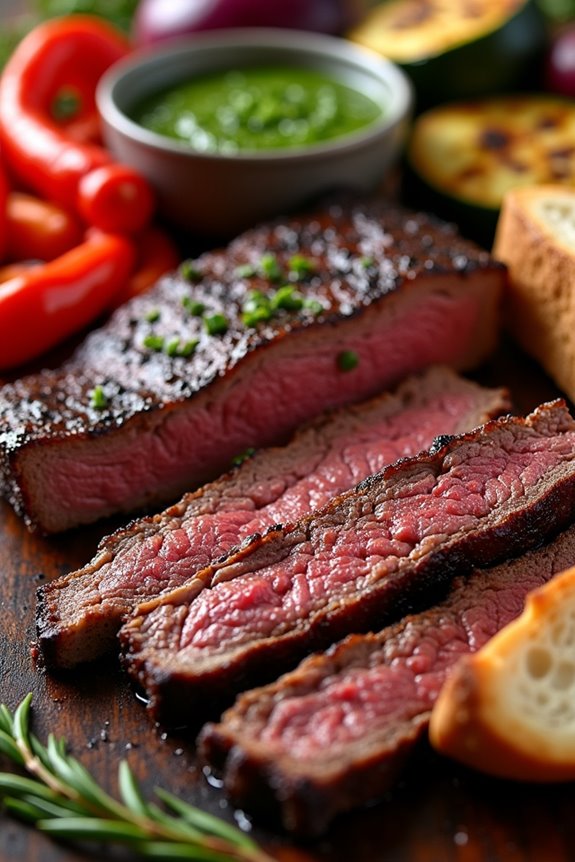
Asado isn’t just a meal in Argentina; it’s a cultural event that brings family and friends together around a sizzling grill. The tradition of asado involves various cuts of meat, often cooked over an open flame or charcoal, and is complemented by a selection of sides and delicious chimichurri sauce. The joy of asado lies in the process and the camaraderie that comes with it, making it more than just about the food—it’s about the experience of sharing this beloved tradition with others.
To prepare the ultimate Argentine barbecue, you’ll want to choose high-quality cuts of meat, such as beef ribs, flank steak, and short ribs. The key to a perfect asado is to cook the meat slowly over low heat, allowing it to develop rich flavors while remaining tender and juicy. Don’t forget to serve your asado with classic Argentine sides, such as grilled vegetables and fresh bread, to complete the feast.
Ingredients (Serves 4-6)
- 2 lbs beef ribs
- 2 lbs flank steak
- 2 lbs short ribs
- 4 chorizo sausages
- 1 cup chimichurri sauce (store-bought or homemade)
- 2 tablespoons coarse salt
- Freshly ground black pepper
- Olive oil (for grilling)
- Assorted vegetables for grilling (bell peppers, zucchini, eggplant)
- Crusty bread (for serving)
Cooking Instructions
- Prepare the Grill: Start by preparing your grill. If using charcoal, light it and allow the coals to turn gray and ashy, which usually takes about 30-40 minutes. If using a gas grill, preheat it on medium heat. Confirm the grill grates are clean and lightly oiled to prevent sticking.
- Season the Meat: Generously season your beef ribs, flank steak, and short ribs with coarse salt and freshly ground black pepper. Allow the meat to rest at room temperature for about 30 minutes. This helps the seasoning penetrate the meat and promotes even cooking.
- Grill the Meat: Place the beef ribs on the grill first, as they’ll take the longest to cook. Cook them for about 15-20 minutes per side, depending on thickness, turning occasionally to achieve even cooking. After the beef ribs, add the flank steak and short ribs and grill for about 6-8 minutes per side for medium-rare, adjusting time based on your preference.
- Cook the Chorizo: While the beef is grilling, add the chorizo sausages to the grill. Cook them for about 10-12 minutes, turning occasionally until they’re nicely browned and cooked through.
- Grill the Vegetables: Toss your assorted vegetables in olive oil and season with salt and pepper. Grill them alongside the meat for about 5-7 minutes, turning until they’re tender and have nice grill marks.
- Rest and Serve: Once everything is cooked to your liking, remove the meat and chorizo from the grill and let them rest for about 5-10 minutes. This allows the juices to redistribute, confirming a juicy bite. Slice the flank steak against the grain for maximum tenderness.
- Plate the Feast: Serve the grilled meats alongside the chimichurri sauce, grilled vegetables, and crusty bread. Encourage guests to help themselves and enjoy the delicious flavors of your homemade asado.
Extra Tips
When preparing your asado, be certain you have plenty of time to enjoy the process and the company of your guests. It’s common to start grilling early in the day, allowing for a leisurely pace.
If you’re new to grilling, invest in a meat thermometer to check for doneness without cutting into the meat. Finally, don’t be shy with the chimichurri—its vibrant flavors are essential to complementing the grilled meat. Enjoy the feast and the celebration that comes with it!
Empanadas: Savory Pastry Pockets

Empanadas are a beloved staple in Argentinian cuisine, celebrated for their versatility and satisfying flavor. These savory pastry pockets can be filled with a variety of ingredients, ranging from seasoned meats to vegetables and cheeses.
Traditionally, empanadas are enjoyed as a snack or appetizer, but they can also be served as a main dish, making them a perfect choice for gatherings and family meals. The flaky crust combined with the rich fillings creates a delightful experience that transports you straight to the heart of Argentina.
Making empanadas at home is a rewarding endeavor that allows you to customize the fillings to your taste. While the dough can be a little tricky to master, the satisfaction of biting into a perfectly baked empanada is worth the effort.
In this recipe, we’ll guide you through creating classic beef empanadas, which are one of the most popular varieties. You can easily switch out the filling for chicken, cheese, or vegetables, so feel free to get creative!
Ingredients (Serves 4-6)
- 2 cups all-purpose flour
- 1/2 teaspoon salt
- 1/4 cup unsalted butter, chilled and cubed
- 1/4 cup cold water
- 1 pound ground beef
- 1 onion, finely chopped
- 1 bell pepper, finely chopped
- 2 cloves garlic, minced
- 1 teaspoon cumin
- 1 teaspoon paprika
- Salt and pepper, to taste
- 1/4 cup green olives, chopped (optional)
- 1 egg, beaten (for egg wash)
Cooking Instructions
- Prepare the Dough: In a large bowl, combine the flour and salt. Add the chilled butter and use your fingers or a pastry cutter to mix until the mixture resembles coarse crumbs. Gradually add cold water, mixing until the dough comes together. Knead briefly, then wrap in plastic wrap and refrigerate for at least 30 minutes.
- Cook the Filling: In a skillet over medium heat, add the ground beef and cook until browned. Drain excess fat if necessary. Add chopped onion, bell pepper, and garlic, cooking until the vegetables are soft. Stir in cumin, paprika, salt, and pepper, and cook for an additional 2-3 minutes. If using, mix in the chopped olives. Remove from heat and let cool slightly.
- Roll Out the Dough: On a floured surface, roll out the chilled dough to about 1/8 inch thick. Use a round cutter (about 4-5 inches in diameter) to cut out circles of dough. Gather any scraps, re-roll, and cut out additional circles.
- Fill the Empanadas: Place a tablespoon of the beef filling in the center of each dough circle. Fold the dough over to create a half-moon shape, pressing the edges together firmly to seal. For a decorative touch, you can crimp the edges with a fork.
- Bake the Empanadas: Preheat your oven to 400°F (200°C). Place the empanadas on a baking sheet lined with parchment paper. Brush the tops with the beaten egg for a golden color. Bake for 20-25 minutes, or until golden brown.
- Serve and Enjoy: Remove the empanadas from the oven and let them cool slightly before serving. They’re delicious warm and can be enjoyed on their own or with a dipping sauce like chimichurri.
Extra Tips
When making empanadas, it’s important to ascertain the filling isn’t too wet; excess moisture can result in a soggy pastry. Allow the filling to cool completely before assembling the empanadas.
If you’re short on time, you can use store-bought dough, but making it from scratch adds a wonderful homemade touch. Feel free to experiment with different fillings and spices to create your own signature empanada recipe!
Milanesa: Breaded and Fried Meat Delight

Milanesa is a beloved dish in Argentina that showcases the country’s rich culinary heritage. This dish consists of thin slices of meat, typically beef or chicken, that are breaded and fried to a crispy perfection. The preparation is simple, yet the result is incredibly flavorful and satisfying.
Milanesa is often served with a side of mashed potatoes, salad, or even in a sandwich, making it a versatile option for any meal. The beauty of milanesa lies in its adaptability—while the traditional recipe uses beef, you can easily substitute it with chicken or pork, depending on your preference.
The key to achieving a perfectly crispy crust is in the breading process, which involves dipping the meat in flour, egg, and breadcrumbs. This creates a delightful texture that contrasts beautifully with the tender meat inside. Whether you’re hosting a family dinner or preparing a quick weeknight meal, milanesa is sure to satisfy everyone at the table.
Ingredients (Serves 4-6):
- 1.5 lbs of beef or chicken (thinly sliced)
- 1 cup all-purpose flour
- 2 large eggs
- 2 cups breadcrumbs
- 2 teaspoons salt
- 1 teaspoon black pepper
- 1 teaspoon garlic powder (optional)
- 1 teaspoon paprika (optional)
- Vegetable oil (for frying)
- Lemon wedges (for serving)
Cooking Instructions:
- Prepare the Meat: If using beef, make sure the slices are thin; you can pound them down gently with a meat mallet if needed. For chicken, ensure the fillets are evenly sliced to promote even cooking. Season both sides of the meat with salt, black pepper, and any optional spices like garlic powder or paprika.
- Set Up the Breading Station: In three separate shallow dishes, place the flour in the first dish, beat the eggs in the second, and pour the breadcrumbs into the third. This setup allows for a smooth breading process.
- Bread the Meat: Start with a slice of meat and coat it with flour, shaking off any excess. Next, dip it into the beaten eggs, allowing any excess to drip off. Finally, coat the meat in breadcrumbs, pressing gently to make sure they adhere well. Repeat this process for all the slices.
- Heat the Oil: In a large skillet, pour enough vegetable oil to cover the bottom by about 1/4 inch. Heat the oil over medium heat until hot but not smoking. You can test the temperature by dropping a breadcrumb into the oil; it should sizzle immediately.
- Fry the Milanesa: Carefully place a few breaded meat slices into the hot oil, making sure not to overcrowd the pan. Fry each side for about 3-4 minutes or until golden brown and crispy. Use tongs to turn the slices halfway through cooking. Once cooked, transfer them to a paper towel-lined plate to drain excess oil.
- Serve: Once all the milanesa pieces are fried, serve them hot with lemon wedges on the side. They can be enjoyed alone, with sides, or in a sandwich.
Extra Tips:
For an added flavor boost, consider marinating the meat in a mixture of olive oil, vinegar, and herbs for a couple of hours before breading. This enhances the taste and tenderizes the meat.
Additionally, experiment with different types of breadcrumbs, such as panko, for an even crunchier texture. If you’re preparing a large batch, keep the cooked milanesa warm in a low oven until ready to serve. Enjoy your delicious homemade milanesa!
Choripán: Chorizo Sandwich With Chimichurri

Choripán is a beloved street food in Argentina, known for its simple yet flavorful combination of grilled chorizo sausage and fresh chimichurri sauce, all nestled between crusty bread. This dish isn’t only a favorite among locals but also a must-try for anyone wanting to experience the rich culinary traditions of Argentina.
The preparation is straightforward, making it a perfect option for summer barbecues or casual gatherings with friends and family.
To create the perfect choripán, it’s crucial to select high-quality chorizo and fresh ingredients for the chimichurri. The balance of spices and herbs in the chimichurri complements the richness of the sausage, resulting in a mouthwatering sandwich.
Serve your choripán with a side of pickled vegetables or a fresh salad for a complete meal that will transport you straight to the streets of Argentina.
Ingredients (serves 4-6 people):
- 4-6 Argentinian chorizo sausages
- 4-6 crusty bread rolls (such as baguette or ciabatta)
- 1/2 cup fresh parsley, finely chopped
- 2-3 cloves garlic, minced
- 1/4 cup red wine vinegar
- 1/2 cup olive oil
- 1 teaspoon red pepper flakes (optional)
- Salt and pepper to taste
- Lemon wedges for serving (optional)
Cooking Instructions:
- Prepare the Chimichurri Sauce: In a medium bowl, combine the finely chopped parsley, minced garlic, red wine vinegar, olive oil, and red pepper flakes. Mix well until thoroughly combined. Season with salt and pepper to taste. Let the chimichurri sit for at least 30 minutes at room temperature to allow the flavors to meld together.
- Grill the Chorizo: Preheat your grill or grill pan over medium-high heat. Once hot, place the chorizo sausages on the grill. Cook for about 7-10 minutes, turning occasionally, until they’re browned and cooked through. You can also use a meat thermometer to confirm the internal temperature reaches 160°F (71°C).
- Prepare the Bread: While the chorizo is grilling, slice the crusty bread rolls in half. If desired, you can lightly toast the bread on the grill for a couple of minutes until golden and crispy.
- Assemble the Choripán: Once the chorizo is cooked, carefully remove it from the grill and let it rest for a few minutes. Place one chorizo sausage in each bread roll and generously drizzle with the chimichurri sauce.
- Serve: Serve the choripán immediately with lemon wedges on the side, allowing your guests to squeeze fresh lemon juice over their sandwiches for added brightness.
Extra Tips:
For a unique twist, consider adding toppings such as sliced avocado, pickled jalapeños, or fresh arugula to your choripán.
You can also experiment with different types of bread or even make it a gluten-free option with suitable bread alternatives. Always taste the chimichurri before serving, as adjusting the acidity and seasoning can elevate the overall flavor.
Enjoy your choripán as part of a larger Argentine feast, accompanied by a robust Malbec wine for a truly authentic experience.
Provoleta: Grilled Cheese With a Twist
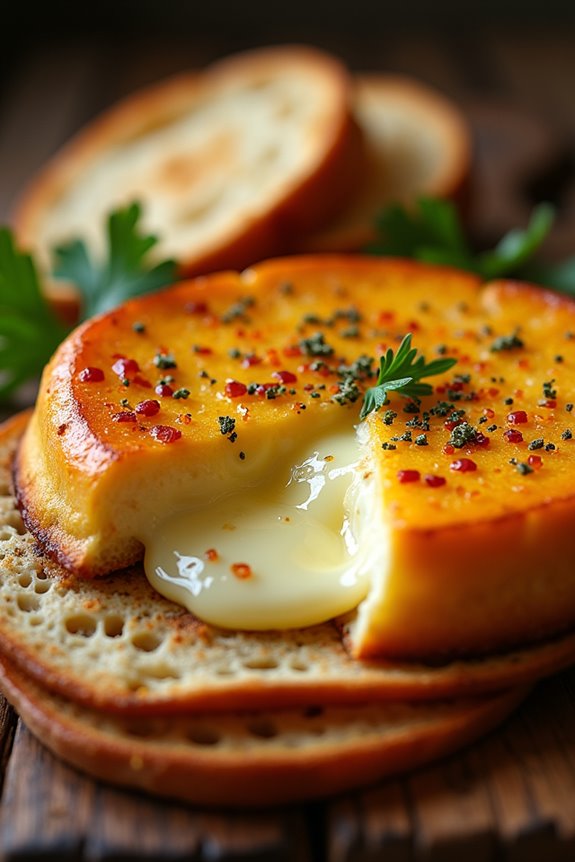
Provoleta is a beloved Argentinian dish that encapsulates the essence of comfort food with its gooey, melty cheese and rich flavors. Traditionally made with provolone cheese, it’s a delightful appetizer or side dish, particularly popular during asado (Argentinian barbecue) gatherings.
The simplicity of its ingredients allows the cheese’s natural flavors to shine, while the addition of herbs and spices elevates it to a whole new level. When grilled to perfection, provoleta becomes irresistibly stretchy and warm, perfect for scooping up with crusty bread or fresh vegetables.
The dish isn’t only satisfying but also a fantastic way to bring friends and family together around the grill. With just a few ingredients and straightforward preparation, you’ll soon find yourself impressing guests with this deliciously cheesy creation.
Ingredients for Provoleta (serving size: 4-6 people):
- 1 large wheel of provolone cheese (approximately 1 pound)
- 2 tablespoons olive oil
- 1 teaspoon dried oregano
- 1 teaspoon crushed red pepper flakes (optional)
- Fresh parsley, chopped (for garnish)
- Crusty bread, for serving
Cooking Instructions:
1. Prepare the Cheese:
Start by taking the large wheel of provolone cheese and slicing it in half horizontally to create two discs. If you have a thicker wheel, you can leave it whole, but slicing it allows for better melting.
2. Season the Cheese:
Drizzle both sides of the cheese with olive oil, making sure of an even coating. This won’t only help with the grilling process but also add flavor. Sprinkle dried oregano and crushed red pepper flakes (if using) on top of the cheese to enhance its taste.
3. Preheat the Grill:
Preheat your grill to a medium-high heat. It’s crucial to get the grill hot before adding the cheese to create that perfect crispy exterior while keeping the interior melted and gooey. If using a grill pan indoors, heat it over medium-high heat.
4. Grill the Cheese:
Place the seasoned provolone cheese directly on the grill grate or in the grill pan. Cook for about 5-7 minutes, or until the cheese begins to bubble and turn golden brown. Carefully watch it to prevent burning.
5. Serve Immediately:
Using a spatula, gently transfer the grilled cheese to a serving platter. Garnish with freshly chopped parsley for a pop of color and added freshness. Serve it hot and bubbling alongside crusty bread for dipping.
Extra Tips:
For the best results, verify your cheese is at room temperature before grilling, as this will help it melt evenly. If you can find a cast-iron skillet, consider using it on the grill to catch any drippings and prevent the cheese from sticking.
Additionally, feel free to experiment with different herbs or spices to customize the flavors to your liking, making this dish truly your own. Enjoy your provoleta with a glass of Malbec for the ultimate Argentinian experience!
Locro: Hearty Argentine Stew
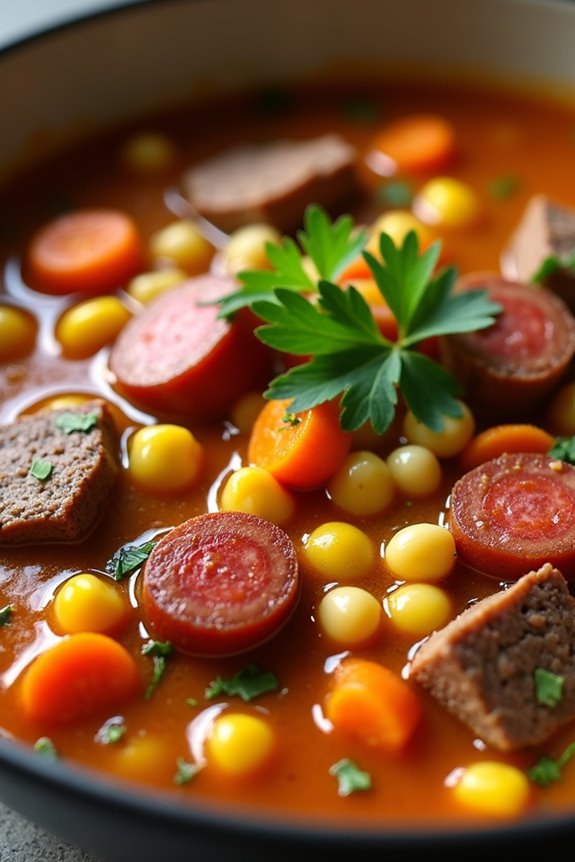
Locro is a traditional Argentinian stew that’s often enjoyed during national holidays, particularly on May 25th, which celebrates the May Revolution. This hearty dish is a comforting blend of corn, beans, potatoes, and various meats, making it a perfect meal for gathering family and friends around the table. Not only is locro filling and nutritious, but it also embodies the rich culinary heritage of Argentina, showcasing the country’s love for flavors and communal dining.
The origins of locro date back to the indigenous peoples of the Andean region, and over the centuries, it has evolved with various influences, incorporating local ingredients and flavors. Each family may have its own version, but the essence remains the same: a warm and satisfying stew that brings people together. Whether you’re celebrating a special occasion or simply craving a taste of Argentina, locro is sure to please.
Ingredients (Serves 4-6):
- 1 cup dried white corn
- 1 cup dried yellow split peas
- 1 onion, chopped
- 2 garlic cloves, minced
- 2 medium potatoes, diced
- 1 carrot, diced
- 1 green bell pepper, chopped
- 200g chorizo sausage, sliced
- 200g beef (brisket or chuck), cut into cubes
- 200g pork (shoulder or belly), cut into cubes
- 1 bay leaf
- 1 teaspoon smoked paprika
- Salt and pepper, to taste
- 4 cups chicken or beef broth
- Fresh parsley, chopped (for garnish)
- Optional: hot sauce (for serving)
Cooking Instructions:
- Soak the Corn and Split Peas: Begin by soaking the dried white corn and yellow split peas in separate bowls of water overnight. This will help to soften them and reduce cooking time. The next day, drain and rinse them before using.
- Sauté the Vegetables: In a large pot or Dutch oven, heat a tablespoon of oil over medium heat. Add the chopped onion and minced garlic, cooking until the onion is translucent, about 5 minutes. This step builds the flavorful base for your stew.
- Brown the Meats: Add the cubed beef and pork to the pot, cooking until browned on all sides. This should take about 6-8 minutes. Browning the meat adds depth of flavor to the stew.
- Add the Remaining Ingredients: Stir in the diced potatoes, carrots, green bell pepper, bay leaf, smoked paprika, soaked corn, and split peas. Season with salt and pepper to taste.
- Pour in the Broth: Carefully add the chicken or beef broth, ensuring all ingredients are covered. Bring the mixture to a boil, then reduce the heat to low. Cover and let it simmer for about 1.5 to 2 hours, stirring occasionally. This slow cooking allows the flavors to meld together and the ingredients to become tender.
- Add Chorizo and Final Seasoning: In the last 30 minutes of cooking, add the sliced chorizo. This will infuse the stew with its rich, smoky flavor. Taste and adjust the seasoning with more salt and pepper if needed.
- Serve and Garnish: Once the locro is thick and the meats are tender, remove from heat. Ladle the stew into bowls, garnishing with freshly chopped parsley. Serve with hot sauce on the side for those who enjoy a spicy kick.
Extra Tips:
When preparing locro, feel free to customize the ingredients based on your preferences or what you have on hand. You can add other vegetables like squash or zucchini, or even swap out the meats for chicken or turkey.
Locro tastes even better the next day, so consider making a larger batch for leftovers. Be sure to keep an eye on the consistency as it cooks; if it thickens too much, you can add a little more broth or water to reach your desired texture.
Enjoy this traditional Argentine dish with crusty bread for a complete meal!
Alfajores: Sweet Cookie Sandwiches

Alfajores are a beloved treat in Argentina, known for their delicate, crumbly cookies filled with rich dulce de leche and often rolled in coconut or dusted with powdered sugar. These sweet cookie sandwiches aren’t only a staple in Argentinian culture but also a delightful indulgence that has gained popularity worldwide.
The combination of textures and flavors makes alfajores a perfect accompaniment to coffee or tea, and they’re often enjoyed during celebrations, holidays, or simply as a sweet snack anytime.
Making alfajores is a straightforward process, but it requires attention to detail to achieve that perfect melt-in-your-mouth texture. The cookies are typically made with cornstarch and flour, creating a light and tender bite. Once baked, they’re filled with a generous layer of dulce de leche, which adds a luscious sweetness that complements the cookies beautifully.
Whether you’re preparing them for a special occasion or just treating yourself, these alfajores will surely impress.
Ingredients (Serves 4-6)
- 1 cup all-purpose flour
- 1 cup cornstarch
- 1/2 cup unsalted butter, softened
- 1/2 cup powdered sugar
- 1 egg yolk
- 1 teaspoon vanilla extract
- 1 teaspoon baking powder
- 1 cup dulce de leche
- 1/2 cup shredded coconut (optional, for rolling)
- Extra powdered sugar (for dusting)
Cooking Instructions
- Prepare the Dough: In a mixing bowl, combine the softened butter and powdered sugar. Beat them together until the mixture is light and fluffy. This process introduces air into the butter, which contributes to the light texture of the cookies.
- Add Egg and Vanilla: Add the egg yolk and vanilla extract to the butter mixture. Mix until well combined. This step adds flavor and richness to the dough.
- Combine Dry Ingredients: In a separate bowl, whisk together the all-purpose flour, cornstarch, and baking powder. Gradually add this dry mixture to the wet ingredients, mixing until a soft dough forms. Be careful not to overmix, as this can lead to tough cookies.
- Chill the Dough: Wrap the dough in plastic wrap and refrigerate for at least 30 minutes. Chilling the dough helps to firm it up, making it easier to roll out and shape.
- Roll and Cut Cookies: Preheat your oven to 350°F (175°C). On a lightly floured surface, roll out the chilled dough to about 1/4 inch thick. Use a cookie cutter to cut out circles. Place the circles on a baking sheet lined with parchment paper, leaving space between them.
- Bake the Cookies: Bake in the preheated oven for 10-12 minutes or until the edges are lightly golden. Allow the cookies to cool completely on a wire rack before assembling.
- Fill with Dulce de Leche: Once the cookies have cooled, spread a generous layer of dulce de leche on the flat side of one cookie and top it with another cookie to form a sandwich.
- Finish with Coconut or Sugar: If desired, roll the edges of the filled alfajores in shredded coconut or dust with powdered sugar for an extra touch of sweetness and texture.
Extra Tips
When making alfajores, feel free to experiment with different fillings, such as chocolate ganache or fruit preserves, if you want to switch things up.
Additionally, for a more traditional touch, you can leave the alfajores plain and simply dust them with powdered sugar for a classic presentation.
Make sure to store the finished cookies in an airtight container to keep them fresh, and consider letting them sit for a day before serving; this allows the flavors to meld beautifully, enhancing the overall taste.
Dulce De Leche: Creamy Caramel Spread
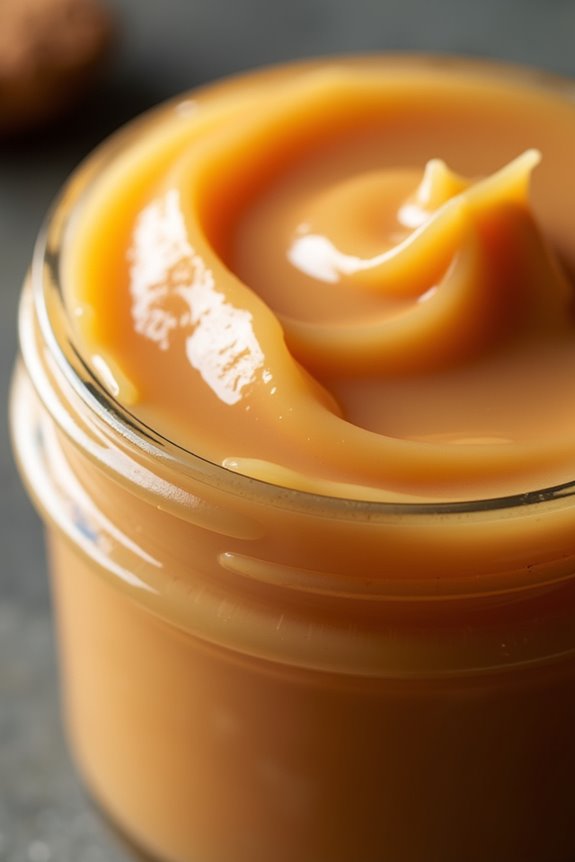
Dulce de leche is a beloved Argentinian treat that has captured the hearts (and taste buds) of many around the world. This rich, creamy caramel spread is made by slowly cooking sweetened milk, resulting in a velvety texture and a deep, caramel flavor. It can be used in a variety of desserts, as a topping for pancakes, or simply enjoyed straight from the jar. Making dulce de leche at home is a rewarding experience that fills your kitchen with an irresistible aroma.
The process of making dulce de leche is simple yet requires patience and attention. While the ingredients are few, the magic happens during the slow cooking process, where the milk transforms into a luscious spread. Whether you’re using it to fill cakes, drizzle over ice cream, or slather on toast, homemade dulce de leche will elevate any dish with its sweet, buttery goodness.
Ingredients (serving size: 4-6 people):
- 4 cups whole milk
- 1 cup granulated sugar
- 1/2 teaspoon baking soda
- 1 teaspoon vanilla extract (optional)
- Pinch of salt
Cooking Instructions:
- Combine Ingredients: In a large, heavy-bottomed saucepan, combine the whole milk, granulated sugar, baking soda, and a pinch of salt. The baking soda helps to prevent the mixture from curdling and guarantees a smooth consistency. Stir the ingredients together until the sugar is mostly dissolved.
- Heat the Mixture: Place the saucepan over medium heat. Stir the mixture gently and continuously until it comes to a gentle simmer. This step is essential to guarantee even heating and to prevent the milk from scorching on the bottom of the pan.
- Cook Slowly: Once the mixture reaches a simmer, reduce the heat to low. Continue to cook the mixture, stirring frequently to prevent it from sticking or burning. This slow cooking process can take anywhere from 1 to 1.5 hours. You’ll notice the mixture gradually thickening and changing color to a beautiful caramel hue.
- Check for Consistency: After about an hour, begin checking the consistency of the dulce de leche. It should be thick enough to coat the back of a spoon. If it’s not quite there yet, continue cooking and stirring until you reach your desired thickness.
- Add Vanilla (Optional): Once you’ve achieved the right consistency, remove the saucepan from heat. If desired, stir in the vanilla extract for an extra layer of flavor. Allow the dulce de leche to cool slightly in the pan before transferring it to a jar.
- Cool and Store: Let the dulce de leche cool completely at room temperature. Once cooled, transfer it to an airtight jar or container and store it in the refrigerator. It can be kept for up to a month, although it’s unlikely to last that long!
Extra Tips: When making dulce de leche, patience is key. Avoid turning up the heat to speed up the process; this could cause the mixture to scorch. If you notice any lumps forming while cooking, you can whisk the mixture gently to smooth it out.
Also, remember that dulce de leche will thicken further as it cools, so aim for a slightly thinner consistency when removing it from the heat. Enjoy your homemade treat!
Matambre: Flank Steak With Flavor
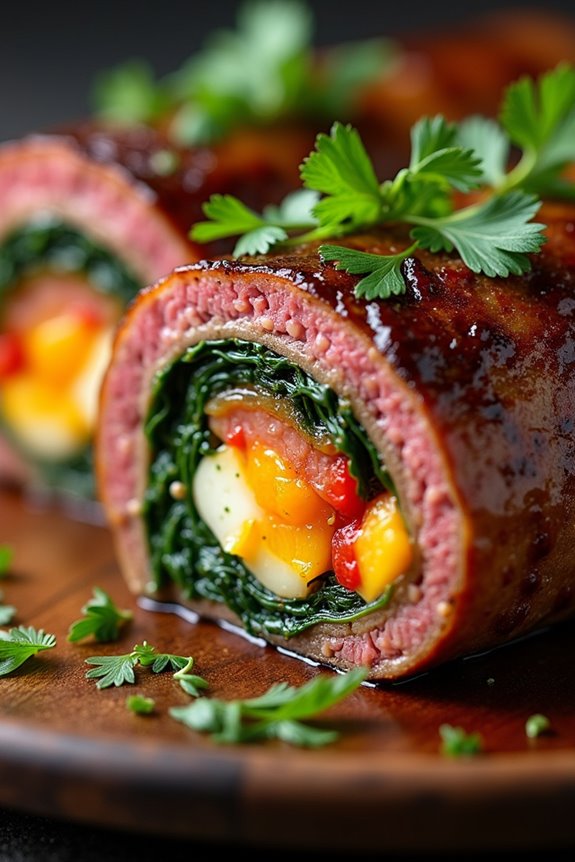
Matambre is a traditional Argentinian dish that highlights the rich flavors of flank steak, often marinated and grilled to perfection. This dish isn’t only a staple in Argentinian homes but also a favorite for gatherings and barbecues, known locally as “asados.” The term “matambre” translates to “kill hunger,” reflecting its hearty and satisfying nature, which is ideal for feeding a crowd.
The flank steak is typically stuffed with a mixture of colorful vegetables, herbs, and spices, resulting in a flavorful dish that’s both visually appealing and delicious.
To make matambre, you’ll need to select a good quality flank steak, which is known for its robust flavor and tender texture when cooked properly. The steak is often marinated before being grilled or baked, enhancing its natural flavors and making it incredibly juicy. This dish can be served warm or at room temperature, making it versatile for various occasions.
Whether you’re enjoying it with a side of chimichurri sauce or alongside grilled vegetables, matambre is sure to impress your family and friends.
Ingredients (Serves 4-6)
- 2 pounds flank steak
- 2 tablespoons olive oil
- 4 cloves garlic, minced
- 1 teaspoon salt
- 1 teaspoon black pepper
- 1 teaspoon smoked paprika
- 1 teaspoon cumin
- 1 red bell pepper, diced
- 1 yellow bell pepper, diced
- 1 cup spinach leaves, chopped
- 1 medium onion, diced
- 2 hard-boiled eggs, chopped
- Fresh parsley, chopped (for garnish)
Cooking Instructions
- Prepare the Marinade: In a small bowl, mix together the olive oil, minced garlic, salt, black pepper, smoked paprika, and cumin. This marinade will infuse the flank steak with flavor, so verify all ingredients are well combined.
- Marinate the Flank Steak: Place the flank steak in a large dish or resealable plastic bag and pour the marinade over it. Confirm the steak is evenly coated, then cover the dish or seal the bag. Allow it to marinate in the refrigerator for at least 2 hours, or ideally overnight for maximum flavor.
- Prepare the Filling: While the steak is marinating, prepare the filling by sautéing the diced onion and bell peppers in a skillet over medium heat until they’re soft, about 5-7 minutes. Stir in the chopped spinach and cook for an additional 2 minutes until wilted. Remove from heat and let it cool slightly before mixing in the chopped hard-boiled eggs.
- Stuff the Flank Steak: After marinating, remove the flank steak from the refrigerator and lay it flat on a clean surface. Spread the filling mixture evenly over the steak, leaving a small border around the edges. Roll the steak tightly from one end to the other, securing it with kitchen twine or toothpicks to hold the filling inside.
- Cook the Matambre: Preheat your grill or oven to medium-high heat. If grilling, place the rolled matambre directly on the grill and cook for about 20-25 minutes, turning occasionally until it reaches your desired level of doneness. If baking, place it in a preheated oven at 375°F (190°C) for approximately 30-35 minutes. Use a meat thermometer to confirm it reaches an internal temperature of 145°F (63°C) for medium rare.
- Rest and Serve: Once cooked, remove the matambre from the heat and let it rest for 10 minutes. After resting, slice it into thick rounds and garnish with fresh parsley before serving.
Extra Tips
When preparing matambre, feel free to customize the filling with your favorite vegetables or herbs. You can also serve it with various sauces, such as chimichurri, for an added flavor boost.
Additionally, verifying that the steak is tightly rolled will help keep the filling intact during cooking. Don’t skip the resting time after cooking, as it allows the juices to redistribute, resulting in a more flavorful and tender final dish. Enjoy your matambre with a fresh salad or grilled vegetables for a complete meal!
Humita En Chala: Corn and Cheese Tamales

Humita En Chala, a traditional Argentinian dish, is a delightful combination of fresh corn, cheese, and spices, wrapped in corn husks and steamed to perfection. This dish is reminiscent of the rich agricultural landscape of Argentina, where corn is a staple ingredient. The sweet and savory flavors of the corn blend beautifully with the creaminess of the cheese, making it a perfect companion for any meal or a unique snack on its own.
Preparing Humita En Chala is a labor of love that requires some time and attention, but the end result is well worth the effort. The process of grinding the corn, mixing it with cheese and spices, and wrapping it in the husks is a rewarding experience that connects you to the rich culinary traditions of Argentina. Enjoy these tamales with a side of salsa or a fresh salad for a complete and satisfying meal.
Ingredients (serving size of 4-6 people):
- 4 cups fresh corn kernels (or 2 cans of sweet corn, drained)
- 1 cup ricotta cheese
- 1 cup grated cheese (such as mozzarella or queso fresco)
- 1/4 cup grated Parmesan cheese
- 1/4 cup cornmeal
- 1/4 cup milk
- 1 small onion, finely chopped
- 2 tablespoons butter
- 1 teaspoon baking powder
- 1 teaspoon salt
- 1/2 teaspoon black pepper
- Corn husks (about 12-15, soaked in warm water for 30 minutes)
Cooking Instructions:
- Prepare the Corn: If using fresh corn, cut the kernels off the cob and place them in a blender or food processor. Pulse until you achieve a coarse mixture. If using canned corn, drain and blend until coarsely pureed.
- Sauté the Onion: In a small skillet, melt the butter over medium heat. Add the chopped onion and sauté until it becomes translucent and fragrant, about 5 minutes. Set aside to cool slightly.
- Mix the Ingredients: In a large mixing bowl, combine the blended corn, sautéed onions, ricotta cheese, grated cheese, Parmesan cheese, cornmeal, milk, baking powder, salt, and black pepper. Mix until all the ingredients are thoroughly combined and form a thick batter.
- Prepare the Corn Husks: Take the soaked corn husks and pat them dry with a towel. Lay them out flat, with the pointed end facing away from you. If any husks are too small, you can overlap them or use two husks to make one wrapper.
- Fill the Husks: Scoop about 1/4 cup of the corn mixture onto the center of each husk. Fold the sides of the husk over the filling, then fold the bottom up to secure the tamale. You can tie them with a strip of husk or kitchen twine if desired.
- Steam the Tamales: In a large pot or steamer, arrange the tamales upright. Add water to the pot, guaranteeing it doesn’t touch the tamales. Cover with a lid and steam for about 45-60 minutes, or until the tamales are firm and cooked through. Check occasionally to add more water if needed.
- Serve: Once cooked, remove the tamales from the steamer and let them cool for a few minutes. Serve warm, either plain or with a side of salsa or guacamole.
Extra Tips: When preparing Humita En Chala, make sure to soak your corn husks long enough to prevent them from tearing while wrapping the tamales. You can also add spices like paprika or chili powder to the corn mixture for an extra kick. If you want a vegetarian option, verify all cheeses are made without animal rennet. Enjoy the cooking process, and don’t hesitate to experiment with different cheeses or add-ins like jalapeños for a spicy twist!
Vitel Toné: Cold Veal With Tuna Sauce
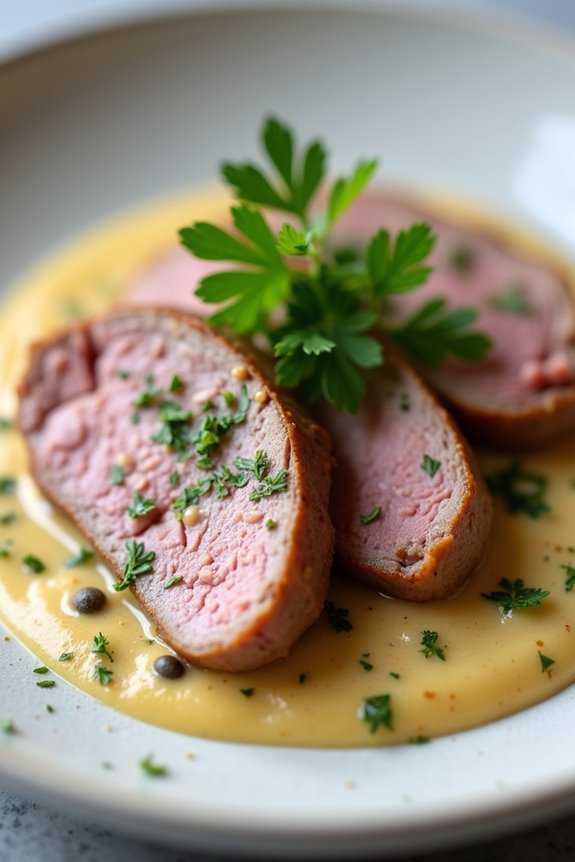
Vitel Toné is a classic Argentinian dish that combines tender slices of veal with a creamy tuna sauce, creating a delightful contrast of flavors and textures. Traditionally served cold, this dish is often enjoyed during festive occasions and family gatherings.
The origins of Vitel Toné can be traced back to Italian cuisine, showcasing the culinary influences that shape Argentinian gastronomy. The combination of the savory veal and the rich, tangy sauce makes it a favorite among meat lovers and seafood enthusiasts alike.
This recipe is perfect for serving 4-6 people, making it an excellent choice for a gathering or special celebration. The preparation may take some time, but the result is a stunning dish that will impress your guests. With its unique flavor profile and elegant presentation, Vitel Toné is sure to become a staple in your culinary repertoire.
Ingredients:
- 1.5 lbs veal (round or eye of round)
- 1 onion, quartered
- 2 carrots, chopped
- 2 celery stalks, chopped
- 1 bay leaf
- 6 black peppercorns
- Salt, to taste
- 1 cup mayonnaise
- 1 can (6 oz) tuna in oil, drained
- 2 tablespoons capers, drained
- 2 hard-boiled eggs
- 2 tablespoons lemon juice
- Fresh parsley, for garnish
Cooking Instructions:
- Prepare the Veal: In a large pot, combine the veal, onion, carrots, celery, bay leaf, peppercorns, and a generous pinch of salt. Add enough water to cover the meat completely. Bring to a boil over medium-high heat, then reduce the heat to low and simmer for about 1.5 to 2 hours, or until the veal is tender. Make sure to skim off any foam that forms on the surface.
- Cool the Veal: Once the veal is cooked through, remove it from the pot and let it cool down to room temperature. Strain the broth and reserve it for future use if desired. Once cooled, slice the veal into thin pieces and arrange them on a serving platter.
- Make the Tuna Sauce: In a blender or food processor, combine the mayonnaise, tuna, capers, hard-boiled eggs, and lemon juice. Blend until smooth and creamy. If the sauce is too thick, you can add a little bit of the reserved broth to achieve your desired consistency.
- Assemble the Dish: Pour the tuna sauce over the sliced veal, ensuring that all pieces are well-coated. Cover the platter with plastic wrap and refrigerate for at least 2 hours, allowing the flavors to meld together.
- Serve: Before serving, garnish the Vitel Toné with freshly chopped parsley for an added touch of color. Serve chilled, accompanied by crusty bread or a light salad.
Extra Tips:
For an even more flavorful Vitel Toné, consider marinating the veal overnight in a mixture of olive oil, garlic, and herbs before cooking. This adds depth to the meat’s flavor.
Additionally, feel free to experiment with the sauce by adding anchovies or a splash of white wine for an extra layer of taste. Vitel Toné is best enjoyed cold, so make sure to prepare it ahead of time for peak flavor.
