


Thanksgiving is around the corner, and I’m thinking about how to add a special twist to this year’s celebration. Why not bring the vibrant flavors of Peruvian cuisine to our holiday table? With dishes like creamy causa rellena and comforting aji de gallina, each recipe offers a taste of tradition and gratitude. These culinary gems are sure to delight both your taste buds and your heart. Let’s explore these festive Peruvian recipes together and make this Thanksgiving unforgettable.
Causa Rellena (Stuffed Potato Salad)
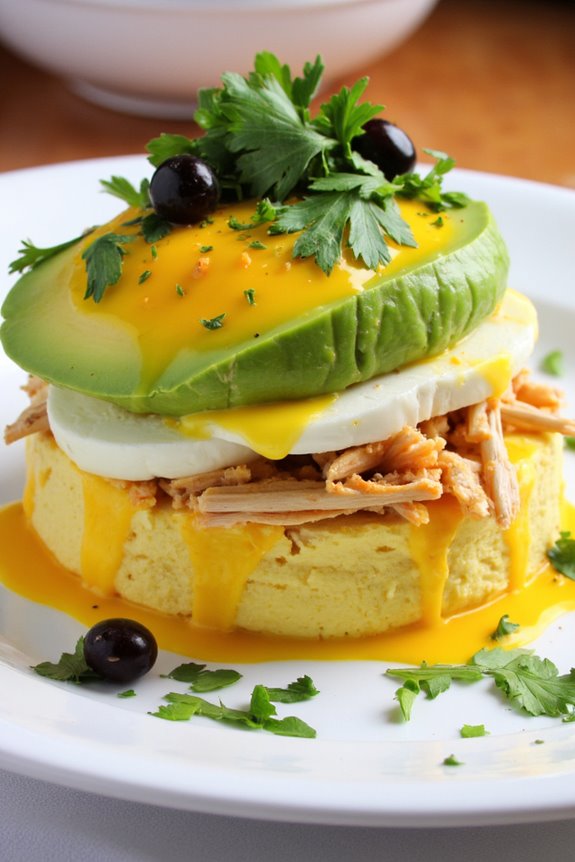
Causa Rellena, a traditional Peruvian dish, is a delightful and colorful addition to any Thanksgiving table. This dish features layers of creamy mashed potatoes infused with lime and aji amarillo, a Peruvian yellow chili pepper that adds a unique flavor and vibrant color. The potato layers are typically filled with a savory mixture of shredded chicken, avocado, and boiled eggs, making it a wonderfully satisfying and visually appealing dish.
Causa Rellena is often served cold or at room temperature, making it a great option for gatherings where you want to prepare dishes in advance. The beauty of Causa Rellena lies in its versatility. You can easily customize the filling to your preference, using tuna, crab, or even vegetables for a vegetarian option.
This dish embodies the spirit of Peruvian cuisine, which celebrates fresh ingredients and bold flavors. Whether you’re introducing your guests to Peruvian culture or simply looking for a new twist on potato salad, Causa Rellena is sure to impress.
Ingredients (Serves 4-6):
- 2 pounds of yellow potatoes
- 1/2 cup of aji amarillo paste (or substitute with a mix of yellow bell pepper and a dash of cayenne)
- 1/4 cup of lime juice
- 1/4 cup of vegetable oil
- Salt, to taste
- 2 cups of cooked, shredded chicken
- 1 avocado, sliced
- 3 hard-boiled eggs, sliced
- Black olives, for garnish
- Fresh cilantro, for garnish
Cooking Instructions:
- Prepare the Potatoes: Begin by peeling the yellow potatoes and placing them in a large pot of salted water. Bring the water to a boil and cook the potatoes until they’re fork-tender, which usually takes about 20-25 minutes. Once cooked, drain the potatoes and let them cool slightly.
- Mash the Potatoes: In a mixing bowl, mash the cooked potatoes until smooth. While mashing, add the aji amarillo paste, lime juice, vegetable oil, and salt to taste. Continue mixing until all ingredients are well combined and the mixture is creamy and slightly fluffy.
- Form the Base Layer: Take a portion of the potato mixture and press it into the bottom of a serving dish or mold, creating an even layer that’s about 1 inch thick. Use a spatula or your hands to smooth the surface.
- Add the Filling: Spread the shredded chicken evenly over the potato layer. If you want to add other ingredients, such as avocado slices or hard-boiled eggs, layer them on top of the chicken as well.
- Top with More Potatoes: Take another portion of the potato mixture and spread it over the chicken filling, smoothing it out to create a second layer. Press down gently to guarantee it holds together.
- Chill the Causa: Cover the dish with plastic wrap and refrigerate for at least 1-2 hours to allow the flavors to meld and the layers to set.
- Garnish and Serve: Once chilled, carefully invert the dish onto a serving platter if desired. Garnish the top with sliced hard-boiled eggs, black olives, and fresh cilantro. Slice into wedges and serve cold or at room temperature.
Extra Tips: When making Causa Rellena, make sure that the potatoes are adequately cooked but not overcooked, as this can lead to a watery texture. If you can’t find aji amarillo paste, blending yellow bell peppers with a touch of heat can work as a substitute.
Additionally, feel free to experiment with fillings—adding diced vegetables or switching to a seafood filling can create exciting variations. Finally, remember to refrigerate the dish well so it holds its shape when sliced. Enjoy your culinary journey into Peruvian flavors!
Aji De Gallina (Chicken in Spicy Sauce)
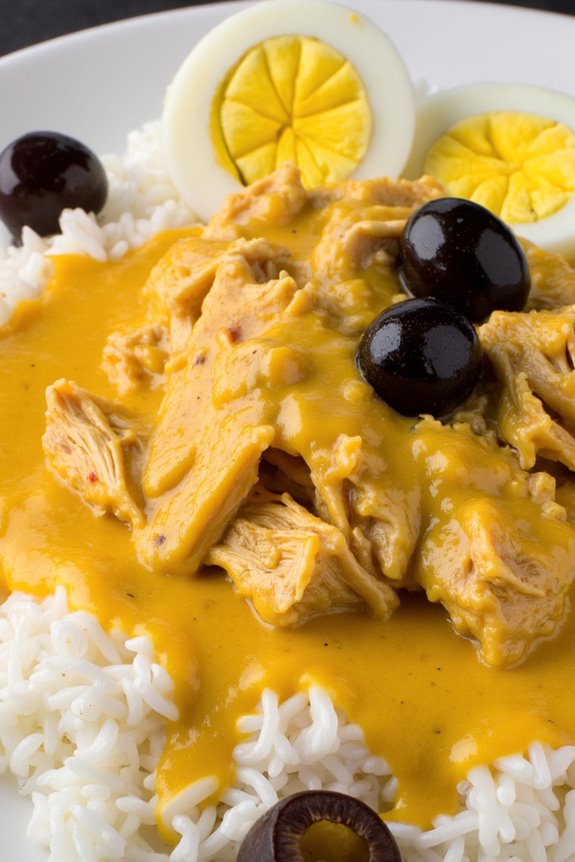
Aji De Gallina is a traditional Peruvian dish that embodies the rich and diverse flavors of the country’s cuisine. This creamy, spicy chicken dish features shredded chicken cooked in a sauce made with aji amarillo peppers, walnuts, and cheese, resulting in a delightfully savory and slightly nutty flavor. Typically served over a bed of white rice, Aji De Gallina is a comforting meal that’s perfect for family gatherings and festive occasions, making it a cherished part of Peruvian Thanksgiving celebrations.
The preparation of Aji De Gallina involves cooking the chicken until tender, blending the aji amarillo peppers into a sauce, and then combining it all with shredded chicken. The dish is usually garnished with olives and hard-boiled eggs, adding a touch of elegance and additional flavor. The combination of spices and ingredients creates a dish that will surely impress your guests, whether they’re familiar with Peruvian cuisine or trying it for the first time.
Ingredients (Serves 4-6):
- 1 pound of boneless, skinless chicken breast
- 1 medium onion, finely chopped
- 2 cloves of garlic, minced
- 2-3 aji amarillo peppers, seeds removed and chopped (or 1-2 tablespoons of aji amarillo paste)
- 1 cup of chicken broth
- 1 cup of evaporated milk
- ½ cup of walnuts, toasted and ground
- 1 cup of grated Parmesan cheese
- 2-3 tablespoons of olive oil
- Salt and pepper to taste
- 4-6 hard-boiled eggs, halved (for garnish)
- Black olives (for garnish)
- Cooked white rice (for serving)
Cooking Instructions:
- Cook the Chicken: In a large pot, add the boneless chicken breast and cover it with water. Bring to a boil and reduce the heat to simmer. Cook for about 20-25 minutes or until the chicken is fully cooked and tender. Remove the chicken from the pot, reserving the broth, and let it cool. Once cool, shred the chicken into bite-sized pieces.
- Prepare the Sauce: In a large skillet, heat the olive oil over medium heat. Add the chopped onion and minced garlic, cooking until the onion is translucent and fragrant, about 5 minutes. Then, add the chopped aji amarillo peppers or aji amarillo paste, cooking for an additional 3-4 minutes to release their flavor.
- Blend the Ingredients: In a blender, combine the sautéed onion, garlic, aji amarillo mixture, chicken broth (about 1 cup), evaporated milk, ground walnuts, and grated Parmesan cheese. Blend until smooth and creamy. If the sauce is too thick, you can add a bit more chicken broth or milk to reach your desired consistency.
- Combine Chicken with Sauce: Pour the blended sauce back into the skillet over medium heat. Add the shredded chicken and stir to combine, ensuring all the chicken is well-coated with the sauce. Season with salt and pepper to taste. Allow the mixture to simmer for about 5-10 minutes, stirring occasionally, until heated through.
- Serve: To serve, place a generous portion of the Aji De Gallina on a plate over a bed of cooked white rice. Garnish with halves of hard-boiled eggs and black olives for an added touch of flavor and presentation.
Extra Tips:
When preparing Aji De Gallina, the choice of aji amarillo peppers is essential for achieving an authentic flavor. If fresh aji amarillo peppers are unavailable, the paste can be an excellent substitute.
Additionally, be cautious with the level of spice; while aji amarillo is generally mild, you can adjust the amount based on your preference.
Finally, this dish can be made in advance and reheated, allowing the flavors to meld beautifully, making it a great option for hosting or meal prep!
Lomo Saltado (Stir-Fried Beef)

Lomo Saltado is a beloved Peruvian dish that beautifully marries the flavors of traditional Peruvian cuisine with influences from Chinese immigrants. This stir-fried beef dish isn’t only quick to prepare but also vibrant and packed with a medley of fresh vegetables, making it a perfect centerpiece for any Thanksgiving table. The fusion of tender beef, onions, tomatoes, and a dash of soy sauce creates a savory mixture that’s deliciously served over fluffy rice and crispy French fries.
This dish isn’t just a meal; it’s an experience that brings people together. The sizzling sounds of the beef hitting the hot pan and the aromatic combination of spices fill the kitchen, creating an inviting atmosphere. Lomo Saltado is perfect for sharing with family and friends, making it an excellent choice for a festive gathering. With its unique blend of flavors and textures, this dish is sure to impress and delight anyone who tries it.
Ingredients (Serves 4-6 people):
- 1.5 pounds of sirloin steak, cut into strips
- 2 tablespoons of vegetable oil
- 1 medium red onion, sliced
- 2 medium tomatoes, sliced
- 1 yellow chili pepper (ají amarillo), sliced (or substitute with jalapeño)
- 3 cloves of garlic, minced
- 3 tablespoons of soy sauce
- 1 tablespoon of red wine vinegar
- 1 teaspoon of cumin
- Salt and pepper, to taste
- Fresh cilantro, chopped (for garnish)
- 4 cups of cooked white rice
- 2 cups of French fries (store-bought or homemade)
Cooking Instructions:
- Prepare the Ingredients: Begin by gathering and prepping all your ingredients. Cut the sirloin steak into thin strips, slice the onions and tomatoes, and mince the garlic. This will make the cooking process quicker and more manageable.
- Cook the Beef: In a large skillet or wok, heat the vegetable oil over high heat. Add the strips of sirloin steak and season with salt and pepper. Stir-fry the beef for about 3-4 minutes until browned but still tender. Be careful not to overcrowd the pan; you may need to do this in batches if your skillet isn’t large enough.
- Add Aromatics: Once the beef is cooked, add the minced garlic and sliced onions to the pan. Stir-fry for 2-3 minutes until the onions are slightly translucent and fragrant. This step is essential for building the flavor base of your dish.
- Incorporate Vegetables: Next, add the sliced tomatoes and yellow chili pepper to the skillet. Continue to stir-fry for another 2 minutes until the tomatoes soften slightly. This adds a newness to the dish and balances the richness of the beef.
- Season the Dish: Pour in the soy sauce and red wine vinegar, and sprinkle in the cumin. Stir thoroughly to combine all the ingredients and let it cook for another minute or two. The sauce will meld with the beef and vegetables, creating a delicious coating.
- Serve: To serve, place a generous scoop of cooked rice on each plate, top with the stir-fried beef mixture, and finish with a side of crispy French fries. Garnish with freshly chopped cilantro for an added touch of flavor and color.
Extra Tips:
For an authentic touch, consider using Peruvian yellow potatoes for the fries, which can enhance the dish’s flavor profile. Additionally, you can adjust the heat level by using more or less chili pepper according to your preference.
If desired, serve Lomo Saltado with a side of fresh salad or avocado slices for a revitalizing contrast. Finally, this dish tastes even better the next day, so don’t hesitate to make extra for leftovers!
Seco De Cordero (Lamb Stew)

Seco de Cordero is a traditional Peruvian lamb stew that’s rich in flavor and full of aromatic spices. This dish is a delightful blend of tender lamb, fresh herbs, and vibrant vegetables, simmered to perfection in a savory sauce. It’s often enjoyed during festive gatherings, making it a wonderful addition to your Peruvian Thanksgiving table.
The combination of cilantro and chicha de jora (a fermented corn beverage) gives this stew its unique taste, while the addition of peas and carrots adds color and nutrition. To truly capture the essence of Peruvian cuisine, Seco de Cordero is usually served with a side of rice and perhaps some fried plantains.
The slow-cooked lamb becomes incredibly tender, allowing the spices and herbs to penetrate deeply into the meat. This hearty dish isn’t only a comfort food but also a showcase of the vibrant flavors that Peru has to offer. Preparing this stew might take some time, but the end result is well worth the effort, bringing a taste of Peru right to your home.
Ingredients (Serves 4-6):
- 2 lbs lamb shoulder, cut into chunks
- 1 cup fresh cilantro, chopped
- 1 large onion, chopped
- 4 cloves garlic, minced
- 1 cup chicha de jora (or substitute with beer)
- 2 cups beef or lamb broth
- 2 medium carrots, sliced
- 1 cup green peas (fresh or frozen)
- 2 tablespoons aji amarillo paste (or yellow chili paste)
- 1 teaspoon cumin
- 1 teaspoon black pepper
- 2 tablespoons vegetable oil
- Salt to taste
- Cooked rice for serving
Cooking Instructions:
- Marinate the Lamb: In a large bowl, combine the lamb chunks with half of the chopped cilantro, minced garlic, cumin, black pepper, and salt. Mix well and let it marinate for at least one hour, or preferably overnight in the refrigerator. This step helps to infuse the lamb with flavor.
- Brown the Lamb: Heat the vegetable oil in a large pot or Dutch oven over medium-high heat. Add the marinated lamb in batches, browning it on all sides. This should take about 5-7 minutes per batch. Once browned, remove the lamb and set it aside. Browning adds a depth of flavor to the stew.
- Sauté the Aromatics: In the same pot, add the chopped onion and sauté until it becomes translucent, about 5 minutes. Stir in the aji amarillo paste and cook for another 2 minutes, allowing the flavors to meld.
- Deglaze the Pot: Pour in the chicha de jora (or beer) and scrape the bottom of the pot to release any browned bits. This step adds richness to the stew.
- Add the Lamb and Broth: Return the browned lamb to the pot and pour in the beef or lamb broth. Bring the mixture to a boil, then reduce the heat to low. Cover the pot and let it simmer for about 1.5 to 2 hours, until the lamb is tender. Stir occasionally and add water if necessary to maintain the liquid level.
- Incorporate Vegetables: After the lamb has become tender, add the sliced carrots and green peas to the pot. Stir to combine and let the stew simmer for an additional 20-30 minutes, until the vegetables are cooked through.
- Finish with Fresh Cilantro: Just before serving, stir in the remaining chopped cilantro for a burst of freshness. Adjust seasoning with salt if needed.
- Serve: Ladle the Seco de Cordero into bowls and serve hot, accompanied by cooked rice and fried plantains if desired.
Extra Tips:
When preparing Seco de Cordero, consider using a pressure cooker to greatly reduce cooking time while still achieving tender lamb. Additionally, if chicha de jora is unavailable, any light beer can work as a substitute, but keep in mind that the flavor profile may change slightly.
For those who prefer a thicker stew, you can mash some of the peas and carrots into the broth for added creaminess. Always taste and adjust the seasoning as you cook; the balance of flavors is key to a delicious stew!
Quinoa Salad With Avocado and Corn
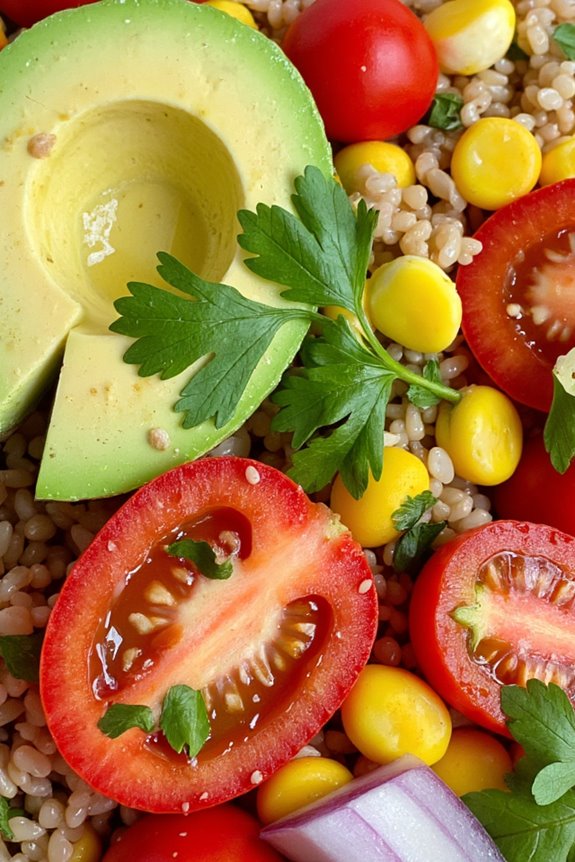
Quinoa Salad With Avocado and Corn is a vibrant and nutritious dish that highlights the flavors of Peru while offering a revitalizing option for any Thanksgiving table. This salad isn’t only visually appealing but also packed with protein, healthy fats, and a variety of textures that make it a delightful addition to your holiday spread.
With the nutty flavor of quinoa, creamy avocado, and the sweetness of corn, this dish is sure to impress your guests and satisfy their taste buds. Preparing this salad is quite simple, making it a perfect choice for those busy holiday cooking sessions.
It can also be served cold or at room temperature, allowing you to prepare it in advance, freeing up time for other dishes. Whether as a side dish or a light main meal, Quinoa Salad With Avocado and Corn is a versatile recipe that embodies the spirit of Thanksgiving with a Peruvian twist.
Ingredients (Serves 4-6)
- 1 cup quinoa
- 2 cups water
- 1 can (15 oz) corn, drained
- 2 ripe avocados, diced
- 1 red bell pepper, diced
- 1 small red onion, finely chopped
- 1 cup cherry tomatoes, halved
- 1/4 cup fresh cilantro, chopped
- 1/4 cup olive oil
- 2 tablespoons lime juice
- Salt and pepper to taste
Cooking Instructions
- Rinse the Quinoa: Start by rinsing the quinoa under cold water using a fine mesh strainer. This step is essential as it removes the saponins, which can give quinoa a bitter taste. Rinsing helps to guarantee a pleasant flavor in your salad.
- Cook the Quinoa: In a medium saucepan, combine the rinsed quinoa and 2 cups of water. Bring it to a boil over high heat. Once boiling, reduce the heat to low, cover, and let it simmer for about 15 minutes or until the quinoa has absorbed all the water and is fluffy. Remove from heat and let it sit, covered, for an additional 5 minutes.
- Prepare the Vegetables: While the quinoa is cooking, chop the red onion, red bell pepper, cherry tomatoes, and cilantro. Dice the avocados just before adding them to prevent browning. This preparation will help you combine everything smoothly once the quinoa is ready.
- Combine Ingredients: In a large mixing bowl, combine the cooked quinoa, corn, diced avocado, red bell pepper, cherry tomatoes, red onion, and cilantro. Gently mix to combine, being careful not to mash the avocado too much.
- Dress the Salad: In a small bowl, whisk together the olive oil, lime juice, salt, and pepper. Pour this dressing over the quinoa mixture and toss gently to coat all the ingredients evenly. Taste and adjust the seasoning if necessary.
- Chill and Serve: If time allows, refrigerate the salad for at least 30 minutes to let the flavors meld. This can be served chilled or at room temperature, making it a flexible option for your Thanksgiving feast.
Extra Tips
To enhance the flavor profile of your Quinoa Salad With Avocado and Corn, consider adding some diced jalapeños for a spicy kick or a sprinkle of feta cheese for a salty contrast.
Additionally, to keep the avocados from browning, you can toss them with a little lime juice right after dicing. This salad can also be made a day in advance; just add the avocado right before serving to maintain its freshness. Enjoy your holiday gathering with this delicious and healthy dish!
Anticuchos (Grilled Skewers)
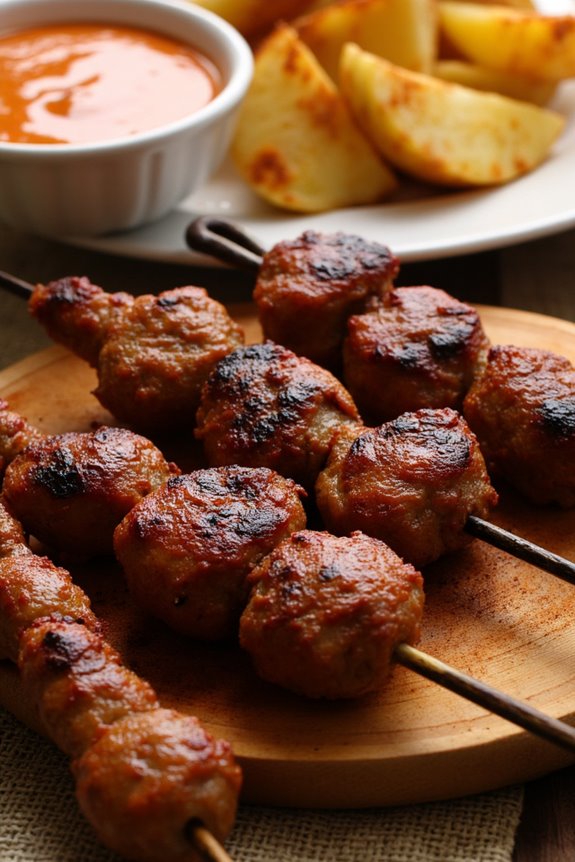
Anticuchos are a beloved Peruvian street food that has transcended their humble origins to become a staple in many households. Traditionally made with marinated beef heart, these skewers are infused with a rich mix of spices and flavors that make them irresistibly delicious. While beef heart is the classic choice, you can easily substitute it with chicken or other meats to suit your taste preferences.
The grilling process adds a smoky char that enhances the overall flavor, making them a perfect dish for gatherings like Thanksgiving. In Peru, anticuchos are often served with a side of potatoes and aji sauce, creating a delightful combination that balances the savory skewers.
These grilled skewers aren’t only a flavorful addition to your Thanksgiving meal but also a unique way to introduce your guests to the vibrant culinary traditions of Peru. Whether you’re celebrating with family or hosting friends, anticuchos will undoubtedly impress and satisfy everyone at the table.
Ingredients (Serves 4-6):
- 1.5 pounds beef heart (or chicken breast, cut into bite-sized pieces)
- 1/2 cup vinegar
- 4 cloves garlic, minced
- 1 tablespoon ají panca paste (or substitute with chili paste)
- 1 tablespoon ground cumin
- 1 tablespoon paprika
- 1 teaspoon salt
- 1 teaspoon black pepper
- 1/2 cup vegetable oil
- 12-15 wooden skewers (soaked in water for 30 minutes)
- 2 large potatoes, boiled and cut into wedges (for serving)
- Aji sauce (for dipping)
Cooking Instructions:
- Prepare the Meat: If using beef heart, trim any excess fat and sinew, then cut it into bite-sized cubes. For chicken, confirm the pieces are uniformly sized for even cooking.
- Make the Marinade: In a mixing bowl, combine the vinegar, minced garlic, ají panca paste, cumin, paprika, salt, pepper, and vegetable oil. Whisk together until well blended.
- Marinate the Meat: Place the meat pieces into the marinade, making sure they’re well-coated. Cover the bowl with plastic wrap and let it marinate in the refrigerator for at least 2 hours, or overnight for maximum flavor.
- Prepare the Skewers: After marinating, take the soaked wooden skewers and thread the meat onto them, leaving a little space between each piece for even grilling.
- Preheat the Grill: Preheat your grill to medium-high heat. If using a charcoal grill, allow the coals to become hot and ash-covered.
- Grill the Anticuchos: Place the skewers on the grill and cook for about 4-5 minutes on each side, or until the meat is cooked through and has a nice char. Use a brush to baste with any leftover marinade for added flavor.
- Serve: Remove the skewers from the grill and let them rest for a couple of minutes. Serve the anticuchos alongside boiled potato wedges and aji sauce for dipping.
Extra Tips:
When preparing anticuchos, feel free to experiment with the marinade by adding ingredients like lime juice or fresh herbs for a personal touch. If you’re using wooden skewers, soaking them in water beforehand will prevent them from burning on the grill.
Additionally, serve the skewers with a fresh salad or grilled vegetables for a complete meal. Remember that the key to great anticuchos is the marination time, so don’t rush this step for the best flavor!
Peruvian Roasted Turkey With Herbs
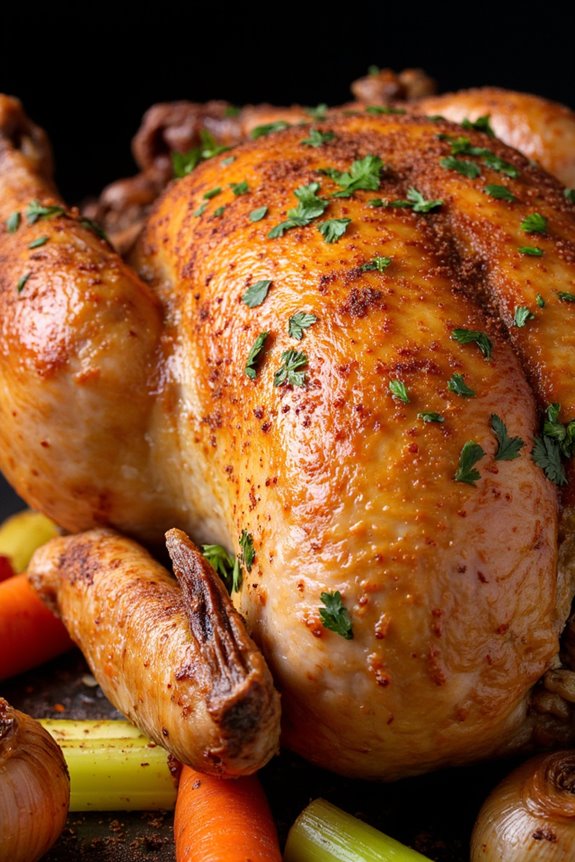
Peruvian Roasted Turkey With Herbs is a flavorful twist on the traditional Thanksgiving turkey, incorporating a blend of aromatic herbs and spices that reflect the rich culinary heritage of Peru. This dish is perfect for those looking to elevate their holiday meal with an infusion of unique flavors. The marinade, made with fresh herbs like cilantro, parsley, and garlic, enhances the turkey’s natural juices and creates a succulent and aromatic centerpiece for your Thanksgiving feast.
To achieve the best results, it’s crucial to marinate the turkey for several hours or overnight, allowing the flavors to penetrate the meat thoroughly. The roasting process caramelizes the skin, resulting in a crispy exterior while keeping the meat tender and juicy. This recipe serves 4-6 people, making it an excellent choice for a family gathering or a festive celebration with friends.
Ingredients:
- 1 whole turkey (10-12 pounds)
- 1/4 cup olive oil
- 1/4 cup fresh cilantro, chopped
- 1/4 cup fresh parsley, chopped
- 4 cloves garlic, minced
- 2 tablespoons soy sauce
- 1 tablespoon Dijon mustard
- 2 teaspoons cumin
- 2 teaspoons paprika
- 1 teaspoon salt
- 1 teaspoon black pepper
- 1 lemon, juiced
- 1 onion, quartered
- 2 carrots, chopped
- 2 celery stalks, chopped
- 1 cup chicken broth
Cooking Instructions:
- Prepare the Marinade: In a mixing bowl, combine the olive oil, cilantro, parsley, garlic, soy sauce, Dijon mustard, cumin, paprika, salt, black pepper, and lemon juice. Whisk until well blended. This marinade will impart a deep flavor to the turkey and keep it moist during roasting.
- Marinate the Turkey: Rinse the turkey under cold water and pat it dry with paper towels. Rub the marinade all over the turkey, including under the skin for maximum flavor. Place the turkey in a large resealable plastic bag or a covered dish and refrigerate for at least 4 hours, preferably overnight. This step allows the turkey to absorb all the aromatic herbs and spices.
- Preheat the Oven: Preheat your oven to 325°F (165°C). This temperature will guarantee even cooking and a golden-brown skin.
- Prepare the Roasting Pan: In a large roasting pan, place the quartered onion, chopped carrots, and celery at the bottom. These vegetables will serve as a flavorful base and will help keep the turkey elevated during roasting.
- Place the Turkey in the Pan: Remove the turkey from the marinade and place it on top of the vegetables in the roasting pan. Pour the chicken broth into the bottom of the pan; this will help create moisture while roasting.
- Roast the Turkey: Cover the turkey loosely with aluminum foil and roast in the preheated oven. The cooking time will vary depending on the size of the turkey, approximately 13-15 minutes per pound. Baste the turkey every 30 minutes with the pan juices to keep it moist.
- Check for Doneness: About 30 minutes before the turkey is expected to be done, remove the foil to allow the skin to crisp. Use a meat thermometer to check the internal temperature. The turkey is done when the thickest part of the thigh reaches 165°F (74°C).
- Rest and Serve: Once cooked, remove the turkey from the oven and let it rest for about 20-30 minutes before carving. This resting period allows the juices to redistribute, guaranteeing a moist and flavorful turkey when served.
Extra Tips:
For an added layer of flavor, consider adding a few sprigs of fresh herbs like rosemary or thyme inside the turkey cavity along with the onion and vegetables.
Additionally, you can make a simple gravy from the pan drippings by straining the liquid and thickening it with a roux for a delicious accompaniment to your Peruvian Roasted Turkey.
Remember to save some of the marinade for basting throughout the cooking process, but discard any leftover marinade that has come into contact with raw turkey to avoid cross-contamination. Enjoy your flavorful holiday feast!
Arroz Con Pollo (Chicken With Rice)

Arroz con Pollo is a beloved dish in Peru and many Latin American countries, known for its vibrant flavors and comforting warmth. This one-pot meal combines tender chicken with saffron-infused rice and an array of colorful vegetables, creating a dish that isn’t only hearty but also visually appealing.
Traditionally served at family gatherings and special occasions, Arroz con Pollo is a perfect centerpiece for your Peruvian Thanksgiving celebration, bringing together loved ones around the table.
The beauty of Arroz con Pollo lies in its adaptability; you can customize it with different vegetables or spices according to your preference. The key to achieving the perfect rice is to let it absorb all the flavorful broth while cooking. As the chicken simmers with the rice, it infuses the grains with its savory juices, creating a deliciously satisfying meal that will have everyone asking for seconds.
Ingredients (serving size: 4-6 people):
- 1 whole chicken (cut into pieces)
- 2 cups long-grain rice
- 4 cups chicken broth
- 1 medium onion (chopped)
- 4 cloves garlic (minced)
- 1 red bell pepper (diced)
- 1 cup green peas (fresh or frozen)
- 1 cup carrots (diced)
- 1 teaspoon ground cumin
- 1 teaspoon turmeric
- 1 teaspoon paprika
- 1/2 teaspoon saffron threads (optional)
- 3 tablespoons vegetable oil
- Salt and pepper (to taste)
- Fresh cilantro (for garnish)
- Lime wedges (for serving)
Cooking Instructions:
- Prepare the Chicken: In a large pot or Dutch oven, heat the vegetable oil over medium-high heat. Season the chicken pieces with salt and pepper, then add them to the pot. Brown the chicken on all sides for about 5-7 minutes, then remove it from the pot and set it aside.
- Sauté the Vegetables: In the same pot, add the chopped onion and minced garlic. Sauté for 2-3 minutes until the onion becomes translucent. Then, add the diced red bell pepper, carrots, and green peas. Cook for an additional 3-4 minutes, stirring occasionally.
- Add Spices and Rice: Stir in the ground cumin, turmeric, paprika, and saffron threads (if using). Add the rice to the pot and toast it for about 2 minutes, stirring continuously to coat it with the spices and oil.
- Combine Chicken and Broth: Return the browned chicken to the pot. Pour in the chicken broth, making sure all the rice and chicken are submerged. Bring the mixture to a boil.
- Simmer the Dish: Once boiling, reduce the heat to low, cover the pot, and let it simmer for about 25-30 minutes. Don’t lift the lid during this time, as it will release steam needed for the rice to cook properly.
- Check for Doneness: After 30 minutes, remove the pot from heat and let it sit, covered, for another 5 minutes. This resting period allows the rice to finish cooking and absorb any remaining liquid. Fluff the rice with a fork and serve hot, garnished with fresh cilantro and lime wedges on the side.
Extra Tips: To enhance the flavor of your Arroz con Pollo, consider marinating the chicken in a mix of lime juice, garlic, and spices for a few hours or overnight before cooking. This not only boosts the taste but also guarantees tender chicken.
Additionally, you can add olives or capers for a briny touch, or adjust the spices according to your heat preference. Don’t forget to serve with a side of avocado or a fresh salad to balance the richness of the dish!
Papa a La Huancaina (Potatoes in Cheese Sauce)

Papa a La Huancaina is a classic Peruvian dish that showcases the country’s rich culinary heritage. This vibrant dish features boiled potatoes smothered in a creamy, spicy cheese sauce made from a unique blend of ingredients, including queso fresco, aji amarillo (yellow chili peppers), and spices.
It’s typically served as a starter or appetizer, but it can also be enjoyed as a side dish at any gathering, making it perfect for a festive occasion like Thanksgiving.
The combination of flavors in Papa a La Huancaina is truly delightful. The creamy cheese sauce balances the earthy taste of the potatoes while the aji amarillo adds a touch of heat and brightness. This dish isn’t only delicious but also visually appealing, thanks to the bright yellow color of the sauce.
Whether you’re introducing your family to Peruvian cuisine or simply looking to spice up your Thanksgiving table, Papa a La Huancaina is sure to captivate.
Ingredients (serving size: 4-6 people)
- 4 large yellow potatoes
- 1 cup queso fresco (or feta cheese as a substitute)
- 2 aji amarillo peppers (fresh or canned)
- 1/2 cup evaporated milk
- 1 tablespoon vegetable oil
- 2 cloves garlic, minced
- 1/2 teaspoon ground cumin
- Salt to taste
- Black olives (for garnish)
- Hard-boiled eggs (for garnish)
- Fresh parsley (for garnish)
Cooking Instructions
1. Prepare the Potatoes: Start by washing the yellow potatoes thoroughly to remove any dirt. Place them in a pot and cover with water. Add a pinch of salt and bring to a boil. Cook the potatoes for about 20-25 minutes or until they’re tender when pierced with a fork.
Once cooked, drain the water and let them cool slightly before peeling and slicing them into rounds.
2. Make the Huancaina Sauce: In a blender, combine the queso fresco, aji amarillo peppers, evaporated milk, vegetable oil, minced garlic, ground cumin, and a pinch of salt. Blend the mixture until smooth and creamy.
If the sauce is too thick, you can add a bit more evaporated milk to reach your desired consistency.
3. Assemble the Dish: On a serving platter, arrange the sliced potatoes in a single layer. Pour the Huancaina sauce generously over the potatoes, making sure they’re well-coated.
If you prefer, you can reserve some sauce for drizzling on top when serving.
4. Garnish and Serve: Cut the hard-boiled eggs into quarters and arrange them around the potatoes. Add black olives and sprinkle fresh parsley over the dish for a pop of color.
The dish can be served warm or at room temperature.
Extra Tips
When making Papa a La Huancaina, verify that the aji amarillo peppers are ripe and flavorful, as they’re the star ingredient that gives the dish its signature taste and color.
If you can’t find fresh aji amarillo, canned versions are a great alternative. Additionally, you can adjust the spice level by adding more or less of the peppers according to your preference.
For a richer flavor, consider adding a bit of lime juice or a dash of vinegar to the sauce. Enjoy your cooking and the delightful experience of sharing this Peruvian classic with loved ones!
Chicha Morada (Purple Corn Drink)
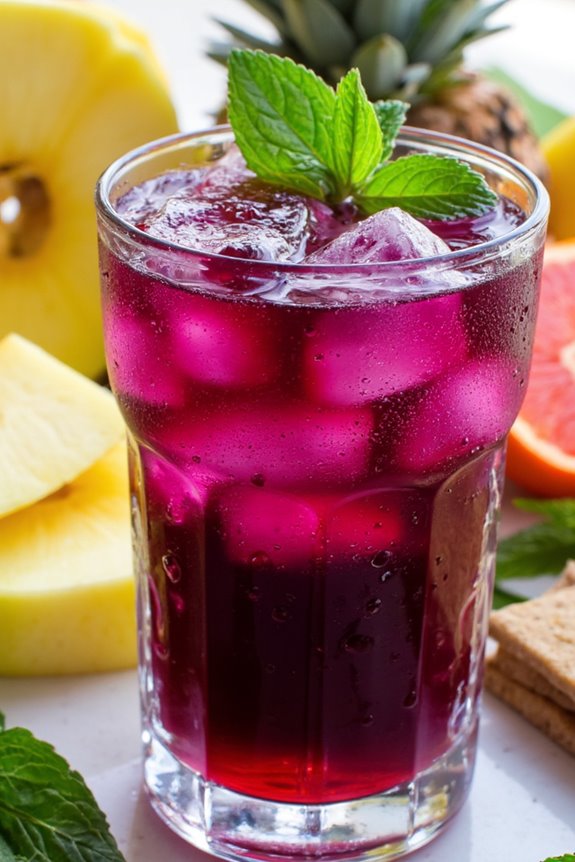
Chicha Morada is a traditional Peruvian beverage made from purple corn, which gives it a vibrant color and a unique flavor that’s both invigorating and slightly sweet. This drink isn’t only delicious but also packed with antioxidants, making it a popular choice during festive occasions, including Thanksgiving celebrations in Peru.
The preparation of Chicha Morada involves boiling purple corn with fruits and spices, resulting in a drink that’s aromatic and flavorful, perfectly complementing a festive meal.
In addition to being a delightful drink, Chicha Morada can be enjoyed chilled or at room temperature, making it versatile for any occasion. It’s often served during family gatherings and is a staple for many Peruvian households. The ingredients are usually readily available, and the process is straightforward, allowing you to whip up this delightful drink in no time.
Ingredients (Serves 4-6 people):
- 2 cups of dried purple corn
- 10 cups of water
- 1 cinnamon stick
- 4 whole cloves
- 1 apple, chopped (with skin)
- 1 pineapple, chopped (with skin)
- 1 cup of sugar (adjust to taste)
- 1 cup of freshly squeezed lime juice
- Ice cubes (for serving)
- Mint leaves (for garnish, optional)
Cooking Instructions:
- Prepare the Ingredients: Start by gathering all your ingredients. Rinse the dried purple corn under cold water to remove any impurities. Chop the apple and pineapple into manageable pieces, leaving the skins on to enhance the flavor of the drink.
- Boil the Corn: In a large pot, add the rinsed purple corn, 10 cups of water, a cinnamon stick, and whole cloves. Bring the mixture to a boil over medium-high heat. Once boiling, reduce the heat to low and let it simmer uncovered for about 45 minutes, allowing the colors and flavors to infuse.
- Add Fruits: After simmering the corn, add the chopped apple and pineapple to the pot. Continue to simmer for another 30 minutes. This step will incorporate the fruity flavors into the drink and enhance its aroma.
- Strain the Mixture: After boiling, remove the pot from heat and let it cool slightly. Using a fine mesh strainer or cheesecloth, strain the mixture into a large bowl or pitcher, discarding the solids (corn, fruit, and spices) left in the strainer.
- Sweeten the Drink: While the liquid is still warm, stir in the sugar until completely dissolved. Taste the beverage and adjust the sweetness according to your preference.
- Add Lime Juice: Once the mixture has cooled down, stir in the freshly squeezed lime juice. This not only adds a stimulating tang but also balances the sweetness of the drink.
- Chill and Serve: Refrigerate the Chicha Morada for at least an hour to chill. Serve it over ice cubes, garnished with fresh mint leaves if desired.
Extra Tips:
For an extra twist, consider adding a few slices of fresh fruit, such as oranges or berries, to the drink before serving for added flavor and visual appeal.
Also, if you prefer a less sweet version, start with a lower amount of sugar and adjust to taste as you go. Chicha Morada can be stored in the refrigerator for up to a week, but be sure to stir well before serving as the ingredients may settle.
Enjoy this delightful drink as part of your Peruvian Thanksgiving feast!
Picarones (Sweet Potato Doughnuts)
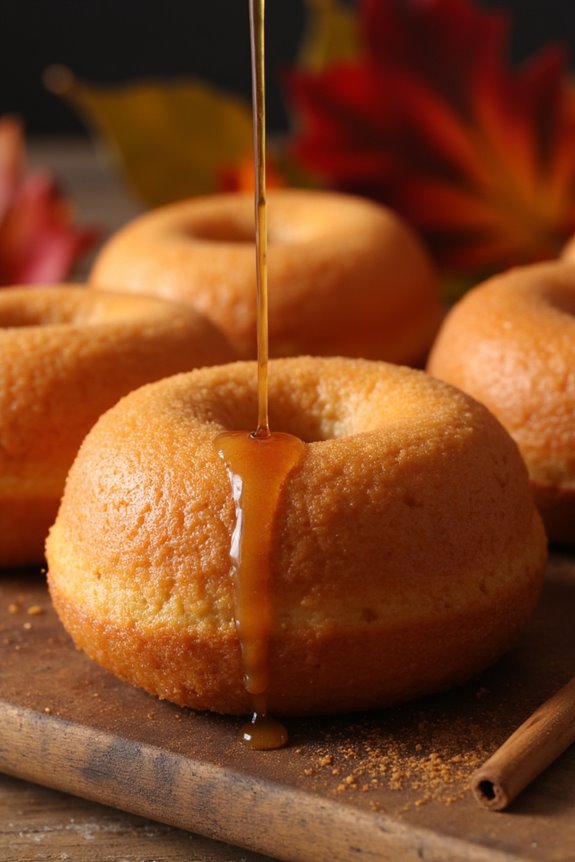
Picarones are a traditional Peruvian dessert that beautifully combines the flavors of sweet potatoes and pumpkin, resulting in a deliciously unique doughnut. They’re typically served with a drizzle of a spiced syrup made from chancaca, a raw cane sugar, which adds a rich sweetness that perfectly complements the doughnuts.
This delightful treat is often enjoyed during special occasions, including Thanksgiving, making it a wonderful addition to your holiday table.
Making picarones isn’t only a fun cooking project, but it also connects you with the rich culinary traditions of Peru. The dough is light and fluffy, and frying them gives them a crispy exterior that contrasts perfectly with the soft interior.
Whether you’re sharing them with family or friends, picarones are sure to be a hit and can be enjoyed warm or at room temperature.
Ingredients (Serves 4-6):
- 1 cup of cooked and mashed sweet potatoes
- 1 cup of cooked and mashed pumpkin
- 1/2 teaspoon of salt
- 1 teaspoon of ground cinnamon
- 1/4 teaspoon of ground nutmeg
- 1 tablespoon of sugar
- 1 packet (2 1/4 teaspoons) of active dry yeast
- 1/4 cup of warm water
- 2 cups of all-purpose flour (plus extra for dusting)
- Vegetable oil (for frying)
- 1 cup of chancaca or brown sugar (for syrup)
- 1/2 cup of water (for syrup)
- 1 cinnamon stick (for syrup)
- 1/4 teaspoon of cloves (for syrup)
Cooking Instructions:
- Prepare the Yeast Mixture: In a small bowl, dissolve the active dry yeast in warm water and let it sit for about 5-10 minutes until frothy. This step activates the yeast and helps the dough rise.
- Mix the Dough Ingredients: In a large mixing bowl, combine the mashed sweet potatoes, mashed pumpkin, salt, cinnamon, nutmeg, and sugar. Mix well until all the ingredients are fully incorporated.
- Combine with Yeast and Flour: Once the yeast is frothy, add it to the sweet potato mixture. Gradually add the flour, mixing until a soft dough forms. You may need to adjust the amount of flour a little depending on the moisture content of the sweet potatoes and pumpkin.
- Knead the Dough: Turn the dough onto a lightly floured surface and knead it gently for about 5-7 minutes until it’s smooth and elastic. Be careful not to over-knead, as this can make the dough tough.
- Let the Dough Rise: Place the dough in a lightly greased bowl, cover it with a clean kitchen towel, and let it rise in a warm place for about 1-1.5 hours, or until it has doubled in size.
- Shape the Picarones: Once the dough has risen, punch it down to release the air. Take small portions of the dough and form them into rings by rolling them into a ball and then creating a hole in the center. Place the shaped picarones on a floured surface to rest for about 20 minutes.
- Prepare the Syrup: While the picarones are resting, prepare the syrup by combining the chancaca (or brown sugar), water, cinnamon stick, and cloves in a saucepan. Bring to a boil, then lower the heat and simmer for about 15 minutes until it thickens slightly. Remove from heat and let it cool.
- Fry the Picarones: In a deep skillet or pot, heat vegetable oil to 350°F (175°C). Carefully drop the picarones into the hot oil in batches, frying them for about 2-3 minutes on each side until they’re golden brown. Use a slotted spoon to remove them and drain on paper towels.
- Serve: Serve the picarones warm, drizzled with the prepared syrup. Enjoy the delightful combination of flavors!
Extra Tips:
When making picarones, it’s important to verify your oil is at the right temperature for frying; too hot, and they’ll burn, too cool, and they’ll absorb too much oil.
For an extra twist, consider adding a pinch of ginger or anise to your syrup for additional flavor. You can also experiment with different toppings, such as coconut flakes or nuts, to add some crunch. Enjoy your delicious homemade picarones!
Turron De Dona Pepa (Traditional Peruvian Dessert)
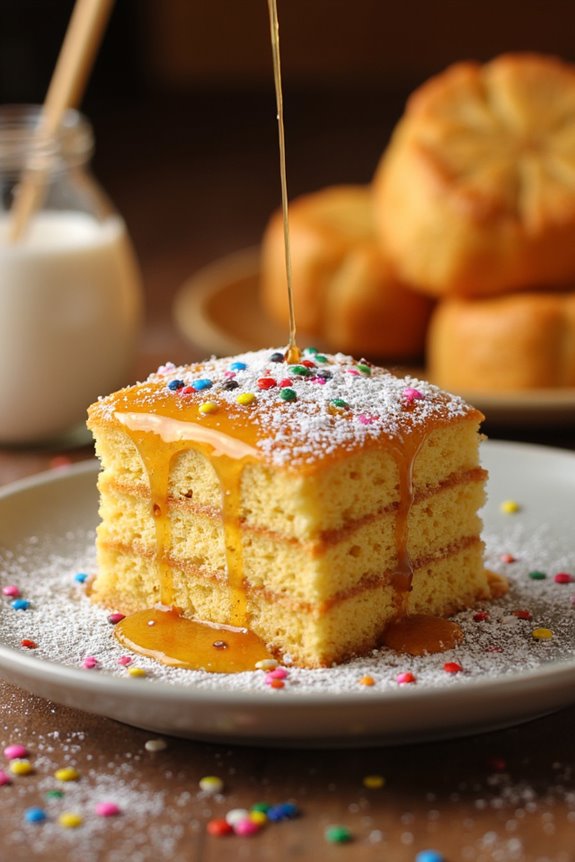
Turron De Dona Pepa is a beloved traditional Peruvian dessert that’s often associated with the celebration of various festivities, particularly during the month of October and the celebration of the Lord of Miracles. This colorful dessert is made with a unique combination of flour, butter, and sugar, layered together and drizzled with a sweet syrup, creating a delightful treat that’s both visually stunning and delicious.
The vibrant colors symbolize the joy of the occasion and are often enjoyed with a hot beverage, making it a comforting end to any meal.
The history of Turron De Dona Pepa dates back to the 18th century, and it’s said to have been created by a woman named Dona Pepa, who baked this dessert as an offering to gain favor from the Lord of Miracles.
Today, this dessert is a staple in Peruvian households, especially during family gatherings and celebrations. Its rich flavors and festive appearance make it a favorite among both children and adults alike, ensuring that it’s a highlight of any festive table.
Ingredients (Serves 4-6 People)
- 4 cups all-purpose flour
- 1 cup unsalted butter, softened
- 1 cup sugar
- 4 large eggs
- 1 teaspoon baking powder
- 1 teaspoon vanilla extract
- 1/2 cup milk
- 1 cup anise seeds, ground
- 2 cups powdered sugar (for decoration)
- Colorful sprinkles (for decoration)
- 2 cups syrup (made from 1 cup sugar, 1 cup water, and a splash of lemon juice)
Cooking Instructions
- Prepare the Syrup: In a small saucepan, combine 1 cup of sugar and 1 cup of water. Bring to a boil over medium heat, stirring until the sugar dissolves. Once boiling, add a splash of lemon juice, reduce the heat, and let it simmer for about 5 minutes. Remove from heat and allow it to cool.
- Preheat the Oven: Preheat your oven to 350°F (175°C). Grease a baking dish or line it with parchment paper for easy removal of the dessert later.
- Mix the Dry Ingredients: In a medium bowl, combine the all-purpose flour and baking powder. Set this mixture aside as you work on the wet ingredients.
- Cream Butter and Sugar: In a large mixing bowl, cream together the softened butter and sugar until the mixture is light and fluffy. This will take about 3-5 minutes using an electric mixer.
- Add Eggs and Vanilla: Beat in the eggs one at a time, ensuring each egg is fully incorporated before adding the next. Then, add the vanilla extract and mix well.
- Combine Dry and Wet Ingredients: Gradually add the flour mixture to the wet ingredients, alternating with the milk. Mix until just combined. Don’t overmix; you want the batter to be smooth yet thick.
- Incorporate Anise Seeds: Gently fold in the ground anise seeds, which will add a unique flavor to the dessert.
- Bake the Mixture: Pour the batter into the prepared baking dish and spread it evenly. Bake in the preheated oven for about 25-30 minutes or until a toothpick inserted in the center comes out clean.
- Cool and Cut: Once baked, remove the turron from the oven and let it cool in the pan for about 10 minutes. Then transfer it to a wire rack to cool completely. Once cool, cut it into squares or rectangles.
- Drizzle with Syrup and Decorate: Place the cut pieces on a serving platter, drizzle with the cooled syrup, and sprinkle with powdered sugar and colorful sprinkles for a festive touch.
Extra Tips
When making Turron De Dona Pepa, it’s important to allow the dessert to cool completely before cutting it; this will help maintain its structure and prevent it from crumbling.
You can also experiment with the syrup by adding a splash of rum or other flavors to enhance the taste. For a more authentic touch, consider using a traditional Peruvian anise liqueur instead of regular syrup.
Finally, feel free to adjust the sweetness and colors of the sprinkles to match your celebration theme!
Ensalada De Fruta (Fruit Salad)
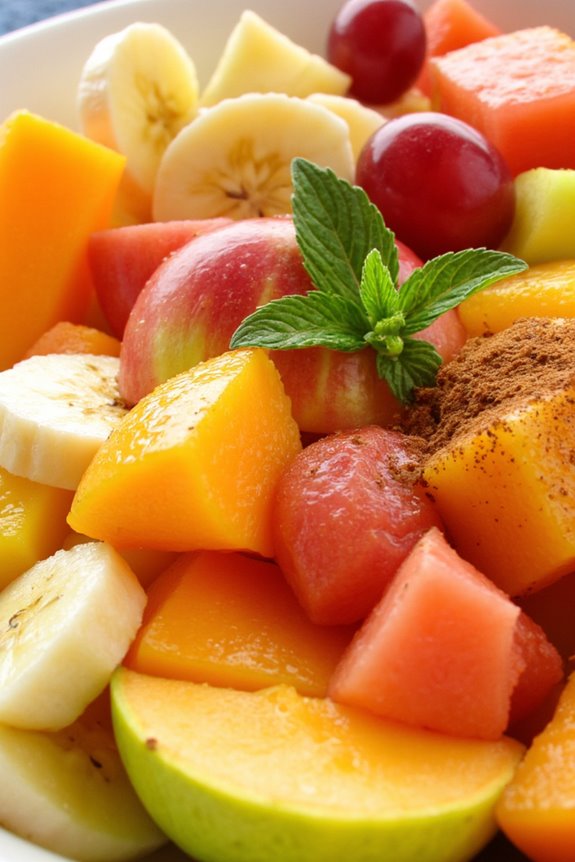
Ensalada De Fruta is a colorful and invigorating fruit salad that brings a tropical twist to any Thanksgiving table. This dish isn’t only a feast for the eyes but also a healthy and delicious way to celebrate the season. Traditionally made with a variety of fresh fruits, this salad is often enjoyed as a light dessert or a side dish that complements hearty holiday meals.
The combination of sweet, juicy fruits creates a delightful explosion of flavors that captures the essence of Peruvian cuisine. This recipe allows you to customize the fruit selection based on what’s in season or what you prefer. Common fruits used include bananas, mangoes, papayas, and apples, but feel free to mix in any fruits you love.
The addition of lime juice adds a zesty kick, while a sprinkle of cinnamon brings warmth and depth to the dish. Perfect for serving 4-6 people, this Ensalada De Fruta will surely impress your guests and leave them wanting more.
Ingredients (Serves 4-6):
- 2 bananas, sliced
- 1 mango, diced
- 1 papaya, diced
- 1 apple, diced
- 1 cup grapes, halved
- 1 orange, segmented
- 2 tablespoons lime juice
- 1 tablespoon honey (optional)
- 1 teaspoon ground cinnamon (optional)
- Fresh mint leaves for garnish (optional)
Cooking Instructions:
- Prepare the Fruits: Begin by washing all the fruits thoroughly. Peel the bananas, mango, and papaya, then cut them into bite-sized pieces. Dice the apple and halve the grapes. Segment the orange by cutting between the membranes to release the juicy segments.
- Mix the Fruits: In a large mixing bowl, combine all the prepared fruits. Gently toss them together to guarantee an even distribution without mashing any of the softer fruits.
- Add Lime Juice: Drizzle the lime juice over the mixed fruits. This not only enhances the flavor but also helps to prevent the bananas and apples from browning.
- Sweeten and Spice: If desired, add honey for extra sweetness and sprinkle ground cinnamon for a hint of warmth. Gently toss the mixture again to guarantee everything is well-coated.
- Chill and Serve: Cover the bowl with plastic wrap and refrigerate for at least 30 minutes before serving. This allows the flavors to meld together and the salad to become invigoratingly cool.
- Garnish: Before serving, garnish with fresh mint leaves for a pop of color and an extra layer of flavor.
Extra Tips:
For a more festive touch, consider adding some nuts such as walnuts or almonds for a crunchy texture. You can also experiment with different dressings, like a yogurt-based one, for a creamier version of the salad.
Remember to choose ripe fruits for the best flavor and texture, and feel free to adjust the ingredient quantities based on your personal preferences or seasonal availability. Enjoy your Ensalada De Fruta as a vibrant addition to your Peruvian Thanksgiving feast!
Alfajores (Caramel-filled Cookies)

Alfajores are a beloved treat in Peru, known for their rich flavor and melt-in-your-mouth texture. These delectable cookies consist of two delicate, crumbly layers filled with a luscious caramel known as dulce de leche, and they’re often rolled in powdered sugar or grated coconut for an extra touch of sweetness.
Traditionally enjoyed during festive occasions, these cookies have become a delightful addition to Thanksgiving celebrations, merging Peruvian culinary traditions with the spirit of gratitude and family gatherings.
Making alfajores is a rewarding experience, as they’re surprisingly simple yet incredibly satisfying to prepare. The key to a perfect alfajor lies in the balance between the tender cookies and the creamy filling. Once you bite into these sweet treats, the combination of flavors and textures will have you coming back for more.
Whether served alongside a warm cup of coffee or as a stand-alone dessert, alfajores are sure to impress your guests this Thanksgiving.
Ingredients (Serves 4-6 people):
- 1 cup unsalted butter, softened
- 1 cup powdered sugar
- 2 large egg yolks
- 1 teaspoon vanilla extract
- 2 cups all-purpose flour
- 1 cup cornstarch
- 1 teaspoon baking powder
- 1 cup dulce de leche
- Powdered sugar, for dusting
Instructions:
- Prepare the dough: In a large mixing bowl, cream together the softened unsalted butter and powdered sugar until the mixture is light and fluffy. This should take about 2-3 minutes using an electric mixer on medium speed. Once creamed, add the egg yolks and vanilla extract, mixing until fully combined.
- Combine dry ingredients: In a separate bowl, sift together the all-purpose flour, cornstarch, and baking powder. Gradually add this dry mixture to the wet ingredients, mixing on low speed until a soft dough forms. Be careful not to overmix, as this can lead to tougher cookies.
- Chill the dough: Once the dough is well combined, shape it into a ball, wrap it in plastic wrap, and refrigerate for at least 1 hour. Chilling the dough helps to firm it up, making it easier to roll out later.
- Roll and cut the cookies: Preheat your oven to 350°F (175°C). On a lightly floured surface, roll out the chilled dough to about 1/8-inch thickness. Using a round cookie cutter, cut out circles and place them on a parchment-lined baking sheet. Gather and re-roll scraps as needed.
- Bake the cookies: Bake the cookies in the preheated oven for 10-12 minutes, or until the edges are lightly golden. Be careful not to overbake them, as they should remain soft. Once baked, allow them to cool on the baking sheet for a few minutes before transferring to a wire rack to cool completely.
- Assemble the alfajores: Once the cookies have cooled, spread a generous layer of dulce de leche on the flat side of one cookie and sandwich it with another cookie. Repeat this process until all cookies are filled.
- Dust and serve: Finally, dust the assembled alfajores with powdered sugar before serving. For an extra twist, you can roll the edges in grated coconut for added flavor and texture.
Extra Tips: To enhance the flavor of your alfajores, consider adding a pinch of cinnamon or a splash of lemon zest to the dough. If you prefer a different filling, feel free to experiment with chocolate ganache or fruit preserves.
These cookies can be stored in an airtight container for up to a week, making them a perfect make-ahead treat for your Thanksgiving gathering. Enjoy the process and share the love with family and friends!
