

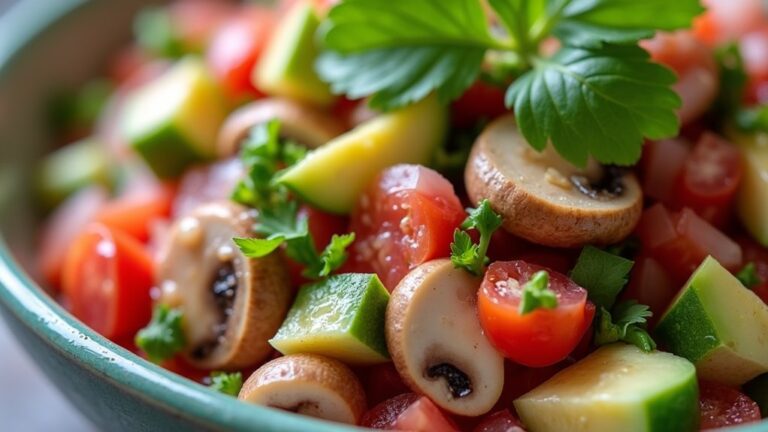
Looking to bring a touch of Colombian flair to your meals?
These fresh vegetable recipes are just what you need.
With everything from zesty avocado salads to comforting lentil soups, you’ll find plenty of ways to make greens shine.
Each recipe highlights the rich flavors of Colombia, making it easy to enjoy healthy and delicious meals.
Let’s explore these vibrant dishes that are sure to inspire your next culinary creation!
Ajiaco: Hearty Colombian Chicken and Potato Soup With Greens
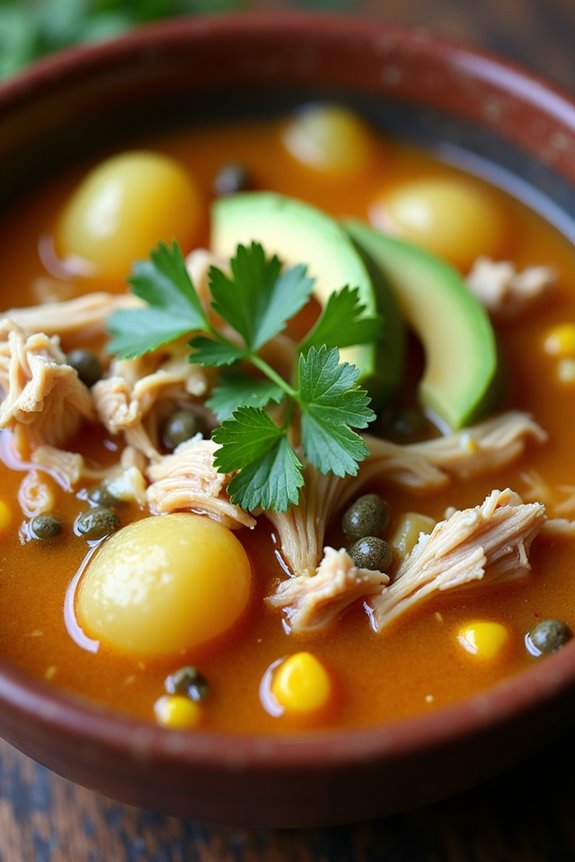
Ajiaco is a traditional Colombian soup that embodies the essence of comfort food with its rich flavors and hearty ingredients. This dish is particularly popular in the Andean region of Colombia, where the high-altitude climate lends itself well to growing a variety of potatoes and herbs. Ajiaco is known for its unique combination of chicken, three types of potatoes, and a distinctive herb known as guascas, which gives the soup its signature flavor.
This dish isn’t only filling but also represents Colombian culture and hospitality, making it perfect for family gatherings or cold weather.
To prepare Ajiaco, you’ll need to take your time to allow the flavors to meld beautifully. The recipe involves simmering chicken with potatoes and vegetables, followed by the addition of cream and capers before serving. Each bowl of Ajiaco is typically garnished with avocado and fresh herbs, making it a visually appealing and delicious meal. This recipe serves 4-6 people, guaranteeing that you have enough to share with family and friends.
Ingredients
- 4 cups chicken broth
- 1 pound chicken breast (boneless and skinless)
- 2 medium potatoes (Russet or Idaho), peeled and cubed
- 2 medium potatoes (yellow), peeled and cubed
- 2 medium potatoes (red), peeled and cubed
- 1 cup corn on the cob (or canned corn)
- 1 small onion, chopped
- 2 cloves garlic, minced
- 1 cup fresh guascas (or substitute with oregano if unavailable)
- 1 cup chopped cilantro
- 1 avocado, sliced (for garnish)
- ½ cup heavy cream (for serving)
- ¼ cup capers (for serving)
- Salt and pepper to taste
Cooking Instructions
- Prepare the Chicken and Broth: In a large pot, combine the chicken broth and chicken breasts. Bring to a boil over medium heat, then reduce to a simmer. Cook the chicken for approximately 25-30 minutes until fully cooked. Remove the chicken and set aside to cool.
- Add the Potatoes and Vegetables: While the chicken is cooking, add the cubed potatoes (Russet, yellow, and red) and corn to the pot. Stir in the chopped onion and minced garlic. Allow the mixture to simmer for about 20 minutes or until the potatoes are tender.
- Shred the Chicken: Once the chicken has cooled enough to handle, shred it into bite-sized pieces using two forks. Return the shredded chicken to the pot.
- Incorporate the Guascas: Add the fresh guascas (or oregano) to the soup, stirring to combine. Simmer for an additional 10 minutes to allow the flavors to meld together.
- Season the Soup: Taste the soup and adjust the seasoning with salt and pepper as needed. The flavors should be well balanced, so feel free to add more guascas or herbs if desired.
- Serve the Ajiaco: Ladle the hot soup into bowls, and garnish each serving with a drizzle of heavy cream, sliced avocado, chopped cilantro, and a sprinkle of capers. Serve immediately while hot.
Extra Tips
When preparing Ajiaco, feel free to customize the recipe based on your preference for spice or flavor. Some people enjoy adding a dash of hot sauce or a sprinkle of chili flakes for an extra kick.
Additionally, if guascas is hard to find, using oregano can still provide a delightful flavor, although it won’t be quite the same. Ascertain your potatoes are cut into uniform sizes for even cooking, and consider making the soup a day ahead; it often tastes even better the next day as the flavors continue to develop.
Enjoy your warm and hearty Ajiaco with fresh bread or arepas for a complete Colombian meal experience!
Bandeja Paisa: A Flavorful Platter of Meat and Veggies

Bandeja Paisa is a traditional Colombian dish that showcases the rich culinary heritage of the Antioquia region. It’s a hearty platter that brings together an array of flavors and textures, combining various meats, beans, rice, and vegetables. This vibrant dish isn’t only a feast for the eyes but also a satisfying meal that reflects the essence of Colombian culture.
Typically served on a large platter, Bandeja Paisa includes staples such as grilled steak, chorizo, fried egg, avocado, and plantains, all accompanied by a side of beans and rice.
The preparation of Bandeja Paisa can be a delightful experience, as it involves cooking multiple components that come together to create an unforgettable meal. Each ingredient plays a crucial role in the overall flavor profile of the dish, making it essential to prepare everything with care.
Whether you’re cooking for a special occasion or simply craving a taste of Colombia, Bandeja Paisa is a wonderful way to bring loved ones together around the table.
Ingredients (Serves 4-6)
- 1 lb flank steak
- 1 lb chorizo sausage
- 1 cup dried red beans
- 1 cup white rice
- 4 ripe plantains
- 4 eggs
- 1 avocado
- 1 onion, chopped
- 2 cloves garlic, minced
- 2 tbsp vegetable oil
- 1 tsp cumin
- Salt and pepper to taste
- Fresh cilantro for garnish
Cooking Instructions
- Prepare the Beans: Rinse the dried red beans under cold water. Soak them in water overnight or for at least 6 hours to soften. After soaking, drain the beans and add them to a pot with enough water to cover. Bring to a boil, then reduce to a simmer. Add chopped onion, minced garlic, cumin, salt, and pepper. Cook for about 1.5 to 2 hours until the beans are tender.
- Cook the Rice: In a separate pot, add 1 cup of white rice and 2 cups of water. Bring to a boil, then reduce the heat to low, cover, and cook for about 18-20 minutes until the rice is fluffy and the water has been absorbed. Set aside.
- Grill the Flank Steak: Season the flank steak with salt, pepper, and a sprinkle of cumin. Heat a grill or skillet over medium-high heat. Cook the steak for about 4-5 minutes on each side for medium-rare, or until it reaches your desired doneness. Let it rest for a few minutes before slicing it thinly.
- Cook the Chorizo: In the same skillet, add the chorizo sausages and cook over medium heat for about 5-7 minutes, turning occasionally, until browned and cooked through. Remove from heat and slice into bite-sized pieces.
- Fry the Plantains: Peel the ripe plantains and slice them diagonally into thick pieces. In a large frying pan, heat vegetable oil over medium heat. Fry the plantain slices for about 2-3 minutes on each side until golden brown and caramelized. Drain on paper towels.
- Fry the Eggs: In the same skillet, crack the eggs and fry them sunny-side up or to your preference. Season with a pinch of salt.
- Assemble the Platter: On a large serving platter, arrange a portion of rice, beans, sliced steak, chorizo, fried eggs, fried plantains, and avocado slices. Garnish with fresh cilantro for added flavor and color.
Extra Tips
When preparing Bandeja Paisa, feel free to customize the dish based on your preferences. You can add additional vegetables such as corn or bell peppers, or even substitute the meats with chicken or pork if desired.
The key to a truly authentic Bandeja Paisa lies in the freshness of the ingredients, so use ripe avocados and choose high-quality meats. Don’t hesitate to adjust the seasoning and cooking times to suit your taste, and enjoy the process of creating this delicious platter that’s sure to impress family and friends!
Sancocho: Savory Colombian Stew With Root Vegetables
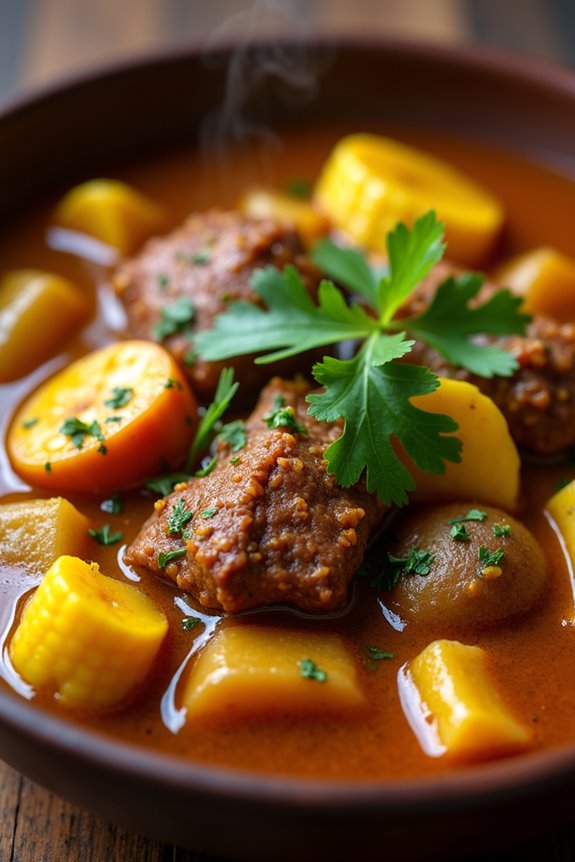
Sancocho is a traditional Colombian stew that embodies the rich culinary heritage of the country. This hearty dish features a combination of flavorful meats and an array of root vegetables, making it a comforting meal perfect for gatherings or family dinners. The aromatic broth, spiced just right, warms the soul and brings everyone to the table, inviting them to enjoy the vibrant tastes of Colombia.
Each region in Colombia has its own twist on sancocho, but the essence remains the same: a nourishing stew filled with love and tradition. Making sancocho isn’t only about the ingredients but also about the process. The key to a great sancocho lies in slow cooking, allowing the flavors to meld beautifully.
As the ingredients simmer together, the vegetables release their natural sweetness, while the meat becomes tender and succulent. With each spoonful, you’ll experience the heart of Colombian cuisine, making it a dish that’s sure to impress both family and friends alike.
Ingredients (Serves 4-6):
- 1 lb beef (or chicken) cut into chunks
- 1 lb pork (or additional meat of choice) cut into chunks
- 2 ripe plantains, peeled and sliced
- 2 medium potatoes, peeled and cubed
- 2 medium yuca (cassava), peeled and chopped into chunks
- 1 medium corn on the cob, cut into pieces
- 1 medium onion, chopped
- 3 cloves garlic, minced
- 1 bell pepper, chopped
- 1 large tomato, chopped
- 1 tsp ground cumin
- 1 tsp achiote powder (optional)
- 6 cups beef or chicken broth
- 2 tablespoons fresh cilantro, chopped
- Salt and pepper to taste
- Lime wedges for serving
Cooking Instructions:
- Prepare the Meat: In a large pot, add the chunks of beef and pork. Season with salt, pepper, and the ground cumin. Brown the meat over medium-high heat for about 5-7 minutes, turning occasionally until all sides are nicely seared. This step enhances the flavor of the meat and sets the foundation for the stew.
- Sauté the Vegetables: Add the chopped onion, minced garlic, bell pepper, and chopped tomato to the pot. Sauté for about 5 minutes until the vegetables are softened and fragrant. This will add depth to the broth and infuse the meat with additional flavors.
- Add the Broth: Pour in the beef or chicken broth, ensuring that all the meat and vegetables are submerged. Bring the mixture to a boil, then reduce to a simmer. Cover the pot and let it cook for about 30 minutes, allowing the flavors to meld together and the meat to tenderize.
- Incorporate the Root Vegetables: After 30 minutes, carefully add the cubed potatoes, yuca, and pieces of corn. Stir well and continue to simmer for another 20 minutes until the root vegetables are tender. The addition of these ingredients is essential as they provide heartiness to the stew.
- Finish with Plantains and Cilantro: Finally, add the sliced plantains and chopped cilantro to the pot. Simmer for an additional 10-15 minutes until the plantains are soft but not mushy. The plantains will add a subtle sweetness to the dish, balancing out the savory elements.
- Serve: Taste the stew and adjust seasoning with salt and pepper as needed. Serve hot with lime wedges on the side for a zesty finish. Enjoy your sancocho with rice or a side of avocado for a complete meal.
Extra Tips:
When preparing sancocho, feel free to experiment with the types of meat and vegetables based on your preference or what you have on hand. Some variations include chicken, fish, or even vegetarian options using chickpeas or lentils.
Slow cooking is essential, so give the ingredients enough time to meld and enhance their flavors. Additionally, if you find the stew too thick, you can always add more broth or water to achieve your desired consistency. Don’t forget to enjoy this dish with family, as the experience of sharing a hearty meal is just as important as the flavors themselves!
Ensalada De Aguacate: Refreshing Avocado Salad
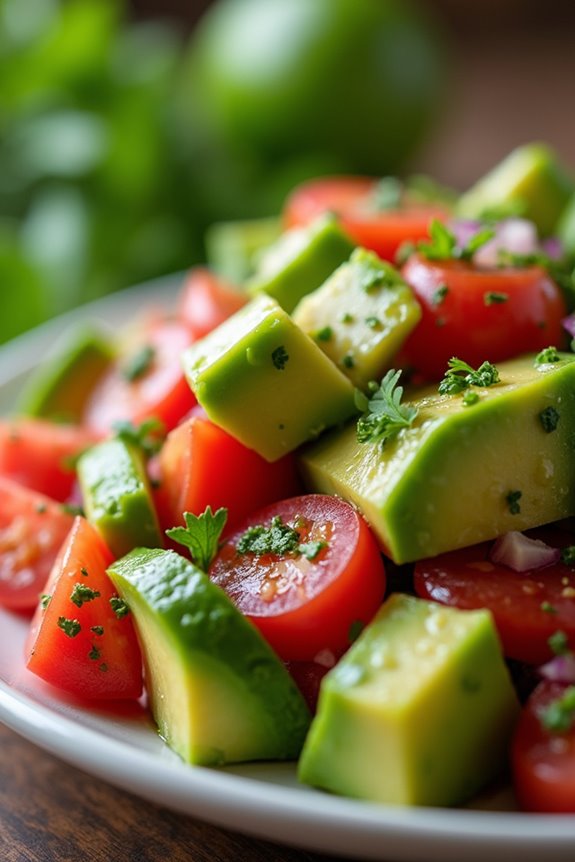
Ensalada De Aguacate, or Avocado Salad, is a delightful and invigorating dish that embodies the vibrant flavors of Colombian cuisine. This salad isn’t only simple to prepare but also packed with nutrients, making it an ideal choice for a light lunch or as a side dish to complement any meal.
The creamy texture of ripe avocados paired with the crunch of vegetables creates a perfect balance of flavors and textures, while the zesty dressing brings everything together beautifully.
In Colombian culture, avocados are a staple ingredient, often enjoyed in various forms. This salad highlights the fruit’s natural richness, combined with fresh veggies like tomatoes and onions, making it a colorful and appetizing dish.
Perfect for warm weather or picnics, Ensalada De Aguacate is sure to impress your family and friends with its simplicity and invigorating taste.
Ingredients (Serves 4-6):
- 3 ripe avocados
- 1 large tomato, diced
- 1 small red onion, finely chopped
- 1 cucumber, peeled and diced
- 1 lime, juiced
- 2 tablespoons olive oil
- Salt and pepper, to taste
- Fresh cilantro or parsley, for garnish (optional)
Cooking Instructions:
- Prepare the Avocados: Carefully slice the avocados in half, remove the pit, and scoop the flesh into a mixing bowl. Using a fork, gently mash the avocado while still keeping some chunks for texture. This will give the salad a creamy base.
- Chop the Vegetables: Dice the tomato, cucumber, and red onion into small pieces. Make sure to keep the sizes uniform to guarantee even flavor distribution throughout the salad.
- Combine Ingredients: Add the diced vegetables to the bowl with the mashed avocado. Gently fold the ingredients together using a spatula or spoon, being careful not to over-mash the avocado.
- Make the Dressing: In a small bowl, whisk together the lime juice, olive oil, salt, and pepper. This dressing will add a zesty kick to the salad and enhance the flavors of the fresh ingredients.
- Dress the Salad: Pour the dressing over the avocado and vegetable mixture. Again, gently toss everything together until all ingredients are well-coated with the dressing.
- Garnish and Serve: Transfer the salad to a serving dish. Optionally, sprinkle fresh cilantro or parsley on top for a burst of color and added flavor. Serve immediately or refrigerate for up to 30 minutes before serving for an even cooler experience.
Extra Tips:
When selecting avocados, choose ones that yield slightly to gentle pressure, indicating they’re ripe. If you need to ripen avocados quickly, place them in a brown paper bag with an apple or banana for a day or two.
To prevent the avocado from browning too quickly, try to serve the salad soon after preparation, or cover it tightly with plastic wrap if you need to store it for a short time. Enjoy your Ensalada De Aguacate as an invigorating addition to any meal!
Arepas With Cheese and Spinach: Delicious Corn Cakes
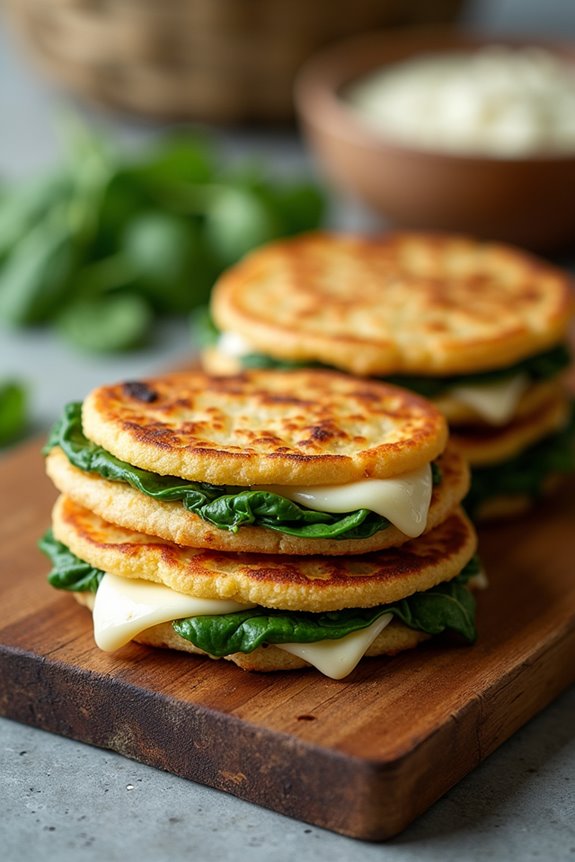
Arepas are a traditional Colombian staple made from corn flour, and they offer a delightful base for a variety of fillings. Combining the savory flavors of cheese and nutrient-rich spinach, these arepas create a delicious and satisfying dish that’s perfect for breakfast, lunch, or dinner. With a crispy exterior and a soft, cheesy center, they’re sure to please both kids and adults alike.
Making arepas with cheese and spinach isn’t only straightforward, but it also allows for creativity in the kitchen. You can easily adjust the cheese type or add other vegetables to suit your taste. This recipe serves 4-6 people, making it an excellent option for family gatherings or casual get-togethers. Let’s explore how to whip up these delicious corn cakes!
Ingredients
- 2 cups of pre-cooked cornmeal (arepa flour)
- 2 cups of warm water
- 1 teaspoon of salt
- 1 cup of fresh spinach, chopped
- 1 cup of cheese (mozzarella or feta works well), crumbled or shredded
- 1 tablespoon of olive oil (for cooking)
- Optional: 1/2 teaspoon of black pepper or garlic powder for additional flavor
Cooking Instructions
- Prepare the Dough: In a large mixing bowl, combine the pre-cooked cornmeal and salt. Gradually add the warm water while stirring with a spoon or your hands until the mixture forms a smooth, pliable dough. Let it sit for about 5-10 minutes to hydrate the cornmeal.
- Mix in Spinach and Cheese: Once the dough has rested, fold in the chopped spinach and cheese using your hands. Verify that the spinach and cheese are evenly distributed throughout the dough. If desired, add the optional black pepper or garlic powder for added flavor.
- Shape the Arepas: Divide the dough into 8 equal portions. Roll each portion into a ball and then flatten it gently between your palms to form a patty about 1/2-inch thick. You can adjust the thickness according to your preference.
- Cook the Arepas: Heat the olive oil in a large skillet over medium heat. Once hot, add the arepas to the skillet, making sure not to overcrowd them. Cook for about 4-5 minutes on each side or until they develop a golden-brown crust. You can also bake them in a preheated oven at 375°F (190°C) for about 15-20 minutes for a healthier option.
- Serve and Enjoy: Once the arepas are cooked through and crispy on the outside, remove them from the skillet and let them cool slightly. Serve warm, and enjoy them as is or with your favorite dipping sauce or toppings.
Extra Tips
When making arepas, be sure to adjust the consistency of the dough by adding a little more water or flour if necessary.
If you prefer a different texture, try pan-frying them for a crispier finish, or experiment with different types of cheese for varied flavors. Arepas can also be made ahead of time and reheated, making them a convenient option for busy days.
Enjoy this delightful dish that celebrates the flavors of Colombia!
Tamales: Steamed Corn Dough With Vegetables and Meat
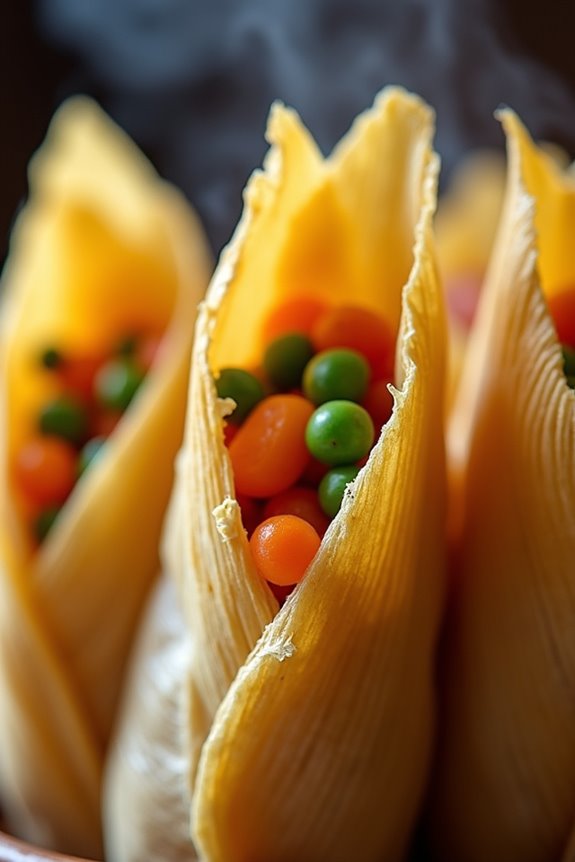
Tamales are a traditional Colombian dish made with masa (corn dough) that’s filled with various ingredients and then wrapped in corn husks and steamed. This method of preparation not only preserves the flavors but also provides a unique texture that’s soft and moist.
Typically enjoyed during festive occasions or gatherings, tamales can be filled with a variety of meats, vegetables, and spices, making them a versatile and beloved dish in Colombian cuisine.
In this recipe, we’ll focus on making tamales filled with a combination of vegetables and meat, capturing the essence of Colombian flavors. Whether you’re hosting a family gathering or simply craving a comforting meal, these tamales will surely impress your taste buds.
The process may take some time, but the end result will be worth the effort, as you savor each bite of these delicious steamed delights.
Ingredients (Serving Size: 4-6 People)
- 2 cups of masa harina (corn flour)
- 1 cup of vegetable broth
- 1 teaspoon of baking powder
- 1 teaspoon of salt
- 1/2 cup of lard or vegetable shortening (softened)
- 1 cup of cooked and shredded chicken or pork (optional)
- 1 cup of mixed vegetables (carrots, peas, bell peppers)
- 1/2 cup of diced onions
- 2 cloves of garlic (minced)
- 1 teaspoon of cumin
- 1 teaspoon of paprika
- 10-12 dried corn husks (soaked in warm water for 30 minutes)
Cooking Instructions
1. Prepare the Corn Husks: Start by soaking the dried corn husks in warm water for about 30 minutes. This will make them pliable and easier to work with when wrapping the tamales. After soaking, drain and set them aside.
2. Make the Dough: In a large mixing bowl, combine the masa harina, baking powder, and salt. Gradually add the vegetable broth while mixing with your hands or a spatula until the dough is soft and pliable. It shouldn’t be too wet or dry.
Add the softened lard or vegetable shortening and knead the mixture until well incorporated.
3. Prepare the Filling: In a skillet over medium heat, sauté the diced onions and minced garlic until they’re translucent. Add the mixed vegetables and stir-fry for about 5 minutes until they’re tender.
If using meat, add the cooked and shredded chicken or pork to the skillet along with cumin and paprika. Cook for an additional 3-4 minutes. Remove from heat and let it cool slightly.
4. Assemble the Tamales: Take a soaked corn husk and lay it flat. Spread about 2 tablespoons of the masa dough onto the center of the husk, leaving space at the edges.
Place a spoonful of the vegetable and meat filling on top of the masa. Fold the sides of the corn husk over the filling, and then fold the bottom up to secure it. Repeat this process with the remaining dough and filling.
5. Steam the Tamales: In a large steamer pot, arrange the tamales upright, with the open end facing up. Fill the bottom of the steamer with water and bring it to a simmer.
Cover the pot with a lid and steam the tamales for about 1 to 1.5 hours, adding more water as needed, until the masa pulls away from the husk easily.
6. Serve: Once cooked, carefully remove the tamales from the steamer and let them cool for a few minutes. Serve them warm, accompanied by a side of salsa or avocado for added flavor.
Extra Tips
When making tamales, it’s essential to guarantee that the dough is just the right consistency; too dry and they won’t hold together, too wet and they’ll become mushy.
Additionally, feel free to experiment with different fillings to suit your taste—adding cheese, beans, or even different spices can elevate the dish further.
Finally, tamales can be made ahead of time and frozen for later use; simply steam them from frozen when you’re ready to enjoy!
Patacones: Crispy Green Plantains With Toppings

Patacones, also known as tostones, are a delightful Colombian dish that showcases the versatility of green plantains. These crispy, twice-fried plantains aren’t only a delicious snack but can also serve as a base for various toppings. Their unique texture and flavor make them a popular choice in Colombian cuisine, often enjoyed with a variety of dips or served alongside meats and salads.
The process of making patacones is simple yet rewarding, resulting in a crunchy exterior and a soft interior that can be customized to suit your taste. To make the perfect batch of patacones, it’s vital to select the right type of green plantains. Look for firm, bright green plantains that aren’t overly ripe. The ultimate goal is to achieve a golden-brown color during frying that provides a satisfying crunch.
Once your patacones are ready, you can top them with ingredients like avocado, cheese, or a flavorful salsa to elevate the dish. Whether served at a gathering or as an appetizer for a family meal, patacones are sure to bring a taste of Colombia to your table.
Ingredients (serving size: 4-6 people):
- 2-3 green plantains
- Vegetable oil (for frying)
- Salt (to taste)
- Toppings of choice (e.g., guacamole, shredded cheese, pulled pork, salsa)
Cooking Instructions:
- Prep the Plantains: Start by peeling the green plantains. To do this, cut off both ends of each plantain and make a slit along the length of the skin without cutting into the flesh. Carefully remove the skin with your fingers. This can be a bit tricky, so take your time to avoid damaging the plantain.
- Slice the Plantains: Once peeled, cut the plantains into thick slices, about 1-1.5 inches each. The thickness is important as it will affect frying time and the final texture of the patacones.
- Fry the Plantain Slices: In a large frying pan, heat about 1 inch of vegetable oil over medium heat. Once the oil is hot, carefully add the plantain slices in batches. Fry for about 3-4 minutes on each side, or until they’re golden yellow and slightly soft but not fully cooked. Remove them from the oil and drain on paper towels.
- Smash the Plantains: Using a flat object or a plantain press, gently flatten each fried slice to about half an inch thick. Be careful not to press too hard, as you want them to retain their shape.
- Second Frying: Return the smashed plantains to the hot oil and fry them again for about 2-3 minutes on each side or until they’re crispy and golden brown. Remove from the oil, drain again on paper towels, and sprinkle with salt while they’re still hot.
- Add Toppings: Once your patacones are done, it’s time to add your favorite toppings. You can spread guacamole, sprinkle shredded cheese, or add any other toppings you prefer. Serve warm and enjoy!
Extra Tips: When frying the plantains, confirm the oil is at the right temperature to achieve that perfect crispness; too low and they’ll absorb oil, becoming soggy. You can also experiment with different toppings to suit your taste or create a platter with various options for guests to choose from. If you want a healthier version, consider baking the smashed plantains instead of frying them, though they won’t have the same crispy texture.
Calabacín Relleno: Zucchini Boats Stuffed With Meat and Veggies

Calabacín Relleno, or Zucchini Boats, is a delightful and hearty dish that showcases the versatility of zucchini, a staple vegetable in Colombian cuisine. The zucchini is hollowed out and filled with a savory mixture of ground meat, vegetables, and spices, then baked to perfection. This recipe isn’t only delicious but also a great way to incorporate more vegetables into your diet while making a filling meal.
This dish is perfect for family gatherings or a weeknight dinner, bringing a colorful and nutritious option to the table. The combination of flavors and textures makes Calabacín Relleno a crowd-pleaser, appealing to both meat lovers and those looking for a satisfying vegetarian option by simply omitting the meat or replacing it with a meat substitute.
Ingredients (Serves 4-6):
- 4 medium zucchinis
- 1 lb ground beef (or turkey)
- 1 cup diced bell peppers (mixed colors)
- 1 cup diced onion
- 2 cloves garlic, minced
- 1 cup diced tomatoes (fresh or canned)
- 1 tsp cumin
- 1 tsp paprika
- Salt and pepper to taste
- 1 cup shredded cheese (mozzarella or cheddar)
- Olive oil for cooking
- Fresh parsley for garnish (optional)
Cooking Instructions:
- Preheat the Oven: Begin by preheating your oven to 375°F (190°C). This guarantees that the zucchini boats will bake evenly and thoroughly.
- Prepare the Zucchini: Wash the zucchinis under running water. Cut them in half lengthwise and scoop out the middle using a spoon, creating a hollow space for the filling. Set the scooped-out flesh aside for later use.
- Cook the Filling: In a large skillet, heat a tablespoon of olive oil over medium heat. Add the diced onions and bell peppers, sautéing until they become soft and translucent, about 5 minutes. Then, add the minced garlic and cook for an additional minute until fragrant.
- Add Meat and Spices: Stir in the ground beef (or turkey) to the skillet. Cook until browned, breaking it apart with a wooden spoon, approximately 7-10 minutes. Once the meat is cooked, add the diced tomatoes, cumin, paprika, salt, and pepper. Mix well and let the mixture simmer for about 5 minutes.
- Incorporate Zucchini Flesh: Chop the reserved zucchini flesh and add it to the meat mixture. Stir to combine and let it cook for another 2-3 minutes until heated through.
- Stuff the Zucchini Boats: Place the hollowed zucchini halves in a baking dish. Carefully spoon the meat and vegetable mixture into each zucchini boat, pressing down slightly to pack the filling.
- Top with Cheese: Sprinkle the shredded cheese evenly over the stuffed zucchinis, making sure each boat is well-covered.
- Bake: Cover the baking dish with aluminum foil and bake in the preheated oven for 25 minutes. After 25 minutes, remove the foil and bake for an additional 10-15 minutes, or until the zucchini is tender and the cheese is bubbly and golden.
- Serve: Once cooked, remove from the oven and let cool for a few minutes. Garnish with fresh parsley, if desired, and serve warm.
Extra Tips:
For a vegetarian version of Calabacín Relleno, consider substituting the ground meat with cooked quinoa or lentils, which will add a hearty texture without sacrificing flavor.
Feel free to experiment with the vegetables in the filling; adding corn, spinach, or mushrooms can enhance the taste and nutrition even further. Additionally, don’t hesitate to adjust the spices according to your personal preference for heat or flavor intensity. Enjoy your culinary adventure!
Guiso De Espinacas: Flavorful Spinach Stew
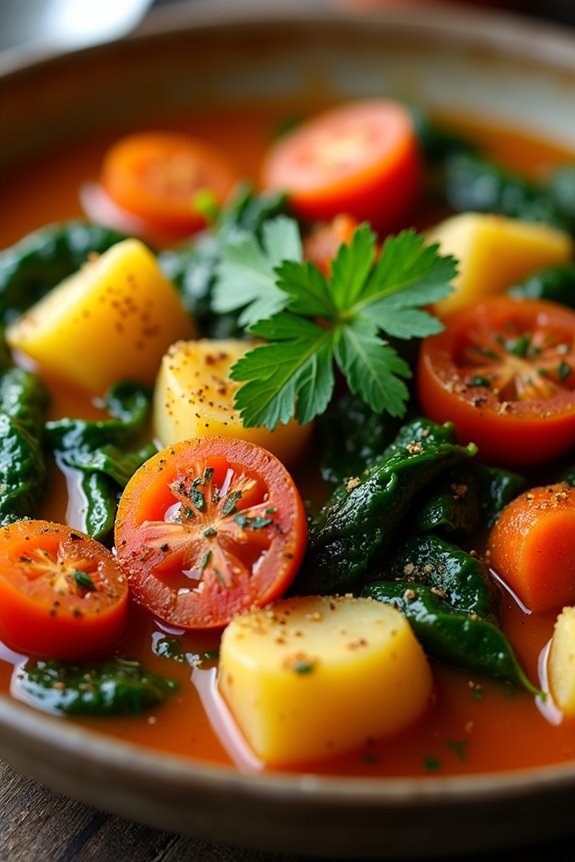
Guiso De Espinacas, or Spinach Stew, is a beloved dish in Colombian cuisine that showcases the natural flavors of fresh spinach combined with a medley of aromatic ingredients. This hearty and nutritious stew is perfect for any occasion, whether as a comforting family meal or a delightful dish to impress guests.
Rich in vitamins and minerals, spinach isn’t only delicious but also offers a plethora of health benefits, making this dish a great addition to your culinary repertoire.
This flavorful stew is typically prepared with a variety of vegetables and spices, making it a versatile option that can be customized to suit your taste preferences. The combination of onions, garlic, and tomatoes creates a savory base, while the addition of spices adds depth and warmth.
Guiso De Espinacas pairs wonderfully with rice, making it a complete meal that’s both satisfying and nourishing.
Ingredients (Serves 4-6):
- 1 lb fresh spinach, washed and chopped
- 1 medium onion, diced
- 2 cloves garlic, minced
- 2 medium tomatoes, diced
- 1 medium potato, peeled and diced
- 1 carrot, peeled and diced
- 1 cup vegetable broth
- 2 tablespoons olive oil
- 1 teaspoon cumin
- 1 teaspoon paprika
- Salt and pepper to taste
- ¼ cup fresh cilantro, chopped (for garnish)
Cooking Instructions:
- Prepare the Ingredients: Start by washing the spinach thoroughly to remove any dirt or grit. Chop the spinach into bite-sized pieces. Dice the onion, tomatoes, potato, and carrot, and mince the garlic. This preparation will guarantee that everything is ready for cooking and helps the dish come together seamlessly.
- Sauté the Aromatics: In a large pot, heat the olive oil over medium heat. Add the diced onion and sauté for about 3-4 minutes until it becomes translucent. Then, add the minced garlic and sauté for an additional minute until fragrant. This step builds a flavorful base for your stew.
- Add the Vegetables: Incorporate the diced tomatoes, potato, and carrot into the pot. Stir well and let them cook for about 5 minutes, allowing the flavors to meld together. The tomatoes will release their juices, creating a rich mixture.
- Season the Stew: Sprinkle in the cumin and paprika, stirring to combine. Add salt and pepper to taste. These spices will enhance the overall flavor of the stew and give it that authentic Colombian touch.
- Add the Spinach and Broth: Pour in the vegetable broth and bring the mixture to a gentle boil. Once boiling, add the chopped spinach and reduce the heat to a simmer. Cook for about 10-15 minutes, or until the potatoes and carrots are tender and the spinach is wilted.
- Final Touches: Once the stew is cooked through, taste and adjust seasoning if necessary. Remove from heat and let it sit for a few minutes before serving. This allows the flavors to develop further.
- Serve and Garnish: Ladle the Guiso De Espinacas into bowls and garnish with fresh cilantro. Serve hot alongside rice or crusty bread for a complete meal.
Extra Tips:
For added protein, consider including cooked beans or lentils to the stew. You can also experiment with different vegetables such as zucchini or bell peppers depending on what you have on hand.
If you prefer a creamier texture, a splash of coconut milk or a dollop of sour cream can be stirred in just before serving. Finally, make sure to adjust the seasoning to suit your palate; a squeeze of fresh lime juice can also brighten the flavors of the dish.
Enjoy your cooking adventure with Guiso De Espinacas!
Choclo Con Queso: Sweet Corn With Cheese
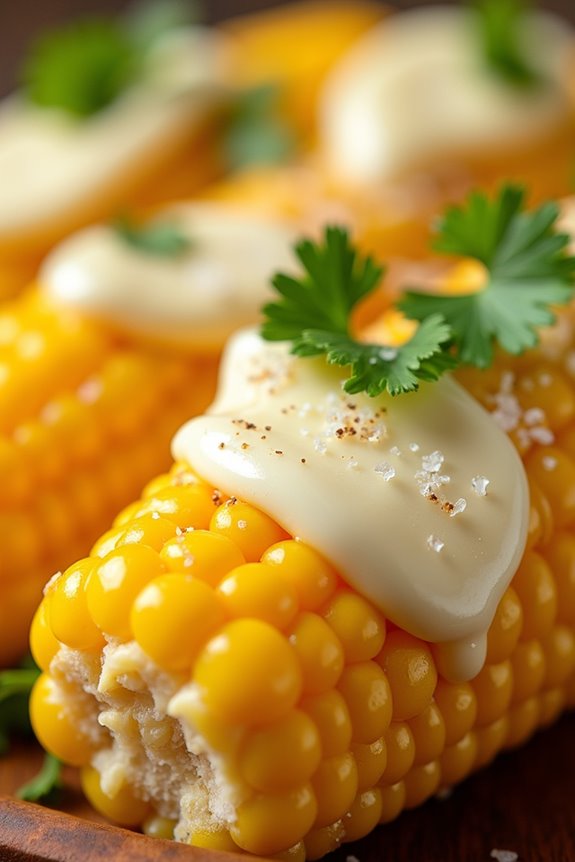
Choclo Con Queso is a delightful Colombian dish that showcases the natural sweetness of fresh corn paired with the richness of cheese. This simple yet satisfying dish is often enjoyed as a side or a light snack and is especially popular in the Andean regions of Colombia.
The combination of sweet corn and creamy cheese creates a comforting flavor profile that’s sure to please anyone’s palate.
To prepare Choclo Con Queso, it’s important to select the freshest ingredients, particularly the corn. While you can use frozen corn if fresh isn’t available, nothing beats the taste of freshly harvested choclo. Traditionally, this dish is made with a specific type of cheese that melts beautifully, adding an extra layer of flavor and texture.
Perfect for gatherings or a cozy family meal, Choclo Con Queso is a must-try for anyone looking to explore Colombian culinary delights.
Ingredients (serving size: 4-6 people):
- 4-6 ears of fresh choclo (sweet corn)
- 200g of queso fresco or any mild melting cheese
- 1/4 cup of butter (optional)
- Salt to taste
- Fresh cilantro for garnish (optional)
Cooking Instructions:
- Prepare the Corn: Begin by removing the husks and silk from the fresh choclo. Rinse the ears of corn under cold water to remove any remaining silk or debris.
- Boil the Corn: In a large pot, bring water to a boil. Once boiling, add the prepared choclo to the pot. Let the corn boil for about 10-15 minutes until tender. You can test the tenderness by piercing a kernel with a fork; it should be soft but not mushy.
- Drain the Corn: After boiling, carefully drain the corn in a colander. Optionally, you can spread the corn on a clean kitchen towel to remove excess water.
- Prepare the Cheese: While the corn is draining, cut the queso fresco or your chosen cheese into thick slices. If using a cheese that doesn’t melt easily, you may want to crumble it instead.
- Assemble the Dish: Once the corn is drained, place the ears on a serving platter. If desired, you can spread a little butter over each ear of corn for added flavor. Top each ear with slices of cheese, allowing the warmth of the corn to slightly melt the cheese.
- Season and Garnish: Sprinkle a pinch of salt over the corn and cheese. If you like, chop some fresh cilantro and sprinkle it on top for a burst of flavor and color.
- Serve: Serve the Choclo Con Queso warm, allowing everyone to enjoy the melty cheese alongside the sweet corn.
Extra Tips:
For an authentic touch, consider grilling the corn instead of boiling it for a smoky flavor. You can also experiment with different types of cheese; some people enjoy using mozzarella or even a spiced cheese for a unique twist.
If you want to enhance the dish further, serve it with a side of ají, a spicy Colombian sauce, for an extra kick. Enjoy your Choclo Con Queso as a delightful appetizer or a comforting side dish at your next meal!
Lentejas: Hearty Colombian Lentil Soup
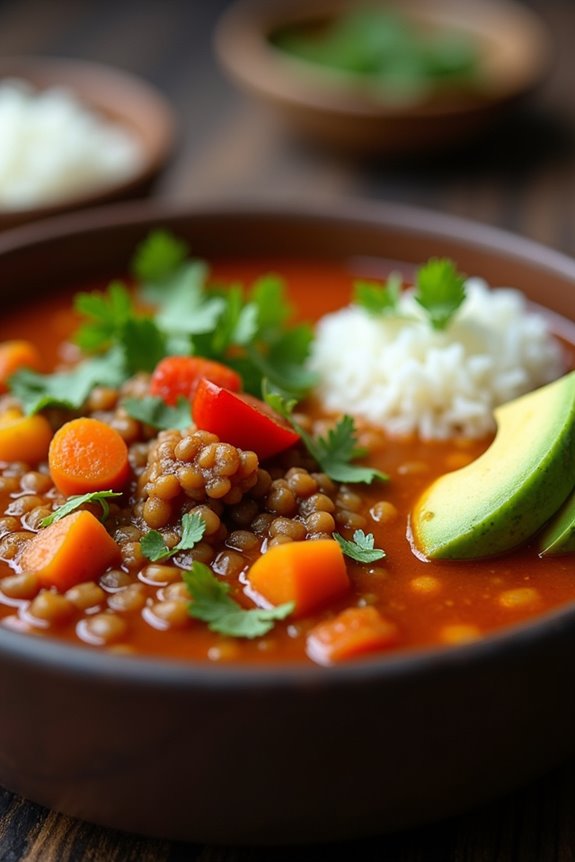
Lentejas, or lentil soup, is a comforting and nutritious dish that holds a special place in Colombian cuisine. This hearty soup is often enjoyed during family gatherings and cold days, providing warmth and satisfaction with every spoonful. Made with tender lentils, fresh vegetables, and aromatic spices, this dish isn’t only delicious but also packed with protein and fiber, making it a healthy option for everyone.
In Colombia, lentil soup is typically accompanied by rice and avocado, which enhance its flavor and texture. The beauty of this recipe lies in its versatility; you can adjust the ingredients based on what you have available or to suit your taste preferences. Whether you’re preparing it for a cozy dinner or a festive occasion, Lentejas is sure to be a crowd-pleaser.
Ingredients (Serves 4-6)
- 2 cups dried lentils, rinsed and drained
- 1 medium onion, chopped
- 2 cloves garlic, minced
- 1 medium carrot, chopped
- 1 medium potato, diced
- 1 red bell pepper, chopped
- 1 tomato, chopped
- 1 teaspoon ground cumin
- 1 teaspoon paprika
- 6 cups vegetable broth or water
- 2 tablespoons olive oil
- Salt and pepper to taste
- Fresh cilantro, chopped (for garnish)
- Avocado slices (for serving)
- Cooked white rice (for serving)
Cooking Instructions
- Prepare the Ingredients: Start by rinsing the lentils under cold water until the water runs clear. Chop all the vegetables – onion, garlic, carrot, potato, red bell pepper, and tomato – so they’re ready to be added to the soup.
- Sauté the Aromatics: In a large pot, heat the olive oil over medium heat. Add the chopped onion and garlic, sautéing them until the onion becomes translucent and fragrant, about 5 minutes. This step builds a flavorful base for the soup.
- Add the Vegetables: Stir in the chopped carrot, potato, and red bell pepper. Sauté the vegetables for an additional 5 minutes, allowing them to soften slightly and absorb the flavors from the aromatics.
- Incorporate the Lentils and Spices: Add the rinsed lentils, chopped tomato, ground cumin, and paprika to the pot. Stir everything together to guarantee the lentils and vegetables are well mixed and coated with the spices.
- Pour in the Broth: Add the vegetable broth (or water) to the pot, bringing the mixture to a boil. Once boiling, reduce the heat to low and let it simmer uncovered for about 30-35 minutes, or until the lentils and vegetables are tender.
- Season and Adjust: Once cooked, taste the soup and season it with salt and pepper to your liking. If the soup is too thick, you can add a little more broth or water to reach your desired consistency.
- Serve: Ladle the soup into bowls and garnish with chopped fresh cilantro. Serve hot alongside slices of avocado and a scoop of cooked white rice for a complete meal.
Extra Tips
When cooking Lentejas, feel free to customize the recipe by adding other vegetables such as zucchini or spinach for extra nutrition.
Additionally, you can enhance the flavor by adding a bay leaf during cooking and removing it before serving, or incorporating a splash of lime juice just before serving for a revitalizing twist.
Leftovers can be stored in the refrigerator for a few days and taste even better the next day as the flavors continue to meld. Enjoy your hearty, homemade Colombian lentil soup!
Ensalada De Frutas: Colorful Fruit and Vegetable Salad
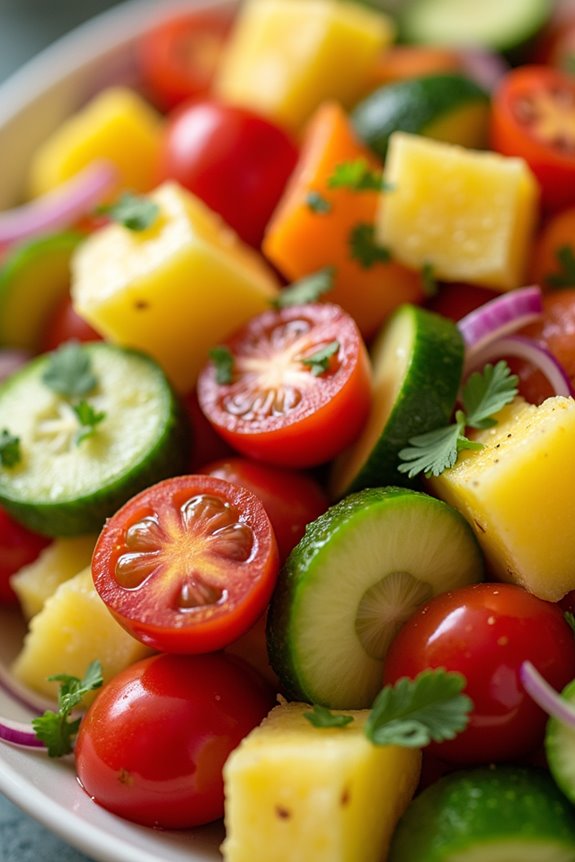
Ensalada De Frutas, or the colorful fruit and vegetable salad, is a vibrant dish that embodies the freshness and variety of Colombian cuisine. This salad not only serves as an invigorating side dish but can also be a light main course. The combination of sweet fruits and crisp vegetables creates a delightful contrast that’s both pleasing to the eye and palate.
In Colombia, this salad is often enjoyed during warm weather, making it a perfect choice for picnics, barbecues, or simply as a healthy addition to any meal.
To prepare this dish, you’ll want to select ripe, seasonal fruits and fresh vegetables to enhance the flavors. The dressing is light and zesty, allowing the natural sweetness of the fruits to shine through. The addition of lime juice and a hint of salt elevates the dish, balancing the sweetness with a bit of tang. This recipe serves 4-6 people, making it ideal for gatherings or family meals.
Ingredients:
- 1 cup diced pineapple
- 1 cup diced mango
- 1 cup diced papaya
- 1 cup diced cucumber
- 1 cup diced bell pepper (any color)
- 1 cup cherry tomatoes, halved
- 1/4 cup finely chopped red onion
- 1/4 cup chopped fresh cilantro
- Juice of 2 limes
- Salt to taste
- Optional: 1 avocado, diced for creaminess
Cooking Instructions:
- Prepare the Ingredients: Begin by thoroughly washing all fruits and vegetables. Peel and dice the pineapple, mango, and papaya into bite-sized pieces. Cut the cucumber, bell pepper, and cherry tomatoes accordingly. Finely chop the red onion and cilantro. If using, dice the avocado just before mixing to prevent browning.
- Combine the Fruits and Vegetables: In a large mixing bowl, gently combine the diced pineapple, mango, papaya, cucumber, bell pepper, cherry tomatoes, red onion, and cilantro. Be careful not to mash the fruits; you want to keep them intact for texture.
- Add the Dressing: Squeeze the juice of two limes over the mixed ingredients in the bowl. Sprinkle with salt to taste. Gently toss everything together with a large spoon or spatula until the dressing is evenly distributed.
- Incorporate the Avocado: If you’re using avocado, add it to the salad last. Carefully fold in the diced avocado to prevent it from becoming mushy.
- Chill and Serve: For the best flavor, let the salad sit in the refrigerator for at least 30 minutes before serving. This allows the flavors to meld together. Serve chilled as an invigorating side dish or a light main course.
Extra Tips:
When preparing Ensalada De Frutas, feel free to get creative with your choice of fruits and vegetables based on what’s available or in season. You can also add nuts or seeds for extra crunch, or spice it up with a dash of chili powder for a hint of heat.
Remember to taste and adjust the seasoning as necessary; every fruit has a different level of sweetness, so you might need more or less lime juice depending on your ingredients. Enjoy this colorful salad as a nutritious and delightful addition to your meal!
Ceviche De Champiñones: Mushroom Ceviche With Fresh Veggies
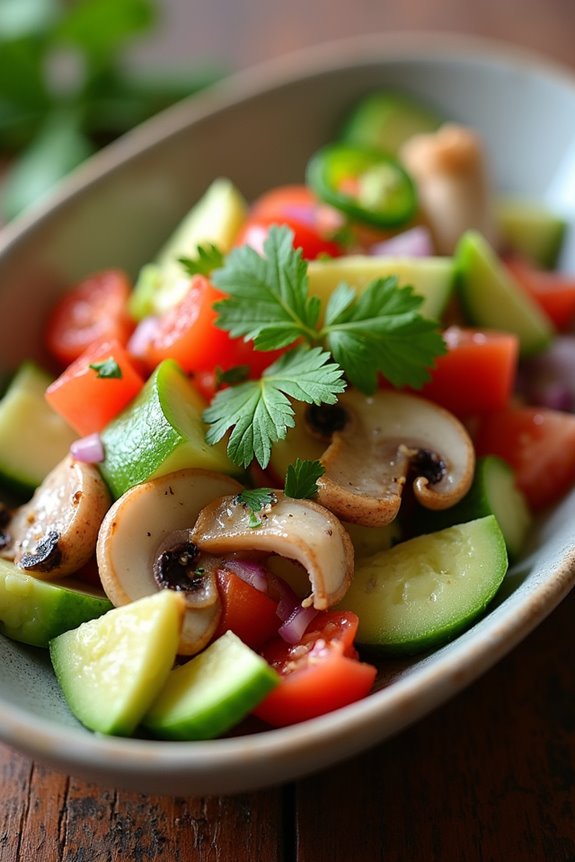
Ceviche De Champiñones is a delightful twist on the traditional ceviche, substituting fish for marinated mushrooms. This dish captures the essence of Colombian flavors while offering a revitalizing vegetarian option. The mushrooms absorb the tangy citrus marinade, creating a dish that’s both zesty and umami-rich.
Paired with fresh vegetables, this mushroom ceviche isn’t only a feast for the taste buds but also a colorful addition to any table. Perfect as an appetizer or a light meal, Ceviche De Champiñones is ideal for warm weather and gatherings. The combination of lime juice, cilantro, and crunchy vegetables creates a vibrant dish that’s sure to impress both vegetarians and meat-lovers alike.
Serve it chilled for the best experience, and enjoy this unique take on a classic Latin American favorite.
Ingredients (Serves 4-6):
- 1 lb (450g) button mushrooms, cleaned and sliced
- 1 cup freshly squeezed lime juice (about 8-10 limes)
- 1 small red onion, finely chopped
- 1 cup diced cucumber
- 1 cup diced tomatoes
- 1/2 cup chopped fresh cilantro
- 1 jalapeño, finely chopped (with seeds for more heat, or without for milder)
- 1 avocado, diced
- Salt and pepper to taste
- Tortilla chips or lettuce leaves for serving
Cooking Instructions:
- Prepare the Mushrooms: Start by cleaning the button mushrooms thoroughly. Remove any dirt and slice them into thin pieces. The mushrooms will be the main ingredient in your ceviche, and slicing them thinly allows them to absorb the marinade better.
- Marinate the Mushrooms: In a large mixing bowl, combine the sliced mushrooms with the freshly squeezed lime juice. Confirm that all the mushrooms are submerged in the juice. Cover the bowl with plastic wrap and refrigerate for at least 30 minutes to 1 hour. The acidity of the lime will “cook” the mushrooms, giving them a tender texture and enhancing their flavor.
- Chop the Vegetables: While the mushrooms are marinating, prepare the other ingredients. Finely chop the red onion, cucumber, tomatoes, cilantro, and jalapeño. Each of these ingredients will add freshness and crunch to the ceviche.
- Combine the Ingredients: After the mushrooms have marinated, remove them from the refrigerator and drain excess lime juice if necessary. In the same bowl, add the chopped red onion, cucumber, tomatoes, cilantro, and jalapeño. Gently toss everything together until well combined. Season with salt and pepper to taste.
- Add Avocado: Just before serving, gently fold in the diced avocado. This will add creaminess to your ceviche and balance out the acidity from the lime juice.
- Serve: Spoon the ceviche into individual serving dishes or a large serving bowl. Serve chilled with tortilla chips or on a bed of lettuce leaves for a revitalizing touch.
Extra Tips:
When making Ceviche De Champiñones, you can experiment with different types of mushrooms such as portobello or shiitake for a unique flavor profile. Additionally, you can adjust the level of heat by varying the amount of jalapeño used or substituting it with a milder pepper.
For an extra burst of flavor, consider adding a splash of soy sauce or a pinch of smoked paprika to the marinade. Enjoy this dish fresh, as it’s best consumed within a day of preparation to maintain the crispness of the vegetables.
