

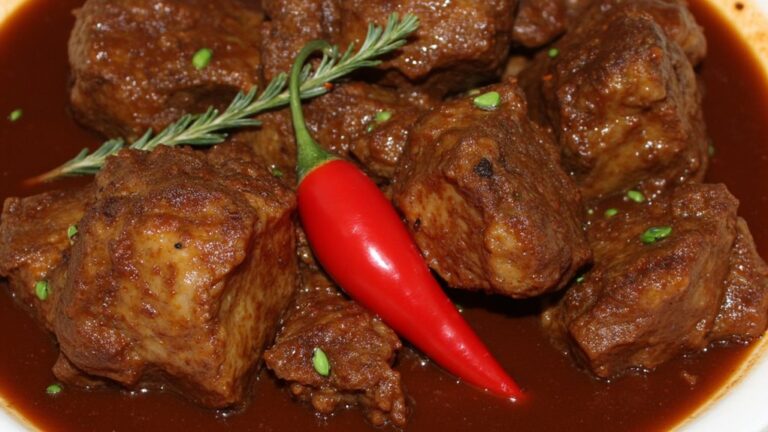
When I think of comfort food, South American beef recipes instantly come to mind. These dishes are a beautiful blend of flavors and tradition, perfect for gathering around the table with family and friends. From the sizzling Argentine Asado to the hearty Brazilian Feijoada, each recipe offers a taste of culture that warms the heart. Let’s explore these twelve mouthwatering recipes that might just inspire your next family meal.
Argentine Asado

Argentine Asado isn’t just a meal; it’s a cherished tradition and an integral part of Argentine culture. This dish is all about grilling beef to perfection, often enjoyed during social gatherings with friends and family. The centerpiece of an Asado is typically a variety of cuts of beef, cooked over an open flame or charcoal, which imparts a unique smoky flavor that’s simply irresistible. The experience of preparing and sharing an Asado is as important as the food itself, making it a memorable event for everyone involved.
In Argentina, the choice of meat is paramount, and it includes cuts such as ribs, flank steak, and sausages. These meats are often seasoned simply with salt, allowing the flavors of the beef to shine through. The grilling process is usually slow and methodical, allowing for a beautiful crust to form while keeping the inside tender and juicy. Accompanied by chimichurri sauce, grilled vegetables, and good wine, Argentine Asado isn’t just a dish; it’s a celebration of life, friendship, and the joy of cooking together.
Ingredients (Serves 4-6 people):
- 2 lbs of beef ribs
- 2 lbs of flank steak
- 1 lb of chorizo sausage
- 2 tablespoons of coarse sea salt
- 1 tablespoon of black pepper
- 1 tablespoon of garlic powder
- 1 tablespoon of onion powder
- 1 cup of chimichurri sauce (for serving)
- Fresh parsley (for garnish)
- Grilled vegetables (optional, such as bell peppers and zucchini)
Cooking Instructions:
- Prepare the Grill: Begin by preparing your grill for indirect heat. If using charcoal, arrange the coals on one side of the grill to create a hot and a cooler side. If using a gas grill, turn on one side only. The goal is to have a hot zone for searing and a cooler zone for finishing the cooking.
- Season the Meat: In a small bowl, mix the coarse sea salt, black pepper, garlic powder, and onion powder. Generously season the beef ribs and flank steak with this mixture, ensuring all sides are covered. Let the meat sit at room temperature for about 30 minutes to allow the flavors to penetrate.
- Grill the Ribs: Place the seasoned beef ribs on the hot side of the grill. Sear for about 5-7 minutes on each side until a nice crust forms. Once seared, move them to the cooler side of the grill and cover. Cook for an additional 1-1.5 hours, turning occasionally, until they’re tender and cooked to your desired doneness.
- Grill the Flank Steak: After the ribs have been cooking for about 30 minutes, place the flank steak on the hot side of the grill as well. Sear each side for about 3-4 minutes, then transfer to the cooler side of the grill. Cook for an additional 10-15 minutes, or until the internal temperature reaches 130°F for medium-rare.
- Cook the Sausages: While the beef is cooking, add the chorizo sausages to the grill. Place them on the cooler side to cook through, turning occasionally, until they’re browned and cooked through, about 15-20 minutes.
- Rest and Serve: Once all the meats are finished cooking, remove them from the grill and allow them to rest for about 10 minutes. This will help retain the juices. Slice the flank steak against the grain and arrange all the meats on a large platter. Serve with chimichurri sauce and grilled vegetables on the side.
Extra Tips:
When cooking Argentine Asado, patience is key. Avoid rushing the grilling process; low and slow cooking will yield the most tender and flavorful results.
Make sure to keep an eye on the temperature of the grill and adjust as necessary. It’s also essential to let the meat rest after grilling, as this allows the juices to redistribute, leading to a juicier final product.
Finally, don’t forget to enjoy the process with good company and perhaps a glass of Malbec to truly embrace the spirit of an Argentine Asado!
Brazilian Feijoada

Brazilian Feijoada is a hearty and flavorful black bean stew that’s often considered the national dish of Brazil. This traditional recipe is a celebration of rich flavors and textures, combining various cuts of beef and pork with black beans, spices, and aromatic vegetables. Originating from Portuguese cuisine, feijoada has evolved over time, with each region of Brazil adding its unique twist.
The dish is typically served with rice, collard greens, and orange slices, creating a well-rounded meal that’s both comforting and satisfying. The beauty of feijoada lies in its versatility; you can adapt it to use different meats based on your preference or what you have on hand.
Whether you choose to include smoked sausage, pork ribs, or beef shanks, the slow cooking process allows the flavors to meld beautifully. This dish is perfect for family gatherings, special occasions, or simply a cozy meal at home. The preparation may take some time, but the end result is well worth the effort, resulting in a warm and inviting meal that embodies the spirit of Brazilian hospitality.
Ingredients (Serves 4-6):
- 1 pound black beans (soaked overnight)
- 1 pound beef stew meat, cut into cubes
- 1 pound pork shoulder, cut into cubes
- 1 pound smoked sausage, sliced
- 1/2 pound chorizo, sliced
- 1 onion, chopped
- 4 cloves garlic, minced
- 2 bay leaves
- 1 teaspoon cumin
- 1 teaspoon paprika
- 1 teaspoon black pepper
- 1 teaspoon salt (to taste)
- 4 cups water or beef broth
- 2 tablespoons olive oil
- Cooked white rice, for serving
- Sautéed collard greens, for serving
- Orange slices, for garnish
Instructions:
- Prepare the Beans: Begin by draining the soaked black beans and rinsing them under cold water. Set aside. This step is vital for removing excess starch and guaranteeing the beans cook evenly.
- Brown the Meats: In a large heavy-bottomed pot or Dutch oven, heat the olive oil over medium-high heat. Add the beef stew meat and pork shoulder, browning them on all sides. This step enhances the flavor of the meat and adds a nice color to the dish.
- Add Sausages: Once the beef and pork are browned, add the sliced smoked sausage and chorizo to the pot. Cook for an additional 5-7 minutes until the sausages are browned. The fats rendered from the sausage will infuse more flavor into the stew.
- Sauté Aromatics: Add the chopped onion and minced garlic to the pot. Sauté until the onion is translucent, about 3-4 minutes. This step builds a flavorful base for the stew.
- Season the Mixture: Stir in the bay leaves, cumin, paprika, black pepper, and salt. Mix well to guarantee the spices coat the meat evenly. Seasoning at this stage allows the spices to release their essential oils, enhancing the overall flavor.
- Add Beans and Liquid: Add the soaked black beans to the pot along with 4 cups of water or beef broth. Bring the mixture to a boil, then reduce the heat to low. Cover the pot and let it simmer for about 2-3 hours, or until the beans are tender and the meat is falling apart. Stir occasionally and check the consistency, adding more liquid if necessary.
- Serve the Dish: Once cooked, remove the bay leaves and adjust the seasoning if needed. Serve the feijoada hot over cooked white rice, with sautéed collard greens on the side and garnished with orange slices for a revitalizing contrast.
Extra Tips: To enhance the flavor of your feijoada, consider marinating the meats in a mixture of garlic, onion, and spices for a few hours or overnight before cooking. This will deepen the flavor profile.
Additionally, experiment with different cuts of meat based on your preference or availability. For a more authentic experience, serve the dish with farofa (toasted cassava flour) and a side of hot sauce for those who enjoy a bit of heat. Enjoy the process and the delicious results!
Colombian Bandeja Paisa
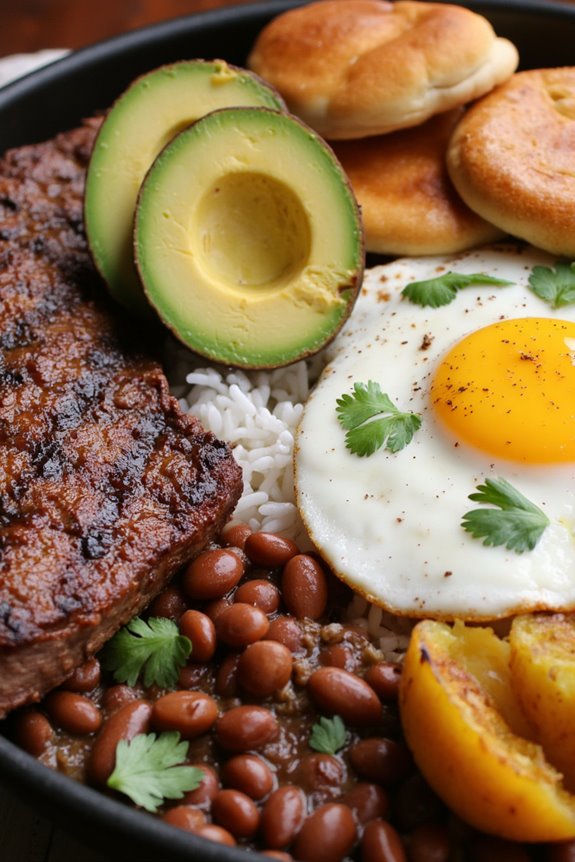
Colombian Bandeja Paisa is a traditional dish that showcases the rich culinary heritage of Colombia, particularly from the Antioquia region. This hearty platter is a feast for the senses, combining various flavors and textures that represent the abundance of the land. The dish typically features grilled steak, chicharrón (crispy pork belly), ground beef, rice, beans, fried plantains, and avocado, all artfully arranged on a single plate.
It’s not just a meal; it’s an experience that captures the essence of Colombian hospitality and culture. Preparing Bandeja Paisa requires a bit of time and effort, but the result is well worth it. Each component of the dish plays a vital role in creating a balanced and satisfying meal.
As you start this culinary journey, remember that the key to a successful Bandeja Paisa lies in the quality of the ingredients and the love you put into the preparation. Gather your family and friends, as this dish is meant to be shared and enjoyed together.
Ingredients (Serves 4-6 people)
- 1 lb flank steak
- 1 lb chicharrón (crispy pork belly)
- 1 lb ground beef
- 2 cups cooked white rice
- 2 cups red beans (cooked)
- 2 ripe plantains (sliced)
- 2 ripe avocados (halved)
- 4 eggs
- 1 cup arepas (corn cakes)
- 1 tablespoon garlic powder
- 1 tablespoon cumin
- 2 tablespoons vegetable oil
- Salt and pepper to taste
- Fresh cilantro (for garnish)
Cooking Instructions
- Prepare the Flank Steak: Season the flank steak with salt, pepper, garlic powder, and cumin. Let it marinate for at least 30 minutes. In a grill or skillet over medium-high heat, cook the steak for about 5-7 minutes per side for medium-rare. Once cooked, let it rest for a few minutes before slicing it against the grain.
- Cook the Chicharrón: In a deep fryer or a heavy pan, heat oil over medium heat. Carefully add the chicharrón and fry until it turns golden and crispy. This usually takes about 10-15 minutes. Remove and drain on paper towels to absorb excess oil.
- Brown the Ground Beef: In a skillet, heat 1 tablespoon of vegetable oil over medium heat. Add the ground beef, season with salt and pepper, and cook until browned, breaking it apart with a wooden spoon. This should take about 8-10 minutes. Drain any excess fat.
- Fry the Plantains: In a separate skillet, heat 1 tablespoon of vegetable oil over medium heat. Add the sliced plantains and fry until golden brown and caramelized on both sides, about 3-4 minutes per side. Remove and drain on paper towels.
- Cook the Eggs: In the same skillet, crack the eggs and fry them sunny-side up or to your preference. Season lightly with salt and pepper.
- Warm the Arepas: Heat the arepas on a hot griddle or in a skillet for about 2-3 minutes on each side, until warmed through and slightly toasted.
- Assemble the Bandeja Paisa: On a large platter, arrange the sliced flank steak, chicharrón, ground beef, rice, beans, fried plantains, and avocado halves. Place the fried eggs on top and serve with warm arepas on the side. Garnish with fresh cilantro.
Extra Tips
When cooking Colombian Bandeja Paisa, it’s important to balance the flavors and textures. Feel free to adjust the seasoning to your liking, and don’t hesitate to add or substitute ingredients based on local availability.
For an authentic touch, consider using fresh, homemade arepas and pairing the dish with a rejuvenating drink like aguapanela or a cold beer. The heartiness of the dish makes it perfect for gatherings, so consider preparing it for a family celebration or a weekend feast!
Peruvian Lomo Saltado

Peruvian Lomo Saltado is a delicious and colorful dish that beautifully marries the flavors of traditional Peruvian cuisine with a hint of Asian influence. This stir-fry features marinated strips of beef sautéed with onions, tomatoes, and French fries, creating a delightful combination of textures and flavors.
Whether served over rice or alongside crispy potatoes, Lomo Saltado is a hearty meal that captures the essence of South American cooking.
The origins of Lomo Saltado can be traced back to the Chinese immigrants who settled in Peru during the 19th century, bringing with them stir-fry techniques and flavors. This dish reflects the cultural fusion that defines Peruvian cuisine. The vibrant colors of the vegetables combined with the succulent beef make it not only a treat for the taste buds but also a feast for the eyes.
Ready to impress your family or guests? Let’s plunge into this recipe!
Ingredients (Serves 4-6):
- 1 ½ pounds of beef sirloin, sliced into strips
- 2 tablespoons soy sauce
- 2 tablespoons red wine vinegar
- 1 teaspoon cumin
- 3 tablespoons vegetable oil
- 1 large red onion, sliced
- 2 medium tomatoes, diced
- 2 cloves garlic, minced
- 1 jalapeño pepper, sliced (optional)
- ½ cup fresh cilantro, chopped
- 4 medium potatoes, cut into French fries
- Salt and pepper to taste
- Cooked white rice, for serving
Cooking Instructions:
- Marinate the Beef: In a bowl, combine the sliced beef sirloin, soy sauce, red wine vinegar, cumin, salt, and pepper. Allow the beef to marinate for at least 15 minutes, which will help tenderize the meat and infuse it with flavor.
- Fry the Potatoes: In a large skillet or deep fryer, heat oil over medium-high heat. Add the cut potatoes and fry until golden and crispy, about 5-7 minutes. Once done, remove the fries from the oil and place them on a paper towel-lined plate to absorb excess oil. Season with salt.
- Sauté the Beef: In the same skillet used for frying the potatoes, add 2 tablespoons of vegetable oil and heat over medium-high. Once hot, add the marinated beef in a single layer. Sauté for about 3-4 minutes until browned but still tender. Remove the beef from the skillet and set aside.
- Cook the Vegetables: In the same skillet, add the sliced onion, diced tomatoes, and minced garlic. Stir-fry for about 3-4 minutes until the onions become translucent. If you want some heat, add the sliced jalapeño pepper during this step.
- Combine Ingredients: Return the sautéed beef to the skillet with the vegetables, and mix everything together. Cook for an additional 2-3 minutes, allowing the flavors to meld. Stir in the chopped cilantro just before serving for a fresh, herbal note.
- Serve: On a large serving platter, lay down a bed of cooked white rice. Top with the Lomo Saltado mixture and arrange the crispy fries on the side or on top for a beautiful presentation.
Extra Tips:
For an authentic touch, consider using Peruvian aji amarillo peppers if you can find them, as they add a unique flavor.
Feel free to adjust the spice levels to your liking by adding more or fewer jalapeños. For a more complete meal, serve Lomo Saltado with a side of avocado slices or a simple green salad. Enjoy the rich flavors and the cultural history behind this beloved Peruvian dish!
Chilean Pastel De Choclo
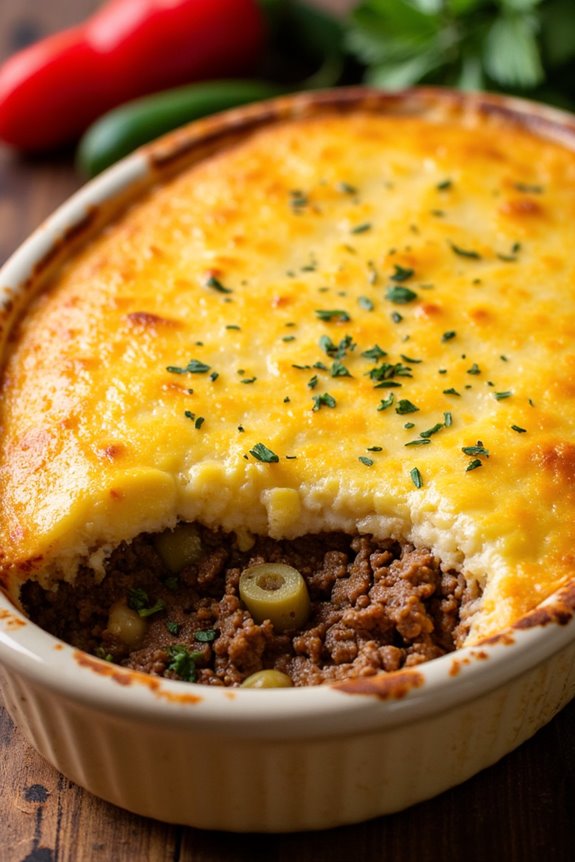
Chilean Pastel De Choclo, a traditional dish from Chile, is a comforting and hearty corn pie that features a delicious combination of ground meat, spices, olives, and a rich corn topping. This dish is often enjoyed during family gatherings and celebrations, bringing together the flavors of the Andes and the warmth of home-cooked meals.
The blend of sweet corn and savory filling creates a delightful contrast that’s sure to please everyone at the table.
To make Pastel De Choclo truly authentic, it’s essential to use fresh ingredients and take your time layering the flavors. The base of the dish is typically made with a mixture of ground beef, onions, and spices, while the corn topping is prepared using fresh corn or a high-quality frozen alternative. This recipe captures the essence of Chilean cuisine and is perfect for a cozy dinner with friends or family.
Ingredients (Serves 4-6):
- 1 lb ground beef
- 1 onion, finely chopped
- 2 cloves garlic, minced
- 1 teaspoon paprika
- 1 teaspoon cumin
- Salt and pepper to taste
- 2 hard-boiled eggs, chopped
- 1 cup green olives, pitted and halved
- 1 cup chicken broth
- 4 cups fresh corn kernels (or 2 cans of sweet corn)
- 1/4 cup milk
- 1 tablespoon butter
- 1/2 teaspoon sugar
- Fresh basil or parsley for garnish (optional)
Cooking Instructions:
- Prepare the Filling: In a large skillet over medium heat, add the ground beef, chopped onion, and minced garlic. Cook until the meat is browned and the onions are translucent, about 5-7 minutes. Stir in paprika, cumin, salt, and pepper, mixing well.
- Add the Liquid: Pour in the chicken broth and let the mixture simmer for an additional 10 minutes, allowing the flavors to meld. Afterward, remove from heat and stir in the chopped hard-boiled eggs and green olives. Set aside.
- Make the Corn Topping: In a blender or food processor, combine the fresh corn (or canned corn, drained), milk, butter, and sugar. Blend until smooth and creamy. If you prefer a bit of texture, you can pulse it a few times instead of completely blending.
- Assemble the Dish: Preheat your oven to 375°F (190°C). In a baking dish, spread the meat filling evenly across the bottom. Pour the corn mixture over the meat, spreading it out to cover completely.
- Bake: Place the baking dish in the preheated oven and bake for about 30-35 minutes, or until the corn topping is golden and set. You can broil it for the last few minutes for an extra crispy top if desired.
- Serve: Once out of the oven, let the Pastel De Choclo cool for a few minutes before slicing. Serve hot, garnished with fresh basil or parsley if you like.
Extra Tips:
For an even richer flavor, consider adding a splash of white wine to the meat mixture while it simmers.
Additionally, you can customize the filling by including other vegetables, such as diced bell peppers or carrots, to enhance the taste and nutritional value.
If time permits, letting the dish sit for a while before serving allows the flavors to deepen and meld together even more. Enjoy your homemade Chilean Pastel De Choclo!
Venezuelan Pabellón Criollo
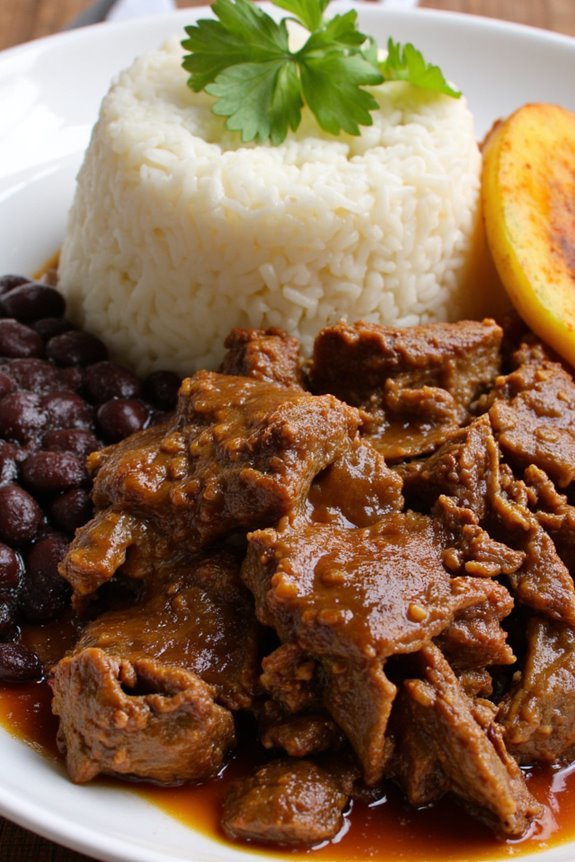
Pabellón Criollo is a traditional Venezuelan dish that beautifully showcases the country’s culinary heritage. This hearty meal is composed of shredded beef, black beans, rice, and fried plantains, creating a vibrant and satisfying plate that isn’t only delicious but also a staple of Venezuelan cuisine. The combination of flavors and textures in Pabellón Criollo makes it a beloved dish among locals and visitors alike, often enjoyed during family gatherings and special occasions.
To prepare Pabellón Criollo, you’ll need to take your time to properly season and cook the beef, allowing it to become tender and flavorful. The black beans are often simmered with spices to enhance their taste, while the rice serves as a fluffy base to soak up all the delicious juices. Fried plantains add a touch of sweetness and contrast to the dish, rounding out this fulfilling meal that’s sure to impress anyone who tries it.
Ingredients (Serves 4-6):
- 2 lbs flank steak or brisket
- 1 onion, chopped
- 4 cloves garlic, minced
- 1 bell pepper, chopped
- 2 teaspoons cumin
- 1 teaspoon oregano
- 1 teaspoon paprika
- 1 bay leaf
- 4 cups beef broth or water
- Salt and pepper, to taste
- 2 cups black beans, cooked and drained
- 2 tablespoons vegetable oil
- 2 cups white rice
- 4 ripe plantains, sliced
- Fresh cilantro, for garnish (optional)
Cooking Instructions:
- Prepare the Beef: Begin by seasoning the flank steak with salt, pepper, cumin, oregano, and paprika. In a large pot, heat a tablespoon of vegetable oil over medium heat. Add the seasoned beef and sear it on all sides until browned, about 5-7 minutes.
- Sauté Vegetables: Once the beef is browned, remove it from the pot and set it aside. In the same pot, add another tablespoon of oil if needed, then sauté the chopped onion, garlic, and bell pepper until they’re soft and fragrant, approximately 3-4 minutes.
- Cook the Beef: Return the seared beef to the pot, add the bay leaf, and pour in the beef broth or water. Bring the mixture to a boil, then reduce the heat to low, cover, and let it simmer for about 2-3 hours, or until the beef is tender and easily shredded with a fork. Stir occasionally and add more liquid if necessary.
- Prepare the Black Beans: While the beef is cooking, prepare the black beans. In a separate pot, combine the cooked black beans with salt, cumin, and a splash of water. Simmer over low heat for about 15-20 minutes to allow the flavors to meld.
- Cook the Rice: Rinse the white rice under cold water until the water runs clear. In a medium saucepan, combine 2 cups of rice with 4 cups of water. Bring to a boil, then reduce the heat to low, cover, and simmer for about 18-20 minutes, or until the rice is fluffy and the water is absorbed.
- Fry the Plantains: While the rice is cooking, heat vegetable oil in a frying pan over medium heat. Add the sliced plantains and fry until golden brown on both sides, about 2-3 minutes per side. Remove from the oil and drain on paper towels.
- Shred the Beef: Once the beef is cooked, remove it from the pot and let it rest for a few minutes. Then, shred it using two forks or your hands, removing any excess fat. Return the shredded beef to the pot with the cooking liquid to keep it moist.
- Serve: To serve, place a generous scoop of rice on each plate, top it with shredded beef, a side of black beans, and fried plantains. Garnish with fresh cilantro if desired.
Extra Tips:
When preparing Pabellón Criollo, consider marinating the beef with spices overnight for a deeper flavor. Additionally, you can adjust the seasoning of the black beans according to your taste preferences.
If you’re short on time, using a pressure cooker can meaningfully reduce the cooking time for the beef while still yielding tender results. Enjoy the dish with a side of avocado or a simple salad for an invigorating contrast.
Uruguayan Chivito

Uruguayan Chivito is a beloved sandwich that embodies the rich culinary heritage of Uruguay. This hearty dish combines tender beef with a variety of toppings, making it a favorite among locals and visitors alike.
With its flavorful blend of ingredients, the Chivito is more than just a meal; it’s an experience that showcases the country’s love for good food and robust flavors.
To make an authentic Uruguayan Chivito, you’ll need high-quality beef steak that’s grilled to perfection. The sandwich is typically assembled with fresh bread and layered with ingredients such as ham, cheese, lettuce, tomato, and a fried egg. This delicious combination results in a mouthwatering treat that’s perfect for lunch or dinner, and is sure to delight anyone who takes a bite.
Ingredients (serving size: 4-6 people)
- 4 beef steaks (such as sirloin or ribeye)
- 4 slices of ham
- 4 slices of mozzarella cheese
- 4 large eggs
- 4 sandwich rolls or buns
- 1 cup lettuce, shredded
- 1 medium tomato, sliced
- Olive oil, for grilling
- Salt and pepper, to taste
- Optional: mayonnaise and green olives for serving
Cooking Instructions
- Prepare the Beef Steaks: Season the beef steaks with salt and pepper. Allow them to sit at room temperature for about 15-20 minutes before cooking. This helps the meat cook more evenly.
- Grill the Steaks: Heat a grill or grill pan over medium-high heat. Add a drizzle of olive oil to prevent sticking. Grill the steaks for about 4-5 minutes on each side or until they reach your desired level of doneness. Once cooked, remove the steaks from the grill and let them rest for a few minutes.
- Cook the Eggs: In a frying pan, add a bit of olive oil and heat over medium. Crack the eggs into the pan and fry them until the whites are set but the yolks are still runny, about 3-4 minutes. If you prefer your eggs cooked through, you can flip them and cook for an additional minute.
- Assemble the Sandwiches: While the eggs are cooking, slice the sandwich rolls in half. On the bottom half of each roll, layer a grilled beef steak, followed by a slice of ham, a slice of mozzarella cheese, a scoop of shredded lettuce, and a few slices of tomato.
- Top with Egg and Serve: Place a fried egg on top of each sandwich. Optionally, spread mayonnaise on the top half of the rolls and add sliced green olives for extra flavor. Close the sandwiches and serve immediately.
Extra Tips
For an even more authentic experience, consider toasting the sandwich rolls on the grill for a minute or two before assembly. This adds a delightful crunch to the sandwich.
Additionally, feel free to customize your Chivito with other toppings like pickles, avocado, or different types of cheese to suit your taste. Enjoy your Chivito with a side of fries or a salad for a complete meal!
Bolivian Silpancho
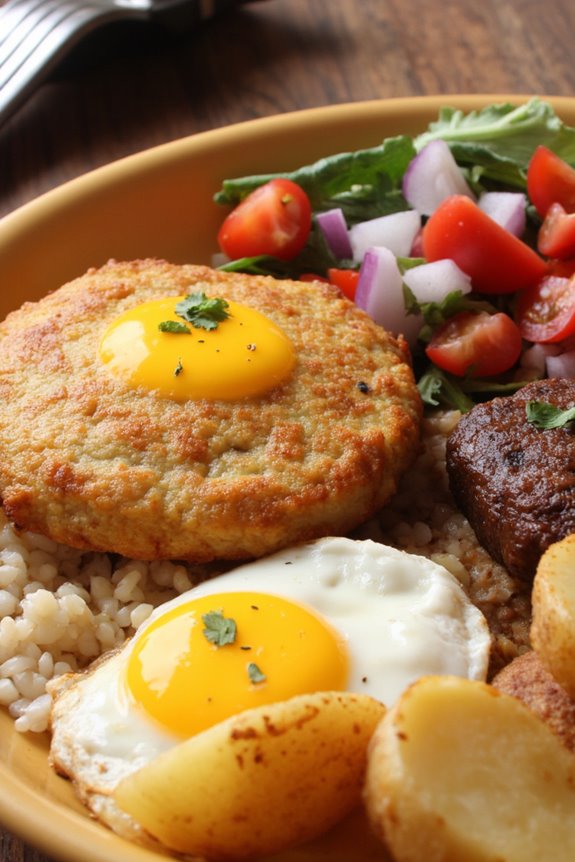
Bolivian Silpancho is a traditional dish that captures the heart of South American cuisine with its delightful combination of flavors and textures. This dish features a tender beef patty that’s breaded and fried to perfection, served atop a bed of rice and potatoes, and garnished with a fresh salad. The origins of Silpancho can be traced back to the city of Cochabamba, where it has become a beloved staple in Bolivian households. Its rich flavors and satisfying components make it a favorite for family gatherings and celebrations.
The beauty of Silpancho lies not only in its taste but also in the way it brings people together. The dish is often served with a side of fresh salsa and a fried egg on top, adding a creamy richness to the ensemble. As you prepare this hearty meal, you’ll appreciate the balance of the crispy meat, the comforting sides, and the invigorating salad that rounds out the dish. Join in the culinary adventure that’s Bolivian Silpancho and delight in a taste of South America.
Ingredients (Serves 4-6)
- 1 pound beef (sirloin or flank steak)
- 1 cup breadcrumbs
- 2 large eggs
- 1/2 cup all-purpose flour
- 4 cups cooked white rice
- 2 large potatoes, peeled and sliced into rounds
- 1 cup salad greens (lettuce, arugula, etc.)
- 1 tomato, diced
- 1/2 onion, finely chopped
- 1/4 cup cilantro, chopped
- 1 teaspoon cumin
- Salt and pepper, to taste
- Cooking oil, for frying
- 4-6 eggs (for topping)
Cooking Instructions
- Prepare the Beef: Begin by placing the beef between two sheets of plastic wrap. Using a meat mallet, pound the beef until it’s about 1/4 inch thick. Season both sides with salt, pepper, and cumin to enhance the flavor.
- Set Up Breading Station: In three separate bowls, place the flour in the first, beaten eggs in the second, and breadcrumbs in the third. This will create a breading station for your beef patties.
- Bread the Beef: Take one piece of seasoned beef and dredge it in the flour, shaking off any excess. Next, dip it into the beaten eggs, making certain it’s fully coated. Finally, press it into the breadcrumbs until it’s evenly covered. Repeat this process for all pieces of beef.
- Fry the Potatoes: In a large skillet, heat oil over medium heat. Once hot, add the sliced potatoes and fry until golden brown and crispy, about 4-5 minutes per side. Remove from the skillet and drain on paper towels. Season with salt while hot.
- Cook the Beef Patties: In the same skillet, add more oil if necessary and heat over medium-high heat. Fry the breaded beef patties for about 3-4 minutes on each side, or until they’re golden brown and cooked through. Remove and drain on paper towels.
- Prepare the Salad: In a bowl, combine the salad greens, diced tomato, chopped onion, and cilantro. Toss lightly to mix and set aside.
- Fry the Eggs: In a separate skillet, fry the eggs sunny-side up, cooking until the whites are set but the yolks remain runny. This will add a rich and creamy texture to the dish.
- Assemble the Dish: To serve, place a bed of rice on each plate, followed by 2-3 potato slices. Top with a beef patty and then place a fried egg on top. Garnish with the fresh salad on the side.
Extra Tips
When making Bolivian Silpancho, it’s important to confirm that the oil is hot enough before frying the beef and potatoes to achieve that perfect crispy texture.
You can also experiment with the salad by adding ingredients like avocado or bell peppers for extra flavor and color. If you prefer a spicier dish, consider serving it with a side of Bolivian-style salsa or hot sauce.
Finally, feel free to customize the size of the beef patties according to your preference, making them larger or smaller as you see fit. Enjoy your culinary journey into Bolivian cuisine!
Paraguayan Sopa Paraguaya
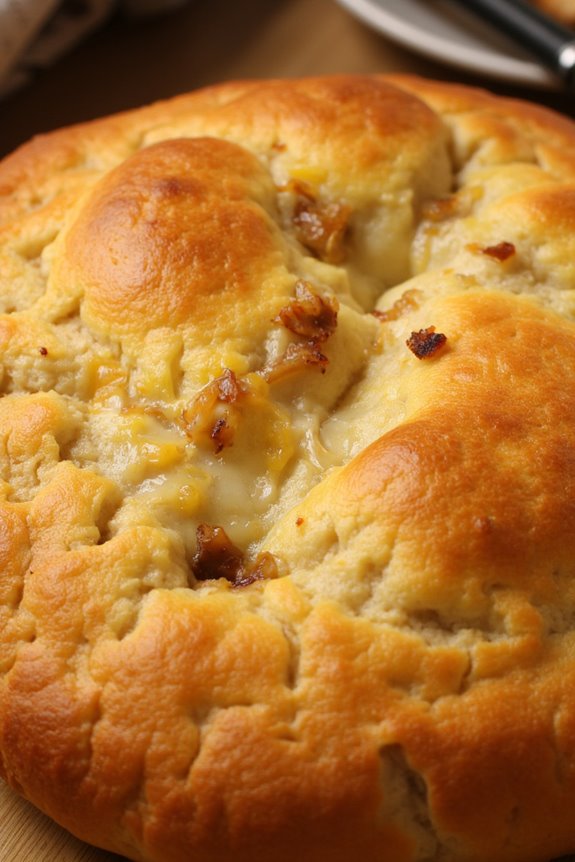
Sopa Paraguaya is a delightful and traditional dish from Paraguay, often referred to as a cornbread rather than a soup, despite its name. This hearty dish combines the flavors of corn, cheese, and onions to create a savory, moist bread that’s perfect as a side or a standalone dish. Its texture is somewhat similar to a cake, and it’s typically served warm, making it an excellent addition to any meal, especially when paired with grilled meats or alongside a fresh salad.
The name “Sopa Paraguaya” translates to “Paraguayan Soup,” which can be misleading, as it’s actually a baked dish. The origins of this recipe date back to the Guaraní people, who used simple ingredients to create nourishing meals. Today, Sopa Paraguaya remains a beloved staple in Paraguayan cuisine, often enjoyed at family gatherings and celebrations. This recipe captures the essence of Sopa Paraguaya, inviting you to bring a taste of Paraguay into your kitchen.
Ingredients (serving size: 4-6 people)
- 2 cups of cornmeal
- 1 cup of milk
- 1 cup of water
- 1 cup of shredded cheese (preferably Paraguayan cheese or a mild cheese like mozzarella)
- 1 large onion, finely chopped
- 3 large eggs
- 4 tablespoons of butter, melted
- 1 teaspoon of baking powder
- Salt to taste
Cooking Instructions
- Preheat the Oven: Begin by preheating your oven to 350°F (175°C). This guarantees that the Sopa Paraguaya will cook evenly and develop a nice golden crust.
- Sauté the Onions: In a skillet, melt 2 tablespoons of butter over medium heat. Add the finely chopped onion and sauté until it becomes soft and translucent, about 5-7 minutes. This step enhances the flavor of the onions and adds depth to the dish.
- Mix the Dry Ingredients: In a large mixing bowl, combine the cornmeal, baking powder, and salt. Whisk them together until well blended. This guarantees that the baking powder is evenly distributed throughout the cornmeal.
- Combine Wet Ingredients: In another bowl, whisk together the milk, water, melted butter, and eggs until well combined. The melted butter adds richness to the dish while the eggs help bind the ingredients together.
- Combine All Ingredients: Gradually pour the wet mixture into the dry mixture, stirring continuously. Then, add the sautéed onions and shredded cheese. Mix until everything is just combined, being careful not to overmix, as this can affect the texture.
- Prepare for Baking: Grease a baking dish (approximately 9×13 inches) with the remaining 2 tablespoons of butter. Pour the mixture into the greased dish, spreading it evenly.
- Bake the Sopa Paraguaya: Place the baking dish in the preheated oven and bake for 30-40 minutes, or until the top is golden brown and a toothpick inserted into the center comes out clean. This step is vital for achieving the perfect texture and flavor.
- Cool and Serve: Once baked, remove the Sopa Paraguaya from the oven and let it cool for a few minutes before slicing. This allows the bread to set a little, making it easier to cut into portions.
Extra Tips
For the best results, use freshly grated cheese instead of pre-packaged shredded cheese, as it melts better and contributes to the overall texture. If you prefer a bit of heat, consider adding some chopped jalapeños or diced bell peppers to the onion mixture.
Additionally, serving Sopa Paraguaya with a dollop of sour cream or a side of fresh salsa can elevate the dish even further, providing a delightful contrast to its savory flavor. Enjoy your culinary journey to Paraguay!
Ecuadorian Seco De Carne
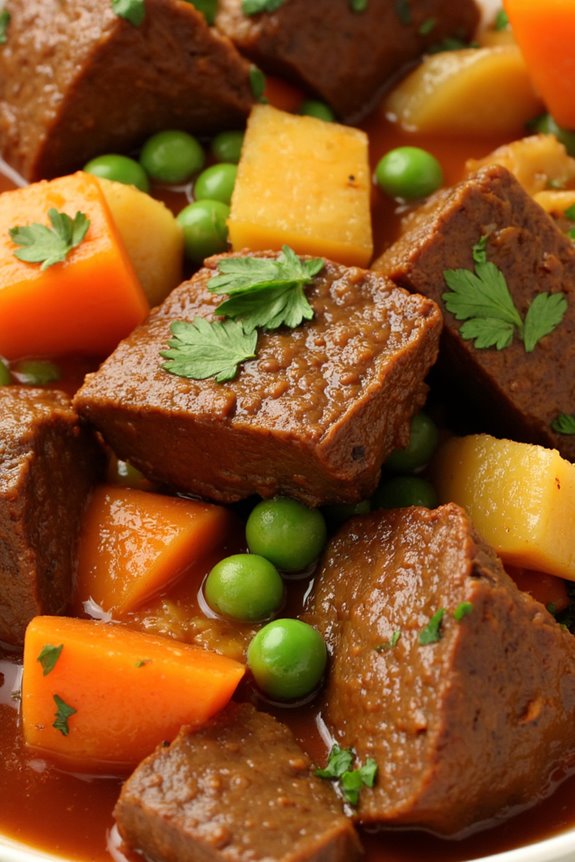
Ecuadorian Seco De Carne is a traditional beef stew that embodies the rich flavors and vibrant culinary heritage of Ecuador. This dish is a perfect combination of tender chunks of beef simmered in a fragrant sauce made from a variety of aromatic ingredients. The use of beer or chicha (a fermented corn beverage) adds a unique depth to the flavor, making it a hearty choice for family gatherings or special occasions.
Seco De Carne is typically served with rice and can be accompanied by avocado, plantains, or a fresh salad for a balanced meal. The beauty of Seco De Carne lies in its versatility and the warmth it brings to the table. Each region in Ecuador may have its own variation, but the essence remains the same—a flavorful beef stew that warms the soul.
The dish is often enjoyed on weekends or during festive celebrations, making it a beloved staple in Ecuadorian households. Prepare to indulge in this savory delight that captures the heart of South American cooking.
Ingredients (Serves 4-6)
- 2 lbs beef chuck or brisket, cut into cubes
- 2 tablespoons vegetable oil
- 1 large onion, finely chopped
- 4 cloves garlic, minced
- 1 bell pepper, chopped (red or green)
- 2 medium tomatoes, diced
- 1 cup fresh cilantro, chopped
- 1 cup beer or chicha
- 2 cups beef broth
- 2 teaspoons cumin
- 1 teaspoon paprika
- Salt and pepper, to taste
- 2 bay leaves
- 2 medium carrots, sliced
- 1 cup green peas (fresh or frozen)
- 1 tablespoon lime juice
Cooking Instructions
- Marinate the Beef: In a large bowl, combine the beef cubes with salt, pepper, cumin, and lime juice. Let it marinate for at least 30 minutes to enhance the flavors and tenderize the meat.
- Sear the Meat: Heat the vegetable oil in a large pot over medium-high heat. Once hot, add the marinated beef cubes and sear them until browned on all sides. This step locks in the juices and adds a rich flavor to the stew. Remove the beef and set it aside.
- Sauté the Aromatics: In the same pot, add the chopped onion, garlic, and bell pepper. Sauté for about 5-7 minutes until the onion is translucent and aromatic. This will serve as the flavor base for the stew.
- Add Tomatoes and Cilantro: Stir in the diced tomatoes and chopped cilantro. Cook for an additional 3-4 minutes until the tomatoes soften. The fresh cilantro adds brightness to the dish.
- Deglaze with Beer: Pour in the beer or chicha, scraping the bottom of the pot to release any browned bits. This step adds depth and complexity to the stew. Allow it to simmer for about 5 minutes to reduce slightly.
- Combine Everything: Return the seared beef to the pot, add the beef broth, bay leaves, and carrots. Stir well to combine all ingredients. Bring the mixture to a gentle boil.
- Simmer the Stew: Reduce the heat to low, cover the pot, and let the stew simmer for about 1.5 to 2 hours, or until the beef is tender. Stir occasionally to prevent sticking. If the stew gets too thick, add a little more broth or water.
- Add Peas and Final Touches: In the final 10 minutes of cooking, add the green peas. Taste the stew and adjust the seasoning with more salt and pepper if necessary. Remove the bay leaves before serving.
- Serve: Serve the Seco De Carne hot, accompanied by white rice, avocado slices, and fried plantains for a complete meal.
Extra Tips
When making Seco De Carne, using a good cut of beef is essential for achieving tenderness and flavor. Allowing the beef to marinate helps to infuse the meat with spices, enhancing the overall taste of the dish.
For added flavor, consider throwing in a few whole spices such as cloves or peppercorns during simmering. If you prefer a thicker sauce, you can mash a few pieces of the beef and stir them back into the stew.
Finally, feel free to adjust the spice levels according to your preference, as Ecuadorian cuisine can range from mild to spicy, depending on regional variations. Enjoy this heartwarming dish with family and friends!
Surinamese Roti Bakra
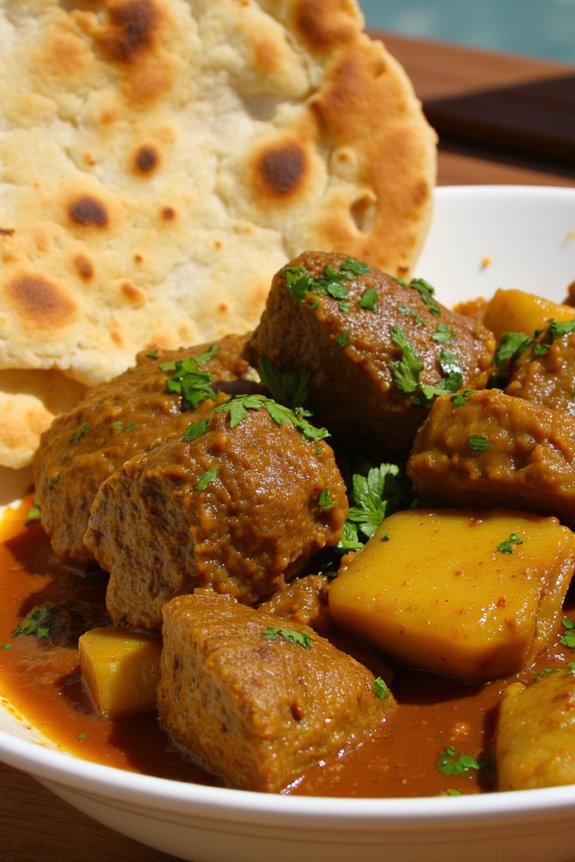
Surinamese Roti Bakra is a delicious and hearty dish that beautifully encapsulates the vibrant flavors of South American cuisine. This dish features tender beef, marinated in a medley of spices, and served with soft, flaky roti bread. Originating from Suriname, a multicultural nation, this recipe showcases the blend of Caribbean and Indian influences that characterize the region’s culinary traditions.
Making Roti Bakra isn’t only about the delightful taste but also about the experience of cooking and sharing it with loved ones. The tender beef is slow-cooked until it’s melt-in-your-mouth tender, making it the star of the dish. Paired with freshly made roti, this meal is perfect for family gatherings or casual dinners with friends.
Ingredients (Serves 4-6):
- 2 pounds beef (chuck or brisket), cut into 1-inch cubes
- 2 tablespoons vegetable oil
- 1 large onion, finely chopped
- 4 cloves garlic, minced
- 1-inch piece of ginger, grated
- 2-3 tablespoons curry powder
- 1 teaspoon ground cumin
- 1 teaspoon ground coriander
- 1 teaspoon turmeric powder
- 2-3 green chilies, slit (adjust for spice level)
- 1 can (14 oz) coconut milk
- 1 cup beef broth
- Salt to taste
- Fresh cilantro, chopped (for garnish)
- 4-6 pieces of roti (store-bought or homemade)
Cooking Instructions:
- Marinate the Beef: In a large bowl, combine the cubed beef with curry powder, cumin, coriander, turmeric, and salt. Confirm that all the pieces are well-coated. Cover the bowl and let it marinate for at least 1 hour, or preferably overnight in the refrigerator. This step enhances the flavor of the meat.
- Sauté the Aromatics: In a large pot or Dutch oven, heat the vegetable oil over medium heat. Add the chopped onions and sauté until they turn golden brown, about 5-7 minutes. Then, add the minced garlic and grated ginger, cooking for another minute until fragrant.
- Brown the Beef: Add the marinated beef to the pot, and increase the heat to medium-high. Brown the beef on all sides, which should take about 8-10 minutes. This step adds depth to the flavor of the beef and helps to seal in its juices.
- Add Liquids and Simmer: Pour in the coconut milk and beef broth, adding the slit green chilies. Stir well to combine and bring the mixture to a gentle boil. Once boiling, reduce the heat to low, cover the pot, and let it simmer for about 1.5 to 2 hours, or until the beef is tender. Stir occasionally to prevent sticking.
- Adjust Seasoning: Once the beef is tender, taste the sauce and adjust seasoning if needed. If the sauce is too thick, add a little more beef broth or water. Let it simmer uncovered for an additional 10-15 minutes to thicken if necessary.
- Prepare the Roti: While the beef is finishing, prepare the roti according to package instructions if using store-bought, or make your own if preferred. Keep the roti warm by wrapping them in a clean kitchen towel.
- Serve: Spoon the beef mixture into bowls, garnishing with fresh chopped cilantro. Serve alongside warm roti, allowing everyone to scoop up the flavorful beef stew with the bread.
Extra Tips:
When making Roti Bakra, it’s essential to allow the beef enough time to marinate and cook slowly to develop rich flavors. If you prefer a thicker sauce, you can simmer it uncovered for a longer time.
Additionally, feel free to customize the spice level by adding more or fewer green chilies according to your taste. This dish is perfect for leftovers, as the flavors deepen even more the next day!
Guyanese Pepperpot
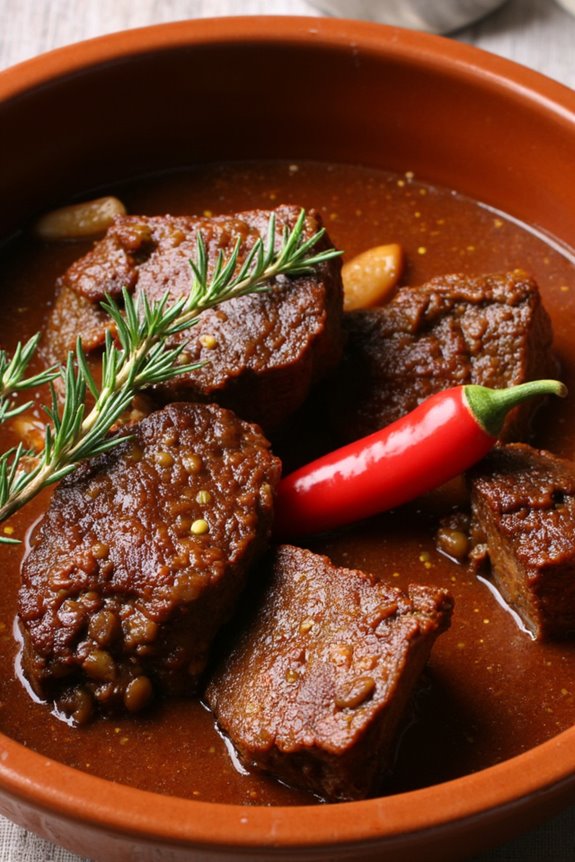
Guyanese Pepperpot is a traditional holiday dish that embodies the rich culinary heritage of Guyana. This hearty stew is renowned for its unique blend of spices, primarily featuring the aromatic flavors of cinnamon, cloves, and allspice, which meld beautifully with the tender cuts of beef. Traditionally served during Christmas time, this dish is a favorite at gatherings and celebrations, where the savory aroma fills the air and invites everyone to the table.
With its deep, spicy sauce and robust flavors, Guyanese Pepperpot is sure to warm both the belly and the soul.
Preparing Guyanese Pepperpot is a labor of love, as the dish benefits from slow cooking to allow the flavors to develop fully. The use of cassareep, a thick, dark sauce made from cassava, is essential in this recipe, giving the stew its distinctive color and depth of flavor. This dish is typically accompanied by bread or rice, making it a complete meal that’s perfect for sharing with family and friends.
Let’s explore the ingredients and preparation steps to create this delightful dish.
Ingredients (Serves 4-6):
- 3 lbs beef (brisket or chuck), cut into large chunks
- 2 cups water
- 1 cup cassareep
- 2 medium onions, chopped
- 4 cloves garlic, minced
- 2-3 sprigs fresh thyme
- 1-2 Scotch bonnet peppers (whole, adjust for heat preference)
- 1 teaspoon cinnamon powder
- 1 teaspoon allspice powder
- 1 teaspoon black pepper
- 3-4 whole cloves
- Salt to taste
- 2 tablespoons vegetable oil
- 2 cups beef stock (optional for extra flavor)
Cooking Instructions:
- Prepare the Beef: Begin by rinsing the beef chunks under cold water and patting them dry with paper towels. This step helps to remove any impurities and excess moisture, which is important for achieving a good sear when cooking.
- Brown the Beef: In a large, heavy-bottomed pot, heat the vegetable oil over medium-high heat. Add the beef chunks in batches, ensuring not to overcrowd the pot. Sear the meat until it’s browned on all sides, about 5-7 minutes per batch. This step develops a rich flavor that enhances the overall taste of the stew.
- Sauté Aromatics: Once the beef is browned, remove it from the pot and set it aside. In the same pot, add the chopped onions and minced garlic. Sauté for about 3-4 minutes until the onions are translucent and fragrant, scraping up any browned bits from the bottom of the pot.
- Combine Ingredients: Return the browned beef to the pot and stir in the water, cassareep, thyme, Scotch bonnet peppers, cinnamon powder, allspice powder, black pepper, whole cloves, and salt. If using, add the beef stock at this stage to enrich the flavor.
- Simmer the Stew: Bring the mixture to a boil, then reduce the heat to low. Cover the pot and let it simmer for about 2-3 hours, or until the beef is tender and the flavors have melded together. Stir occasionally and check the liquid level; add more water or stock if necessary to keep the beef submerged.
- Adjust Seasoning: After the cooking time, taste the stew and adjust the seasoning as needed with more salt or spices. If you prefer a thicker sauce, you can remove the lid and let it cook uncovered for the last 30 minutes of cooking.
- Serve: Once the beef is tender and the sauce is well-seasoned, remove the Scotch bonnet pepper before serving. Ladle the hearty Pepperpot into bowls and serve hot, accompanied by bread or rice.
Extra Tips: When making Guyanese Pepperpot, consider preparing it a day in advance, as the flavors deepen and improve overnight.
Also, feel free to adjust the heat level by using fewer Scotch bonnet peppers or removing the seeds. This dish can be stored in the refrigerator for several days and tastes even better as leftovers, making it perfect for meal prep. Enjoy this delicious dish with friends and family for a truly memorable dining experience!
