


Exploring Peruvian cuisine is like opening a treasure chest of flavors and history. Each dish tells a story, from the refreshing ceviche to the comforting aji de gallina. These 14 iconic recipes give a taste of the diverse cultures that make Peru’s food so special. Whether you’re a seasoned cook or just love trying new things, these dishes will surely inspire you. Let’s discover what makes each one unique.
Ceviche
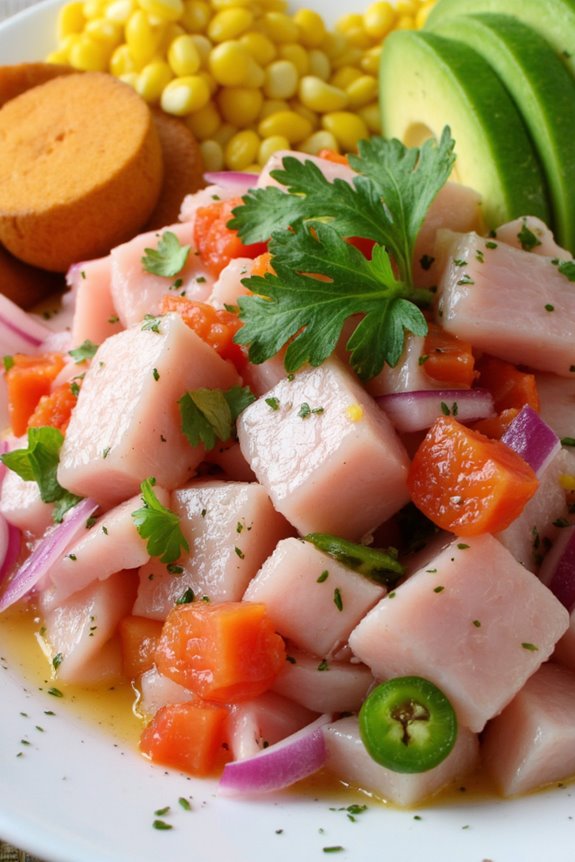
Ceviche is a traditional Peruvian dish that beautifully showcases the country’s rich culinary heritage. This invigorating seafood dish typically features raw fish marinated in freshly squeezed lime or lemon juice, along with a medley of spices and vegetables. The acidity of the citrus juice “cooks” the fish, resulting in a vibrant and flavorful dish that’s both light and satisfying.
Ceviche is often served as an appetizer or a main course, and it pairs wonderfully with side dishes such as sweet potatoes, corn, or avocado.
The origins of ceviche can be traced back to ancient Peru, where it was prepared by marinating fish in fermented fruit juices. Over the centuries, different regions have put their spin on the dish, incorporating local ingredients and flavors.
Today, ceviche is enjoyed not only in Peru but around the globe, celebrated for its bold flavors and invigorating qualities. Whether you’re looking to impress guests at a dinner party or simply enjoy a taste of Peru at home, making ceviche is a delightful culinary adventure.
Ingredients (Serves 4-6):
- 1 pound of fresh white fish (such as snapper, tilapia, or cod), diced into small cubes
- 1 cup of freshly squeezed lime juice (about 8-10 limes)
- 1 small red onion, thinly sliced
- 1-2 jalapeño peppers, finely chopped (adjust for spice preference)
- 1 cup of diced tomatoes
- 1/2 cup of chopped fresh cilantro
- Salt and pepper to taste
- 1 avocado, sliced (for serving)
- Sweet potato, boiled and sliced (for serving)
- Corn on the cob, boiled (for serving)
Cooking Instructions:
- Prepare the Fish: Start by selecting high-quality, fresh fish. Rinse the fish under cold water and pat it dry with paper towels. Cut the fish into small cubes, about 1/2 inch in size. This guarantees even marination and a pleasant texture.
- Marinate the Fish: In a large glass or ceramic bowl (avoid metal, as it can react with the acid), combine the diced fish with the freshly squeezed lime juice. Make sure the fish is fully submerged in the juice, as this is what’ll “cook” the fish. Cover the bowl with plastic wrap and place it in the refrigerator for about 15-30 minutes, depending on how “cooked” you like your fish. The fish should turn opaque when ready.
- Add Vegetables: Once the fish has marinated, add the thinly sliced red onion, chopped jalapeños, diced tomatoes, and chopped cilantro to the bowl. Gently toss the mixture to combine all the ingredients evenly. Season with salt and pepper to taste.
- Plate the Ceviche: To serve, spoon the ceviche into chilled bowls. Garnish each serving with slices of avocado, and arrange slices of boiled sweet potato and corn on the side for a traditional Peruvian touch.
- Serve Immediately: Ceviche is best enjoyed fresh, so it’s ideal to serve it immediately after preparation. If you’re making it ahead of time, marinate the fish only until it’s opaque, then add the vegetables and seasonings right before serving.
Extra Tips:
When making ceviche, the freshness of the fish is vital for the best flavor and safety. Always purchase fish from a reputable source and confirm it’s sushi-grade if you plan to eat it raw.
Additionally, feel free to experiment with different seafood like shrimp or scallops for a variation on the classic recipe. Adjust the spice level by adding more or less jalapeño, and don’t hesitate to include other herbs like parsley or mint for a unique twist!
Lomo Saltado

Lomo Saltado is a classic Peruvian dish that beautifully melds the culinary influences of Chinese immigrants with traditional Peruvian flavors. At its core, this dish features marinated strips of beef sautéed with onions, tomatoes, and a medley of spices, all served over a bed of fluffy rice and crispy French fries. It captures the essence of comfort food while showcasing the vibrant flavors that Peru is known for.
This beloved dish isn’t only a staple in Peruvian households but has also gained immense popularity around the world. The combination of savory, tangy, and slightly sweet notes makes each bite a delightful experience. Whether you’re serving it for a family dinner or a special occasion, Lomo Saltado is sure to impress and satisfy any appetite.
Ingredients (Serves 4-6)
- 1.5 lbs beef sirloin, cut into strips
- 2 tablespoons soy sauce
- 1 tablespoon red wine vinegar
- 1 tablespoon olive oil
- 1 medium onion, sliced
- 2 medium tomatoes, sliced
- 1 yellow chili pepper (aji amarillo), sliced (optional)
- 2 cloves garlic, minced
- Salt and pepper, to taste
- Fresh cilantro, chopped (for garnish)
- 4 cups cooked white rice
- 4 cups French fries
Cooking Instructions
- Marinate the Beef: In a bowl, combine the beef strips with soy sauce, red wine vinegar, and a pinch of salt and pepper. Mix well and let it marinate for at least 15-30 minutes. This step not only infuses flavor into the meat but also helps in tenderizing it.
- Prepare the Fries: While the beef is marinating, cook the French fries according to package instructions or your preferred method. You can either deep-fry them or bake them until golden and crispy. Set aside when done.
- Sauté the Vegetables: In a large skillet or wok, heat the olive oil over medium-high heat. Add the sliced onions and sauté for about 2-3 minutes until they become translucent. Add the minced garlic and yellow chili pepper (if using) and sauté for an additional minute until fragrant.
- Cook the Beef: Increase the heat to high, add the marinated beef strips to the skillet, and stir-fry for about 5-7 minutes until the meat is browned and cooked to your desired level of doneness. Be sure to stir frequently to guarantee even cooking.
- Add Tomatoes: Once the beef is cooked, toss in the sliced tomatoes and stir-fry for another 2-3 minutes. The tomatoes should soften slightly but retain their shape. This adds a crisp and juicy component to the dish.
- Combine and Serve: Once everything is well combined and heated through, remove the skillet from heat. Serve the Lomo Saltado by placing a generous scoop of the beef and vegetable mixture over a bed of cooked rice, and top it with crispy French fries. Garnish with freshly chopped cilantro.
Extra Tips
To elevate the flavors of your Lomo Saltado, consider adding a splash of lime juice just before serving for a revitalizing zing. Additionally, feel free to experiment with different vegetables such as bell peppers or even adding a bit of cumin for a deeper flavor.
Make sure not to overcrowd the pan while cooking the beef, as this can cause it to steam rather than sear, guaranteeing a nice caramelization and depth of flavor. Enjoy your culinary journey with this delicious Peruvian classic!
Aji De Gallina
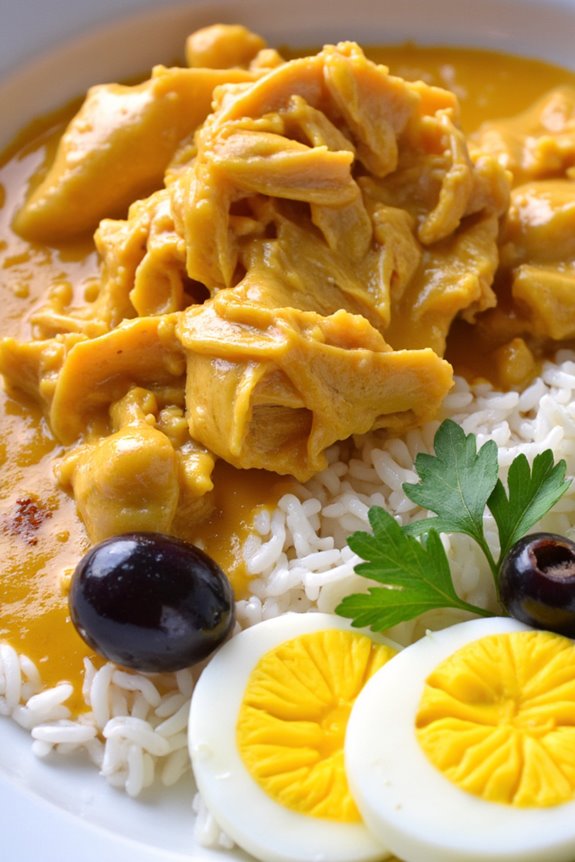
Aji De Gallina is a traditional Peruvian dish known for its rich and creamy sauce made from aji amarillo peppers, which give it a distinctive yellow color and a mild heat. This dish typically features shredded chicken, which is cooked to perfection and then combined with a sauce made from nuts, cheese, and spices. Aji De Gallina is often served over rice, making it a fulfilling meal that captures the essence of Peruvian cuisine.
The dish has its roots in the colonial period, where it blended indigenous ingredients with European influences. Aji De Gallina isn’t only popular in homes across Peru but is also a favorite in restaurants. Its creamy texture and flavorful profile make it a beloved dish for special occasions and family gatherings.
Ingredients (Serves 4-6):
- 1 whole chicken (about 3-4 pounds)
- 1 medium onion, chopped
- 2 garlic cloves, minced
- 2-3 aji amarillo peppers, seeds removed and chopped
- 1 cup of unsalted peanuts or walnuts
- 1 cup of evaporated milk
- 1 cup of chicken broth
- 1 cup of grated Parmesan cheese
- 4 slices of white bread, crusts removed
- 1 tablespoon of olive oil
- Salt and pepper to taste
- Boiled eggs, for garnish
- Black olives, for garnish
- Fresh parsley, for garnish
Cooking Instructions:
- Cook the Chicken: In a large pot, place the whole chicken and cover it with water. Add salt and boil until the chicken is fully cooked and tender, about 30-40 minutes. Once cooked, remove the chicken from the pot and let it cool. Reserve the chicken broth for later use.
- Prepare the Aji Sauce: In a blender, combine the chopped aji amarillo peppers, garlic, peanuts (or walnuts), and evaporated milk. Blend until the mixture is smooth and creamy. Set this sauce aside for later.
- Sauté the Aromatics: In a large skillet, heat the olive oil over medium heat. Add the chopped onion and sauté until golden brown, about 5-7 minutes. This will help enhance the flavor of the dish.
- Combine Ingredients: Once the onions are sautéed, add the blended aji sauce to the skillet. Stir well and bring it to a gentle simmer. Gradually add the reserved chicken broth, mixing until the sauce reaches your desired consistency.
- Shred the Chicken: While the sauce is simmering, shred the cooled chicken into bite-sized pieces, discarding the bones and skin. Add the shredded chicken to the sauce, along with the grated Parmesan cheese. Stir until the chicken is well coated in the sauce and heated through.
- Prepare the Bread: Tear the white bread into small pieces and add it to the sauce, stirring until the bread absorbs some of the sauce and thickens it. Season with salt and pepper to taste.
- Serve: Serve the Aji De Gallina hot over a bed of white rice. Garnish with slices of boiled eggs, black olives, and a sprinkle of fresh parsley for an added touch.
Extra Tips:
For a richer flavor, consider toasting the peanuts or walnuts before adding them to the sauce. You can also adjust the spice level by adding more or fewer aji amarillo peppers, depending on your preference. Additionally, if you want a smoother sauce, you can strain the sauce before adding the chicken.
Aji De Gallina pairs beautifully with a side of boiled potatoes or a fresh salad, making it a versatile and satisfying meal.
Causa Rellena
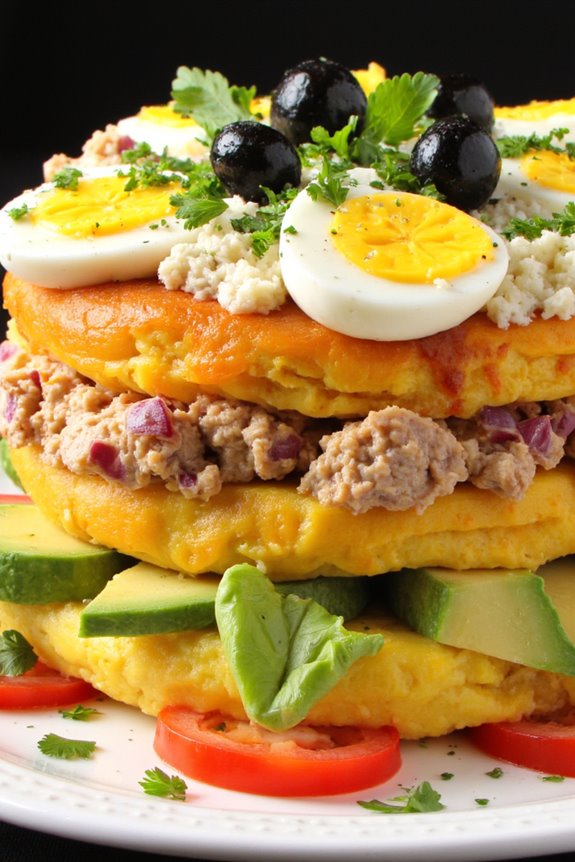
Causa Rellena is a traditional Peruvian dish that showcases the vibrant flavors and textures of the country’s diverse cuisine. This cold layered potato dish is made from yellow Peruvian potatoes, known as “papas amarillas,” which are combined with lime juice, aji amarillo (yellow chili), and various fillings. This dish isn’t only visually appealing but also offers a delightful combination of creamy and tangy flavors, making it a popular choice for gatherings and celebrations in Peru.
The versatility of Causa Rellena allows for a variety of fillings, including chicken, tuna, or avocado, making it adaptable to different tastes. The dish is typically assembled in layers, with the potato mixture forming the base and the filling placed in the center, then topped with another layer of the potato mix. Garnished with olives and hard-boiled eggs, Causa Rellena is a revitalizing appetizer or main dish that can be enjoyed at any time of the year.
Ingredients (Serves 4-6):
- 1 kg yellow potatoes
- 1/2 cup lime juice
- 2-3 tablespoons aji amarillo paste
- 1/2 cup mayonnaise
- 1 can (approximately 200g) tuna, drained (or 300g shredded cooked chicken)
- 1/2 red onion, finely chopped
- 1 avocado, sliced
- 2 hard-boiled eggs, sliced
- Salt to taste
- Black olives for garnish
- Fresh cilantro for garnish (optional)
Cooking Instructions:
- Prepare the Potatoes: Begin by boiling the yellow potatoes in salted water until fork-tender, which usually takes about 20-30 minutes. Once cooked, drain the potatoes and allow them to cool slightly.
- When they’re cool enough to handle, peel the potatoes and mash them until smooth, making sure there are no lumps.
- Mix the Potato Mixture: In a large bowl, combine the mashed potatoes with lime juice, aji amarillo paste, and salt. Mix well to guarantee that the flavors are evenly distributed, and the mixture is smooth and creamy.
- Taste and adjust the seasoning if necessary.
- Prepare the Filling: In another bowl, combine the drained tuna (or shredded chicken) with mayonnaise, chopped red onion, and a pinch of salt. Mix until all the ingredients are well incorporated. This will serve as the filling for the causa.
- Assemble the Causa: In a rectangular or round mold, layer half of the potato mixture at the bottom, pressing down to create an even layer.
- Next, spread the filling over the potato layer, smoothing it out to cover the entire surface.
- Add the sliced avocado on top of the filling, then add the remaining potato mixture on top, pressing down gently to create a compact layer.
- Chill and Serve: Cover the assembled causa with plastic wrap and refrigerate for at least 1-2 hours to allow the flavors to meld and the dish to firm up.
- Once chilled, carefully remove the mold, and garnish the top with sliced hard-boiled eggs and black olives. Optionally, sprinkle with fresh cilantro for added flavor and presentation.
Extra Tips:
When making Causa Rellena, it’s important to use quality yellow potatoes, as they provide the best texture and flavor.
Adjust the amount of lime juice and aji amarillo based on your taste preference; you can make it milder or spicier as desired.
Additionally, consider adding other ingredients to the filling, such as diced bell peppers or corn, to enhance the dish’s flavor and texture.
This dish can be prepared a day ahead, making it a convenient option for parties or family gatherings.
Pollo a La Brasa

Pollo a La Brasa, or Peruvian rotisserie chicken, is one of the most beloved dishes in Peru. This flavorful chicken is marinated in a blend of spices and herbs, giving it a unique taste that’s both savory and slightly smoky. Traditionally cooked over charcoal, Pollo a La Brasa is often served with a side of French fries and a variety of dipping sauces. The dish has gained a loyal following beyond Peru, making it a must-try for anyone interested in Latin American cuisine.
The secret to the perfect Pollo a La Brasa lies in the marinade, which typically includes ingredients like garlic, cumin, paprika, and soy sauce. The chicken is best marinated for several hours or overnight, allowing the flavors to fully penetrate the meat. When cooked, the chicken’s skin becomes crispy and golden while the meat remains juicy and tender. This dish is perfect for gatherings and family meals, making it a delightful addition to any dinner table.
Ingredients (Serves 4-6)
- 1 whole chicken (3-4 pounds)
- 4 cloves garlic, minced
- 1 tablespoon ground cumin
- 1 tablespoon paprika (preferably smoked)
- 1 tablespoon dried oregano
- 1 tablespoon soy sauce
- 1 tablespoon white vinegar
- 1 tablespoon mustard
- 1 tablespoon olive oil
- Salt and pepper to taste
- Fresh lime wedges (for serving)
- French fries (for serving)
Cooking Instructions
- Prepare the Marinade: In a large bowl, combine the minced garlic, ground cumin, paprika, dried oregano, soy sauce, white vinegar, mustard, olive oil, salt, and pepper. Mix well until all ingredients are incorporated into a smooth marinade.
- Marinate the Chicken: Rinse the chicken under cold water and pat it dry with paper towels. Place the chicken in a large resealable plastic bag or a deep dish. Pour the marinade over the chicken, ensuring it’s evenly coated. Seal the bag or cover the dish, then refrigerate for at least 4 hours or overnight for the best flavor.
- Preheat the Grill or Oven: If using a charcoal grill, light the charcoal and let it burn until covered with white ash. If using an oven, preheat it to 425°F (220°C).
- Cook the Chicken: When the grill or oven is ready, place the chicken on the grill grates or a roasting pan, breast side up. If grilling, cook the chicken indirect heat, turning occasionally, for about 1 hour or until the internal temperature reaches 165°F (75°C). If roasting in the oven, cook for 50-60 minutes, basting occasionally with juices from the pan.
- Rest and Serve: Once cooked, remove the chicken from the grill or oven and let it rest for 10-15 minutes. This allows the juices to redistribute, ensuring a juicy chicken. Cut the chicken into pieces and serve with lime wedges and French fries on the side.
Extra Tips
For an extra layer of flavor, consider adding a touch of chili powder or cayenne pepper for some heat in the marinade. If you have the option, cooking the chicken over charcoal will impart a wonderful smokiness that enhances the overall taste.
Additionally, serving the chicken with homemade aji verde, a spicy green sauce made from cilantro, jalapeños, and mayonnaise, can elevate the dish to new heights. Enjoy your Pollo a La Brasa with family and friends for a truly authentic Peruvian experience!
Anticuchos
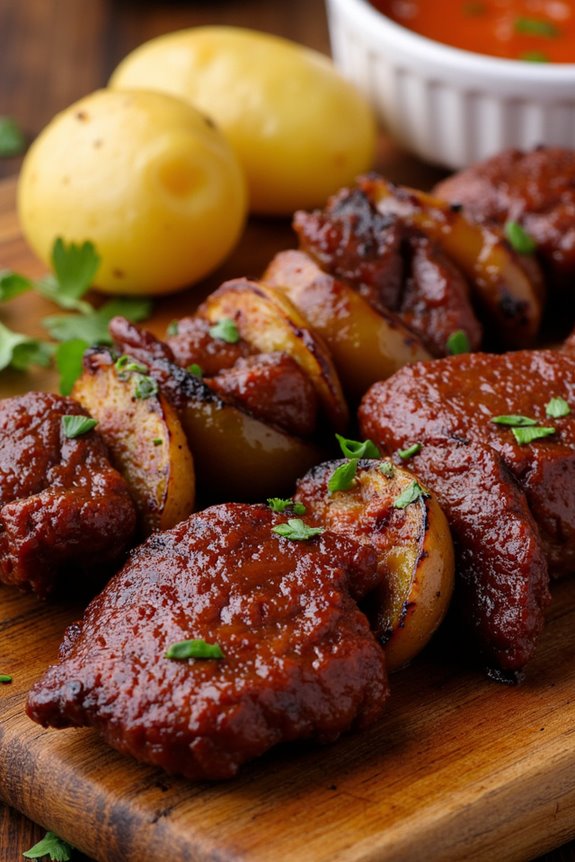
Anticuchos are a beloved Peruvian street food that features skewered and grilled meats, traditionally made from beef heart. This dish is deeply rooted in Peruvian culture and is often enjoyed at festivals, family gatherings, or simply as a delicious meal to share with friends. The preparation involves marinating the meat in a flavorful combination of spices and herbs, then grilling it to perfection.
Anticuchos are typically served with a side of potatoes and a spicy sauce called ají, making them a delightful and hearty dish that showcases the rich flavors of Peruvian cuisine.
While beef heart is the classic choice for anticuchos, you can also use other cuts of beef or even chicken, pork, or vegetables for a variation. The marinade is key to infusing the meat with flavor, so don’t skimp on the ingredients. Once grilled, the anticuchos are often garnished with fresh herbs and served with a tangy sauce for dipping, guaranteeing each bite is bursting with taste.
Whether enjoyed as a snack or as part of a larger meal, anticuchos are sure to impress anyone who tries them.
Ingredients (Serves 4-6)
- 2 lbs beef heart (or alternative meat of choice)
- 1/4 cup red wine vinegar
- 1/4 cup vegetable oil
- 4 cloves garlic, minced
- 1 tablespoon ground cumin
- 1 tablespoon paprika
- 1 teaspoon black pepper
- 1 teaspoon salt
- 1 teaspoon ají panca paste (or chili paste)
- 1/2 cup fresh cilantro, chopped
- 1 medium red onion, cut into wedges (for skewering)
- Wooden or metal skewers
- Boiled potatoes (for serving)
- Ají sauce (for dipping)
Cooking Instructions
1. Prepare the Meat: Start by thoroughly cleaning the beef heart. Remove any excess fat and connective tissue, then cut the meat into 1-inch cubes. If using another type of meat, cut it into similar-sized pieces for even cooking.
2. Marinate the Meat: In a large mixing bowl, combine the red wine vinegar, vegetable oil, minced garlic, ground cumin, paprika, black pepper, salt, and ají panca paste. Whisk the ingredients together until well blended.
Add the cubed meat to the marinade, making sure all pieces are well coated. Cover the bowl with plastic wrap and marinate in the refrigerator for at least 2 hours, ideally overnight for maximum flavor.
3. Soak the Skewers: If you’re using wooden skewers, soak them in water for at least 30 minutes before grilling to prevent them from burning. If using metal skewers, this step isn’t necessary.
4. Skewer the Meat: Once the meat has marinated, take it out of the refrigerator. Thread the meat cubes onto the skewers, alternating with pieces of red onion for added flavor and color.
5. Preheat the Grill: Preheat your grill to medium-high heat. If using a charcoal grill, make sure the coals are evenly distributed and glowing. If using a gas grill, allow it to heat for about 10-15 minutes.
6. Grill the Anticuchos: Place the skewers on the grill and cook for about 10-15 minutes, turning occasionally to achieve an even char. The meat should develop a nice crust on the outside while remaining juicy on the inside.
Cook until the desired doneness is reached, typically medium-rare for beef heart.
7. Serve: Once cooked, remove the skewers from the grill and let them rest for a few minutes. Serve the anticuchos with boiled potatoes and ají sauce on the side for dipping. Garnish with fresh cilantro if desired.
Extra Tips
When making anticuchos, feel free to experiment with the marinade by adding other spices or herbs to suit your taste. If you prefer a bit of heat, consider adjusting the amount of ají panca paste or adding fresh chili peppers to the marinade.
Additionally, grilling over charcoal can enhance the smokiness of the meat, adding another layer of flavor to this traditional dish. Enjoy your anticuchos with a cold beverage for the ultimate Peruvian experience!
Papa a La Huancaina
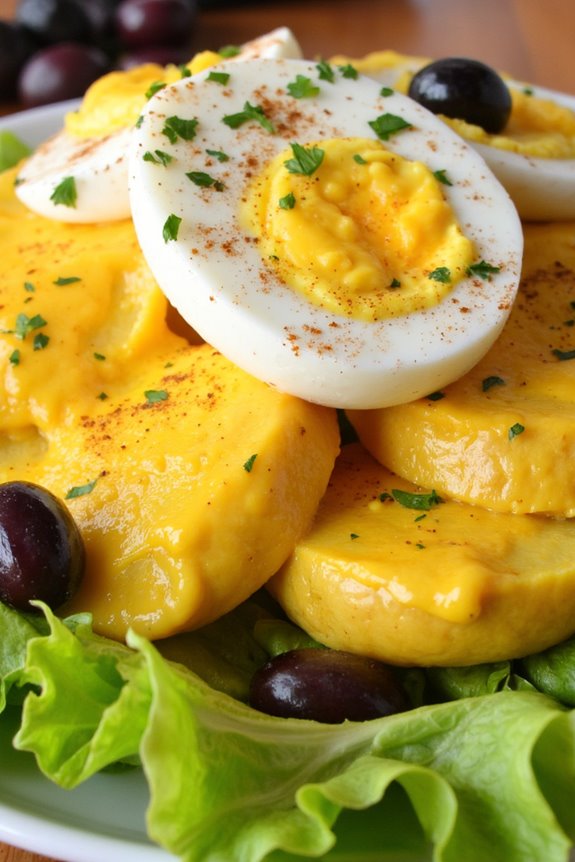
Papa a La Huancaina is a classic Peruvian dish that showcases the vibrant flavors and ingredients of the region. This dish consists of boiled potatoes topped with a creamy, spicy cheese sauce known as Huancaina sauce. It’s often served as a starter or appetizer and is a popular choice for gatherings and celebrations. The dish beautifully combines the rich texture of the potatoes with the zesty and aromatic flavors of the sauce, providing a delightful experience for the palate.
Traditionally, this dish hails from the Huancayo region of Peru, and its popularity has spread across the country and beyond. The Huancaina sauce is made from a blend of fresh cheese, yellow peppers, and spices, making it not only delicious but also visually appealing with its vibrant yellow hue. In addition to potatoes, it can also be paired with hard-boiled eggs and olives for added flavor and texture, making it a versatile dish that can be adapted to various tastes.
Ingredients (Serves 4-6 people):
- 6 medium-sized yellow potatoes
- 1 cup queso fresco (fresh cheese) or feta cheese
- 2 yellow ají amarillo peppers (or yellow bell peppers)
- 1/2 cup evaporated milk
- 3 tablespoons vegetable oil
- 2 cloves garlic, minced
- 1 tablespoon lime juice
- Salt to taste
- 4 hard-boiled eggs (for garnish)
- Black olives (for garnish)
- Lettuce leaves (for serving)
Cooking Instructions:
- Prepare the Potatoes: Begin by washing and peeling the yellow potatoes. Place them in a pot of salted water and bring to a boil. Cook until they’re tender but not mushy, usually around 20-25 minutes. Once cooked, drain the potatoes and set them aside to cool slightly before slicing them into thick rounds.
- Make the Huancaina Sauce: In a blender, combine the queso fresco, ají amarillo peppers (seeds removed), evaporated milk, vegetable oil, minced garlic, lime juice, and a pinch of salt. Blend until smooth and creamy. Adjust the seasoning by tasting; you may add more salt or lime juice according to your preference.
- Plate the Dish: On a serving platter, arrange the sliced potatoes in an overlapping fashion. Pour the Huancaina sauce generously over the potatoes, ensuring that they’re well coated.
- Garnish and Serve: Slice the hard-boiled eggs and place them on top of the potatoes. Add black olives on the side and serve the dish on a bed of fresh lettuce leaves for added color and crunch.
- Presentation: For an appealing presentation, consider drizzling a little more sauce on top and adding some chopped fresh herbs, such as cilantro or parsley, for an extra pop of color.
Extra Tips:
When preparing Papa a La Huancaina, it’s important to use the right type of cheese for an authentic flavor; queso fresco is preferred, but if unavailable, feta cheese works as a good substitute.
If you want to make the dish spicier, you can leave some of the seeds from the ají amarillo peppers in the sauce. This dish can be served chilled or at room temperature, making it perfect for parties or potlucks.
Additionally, feel free to experiment with the garnishes — avocado and fresh herbs can add a lovely freshness to this delightful Peruvian classic.
Arroz Con Pollo
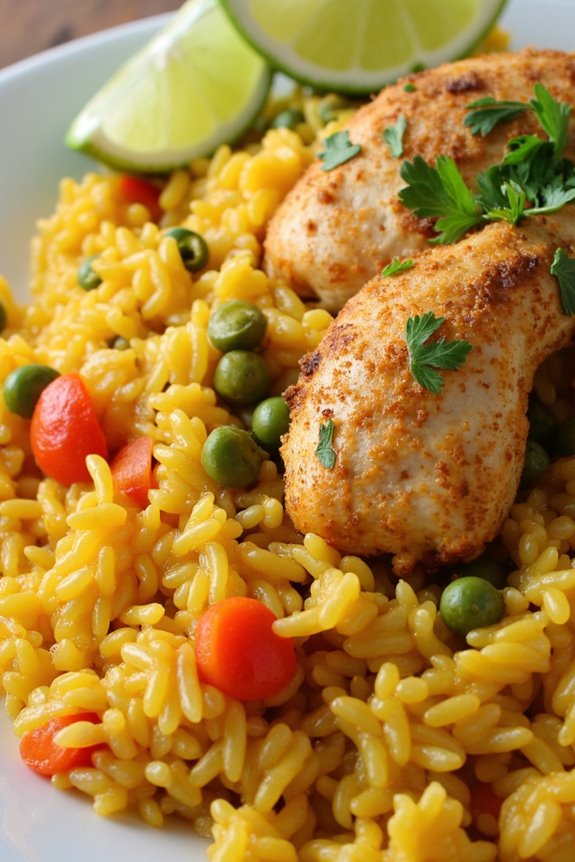
Arroz Con Pollo, or Rice with Chicken, is a beloved traditional dish in Peru that showcases the rich flavors and vibrant colors of Peruvian cuisine. This one-pot meal isn’t only comforting but also easy to prepare, making it a favorite for family gatherings and special occasions. Its harmonious blend of spices, tender chicken, and colorful vegetables creates a delightful experience that tantalizes the taste buds and warms the soul.
The dish typically features marinated chicken pieces simmered with rice, vegetables, and a variety of seasonings that make it a flavorful staple in many Peruvian households. Each family might’ve their own secret ingredient or technique, but the essence of Arroz Con Pollo remains the same: a delicious and hearty meal that brings everyone together at the table.
Ingredients (Serves 4-6):
- 4-6 chicken thighs and drumsticks
- 2 cups long-grain rice
- 4 cups chicken broth
- 1 medium onion, chopped
- 4 cloves garlic, minced
- 1 bell pepper, diced (red or green)
- 1 cup peas (fresh or frozen)
- 1 large carrot, diced
- 1 tsp cumin
- 1 tsp paprika
- 1/2 tsp turmeric (for color)
- 1/4 cup cilantro, chopped
- 3 tbsp vegetable oil
- Salt and pepper to taste
- Lime wedges for serving
Cooking Instructions:
- Marinate the Chicken: Begin by seasoning the chicken pieces with salt, pepper, cumin, and paprika. Let the chicken marinate for at least 30 minutes to an hour. This step will help infuse the flavors into the meat and enhance the overall taste of the dish.
- Brown the Chicken: In a large pot or deep skillet, heat the vegetable oil over medium-high heat. Add the marinated chicken pieces and brown them on all sides for about 5-7 minutes. This step not only adds flavor but also gives the chicken a nice color.
- Sauté the Vegetables: Once the chicken is browned, remove it from the pot and set it aside. In the same pot, add the chopped onion and minced garlic, sautéing until the onion becomes translucent. Then, add the diced bell pepper, carrots, and peas, cooking for another 3-4 minutes until the vegetables start to soften.
- Add the Rice: Stir in the rice, turmeric, and any remaining seasonings. Toast the rice for about 2 minutes, stirring frequently. This will help to coat the rice in the flavors from the vegetables and will enhance its texture during cooking.
- Combine and Cook: Pour in the chicken broth and return the browned chicken to the pot. Bring the mixture to a boil, then reduce the heat to low, cover the pot, and let it simmer for about 20-25 minutes. Don’t lift the lid during this time, as it will release steam that’s essential for cooking the rice properly.
- Finish and Serve: After the cooking time, check the rice for doneness. If all the liquid is absorbed and the rice is tender, remove the pot from heat. Let it sit covered for an additional 5 minutes, allowing the flavors to meld. Before serving, fluff the rice with a fork and sprinkle with chopped cilantro. Serve with lime wedges on the side for an extra burst of flavor.
Extra Tips: For an authentic touch, consider adding a splash of beer or a spoonful of aji amarillo (yellow chili paste) during the cooking process for added depth of flavor. Additionally, feel free to customize your Arroz Con Pollo by adding other vegetables such as corn or green beans, or by using different cuts of chicken based on your preference. Enjoying this dish with a side of fresh salad or salsa can elevate your meal further.
Tiradito

Tiradito is a traditional Peruvian dish that showcases the country’s rich culinary heritage, combining fresh fish with zesty flavors. Originating from the coastal regions of Peru, this dish is often compared to ceviche, but it distinguishes itself with its unique presentation and preparation method. Instead of being cubed, the fish is sliced thinly and dressed with a vibrant sauce made from lime juice, aji amarillo (Peruvian yellow chili), and garlic. The result is a rejuvenating and spicy dish that’s perfect as an appetizer or a light meal.
The beauty of tiradito lies in its simplicity and the quality of ingredients used. Fresh, high-quality fish is crucial to achieve the best flavor and texture. Common choices for the fish include sea bass, flounder, or any firm white fish available in your area. The dish isn’t only a feast for the palate but also for the eyes, as the vibrant colors of the sauce and garnishes create an appealing presentation. Pair it with a chilled glass of pisco sour for an authentic Peruvian experience.
Ingredients (Serves 4-6)
- 1 pound fresh white fish fillets (such as sea bass or flounder)
- 1/2 cup freshly squeezed lime juice
- 2 tablespoons aji amarillo paste (or to taste)
- 2 cloves garlic, minced
- 1 tablespoon olive oil
- Salt to taste
- 1/4 red onion, thinly sliced
- 1/4 cup cilantro leaves, chopped
- 1 avocado, sliced (for garnish)
- 1 ear of corn, cooked and cut into rounds (for garnish)
- Lettuce leaves (for serving)
Cooking Instructions
- Prepare the Fish: Start by verifying the fish is very fresh. Rinse the fish fillets under cold water and pat them dry with a paper towel. Using a sharp knife, slice the fish into thin, even slices, about 1/4 inch thick. Place the slices in a glass or ceramic dish.
- Make the Marinade: In a mixing bowl, combine the freshly squeezed lime juice, aji amarillo paste, minced garlic, olive oil, and salt. Whisk the ingredients together until well blended. The aji amarillo will add a beautiful color and a spicy kick to the marinade.
- Marinate the Fish: Pour the marinade over the sliced fish, making sure that all pieces are well coated. Cover the dish with plastic wrap and refrigerate for about 15-20 minutes. This step allows the fish to “cook” in the acidity of the lime juice while absorbing the flavors of the marinade.
- Prepare the Garnishes: While the fish is marinating, prepare the garnishes. Slice the red onion thinly and chop the cilantro. Cut the avocado into slices and prepare the cooked corn by cutting it into rounds.
- Plate the Dish: Once the fish is ready, remove it from the refrigerator. On a large serving platter, arrange the marinated fish slices in an overlapping pattern. Scatter the sliced red onion and chopped cilantro over the fish.
- Add Final Touches: Garnish with avocado slices and corn rounds. Serve the tiradito on a bed of lettuce leaves for an added crunch and freshness.
Extra Tips
When making tiradito, freshness is key, so be sure to purchase your fish from a reputable source. If you can’t find aji amarillo paste, you can substitute it with another type of chili paste, but keep in mind that it may alter the dish’s authentic flavor. For a milder version, adjust the amount of chili paste according to your spice tolerance.
Ultimately, serving tiradito immediately after preparation ensures that the fish maintains its delicate texture and the flavors are at their peak. Enjoy your culinary journey through Peru with this delightful dish!
Seco De Cordero
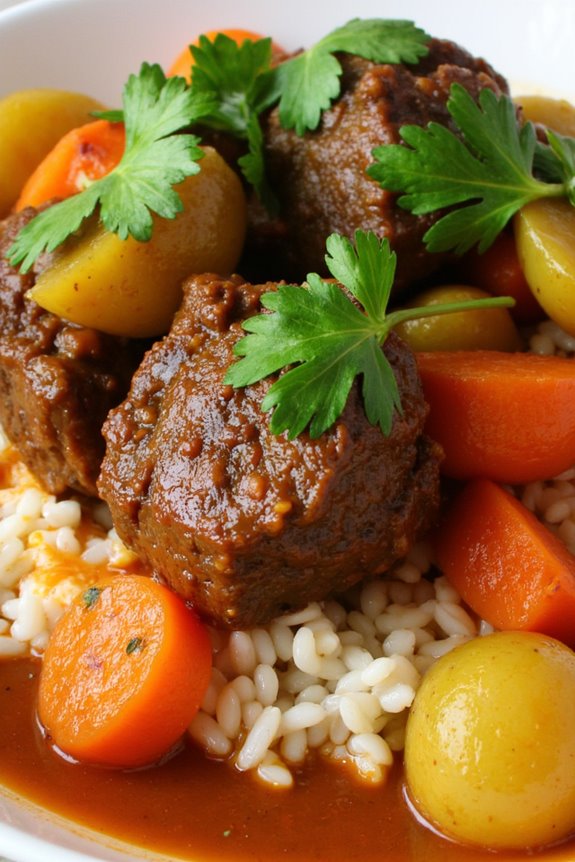
Seco De Cordero is a traditional Peruvian stew that brings together the rich flavors of tender lamb, fresh herbs, and a medley of spices. This dish is deeply rooted in Peruvian culture and is often served at family gatherings, celebrations, and special occasions. The key to a delicious Seco De Cordero lies in the marination of the lamb, which infuses the meat with vibrant flavors, ensuring a tender and aromatic dish that will tantalize your taste buds.
The preparation of Seco De Cordero involves slow-cooking the lamb with a variety of ingredients, allowing the flavors to meld beautifully. The use of cilantro, beer, and a blend of spices gives this dish its signature taste, making it a favorite among both locals and visitors to Peru. Typically served with rice and beans, this hearty meal is perfect for sharing and is sure to impress your family and friends.
Ingredients (serving size: 4-6 people):
- 2 lbs lamb (cut into chunks)
- 1 cup cilantro leaves (fresh)
- 1/2 cup beer (preferably a light lager)
- 1 medium onion (chopped)
- 4 cloves garlic (minced)
- 2 medium tomatoes (chopped)
- 1 tablespoon aji amarillo paste (or other chili paste)
- 2 teaspoons cumin
- 1 teaspoon paprika
- 1 tablespoon vegetable oil
- Salt and pepper (to taste)
- 2 cups beef or vegetable broth
- 2 medium potatoes (cut into chunks)
- 1 carrot (sliced)
- Cooked white rice (for serving)
Cooking Instructions:
- Marinate the Lamb: In a large bowl, combine the lamb chunks with cilantro, beer, minced garlic, cumin, paprika, salt, and pepper. Mix well, ensuring the lamb is evenly coated. Cover and let it marinate for at least 1 hour, or preferably overnight in the refrigerator to enhance the flavors.
- Sauté the Aromatics: In a large pot or Dutch oven, heat the vegetable oil over medium heat. Add the chopped onion and sauté until translucent, about 5 minutes. This step develops the base flavors for the stew.
- Brown the Lamb: Add the marinated lamb to the pot and brown it on all sides, about 8-10 minutes. This step is essential as it locks in the juices and flavors of the meat.
- Add Vegetables and Spices: Stir in the chopped tomatoes and aji amarillo paste, cooking for another 3-4 minutes until the tomatoes start to break down. This adds depth to the stew.
- Simmer the Stew: Pour in the beef or vegetable broth, ensuring the lamb is covered. Bring the mixture to a boil, then reduce the heat to low. Cover and let it simmer for 1.5 to 2 hours, or until the lamb is tender and the flavors have melded. Stir occasionally.
- Incorporate Potatoes and Carrots: About 30 minutes before the stew is done, add the potatoes and carrot to the pot. This allows them to cook through and absorb the flavors of the stew while still maintaining some texture.
- Final Seasoning: Once the lamb is tender and the vegetables are cooked, taste and adjust the seasoning with additional salt and pepper if needed. The stew should be flavorful and aromatic.
- Serve: Serve the Seco De Cordero hot over a bed of cooked white rice, allowing the rich sauce to soak into the rice for a delicious combination.
Extra Tips: For an authentic touch, feel free to add green peas or corn to the stew for added texture and sweetness. If you enjoy a spicier dish, consider adding extra aji amarillo or a fresh chili pepper during cooking.
Always let the stew rest for a few minutes after cooking before serving; this allows the flavors to settle and enhances the overall taste. Enjoy your Seco De Cordero with a side of fresh salad or some crusty bread to soak up the delicious sauce!
Huancaina Sauce
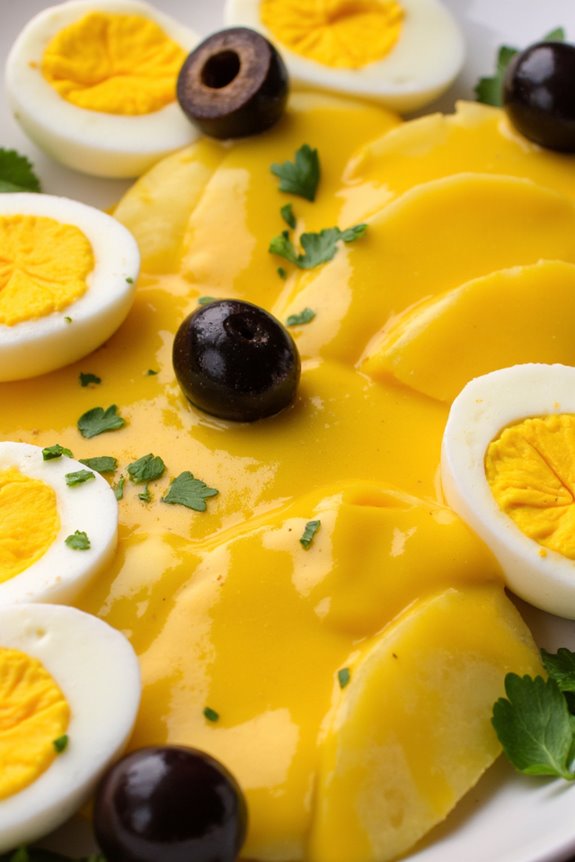
Huancaina Sauce is a traditional Peruvian sauce that hails from the city of Huancayo. This creamy, spicy sauce is made primarily from fresh cheese, Peruvian yellow chili peppers, and a blend of other ingredients, resulting in a rich and flavorful condiment.
It’s typically served over boiled potatoes and hard-boiled eggs, making it a popular dish for appetizers or as a side dish. The sauce’s vibrant yellow color and unique flavor profile make it a favorite among locals and visitors alike.
This versatile sauce can be paired with a variety of dishes, including grilled meats, vegetables, or even used as a dip for snacks. Preparing Huancaina Sauce is relatively simple, requiring just a few key ingredients that can usually be found at your local grocery store or specialty markets.
Enjoying this delightful Peruvian dish is a wonderful way to experience the country’s rich culinary heritage.
Ingredients (Serves 4-6 people)
- 1 cup of queso fresco (fresh cheese)
- 2-3 Peruvian yellow chili peppers (aji amarillo), seeds removed
- 1/2 cup of evaporated milk
- 2 tablespoons of vegetable oil
- 1 garlic clove, minced
- 1 tablespoon of lime juice
- Salt to taste
- 4-6 medium-sized boiled potatoes
- 4 hard-boiled eggs, cut in half
- Black olives for garnish (optional)
- Fresh parsley for garnish (optional)
Cooking Instructions
- Prepare the Ingredients: Start by gathering all the ingredients you’ll need. Make sure to remove the seeds from the Peruvian yellow chili peppers, as this will help control the heat level of your sauce.
- Blend the Sauce: In a blender, combine the queso fresco, aji amarillo peppers, evaporated milk, vegetable oil, minced garlic, lime juice, and salt. Blend on high until the mixture is smooth and creamy. If the sauce is too thick, you can add a little more evaporated milk to reach your desired consistency.
- Taste and Adjust: Once blended, taste the sauce and adjust the seasoning if necessary. You can add more salt or lime juice according to your preference. If you want a spicier kick, you can add another aji amarillo pepper.
- Prepare the Potatoes and Eggs: While you’re making the sauce, boil the potatoes until tender. Once cooked, let them cool slightly, then peel and slice them. Also, hard boil the eggs, allow them to cool, then cut them in half.
- Serve: To serve, arrange the sliced boiled potatoes on a platter. Drizzle the Huancaina Sauce generously over the potatoes and place the halved hard-boiled eggs on the side. Garnish with black olives and fresh parsley if desired.
Extra Tips
When preparing Huancaina Sauce, using fresh ingredients will greatly enhance the flavor. If you can’t find Peruvian yellow chili peppers, you can substitute them with other mild chili varieties, but be cautious of the heat level.
Additionally, the sauce can be stored in an airtight container in the refrigerator for a few days, making it a great make-ahead option for gatherings or meal prep. Enjoy experimenting with this sauce on different dishes to find your favorite combinations!
Tacu Tacu
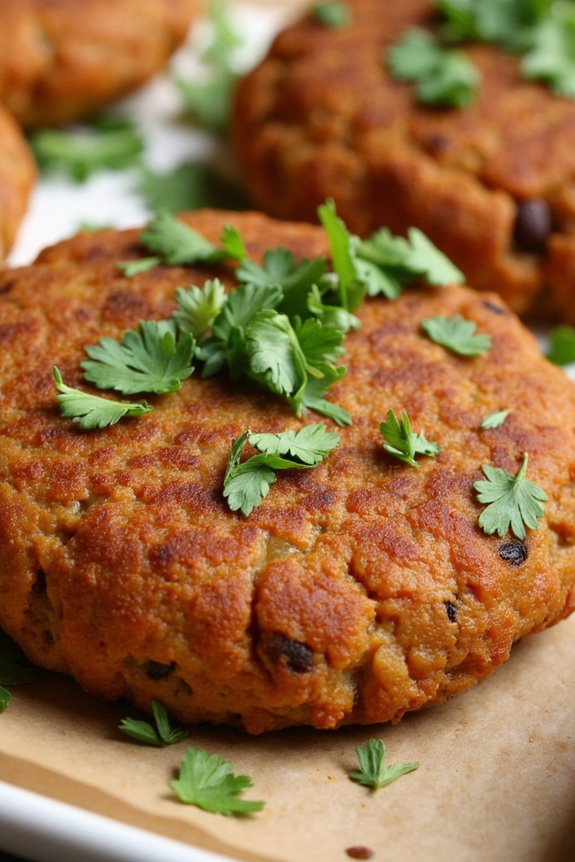
Tacu Tacu is a classic Peruvian dish that beautifully marries leftover rice and beans into a hearty and flavorful meal. Originating from Afro-Peruvian cuisine, this dish isn’t only a wonderful way to utilize leftovers but also a delightful comfort food that can be enjoyed any day of the week.
The crispy exterior and soft interior of Tacu Tacu make it a unique dish that’s often accompanied by a variety of sauces or proteins, such as fried eggs, steak, or seafood.
Traditionally, Tacu Tacu is made with canary beans or black beans, but you can use any type of beans you have on hand. The process involves mixing cooked beans with rice, forming a patty, and then frying it until golden brown.
This dish is versatile, allowing for many variations based on personal taste or dietary preferences. Whether served as an entrée or a side dish, Tacu Tacu is sure to impress with its rich flavors and satisfying texture.
Ingredients (Serves 4-6)
- 2 cups cooked rice
- 2 cups cooked beans (canary beans or black beans)
- 1 medium onion, finely chopped
- 2 cloves garlic, minced
- 1 teaspoon cumin
- 1 teaspoon paprika
- Salt and pepper, to taste
- 2 tablespoons vegetable oil (for frying)
- 1 tablespoon fresh cilantro, chopped (for garnish)
Cooking Instructions
- Prepare the Bean Mixture: In a large bowl, combine the cooked beans and rice. Mash the beans slightly with a fork or potato masher to create a cohesive mixture, but leave some whole beans for texture. Add the cumin, paprika, salt, and pepper to the mixture, and mix well to guarantee the spices are evenly distributed.
- Sauté the Aromatics: In a large skillet, heat 1 tablespoon of vegetable oil over medium heat. Add the chopped onion and garlic, sautéing until the onions become translucent and fragrant, about 3-4 minutes. This step adds depth of flavor to your Tacu Tacu.
- Combine and Form Patties: Once the onions and garlic are cooked, add the sautéed mixture to the rice and bean mixture. Stir to combine thoroughly. Using your hands, form the mixture into patties, about 1 inch thick. You should have 4-6 patties depending on the size.
- Fry the Patties: In the same skillet, add the remaining tablespoon of oil and heat over medium-high heat. Once hot, carefully place the patties in the skillet, making sure not to overcrowd the pan. Fry each side for about 4-5 minutes, or until they’re golden brown and crispy. You may need to do this in batches.
- Serve and Garnish: Once cooked, transfer the Tacu Tacu patties to a paper towel-lined plate to absorb any excess oil. Serve them warm, garnished with fresh cilantro. They can be paired with fried eggs, a protein of your choice, or drizzled with your favorite sauce for added flavor.
Extra Tips
When making Tacu Tacu, feel free to customize the spices and herbs to match your preference. You can add chopped bell peppers or jalapeños for an extra kick, or even incorporate cheese for richness.
If the mixture feels too dry, a splash of vegetable broth can help bind it better. Additionally, for a healthier version, consider baking the patties instead of frying; just brush them lightly with oil and bake at 375°F (190°C) until golden brown.
Chupe De Camarones
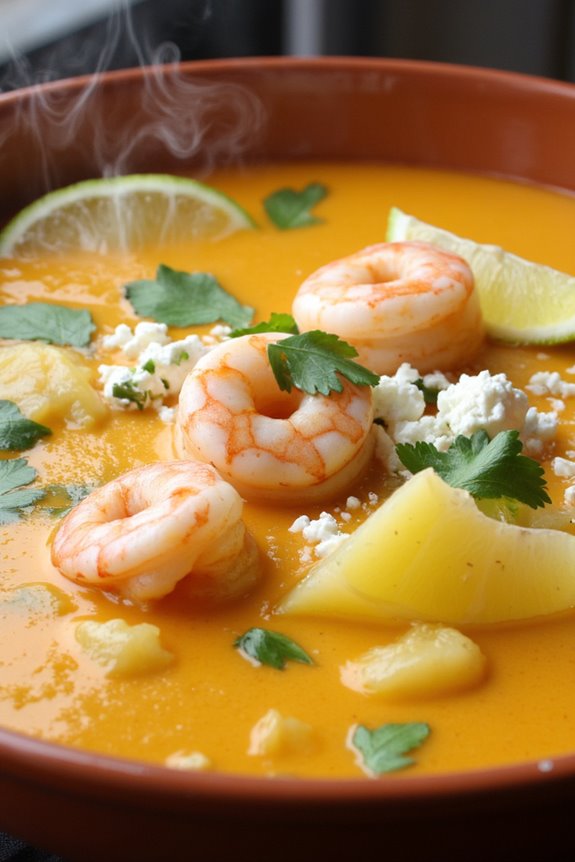
Chupe de Camarones is a traditional Peruvian shrimp chowder that embodies the rich culinary heritage of the coastal regions of Peru. This hearty dish combines fresh shrimp with a variety of ingredients, including potatoes, cheese, and spices, creating a delightful and comforting meal. The flavor profile is a perfect marriage of the ocean’s bounty and the warmth of Andean ingredients, making it a popular choice for family gatherings and special occasions.
In addition to being delicious, Chupe de Camarones is often praised for its versatility. You can adjust the spiciness according to your preference, and it can be served as a main course or as a starter. The vibrant colors and inviting aroma make it a feast for the senses, perfect for impressing guests or simply enjoying a comforting bowl at home. This recipe serves 4-6 people, ideal for sharing with friends and family.
Ingredients
- 1 lb large shrimp, peeled and deveined
- 1 cup corn kernels (fresh or frozen)
- 1 medium onion, finely chopped
- 2 cloves garlic, minced
- 2 medium potatoes, peeled and diced
- 4 cups fish or seafood stock
- 1 cup milk
- 1 cup crumbled queso fresco or feta cheese
- 2 tablespoons olive oil
- 1 tablespoon aji amarillo paste (or to taste)
- 1 tablespoon chopped fresh cilantro
- Salt and pepper to taste
- Lime wedges for serving
Cooking Instructions
- Prep the Ingredients: Begin by peeling and deveining the shrimp. Chop the onion and garlic, and peel and dice the potatoes. If using fresh corn, cut the kernels off the cob. Having everything ready will streamline your cooking process.
- Sauté the Aromatics: In a large pot, heat the olive oil over medium heat. Add the chopped onion and garlic, sautéing until they become translucent and fragrant, about 5 minutes. This step will build the foundation of flavor for the chowder.
- Cook the Potatoes: Add the diced potatoes to the pot and stir well. Pour in the fish or seafood stock, bringing the mixture to a gentle boil. Reduce the heat and let it simmer for about 10-15 minutes or until the potatoes are tender.
- Add the Corn and Aji Amarillo: Once the potatoes are cooked, stir in the corn and aji amarillo paste. Allow it to simmer for an additional 5 minutes, which will enhance the flavor and add a mild kick to the dish.
- Incorporate the Shrimp and Milk: Gently add the shrimp to the pot and pour in the milk. Cook for another 3-5 minutes, or until the shrimp are pink and opaque. Be careful not to overcook the shrimp, as they can become tough.
- Finish the Chowder: Remove the pot from heat and stir in the crumbled queso fresco or feta cheese. Season with salt and pepper to taste. The cheese will melt slightly and contribute creaminess to the chowder.
- Serve and Garnish: Ladle the Chupe de Camarones into bowls and garnish with freshly chopped cilantro. Serve with lime wedges on the side for an extra burst of flavor.
Extra Tips
When preparing Chupe de Camarones, consider using homemade seafood stock for a richer flavor; however, store-bought stock works well in a pinch.
Feel free to customize the dish by adding other seafood like fish or scallops, or adjust the level of spiciness with more or less aji amarillo. To make the dish even heartier, you can serve it with crusty bread or a side salad.
Enjoy your culinary journey through Peru with this delightful and comforting chowder!
Alfajores

Alfajores are a delightful and traditional Peruvian treat, known for their rich flavors and unique texture. These sandwich cookies consist of two delicate, crumbly cookies filled with a sweet and creamy dulce de leche, and often dusted with powdered sugar.
Originating from the Arabic word “al-fajir,” these cookies have evolved over centuries, blending influences from various cultures to become a beloved dessert across South America, particularly in Peru. They’re perfect for any occasion, whether it’s a family gathering, a holiday celebration, or simply an afternoon snack with coffee.
Making alfajores at home is a rewarding experience that not only fills your kitchen with delicious aromas but also allows you to savor a piece of Peruvian culture. The process involves creating a buttery dough that melts in your mouth, followed by the sweet filling that brings the cookies together.
While they may seem intricate, the steps are straightforward and can be easily mastered with a little practice. Once you try making these delectable treats, you might find them becoming a regular indulgence in your home.
Ingredients (Serves 4-6 people)
- 1 cup unsalted butter, softened
- 1 cup sugar
- 2 large egg yolks
- 1 teaspoon vanilla extract
- 2 cups all-purpose flour
- 1 cup cornstarch
- 1 teaspoon baking powder
- 1 cup dulce de leche
- Powdered sugar, for dusting
Cooking Instructions
- Prepare the Dough: In a large mixing bowl, cream together the softened unsalted butter and sugar until light and fluffy. This usually takes about 3-5 minutes. Once well combined, add the egg yolks one at a time, mixing well after each addition. Stir in the vanilla extract.
- Combine Dry Ingredients: In a separate bowl, whisk together the all-purpose flour, cornstarch, and baking powder. Gradually add the dry mixture to the wet mixture, stirring until just combined. Be careful not to overmix, as this can affect the texture of the cookies.
- Chill the Dough: Divide the dough into two portions, flatten them into discs, and wrap each one in plastic wrap. Refrigerate for at least 1 hour or until the dough is firm. Chilling helps to prevent spreading during baking.
- Roll and Cut: Preheat your oven to 350°F (175°C). On a lightly floured surface, roll out the chilled dough to about 1/4 inch thick. Use a round cookie cutter to cut out circles. Place the cut cookies on a baking sheet lined with parchment paper, leaving space between each.
- Bake the Cookies: Bake in the preheated oven for about 10-12 minutes or until the edges are lightly golden. Keep an eye on them as they can brown quickly. Once baked, remove from the oven and allow to cool completely on a wire rack.
- Assemble the Alfajores: Once the cookies are cool, spread a generous amount of dulce de leche on the underside of one cookie and top it with another cookie, forming a sandwich. Press gently to adhere.
- Dust with Powdered Sugar: Finally, dust the assembled alfajores with powdered sugar for an elegant finish. Serve immediately or store in an airtight container.
Extra Tips
When making alfajores, it’s important to guarantee the butter is at room temperature for easier creaming with the sugar. You can also experiment with different flavors by adding a hint of lemon or orange zest to the dough for a citrusy twist.
If you prefer, substitute the dulce de leche with other fillings like chocolate ganache or fruit preserves to suit your taste. Enjoy your homemade alfajores with a cup of coffee or tea for a perfect pairing!
