


When I think of comforting meals, Brazilian cuisine is always at the top of my list. The rich flavors and hearty ingredients come together to create dishes that feel like a warm hug. From the soul-soothing feijoada to the vibrant moqueca, each recipe carries with it a story of tradition and love. There’s nothing quite like gathering around a table filled with these delightful meals. Let’s explore some of these recipes that can truly transform your dinner experience.
Feijoada: The Heartwarming Black Bean Stew

Feijoada is a traditional Brazilian dish that embodies the essence of comfort food with its rich flavors and hearty ingredients. Originating from the Portuguese, this black bean stew is often considered Brazil’s national dish, showcasing a blend of meats, spices, and beans that simmer together to create an unforgettable culinary experience.
It’s typically served with rice, orange slices, and farofa (toasted cassava flour), making it a complete meal that celebrates Brazil’s vibrant culture and culinary heritage.
Making feijoada is a labor of love, but the end result is worth every minute spent in the kitchen. The combination of beans, various cuts of meat, and spices creates a deep, complex flavor profile that warms the soul. While there are many variations of this dish across Brazil, each family often has its own unique recipe passed down through generations. By following this recipe, you can create your own version of this iconic dish and share it with family and friends.
Ingredients (serves 4-6 people):
- 1 pound black beans, soaked overnight
- 1 pound pork shoulder, cut into chunks
- 1/2 pound smoked sausage, sliced
- 1/2 pound chorizo, sliced
- 1/2 pound beef brisket, cut into chunks
- 1 onion, finely chopped
- 4 cloves garlic, minced
- 2 bay leaves
- 1 teaspoon smoked paprika
- 1 teaspoon cumin
- Salt and pepper to taste
- 4 cups chicken or beef broth
- Fresh cilantro, for garnish (optional)
- Cooked white rice, for serving
- Orange slices, for serving
- Farofa, for serving
Cooking Instructions:
- Prepare the beans: Begin by rinsing the soaked black beans under cold water. Drain them well and set aside to prepare for cooking. This step guarantees that the beans are clean and ready to absorb all the flavors from the meat and spices during the cooking process.
- Sear the meats: In a large heavy-bottomed pot or Dutch oven, heat a tablespoon of oil over medium-high heat. Add the pork shoulder, beef brisket, and sausages, searing them until they’re browned on all sides. This caramelization adds depth and richness to the stew, enhancing its flavor.
- Sauté the aromatics: Once the meats are browned, remove them from the pot and set aside. In the same pot, add the chopped onion and minced garlic. Sauté for about 3-4 minutes, until the onions are translucent and fragrant. This step builds the base flavor of your feijoada.
- Combine ingredients: Return the seared meats to the pot with the sautéed onions and garlic. Add the soaked black beans, bay leaves, smoked paprika, cumin, and salt and pepper. Stir everything together to combine the ingredients well, allowing the spices to coat the meats and beans evenly.
- Add the broth and simmer: Pour in the chicken or beef broth, guaranteeing that the beans and meats are completely submerged. Bring the mixture to a boil, then reduce the heat to low and cover the pot. Let it simmer for about 2 to 3 hours, stirring occasionally, until the beans are tender and the meats are falling apart. This slow cooking process melds the flavors beautifully.
- Adjust seasonings: Taste the feijoada and adjust the seasoning with additional salt and pepper as needed. If you prefer a spicier flavor, feel free to add a pinch of cayenne or a dash of hot sauce to the pot.
- Serve: Once the feijoada is ready, remove the bay leaves and serve it hot over cooked white rice. Garnish with fresh cilantro, and accompany with orange slices and farofa on the side. The citrus from the oranges helps to cut through the richness of the stew.
Extra Tips: To enhance the flavor of your feijoada, consider adding a splash of red wine or a few pieces of smoked meat, such as bacon or ham hocks, during the cooking process. Additionally, if you have leftover feijoada, it tastes even better the next day as the flavors continue to develop. Store it in the refrigerator for up to three days, or freeze it for longer preservation. Enjoy your delicious and heartwarming feijoada with loved ones!
Moqueca: A Flavorful Fish Stew
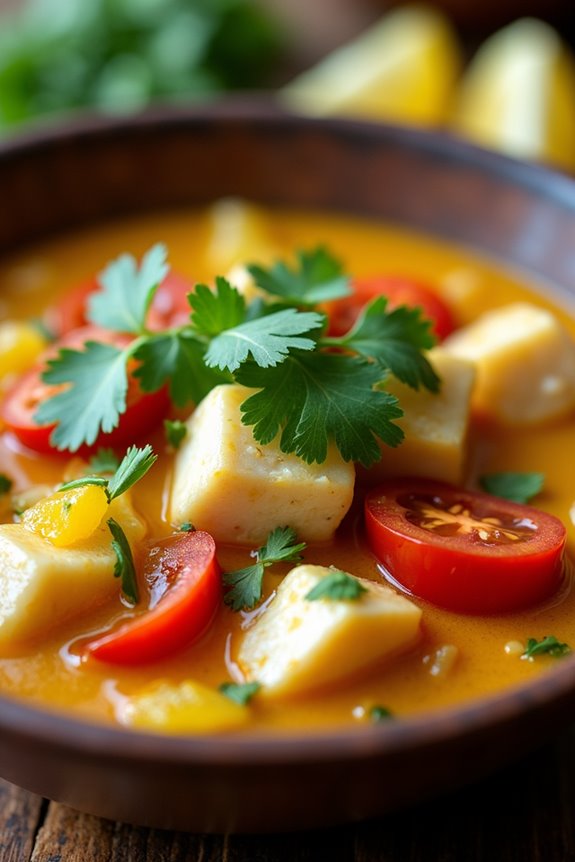
Moqueca is a traditional Brazilian fish stew that hails primarily from the coastal regions of Bahia and Espírito Santo. With its vibrant colors and aromatic flavors, this dish encapsulates the essence of Brazilian cuisine. The stew is traditionally made with fresh fish, coconut milk, tomatoes, and a mix of spices that create a rich and comforting meal. The combination of flavors from the sea, the creamy coconut, and the freshness of herbs makes Moqueca a standout dish at any dinner table.
What sets Moqueca apart from other fish stews is its unique blend of ingredients and the cooking technique that infuses all the flavors together. While the dish can be adapted to include different types of fish and seafood, the classic preparation often features firm white fish such as snapper or halibut. Typically served with rice and farofa (toasted cassava flour), Moqueca isn’t only delicious but also a true celebration of Brazilian culture.
Ingredients (Serves 4-6):
- 2 pounds of firm white fish (such as snapper or halibut), cut into chunks
- 2 limes, juiced
- 1 teaspoon salt
- 2 tablespoons olive oil
- 1 onion, thinly sliced
- 4 cloves garlic, minced
- 1 bell pepper, sliced (preferably red or yellow)
- 2 medium tomatoes, diced
- 1 can (14 ounces) coconut milk
- 1/2 cup chopped fresh cilantro
- 1/2 teaspoon ground black pepper
- 1 tablespoon paprika
- 1 teaspoon cayenne pepper (optional)
- Cooked rice, for serving
- Farofa, for serving
Cooking Instructions:
- Marinate the Fish: In a bowl, combine the fish chunks with lime juice and salt. Let it marinate for about 30 minutes. This step helps to firm up the fish and infuse it with flavor.
- Sauté the Base: In a large pot or Dutch oven, heat the olive oil over medium heat. Add the sliced onion and minced garlic, and sauté until the onions are translucent and fragrant, about 5 minutes.
- Add Vegetables: Stir in the bell pepper and diced tomatoes. Cook for another 5 minutes until the vegetables soften. This creates a flavorful base for the stew.
- Incorporate Spices: Add the ground black pepper, paprika, and cayenne pepper (if using) to the pot. Stir to combine, allowing the spices to toast slightly for 1-2 minutes, which enhances their flavors.
- Add Coconut Milk: Pour in the coconut milk, stirring to combine with the vegetable mixture. Bring the mixture to a gentle simmer.
- Cook the Fish: Gently add the marinated fish chunks to the pot. Cover and let it simmer for about 15-20 minutes, or until the fish is cooked through and flakes easily with a fork.
- Finish with Cilantro: Just before serving, stir in the chopped fresh cilantro for a burst of freshness.
- Serve: Ladle the Moqueca into bowls and serve hot with cooked rice and farofa on the side for a complete meal.
Extra Tips:
When preparing Moqueca, using fresh fish is key to achieving the best flavor and texture. If you have access to local seafood markets, look for sustainably sourced fish.
Additionally, feel free to customize the dish by adding other seafood like shrimp or mussels for a mixed seafood version. For those who prefer a milder stew, adjust the amount of cayenne pepper or omit it entirely.
Finally, remember that Moqueca benefits from a little time for the flavors to meld, so let it sit for a few minutes after cooking before serving. Enjoy your culinary journey into Brazilian cuisine!
Picanha: The Perfect Grilled Beef
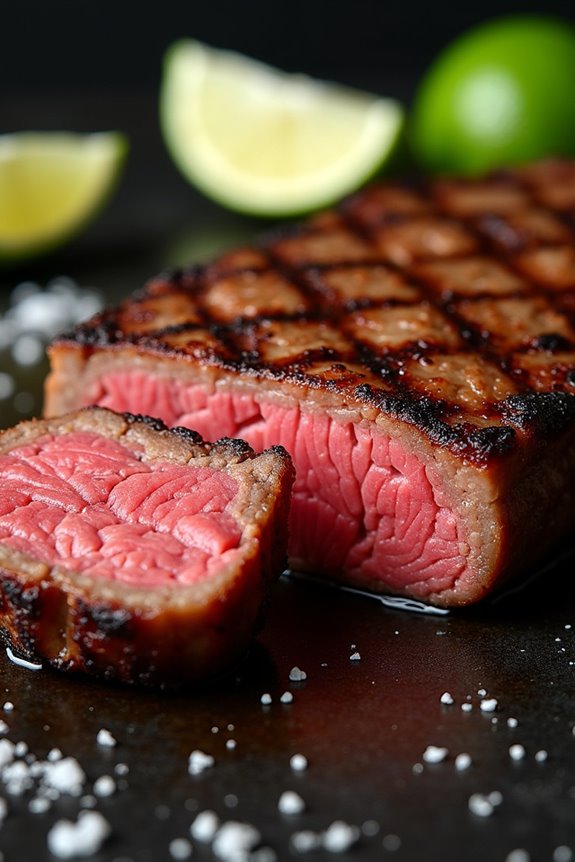
Picanha is a beloved cut of beef in Brazil, known for its rich flavor and tenderness. Traditionally, it’s seasoned simply with salt and grilled over an open flame, highlighting the beef’s natural qualities. The triangular cut, which comes from the top of the rump, has a thick layer of fat that renders beautifully during cooking, providing a juicy and flavorful experience.
Whether you’re hosting a family gathering or just want to enjoy a taste of Brazil at home, mastering picanha is sure to impress.
To prepare picanha, it’s crucial to choose a high-quality cut of meat, preferably from grass-fed cattle, to guarantee ideal flavor and texture. The grilling process can be done on a charcoal grill or gas grill; however, many purists prefer charcoal for the smoky flavor it imparts.
Serve your grilled picanha with traditional sides such as farofa, rice, and vinaigrette, or simply enjoy it with a fresh salad to balance the richness of the beef.
Ingredients (Serves 4-6)
- 2 to 3 pounds picanha (top sirloin cap)
- Kosher salt (to taste)
- Black pepper (optional, to taste)
- Fresh lime wedges (for serving)
Cooking Instructions
- Prepare the Meat: Start by trimming any excess silver skin from the picanha, but leave the fat cap intact as it adds flavor during grilling. Cut the picanha into 1 to 1.5-inch thick steaks, slicing against the grain. This helps in guaranteeing each piece is tender when served.
- Season the Picanha: Generously sprinkle kosher salt over the cut surfaces of the picanha steaks. If desired, you can also add a touch of black pepper to enhance the flavor. Let the seasoned meat rest at room temperature for about 30 minutes; this allows the salt to penetrate the meat and enhances its flavor.
- Preheat the Grill: While the meat is resting, prepare your grill. If using a charcoal grill, light the charcoal and let it burn until it’s covered with white ash. For a gas grill, preheat it to a medium-high temperature. Guarantee the grill grates are clean and lightly oiled to prevent sticking.
- Grill the Picanha: Place the picanha steaks fat side down on the grill. Cook for about 4-5 minutes per side, turning only once to achieve a nice sear. The fat will render and create a delicious crust. Depending on your desired doneness (medium-rare is recommended), use a meat thermometer to check the internal temperature, aiming for about 130°F.
- Rest the Meat: Once cooked to your liking, remove the picanha from the grill and let it rest on a cutting board for at least 10 minutes. This resting period allows the juices to redistribute, guaranteeing moist and flavorful slices.
- Slice and Serve: After resting, slice the picanha against the grain into thin strips. Serve with fresh lime wedges on the side to enhance the flavor, along with your choice of traditional Brazilian sides.
Extra Tips
For the best results, consider marinating the picanha in a mixture of olive oil, garlic, and herbs for a few hours before grilling; this can add an additional depth of flavor.
Additionally, always allow the meat to come to room temperature before placing it on the grill to guarantee even cooking. Experiment with different wood chips on your grill for added smokiness, and enjoy your picanha with a side of chimichurri sauce for an authentic touch.
Coxinha: Savory Chicken Croquettes

Coxinha is a beloved Brazilian snack that consists of deliciously seasoned shredded chicken wrapped in a rich dough, shaped like a teardrop, and deep-fried to golden perfection. This savory treat is often served at parties, celebrations, or simply as a delightful appetizer. The combination of tender chicken filling and the crispy exterior makes coxinha a favorite among both locals and visitors to Brazil.
Preparing coxinha might seem a bit challenging at first due to the multiple steps involved, but it’s a rewarding process that results in a dish bursting with flavor. This recipe will guide you through making coxinha from scratch, including the dough and filling, ensuring that you can enjoy this tasty Brazilian delicacy right in your own kitchen. Whether you’re hosting a gathering or just want to indulge in a comforting snack, these coxinhas are sure to impress.
Ingredients (serving size: 4-6 people)
- 2 cups of shredded cooked chicken
- 1 onion, finely chopped
- 2 cloves of garlic, minced
- 1 tablespoon of olive oil
- 1/2 teaspoon of paprika
- 1/2 teaspoon of salt
- 1/4 teaspoon of black pepper
- 1/4 cup of chopped fresh parsley
- 2 cups of chicken broth
- 2 cups of all-purpose flour
- 1/2 cup of milk
- 2 tablespoons of butter
- 1 egg, beaten (for egg wash)
- Bread crumbs (for coating)
- Oil (for frying)
Cooking Instructions
- Prepare the Filling: In a skillet over medium heat, add the olive oil and sauté the chopped onion until it becomes translucent. Add the minced garlic and cook for an additional minute, being careful not to burn it. Stir in the shredded chicken, paprika, salt, black pepper, and chopped parsley. Mix well and cook for about 5-7 minutes until heated through. Remove from heat and let it cool.
- Make the Dough: In a saucepan, combine the chicken broth, milk, and butter. Heat the mixture over medium heat until it begins to boil. Once boiling, gradually add the flour while stirring continuously to prevent lumps. Cook the mixture for about 3-4 minutes until it forms a smooth dough that pulls away from the sides of the pan. Remove from heat and let it cool slightly.
- Shape the Coxinhas: Once the dough has cooled enough to handle, take a small piece (about the size of a golf ball) and flatten it in your palm. Place a tablespoon of the chicken filling in the center and fold the dough over to enclose the filling. Pinch the edges to seal and shape the dough into a teardrop form. Repeat this process until all the dough and filling are used.
- Coat the Coxinhas: Set up a breading station by placing the beaten egg in one bowl and the bread crumbs in another. Dip each shaped coxinha into the egg wash, allowing the excess to drip off, then roll it in the bread crumbs until fully coated. Place the coated coxinhas on a plate.
- Fry the Coxinhas: In a deep frying pan, heat oil over medium-high heat. Once the oil is hot, carefully add the coxinhas in batches, without overcrowding the pan. Fry for about 4-5 minutes on each side, or until they’re golden brown and crispy. Use a slotted spoon to remove them from the oil and transfer them to a paper towel-lined plate to drain excess oil.
Extra Tips
When making coxinha, it’s important to keep the dough moist but not too sticky, so adjust the flour as needed based on the humidity of your environment.
You can also experiment with different fillings, such as cheese or spicy ground beef, to cater to your taste. For an extra crunch, consider double-coating the coxinhas by dipping them in the egg wash and bread crumbs twice before frying.
If you’re not ready to fry them immediately, coxinhas can be frozen before frying and cooked directly from the freezer, making them a convenient snack for later!
Brigadeiro: Chocolate Truffles for Dessert

Brigadeiro is a beloved Brazilian treat that has become synonymous with celebrations and gatherings. These delightful chocolate truffles are made from just a few ingredients, yet they offer a rich and indulgent experience that’s hard to resist. Traditionally served at birthday parties and festive occasions, Brigadeiros are rolled in chocolate sprinkles or nuts, providing a delightful contrast to the smooth, fudgy center.
Making Brigadeiros is a simple process that allows you to enjoy the sweet aroma of chocolate as it cooks to perfection. To prepare Brigadeiros, you’ll need to cook the ingredients together until they form a thick consistency that can be easily rolled into balls. The combination of sweetened condensed milk, cocoa powder, and butter creates a luscious mixture that’s both creamy and intensely chocolaty.
Once cooled, the mixture is shaped into bite-sized balls and coated in your choice of toppings, making them a perfect dessert for any gathering. They aren’t only delicious but also fun to make, especially when involving family and friends in the rolling and decorating process.
Ingredients (Serves 4-6):
- 1 can (14 ounces) sweetened condensed milk
- 2 tablespoons unsweetened cocoa powder
- 2 tablespoons unsalted butter
- A pinch of salt
- Chocolate sprinkles (for coating)
- Optional: chopped nuts or shredded coconut (for coating)
Cooking Instructions:
- Combine Ingredients: In a medium saucepan, combine the sweetened condensed milk, unsweetened cocoa powder, unsalted butter, and a pinch of salt. Stir the mixture well until all the ingredients are fully incorporated and smooth.
- Cook the Mixture: Place the saucepan over medium heat and cook the mixture, stirring constantly. Make sure to scrape the bottom and sides of the pan to prevent sticking or burning. Continue to cook for about 10-15 minutes, or until the mixture thickens and starts to pull away from the sides of the pan. You’ll know it’s ready when it forms a thick, fudgy consistency that forms a soft ball when tested.
- Cool the Mixture: Once the Brigadeiro mixture has thickened, remove it from the heat and transfer it to a greased plate or bowl. Allow it to cool at room temperature for about 30 minutes, or until it’s manageable to handle.
- Shape the Brigadeiros: Once cooled, grease your hands lightly with butter. Using a small spoon or your hands, scoop out portions of the mixture and roll them into small balls, about the size of a cherry.
- Coat the Brigadeiros: Roll each ball in chocolate sprinkles, chopped nuts, or shredded coconut until fully coated. Place the coated Brigadeiros on a serving plate.
- Serve: Enjoy the Brigadeiros at room temperature. You can refrigerate them for a firmer texture if desired.
Extra Tips:
For a unique twist, feel free to experiment with different flavors by adding a splash of vanilla extract or a hint of espresso powder to the mixture before cooking. Brigadeiros can also be customized with various coatings, like crushed Oreos or colored sprinkles for festive occasions.
Store any leftovers in an airtight container at room temperature for up to a week, or refrigerate them for longer freshness. Enjoy sharing these decadent treats with friends and family, as they’re sure to impress!
Acarajé: Fried Black-Eyed Pea Fritters

Acarajé is a traditional Brazilian street food that hails from the northeastern state of Bahia, where it’s deeply rooted in Afro-Brazilian culture. These delightful fritters are made from black-eyed peas, which are ground into a smooth batter, then deep-fried to golden perfection.
Often served as a snack or appetizer, acarajé is typically filled with a savory shrimp paste and accompanied by a tangy hot sauce, making it a flavorful treat that tantalizes the taste buds.
The preparation of acarajé isn’t only a culinary adventure but also a celebration of Brazilian heritage. The combination of spices and fresh ingredients creates a dish that’s both aromatic and satisfying.
Whether enjoyed at a local street vendor or made at home, acarajé offers a unique taste of Brazil that’s sure to impress friends and family.
Ingredients (Serves 4-6 people)
- 2 cups dried black-eyed peas
- 1 small onion, finely chopped
- 2 teaspoons salt
- 1 teaspoon ground black pepper
- 1 teaspoon cayenne pepper (adjust to taste)
- 1 teaspoon palm oil (plus more for frying)
- 1 cup small shrimp, cleaned and deveined
- 2 cloves garlic, minced
- 1 tablespoon lime juice
- 1/4 cup chopped fresh cilantro
- Hot sauce, for serving
Cooking Instructions
1. Soak the black-eyed peas: Begin by rinsing the dried black-eyed peas in cold water. Place them in a large bowl, cover with water, and let them soak for at least 8 hours or overnight. This will soften the beans and make them easier to grind.
2. Prepare the batter: After soaking, drain the black-eyed peas and place them in a food processor. Add the chopped onion, salt, black pepper, and cayenne pepper. Pulse the mixture until it forms a smooth batter, scraping down the sides as needed. Be careful not to over-process; a little texture is okay.
3. Fry the fritters: In a deep frying pan, heat the palm oil over medium heat. Using a tablespoon, scoop the batter and carefully drop it into the hot oil. Fry the fritters in batches, turning them occasionally, until they’re golden brown and crispy on the outside, about 4-5 minutes.
Remove them from the oil and place them on paper towels to drain excess oil.
4. Prepare the shrimp filling****: In a separate pan, heat a tablespoon of palm oil over medium heat. Add the minced garlic and sauté until fragrant. Then, add the cleaned shrimp and cook until they turn pink and opaque, about 3-4 minutes.
Stir in the lime juice and chopped cilantro. Remove from heat and set aside.
5. Assemble the acarajé: Once the fritters have cooled slightly, slice them open horizontally without cutting all the way through. Fill each fritter with the shrimp mixture and drizzle with hot sauce.
6. Serve: Arrange the filled acarajé on a platter and Serve warm. Enjoy your homemade Brazilian delicacy!
Extra Tips
When making acarajé, it’s important to use fresh ingredients for the best flavor. If you can’t find palm oil, you can substitute with vegetable oil, but the unique flavor of palm oil is what gives acarajé its authentic taste.
Additionally, make sure to keep the oil at the right temperature while frying; too hot and the fritters will burn, too cool and they’ll absorb more oil. Finally, feel free to experiment with the fillings—some variations include adding vatapá (a creamy shrimp paste) or even vegetarian options to cater to different tastes.
Bobo De Camarão: Shrimp in Yuca Cream
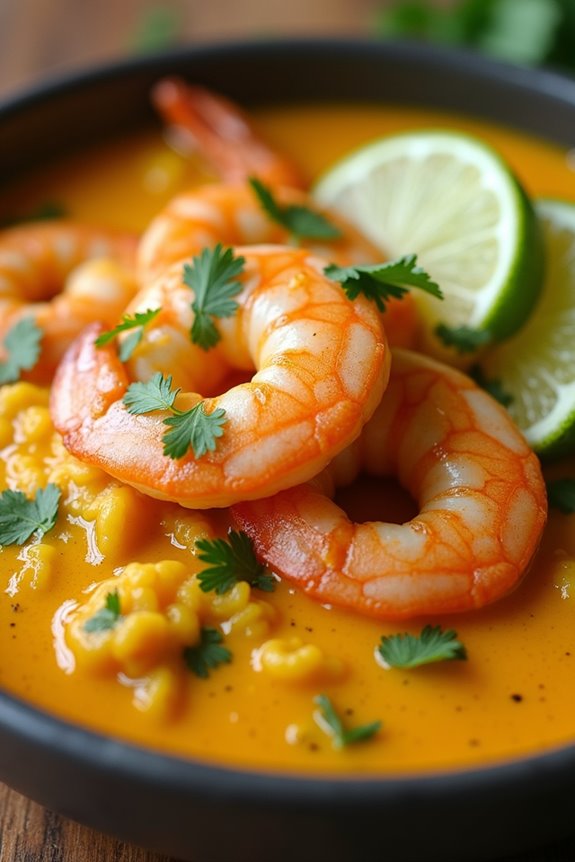
Bobo De Camarão, a traditional Brazilian dish, is a delightful combination of shrimp and yuca that showcases the rich flavors of the coastal regions of Brazil. This creamy and aromatic dish is typically served with rice and is characterized by its velvety texture and vibrant taste, making it a favorite among seafood lovers. The yuca, also known as cassava, is the star ingredient that adds a unique creaminess while balancing the savory notes of the shrimp and spices.
The dish isn’t only delicious but also represents the Afro-Brazilian culture, where ingredients like coconut milk, palm oil, and spices meld together to create a culinary masterpiece. Whether you’re hosting a dinner party or simply looking to explore Brazilian cuisine, Bobo De Camarão is sure to impress with its depth of flavor and comforting appeal.
Ingredients (Serves 4-6):
- 1 pound shrimp, peeled and deveined
- 1 pound yuca (cassava), peeled and cut into chunks
- 1 cup coconut milk
- 1 medium onion, chopped
- 4 cloves garlic, minced
- 1 bell pepper (red or green), chopped
- 2 tomatoes, chopped
- 1/4 cup palm oil (dendê oil)
- 1 teaspoon cumin
- 1 teaspoon paprika
- 1/2 teaspoon cayenne pepper (optional)
- Salt and pepper to taste
- Fresh cilantro, chopped (for garnish)
- Lime wedges (for serving)
Cooking Instructions:
- Prepare the Yuca: In a large pot, add the yuca chunks and cover them with water. Bring to a boil and cook for approximately 20-25 minutes, or until the yuca is tender. Once cooked, drain and let it cool slightly. Then, remove the fibrous core from the center and mash the yuca until smooth. Set aside.
- Sauté the Aromatics: In a large skillet or pot, heat the palm oil over medium heat. Add the chopped onion and bell pepper, sautéing for about 5 minutes until the onion becomes translucent. Then, add the minced garlic and sauté for an additional 1-2 minutes until fragrant.
- Add the Tomatoes and Spices: Stir in the chopped tomatoes, cumin, paprika, and cayenne pepper (if using). Cook for about 5 minutes until the tomatoes soften and release their juices.
- Incorporate the Shrimp: Add the shrimp to the skillet, seasoning with salt and pepper. Cook for about 4-5 minutes, stirring occasionally, until the shrimp turn pink and are cooked through.
- Combine Yuca and Coconut Milk: Add the mashed yuca to the skillet, followed by the coconut milk. Mix well to combine all the ingredients, allowing the flavors to meld together. Cook on low heat for an additional 5-7 minutes until heated through and creamy.
- Serve: Taste and adjust the seasoning if necessary, then remove from heat. Serve the Bobo De Camarão hot, garnished with fresh cilantro and lime wedges on the side.
Extra Tips:
When cooking Bobo De Camarão, make sure to use fresh shrimp for the best flavor and texture. If you can’t find palm oil, you can substitute it with vegetable oil, but note that it will alter the dish’s traditional taste.
For added depth, consider marinating the shrimp in lime juice, garlic, and spices for about 15 minutes before cooking. Additionally, feel free to adjust the heat level by modifying the amount of cayenne pepper to suit your taste preferences.
Enjoy this dish with a side of white rice to soak up the delicious yuca cream sauce!
Vatapá: A Rich Shrimp and Bread Dish
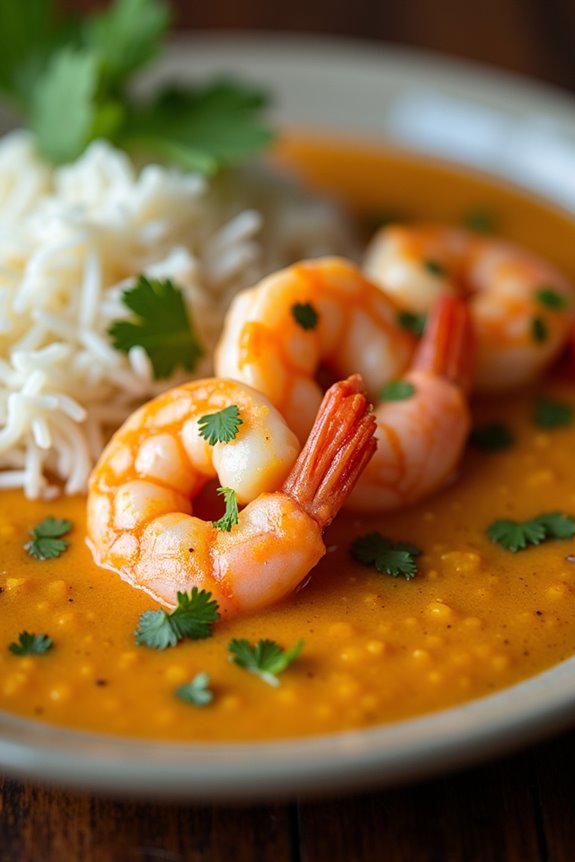
Vatapá is a traditional Brazilian dish that showcases the rich culinary heritage of the country, particularly from the northeastern region. This delightful recipe combines shrimp, bread, and a variety of spices, resulting in a creamy, flavorful dish that’s often served with rice. The combination of ingredients creates a harmonious blend of textures and flavors, making it a favorite among locals and visitors alike.
Whether you’re enjoying it at a festive gathering or a cozy family dinner, vatapá is sure to impress with its vibrant taste and aromatic qualities. The preparation of vatapá might seem intricate, but with a little patience, anyone can master this dish. The use of fresh shrimp, coconut milk, and spices gives the dish its unique character, while the bread helps to thicken the sauce, creating a luscious consistency.
Pair it with a side of white rice and a sprinkle of fresh cilantro for a complete and satisfying meal. Gather your ingredients and get ready to jump into this delightful Brazilian classic!
Ingredients (Serves 4-6)
- 1 pound (450g) of shrimp, peeled and deveined
- 2 cups of stale bread, torn into pieces
- 1 cup of coconut milk
- 1 medium onion, chopped
- 3 cloves of garlic, minced
- 1 tablespoon of ginger, grated
- 1/4 cup of palm oil (or vegetable oil)
- 1 tablespoon of ground peanuts (optional)
- 1 tablespoon of dried shrimp or fish (optional)
- 1/2 cup of chopped cilantro
- 1 tablespoon of lime juice
- Salt and pepper to taste
- 1-2 chili peppers, chopped (optional for spice)
Cooking Instructions
- Prepare the Shrimp: In a medium saucepan, bring water to a boil. Add the shrimp and cook until they turn pink, about 3-5 minutes. Remove the shrimp and let them cool slightly before chopping them into smaller pieces. Reserve a few whole shrimp for garnish if desired.
- Soak the Bread: In a bowl, combine the torn pieces of stale bread with the coconut milk. Let it soak for about 10-15 minutes until the bread is soft and fully absorbed the liquid. Stir occasionally to guarantee even soaking.
- Cook the Aromatics: In a large skillet, heat the palm oil over medium heat. Add the chopped onion, garlic, and grated ginger. Sauté until the onions are translucent and fragrant, about 5-7 minutes.
- Blend the Mixture: Once the aromatics are cooked, add the soaked bread mixture (including any remaining coconut milk) to the skillet. Use an immersion blender or transfer to a blender to puree the mixture until it’s smooth and creamy. Return it to the skillet.
- Incorporate the Shrimp and Seasonings: Mix in the chopped shrimp, ground peanuts (if using), and dried shrimp or fish (if using). Stir well to combine. Add lime juice, salt, and pepper to taste. If you like it spicy, add the chopped chili peppers at this stage. Allow the mixture to simmer for about 10 minutes, stirring occasionally.
- Finish and Serve: Once the vatapá has thickened to your desired consistency, remove it from the heat. Stir in the chopped cilantro for freshness. Serve hot with a side of steamed white rice and garnish with whole shrimp and additional cilantro if desired.
Extra Tips
When making vatapá, the quality of the shrimp is essential for achieving the best flavor. Opt for fresh, high-quality shrimp if possible, as frozen shrimp may alter the dish’s authenticity.
Additionally, feel free to adjust the spice level according to your preference by adding more or fewer chili peppers. If you want to enhance the dish even further, consider serving it with a side of farofa, a toasted cassava flour mixture that complements the creamy vatapá beautifully.
Enjoy your cooking adventure, and savor the rich flavors of Brazil!
Arroz E Feijão: the Brazilian Staple
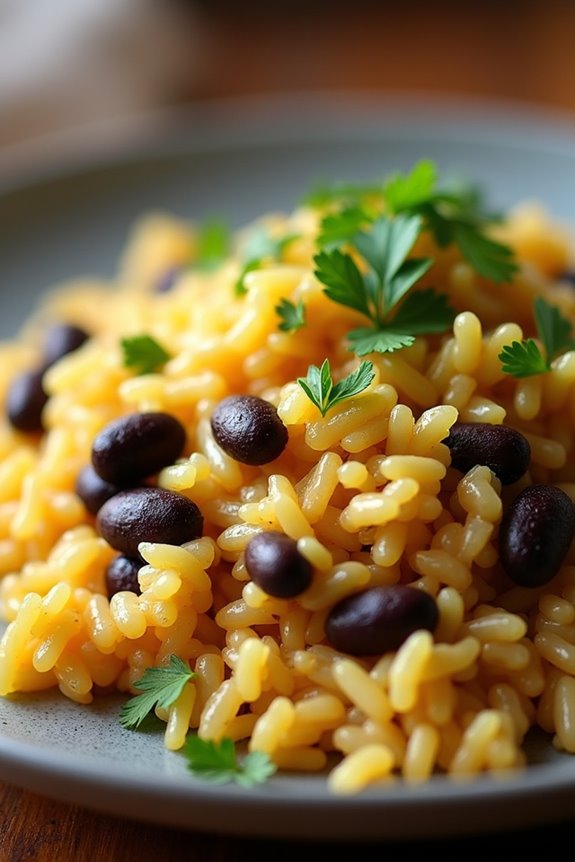
Arroz e Feijão, a classic Brazilian dish, embodies the heart and soul of Brazilian cuisine. This simple yet flavorful combination of rice and beans is a staple in many Brazilian households, often served as a side dish or the main course. Each region in Brazil has its own unique spin on this recipe, making it versatile and beloved across the country.
The harmony of textures and flavors not only brings comfort but also serves as a source of nourishment, representing the essence of Brazilian culinary culture.
Cooking Arroz e Feijão is an art that requires attention to detail, but with the right ingredients and steps, anyone can master this dish. The balance between the fluffy rice and the creamy beans creates a delightful pairing that can be enjoyed on its own or with various accompaniments, such as grilled meats or vegetables.
Whether you’re looking to impress your family or explore Brazilian cuisine, this recipe will guide you through the process of creating an authentic and satisfying meal that will transport your taste buds to Brazil.
Ingredients (serving size: 4-6 people):
- 2 cups of long-grain rice
- 1 cup of dried black beans (or pinto beans)
- 4 cups of water (for cooking beans)
- 2 tablespoons of olive oil
- 1 medium onion, finely chopped
- 4 cloves of garlic, minced
- 1 teaspoon of salt (adjust to taste)
- Black pepper to taste
- 2 bay leaves (optional)
- Fresh cilantro or parsley for garnish (optional)
Cooking Instructions:
- Prepare the Beans: Start by sorting through the dried beans to remove any debris or damaged beans. Rinse the beans under cold water. Soak the beans in a large bowl of water for at least 8 hours or overnight. This will help to soften them and reduce cooking time.
- Cook the Beans: Drain the soaked beans and transfer them to a pot. Add 4 cups of fresh water and the bay leaves (if using). Bring the water to a boil, then reduce the heat to a simmer. Cover and cook for about 1 to 1.5 hours, or until the beans are tender. Check the beans occasionally and add more water if necessary to keep them submerged.
- Cook the Rice: While the beans are cooking, prepare the rice. Rinse the rice under cold water until the water runs clear. In a separate pot, heat the olive oil over medium heat. Add the chopped onion and sauté until translucent, about 3-4 minutes. Then add the minced garlic and sauté for another minute until fragrant.
- Combine Rice and Water: Add the rinsed rice to the onion and garlic mixture, stirring to coat the rice in the oil. Pour in 4 cups of water and add salt and black pepper to taste. Increase the heat to bring the mixture to a boil. Once boiling, cover the pot with a lid and reduce the heat to low. Let the rice simmer for about 15-20 minutes or until the water is absorbed and the rice is tender.
- Serve the Dish: Once both the rice and beans are cooked, serve them together on a plate. You can either mix the beans with the rice or serve them side by side. Garnish with fresh cilantro or parsley if desired.
Extra Tips:
For an extra layer of flavor, consider adding smoked sausage or bacon to the beans while they cook. This will infuse the dish with a rich, smoky taste that complements the beans beautifully.
Additionally, feel free to experiment with different types of beans or rice as preferred. Make sure to taste and adjust the seasoning towards the end of cooking to achieve the desired flavor profile. Enjoy your Arroz e Feijão with a squeeze of lime or alongside your favorite protein for a complete meal!
Farofa: Toasted Cassava Flour Side Dish
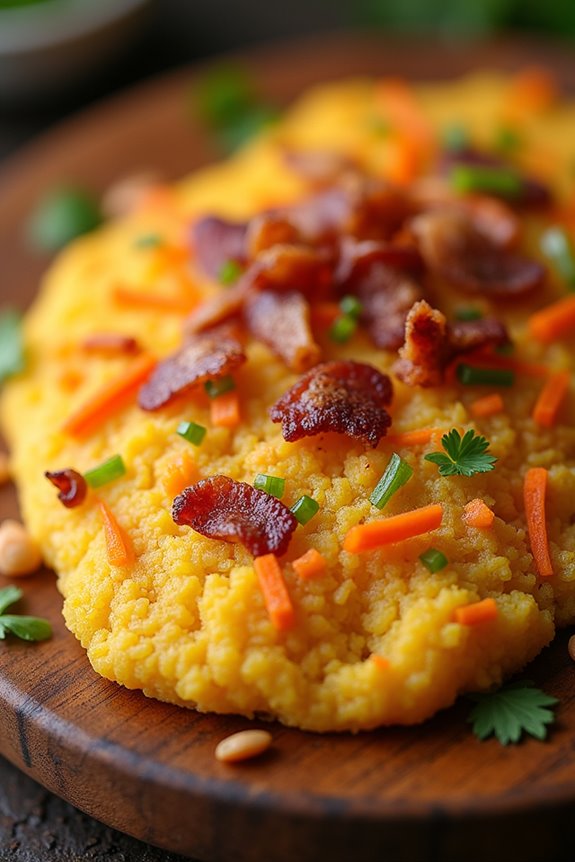
Farofa is a traditional Brazilian dish made primarily from toasted cassava flour, which is known for its versatility and unique texture. Often served alongside grilled meats, beans, and stews, Farofa adds a delightful crunch and rich flavor to any meal.
This simple yet satisfying side dish can be customized with various ingredients such as eggs, bacon, and vegetables, making it a beloved staple in Brazilian households. Whether you’re preparing a festive feast or a casual dinner, Farofa is certain to impress your guests with its delicious taste and appealing presentation.
To make Farofa, the key is to attain the perfect balance of toasting the cassava flour while incorporating flavorful additions. It’s typically sautéed until it takes on a golden color, allowing the flour to absorb the flavors of the accompanying ingredients.
This recipe will guide you through the steps to prepare a classic Farofa that serves 4-6 people, perfect for sharing with family and friends during your next Brazilian-themed dinner.
Ingredients
- 2 cups of cassava flour
- 4 tablespoons of unsalted butter
- 1 medium onion, finely chopped
- 2 cloves of garlic, minced
- 1 medium carrot, grated
- 4 strips of bacon, chopped (optional)
- 1/2 cup of green onions, chopped
- Salt, to taste
- Black pepper, to taste
- 1/2 cup of cooked eggs, chopped (optional)
Cooking Instructions
- Prepare the Ingredients: Start by gathering all your ingredients. Chop the onion, garlic, carrot, and bacon (if using). Grate the carrot and set aside. If you’re adding cooked eggs, chop them into small pieces.
- Cook the Bacon (Optional): In a large skillet over medium heat, add the chopped bacon. Cook until crispy, stirring occasionally. This will render the fat and add flavor to the dish. Once done, remove the bacon from the skillet and set it aside, leaving the fat in the pan.
- Sauté the Aromatics: In the same skillet with the bacon fat, add the unsalted butter. Once melted, add the chopped onion and minced garlic. Sauté until the onion becomes translucent and fragrant, usually about 3-4 minutes.
- Add the Carrot: Stir in the grated carrot and cook for another 2-3 minutes until it softens slightly. This will add sweetness and color to the Farofa.
- Toast the Cassava Flour: Gradually add the cassava flour to the skillet, stirring continuously. Toast the flour for about 5-7 minutes until it turns golden brown and develops a nutty aroma. Be careful not to burn it, as this can affect the flavor.
- Combine Ingredients: Return the cooked bacon to the skillet (if using) and mix in the chopped green onions. Season the mixture with salt and black pepper to taste. If you’re using cooked eggs, fold them in gently to combine.
- Serve: Once everything is well combined and heated through, remove the skillet from heat. Transfer the Farofa to a serving dish and enjoy it warm as a side to your favorite Brazilian dishes.
Extra Tips
When making Farofa, feel free to get creative with your ingredients! You can experiment by adding chopped bell peppers, raisins, or even nuts for added texture and flavor.
Additionally, the level of toasting can be adjusted based on your preference for a more pronounced or subtle flavor. Keep an eye on the cassava flour as it toasts to guarantee it achieves the perfect golden color without burning.
Farofa can be made ahead of time and reheated, making it a convenient side for gatherings or weeknight meals.
Galinhada: Chicken and Rice Delight

Galinhada is a traditional Brazilian dish that brings together the comforting flavors of chicken, rice, and spices, creating a hearty meal perfect for family gatherings or casual dinners. This one-pot dish isn’t only easy to prepare but also allows the ingredients to meld beautifully, resulting in a flavorful and aromatic feast.
Originating from the central regions of Brazil, Galinhada showcases the country’s love for vibrant and diverse cuisine, making it a must-try for anyone looking to explore Brazilian flavors.
To prepare Galinhada, you’ll need tender chicken pieces that are marinated in a mix of spices, along with rice that absorbs all the delicious flavors during cooking. The addition of vegetables such as bell peppers, onions, and tomatoes adds color and nutritional value, while saffron or turmeric provides that beautiful golden hue.
This dish is typically served alongside a fresh salad or some sautéed greens, making it a complete and satisfying meal.
Ingredients (Serves 4-6):
- 1.5 lbs (about 700g) of chicken (thighs or drumsticks)
- 2 cups of long-grain rice
- 1 large onion, chopped
- 2 cloves of garlic, minced
- 1 red bell pepper, chopped
- 1 green bell pepper, chopped
- 1 tomato, chopped
- 1 teaspoon of paprika
- ½ teaspoon of saffron or turmeric
- 4 cups of chicken broth
- 2 tablespoons of olive oil
- Salt and pepper to taste
- Fresh parsley for garnish (optional)
- Lemon wedges for serving (optional)
Cooking Instructions:
- Marinate the Chicken: In a large bowl, season the chicken pieces with salt, pepper, paprika, and half of the minced garlic. Allow the chicken to marinate for at least 30 minutes to enhance the flavors.
- Sauté Vegetables: In a large pot or Dutch oven, heat the olive oil over medium heat. Add the chopped onion and the remaining minced garlic. Sauté until the onion is translucent, about 5 minutes. Then, add the chopped bell peppers and tomatoes, cooking for an additional 3-4 minutes until they soften.
- Brown the Chicken: Increase the heat to medium-high and add the marinated chicken to the pot. Cook the chicken for about 5-7 minutes, turning occasionally, until it’s browned on all sides.
- Add Rice and Broth: Stir in the rice and saffron (or turmeric), making certain it’s well coated with the oil and spices. Pour in the chicken broth and bring the mixture to a boil. Once boiling, reduce the heat to low and cover the pot.
- Simmer the Dish: Allow the Galinhada to simmer for approximately 20-25 minutes, or until the rice is cooked and has absorbed the liquid. Avoid lifting the lid too often to maintain even cooking.
- Final Touches: Once cooked, remove the pot from heat and let it sit, covered, for another 5 minutes. Fluff the rice gently with a fork and garnish with freshly chopped parsley if desired.
Extra Tips:
For an added depth of flavor, consider incorporating bay leaves or a pinch of cumin during the cooking process. If you prefer a spicier twist, you can add sliced jalapeños or a dash of hot sauce to the sautéed vegetables.
Additionally, using bone-in chicken will impart more flavor to the dish, but feel free to use boneless chicken for a quicker cooking time. Galinhada is best served hot, accompanied by a fresh salad or some sautéed greens, and can be enjoyed the next day as leftovers, as the flavors only get better!
Polenta Com Ragu: Creamy Cornmeal With Meat Sauce
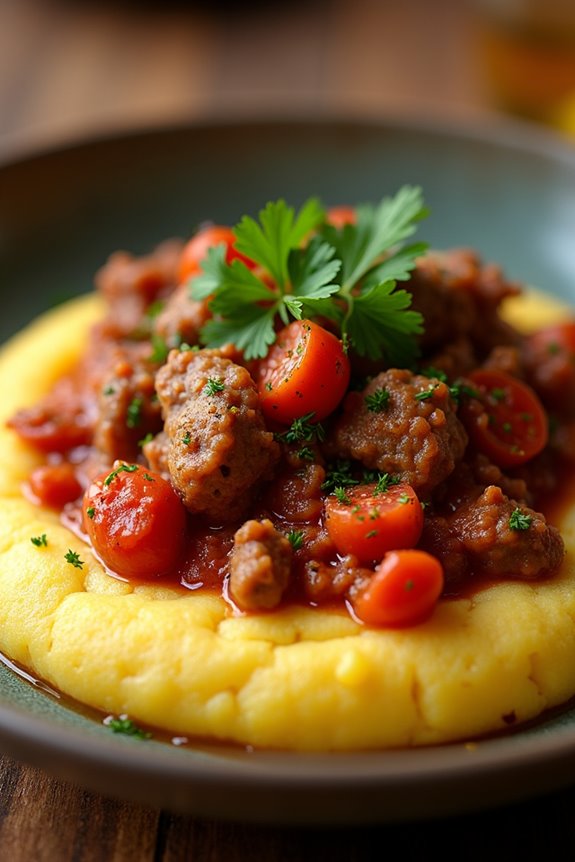
Polenta Com Ragu is a delightful Brazilian dish that showcases the comforting combination of creamy cornmeal and a rich meat sauce. This dish is perfect for gatherings or family dinners, as it combines hearty ingredients to create a satisfying meal. The creamy polenta serves as a wonderful base, while the ragu adds depth and flavor, making each bite a culinary delight.
Cooking Polenta Com Ragu isn’t only simple but also allows for creativity in flavoring the ragu. Using a mix of meats, vegetables, and spices, you can personalize the sauce to your liking. Whether you prefer a classic beef ragu or want to experiment with pork or chicken, this dish is versatile and sure to impress your guests.
Ingredients (Serves 4-6):
- 1 cup of polenta (cornmeal)
- 4 cups of water
- 1 teaspoon of salt
- 2 tablespoons of butter
- 1 cup of grated Parmesan cheese
- 1 tablespoon of olive oil
- 1 onion, chopped
- 2 cloves of garlic, minced
- 1 pound of ground beef (or a mix of beef and pork)
- 1 can (14 oz) of diced tomatoes
- 1 tablespoon of tomato paste
- 1 teaspoon of dried oregano
- 1 teaspoon of dried basil
- Salt and pepper to taste
- Fresh parsley for garnish (optional)
Cooking Instructions:
1. Prepare the Polenta: In a medium pot, bring 4 cups of water to a boil and add 1 teaspoon of salt. Gradually whisk in the polenta, stirring continuously to prevent lumps. Reduce the heat to low and cook for about 30 minutes, stirring frequently until the mixture thickens and the polenta is creamy.
Once done, stir in the butter and grated Parmesan cheese until well combined. Set aside and keep warm.
2. Make the Ragu: In a large skillet or saucepan, heat the olive oil over medium heat. Add the chopped onion and sauté until translucent, about 5 minutes. Then, add the minced garlic and sauté for an additional minute until fragrant.
3. Brown the Meat: Increase the heat to medium-high and add the ground beef (or meat mix) to the skillet. Cook until the meat is browned, breaking it apart with a wooden spoon as it cooks, about 7-10 minutes. Drain any excess fat if necessary.
4. Add the Tomatoes: Stir in the diced tomatoes (with juices) and tomato paste. Add the dried oregano, dried basil, and season with salt and pepper to taste. Bring the mixture to a simmer and reduce the heat to low. Let it cook for 20-30 minutes, stirring occasionally, until the sauce thickens and flavors meld.
5. Combine and Serve: To serve, spoon the creamy polenta onto plates or into bowls. Top with a generous amount of ragu and garnish with fresh parsley if desired. Enjoy your delicious Polenta Com Ragu!
Extra Tips:
When preparing Polenta Com Ragu, be sure to taste the ragu as it cooks, adjusting the seasoning to your preference. If you prefer a smoother polenta, you can blend it with a hand mixer after cooking.
Additionally, feel free to add vegetables such as bell peppers or mushrooms to the ragu for extra flavor and nutrition. This dish can also be made ahead of time; simply reheat both the polenta and ragu before serving for a quick and satisfying meal.
Quindim: Coconut and Egg Yolk Dessert
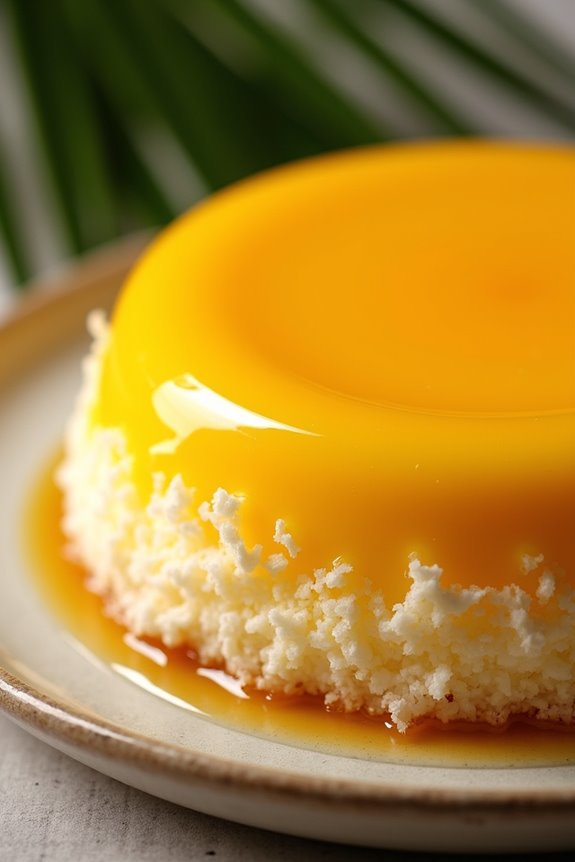
Quindim is a traditional Brazilian dessert that’s adored for its rich, luscious texture and delightful coconut flavor. This vibrant yellow treat is made primarily from egg yolks, sugar, coconut, and butter, resulting in a custard-like consistency that melts in your mouth.
Originating from Portuguese influence, it has become a staple in Brazilian cuisine, often served at celebrations, parties, and family gatherings.
The magic of quindim lies in its simplicity and the harmony of its ingredients. The sweetened coconut adds a tropical flair, while the egg yolks provide a creamy richness.
Often baked in small molds, quindim has a glossy top and a slightly chewy bottom, making it visually appealing as well. Whether you’re making this dessert for a special occasion or simply to satisfy your sweet tooth, quindim is certain to impress with its flavor and presentation.
Ingredients (Serves 4-6)
- 1 cup of shredded coconut (unsweetened)
- 1 cup of sugar
- 5 egg yolks
- 1/2 cup of melted butter
- 1/2 cup of coconut milk
- 1 teaspoon of vanilla extract
- A pinch of salt
Cooking Instructions
- Preheat the Oven: Begin by preheating your oven to 350°F (175°C). This guarantees that the quindim will bake evenly once you place it in the oven.
- Prepare the Molds: Grease a muffin tin or individual ramekins with butter. This step is essential as it prevents the quindim from sticking to the molds, allowing for easy removal after baking.
- Mix the Ingredients: In a mixing bowl, combine the shredded coconut, sugar, egg yolks, melted butter, coconut milk, vanilla extract, and a pinch of salt. Use a whisk or a hand mixer to blend the ingredients thoroughly until you achieve a smooth and uniform mixture.
- Pour into Molds: Carefully pour the mixture into the prepared molds, filling each one about three-quarters full. This allows room for the quindim to rise as it bakes.
- Bake the Quindim: Place the muffin tin or ramekins in the preheated oven and bake for approximately 25-30 minutes. You’ll know they’re done when the tops are golden and a toothpick inserted in the center comes out clean.
- Cool and Unmold: Once baked, remove the quindim from the oven and let them cool in the molds for about 10 minutes. Then, gently run a knife around the edges to loosen them and carefully invert onto a serving plate.
- Chill and Serve: For the best flavor and texture, let the quindim chill in the refrigerator for at least 1 hour before serving. This will enhance the flavors and make them even more invigorating.
Extra Tips
When preparing quindim, using fresh coconut can greatly enhance the flavor, but if it’s not available, unsweetened shredded coconut works well.
Be sure to measure your ingredients accurately to maintain the perfect balance of sweetness and creaminess. Additionally, if you prefer, you can add a splash of lime or lemon juice for a hint of acidity that complements the sweetness of the dessert beautifully.
Enjoy your quindim as a delightful ending to any Brazilian meal!
Sopa De Cebola: Traditional Onion Soup

Sopa De Cebola, a traditional Brazilian onion soup, is a comforting and flavorful dish that has its roots in European cuisine but has been embraced and adapted by Brazilian cooks. This delicious soup features caramelized onions, which provide a sweet and rich base, enhanced by beef or chicken broth, and topped with melted cheese and crispy bread. It’s a perfect starter for a hearty meal, especially during colder months when you crave something warm and satisfying.
The beauty of Sopa De Cebola lies not just in its taste but also in its simplicity, making it an accessible dish for both novice cooks and seasoned chefs. The caramelization of the onions is vital to achieving that deep, savory flavor, so take your time with this step. Serve the soup hot, topped with crusty bread and melted cheese, for a delightful experience that will transport you straight to Brazil.
Ingredients (serves 4-6 people):
- 4 large onions, thinly sliced
- 4 tablespoons of butter
- 4 cups of beef or chicken broth
- 1 cup of dry white wine (optional)
- Salt and black pepper to taste
- 1 teaspoon of sugar
- 1 tablespoon of flour
- 1 cup of grated cheese (Gruyère or mozzarella)
- 4-6 slices of crusty bread
Cooking Instructions:
- Caramelize the Onions: In a large pot, melt the butter over medium heat. Add the sliced onions and stir well. Cook the onions slowly, stirring frequently for about 30-40 minutes, until they’re deeply caramelized and golden brown. This step is vital as it develops the rich flavor of the soup.
- Add Sugar and Flour: Once the onions are caramelized, sprinkle the sugar and flour over the onions. Stir to combine and cook for an additional 2-3 minutes. The sugar will enhance the sweetness of the onions, while the flour will help to thicken the soup slightly.
- Deglaze the Pot: If using white wine, pour it into the pot and stir to deglaze, scraping up any bits stuck to the bottom. Allow the wine to simmer for about 5 minutes, letting the alcohol evaporate and the flavors meld together.
- Add Broth: Gradually pour in the beef or chicken broth, stirring continuously to combine. Bring the mixture to a gentle boil, then reduce the heat and let it simmer for 15-20 minutes. Season with salt and pepper to taste.
- Prepare the Bread and Cheese: While the soup is simmering, preheat your oven to 350°F (175°C). Place the slices of crusty bread on a baking sheet and toast them in the oven for about 10 minutes, or until golden and crispy. Remove from the oven and set aside.
- Serve the Soup: Ladle the hot soup into bowls, placing a slice of toasted bread on top of each bowl. Generously sprinkle grated cheese over the bread. For an extra touch, you can briefly broil the assembled bowls in the oven until the cheese is bubbly and golden brown.
Extra Tips:
When making Sopa De Cebola, it’s important to use good quality onions, as they’re the star of the dish. If you’re looking to add more depth, consider using a mix of yellow and sweet onions.
For an even heartier soup, you can add cooked beef or shredded chicken into the broth. Finally, feel free to experiment with different types of cheese; aged cheddar or a sprinkle of parmesan can add a unique twist to the classic recipe.
Enjoy your Sopa De Cebola with a side salad for a complete meal!
Pastel: Crispy Pastries With Various Fillings

Pastel is a beloved Brazilian street food that brings a delightful crunch and a variety of flavors to your dining experience. These crispy pastries are filled with a multitude of ingredients, ranging from savory options like ground meat, cheese, and vegetables to sweet fillings like banana and chocolate.
Originating from the Asian influence in Brazil, pastéis are often enjoyed as a snack or appetizer, making them a perfect addition to any Brazilian dinner party or casual gathering.
Making pastéis at home might seem intimidating, but with a little preparation, you can create a batch of these delicious pastries that will impress your family and friends. Whether you choose to fill them with traditional ingredients or get creative with your own combinations, the result is a crispy, flaky treat that’s sure to be a hit.
Let’s explore the recipe for making pastéis and enjoy the rich flavors and textures they offer.
Ingredients (Serves 4-6 people):
- 2 cups all-purpose flour
- 1/2 teaspoon salt
- 1 tablespoon vegetable oil
- 1/2 cup cold water
- 1 pound ground beef (or any filling of your choice)
- 1 small onion, finely chopped
- 2 cloves garlic, minced
- 1/2 cup chopped olives
- 1/2 cup grated cheese (e.g., mozzarella or queijo minas)
- 1 tablespoon chopped parsley
- Pepper to taste
- Oil for frying
Cooking Instructions:
1. Prepare the Dough: In a large mixing bowl, combine the flour and salt. Add the vegetable oil and cold water gradually, mixing with your hands until the dough comes together. Knead the dough for about 5 minutes until it’s smooth and elastic.
Cover it with a kitchen towel and let it rest for at least 30 minutes.
2. Prepare the Filling: In a skillet over medium heat, add a splash of oil and sauté the chopped onion until translucent. Add the minced garlic and cook for an additional minute.
Then, add the ground beef and season with pepper. Cook until the meat is browned, breaking it apart with a spatula. Once cooked, mix in the chopped olives, grated cheese, and parsley. Remove from heat and let it cool.
3. Roll Out the Dough: After resting, divide the dough into small balls (about the size of a golf ball). On a floured surface, use a rolling pin to flatten each ball into a thin round disk, approximately 6 inches in diameter.
Make sure to keep the edges thin for a crispier outcome.
4. Fill the Pastries: Take a tablespoon of the filling and place it in the center of each disk. Be careful not to overfill, as this can cause the pastéis to burst while frying.
Fold the dough over the filling to create a half-moon shape. Press the edges together firmly to seal them, and use a fork to crimp the edges for a decorative touch.
5. Fry the Pastéis: In a deep frying pan, heat oil over medium-high heat. Once the oil is hot (around 350°F or 175°C), carefully add the pastéis in batches.
Fry them for about 3-4 minutes on each side, or until golden brown and crispy. Remove them with a slotted spoon and drain on paper towels.
6. Serve and Enjoy: Serve the pastéis hot, with your choice of dipping sauces, such as hot sauce or a tangy vinaigrette.
Enjoy the crispy texture and flavorful fillings that make this dish a Brazilian favorite!
Extra Tips:
When making pastéis, feel free to experiment with different fillings based on your preferences or what you have available.
Common substitutes for the filling include chicken, shrimp, or even vegetarian options like spinach and cheese. If you’re preparing a large batch, consider freezing the uncooked pastéis for a quick snack in the future.
Just fry them straight from the freezer without thawing; they may take a minute or two longer to cook. Enjoy your culinary adventure with these delightful Brazilian pastries!
