


Exploring the flavors of Chilean cuisine is like uncovering a treasure trove of taste. Each dish offers a glimpse into Chile’s rich heritage and vibrant culture. From the comforting Pastel De Choclo to the zesty Pebre, there’s a story behind every recipe. Join me on this delicious journey as we celebrate the incredible local ingredients that make Chilean food truly special. You’re in for a treat with these inspiring culinary gems.
Pastel De Choclo
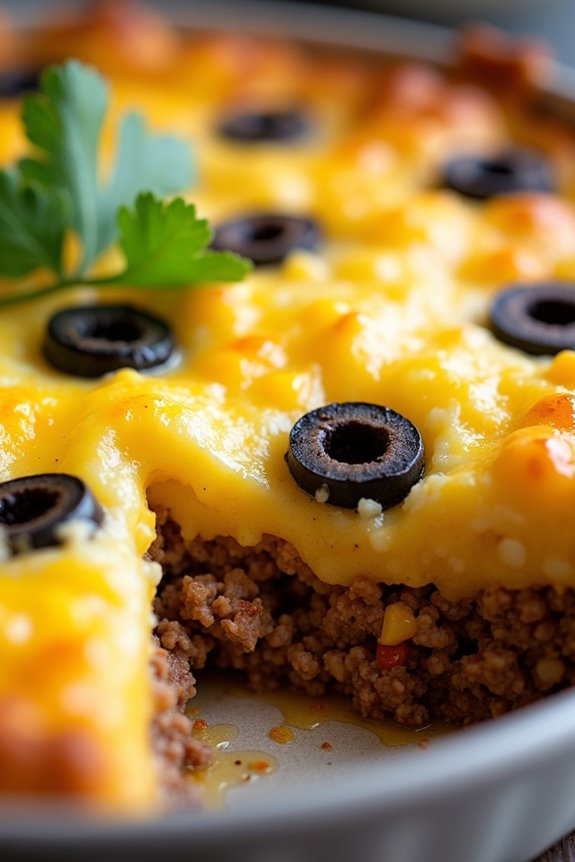
Pastel De Choclo, also known as Corn Pie, is a beloved traditional dish from Chile that celebrates the rich flavors of corn and the bounty of the land. This hearty dish is typically made with a layer of ground meat, vegetables, and a creamy corn topping that’s baked to perfection. Its roots can be traced back to indigenous cultures and Spanish influences, making it a delightful blend of history and taste.
The combination of savory and sweet, along with its comforting texture, makes Pastel De Choclo a favorite among locals and visitors alike. Prepare to impress your family and friends with this delightful dish, perfect for gatherings or cozy family dinners. The vibrant colors and aromatic flavors come together to create a meal that not only fills the stomach but also warms the heart.
With a few simple ingredients and some easy-to-follow steps, you’ll be able to bring a taste of Chile into your home. Let’s get started on creating this delicious Pastel De Choclo for 4-6 people.
Ingredients
- 2 cups of fresh or frozen corn
- 1 cup of milk
- 1 tablespoon of butter
- 1 teaspoon of salt
- 1 teaspoon of sugar
- 1 pound of ground beef or chicken
- 1 onion, finely chopped
- 1 bell pepper, finely chopped
- 2 cloves of garlic, minced
- 1 cup of black olives, pitted and sliced
- 3 hard-boiled eggs, sliced
- 1 cup of cornmeal (polenta)
- 1 teaspoon of paprika
- 1 teaspoon of cumin
- Pepper to taste
- Fresh cilantro for garnish (optional)
Cooking Instructions
- Prepare the Corn Mixture: Begin by cooking the corn in a pot with water until tender, about 10 minutes if using fresh corn. Once cooked, drain the corn and blend it in a food processor with milk, butter, salt, and sugar until smooth and creamy. Set aside.
- Cook the Meat Filling: In a large skillet over medium heat, add the ground meat. Cook until browned, about 5-7 minutes. Then add the chopped onion, bell pepper, and garlic, cooking until the vegetables are soft and fragrant, around 5 minutes. Season the mixture with paprika, cumin, salt, and pepper to taste.
- Layer the Ingredients: In a greased baking dish, spread half of the meat mixture on the bottom. Layer the sliced olives and hard-boiled eggs over the meat, then top with the remaining meat mixture.
- Add the Corn Topping: Pour the creamy corn mixture over the meat filling, spreading it evenly to cover the entire dish. You can use a spatula to smooth it out for an even layer.
- Bake the Pastel De Choclo: Preheat your oven to 375°F (190°C). Place the baking dish in the oven and bake for about 30-40 minutes, or until the top is golden brown and slightly crisp.
- Serve and Garnish: Once baked, remove the Pastel De Choclo from the oven and let it cool for a few minutes. Garnish with fresh cilantro if desired, then slice and serve warm.
Extra Tips
When making Pastel De Choclo, feel free to customize the filling to your liking by adding vegetables such as peas or corn for extra texture. For a richer flavor, consider using a mixture of ground meats or adding some cheese to the corn topping.
Additionally, the dish can be prepared ahead of time; simply assemble it up to the baking step and refrigerate until ready to bake. Enjoy this comforting meal with a fresh salad for a delightful dining experience!
Empanadas De Pino
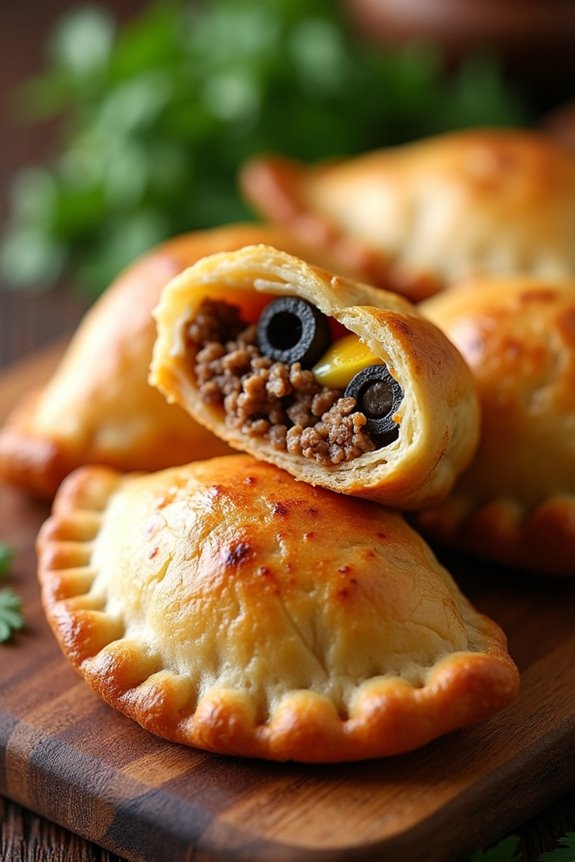
Empanadas De Pino is a traditional Chilean dish that showcases the rich culinary heritage of the country. These savory pastries are filled with a delicious mixture of ground beef, onions, olives, hard-boiled eggs, and spices, all encased in a flaky pastry crust. Perfect for any occasion, from family gatherings to casual get-togethers, these empanadas aren’t just a meal; they’re a taste of Chile’s vibrant culture and history.
The preparation of Empanadas De Pino is a labor of love, as each bite delivers a delightful combination of flavors and textures. While the process may seem intimidating, it’s quite manageable with a little patience. Once you master the art of making these empanadas, you’ll find that they’re well worth the effort.
Serve them with a side of pebre (a Chilean condiment) for an authentic experience that will transport you straight to the heart of Chile.
Ingredients (Serves 4-6 people)
- 2 cups all-purpose flour
- 1/2 cup unsalted butter, cubed
- 1/2 teaspoon salt
- 4-5 tablespoons cold water
- 1 lb ground beef
- 1 large onion, finely chopped
- 2 hard-boiled eggs, chopped
- 1/2 cup green olives, pitted and chopped
- 1 teaspoon cumin
- 1 teaspoon paprika
- Salt and pepper to taste
- 1 egg, beaten (for egg wash)
Cooking Instructions
- Make the Dough: In a large mixing bowl, combine the flour and salt. Add the cubed butter and use your fingers or a pastry cutter to blend until the mixture resembles coarse crumbs. Gradually add cold water, one tablespoon at a time, mixing until the dough comes together. Knead gently for a minute, then wrap in plastic wrap and chill in the refrigerator for 30 minutes.
- Prepare the Filling: In a large skillet over medium heat, add the chopped onion and sauté until soft and translucent, about 5 minutes. Add the ground beef, breaking it up with a spoon, and cook until browned. Stir in the cumin, paprika, salt, and pepper, and cook for an additional 2-3 minutes. Remove from heat and let cool slightly before mixing in the chopped hard-boiled eggs and olives.
- Roll Out the Dough: On a floured surface, roll out the chilled dough to about 1/8 inch thick. Use a round cutter or a glass to cut out circles of dough, approximately 4-5 inches in diameter.
- Fill the Empanadas: Place a generous tablespoon of the beef filling in the center of each dough circle. Fold the dough over to create a half-moon shape, pressing the edges together to seal. Use a fork to crimp the edges for a decorative touch and to guarantee they’re well sealed.
- Prepare for Baking: Preheat your oven to 375°F (190°C). Place the filled empanadas on a baking sheet lined with parchment paper. Brush the tops with the beaten egg to give them a beautiful golden color when baked.
- Bake the Empanadas: Bake in the preheated oven for 20-25 minutes, or until the empanadas are golden brown. Remove from the oven and allow to cool slightly before serving.
Extra Tips
To enhance the flavor of your Empanadas De Pino, consider adding a pinch of nutmeg or a splash of red wine to the filling mixture for a unique twist. Additionally, you can make the dough ahead of time and freeze it for later use.
When ready to bake, simply thaw and proceed with the recipe. Pairing these empanadas with a fresh salad or a zesty salsa can elevate your meal, making it even more enjoyable.
Cazuela

Cazuela is a traditional Chilean dish that showcases the country’s diverse agricultural bounty and rich culinary heritage. This hearty stew is characterized by its vibrant flavors and colorful presentation, typically featuring a medley of meat, vegetables, and spices simmered together to create a comforting meal.
Cazuela not only reflects the essence of Chilean cuisine but also serves as a delightful reminder of home-cooked meals shared with family and friends. It’s perfect for chilly evenings or festive gatherings, offering warmth and nourishment in every bowl.
The beauty of cazuela lies in its versatility; while the core ingredients remain consistent, you can easily adapt the recipe to include seasonal vegetables or your favorite cuts of meat. Whether you choose to make it with chicken, beef, or a combination of both, each variation provides a unique twist on this beloved classic.
With a delicious broth infused with herbs and spices, cazuela is a dish that invites everyone to gather around the table and enjoy the comforting flavors of Chile.
Ingredients (serving size: 4-6 people):
- 1 lb beef (shank or chuck), cut into chunks
- 1 lb chicken (thighs or drumsticks), skinless
- 4 cups water or beef broth
- 2 medium potatoes, peeled and cut into quarters
- 2 carrots, sliced
- 1 onion, chopped
- 2 cloves garlic, minced
- 1 cup green beans, trimmed and cut into pieces
- 1 cup pumpkin or squash, cubed
- 1 teaspoon dried oregano
- 1 teaspoon paprika
- Salt and pepper, to taste
- Fresh parsley, chopped (for garnish)
Cooking Instructions:
- Brown the Meat: In a large pot or Dutch oven, heat a tablespoon of oil over medium-high heat. Add the beef chunks and chicken pieces, seasoning with salt and pepper. Sear the meat until browned on all sides, which should take about 5-7 minutes. This step adds depth to the flavor of the broth.
- Sauté Aromatics: Add the chopped onion and minced garlic to the pot with the meat. Sauté for about 3-4 minutes until the onion becomes translucent and fragrant. This will build a flavorful base for the cazuela.
- Add Liquid and Spices: Pour in the water or beef broth and bring the mixture to a boil. Once boiling, reduce the heat to low and add the dried oregano and paprika. Cover the pot and let it simmer for about 45 minutes, allowing the flavors to meld and the meat to tenderize.
- Incorporate Vegetables: After 45 minutes, add the potatoes, carrots, green beans, and pumpkin (or squash) to the pot. Stir gently to combine and cover again. Continue to simmer for another 30 minutes, or until the vegetables are tender and the meat is cooked through.
- Final Seasoning and Serve: Taste the cazuela and adjust seasoning with more salt and pepper if necessary. Once everything is cooked, ladle the cazuela into bowls, garnish with fresh parsley, and serve hot. Enjoy with crusty bread or a side salad for a complete meal.
Extra Tips: When making cazuela, feel free to customize it with whatever seasonal vegetables you have on hand—zucchini, corn, or even leafy greens can work beautifully.
Additionally, for added flavor, consider incorporating a splash of white wine or a few bay leaves during the simmering process. Always allow the dish to rest for a few minutes before serving, as this helps enhance the flavors even more. Enjoy your delicious homemade cazuela!
Pebre
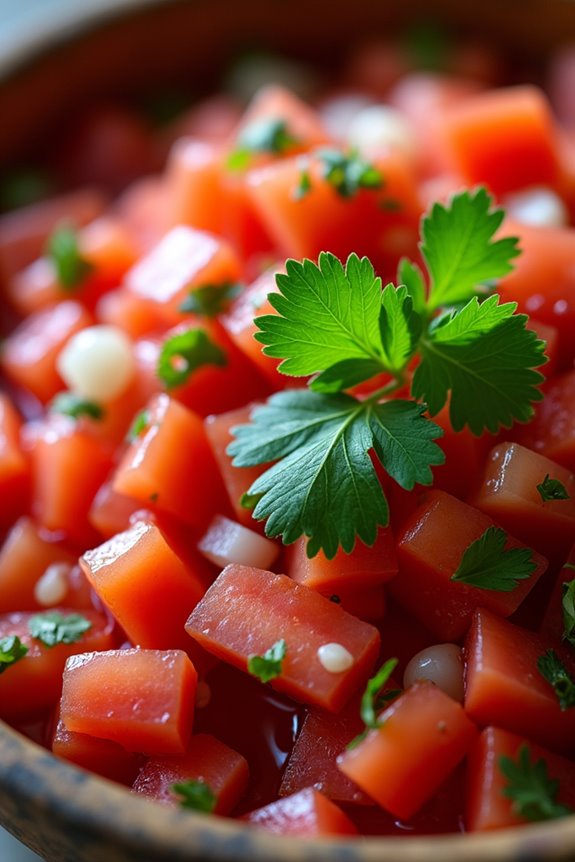
Pebre is a traditional Chilean condiment that beautifully complements various dishes, especially grilled meats, bread, and even soups. This vibrant sauce is made from fresh ingredients, providing a zesty flavor profile that enhances any meal. Its origins can be traced back to rural Chile, where it has been a staple for generations.
The combination of tomatoes, onions, cilantro, and chili peppers creates a revitalizing taste that embodies the essence of Chilean culinary traditions.
Making Pebre is simple and requires no elaborate cooking techniques, allowing you to whip it up quickly for a family gathering or any special occasion. It serves as an excellent accompaniment to typical Chilean dishes like empanadas, asado (barbecue), or simply served with crusty bread.
The beauty of Pebre lies in its versatility, as you can adjust the spice level and ingredients according to your personal preferences.
Ingredients (Serves 4-6 people)
- 3 medium tomatoes, finely diced
- 1 medium onion, finely chopped
- 1 cup fresh cilantro, chopped
- 1-2 fresh green chili peppers, minced (adjust to taste)
- 2 tablespoons olive oil
- 1 tablespoon red wine vinegar (or lemon juice)
- Salt to taste
- Black pepper to taste
Cooking Instructions
- Prepare the Vegetables: Begin by washing the tomatoes and cilantro thoroughly. Dice the tomatoes into small cubes. For the onion, peel and chop it finely to guarantee that it blends well with the other ingredients.
- Rinse the cilantro, shake off excess water, and chop it coarsely. Finally, remove the stems and seeds from the chili peppers before mincing them to your desired heat level.
- Mix Ingredients: In a mixing bowl, combine the diced tomatoes, chopped onion, minced green chili peppers, and chopped cilantro. Stir gently to combine all the fresh ingredients evenly.
- Add Seasoning and Oil: Drizzle the olive oil over the mixture, followed by the red wine vinegar (or lemon juice). Sprinkle salt and black pepper to taste. These ingredients will enhance the overall flavor of the Pebre.
- Combine Everything: Using a spoon, mix everything together gently but thoroughly. This step guarantees that all ingredients are well incorporated and the flavors meld together beautifully.
- Let it Rest: Allow the Pebre to rest for at least 15-30 minutes. This resting period is essential as it helps the flavors to develop and intensify, making the condiment even tastier.
- Serve: After resting, give the Pebre one final stir and serve it in a small bowl alongside your favorite dishes. Enjoy the fresh flavors of this Chilean classic!
Extra Tips
For an extra kick, you can experiment with different types of chili peppers, such as jalapeños or habaneros, depending on your spice tolerance.
Additionally, if you prefer a smoother texture, consider pulsing the ingredients in a food processor for a few seconds—just be careful not to over-process.
Pebre can be stored in an airtight container in the refrigerator for up to a week, allowing you to enjoy its flavors over multiple meals.
Porotos Granados

Porotos Granados is a traditional Chilean dish that embodies the essence of home cooking with its hearty and comforting flavors. This dish features a combination of fresh ingredients, including beans, corn, and squash, which are staples in Chilean cuisine. Typically enjoyed during the summer months when the vegetables are at their peak, Porotos Granados isn’t only delicious but also a vibrant representation of Chile’s agricultural bounty.
The base of this dish is made with fresh cranberry beans, which are often favored for their creamy texture and rich flavor. Combined with sweet corn and tender squash, Porotos Granados creates a hearty stew that’s both nutritious and filling. This recipe is perfect for family gatherings or a cozy dinner, making it an ideal choice for those looking to explore Chilean culinary traditions.
Ingredients (serving size: 4-6 people)
- 1 cup fresh cranberry beans (or canned, drained)
- 2 cups corn kernels (fresh or frozen)
- 1 medium zucchini, diced
- 1 medium onion, chopped
- 2 cloves garlic, minced
- 1 medium tomato, diced
- 2 tablespoons olive oil
- 4 cups vegetable broth or water
- 1 teaspoon paprika
- 1 teaspoon cumin
- Salt and pepper to taste
- Fresh basil or cilantro for garnish
Cooking Instructions
- Prepare the Beans: If using fresh cranberry beans, rinse and soak them overnight in water. Drain and set aside. If using canned beans, simply drain and rinse them under cold water.
- Sauté the Vegetables: In a large pot, heat the olive oil over medium heat. Add the chopped onion and sauté for about 5 minutes, or until the onion is soft and translucent. Then, add the minced garlic and sauté for an additional minute.
- Add the Tomato and Spices: Stir in the diced tomato, paprika, and cumin. Cook for about 3-4 minutes until the tomato begins to break down and the spices become fragrant.
- Incorporate the Beans and Broth: Add the soaked (or canned) beans and pour in the vegetable broth or water. Bring the mixture to a boil, then reduce the heat to low and let it simmer for about 20 minutes.
- Add the Corn and Zucchini: After 20 minutes, add the corn kernels and diced zucchini to the pot. Stir well and continue to simmer for another 15-20 minutes, or until the beans are tender and the squash is cooked through.
- Season and Serve: Taste the stew and season with salt and pepper as needed. Once everything is cooked, ladle the Porotos Granados into bowls and garnish with fresh basil or cilantro before serving.
Extra Tips
For an added depth of flavor, consider using homemade vegetable broth or adding a splash of white wine while sautéing the vegetables.
Additionally, feel free to customize the recipe by incorporating other seasonal vegetables you have on hand, such as bell peppers or carrots, to enhance the dish’s color and flavor.
Porotos Granados can be served with crusty bread or a side salad for a complete meal. Enjoy this delicious Chilean comfort food!
Charquicán

Charquicán is a traditional Chilean dish that embodies the essence of home cooking with its hearty and comforting flavors. It’s a rustic meat and vegetable stew that originated from the indigenous Mapuche people and has since evolved to become a staple in Chilean cuisine.
The dish is versatile, allowing for various adaptations based on seasonal ingredients, but the main components typically include salted or dried meat, potatoes, and a medley of vegetables. Charquicán is often served with a sunny-side-up egg on top, making it a satisfying meal for any time of day.
This dish isn’t only delicious but also nourishes the body and soul, making it a favorite among families across Chile. The preparation involves simmering the ingredients together, allowing the flavors to meld beautifully.
Whether you’re enjoying it on a chilly evening or serving it at a gathering, Charquicán is sure to bring warmth and joy to the table.
Ingredients (Serves 4-6):
- 500g salted beef or dried meat (charqui)
- 4 medium potatoes, peeled and diced
- 2 medium carrots, peeled and diced
- 1 medium onion, finely chopped
- 2 cloves of garlic, minced
- 1 cup of corn, fresh or frozen
- 1 bell pepper, diced
- 2 tablespoons of olive oil
- 1 teaspoon of paprika
- 1 teaspoon of cumin
- Salt and pepper to taste
- Fresh parsley, for garnish
- 4-6 eggs (optional, for serving)
Cooking Instructions:
- Prepare the Meat: If using salted beef, soak it in cold water for a few hours or overnight to remove excess salt. Once soaked, drain and cut it into small pieces. If using dried meat, shred it into bite-sized pieces.
- Sauté the Aromatics: In a large pot, heat the olive oil over medium heat. Add the chopped onion and garlic, and sauté until the onion is translucent and fragrant, about 5 minutes.
- Add the Meat: Incorporate the prepared meat into the pot. Cook for about 5-7 minutes, stirring occasionally, until the meat is browned and starts to release its juices.
- Incorporate Vegetables: Add the diced potatoes, carrots, corn, and bell pepper to the pot. Mix well to combine all the ingredients.
- Season the Mixture: Sprinkle in the paprika, cumin, salt, and pepper. Stir to evenly coat the vegetables and meat with the seasonings.
- Simmer the Charquicán: Pour in enough water to cover the ingredients. Bring the mixture to a boil, then reduce the heat to low. Cover the pot and let it simmer for about 30-40 minutes, or until the potatoes and carrots are tender.
- Final Touches: Once the vegetables are cooked, taste and adjust the seasoning if necessary. If desired, you can mash some of the potatoes in the pot to create a thicker consistency.
- Prepare the Eggs: If serving with eggs, fry or poach the eggs to your liking in a separate pan while the Charquicán is simmering.
- Serve: Ladle the Charquicán into bowls, and top with a fried or poached egg if using. Garnish with fresh parsley for a pop of color.
Extra Tips:
When making Charquicán, feel free to customize the vegetables based on what you have available. Common additions include peas, squash, or even spinach.
If you prefer a vegetarian version, you can substitute the meat with lentils or mushrooms for a hearty alternative. Additionally, if you want to enhance the flavor, consider adding a splash of white wine or a teaspoon of tomato paste during the cooking process.
Enjoy this dish warm, and don’t hesitate to make it ahead of time, as it tastes even better the next day!
Completo

The Completo is a beloved Chilean street food that embodies the country’s rich culinary heritage. This hearty dish features a hot dog topped with a medley of ingredients, transforming it into a delicious meal that’s both satisfying and flavorful. The traditional Completo is layered with sauerkraut, diced tomatoes, avocado, and mayonnaise, making it a fantastic option for any get-together or casual dining experience.
It’s not just food; it’s a culinary experience that reflects the vibrant culture of Chile.
To prepare a Completo, you’ll need a combination of fresh ingredients and classic condiments that come together to create an explosion of flavors in every bite. This dish is perfect for gatherings and can easily be scaled for serving sizes, making it a favorite for barbecue parties or casual family dinners.
With the right ingredients and a little bit of creativity, you can create your own version of this Chilean classic that will impress anyone who tries it.
Ingredients (Serves 4-6 people)
- 4-6 hot dogs
- 4-6 hot dog buns
- 1 cup sauerkraut
- 2 large tomatoes, diced
- 2 ripe avocados
- 1 cup mayonnaise
- 1 tablespoon mustard (optional)
- 1 tablespoon ketchup (optional)
- Salt and pepper to taste
Cooking Instructions
- Prepare the Hot Dogs: Start by boiling or grilling the hot dogs according to your preference. If you choose to grill them, preheat the grill to medium heat and cook the hot dogs until they’re heated through and have grill marks, usually about 6-8 minutes. If boiling, simply place them in a pot of simmering water for about 5-7 minutes.
- Toast the Buns: While the hot dogs are cooking, you can toast the hot dog buns. Place them on the grill or in a toaster until they’re lightly browned and warm. This step adds a nice texture to the dish.
- Prepare the Toppings: While the hot dogs and buns are being prepared, dice the tomatoes and set them aside in a bowl. Next, cut the avocados in half, remove the pit, and scoop the flesh into a separate bowl. Mash the avocado with a fork and season with salt and pepper to taste.
- Assemble the Completo: Once the hot dogs are cooked and the buns toasted, place a hot dog in each bun. Start layering by adding a spoonful of sauerkraut on top of the hot dog, followed by the diced tomatoes and a generous scoop of mashed avocado.
- Add Condiments: Drizzle mayonnaise over the top of the toppings. If desired, you can also add mustard and ketchup for extra flavor. Feel free to adjust the amounts based on your taste preferences.
- Serve Immediately: Serve the Completo immediately while the hot dogs are still warm. Consider pairing it with a side of chips or a fresh salad for a complete meal.
Extra Tips
When making a Completo, the key to success is using fresh ingredients for the toppings to enhance the flavor profile. You can also customize your Completo by adding other toppings like pickled jalapeños, cheese, or even chimichurri sauce to give it an extra kick.
Additionally, if you’re feeling adventurous, try different types of sausages or vegan alternatives for a unique twist on this classic dish. Enjoy your culinary journey through Chile!
Chorrillana
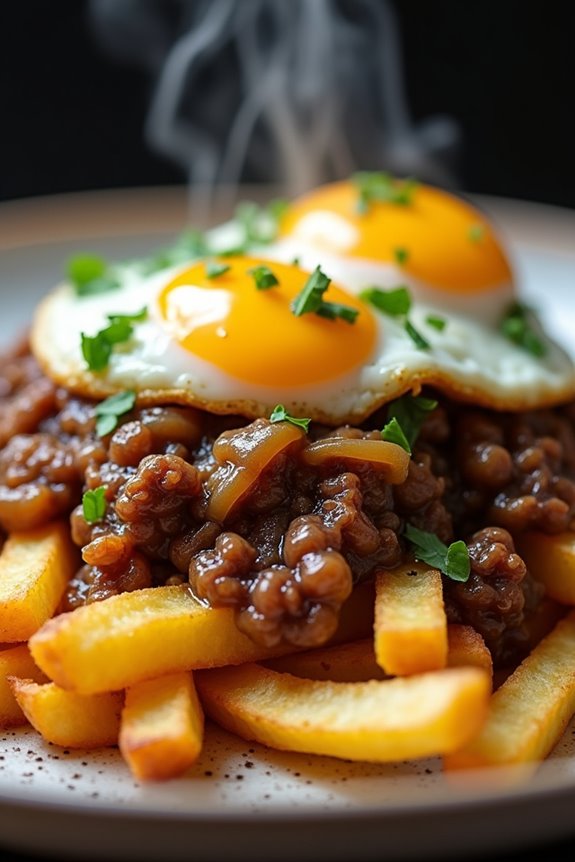
Chorrillana is a beloved Chilean dish that embodies the spirit of comfort food. Originating from the city of Valparaíso, this hearty meal typically consists of a base of crispy French fries topped with a savory mixture of sautéed onions, beef, and sometimes eggs. It’s a popular choice among locals and tourists alike, often enjoyed as a late-night snack or a casual meal with friends.
The combination of flavors and textures makes Chorrillana a satisfying dish that’s certain to please any crowd. This dish can be easily adapted to suit personal preferences, with variations that may include adding other toppings such as cheese, avocado, or different types of meats. It’s perfect for sharing, making it an ideal option for gatherings and celebrations.
Whether you’re a seasoned cook or a beginner, preparing Chorrillana is a straightforward process that promises delightful results.
Ingredients (Serves 4-6 people):
- 4 large potatoes
- 1 lb (450g) ground beef
- 1 large onion, thinly sliced
- 3 cloves garlic, minced
- 4 large eggs (optional)
- 1 tablespoon paprika
- 1 teaspoon cumin
- Salt and pepper to taste
- Vegetable oil for frying
- Chopped parsley (for garnish)
Cooking Instructions:
- Prepare the Potatoes: Start by peeling the potatoes and cutting them into thick strips to make fries. Rinse them under cold water to remove excess starch, which helps make them crispier when fried. Pat them dry with a clean kitchen towel.
- Fry the Potatoes: In a large frying pan or deep fryer, heat vegetable oil over medium-high heat. Once the oil is hot, carefully add the potato strips in batches to avoid overcrowding. Fry them until golden and crispy, about 5-7 minutes. Remove the fries with a slotted spoon and drain them on paper towels. Sprinkle with salt while they’re still hot.
- Cook the Beef: In the same pan, remove excess oil, leaving about 1 tablespoon. Add ground beef and cook over medium heat, breaking it apart with a spatula until browned. This should take about 5-7 minutes. Drain any excess fat.
- Sauté the Onions and Garlic: Add the sliced onions and minced garlic to the beef in the pan. Stir and cook until the onions are translucent and slightly caramelized, about 4-5 minutes. Season with paprika, cumin, salt, and pepper.
- Prepare the Eggs (optional): In a separate frying pan, cook the eggs to your liking (fried, scrambled, or sunny-side-up). Set aside.
- Assemble the Dish: On a large serving platter, create a base with the crispy fries. Top generously with the beef and onion mixture. If using, place the cooked eggs on top. Garnish with chopped parsley for a pop of color.
- Serve and Enjoy: Serve the Chorrillana immediately while hot, allowing everyone to dig in and enjoy the layers of flavor and texture.
Extra Tips:
When making Chorrillana, the key is to ascertain that the fries are crispy so they hold up against the toppings. For an even crispier result, consider double-frying the potatoes.
Additionally, feel free to customize the toppings based on your preferences; adding cheese or spicy sauces can enhance the flavor even more. Finally, Chorrillana is best enjoyed fresh, so try to serve it right after assembling for the best experience!
Asado
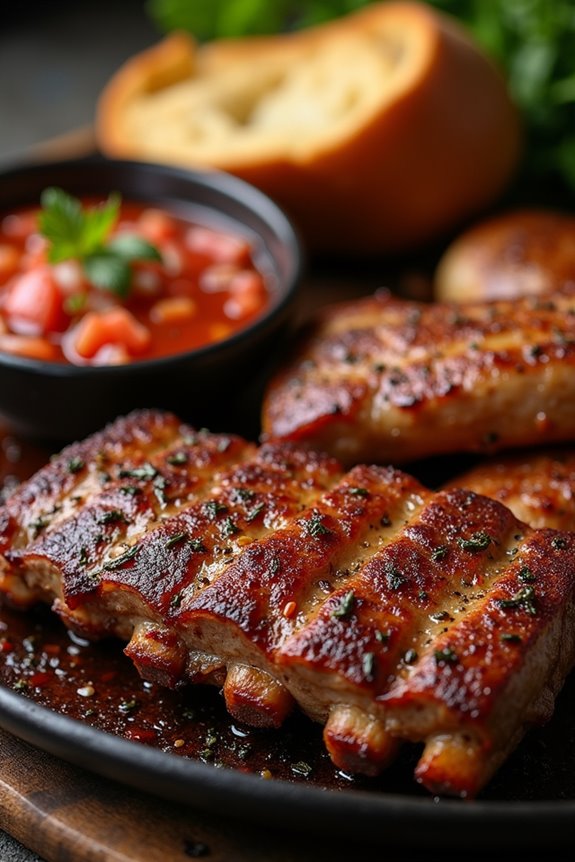
Asado is a traditional Chilean barbecue that brings together family and friends to enjoy a hearty meal. It typically consists of various cuts of meat, including beef, pork, and chicken, all cooked over an open flame or grill. Asado isn’t just about the food; it’s an experience that embodies the spirit of Chilean culture, where good company and delicious flavors come together.
The key to a successful asado lies in the quality of the meat and the proper seasoning, often using simple ingredients that enhance the natural flavors.
To prepare a truly authentic asado, it’s vital to have the right equipment, including a grill or parrilla, and to allow the meat to marinate for a while to absorb the flavors. The cooking process is slow and deliberate, allowing the meat to become tender while developing a smoky flavor. Accompanying the asado with traditional sides like pebre (a Chilean salsa) and fresh bread completes the meal, making it a perfect feast for gatherings or special occasions.
Ingredients (Serves 4-6 people)
- 2 lbs beef ribs or flank steak
- 1 lb pork ribs
- 1 lb chicken thighs
- 1 cup olive oil
- 4 cloves garlic, minced
- 2 tablespoons fresh oregano, chopped
- 1 tablespoon paprika
- Salt and black pepper to taste
- 1 loaf of crusty bread (for serving)
- 1 cup pebre (Chilean salsa) (optional)
Cooking Instructions
- Prepare the Marinade: In a bowl, combine the olive oil, minced garlic, chopped oregano, paprika, salt, and black pepper. Mix well to form a marinade. This mixture will enhance the meat’s flavor and tenderize it.
- Marinate the Meat: Place the beef, pork, and chicken into a large resealable plastic bag or a shallow dish. Pour the marinade over the meat, making sure it’s evenly coated. Seal the bag or cover the dish with plastic wrap and refrigerate for at least 2 hours, or preferably overnight for maximum flavor.
- Preheat the Grill: About 30 minutes before you’re ready to cook, preheat your grill or parrilla to medium-high heat. If using charcoal, allow it to burn until covered with white ash. A properly heated grill will create a nice sear on the meat.
- Grill the Meat: Remove the meat from the marinade and let any excess drip off. Place the beef ribs and flank steak on the grill first, cooking for about 4-6 minutes per side for medium-rare, depending on thickness. Add the pork ribs next, cooking for about 5-7 minutes per side. Finally, add the chicken thighs, cooking for about 7-8 minutes per side until the internal temperature reaches 165°F.
- Rest and Serve: Once cooked to your desired doneness, remove the meat from the grill and allow it to rest for about 5-10 minutes. This helps retain the juices. Slice the meat as needed and serve with fresh bread and pebre on the side.
Extra Tips
When cooking asado, it’s crucial to maintain a consistent temperature on the grill for the best results. You can use indirect heat for larger cuts of meat to ensure they cook evenly without burning.
Additionally, feel free to personalize your marinade with your favorite herbs and spices. Remember, patience is key; don’t rush the cooking process, as the slow roasting over the flames will yield the most tender and flavorful results. Enjoy the experience, and don’t forget to share the meal with good company!
Mote Con Huesillo

Mote Con Huesillo is a traditional Chilean drink and dessert that’s especially popular during the summer months. It consists of husked wheat (mote) mixed with a sweet, invigorating peach syrup and served with dried peaches (huesillos). This delightful treat isn’t only delicious but also embodies the essence of Chilean culture and hospitality.
The combination of the chewy wheat and the sweet, fruity syrup makes it a perfect refresher for hot days, and it’s often enjoyed at outdoor events and festivals.
Making Mote Con Huesillo at home is a straightforward process that involves preparing the wheat, soaking the dried peaches, and combining everything with a sweet syrup. With its vibrant flavors and textures, it’s sure to impress your family and friends. Follow the recipe below to create this beloved Chilean dish for 4-6 people.
Ingredients:
- 1 cup of husked wheat (mote)
- 6 cups of water (for cooking the mote)
- 1 cup of dried peaches (huesillos)
- 4 cups of water (for soaking the huesillos)
- 1 cup of sugar
- 2 cups of water (for the syrup)
- 1 teaspoon of ground cinnamon
- 1 teaspoon of vanilla extract
- Ice cubes (optional, for serving)
Cooking Instructions:
- Cook the Mote: Start by rinsing the husked wheat under cold water to remove any impurities. In a large pot, add the rinsed wheat and 6 cups of water. Bring the mixture to a boil, then reduce the heat to low and cover the pot. Allow it to simmer for about 40-50 minutes, or until the wheat is tender but has a slight chewiness. Stir occasionally and add more water if necessary to prevent sticking.
- Soak the Huesillos: While the mote is cooking, prepare the dried peaches. In a separate bowl, combine the dried peaches with 4 cups of water. Allow them to soak for at least 30 minutes, or until they’ve softened and plumped up. This step is essential for achieving the right texture in the final dish.
- Make the Syrup: In a saucepan, combine 2 cups of water, 1 cup of sugar, ground cinnamon, and vanilla extract. Bring it to a boil, stirring until the sugar has completely dissolved. Once boiling, reduce the heat and let it simmer for about 10 minutes to allow the flavors to meld. Remove from heat and let it cool.
- Combine and Serve: Once the mote is cooked and the huesillos are soaked, drain the wheat and transfer it to a large serving bowl. Add the softened peaches along with the syrup, mixing well to combine. Adjust the sweetness by adding more syrup if desired. Serve the Mote Con Huesillo chilled or over ice for an invigorating treat.
Extra Tips: When preparing Mote Con Huesillo, feel free to customize the sweetness of the syrup according to your taste preference. Some people like it sweeter, while others prefer a more subtle flavor.
Additionally, you can serve this dish with a sprinkle of cinnamon on top for an extra touch. If you want to make it a bit more decadent, consider adding a splash of peach juice to enhance the fruity flavor. Enjoy this delightful Chilean treat!
Humitas
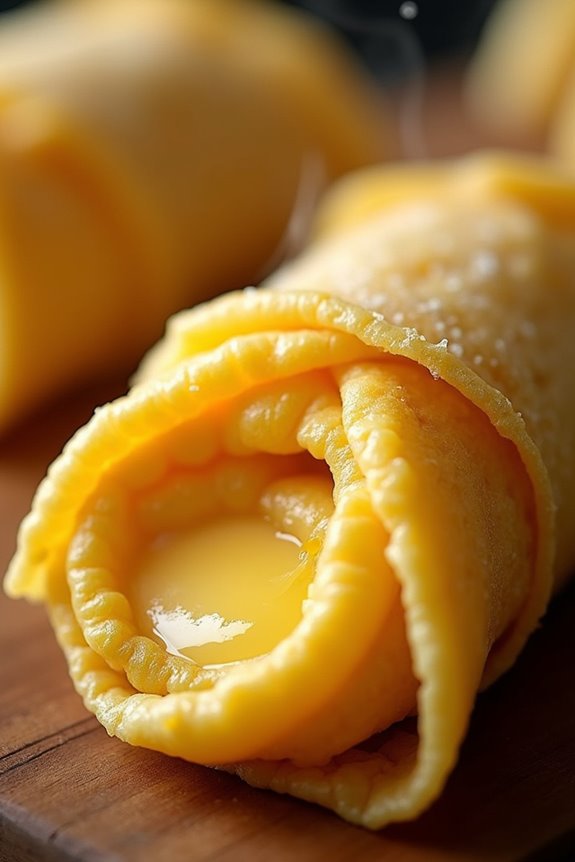
Humitas are a traditional Chilean dish made from fresh corn, cheese, and spices, all wrapped in corn husks and steamed to perfection. This delightful dish is often enjoyed during the summer when corn is in season, and it’s a staple at family gatherings and celebrations. The combination of sweet corn and creamy cheese creates a flavor profile that’s both comforting and satisfying.
Whether served as a side dish or a main course, humitas are sure to please everyone at the table. The process of making humitas might seem intricate, but it’s relatively straightforward and well worth the effort. The key to a great humita lies in using fresh corn, which lends a natural sweetness and moisture to the dish.
The corn mixture is seasoned with spices and then carefully wrapped in corn husks, which not only adds flavor but also helps keep the humitas moist while they cook. Once steamed, these delightful parcels reveal a soft and savory filling that will transport you straight to the heart of Chile.
Ingredients (serving size: 4-6 people)
- 4 cups fresh corn kernels (about 6-8 ears of corn)
- 1 cup milk
- 1 cup crumbled queso fresco or ricotta cheese
- 1 small onion, finely chopped
- 2 tablespoons butter
- 2 tablespoons sugar
- 1 teaspoon baking powder
- 1 teaspoon salt
- ½ teaspoon ground black pepper
- Corn husks (approximately 15-20, soaked in warm water)
Cooking Instructions
- Prepare the Corn: Start by husking the corn and removing the silk. Cut the kernels off the cob using a sharp knife. You should have about 4 cups of fresh corn kernels.
- Blend the Corn Mixture: In a blender or food processor, combine the corn kernels and milk. Blend until smooth. This mixture will be the base for your humitas.
- Sauté the Onion: In a skillet, melt the butter over medium heat. Add the finely chopped onion and sauté until it becomes translucent and soft, about 5 minutes. Remove from heat and let it cool slightly.
- Combine Ingredients: In a large mixing bowl, combine the blended corn mixture, sautéed onions, crumbled queso fresco (or ricotta), sugar, baking powder, salt, and black pepper. Mix well until all the ingredients are thoroughly combined.
- Prepare the Corn Husks: Take the soaked corn husks and lay them out flat. Use one husk as a base and place a few tablespoons of the corn mixture in the center. Fold the sides of the husk over the filling and then fold the bottom up to secure the mixture inside. Repeat this process until all the mixture is used.
- Steam the Humitas: Place the wrapped humitas in a steamer basket over boiling water. Cover the steamer and steam for about 30-40 minutes, or until the humitas are firm and cooked through. You can check for doneness by gently pressing on the humitas.
- Serve and Enjoy: Once cooked, carefully remove the humitas from the steamer and let them cool for a few minutes. Serve warm, either on their own or with a sprinkle of additional cheese and a dollop of sour cream.
Extra Tips
For the best results, always use the freshest corn you can find, as it makes a significant difference in flavor and texture. If you can’t find fresh corn, frozen corn can be used as a substitute, but the taste mightn’t be as sweet.
Additionally, feel free to experiment with spices or add extras like jalapeños for a spicy kick or herbs for added flavor. Finally, remember to keep an eye on the water level in your steamer to prevent it from running dry during cooking. Enjoy your homemade humitas!
Sopaipillas
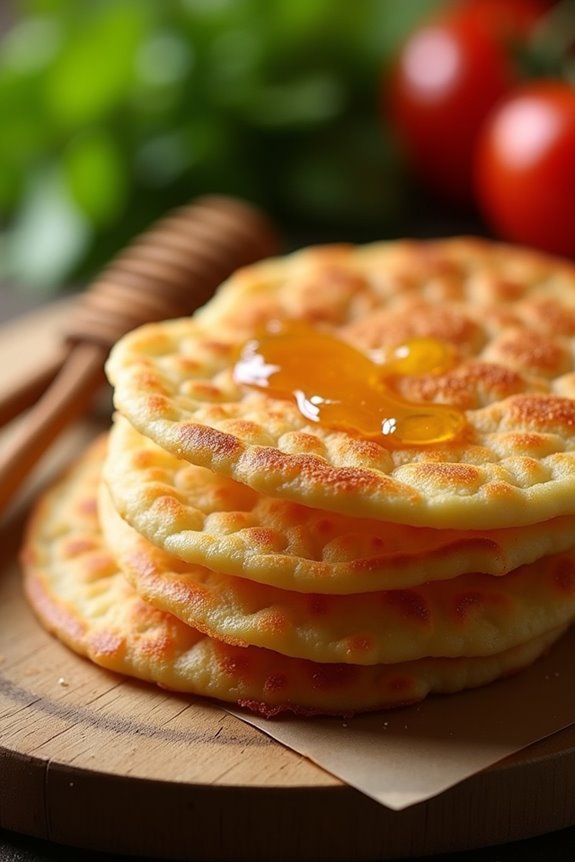
Sopaipillas are a beloved traditional Chilean treat, often enjoyed as a snack or dessert. These delightful pastries are made from a simple dough that’s fried until golden and crispy, resulting in a light and airy texture. They can be served sweet, drizzled with honey or sugar, or savory, often paired with pebre—a Chilean condiment made of tomatoes, onions, and cilantro.
With their versatility and deliciousness, sopaipillas are a must-try for anyone wanting to experience authentic Chilean cuisine. Making sopaipillas at home is easier than you might think. The dough requires only a few basic ingredients, and the frying process is quick, allowing you to enjoy these treats in no time.
Whether you’re preparing them for a family gathering or simply indulging in a homemade snack, this recipe will guide you through the steps to create delightful sopaipillas that will impress your friends and family.
Ingredients (Servings: 4-6)
- 2 cups all-purpose flour
- 1 teaspoon baking powder
- 1 teaspoon salt
- 2 tablespoons vegetable shortening or lard
- 1/2 cup warm water
- Oil (for frying)
- Optional: Honey or sugar (for serving)
Cooking Instructions
- Prepare the Dough: In a large mixing bowl, combine the all-purpose flour, baking powder, and salt. Mix well to verify that the dry ingredients are evenly distributed. Add the vegetable shortening or lard and mix it into the flour using your fingers or a pastry cutter until the mixture resembles coarse crumbs.
- Add Water: Gradually pour in the warm water and mix until a soft dough forms. You may need to adjust the amount of water slightly, depending on the humidity and the type of flour. Knead the dough gently on a floured surface for about 2-3 minutes until it becomes smooth and elastic.
- Rest the Dough: Cover the dough with a clean kitchen towel or plastic wrap and let it rest for about 30 minutes. This resting period helps the gluten relax, making it easier to roll out the dough later.
- Roll Out and Cut: After the resting period, divide the dough into small balls, about the size of a golf ball. On a floured surface, roll each ball out into a circle about 1/4 inch thick. Use a knife or a pizza cutter to cut the circles into quarters or desired shapes.
- Heat the Oil: In a deep pan or skillet, heat about 2 inches of oil over medium heat. To check if the oil is hot enough, drop a small piece of dough into the oil; if it sizzles and rises to the surface, the oil is ready for frying.
- Fry the Sopaipillas: Carefully place a few pieces of cut dough into the hot oil, being careful not to overcrowd the pan. Fry the sopaipillas for about 1-2 minutes on each side or until they puff up and turn golden brown. Use a slotted spoon to remove them from the oil and place them on a plate lined with paper towels to drain excess oil.
- Serve: Serve the sopaipillas warm, optionally drizzled with honey or sprinkled with sugar for a sweet treat. If you prefer a savory option, serve them alongside pebre for a delicious accompaniment.
Extra Tips
For the best sopaipillas, make sure that your oil is at the correct temperature before frying; too cool oil will make them greasy, while too hot oil can cause them to burn.
Additionally, if you want to experiment with flavors, you can add spices like cinnamon or nutmeg to the dough for a unique twist. Finally, sopaipillas are best enjoyed fresh, so try to serve them immediately after frying for the ultimate crispy experience.
Pisco Sour

Pisco Sour is a traditional Chilean cocktail that perfectly embodies the spirit of Chilean culture. This invigorating drink combines the smoothness of Pisco—a grape brandy produced in the winemaking regions of Chile—with zesty lime juice, simple syrup, and a touch of egg white for a silky texture.
The addition of Angostura bitters on top provides a hint of aromatic complexity, making this cocktail a delightful choice for any gathering or celebration.
Whether you’re hosting a summer barbecue or an evening gathering with friends, Pisco Sour is sure to impress your guests with its vibrant flavors and unique presentation. This recipe serves 4-6 people, making it ideal for sharing. So gather your ingredients, shake things up, and enjoy a taste of Chile!
Ingredients (Serves 4-6):
- 12 oz Pisco
- 6 oz fresh lime juice
- 4 oz simple syrup
- 2 egg whites
- Angostura bitters (for garnish)
- Ice cubes
- Lime slices (for garnish)
Cooking Instructions:
- Prepare the Simple Syrup: In a small saucepan, combine equal parts water and sugar. Heat over medium heat, stirring until the sugar has completely dissolved. Allow it to cool before using. This will be your simple syrup for sweetening the cocktail.
- Juice the Limes: Squeeze fresh limes to extract the juice, guaranteeing you have about 6 ounces. Fresh lime juice is essential for achieving the perfect balance of tartness and sweetness in your Pisco Sour.
- Combine Ingredients: In a cocktail shaker, add the Pisco, fresh lime juice, simple syrup, and egg whites. The egg whites will create a frothy texture when shaken, so make sure to use fresh eggs.
- Dry Shake: Before adding ice, perform a “dry shake” by sealing the shaker and shaking vigorously for about 15 seconds. This helps emulsify the egg whites and creates a frothy texture.
- Add Ice and Shake Again: Open the shaker and fill it with ice cubes. Seal it again and shake vigorously for another 15-20 seconds. The ice will chill the mixture and create a revitalizing cocktail.
- Strain and Serve: Using a fine mesh strainer, pour the mixture into chilled cocktail glasses. This guarantees that any ice shards are removed, leaving a smooth drink.
- Garnish: Add a few drops of Angostura bitters on top of each drink. You can also garnish with lime slices for a pop of color and added aroma.
Extra Tips:
When making Pisco Sour, freshness is key; use freshly squeezed lime juice rather than bottled juice for the best flavor.
Be cautious with the egg whites; if you have concerns about using raw eggs, consider purchasing pasteurized egg whites.
For a twist, experiment with flavored syrups or fruit purees to create variations of this classic cocktail. Enjoy responsibly!
Pan De Pascua
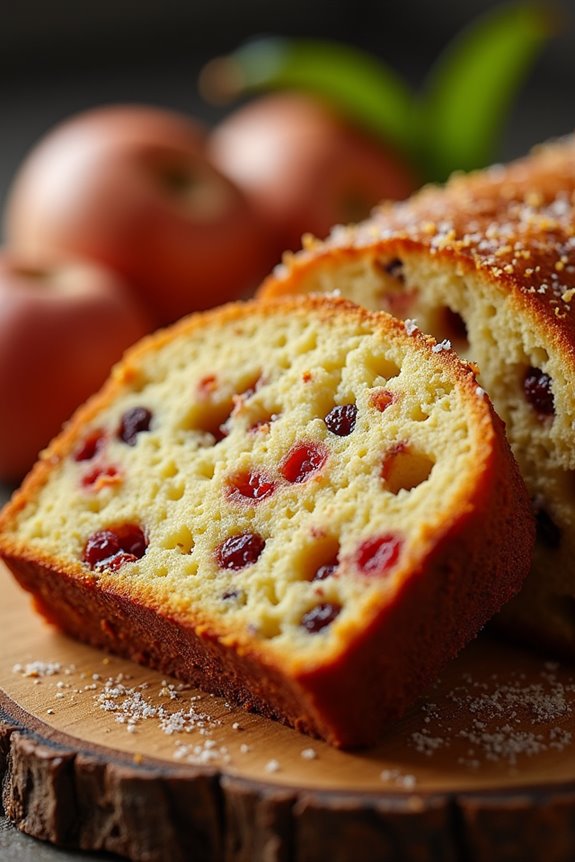
Pan de Pascua is a traditional Chilean Christmas cake that combines the rich flavors of fruits, nuts, and spices, creating a delightful treat for the holiday season. This cake, which translates to “Easter Bread,” is often enjoyed during Christmas festivities, symbolizing the warmth and joy of family gatherings.
Its dense texture and fragrant aroma make it a favorite among locals and visitors alike, reflecting the fusion of indigenous and European culinary traditions that characterize Chilean cuisine.
This festive cake isn’t only a staple on the holiday table but also a wonderful dessert that can be enjoyed year-round. The recipe allows for variations, as families often add their preferred fruits and nuts, making each Pan de Pascua unique to the maker.
Whether served with a dollop of whipped cream or enjoyed plain, this cake is sure to impress and bring a taste of Chilean culture to your home.
Ingredients (Serves 4-6)
- 2 cups all-purpose flour
- 1 teaspoon baking powder
- 1 teaspoon baking soda
- 1 teaspoon ground cinnamon
- ½ teaspoon ground nutmeg
- ½ teaspoon ground ginger
- ½ teaspoon salt
- 1 cup sugar
- ½ cup unsalted butter, softened
- 3 large eggs
- 1 cup milk
- 1 cup mixed dried fruits (raisins, apricots, prunes)
- ½ cup chopped nuts (walnuts or almonds)
- 1 tablespoon grated orange zest
- 1 tablespoon grated lemon zest
- 1 teaspoon vanilla extract
Cooking Instructions
- Preheat the Oven: Begin by preheating your oven to 350°F (175°C). This guarantees that your Pan de Pascua will bake evenly and thoroughly.
- Prepare the Baking Pan: Grease a 9-inch round cake pan or a loaf pan with butter and dust it lightly with flour. This will help prevent the cake from sticking to the pan once baked.
- Mix Dry Ingredients: In a medium bowl, sift together the all-purpose flour, baking powder, baking soda, ground cinnamon, ground nutmeg, ground ginger, and salt. Sifting helps to aerate the flour and distribute the leavening agents evenly.
- Cream Butter and Sugar: In a large mixing bowl, beat the softened butter and sugar together until the mixture is light and fluffy. This usually takes about 3-4 minutes, and it helps to incorporate air into the batter for a lighter cake.
- Add Eggs and Milk: Add the eggs one at a time, mixing well after each addition. Then, gradually pour in the milk while continuing to mix. This will create a smooth and well-combined batter.
- Combine Wet and Dry Ingredients: Gradually add the dry ingredient mixture to the wet mixture, stirring gently until just combined. Be careful not to overmix, as this can lead to a dense cake.
- Fold in Fruits and Nuts: Gently fold in the mixed dried fruits, chopped nuts, grated orange zest, grated lemon zest, and vanilla extract into the batter. This adds flavor and texture to your cake.
- Pour Batter into Pan: Pour the batter into the prepared baking pan, smoothing the top with a spatula to guarantee even baking.
- Bake: Place the pan in the preheated oven and bake for about 50-60 minutes, or until a toothpick inserted into the center comes out clean. Check the cake around the 50-minute mark to avoid overbaking.
- Cool and Serve: Once baked, remove the cake from the oven and let it cool in the pan for about 10 minutes. Then, transfer it to a wire rack to cool completely before slicing. Serve it plain or with a side of whipped cream for added indulgence.
Extra Tips
When making Pan de Pascua, feel free to experiment with different types of dried fruits and nuts to suit your taste. You can also add a splash of brandy or rum to the batter for extra flavor.
For a decorative touch, dust the top of the cooled cake with powdered sugar or drizzle it with a simple glaze made from powdered sugar and lemon juice. Store any leftovers in an airtight container to keep the cake moist, and enjoy it for days after baking!
Alfajores

Alfajores are a beloved traditional treat in Chile, as well as in several other Latin American countries. These delightful cookies consist of two delicate, crumbly biscuits that are typically filled with a luscious layer of dulce de leche and dusted with powdered sugar or sometimes rolled in shredded coconut. The combination of textures and flavors makes alfajores a perfect companion for coffee or as a delightful dessert to share with friends and family.
Making alfajores at home can be a rewarding experience, as they aren’t only delicious but also allow for creativity in presentation and flavor. You can customize the filling and even experiment with different types of coatings. Whether you’re preparing them for a special occasion or simply to satisfy a sweet craving, these cookies are sure to impress.
Ingredients (Serves 4-6 people):
- 1 cup unsalted butter, softened
- 1 cup powdered sugar
- 1 large egg
- 1 teaspoon vanilla extract
- 2 cups all-purpose flour
- 1 cup cornstarch
- 1 teaspoon baking powder
- 1 cup dulce de leche
- Powdered sugar for dusting (optional)
- Shredded coconut for rolling (optional)
Cooking Instructions:
- Prepare the Dough: In a large mixing bowl, cream together the softened butter and powdered sugar until light and fluffy. This process typically takes about 3-5 minutes. Once well combined, add the egg and vanilla extract, mixing until fully incorporated.
- Combine Dry Ingredients: In a separate bowl, sift together the all-purpose flour, cornstarch, and baking powder. Gradually add the dry ingredients to the wet mixture, stirring gently until a soft dough forms. Be careful not to overmix, as this can lead to tough cookies.
- Chill the Dough: Once the dough is formed, wrap it in plastic wrap and refrigerate for about 30 minutes. Chilling the dough makes it easier to handle and helps the cookies maintain their shape while baking.
- Roll and Cut the Cookies: Preheat your oven to 350°F (175°C). After chilling, remove the dough from the refrigerator and roll it out on a lightly floured surface to about 1/8 inch thick. Use a round cookie cutter (about 2 inches in diameter) to cut out circles. Place the cookies on a baking sheet lined with parchment paper, leaving space between them.
- Bake the Cookies: Bake the cookies in the preheated oven for 10-12 minutes, or until the edges are lightly golden. Keep an eye on them to avoid overbaking. Once done, remove from the oven and allow to cool on a wire rack.
- Assemble the Alfajores: Once the cookies are completely cooled, spread a generous amount of dulce de leche on the flat side of one cookie and top with another cookie, pressing gently to form a sandwich.
- Finish and Serve: If desired, roll the edges of the alfajores in shredded coconut or dust with powdered sugar for a beautiful presentation. Serve immediately or store in an airtight container at room temperature for up to a week.
Extra Tips: When making alfajores, feel free to get creative with the fillings. Besides dulce de leche, you can also use chocolate ganache, fruit preserves, or even flavored creams.
For a fun twist, try adding a touch of cocoa powder or citrus zest to the dough for added flavor. Finally, allow your alfajores to sit for a few hours or overnight before serving; this lets the flavors meld together beautifully, enhancing the overall taste of these delightful cookies.
