


Peruvian cuisine is a flavorful journey that enchants the taste buds. Each dish offers a story, from the refreshing ceviche to the comforting lomo saltado. These recipes are more than just food; they embody the vibrant culture and ingredients of Peru. As we explore these 15 delightful recipes, I wonder which one will capture your heart. Let’s discover these delicious details together.
Ceviche: The Quintessential Peruvian Dish
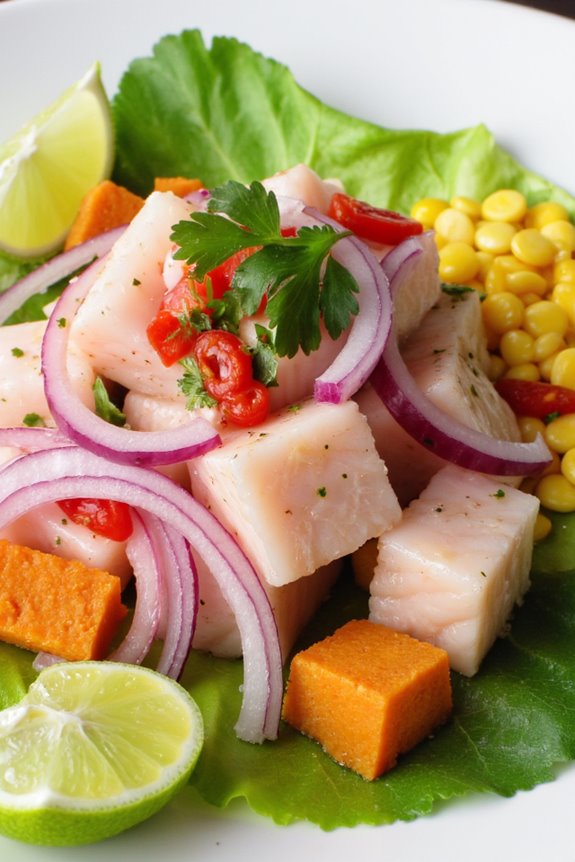
Ceviche isn’t just a dish; it’s a culinary celebration that embodies the vibrant culture and coastal heritage of Peru. This invigorating seafood dish is made using fresh fish marinated in citrus juices, primarily lime, which “cooks” the fish through a process known as denaturation. Each bite is a burst of flavors, heightened by the additions of onions, cilantro, and a hint of spice.
Ceviche is often enjoyed as an appetizer or a light meal, making it a perfect choice for warm weather or casual gatherings. The beauty of ceviche lies in its simplicity, where quality ingredients take center stage. Traditionally, the dish is made with firm white fish such as sea bass or tilapia, but variations can include shrimp, octopus, or mixed seafood.
This recipe will guide you through creating an authentic Peruvian ceviche that will impress your guests and transport their taste buds to the shores of Peru, all while serving 4-6 people.
Ingredients (Serves 4-6):
- 1 pound fresh white fish fillets (such as sea bass or tilapia), skinless and boneless
- 1 cup freshly squeezed lime juice (about 6-8 limes)
- 1 small red onion, thinly sliced
- 1-2 serrano peppers, seeded and finely chopped (adjust to taste)
- 1 cup fresh cilantro, chopped
- Salt to taste
- 1 cup corn kernels (cooked or roasted)
- 1 cup sweet potatoes, boiled and diced (optional)
- Lettuce leaves for serving (optional)
Cooking Instructions:
- Prepare the Fish: Start by cutting the fresh fish fillets into small, bite-sized cubes (about ½ inch). Make sure to use a sharp knife and confirm the fish is very fresh to achieve the best flavor and texture.
- Marinate the Fish: In a glass or ceramic bowl, combine the cubed fish with the freshly squeezed lime juice. Confirm the fish is fully submerged in the juice. Cover the bowl with plastic wrap and let it marinate in the refrigerator for about 15-20 minutes. The acidity from the lime juice will “cook” the fish, turning it opaque.
- Add Vegetables: Once the fish is marinated, add the thinly sliced red onion, chopped serrano peppers, and chopped cilantro to the bowl. Mix gently to combine all the ingredients without breaking the fish pieces.
- Season: Taste the ceviche and add salt as needed to enhance the flavors. Remember, the salt will also draw moisture out of the vegetables, so adjust according to your preference.
- Serve: To serve, spoon the ceviche onto a plate or bowl. You can add a layer of lettuce leaves for a beautiful presentation. Optionally, garnish with cooked or roasted corn kernels and diced sweet potatoes on the side for a traditional touch.
Extra Tips:
When preparing ceviche, the freshness of your fish is key to achieving the best flavor. Always buy your fish from a reputable source and confirm it’s stored properly.
If you’re not consuming the ceviche immediately, keep the fish separate from the marinade until just before serving to maintain the fish’s texture. Additionally, feel free to experiment with different herbs or add avocado slices for added creaminess.
Enjoy your ceviche with a chilled Peruvian beer or an invigorating cocktail for a complete experience!
Lomo Saltado: A Stir-Fried Fusion
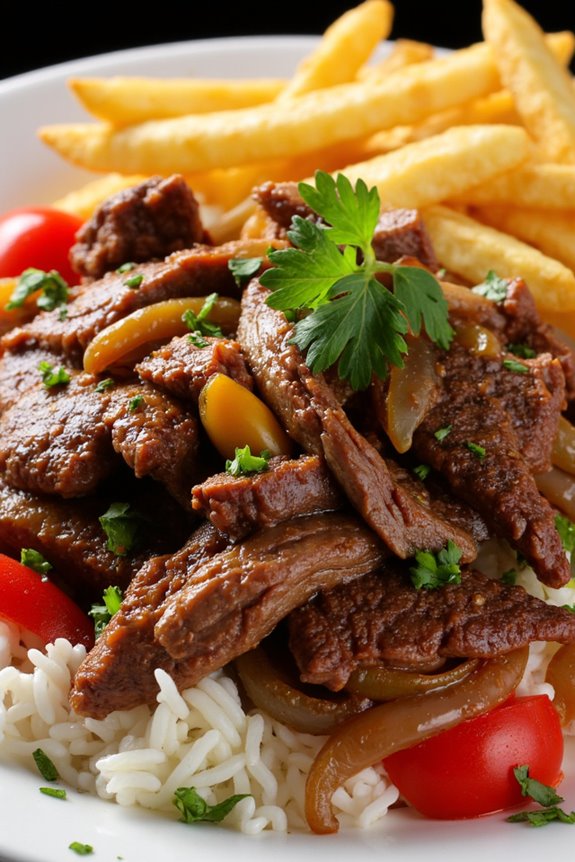
Lomo Saltado is a beloved Peruvian dish that exemplifies the country’s unique culinary fusion, combining traditional Peruvian ingredients with influences from Chinese cuisine. This vibrant stir-fry features tender pieces of beef, sautéed vegetables, and the comforting addition of rice and fries, creating a harmonious blend of flavors and textures.
Originating from the Chinese immigrant community in Peru, Lomo Saltado has become a staple in Peruvian households and restaurants alike, cherished for its quick preparation and hearty nature.
This dish not only showcases the rich flavors of marinated beef but also highlights the freshness of vegetables such as onions, tomatoes, and cilantro. The use of soy sauce and vinegar adds an enticing umami flavor that ties everything together, making Lomo Saltado a dish that appeals to a wide range of palates.
Perfect for family gatherings or casual dinners, this recipe serves 4-6 people and is sure to impress your guests with its vibrant colors and delicious taste.
Ingredients (Serves 4-6)
- 1.5 lbs beef sirloin, cut into strips
- 1 medium red onion, sliced
- 2 medium tomatoes, sliced
- 2 cloves garlic, minced
- 1 yellow chili pepper, sliced (or to taste)
- 2 tablespoons soy sauce
- 2 tablespoons red wine vinegar
- 1 tablespoon vegetable oil
- Salt and pepper, to taste
- Fresh cilantro, chopped (for garnish)
- 4 cups cooked white rice
- 4 medium potatoes, cut into fries and fried or baked
Cooking Instructions
- Prepare the Ingredients: Start by slicing the beef sirloin into thin strips, about 1 inch long. Slice the red onion and tomatoes into wedges, and mince the garlic. If you haven’t done so already, cut the potatoes into fries and either fry or bake them until golden and crispy.
- Cook the Beef: In a large frying pan or wok, heat the vegetable oil over medium-high heat. Once the oil is hot, add the beef strips and season with salt and pepper. Stir-fry the beef for about 3-4 minutes until browned and cooked to your desired level of doneness. Remove the beef from the pan and set aside.
- Sauté the Vegetables: In the same pan, add the sliced red onion, minced garlic, and yellow chili pepper. Stir-fry for 2-3 minutes until the onions are translucent and fragrant. This will enhance the flavors and add a depth of aroma to the dish.
- Combine Ingredients: Return the cooked beef to the pan with the sautéed onions and garlic. Add the sliced tomatoes, soy sauce, and red wine vinegar. Stir everything together and cook for an additional 2-3 minutes until the tomatoes are slightly softened and the flavors meld together.
- Serve: To plate, serve a generous scoop of the Lomo Saltado mixture over a bed of cooked white rice and arrange the crispy fries on the side. Garnish the dish with chopped fresh cilantro for a pop of color and freshness.
Extra Tips
When cooking Lomo Saltado, make sure to have all your ingredients prepped and ready to go before you start cooking, as the stir-frying process happens quickly.
You can also adjust the level of spice by adding more or less yellow chili pepper, depending on your preference. For an authentic touch, serve the dish with a side of aji sauce or a fresh salad to balance the flavors.
Enjoy this delightful fusion of cultures, and don’t hesitate to experiment with additional vegetables or spices to make the dish your own!
Aji De Gallina: Creamy Chicken Delight
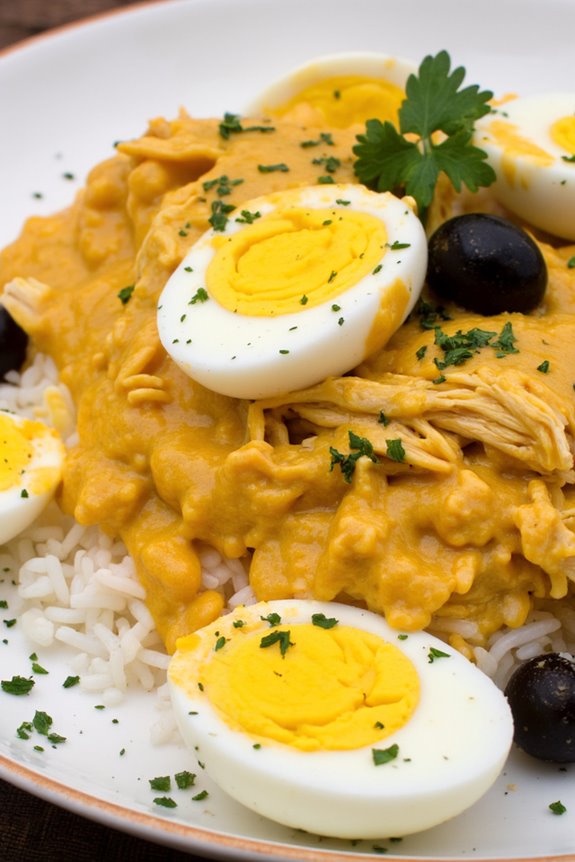
Aji De Gallina is a beloved Peruvian dish that showcases the rich and flavorful combination of shredded chicken enveloped in a creamy sauce made from aji amarillo peppers, walnuts, and cheese. This comforting meal is often served over rice and garnished with hard-boiled eggs and olives, making it not only delicious but visually appealing as well.
Aji De Gallina embodies the essence of Peruvian cuisine, blending indigenous ingredients with Spanish influences, creating a unique and satisfying experience for the palate.
The star of this dish is certainly the aji amarillo, a yellow chili pepper that provides a distinctive flavor and vibrant color. The sauce is creamy and slightly nutty, thanks to the addition of ground walnuts and cheese, which complement the tender chicken beautifully.
Whether you’re looking to impress guests at a dinner party or simply enjoy a hearty family meal, Aji De Gallina is sure to delight everyone at the table.
Ingredients (serving size: 4-6 people)
- 2 cups shredded cooked chicken (about 2 chicken breasts)
- 1 medium onion, finely chopped
- 2 cloves garlic, minced
- 2-3 aji amarillo peppers, seeded and chopped (or 2 tablespoons aji amarillo paste)
- ½ cup walnuts, toasted and ground
- 1 cup evaporated milk
- ½ cup chicken broth
- 1 slice of bread, crust removed
- 2 tablespoons olive oil
- Salt and pepper to taste
- Cooked white rice, for serving
- Hard-boiled eggs, for garnish
- Black olives, for garnish
- Chopped parsley, for garnish (optional)
Cooking Instructions
- Prepare the Chicken: Start by cooking the chicken breasts in a pot of salted water until fully cooked, about 20-25 minutes. Once done, remove from water, let cool, and shred the chicken into bite-sized pieces. Set aside.
- Make the Aji Sauce: In a blender, combine the chopped aji amarillo peppers, toasted walnuts, evaporated milk, chicken broth, and the slice of bread. Blend until smooth and well combined. This mixture will create the creamy sauce that envelops the chicken.
- Sauté Vegetables: In a large skillet, heat the olive oil over medium heat. Add the chopped onion and sauté until translucent, about 5-7 minutes. Add the minced garlic and sauté for an additional minute until fragrant.
- Combine Chicken and Sauce: Add the shredded chicken to the skillet with the sautéed vegetables. Stir well to combine. Pour the blended aji sauce over the chicken mixture, stirring until everything is evenly coated. Season with salt and pepper to taste.
- Simmer: Reduce the heat to low and let the mixture simmer for about 10-15 minutes, allowing the flavors to meld and the sauce to thicken slightly. Stir occasionally to prevent sticking.
- Serve: Once the sauce is thickened and flavorful, turn off the heat. Serve the Aji De Gallina over a bed of cooked white rice. Garnish with slices of hard-boiled eggs, black olives, and a sprinkle of chopped parsley, if desired.
Extra Tips
For an authentic flavor, make sure to use fresh aji amarillo peppers if available; however, the paste can be a convenient substitute.
You can adjust the thickness of the sauce by varying the amount of chicken broth and evaporated milk according to your preference. This dish also tastes even better the next day, making it perfect for meal prep or leftovers!
Enjoy your culinary journey into the heart of Peruvian cuisine with Aji De Gallina!
Anticuchos: Grilled Beef Heart Skewers
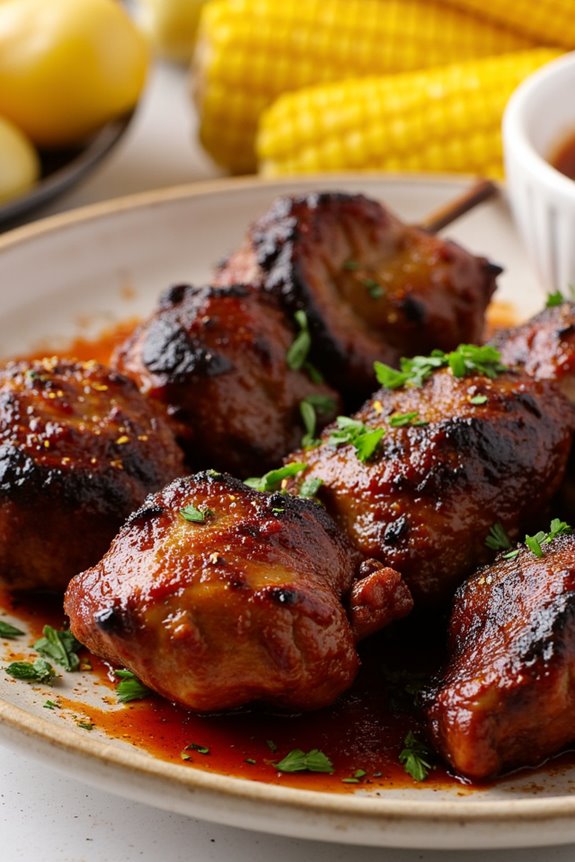
Anticuchos are a quintessential Peruvian street food, famous for their bold flavors and unique ingredients. Traditionally made with beef heart, these skewers are marinated in a blend of spices and vinegar, which tenderizes the meat while infusing it with a robust taste. They’re often served with a side of boiled potatoes or corn, making them a hearty and satisfying meal.
Although they may sound intimidating to prepare, the process is straightforward and rewarding, resulting in a dish that’s both delicious and culturally significant. Grilling anticuchos isn’t just a culinary experience; it’s a celebration of Peruvian culture. The skewers are typically cooked over an open flame, giving them a smoky flavor that perfectly complements the tender meat.
Whether enjoyed at a street vendor or cooked at home, these grilled beef heart skewers are sure to impress and delight anyone who tries them. Here’s how to make these delectable anticuchos from scratch.
Ingredients (Serves 4-6 people):
- 1 ½ pounds beef heart, cleaned and cut into 1-inch cubes
- ¼ cup red wine vinegar
- ¼ cup vegetable oil
- 3 cloves garlic, minced
- 1 tablespoon aji panca paste (or substitute with chipotle paste)
- 1 teaspoon cumin
- 1 teaspoon oregano
- 1 teaspoon paprika
- Salt and pepper to taste
- Wooden or metal skewers
- Fresh parsley for garnishing
- Boiled potatoes or corn for serving (optional)
Cooking Instructions:
- Prep the Beef Heart: Begin by cleaning the beef heart thoroughly, removing any excess fat and connective tissue. Cut it into 1-inch cubes to guarantee even cooking. This step is essential for achieving the best texture and flavor.
- Make the Marinade: In a large bowl, combine the red wine vinegar, vegetable oil, minced garlic, aji panca paste, cumin, oregano, paprika, salt, and pepper. Whisk the ingredients together until well blended. This marinade will infuse the beef heart with flavor and help to tenderize it.
- Marinate the Beef: Add the beef heart cubes to the marinade, making sure each piece is well coated. Cover the bowl with plastic wrap and refrigerate for at least 2 hours, or preferably overnight. The longer the meat marinates, the more flavorful it will become.
- Prepare the Skewers: If using wooden skewers, soak them in water for at least 30 minutes to prevent them from burning on the grill. If using metal skewers, you can skip this step. Thread the marinated beef heart cubes onto the skewers, leaving a little space between each piece for even cooking.
- Preheat the Grill: Preheat your grill to medium-high heat. If using a charcoal grill, make sure the coals are glowing red with a light ash covering. A hot grill will help achieve a nice char on the anticuchos.
- Grill the Skewers: Place the skewers on the grill and cook for about 3-4 minutes on each side, or until the meat is cooked to your desired doneness. Be careful not to overcook, as beef heart can become tough if grilled too long.
- Serve and Garnish: Once cooked, remove the skewers from the grill and let them rest for a couple of minutes. Serve the anticuchos hot, garnished with fresh parsley, and alongside boiled potatoes or corn if desired.
Extra Tips:
When preparing anticuchos, it’s vital to use fresh, high-quality beef heart for the best flavor and texture. If you’re unable to find aji panca paste, consider making your own by blending dried aji panca peppers with some water.
Additionally, feel free to experiment with other marinades or spices to suit your taste. For a more authentic experience, serve with a side of spicy green sauce (salsa verde) for dipping. Enjoy the process and the delicious results!
Pollo a La Brasa: Peruvian Roast Chicken
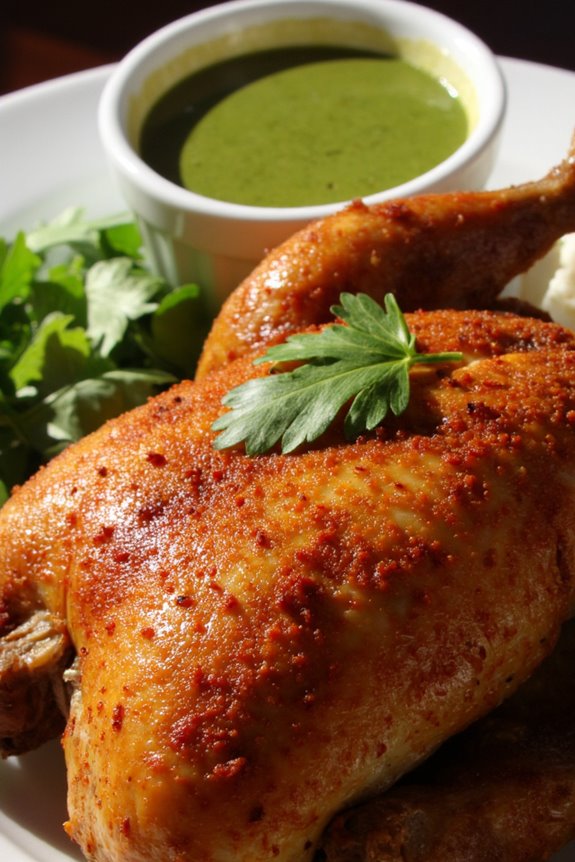
Pollo a La Brasa is a beloved Peruvian dish known for its succulent roast chicken marinated in a vibrant array of spices. This dish originated in Peru and has become a staple in many households, celebrated for its rich flavor and crispy skin. The unique marinade typically includes ingredients like garlic, cumin, and paprika, which infuse the chicken with an irresistible aroma and taste.
Traditionally, it’s cooked in a special charcoal oven, but this recipe adapts the process for home cooking, yielding delicious results using a regular oven or grill.
To accompany the chicken, it’s often served with aji verde, a spicy green sauce made from cilantro, jalapeños, and lime juice, providing an invigorating contrast to the rich flavors of the roast chicken. Pollo a La Brasa can be enjoyed with a side of French fries and a simple salad, making it a complete and satisfying meal for family gatherings or special occasions. This recipe serves 4-6 people and is sure to impress your guests with its authentic flavor and presentation.
Ingredients:
- 1 whole chicken (3-4 pounds)
- 4 cloves garlic, minced
- 2 tablespoons cumin
- 2 tablespoons paprika
- 1 tablespoon dried oregano
- 1 tablespoon salt
- 1 teaspoon black pepper
- ½ teaspoon cayenne pepper (optional for heat)
- 3 tablespoons soy sauce
- 3 tablespoons white vinegar
- 2 tablespoons vegetable oil
- Juice of 2 limes
- Fresh cilantro for garnish (optional)
Cooking Instructions:
- Prepare the Marinade: In a large bowl, combine the minced garlic, cumin, paprika, oregano, salt, black pepper, cayenne pepper (if using), soy sauce, white vinegar, vegetable oil, and lime juice. Mix well until all ingredients are thoroughly blended. This marinade is key to infusing the chicken with flavor.
- Marinate the Chicken: Place the whole chicken in a large resealable plastic bag or a deep dish. Pour the marinade over the chicken, ensuring it covers all surfaces. Seal the bag or cover the dish and refrigerate for at least 4 hours, preferably overnight. Marinating allows the flavors to penetrate the chicken deeply, resulting in a more flavorful roast.
- Preheat the Oven or Grill: If using an oven, preheat it to 425°F (220°C). If grilling, prepare your grill for indirect heat. This means you should have one side hotter than the other, allowing for controlled cooking.
- Prepare the Chicken for Cooking: Remove the chicken from the marinade and let any excess marinade drip off. You can tie the legs together with kitchen twine and tuck the wings under the body for even cooking, although this step is optional.
- Roast the Chicken: Place the chicken on a roasting pan or directly on the grill over the cooler side. If using the oven, place it on a rack in a roasting pan to allow for air circulation. Roast for about 1 hour to 1 hour and 15 minutes, or until the internal temperature reaches 165°F (75°C) and the skin is golden brown and crispy. If the chicken browns too quickly, you can cover it loosely with foil.
- Rest and Serve: Once the chicken is done, remove it from the oven or grill and let it rest for 10-15 minutes before carving. This allows the juices to redistribute, ensuring moist and tender meat. Garnish with fresh cilantro if desired.
Extra Tips: When marinating the chicken, consider adding sliced jalapeños or a dash of Worcestershire sauce for an extra layer of flavor. To get the skin extra crispy, you can broil the chicken for the last 5 minutes of cooking, but keep a close eye on it to prevent burning.
Pair your Pollo a La Brasa with homemade aji verde for a delightful kick, and don’t forget to serve it with sides like crispy fries and a fresh salad for a complete Peruvian feast. Enjoy!
Causa: Layered Potato Salad
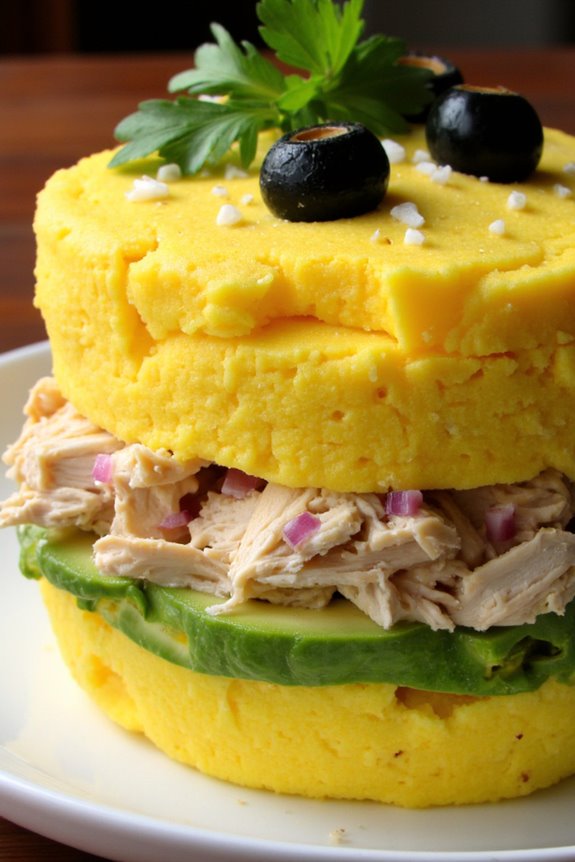
Causa is a traditional Peruvian dish that showcases the versatility of potatoes, which are a staple ingredient in Peruvian cuisine. This colorful and vibrant layered potato salad isn’t only visually appealing but also packed with flavors that make it a delightful appetizer or side dish. The dish typically features mashed yellow potatoes, seasoned with lime juice and aji amarillo (yellow chili pepper), layered with a variety of fillings such as avocado, chicken, tuna, or seafood.
It’s a perfect dish for gatherings, as it can be prepared in advance and served chilled. The beauty of causa lies in its adaptability. You can customize the fillings based on your preferences or dietary restrictions. The creamy texture of the mashed potatoes combined with the freshness of the fillings creates a revitalizing and satisfying dish.
Whether for a family meal or a special occasion, causa is sure to impress your guests with its delicious taste and stunning presentation.
Ingredients (Serves 4-6):
- 2 pounds yellow potatoes
- 1/4 cup lime juice
- 2 tablespoons aji amarillo paste (or to taste)
- 1/4 cup vegetable oil
- Salt to taste
- 2 avocados, sliced
- 1 cup cooked chicken, shredded (or tuna, or seafood)
- 1/2 cup mayonnaise
- 1/4 cup diced red onion
- Fresh cilantro for garnish (optional)
- Sliced olives for garnish (optional)
Cooking Instructions:
- Boil the Potatoes: Start by placing the yellow potatoes in a large pot of salted water. Bring to a boil and cook until the potatoes are tender, about 20-25 minutes. You can test their doneness by inserting a fork; it should slide in easily. Once cooked, drain the potatoes and let them cool slightly.
- Mash the Potatoes: Once the potatoes are cool enough to handle, peel them and place them in a mixing bowl. Mash the potatoes using a potato masher or fork until smooth and creamy. Add the lime juice, aji amarillo paste, vegetable oil, and salt to taste. Mix until well combined and set aside.
- Prepare the Filling: In a separate bowl, combine the shredded chicken (or your chosen filling) with mayonnaise, diced red onion, and a pinch of salt. Mix well until everything is evenly combined.
- Layer the Causa: To assemble the causa, choose a serving dish or individual molds. Start by spreading a layer of the mashed potato mixture at the bottom, about 1/2 inch thick. Next, add a layer of sliced avocados, followed by a layer of the chicken filling. Press down gently to firm up the layers.
- Repeat the Layers: Continue layering with another portion of the mashed potato mixture, followed by more avocado slices and the remaining chicken filling. Finish with a final layer of mashed potatoes on top. Smooth the surface with a spatula and refrigerate for at least 1 hour to help the layers set.
- Serve: Before serving, you can garnish the causa with fresh cilantro and sliced olives for an added touch. Slice into portions and serve chilled.
Extra Tips:
When preparing causa, it’s important to choose the right type of yellow potatoes, as they’ve a creamy texture that works best for mashing. Make sure to taste and adjust the seasoning of the mashed potatoes and filling to your liking.
If you prefer a vegetarian option, consider using roasted vegetables or beans as a filling. Additionally, you can prepare the causa a day in advance; just remember to cover it well to prevent it from drying out in the refrigerator. Enjoy your culinary adventure with this delightful Peruvian dish!
Arroz Con Pollo: Chicken and Rice
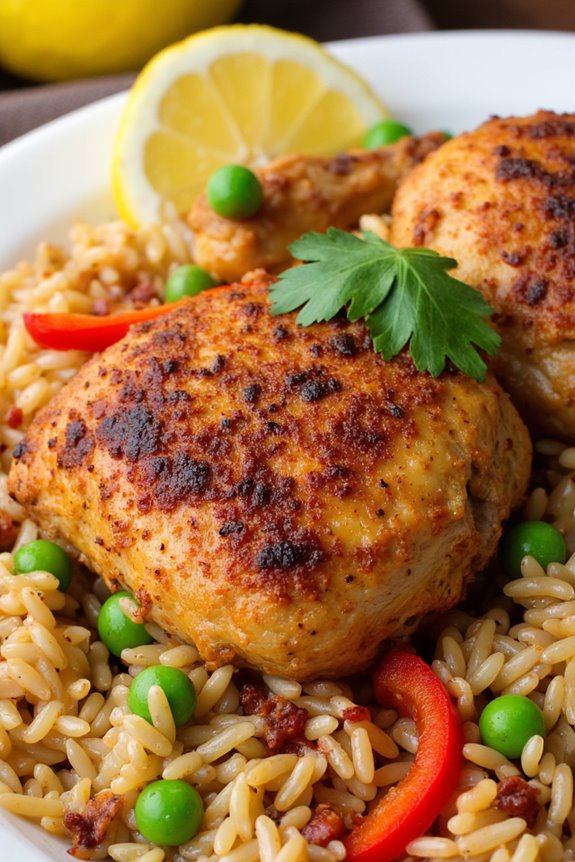
Arroz Con Pollo, a beloved traditional dish in Peru, showcases the rich flavors and vibrant colors that define Peruvian cuisine. This one-pot dish combines tender chicken pieces with seasoned rice, vegetables, and spices, creating a comforting meal that’s perfect for family gatherings or special occasions. The dish isn’t only satisfying but also packed with nutrients, making it a popular choice for both everyday dining and festive celebrations.
The essence of Arroz Con Pollo lies in its aromatic blend of ingredients, which often include cilantro, garlic, and a medley of vegetables. The chicken is typically marinated to enhance its flavor, while the rice absorbs all the delightful juices as it cooks. With its inviting aroma and beautiful presentation, Arroz Con Pollo is sure to impress your guests and leave them craving more.
Ingredients (serving size: 4-6 people):
- 4 chicken thighs, bone-in and skin-on
- 2 cups long-grain rice
- 1 large onion, finely chopped
- 4 cloves garlic, minced
- 1 red bell pepper, chopped
- 1 cup frozen peas
- 4 cups chicken broth
- 1 cup fresh cilantro, chopped
- 1 tablespoon cumin
- 1 tablespoon paprika
- Salt and pepper to taste
- 3 tablespoons olive oil
- 1 lemon, cut into wedges (for serving)
Cooking Instructions:
- Marinate the Chicken: In a large bowl, season the chicken thighs with salt, pepper, cumin, and paprika. Allow them to marinate for at least 30 minutes to infuse the flavors.
- Sauté the Aromatics: In a large pot or Dutch oven, heat the olive oil over medium heat. Add the chopped onion and garlic, sautéing until they become translucent and fragrant, about 3-4 minutes.
- Brown the Chicken: Increase the heat to medium-high and add the marinated chicken thighs to the pot. Brown the chicken on all sides, approximately 5 minutes per side. This step helps develop a deep flavor profile.
- Add the Vegetables: Once the chicken is browned, add the chopped red bell pepper and sauté for an additional 2-3 minutes until they soften.
- Stir in the Rice: Add the long-grain rice to the pot, stirring well to coat the grains with the oil and mix with the vegetables. Toast the rice for about 2 minutes, allowing it to absorb the flavors.
- Add Chicken Broth and Cook: Pour in the chicken broth and bring the mixture to a boil. Once boiling, reduce the heat to low, cover the pot, and let it simmer for about 20 minutes or until the rice is tender and has absorbed most of the liquid.
- Incorporate the Peas and Cilantro: Stir in the frozen peas and chopped cilantro, mixing well to combine. Cover the pot again and cook for another 5 minutes to heat through.
- Serve: Fluff the rice with a fork and serve the Arroz Con Pollo hot, garnished with lemon wedges on the side for an extra burst of flavor.
Extra Tips: When preparing Arroz Con Pollo, consider using a good quality chicken broth for added depth of flavor. If you prefer a spicier dish, you can incorporate diced jalapeños or a dash of hot sauce.
Additionally, letting the dish rest for a few minutes before serving can enhance the flavors as they meld together. Don’t forget to adjust seasoning to your taste, and enjoy the dish with a light salad or avocado on the side for a complete meal!
Papa a La Huancaina: Cheese Sauce Over Potatoes
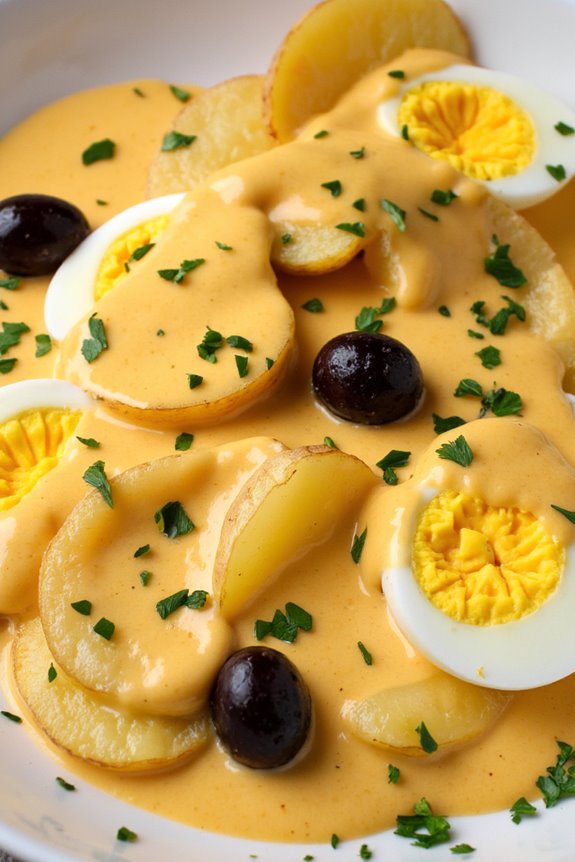
Papa a La Huancaina is a traditional Peruvian dish that showcases the rich flavors and culinary heritage of the country. This dish consists of boiled potatoes topped with a creamy, spicy cheese sauce made from queso fresco, a popular Peruvian cheese, alongside a blend of ingredients that adds depth and flavor.
Often served as an appetizer or a side dish, Papa a La Huancaina isn’t only delicious but also visually appealing, making it a staple at gatherings and celebrations.
The key to mastering this dish lies in the balance of flavors in the Huancaina sauce, which combines the creaminess of cheese with the heat of yellow chili peppers. It’s typically served cold or at room temperature, making it perfect for warm weather.
Accompany your Papa a La Huancaina with hard-boiled eggs and olives for a complete presentation that embodies the essence of Peruvian cuisine.
Ingredients (Serves 4-6):
- 6 medium-sized yellow potatoes
- 1 cup queso fresco (or feta cheese)
- 1/2 cup evaporated milk
- 2 tablespoons vegetable oil
- 2 yellow chili peppers (aji amarillo), seeds removed
- 1 clove garlic
- Salt to taste
- Fresh parsley for garnish
- 2 hard-boiled eggs, cut into quarters (for serving)
- Black olives (for serving)
Cooking Instructions:
1. Boil the Potatoes: Begin by washing the yellow potatoes thoroughly to remove any dirt. Place them in a large pot and cover them with water. Add a pinch of salt and bring the water to a boil. Cook the potatoes for about 20-25 minutes or until they’re fork-tender.
Once cooked, drain the water and allow the potatoes to cool slightly before peeling and slicing them into thick rounds.
2. Prepare the Huancaina Sauce: While the potatoes are boiling, prepare the cheese sauce. In a blender, combine the queso fresco, evaporated milk, vegetable oil, yellow chili peppers, garlic, and a pinch of salt. Blend until the mixture is smooth and creamy.
Adjust the thickness by adding more evaporated milk if necessary, depending on your preference for sauce consistency.
3. Assemble the Dish: On a serving platter, arrange the sliced potatoes in a circular pattern or in neat rows. Pour the Huancaina sauce generously over the potatoes, ensuring that they’re well-covered.
4. Garnish and Serve: For an added touch, garnish the dish with chopped fresh parsley. Place the quarters of hard-boiled eggs and black olives around the potatoes for decoration. Serve the Papa a La Huancaina chilled or at room temperature.
Extra Tips:
When preparing Papa a La Huancaina, you can adjust the spice level of the sauce by adding more or less of the yellow chili peppers, depending on your taste preference.
Additionally, if queso fresco isn’t available, feta cheese can be used as a substitute, though it may alter the flavor slightly. This dish pairs wonderfully with a light salad or crusty bread, making it a versatile addition to any meal.
Tiradito: a Raw Fish Dish With a Twist

Tiradito is a traditional Peruvian dish that showcases the freshness of raw fish, akin to ceviche but with a unique twist. This dish is characterized by its vibrant, tangy sauce and the way the fish is cut into thin slices rather than cubes. The use of aji amarillo (yellow chili pepper) gives tiradito its signature flavor and a beautiful golden color. Ideal for a warm day or as a revitalizing appetizer, it’s a dish that captures the essence of Peruvian coastal cuisine.
The preparation of tiradito is quite simple and emphasizes the quality of the ingredients. Fresh fish is the star of the dish, so sourcing high-quality, sashimi-grade fish is essential. Combined with a zesty sauce and garnished with onions and cilantro, tiradito isn’t just a meal, but an experience that brings the flavors of Peru to your table.
Ingredients (Serves 4-6):
- 1 lb fresh sashimi-grade fish (like flounder, sea bass, or tuna)
- 1/2 cup freshly squeezed lime juice
- 2 tablespoons aji amarillo paste (or substitute with yellow bell pepper if unavailable)
- 1 tablespoon garlic, minced
- 1 teaspoon ginger, grated
- 1/4 cup vegetable oil
- Salt to taste
- 1 small red onion, thinly sliced
- Fresh cilantro, for garnish
- Corn kernels (optional, for serving)
- Sweet potato, boiled and sliced (optional, for serving)
Cooking Instructions:
- Prepare the Fish: Start by rinsing the fish under cold water and patting it dry with paper towels. Using a sharp knife, cut the fish into thin strips or slices (about 1/4 inch thick). The thinner the slices, the better they’ll absorb the flavor of the marinade. Set the sliced fish aside in a bowl.
- Make the Marinade: In a separate bowl, combine the freshly squeezed lime juice, aji amarillo paste, minced garlic, grated ginger, and vegetable oil. Mix these ingredients well until they’re fully combined. This marinade will infuse the fish with a zesty flavor and is key to achieving the authentic taste of tiradito.
- Marinate the Fish: Pour the marinade over the sliced fish in the bowl. Gently toss the fish in the marinade to guarantee all pieces are coated. Allow the fish to marinate for about 10-15 minutes. This won’t only flavor the fish but also “cook” it slightly with the acidity of the lime juice.
- Serve: Once marinated, place the tiradito on a serving platter. Arrange the marinated fish neatly and drizzle any remaining marinade over the top. Garnish with thinly sliced red onions and fresh cilantro. For a complete experience, consider adding boiled sweet potato slices and corn kernels on the side.
- Enjoy: Serve immediately for the best flavor and texture. Use toothpicks or forks to enjoy this revitalizing dish chilled.
Extra Tips:
When making tiradito, the quality of the fish is paramount, so always opt for the freshest sashimi-grade fish available. If you can’t find aji amarillo paste, you can substitute it with a blend of yellow bell pepper and a touch of chili powder for heat, though the flavor will differ slightly.
Additionally, serve tiradito cold for the best experience, and feel free to experiment with the garnishes, adding ingredients like avocado or microgreens for a modern twist.
Olluquito Con Charqui: a Traditional Stew
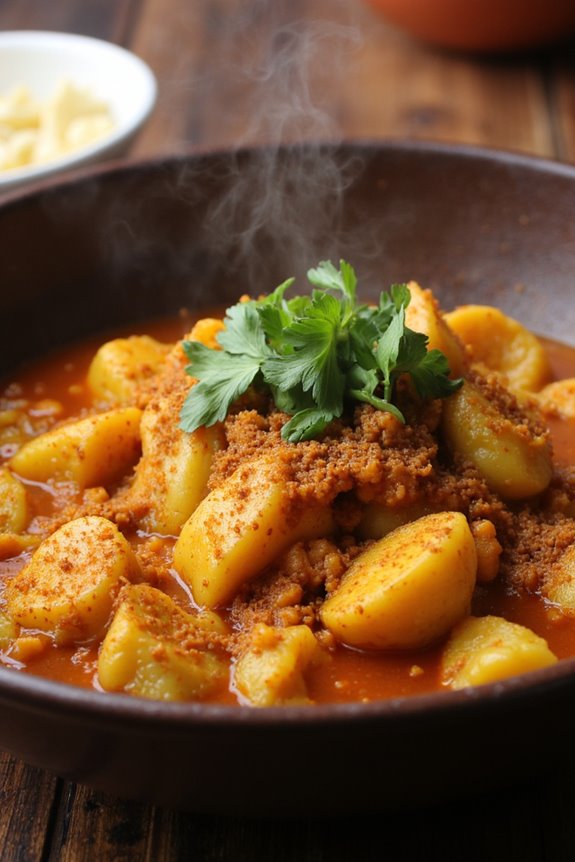
Olluquito Con Charqui is a beloved traditional dish from Peru that showcases the country’s rich culinary heritage. This hearty stew features ollucos, a tuber native to the Andes, combined with charqui, which is sun-dried and salted meat, often made from beef or lamb. The dish is particularly popular in the Andean regions and is known for its comforting flavors and robust texture.
When prepared correctly, Olluquito Con Charqui not only reflects the vibrant ingredients of Peruvian cuisine but also serves as a warm and nourishing meal that brings families together.
The preparation of Olluquito Con Charqui involves a few key steps, including the rehydration of the charqui and the careful cooking of the ollucos to guarantee they maintain their unique texture. This dish is typically served with rice, making it a filling and satisfying option for lunch or dinner.
With its combination of earthy flavors and a hint of spice, Olluquito Con Charqui is a wonderful way to experience authentic Peruvian cooking right in your own home.
Ingredients (Serves 4-6):
- 500g charqui (or beef jerky, rehydrated)
- 1 kg ollucos, peeled and cut into thin strips
- 2 medium onions, finely chopped
- 2 cloves garlic, minced
- 1 medium tomato, diced
- 1 teaspoon cumin
- 1 teaspoon paprika
- 1 teaspoon black pepper
- 2 tablespoons vegetable oil
- 4 cups beef broth
- Salt to taste
- Fresh cilantro, chopped (for garnish)
Cooking Instructions:
- Rehydrate the Charqui: Begin by soaking the charqui in warm water for about 30-45 minutes, or until it softens. Once rehydrated, drain and chop it into small pieces. This step is essential as it revives the texture and flavor of the dried meat.
- Prepare the Base: In a large pot, heat the vegetable oil over medium heat. Add the chopped onions and sauté until they become translucent, about 5 minutes. Then, add the minced garlic and continue to sauté for another minute until fragrant. This creates a flavorful base for the stew.
- Add Tomatoes and Spices: Stir in the diced tomatoes, cumin, paprika, and black pepper. Cook for about 3-4 minutes, allowing the tomatoes to break down and the spices to release their aromas. This step enhances the overall flavor profile of the dish.
- Incorporate the Charqui: Add the chopped charqui to the pot and mix well with the sautéed ingredients. Cook for an additional 5 minutes, allowing the meat to absorb the flavors from the base.
- Add Ollucos and Broth: Gently fold in the ollucos, making certain they’re well mixed with the charqui and spices. Pour in the beef broth, bring the mixture to a boil, then reduce the heat to a simmer. Cover and let it cook for about 30 minutes, or until the ollucos are tender. Stir occasionally to prevent sticking.
- Season and Serve: Taste the stew and add salt as needed. Once the ollucos are cooked through, remove the pot from the heat. Serve the Olluquito Con Charqui hot, garnished with freshly chopped cilantro, alongside a bowl of fluffy rice.
Extra Tips:
When preparing Olluquito Con Charqui, make sure to choose high-quality charqui to guarantee the best flavor and texture. You can also experiment with adding other ingredients such as bell peppers or ají to enhance the dish further.
If ollucos aren’t available, you can substitute them with yellow potatoes for a similar texture. Be mindful of the cooking time, as overcooking can lead to mushy ollucos. Enjoy this vibrant stew as a fantastic way to explore the flavors of Peruvian cuisine!
Sopa a La Criolla: Hearty Peruvian Soup
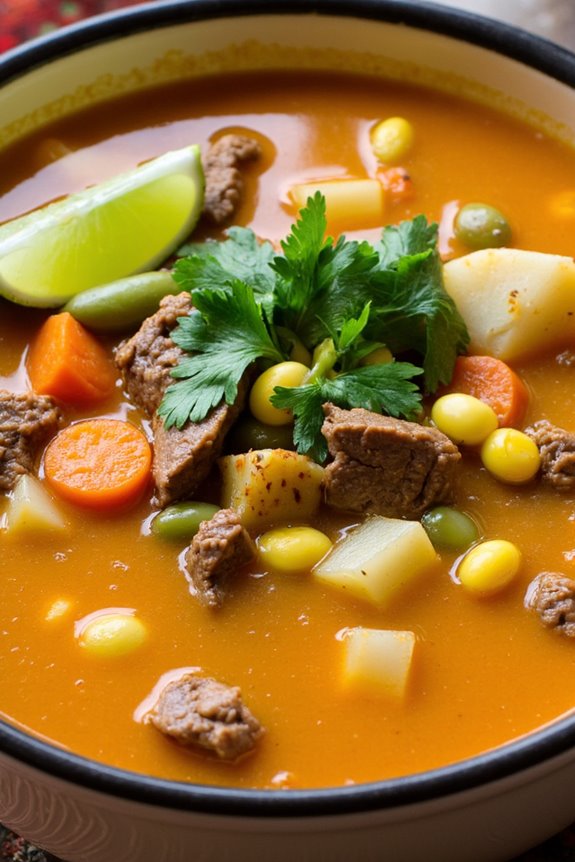
Sopa a La Criolla is a traditional Peruvian soup that embodies the rich and diverse culinary heritage of Peru. This hearty dish is packed with flavors and is often enjoyed as a comforting meal, particularly on cooler days. It features a delightful mix of ingredients, including tender beef, vegetables, and a creamy base that’s enhanced by the distinctive flavor of Peruvian spices.
With its origins rooted in the Andean region, Sopa a La Criolla is a perfect representation of how local ingredients can come together to create something truly special. The soup isn’t only delicious but also versatile, allowing for variations depending on personal taste or dietary restrictions.
It’s a dish that brings families together, often served with a side of rice or crusty bread for dipping. The combination of fresh herbs and spices makes each bowl of Sopa a La Criolla a warm and satisfying experience, perfect for sharing with loved ones.
Ingredients (Servings: 4-6)
- 1 lb beef (chuck or brisket), cut into small cubes
- 1 tablespoon vegetable oil
- 1 medium onion, finely chopped
- 2 cloves garlic, minced
- 1 medium carrot, diced
- 1 medium potato, diced
- 1 cup green beans, chopped
- 1/2 cup corn kernels (fresh or frozen)
- 6 cups beef broth
- 1 teaspoon cumin
- 1 teaspoon paprika
- 1 tablespoon Peruvian aji amarillo paste (or substitute with another chili paste)
- Salt and pepper to taste
- Fresh cilantro, chopped (for garnish)
- Lime wedges (for serving)
Cooking Instructions
1. Sear the Beef:
In a large pot or Dutch oven, heat the vegetable oil over medium-high heat. Add the beef cubes and season with salt and pepper. Sear the meat until browned on all sides, about 5-7 minutes. This step enhances the flavor of the meat and creates a richer broth.
2. Sauté the Aromatics:
Once the beef is browned, add the chopped onions and minced garlic to the pot. Sauté until the onions are translucent, approximately 3-4 minutes. This will release the aromatic flavors and form the base of your soup.
3. Add Vegetables:
Stir in the diced carrots, potatoes, green beans, and corn kernels. Cook for another 3-5 minutes, allowing the vegetables to soften slightly. This adds texture and nutrition to the soup.
4. Incorporate the Broth and Spices:
Pour in the beef broth and bring the mixture to a boil. Add the cumin, paprika, and aji amarillo paste. Stir well to combine all the ingredients and let the soup come to a gentle simmer.
5. Simmer the Soup:
Reduce the heat to low and cover the pot. Let the soup simmer for about 30-40 minutes, or until the beef is tender and the vegetables are cooked through. Stir occasionally to guarantee nothing sticks to the bottom of the pot.
6. Adjust Seasoning and Serve:
Taste the soup and adjust salt and pepper as needed. Once satisfied with the flavor, ladle the soup into bowls, garnish with fresh cilantro, and serve with lime wedges on the side.
Extra Tips
When cooking Sopa a La Criolla, feel free to customize the ingredients based on what you have available. You can add other vegetables such as bell peppers or zucchini, or even incorporate pasta for a heartier dish.
For added depth of flavor, consider using homemade beef broth or adding a splash of soy sauce. Remember to adjust the spice level by controlling the amount of aji amarillo paste you use, guaranteeing that everyone can enjoy this comforting soup to their taste.
Seco De Cordero: Lamb Stew in Cilantro Sauce
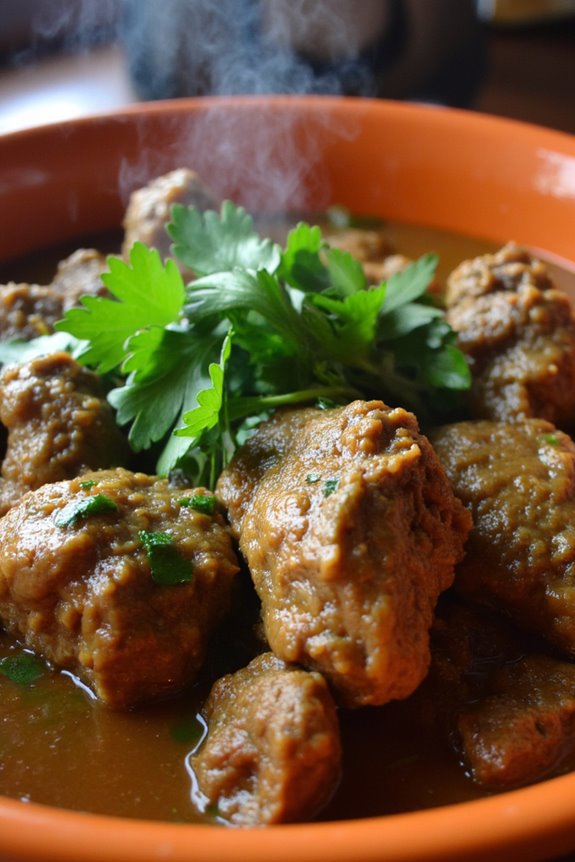
Seco de Cordero is a traditional Peruvian dish that showcases the rich flavors and vibrant ingredients of the region. This lamb stew is beautifully infused with cilantro, giving it a fresh and aromatic quality that perfectly complements the tender meat. Perfect for family gatherings or a special occasion, this dish is a crowd-pleaser that brings a taste of Peru right into your kitchen.
The key to a delicious Seco de Cordero lies in the marinade and the slow cooking process. By marinating the lamb in a blend of spices and fresh cilantro, you allow the flavors to permeate the meat, resulting in a mouthwatering stew. Serve it with rice or potatoes to soak up the delightful sauce, and enjoy a culinary experience that celebrates the heart of Peruvian cuisine.
Ingredients (serves 4-6):
- 2 pounds lamb shoulder, cut into chunks
- 1 cup fresh cilantro, chopped
- 1 medium onion, chopped
- 4 cloves garlic, minced
- 2 medium tomatoes, chopped
- 1 cup beef broth
- 1 cup beer (preferably a light lager)
- 1 tablespoon ají amarillo paste (or other chili paste)
- 1 tablespoon cumin
- 1 teaspoon black pepper
- 1 teaspoon salt
- 2 tablespoons vegetable oil
- 1 bay leaf
- Optional: boiled potatoes or white rice for serving
Cooking Instructions:
- Marinate the Lamb: In a large bowl, combine the lamb chunks with chopped cilantro, cumin, black pepper, and salt. Mix well to guarantee the lamb is evenly coated. Cover and let it marinate in the refrigerator for at least 2 hours, or overnight for the best flavor.
- Sauté Aromatics: In a large pot or Dutch oven, heat the vegetable oil over medium heat. Once hot, add the chopped onion and sauté until it becomes translucent, about 5 minutes. Then, add the minced garlic and continue to cook for another minute until fragrant.
- Brown the Lamb: Add the marinated lamb to the pot, allowing it to sear on all sides. This step is essential as it locks in the flavors and gives the stew a nice color. Cook the lamb for about 8-10 minutes until browned.
- Add Tomatoes and Beer: Stir in the chopped tomatoes and ají amarillo paste, cooking for an additional 2-3 minutes until the tomatoes soften. Then, pour in the beer and scrape any browned bits from the bottom of the pot to incorporate all the flavors.
- Simmer the Stew: Add the beef broth and bay leaf to the pot. Bring the mixture to a boil, then reduce the heat to low. Cover the pot and let it simmer for about 1.5 to 2 hours, or until the lamb is tender and the sauce has thickened. Stir occasionally and check for seasoning.
- Finish and Serve: Once the lamb is tender, taste the stew and adjust the seasoning if necessary. Remove the bay leaf before serving. Serve the Seco de Cordero hot, ideally with boiled potatoes or over a bed of white rice to soak up the delicious cilantro sauce.
Extra Tips:
For an extra depth of flavor, consider adding a splash of lime juice just before serving. This brightens the dish and complements the herbal notes from the cilantro.
Additionally, if you can find Peruvian ají amarillo, it adds a unique sweetness and spice that’s characteristic of this dish. If you prefer a thicker sauce, let it simmer uncovered for the last 15-20 minutes of cooking. Enjoy your meal!
Tacu Tacu: A Rice and Bean Delight
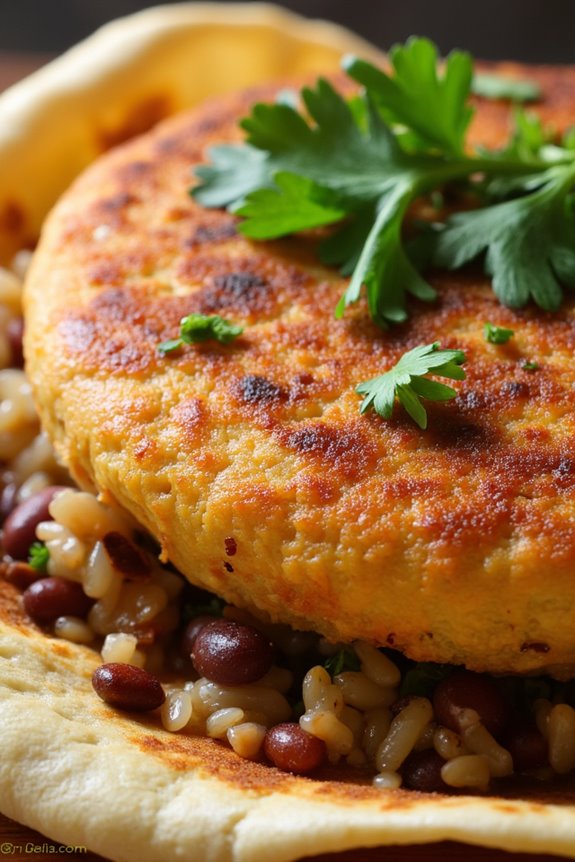
Tacu Tacu is a traditional Peruvian dish that beautifully combines rice and beans into a hearty and satisfying meal. Originating from Afro-Peruvian cuisine, this dish is a perfect way to use leftover rice and beans, making it not only delicious but also economical.
Traditionally, Tacu Tacu is served with a side of fried eggs or a protein of your choice, such as steak or chicken, making it a versatile dish for any occasion. The beauty of Tacu Tacu lies in its simplicity and the way it encapsulates the flavors of Peru.
The dish is typically seasoned with spices and herbs, giving it a unique taste that’s rich and comforting. Whether you’re enjoying it for breakfast, lunch, or dinner, Tacu Tacu is sure to delight your taste buds and leave you feeling satisfied.
Ingredients (Servings: 4-6)
- 2 cups cooked white rice
- 2 cups cooked canary beans (or any other beans)
- 1 medium onion, finely chopped
- 2 cloves garlic, minced
- 1 teaspoon cumin
- 1 teaspoon paprika
- 2 tablespoons vegetable oil (for frying)
- Salt and pepper to taste
- Fresh cilantro, chopped (for garnish)
- Optional: Fried eggs or protein of your choice for serving
Cooking Instructions
- Prepare the Bean Mixture: In a large mixing bowl, combine the cooked white rice and cooked canary beans. Mash the beans slightly with a fork or potato masher, allowing some whole beans to remain for texture. Add the cumin, paprika, salt, and pepper to the mixture. Stir until well combined.
- Sauté Aromatics: Heat 2 tablespoons of vegetable oil in a large skillet over medium heat. Add the chopped onion and sauté until it becomes translucent, about 3-4 minutes. Add the minced garlic and continue to sauté for an additional minute, making sure not to burn the garlic.
- Combine Mixtures: Once the onion and garlic are fragrant, add the rice and bean mixture to the skillet. Use a spatula to flatten it into an even layer. Allow it to cook undisturbed for about 5-7 minutes, or until the bottom is golden brown and crispy.
- Flip the Tacu Tacu: Carefully slide the Tacu Tacu onto a large plate. Place another plate on top and invert it to flip it over. Gently slide the Tacu Tacu back into the skillet to cook the other side for another 5-7 minutes or until it’s golden brown.
- Serve: Once both sides are crispy and golden, remove the Tacu Tacu from the skillet and cut it into wedges. Serve hot, garnished with freshly chopped cilantro, and alongside fried eggs or your choice of protein, if desired.
Extra Tips
For ideal flavor, consider allowing your rice and beans to cool completely before mixing them; this helps the mixture bind together better.
Additionally, feel free to experiment with spices and herbs, adding lime juice or hot sauce for a zesty kick. Tacu Tacu is also delicious when served with a side of salsa or avocado for added freshness.
Enjoy this delightful Peruvian dish with family and friends!
Chicha Morada: Refreshing Purple Corn Drink
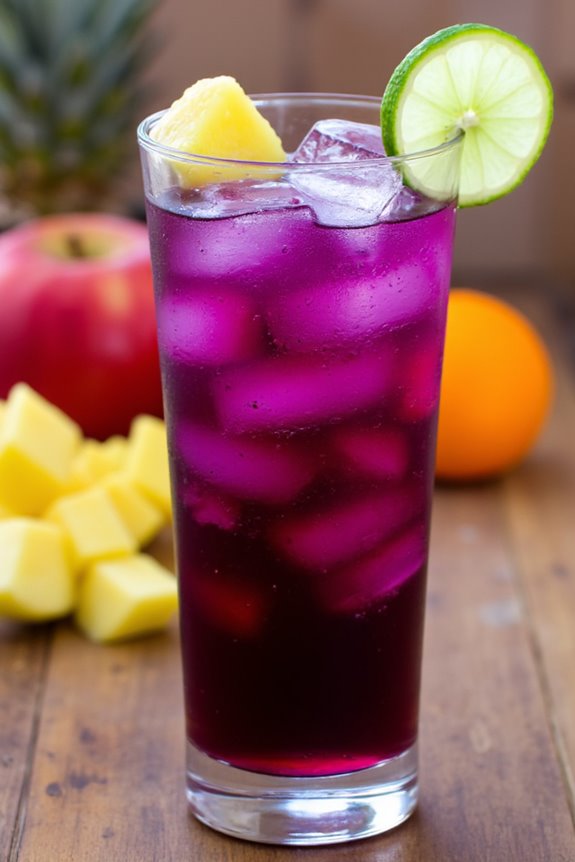
Chicha Morada is a traditional Peruvian beverage made from purple corn, which isn’t only vibrant in color but also rich in antioxidants and nutrients. This invigorating drink has a sweet and fruity flavor profile enhanced by the addition of spices and fruits, making it a perfect thirst-quencher on hot days or a delightful accompaniment to meals.
Originating from ancient Andean cultures, Chicha Morada has been a staple in Peruvian cuisine and is enjoyed by both locals and visitors alike.
Preparing Chicha Morada is relatively simple and requires minimal ingredients, making it a great option for gatherings or family meals. The drink is often served chilled, allowing the flavors to meld beautifully. With its striking color and delicious taste, Chicha Morada is sure to impress anyone who tries it. Below is a recipe that serves 4-6 people, ensuring that everyone can enjoy this delightful Peruvian beverage.
Ingredients
- 2 cups of purple corn kernels
- 10 cups of water
- 1 cinnamon stick
- 5 cloves
- 1 cup of pineapple chunks (fresh or canned)
- 1 cup of sugar (adjust to taste)
- 1/2 cup of freshly squeezed lime juice
- Fresh fruit pieces for garnish (optional, e.g., apple or orange)
Cooking Instructions
- Boil the Purple Corn: In a large pot, combine the 2 cups of purple corn kernels with 10 cups of water. Bring the mixture to a boil over medium-high heat. This process extracts the vibrant color and flavor from the corn, creating the base for your drink.
- Add Spices: Once boiling, add the cinnamon stick and cloves to the pot. Reduce the heat to low and let the mixture simmer for about 30 minutes. This allows the spices to infuse their flavors into the drink, enhancing its aromatic profile.
- Strain the Mixture: After simmering, remove the pot from heat and let it cool slightly. Use a fine mesh strainer to strain the liquid into a large pitcher, discarding the corn, cinnamon stick, and cloves. You should be left with a beautiful dark purple liquid.
- Add Pineapple and Sugar: Stir in the pineapple chunks and sugar into the strained liquid while it’s still warm. Adjust the sugar to your preferred sweetness. The pineapple not only adds flavor but also contributes to the drink’s fruity essence.
- Incorporate Lime Juice: Once the sugar has dissolved, add the freshly squeezed lime juice to the mixture. This will add a zesty and invigorating twist that balances the sweetness of the drink.
- Chill and Serve: Refrigerate the Chicha Morada for at least 2 hours, allowing it to chill thoroughly. Serve the drink over ice, garnished with fresh fruit pieces if desired.
Extra Tips
For an enhanced flavor experience, let the Chicha Morada sit in the refrigerator overnight before serving; this allows the flavors to meld even further.
Additionally, feel free to experiment with different fruits or spices according to your taste preferences. If you’re looking for a more traditional touch, consider serving Chicha Morada alongside a plate of traditional Peruvian dishes like ceviche or anticuchos for an authentic experience.
Alfajores: Sweet Peruvian Cookies

Alfajores are delightful, melt-in-your-mouth cookies that have become a beloved treat in Peru and throughout South America. These sweet confections typically feature a soft, crumbly texture and are filled with a rich layer of dulce de leche, making them an irresistible dessert. Often dusted with powdered sugar or coated in chocolate, alfajores are perfect for any occasion—whether enjoyed with a cup of coffee or served at festive gatherings.
The origin of alfajores can be traced back to the Moorish influence in Spain, and over the years, they’ve evolved into a variety of regional styles. In Peru, the cookies are generally made with cornstarch, which gives them their characteristic lightness and tenderness. With a few simple ingredients and steps, you too can create these scrumptious cookies at home.
Ingredients (Serves 4-6 people):
- 1 cup all-purpose flour
- 1 cup cornstarch
- ½ cup powdered sugar
- ½ cup unsalted butter, softened
- 1 large egg yolk
- 1 teaspoon vanilla extract
- 1 cup dulce de leche
- Powdered sugar for dusting
Cooking Instructions:
- Prepare the Dough: In a mixing bowl, cream together the softened butter and powdered sugar until the mixture is light and fluffy. This process incorporates air into the butter, which helps create a tender cookie texture.
- Add Wet Ingredients: Once the butter and sugar are well combined, add the egg yolk and vanilla extract to the mixture. Beat until fully incorporated, making certain that the egg yolk is evenly mixed into the batter.
- Combine Dry Ingredients: In a separate bowl, sift together the all-purpose flour and cornstarch. Sifting helps break up any lumps and guarantees an even distribution of the dry ingredients.
- Form the Dough: Gradually add the sifted dry ingredients into the wet mixture, mixing gently until a soft dough forms. Avoid overmixing, as this can lead to a tougher cookie.
- Chill the Dough: Wrap the dough in plastic wrap and refrigerate for about 30 minutes. Chilling the dough makes it easier to roll out and helps the cookies maintain their shape during baking.
- Roll and Cut the Cookies: Preheat your oven to 350°F (175°C). On a floured surface, roll out the chilled dough to about ¼ inch thick. Use a cookie cutter to cut out round shapes, then place them on a baking sheet lined with parchment paper.
- Bake: Bake the cookies in the preheated oven for 10-12 minutes or until the edges are lightly golden. Be careful not to overbake, as you want them to remain soft.
- Cool and Assemble: Allow the cookies to cool completely on a wire rack. Once cooled, spread a generous layer of dulce de leche on the bottom of one cookie and sandwich it with another cookie. Repeat this process for all cookies.
- Finish with Powdered Sugar: Finally, dust the assembled alfajores with powdered sugar for an elegant finishing touch.
Extra Tips: When making alfajores, make sure that you handle the dough gently to maintain its delicate structure. If you’re feeling adventurous, you can also experiment with different fillings, such as fruit jams or chocolate ganache. For added flavor, consider incorporating a hint of lemon or orange zest into the dough. Enjoy your homemade alfajores with a warm beverage for a truly delightful experience!
