


When it comes to celebrating holidays in Argentina, the food truly brings everyone together.
From flaky empanadas packed with flavor to the unmistakable aroma of a perfectly grilled asado, these dishes are rich in tradition and warmth.
And we can’t forget the sweet treats that add a special festive touch.
Ready to explore these culinary gems?
Let’s take a closer look at Argentina’s holiday feasts.
Empanadas: Savory Pastry Pockets

Empanadas are a beloved dish in Argentina, renowned for their flaky pastry and a variety of savory fillings. These delightful pastry pockets can be found at every corner of the country, from bustling city markets to family gatherings. Making empanadas can be a fun and rewarding culinary experience, allowing you to explore different fillings that reflect your personal taste or regional specialties.
Whether stuffed with beef, chicken, cheese, or vegetables, empanadas are perfect for any occasion, serving as appetizers, snacks, or even main dishes. The traditional empanada dough is easy to make and can be prepared in advance, permitting you to focus on creating the filling. The beauty of empanadas lies in their versatility; you can adapt them to your dietary preferences or experiment with various ingredients.
Once baked or fried to golden perfection, these savory pockets are sure to impress your family and friends.
Ingredients (Serves 4-6 people):
- 3 cups all-purpose flour
- 1 teaspoon salt
- 1/2 cup unsalted butter, chilled and cubed
- 1 large egg
- 1/2 cup cold water
- 1 pound ground beef (or your preferred filling)
- 1 medium onion, finely chopped
- 1 bell pepper, diced
- 1 teaspoon cumin
- 1 teaspoon paprika
- Salt and pepper, to taste
- 1 cup shredded cheese (optional)
- 1 egg (for egg wash)
Cooking Instructions:
1. Make the Dough: In a large mixing bowl, combine the flour and salt. Add the chilled, cubed butter and mix using your fingers or a pastry cutter until the mixture resembles coarse crumbs.
In a separate bowl, whisk the egg and cold water together. Gradually add the egg mixture to the flour mixture, stirring until the dough comes together. Knead gently on a floured surface until smooth, then wrap in plastic wrap and refrigerate for at least 30 minutes.
2. Prepare the Filling: In a skillet over medium heat, sauté the chopped onion and diced bell pepper until soft, about 5-7 minutes. Add the ground beef and cook until browned, breaking it up with a spoon.
Season with cumin, paprika, salt, and pepper. If using cheese, stir it in once the meat is cooked. Remove the skillet from heat and let the filling cool.
3. Roll Out the Dough: After chilling, remove the dough from the refrigerator. On a lightly floured surface, Roll Out the Dough to about 1/8-inch thick. Use a round cutter (about 4-5 inches in diameter) to cut out circles from the rolled dough.
4. Fill the Empanadas: Place a tablespoon of the cooled filling onto the center of each dough circle. Be careful not to overfill, as this will make sealing difficult.
Moisten the edges of the dough with water, fold the dough over the filling to create a half-moon shape, and press the edges firmly to seal. You can crimp the edges with a fork for an extra decorative touch.
5. Bake or Fry the Empanadas: Preheat your oven to 400°F (200°C) if baking. Place the empanadas on a baking sheet lined with parchment paper. Brush the tops with beaten egg for a golden finish.
Bake for 20-25 minutes until golden brown. If frying, heat oil in a deep skillet and fry the empanadas in batches until golden brown on both sides, about 3-4 minutes per side. Drain on paper towels.
6. Serve: Allow the empanadas to cool slightly before serving. They can be enjoyed warm or at room temperature, perfect for sharing at gatherings.
Extra Tips:
When making empanadas, feel free to get creative with your fillings; try adding olives, hard-boiled eggs, or spices to enhance the flavor.
If you have leftover filling, it can be used in other dishes or stored for future empanadas. For a fun twist, consider experimenting with different types of dough, such as whole wheat or gluten-free options.
Always verify that your empanadas are well-sealed to prevent any filling from leaking out during cooking. Enjoy your cooking adventure!
Asado: The Ultimate Argentine Barbecue
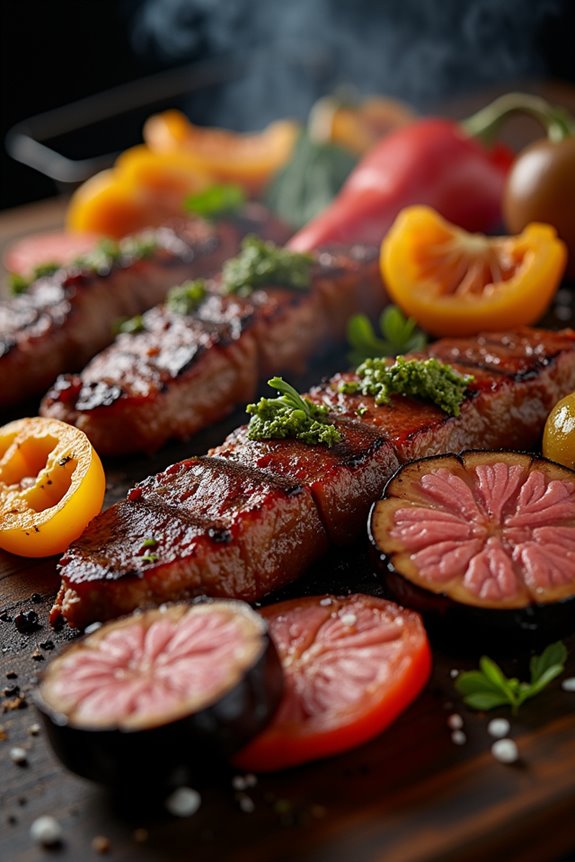
Asado is more than just a meal in Argentina; it’s a cherished tradition that brings family and friends together. This iconic barbecue is a celebration of flavors, featuring a variety of meats cooked over an open flame or grill, known as a parrilla. The process itself is as important as the food, as it represents a time-honored ritual that fosters camaraderie and connection.
Whether you’re using beef ribs, sausages, or a whole flank steak, the key to a successful asado lies in the quality of the ingredients and the care taken in preparation.
To create the ultimate asado, you’ll need to focus on the perfect blend of seasoning and cooking technique. Traditional Argentine asado is often seasoned simply with salt, allowing the natural flavors of the meat to shine through. The cooking process may take a few hours, but the result is a smoky, tender, and juicy feast that’s well worth the wait.
Gather your friends, fire up the grill, and immerse yourself in this beloved Argentine culinary experience.
Ingredients (Serves 4-6 people):
- 2 kg of assorted meats (such as beef ribs, flank steak, and chorizo)
- 1 tablespoon of coarse sea salt
- 1 tablespoon of black pepper
- 1 tablespoon of olive oil
- 1 lemon (for garnish)
- Fresh chimichurri sauce (for serving)
- Optional: vegetables (such as bell peppers, onions, and eggplant) for grilling
Cooking Instructions:
- Prepare the Grill: Begin by setting up your grill or parrilla. Use charcoal or wood to create a steady fire. Ideally, wait until the flames die down and the coals are glowing red with a light ash cover. This will provide the perfect cooking temperature for your meats.
- Season the Meat: While your grill is heating up, prepare your meats. Rinse them under cold water and pat them dry with paper towels. Generously season each piece with coarse sea salt and black pepper, ensuring that the seasoning is evenly distributed.
- Oil the Grill Grates: Once the grill is hot, lightly brush the grates with olive oil to prevent the meat from sticking. This will also add a bit of flavor to the grilling process.
- Grill the Meat: Place the seasoned meat on the grill. For beef ribs and flank steak, cook them over indirect heat to allow for slow cooking. Chorizo can be placed directly over the coals. Grill the meats for about 20-30 minutes on each side, depending on thickness, until they reach your desired doneness.
- Add the Vegetables (Optional): If you’re grilling vegetables, add them to the grill during the last 10-15 minutes of cooking. Brush them with olive oil and season with salt and pepper. Turn occasionally until they’re tender and have nice grill marks.
- Rest the Meat: Once cooked, remove the meats from the grill and let them rest for about 10 minutes. This allows the juices to redistribute, ensuring that your meat is juicy and flavorful.
- Serve and Enjoy: Slice the meat into serving pieces and arrange them on a large platter. Serve with fresh chimichurri sauce on the side, and garnish with lemon wedges for an extra burst of flavor.
Extra Tips:
When preparing asado, it’s crucial to use high-quality meats for the best flavor. Look for cuts that have good marbling, as this will enhance the tenderness and juiciness.
Don’t rush the cooking process; patience is key to achieving that perfect smoky flavor. Additionally, don’t be afraid to experiment with different cuts of meat or even try marinating them in advance for added depth of flavor.
Finally, remember that asado isn’t just about the food – enjoy the process, share stories, and embrace the joy of cooking together with loved ones.
Provoleta: Grilled Provolone Cheese
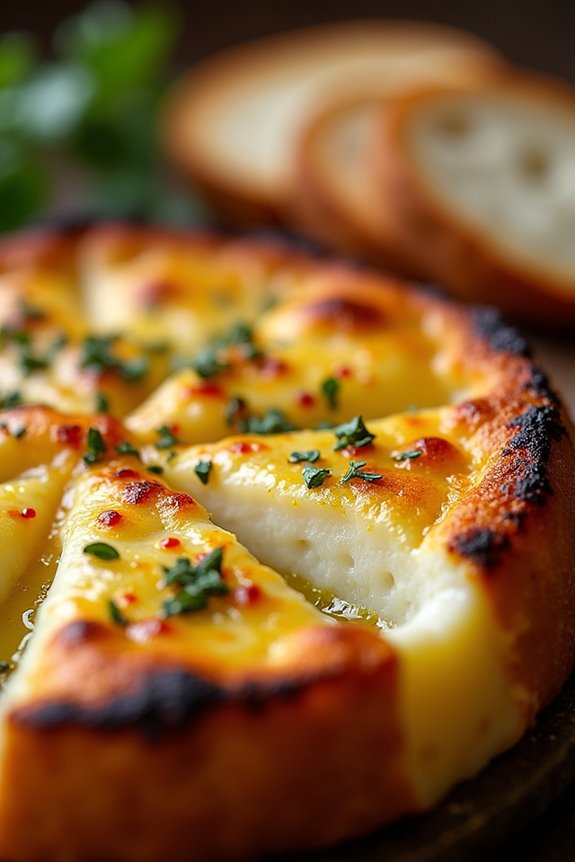
Provoleta is a beloved Argentinian dish that showcases the deliciousness of provolone cheese, transforming it into a gooey, flavorful centerpiece that’s perfect for sharing. This dish is often served as an appetizer at asados (Argentinian barbecues) and is accompanied by crusty bread and a sprinkle of oregano, making it an irresistible starter that captures the essence of Argentinian cuisine.
The key to a great Provoleta is using high-quality provolone cheese and guaranteeing that it’s grilled to perfection, allowing it to melt while developing a beautiful golden crust.
Grilling provolone cheese is a straightforward process, but it does require attention to detail to achieve that perfect balance of melty interior and crispy exterior. The dish can be easily customized with various toppings such as chili flakes, fresh herbs, or even a drizzle of olive oil to enhance the flavors.
Once you master this delightful recipe, it will quickly become a favorite at your gatherings, bringing the taste of Argentina to your table.
Ingredients (Serving Size: 4-6 people):
- 1 large wheel of provolone cheese (about 1-1.5 lbs)
- Olive oil (for drizzling)
- Dried oregano (to taste)
- Chili flakes (optional, to taste)
- Fresh parsley (for garnish, optional)
- Crusty bread (for serving)
Cooking Instructions:
- Prepare the Cheese: Start by removing the provolone cheese from its packaging and patting it dry with a paper towel. This guarantees that the cheese will grill properly without excess moisture. If your cheese has a rind, you can leave it on, as it helps keep the cheese intact while grilling.
- Preheat the Grill: Preheat your grill (or grill pan) to medium-high heat. A good sear is essential for achieving that perfect crust on the outside while allowing the cheese to melt beautifully on the inside. If using a grill pan, make sure it’s well-seasoned to prevent sticking.
- Drizzle Olive Oil: Once the grill is hot, place the provolone cheese directly onto the grill grates or in the grill pan. Drizzle a bit of olive oil over the top of the cheese, which will help it brown and add flavor.
- Grill the Cheese: Grill the provolone cheese for about 5-7 minutes on one side. Keep an eye on it to avoid burning. You want the bottom to be golden brown and crispy while the cheese begins to melt.
- Flip and Season: Carefully flip the cheese using a spatula or tongs, and grill the other side for an additional 3-5 minutes. While grilling, sprinkle dried oregano and chili flakes over the top for added flavor.
- Serve Immediately: Once the cheese is beautifully melted and both sides are golden brown, remove it from the grill. Transfer the grilled provolone to a serving platter. Garnish with fresh parsley if desired and serve with slices of crusty bread for dipping.
Extra Tips: For an even more flavorful experience, consider marinating the provolone in olive oil and herbs for a couple of hours before grilling. Additionally, using a cast iron skillet on the grill can help achieve a more even cook and prevent any sticking.
Be sure to serve Provoleta immediately after grilling while it’s hot and gooey for the best taste. Enjoy this delicious appetizer with friends and family, and don’t hesitate to experiment with different toppings to create your perfect version!
Milanesa: Breaded Meat Delight
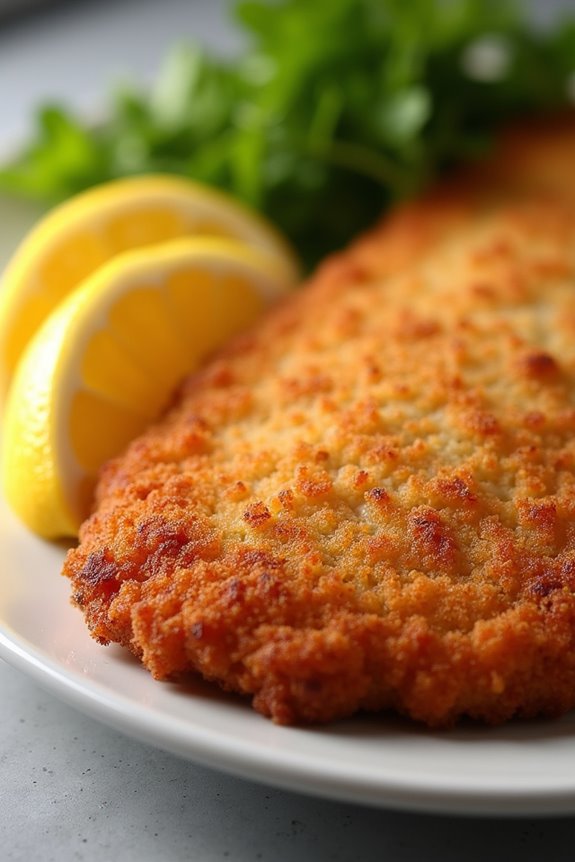
Milanesa is a beloved dish in Argentina, known for its crispy exterior and tender meat, making it a favorite among families and friends. Traditionally made with beef or chicken, this breaded meat delight is often served with mashed potatoes, salad, or even in sandwiches. The technique of breading and frying gives the meat a deliciously crunchy texture while retaining its juiciness inside, making it a comforting dish that can be enjoyed any day of the week.
Preparing Milanesa isn’t only straightforward but also allows for various adaptations based on personal preference. You can spice up the breading mixture with herbs or spices to add a unique twist to the flavor. Serve it with a wedge of lemon for an invigorating contrast, or pair it with a homemade chimichurri sauce for an extra kick. This dish embodies the heart of Argentinian cuisine and is sure to impress anyone at your table.
Ingredients (Serves 4-6):
- 4-6 pieces of beef or chicken fillets (about 1/2 inch thick)
- 1 cup all-purpose flour
- 2 large eggs
- 2 cups breadcrumbs (preferably homemade or panko)
- 1 teaspoon salt
- 1/2 teaspoon black pepper
- 1 teaspoon garlic powder (optional)
- 1 teaspoon paprika (optional)
- Vegetable oil (for frying)
- Lemon wedges (for serving)
Cooking Instructions:
- Prepare the Meat: Start by pounding the meat fillets gently with a meat mallet or rolling pin until they’re about 1/4 inch thick. This helps tenderize the meat and allows it to cook evenly. Season both sides of the meat with salt, pepper, and any optional spices you prefer.
- Set Up Breading Station: In three separate shallow dishes, set up your breading station. Place flour in the first dish, beat the eggs in the second dish, and mix breadcrumbs with any additional seasoning in the third dish.
- Bread the Meat: Take each meat fillet and first coat it in flour, shaking off any excess. Next, dip it into the beaten eggs, ensuring it’s fully coated. Finally, transfer it to the breadcrumbs and press gently to adhere the crumbs well. This layering will create a crunchy exterior.
- Heat the Oil: In a large frying pan, heat about 1/2 inch of vegetable oil over medium-high heat. To test if the oil is ready, drop a small piece of bread into the oil; if it sizzles and bubbles up, you’re good to go.
- Fry the Milanesa: Carefully place the breaded fillets into the hot oil, ensuring not to overcrowd the pan. Fry for about 3-4 minutes on each side or until golden brown and cooked through. Use tongs to flip the fillets halfway through cooking.
- Drain and Serve: Once cooked, transfer the Milanesa to a plate lined with paper towels to drain excess oil. Serve hot with lemon wedges on the side and your choice of sides like mashed potatoes, salad, or in a sandwich.
Extra Tips:
When preparing Milanesa, verify that your oil is at the right temperature to achieve that perfect crispiness; too low, and the meat will absorb excess oil, too high, and it will burn before cooking through.
You can also experiment with different types of meat or even vegetables for a vegetarian version. For added flavor, try marinating the meat in a mixture of olive oil, vinegar, and spices for a few hours before breading. Enjoy your Milanesa with a fresh salad or a squeeze of lemon for a delightful meal!
Locro: Hearty Argentine Stew

Locro is a traditional Argentine stew that holds a special place in the hearts of its people, especially during national celebrations like the May Revolution. This hearty dish is a delightful blend of corn, beans, potatoes, and a variety of meats, making it the perfect comfort food for gatherings and family dinners.
Its rich flavors and satisfying texture create a warm and inviting meal that showcases the culinary heritage of Argentina. The preparation of locro is an experience in itself, often bringing families together in the kitchen. Each region may have its own variations, with some adding different types of meats or vegetables.
However, the essence of locro remains the same: a filling, nutritious stew that reflects the bounty of the land. Gather your ingredients and get ready to indulge in this hearty Argentine classic that’s certain to please everyone at your table.
Ingredients (Serves 4-6 people):
- 1 cup dried white corn (hominy)
- 1 cup dried beans (pinto or black beans)
- 2 tablespoons vegetable oil
- 1 onion, chopped
- 2 cloves garlic, minced
- 1 large carrot, diced
- 2 medium potatoes, peeled and diced
- 200g chorizo sausage, sliced
- 200g beef (chuck or brisket), cut into cubes
- 200g pork (shoulder or belly), cut into cubes
- 1 teaspoon smoked paprika
- 1 teaspoon cumin
- Salt and pepper to taste
- 4-6 cups chicken or beef broth
- Fresh parsley, chopped (for garnish)
Cooking Instructions:
- Soak the Corn and Beans: Begin by soaking the dried corn and beans in separate bowls of water overnight. This will help soften them and reduce cooking time. Confirm they’re well covered with water, as they’ll expand.
- Prepare the Base: In a large pot, heat the vegetable oil over medium heat. Add the chopped onion and minced garlic, sautéing until they become translucent and fragrant, which usually takes about 5 minutes. This step builds the foundation of flavor for your stew.
- Cook the Meats: Add the chorizo, beef, and pork to the pot, browning them on all sides for about 8-10 minutes. This not only adds depth to the flavor but also helps render the fats from the meats, which will enhance the stew.
- Add Vegetables and Spices: Stir in the diced carrots and potatoes, along with the smoked paprika, cumin, salt, and pepper. Mix everything well for another 2-3 minutes, allowing the spices to coat the vegetables and meats.
- Combine with Soaked Ingredients: Drain the soaked corn and beans and add them to the pot. Pour in the chicken or beef broth, confirming all ingredients are submerged. Bring the mixture to a boil, then reduce the heat to low, covering the pot.
- Simmer the Stew: Let the locro simmer for about 1.5 to 2 hours, stirring occasionally. This slow cooking process allows the flavors to meld and the corn and beans to become tender. If the mixture gets too thick, add more broth or water as needed.
- Serve and Garnish: Once cooked, taste and adjust seasoning if necessary. Serve the locro hot in bowls, garnished with freshly chopped parsley for a burst of color and freshness.
Extra Tips:
When making locro, feel free to experiment with various meats or even add vegetables such as zucchini or squash for a unique twist. For a smokier flavor, consider using smoked meats or adding a bit of chipotle pepper.
Additionally, if you prefer a vegetarian version, simply skip the meats and add more vegetables or even some tofu for protein. Locro is best enjoyed with crusty bread or tortillas on the side, allowing you to soak up every bit of the delicious stew. Enjoy the process and the warmth that comes with making this beloved Argentine dish!
Humita En Chala: Corn and Cheese Dish
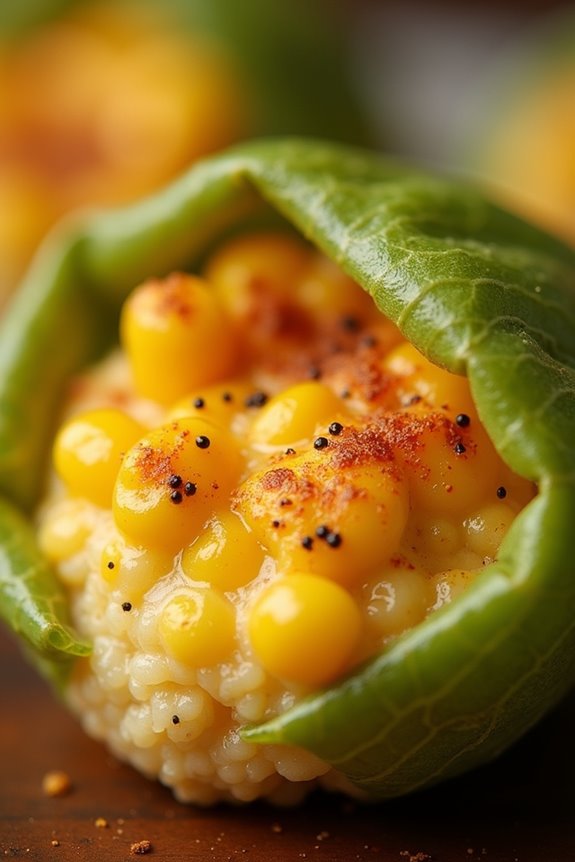
Humita En Chala is a traditional Argentinian dish that showcases the rich flavors of corn and cheese, all wrapped in corn husks and steamed to perfection. This dish isn’t only a staple in Argentinian cuisine but also embodies the heart of home-cooked meals, making it a perfect addition to any holiday gathering.
The combination of sweet corn, creamy cheese, and aromatic spices creates a delightful dish that can be enjoyed as a side or a main course.
Preparing Humita En Chala might seem challenging at first, but with the right ingredients and a bit of patience, you can create a dish that will impress your family and friends. The corn mixture is enveloped in corn husks, which not only adds flavor but also keeps the moisture locked in during the cooking process.
This dish is ideal for sharing, making it a favorite for festive occasions and family get-togethers.
Ingredients (Serves 4-6)
- 2 cups fresh corn kernels (or 1 can of sweet corn, drained)
- 1 cup ricotta cheese
- 1 cup grated cheese (such as mozzarella or queso fresco)
- 1 cup cornmeal
- 1 small onion, finely chopped
- 2 tablespoons butter
- 2 teaspoons baking powder
- 1 teaspoon salt
- 1/2 teaspoon black pepper
- 1/2 teaspoon paprika (optional)
- 12-15 corn husks, soaked in warm water for 30 minutes
Cooking Instructions
- Prepare the Corn Husks: Start by soaking the corn husks in warm water for at least 30 minutes. This will make them pliable and easier to work with when wrapping the humitas.
- Cook the Onions: In a skillet, melt the butter over medium heat. Add the finely chopped onion and sauté until they become translucent and fragrant, about 5 minutes. This step enhances the flavor and aroma of the dish.
- Blend the Corn Mixture: In a food processor, combine the fresh corn kernels and half of the ricotta cheese. Pulse until you have a chunky mixture. If using canned corn, just blend it lightly. Transfer to a mixing bowl.
- Combine Ingredients: Add the sautéed onions, remaining ricotta cheese, grated cheese, cornmeal, baking powder, salt, pepper, and paprika (if using) to the corn mixture. Stir well until all ingredients are thoroughly combined.
- Assemble the Humitas: Take a soaked corn husk and lay it flat. Spoon about 2-3 tablespoons of the corn mixture onto the center of the husk. Fold the sides over the filling and then fold up the bottom to create a neat package. Repeat this process until all the mixture is used.
- Steam the Humitas: Place the wrapped humitas upright in a large steamer or a pot with a steamer basket. Add water to the pot, cover, and steam for about 45 minutes to 1 hour, or until the humitas are firm to the touch.
- Serve: Once cooked, let the humitas cool slightly before unwrapping. Serve warm, either as a side dish or as a main course, with a drizzle of olive oil or a sprinkle of fresh herbs if desired.
Extra Tips
When preparing Humita En Chala, feel free to experiment with different types of cheese based on your preference; some may prefer a sharper cheese for a stronger flavor.
Additionally, you can adjust the spices to suit your taste. If you’re looking for a slightly sweeter version, adding a pinch of sugar to the corn mixture can enhance the natural sweetness of the corn.
Finally, don’t rush the steaming process; ensuring they’re cooked thoroughly will guarantee the best texture and flavor. Enjoy your homemade humitas!
Dulce De Leche: Sweet Caramel Spread

Dulce de leche is a beloved traditional Argentinian treat that brings warmth and sweetness to any holiday gathering. This smooth and creamy caramel spread is made by slowly heating sweetened milk until it transforms into a luscious, golden concoction that can be enjoyed in various ways.
Whether slathered on toast, drizzled over desserts, or simply enjoyed by the spoonful, dulce de leche is a comforting reminder of home and family.
The process of making dulce de leche is simple but requires patience and attention. With minimal ingredients and a bit of time, you can create a rich, velvety spread that will elevate your holiday treats. This recipe yields enough dulce de leche to serve 4-6 people, making it perfect for sharing with loved ones during festive gatherings or enjoying as a delightful indulgence any time of year.
Ingredients (Serves 4-6):
- 4 cups whole milk
- 1 cup granulated sugar
- 1/4 teaspoon baking soda
- 1 teaspoon vanilla extract (optional)
- A pinch of salt
Cooking Instructions:
1. Combine Ingredients:
In a large, heavy-bottomed saucepan, combine the whole milk, granulated sugar, baking soda, and a pinch of salt. The baking soda helps to prevent the mixture from crystallizing and aids in achieving a smooth texture.
2. Heat the Mixture:
Place the saucepan over medium heat and stir gently until the sugar completely dissolves. This process should take about 5-7 minutes. It’s essential to keep stirring to prevent the milk from scorching on the bottom of the pan.
3. Simmer and Stir:
Once the mixture begins to simmer, reduce the heat to low and continue to cook, stirring frequently. You want to maintain a gentle simmer for about 1.5 to 2 hours. The mixture will gradually thicken and change color, transforming from a pale hue to a deep caramel shade.
4. Monitor Consistency:
During the cooking process, you should be vigilant. Keep stirring every 5-10 minutes to guarantee even cooking. The dulce de leche is ready when it coats the back of a spoon and has a thick, spreadable consistency.
5. Add Vanilla (Optional):
If desired, stir in the vanilla extract once the dulce de leche reaches the desired consistency. This will add a lovely aromatic flavor to the spread.
6. Cool and Store:
Remove the saucepan from the heat and let the dulce de leche cool to room temperature. Once cooled, transfer it to a clean glass jar or airtight container. Refrigerate for up to two weeks.
Extra Tips:
To achieve the best results, use a heavy-bottomed saucepan to distribute heat evenly and prevent burning.
Stirring is key, so don’t leave the dulce de leche unattended for long periods. If you prefer a deeper flavor, you can experiment by cooking it a little longer, but be cautious not to overcook it, as it will harden upon cooling.
Enjoy your homemade dulce de leche as a special treat or gift it in jars to share the love this holiday season!
Panettone: Festive Italian Bread With a Local Twist

Panettone is a traditional Italian bread that has become synonymous with the holiday season, known for its rich, sweet flavor and airy texture. Originating from Milan, this festive bread is typically filled with candied fruits, raisins, and sometimes even chocolate, offering a delightful treat for family gatherings and celebrations.
In Argentina, where Italian influence is strong, many families have adopted this classic recipe and added their own local twist, incorporating flavors that reflect the vibrant culinary culture of the country. Whether served as a dessert or enjoyed with a cup of coffee, Panettone is bound to impress your guests and elevate your holiday celebrations.
Making Panettone may seem intimidating, but with a little patience and the right ingredients, you can create an impressive loaf that rivals any bakery’s. The process involves making a rich dough that requires time to rise, but the outcome is well worth the effort.
This version of Panettone includes a touch of dulce de leche, a beloved Argentinian ingredient, giving it a unique flavor that sets it apart from the traditional Italian recipe. Gather your ingredients and follow the steps to create your own festive bread that will bring joy to your holiday table.
Ingredients (serving size: 4-6 people):
- 4 cups all-purpose flour
- 1 cup sugar
- 1/2 cup unsalted butter, softened
- 1 cup whole milk, warmed
- 3 large eggs
- 1 packet (2 1/4 tsp) active dry yeast
- 1 teaspoon vanilla extract
- 1/2 teaspoon salt
- 1 cup mixed candied fruits
- 1/2 cup raisins
- 1/2 cup dark chocolate chips
- 1/4 cup dulce de leche (for drizzling)
Cooking Instructions:
- Activate the Yeast: In a small bowl, combine the warm milk and active dry yeast. Let it sit for about 5-10 minutes until frothy. This step is vital as it guarantees that the yeast is active and will help your dough rise.
- Mix the Dough: In a large mixing bowl, combine the flour, sugar, and salt. Make a well in the center and add the eggs, softened butter, vanilla extract, and the activated yeast mixture. Mix everything together until a soft dough forms.
- Knead the Dough: Transfer the dough onto a lightly floured surface and knead it for about 8-10 minutes until it becomes smooth and elastic. This step develops the gluten, which gives the bread its airy structure.
- First Rise: Place the dough in a lightly greased bowl, cover it with a clean kitchen towel, and let it rise in a warm place for about 2 hours or until it doubles in size.
- Incorporate Fillings: Once the dough has risen, gently punch it down to release excess air. Fold in the mixed candied fruits, raisins, and dark chocolate chips, making sure they’re evenly distributed throughout the dough.
- Shape and Second Rise: Shape the dough into a ball and place it in a greased panettone mold or a tall, round cake pan lined with parchment paper. Cover with the kitchen towel again and let it rise for another hour, or until it puffs up above the rim of the mold.
- Preheat the Oven: While the dough is rising for the second time, preheat your oven to 350°F (175°C).
- Bake the Panettone: Once the dough has risen, bake it in the preheated oven for 35-40 minutes, or until the top is golden brown and a toothpick inserted into the center comes out clean.
- Cool and Drizzle: Allow the panettone to cool in the mold for about 10 minutes before transferring it to a wire rack. Once cooled, drizzle with dulce de leche for an added touch of sweetness.
Extra Tips: When making Panettone, don’t rush the rising times; these are essential for developing the bread’s unique texture. If your kitchen is cool, consider placing the dough in a slightly warm oven (turned off) to help it rise better.
Additionally, for more flavor, you can experiment with adding orange or lemon zest to the dough, which complements the sweetness of the candied fruits. Enjoy your homemade Panettone fresh, or wrap it up for a delightful gift!
Alfajores: Delectable Cookie Sandwiches

Alfajores are a beloved treat from Argentina, cherished for their delicate texture and rich flavors. These delightful cookie sandwiches are traditionally filled with dulce de leche, a sweet caramel-like spread made from condensed milk. They’re often dusted with powdered sugar or rolled in shredded coconut, making them not only delicious but also visually appealing. Ideal for holiday gatherings, they bring a touch of Argentinian culture to any celebration and are bound to impress your guests.
Making alfajores at home may seem intimidating, but with the right ingredients and a little patience, you can create these delectable cookies that capture the essence of Argentina. The combination of cornstarch and flour gives the cookies a unique melt-in-your-mouth quality, while the dulce de leche filling offers a perfect balance of sweetness. Whether you enjoy them with a cup of coffee or as a dessert for a festive occasion, alfajores are a treat that everyone will love.
Ingredients (Serves 4-6 people):
- 1 cup all-purpose flour
- 1 cup cornstarch
- 1/2 cup unsalted butter, softened
- 1/2 cup powdered sugar, plus extra for dusting
- 1 large egg yolk
- 1 teaspoon vanilla extract
- 1/2 teaspoon baking powder
- 1 cup dulce de leche
- Shredded coconut (optional, for rolling)
Cooking Instructions:
- Prepare the Dough: In a mixing bowl, cream together the softened butter and powdered sugar until light and fluffy. This process incorporates air into the butter, creating a lighter texture in the cookies. Add the egg yolk and vanilla extract, mixing until fully combined.
- Combine Dry Ingredients: In a separate bowl, whisk together the all-purpose flour, cornstarch, and baking powder. This step guarantees that the leavening agent is evenly distributed throughout the dry ingredients, which will help the cookies rise slightly during baking.
- Mix the Dough: Gradually add the dry mixture to the butter mixture, stirring until a soft dough forms. Be careful not to overmix, as this can make the cookies tough. Wrap the dough in plastic wrap and refrigerate for at least 30 minutes to firm up, making it easier to roll out.
- Roll and Cut the Cookies: Preheat your oven to 350°F (175°C). On a floured surface, roll out the chilled dough to about 1/4 inch thick. Use a round cookie cutter to cut out circles. Place the cut cookies on a baking sheet lined with parchment paper, leaving space between them to allow for slight spreading.
- Bake the Cookies: Bake in the preheated oven for about 10-12 minutes or until the edges are just lightly golden. Keep a close eye on them, as they can bake quickly. Once baked, allow the cookies to cool on a wire rack.
- Assemble the Alfajores: Once the cookies are completely cool, spread a generous layer of dulce de leche on the underside of one cookie and top it with another cookie, creating a sandwich. Repeat with the remaining cookies.
- Finish and Serve: For an optional touch, roll the edges of the assembled alfajores in shredded coconut or dust the tops with powdered sugar. Serve them on a platter and enjoy this delightful treat with family and friends!
Extra Tips:
When making alfajores, it’s important to confirm that the cookies are cooled completely before assembling them with dulce de leche; otherwise, the filling may melt and ooze out.
If you want to add a twist to the classic recipe, consider incorporating flavors such as orange zest or cocoa powder into the dough. Additionally, these cookies can be stored in an airtight container for up to a week, making them perfect for preparing in advance for holiday gatherings.
Enjoy the process and share this delightful dessert with your loved ones!
Chocotorta: No-Bake Chocolate Cake

Chocotorta is a beloved Argentinian dessert that combines the rich flavors of chocolate with creamy layers of dulce de leche and cream cheese, all without the need for baking. This no-bake chocolate cake is a delightful treat perfect for any occasion, be it a holiday gathering or a simple family dinner. Its simplicity and the delightful combination of flavors make it a favorite among both young and old.
The beauty of Chocotorta lies in its ease of preparation. With just a few ingredients and minimal effort, you can create a dessert that looks impressive and tastes even better. Traditionally, chocolate cookies are used to create layers in this cake, which are then soaked in coffee or milk to provide moisture and flavor. The result is a luscious, creamy dessert that’s sure to impress your guests.
Ingredients (Serves 4-6):
- 400g chocolate cookies (such as Chocolinas or similar)
- 500g dulce de leche
- 500g cream cheese (room temperature)
- 1 cup strong brewed coffee (cooled) or milk
- Cocoa powder (for dusting, optional)
- Chocolate shavings or grated chocolate (for garnish, optional)
Instructions:
- Prepare the Cream Mixture: In a large mixing bowl, combine the dulce de leche and cream cheese. Using a hand mixer or a whisk, blend until the mixture is smooth and creamy. This will be the filling for your Chocotorta.
- Set Up the Dipping Station: Pour the cooled coffee or milk into a shallow dish. This will be used to soak the chocolate cookies before layering them in the cake.
- Dip the Cookies: Take one chocolate cookie at a time and quickly dip it into the coffee or milk, ensuring that it’s soaked but not too soggy. Place the dipped cookie onto the bottom of a rectangular or square dish to form the first layer.
- Layer the Filling: Spread a generous layer of the cream mixture over the first layer of cookies. Use a spatula to smooth it out evenly.
- Repeat the Process: Continue dipping chocolate cookies and layering them with the cream mixture until you run out of ingredients, finishing with a layer of the cream mixture on top.
- Chill the Chocotorta: Cover the dish with plastic wrap and refrigerate for at least 4 hours, or ideally overnight. This allows the flavors to meld and the cake to set properly.
- Serve and Garnish: Once chilled, remove the Chocotorta from the fridge and dust the top with cocoa powder if desired. You can also sprinkle chocolate shavings or grated chocolate on top for added flair. Cut into squares and serve.
Extra Tips:
For an extra touch of flavor, consider adding a splash of vanilla extract to the cream mixture. If you prefer a less intense coffee flavor, you can dilute the coffee with more milk.
Additionally, you can experiment with different types of chocolate cookies or even add layers of fresh fruit, like bananas or strawberries, for a revitalizing twist.
