

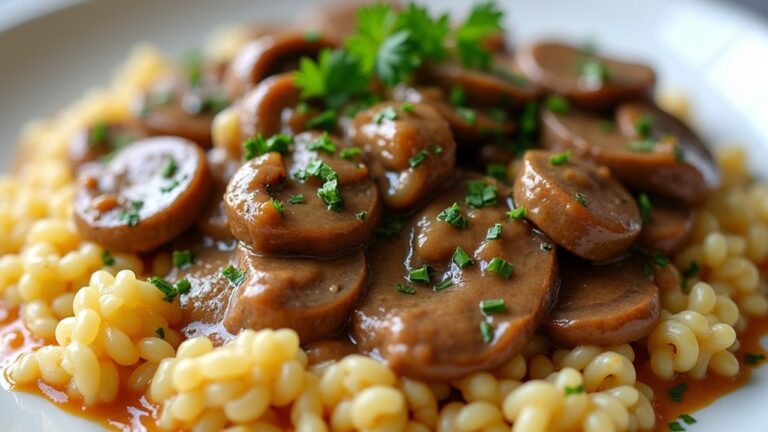
When I think of Argentine cuisine, the incredible beef immediately comes to mind. Each dish tells a story, from the smoky aroma of an asado to the savory bite of empanadas. I’ve gathered 11 recipes that truly highlight the rich flavors of this vibrant culture. Whether you’re hosting a gathering or simply craving something special, there’s something here that’ll make your taste buds dance. Let’s explore these mouthwatering options together.
Classic Argentine Asado
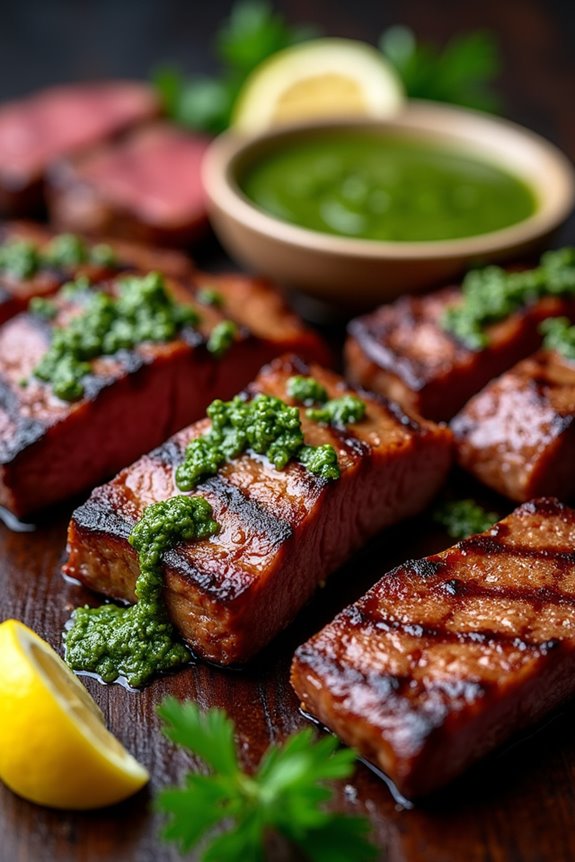
Asado is more than just a meal; it’s a cherished tradition in Argentina that brings friends and family together for a hearty feast. Featuring an array of cuts of beef, asado is often grilled over an open flame or on a parrilla (a type of grill) and is typically accompanied by chimichurri sauce, a zesty herb condiment that enhances the flavors of the meat.
The ritual of preparing and enjoying asado is an experience that celebrates the culture and love for great food, making it a must-try for any enthusiast of Argentine cuisine.
The beauty of asado lies in its simplicity—using high-quality cuts of beef, a few spices, and the magic of fire. While there are various cuts that can be used for asado, popular choices include ribs, flank steak, and sirloin.
The key to a successful asado is patience, allowing the meat to cook slowly over a steady flame to achieve that perfect char and tenderness. Gather your loved ones, light up the grill, and prepare to indulge in a truly authentic Argentine experience.
Ingredients (serving size 4-6 people):
- 3-4 lbs of assorted beef cuts (such as short ribs, flank steak, and sirloin)
- 1 cup of chimichurri sauce (store-bought or homemade)
- Salt (preferably coarse sea salt)
- Black pepper
- Olive oil
- Optional: garlic cloves, lemon wedges, and fresh parsley for garnish
Cooking Instructions:
- Prepare the Grill: Start by preparing your grill or parrilla for cooking. If using charcoal, light it up and let it burn until you have a nice bed of hot coals. If using a gas grill, preheat it to medium-high. You want a consistent heat source that will allow for both direct and indirect grilling.
- Season the Meat: While the grill is heating, take your assorted cuts of beef and generously season them with coarse sea salt and black pepper. If desired, you can rub a little olive oil on the meat to keep it moist during cooking. For an added flavor punch, you can also rub in minced garlic.
- Grill the Meat: Place the seasoned beef cuts on the hot grill. Cook the meat over direct heat for about 4-5 minutes on each side, depending on the thickness of the cuts. The goal is to create a beautiful sear on the outside while keeping the inside juicy and tender.
- Monitor Cooking Temperature: Use a meat thermometer to check the internal temperature of the beef. For medium-rare, aim for an internal temperature of about 130°F (54°C). Adjust your grilling time based on your preferred doneness.
- Rest the Meat: Once the beef reaches your desired temperature, remove it from the grill and let it rest for about 10 minutes. This allows the juices to redistribute throughout the meat, ensuring a flavorful and tender bite.
- Slice and Serve: After resting, slice the meat against the grain into serving-sized pieces. Arrange on a platter and accompany with chimichurri sauce, lemon wedges, and fresh parsley for garnish.
Extra Tips:
When preparing asado, the quality of the beef is essential—always opt for fresh, high-quality cuts from a reputable butcher.
Traditional Argentine asado doesn’t require extensive marinating or seasoning, as the focus is on the natural flavor of the meat. If you’re feeling adventurous, consider adding sausages or other meats to the grill for a more varied feast.
Finally, don’t rush the cooking process; take your time enjoying the experience, as asado is as much about the journey as it’s about the destination!
Chimichurri Steak
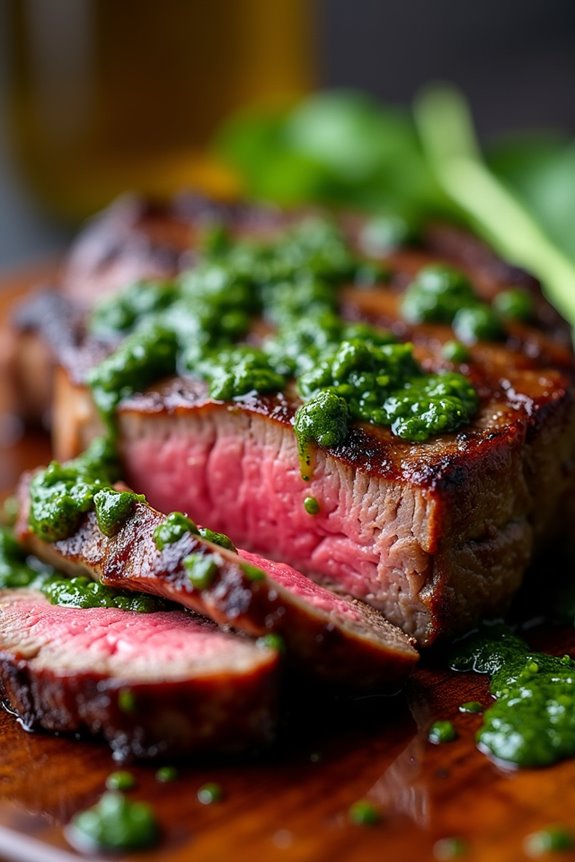
Chimichurri steak is a quintessential Argentinian dish that perfectly embodies the flavors of the country. This recipe features juicy, grilled beef steak marinated and served with a vibrant chimichurri sauce—a revitalizing, herby condiment that adds a delightful zing to the meat. The combination of the rich, succulent steak with the zesty chimichurri creates a mouthwatering experience that’s bound to impress family and friends at your next barbecue or dinner gathering.
To prepare this dish, you’ll need to focus on two components: the steak and the chimichurri sauce. Selecting a high-quality cut of beef, such as ribeye or sirloin, is crucial for achieving the best flavor and tenderness. The chimichurri sauce, made with parsley, garlic, vinegar, and olive oil, is traditionally served alongside the steak, enhancing its taste with a revitalizing and aromatic profile. With the right ingredients and cooking techniques, you can create a delicious Chimichurri Steak that transports your taste buds straight to Argentina.
Ingredients (serving size: 4-6 people)
- 2 to 2.5 pounds of ribeye or sirloin steak
- Salt and black pepper, to taste
- 1 cup fresh parsley, finely chopped
- 4 cloves garlic, minced
- 1/2 cup olive oil
- 1/4 cup red wine vinegar
- 1 teaspoon red pepper flakes (optional)
- 1 teaspoon dried oregano
- Juice of 1 lemon
Cooking Instructions
- Prepare the Chimichurri Sauce: In a medium bowl, combine the finely chopped parsley, minced garlic, olive oil, red wine vinegar, red pepper flakes (if using), dried oregano, and lemon juice. Mix well until all ingredients are fully incorporated. Allow the chimichurri to sit for at least 30 minutes to let the flavors meld together.
- Season the Steak: Take the ribeye or sirloin steak out of the refrigerator and allow it to come to room temperature for about 30 minutes before cooking. This helps in even cooking. Generously season both sides of the steak with salt and black pepper.
- Preheat the Grill: Heat your grill to high heat. If using a charcoal grill, confirm the coals are glowing red and covered with ash. For a gas grill, preheat for about 10-15 minutes until it reaches a high temperature.
- Grill the Steak: Place the seasoned steak on the hot grill. Cook for about 4-5 minutes on one side for medium-rare, then flip and cook for an additional 4-5 minutes on the other side. Adjust cooking time based on your desired doneness, using a meat thermometer for accuracy (130°F for medium-rare, 140°F for medium).
- Rest the Steak: Once cooked to your preference, remove the steak from the grill and let it rest for about 5-10 minutes. This allows the juices to redistribute throughout the meat, guaranteeing a juicy steak.
- Serve: Slice the steak against the grain into thick slices and arrange on a serving platter. Generously spoon the chimichurri sauce over the sliced steak, and serve with additional chimichurri on the side.
Extra Tips
When making Chimichurri Steak, consider marinating the steak in a portion of the chimichurri sauce for a few hours or overnight before grilling for even more flavor.
Also, feel free to customize the chimichurri with additional herbs like cilantro or mint for a unique twist. Always let the steak rest after grilling to maintain its juiciness, and serve with sides like grilled vegetables or a fresh salad to round out the meal. Enjoy your culinary journey to Argentina!
Beef Empanadas
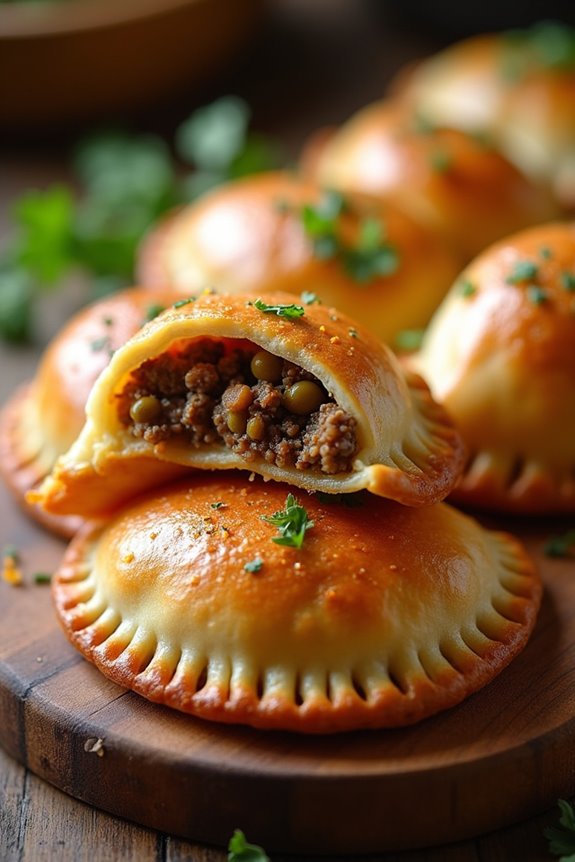
Beef empanadas are a beloved dish in Argentina, known for their flaky pastry and flavorful filling. These savory hand pies are perfect for any occasion, whether served as an appetizer, snack, or main course. Traditionally filled with seasoned ground beef, onions, hard-boiled eggs, and olives, empanadas embody the heart of Argentine cuisine. Their versatility allows for variations, but the classic beef version remains a favorite among locals and visitors alike.
To prepare beef empanadas, you’ll need to master the art of making the dough and the filling. The dough is typically made with flour, butter, and a touch of salt, creating a tender crust that holds the flavorful filling. Once assembled, the empanadas can be baked or fried, resulting in a delightful golden exterior. With the right technique and ingredients, you can enjoy these delicious pastries right at home.
Ingredients (Serves 4-6)
- 2 cups all-purpose flour
- 1/2 cup unsalted butter, chilled and cubed
- 1/2 teaspoon salt
- 1/4 cup cold water
- 1 lb ground beef
- 1 onion, finely chopped
- 2 hard-boiled eggs, chopped
- 1/2 cup green olives, pitted and sliced
- 1 teaspoon cumin
- 1 teaspoon paprika
- Salt and pepper to taste
- 1 egg, beaten (for egg wash)
Cooking Instructions
- Make the Dough: In a large bowl, combine the flour and salt. Add the chilled, cubed butter and mix with your fingers or a pastry cutter until the mixture resembles coarse crumbs. Gradually add cold water, mixing until a dough forms. Knead gently until smooth, wrap in plastic wrap, and refrigerate for at least 30 minutes.
- Prepare the Filling: In a large skillet over medium heat, cook the chopped onion until soft and translucent. Add the ground beef, breaking it apart with a spatula. Cook until browned, about 7-10 minutes. Stir in the cumin, paprika, salt, and pepper. Remove from heat and let it cool slightly before mixing in the chopped hard-boiled eggs and olives.
- Roll Out the Dough: On a lightly floured surface, roll out the chilled dough to about 1/8 inch thick. Use a round cutter (about 4-5 inches in diameter) to cut out circles of dough.
- Fill the Empanadas: Place a heaping tablespoon of the beef filling in the center of each dough circle. Moisten the edges with water, fold the dough over to create a half-moon shape, and seal by pressing the edges together with your fingers or crimping with a fork.
- Prepare for Cooking: Preheat your oven to 400°F (200°C) if baking. If frying, heat vegetable oil in a deep pot over medium heat. Place the filled empanadas on a baking sheet lined with parchment paper. Brush the tops with the beaten egg for a golden finish.
- Cook the Empanadas: For baking, place the empanadas in the preheated oven and bake for 20-25 minutes or until golden brown. For frying, carefully add the empanadas to the hot oil in batches and fry until golden and crispy, about 3-4 minutes per side. Drain on paper towels.
- Serve: Allow the empanadas to cool slightly before serving. Enjoy them warm as a delicious snack or appetizer.
Extra Tips
When making beef empanadas, feel free to experiment with the filling by adding vegetables, different spices, or even cheese for extra flavor.
If you’d like to prepare them ahead of time, you can assemble the empanadas and freeze them before cooking. Just make certain that they’re well-wrapped to prevent freezer burn.
When ready to cook, you can bake or fry them directly from the freezer, adding a couple of extra minutes to the cooking time. Enjoy your culinary journey into Argentine cuisine!
Milanesa a La Napolitana
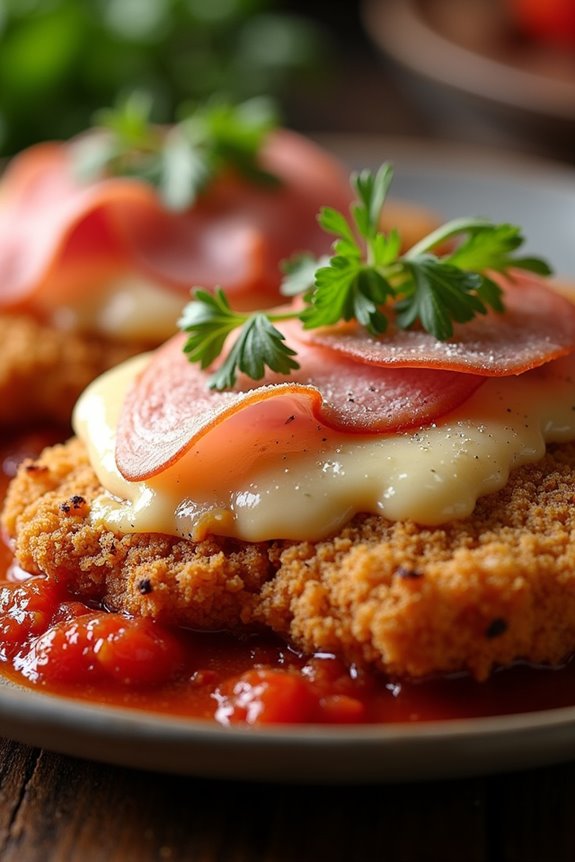
Milanesa a La Napolitana is a beloved dish in Argentina that combines the classic Italian milanesa with a delicious topping of ham, cheese, and a rich tomato sauce. This dish is a perfect example of how cultural influences can create something unique and flavorful. Originating from the Italian “cotoletta alla milanese,” the Argentinian version has been adapted to include local ingredients and flavors, making it a staple in many households across the country.
Whether served with a side of mashed potatoes, a fresh salad, or just on its own, Milanesa a La Napolitana is sure to impress family and friends alike.
Preparing Milanesa a La Napolitana is a straightforward process that brings together tenderized beef, savory ham, and gooey cheese, all baked to perfection. The combination of textures and flavors makes this dish not only satisfying but also a crowd-pleaser.
While it may appear complex, the steps are simple and easy to follow. Immerse yourself in this delicious Argentinian recipe and bring a taste of Argentina to your dining table!
Ingredients (serving size: 4-6 people)
- 4-6 beef cutlets (about 1/2 inch thick)
- 1 cup breadcrumbs
- 1/2 cup all-purpose flour
- 2 large eggs
- 1 cup grated Parmesan cheese
- 4 slices of ham (preferably cooked or smoked)
- 1 cup marinara sauce or tomato sauce
- 1 cup shredded mozzarella cheese
- 2 cloves garlic (minced)
- Salt and pepper (to taste)
- Olive oil (for frying)
- Chopped parsley (for garnish, optional)
Cooking Instructions
1. Prepare the Beef Cutlets: Start by placing the beef cutlets between two sheets of plastic wrap or parchment paper. Use a meat mallet or rolling pin to pound the cutlets until they’re about 1/4-inch thick. This tenderizes the meat and helps it cook evenly.
Season both sides with salt and pepper to taste.
2. Set Up the Breading Station: In three shallow dishes, set up your breading station. In the first dish, place the flour. In the second dish, beat the eggs until smooth. In the third dish, combine the breadcrumbs and grated Parmesan cheese.
This setup will make it easier to coat the cutlets evenly.
3. Bread the Cutlets: Take each cutlet and dredge it in flour, ensuring it’s fully coated and shaking off any excess. Next, dip it into the beaten eggs, allowing any excess to drip off, and finally, coat it in the breadcrumb mixture, pressing lightly to adhere the crumbs.
Set the breaded cutlets aside on a plate.
4. Fry the Cutlets: In a large skillet, heat a generous amount of olive oil over medium heat. Once the oil is hot, carefully add the breaded cutlets in batches, avoiding overcrowding.
Fry each cutlet for about 3-4 minutes on each side or until golden brown and crispy. Once cooked, transfer them to a paper towel-lined plate to drain excess oil.
5. Assemble the Dish: Preheat your oven to 375°F (190°C). In a baking dish, spread a thin layer of marinara sauce on the bottom. Place the fried cutlets in a single layer on top of the sauce.
Layer each cutlet with a slice of ham, a spoonful of marinara sauce, and a generous amount of shredded mozzarella cheese.
6. Bake: Place the assembled dish in the preheated oven and bake for about 15-20 minutes, or until the cheese is bubbly and golden.
If you want a crispier top, you can broil it for an additional 2-3 minutes, watching closely to prevent burning.
7. Serve: Once baked, remove the dish from the oven and let it cool for a few minutes. Garnish with chopped parsley if desired, and Serve hot with your choice of sides.
Extra Tips
To elevate the flavors of Milanesa a La Napolitana, consider adding a bit of oregano or Italian seasoning to the breadcrumb mixture for an extra kick.
Additionally, using fresh mozzarella can enhance the texture and creaminess of the dish. For a variation, you can substitute the ham with cooked bacon or even sautéed mushrooms for a different flavor profile.
Enjoy exploring different toppings and sides to make this dish your own!
Short Ribs With Red Wine Sauce
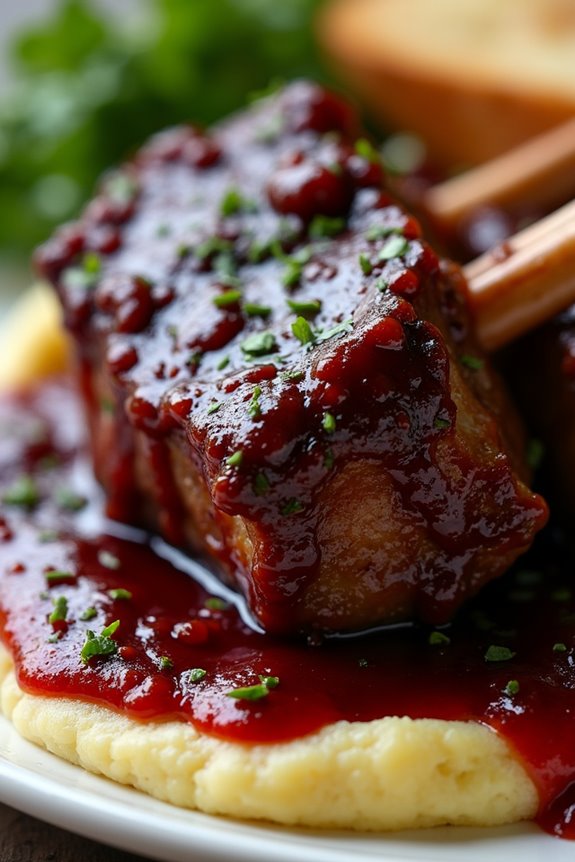
Argentinian cuisine is renowned for its rich flavors and high-quality beef, particularly short ribs, which are a popular cut used in various traditional dishes. When cooked slowly, short ribs become incredibly tender and flavorful, making them an ideal choice for a hearty meal.
This recipe for Short Ribs With Red Wine Sauce combines the depth of red wine with aromatic herbs and spices, resulting in a dish that’s both comforting and elegant. Perfect for family gatherings or special occasions, this dish pairs beautifully with creamy polenta or crusty bread to soak up the luscious sauce.
Cooking short ribs is a labor of love, but the results are well worth the effort. The slow braising process allows the meat to absorb the flavors of the wine and herbs, resulting in a rich, savory dish. Make sure to choose a good quality red wine for this recipe, as it will greatly enhance the flavor of the sauce.
With a few simple ingredients and a bit of patience, you can create a restaurant-quality meal right in your own kitchen.
Ingredients (Serves 4-6)
- 4-6 pieces of beef short ribs (about 3-4 pounds total)
- Salt and black pepper, to taste
- 2 tablespoons olive oil
- 1 large onion, chopped
- 2 carrots, diced
- 2 celery stalks, diced
- 4 cloves garlic, minced
- 2 cups red wine
- 2 cups beef stock
- 2 tablespoons tomato paste
- 2 sprigs fresh thyme
- 2 sprigs fresh rosemary
- 1 bay leaf
- 1 tablespoon balsamic vinegar
Cooking Instructions
- Prepare the Short Ribs: Season the short ribs generously with salt and black pepper on all sides. This step is vital as it enhances the flavor of the meat. Allow the seasoned ribs to sit at room temperature for about 30 minutes while you prepare the other ingredients.
- Sear the Short Ribs: In a large, heavy-bottomed pot or Dutch oven, heat the olive oil over medium-high heat. Once hot, add the short ribs in batches, searing them on all sides until they’re browned (about 4-5 minutes per side). This browning adds depth to the dish. Remove the ribs and set them aside on a plate.
- Sauté the Aromatics: In the same pot, add the chopped onion, diced carrots, and diced celery. Sauté for about 5-7 minutes, or until the vegetables have softened and the onion is translucent. Add the minced garlic and cook for an additional minute until fragrant.
- Deglaze with Red Wine: Pour in the red wine, scraping the bottom of the pot to release any browned bits stuck to the pan. This adds even more flavor to the sauce. Bring the mixture to a boil and let it simmer for about 5-10 minutes to reduce slightly.
- Add Remaining Ingredients: Stir in the beef stock, tomato paste, thyme, rosemary, bay leaf, and balsamic vinegar. Return the seared short ribs to the pot, making sure they’re submerged in the liquid. Bring the mixture back to a gentle simmer.
- Braise the Ribs: Cover the pot with a lid and reduce the heat to low. Allow the short ribs to braise for 2-3 hours, or until they’re fork-tender. If using the oven, preheat it to 325°F (165°C) and place the covered pot inside for the same amount of time.
- Finish the Sauce: Once the short ribs are tender, remove them from the pot and set them aside on a plate. Strain the sauce to remove the herbs and vegetables, then return the liquid to the pot. Simmer the sauce on medium heat for about 10-15 minutes until it thickens slightly.
- Serve: Serve the short ribs drizzled with the red wine sauce, garnished with fresh herbs if desired. Pair with your favorite side dishes, such as mashed potatoes or a fresh salad.
Extra Tips
When preparing Short Ribs With Red Wine Sauce, it’s important to allow enough time for the braising process, as it’s key to achieving tender meat. If you have time, consider making the dish a day in advance; letting the short ribs rest in the sauce overnight allows the flavors to meld even further.
Additionally, feel free to experiment with different herbs and spices to customize the dish to your taste. Finally, serving the dish with a good red wine that complements the sauce will elevate your dining experience. Enjoy!
Argentine Beef Stew (Puchero)
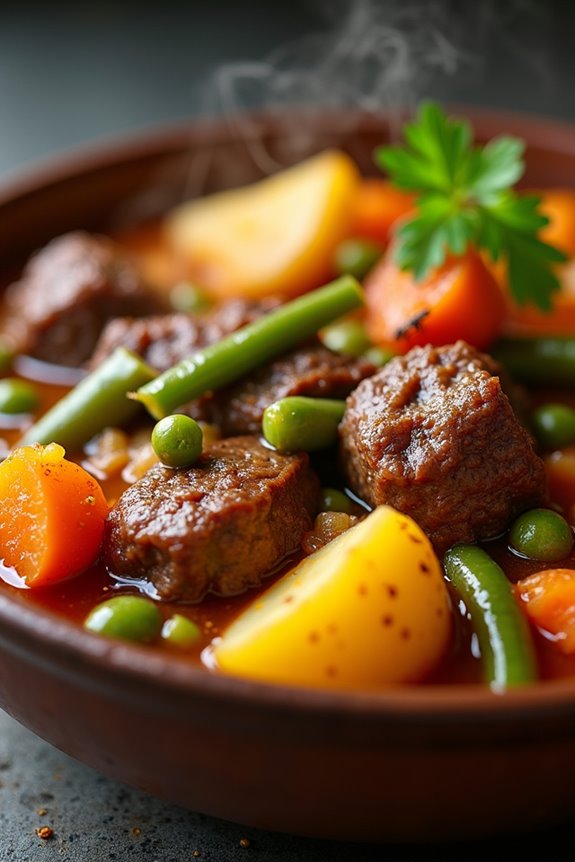
Argentine Beef Stew, also known as Puchero, is a hearty and flavorful dish that embodies the essence of Argentine cuisine. It’s a comforting one-pot meal that showcases tender chunks of beef combined with an array of vegetables, spices, and aromatic herbs. Traditionally, Puchero is a family dish, often enjoyed during colder months or during gatherings, where everyone can share in the warmth and richness of the stew.
With its origins rooted in both Spanish and Italian cooking, this dish has evolved to become a staple in Argentine homes, celebrated for its simplicity and the delightful melding of flavors.
To prepare a perfect Argentine Beef Stew, it’s important to use quality ingredients and allow sufficient time for the flavors to develop. The slow-cooking technique guarantees that the beef becomes tender and succulent while the vegetables absorb the savory broth. Whether served with crusty bread or over a bed of rice, this Puchero will surely satisfy your hunger and warm your soul.
Ingredients (Serves 4-6):
- 2 lbs beef chuck or brisket, cut into 2-inch cubes
- 4 medium potatoes, peeled and quartered
- 3 carrots, peeled and sliced
- 2 medium onions, quartered
- 2 cloves garlic, minced
- 1 cup green beans, trimmed
- 1 cup peas (fresh or frozen)
- 1/2 head of cabbage, cut into wedges
- 4 cups beef broth
- 2 cups water
- 1 bay leaf
- 1 teaspoon paprika
- 1 teaspoon cumin
- Salt and pepper to taste
- Olive oil for browning the beef
- Fresh parsley for garnish (optional)
Cooking Instructions:
- Brown the Beef: In a large pot or Dutch oven, heat a tablespoon of olive oil over medium-high heat. Add the beef cubes in batches, ensuring not to overcrowd the pot. Brown the beef on all sides for about 5-7 minutes until well-seared. This step enhances the flavor through the Maillard reaction. Remove the browned beef and set it aside.
- Sauté the Aromatics: In the same pot, add the minced garlic and quartered onions. Sauté for about 3-4 minutes until the onions become translucent and fragrant. This will create a flavorful base for the stew.
- Combine Ingredients: Return the browned beef to the pot. Add the beef broth, water, bay leaf, paprika, cumin, salt, and pepper. Stir well to combine all ingredients.
- Add Vegetables: Bring the mixture to a boil, then reduce the heat to low. Add the potatoes, carrots, green beans, peas, and cabbage wedges. Make sure the vegetables are submerged in liquid.
- Simmer the Stew: Cover the pot and let the stew simmer gently for about 1.5 to 2 hours. Stir occasionally to prevent sticking, and check to confirm the meat is tender. The longer it simmers, the more flavorful it becomes.
- Final Seasoning: Once the beef is tender and the vegetables are cooked through, taste the stew and adjust the seasoning with more salt and pepper if necessary. Discard the bay leaf before serving.
- Serve: Ladle the hearty stew into bowls and garnish with fresh parsley if desired. Enjoy with crusty bread or over rice for a complete meal.
Extra Tips:
For an even richer flavor, consider adding a splash of red wine to the stew along with the broth. This will enhance the depth of flavors and give it a more robust taste.
Additionally, feel free to customize the vegetables based on what you have available or your personal preferences. Other vegetables like turnips or squash can be excellent additions.
Remember to let the stew cool before storing leftovers, and it often tastes even better the next day after the flavors have melded overnight. Enjoy your cooking!
Grilled Flank Steak With Roasted Vegetables
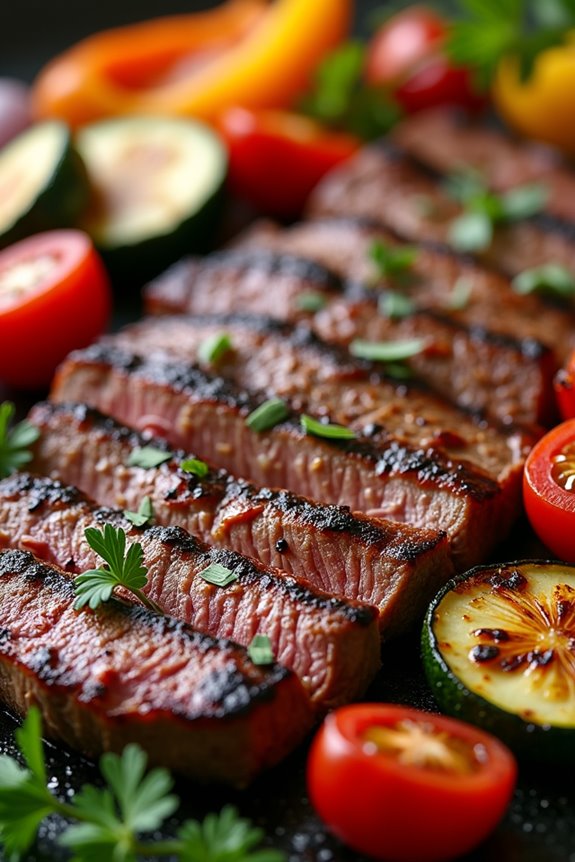
Grilled Flank Steak with Roasted Vegetables is a quintessential Argentinian dish that showcases the rich flavors of high-quality beef paired with a medley of vibrant vegetables. This dish is perfect for gatherings or family dinners, delivering a satisfying and hearty meal that celebrates the simplicity and freshness of Argentinian cuisine.
The flank steak is marinated to enhance its flavor and tenderness, while the roasted vegetables add a colorful and nutritious complement to the dish. The preparation of this dish is straightforward, making it accessible for both novice and experienced cooks alike.
The key to achieving a perfectly grilled flank steak lies in the marinade and letting it rest after cooking. The roasted vegetables, seasoned simply, bring out their natural sweetness and provide a delightful contrast to the savory meat. Together, they create a balanced and flavorful meal that will have everyone coming back for seconds.
Ingredients (Serves 4-6)
- 2 lbs flank steak
- 1/4 cup olive oil
- 3 tablespoons red wine vinegar
- 3 cloves garlic, minced
- 1 tablespoon fresh oregano, chopped (or 1 teaspoon dried)
- 1 tablespoon fresh thyme, chopped (or 1 teaspoon dried)
- Salt and pepper, to taste
- 2 bell peppers (any color), sliced
- 1 zucchini, sliced
- 1 red onion, cut into wedges
- 1 cup cherry tomatoes
- Fresh parsley, chopped (for garnish)
Cooking Instructions
- Prepare the Marinade: In a bowl, whisk together the olive oil, red wine vinegar, minced garlic, fresh oregano, fresh thyme, salt, and pepper. This marinade will infuse the flank steak with flavor and help tenderize the meat.
- Marinate the Steak: Place the flank steak in a large resealable plastic bag or a shallow dish. Pour the marinade over the steak, making sure it’s well-coated. Seal the bag or cover the dish, and refrigerate for at least 1 hour, or ideally, overnight for maximum flavor.
- Preheat the Grill: Prepare your grill for medium-high heat. If using a charcoal grill, make sure the coals are hot and glowing. For a gas grill, preheat it for about 10-15 minutes.
- Prepare the Vegetables: While the grill is heating, toss the sliced bell peppers, zucchini, red onion, and cherry tomatoes in a bowl with a drizzle of olive oil, salt, and pepper. This will enhance their flavor during roasting.
- Grill the Steak: Remove the flank steak from the marinade and discard the remaining marinade. Place the steak on the hot grill and cook for about 5-7 minutes on each side, or until it reaches your desired level of doneness (medium-rare is about 135°F).
- Roast the Vegetables: While the steak is grilling, place the seasoned vegetables in a grill basket or directly on the grill. Roast the vegetables for about 10-15 minutes, turning occasionally, until they’re tender and slightly charred.
- Rest the Steak: Once cooked to your liking, remove the flank steak from the grill and let it rest for 5-10 minutes. This allows the juices to redistribute, guaranteeing a moist and flavorful steak.
- Slice and Serve: After resting, slice the flank steak against the grain into thin strips. Arrange the grilled steak on a platter and surround it with the roasted vegetables. Garnish with fresh parsley before serving.
Extra Tips
When preparing Grilled Flank Steak with Roasted Vegetables, consider adjusting the marinade to your taste by adding spices such as cumin or paprika for a smoky flavor.
Additionally, be sure to allow the steak to rest adequately after grilling to maintain its juiciness. For a complete meal, serve with crusty bread or a fresh salad on the side. Enjoy the vibrant flavors of Argentinian cuisine right in your kitchen!
Beef and Bacon Skewers (Brochetas)
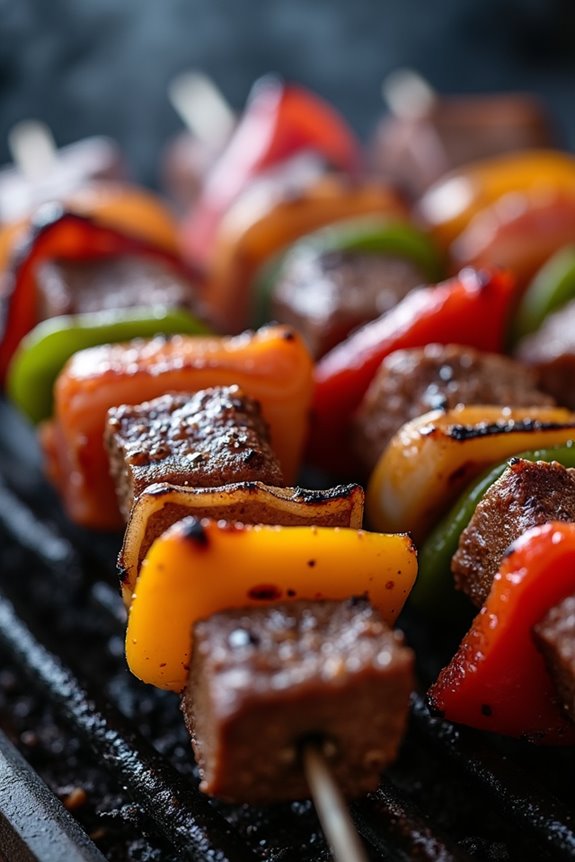
Beef and Bacon Skewers, or Brochetas, are a beloved dish in Argentina, often savored during asados (barbecues) and family gatherings. This delicious recipe combines the rich flavors of marinated beef with the smoky taste of bacon, creating a mouthwatering treat that’s perfect for grilling. The skewers are simple to prepare and can be customized with your favorite vegetables, making them a versatile option for any occasion.
To prepare these skewers, you’ll want to select quality cuts of beef, such as sirloin or tenderloin, which will remain juicy and tender when grilled. The marinade is key, as it infuses the meat with flavor while also helping to tenderize it. These Beef and Bacon Skewers are best enjoyed fresh off the grill, served with chimichurri sauce and a side of grilled vegetables or a fresh salad.
Ingredients (Serves 4-6):
- 1 ½ pounds beef sirloin or tenderloin, cut into 1-inch cubes
- 1 pound bacon, cut into 1-inch pieces
- 2 bell peppers (red, green, or yellow), cut into 1-inch squares
- 1 large onion, cut into wedges
- 4 cloves garlic, minced
- ¼ cup olive oil
- ¼ cup red wine vinegar
- 1 tablespoon dried oregano
- 1 tablespoon smoked paprika
- Salt and pepper, to taste
- Wooden or metal skewers
Cooking Instructions:
- Prepare the Marinade: In a mixing bowl, combine the minced garlic, olive oil, red wine vinegar, dried oregano, smoked paprika, salt, and pepper. Mix well to create a marinade. Add the beef cubes to the bowl and guarantee they’re well-coated. Cover the bowl with plastic wrap and let it marinate in the refrigerator for at least 1 hour, or up to overnight for maximum flavor.
- Preheat the Grill: Set your grill to medium-high heat. If using wooden skewers, soak them in water for at least 30 minutes to prevent burning during grilling. This step is vital for maintaining the integrity of the skewers and making sure your beef and bacon cook evenly.
- Assemble the Skewers: After marinating, take the beef out of the refrigerator. Begin to thread the beef cubes onto the skewers, alternating with pieces of bacon, bell peppers, and onion wedges. Aim for a colorful arrangement, as this will enhance the visual appeal of your dish.
- Grill the Skewers: Place the assembled skewers on the preheated grill. Grill for about 8-10 minutes, turning occasionally, until the beef is cooked to your desired doneness and the bacon is crispy. For medium-rare beef, aim for an internal temperature of 135°F (57°C).
- Serve: Remove the skewers from the grill and let them rest for a few minutes. Serve hot, accompanied by chimichurri sauce and your choice of sides.
Extra Tips:
When preparing Beef and Bacon Skewers, feel free to experiment with different vegetables like zucchini or cherry tomatoes to add variety to your dish. Additionally, if you prefer a spicier kick, consider adding crushed red pepper flakes to the marinade.
Always keep an eye on the skewers while grilling to prevent overcooking, as the bacon can char quickly. Enjoy the savory flavors and the smoky aroma that will fill your outdoor space!
Argentine Matambre
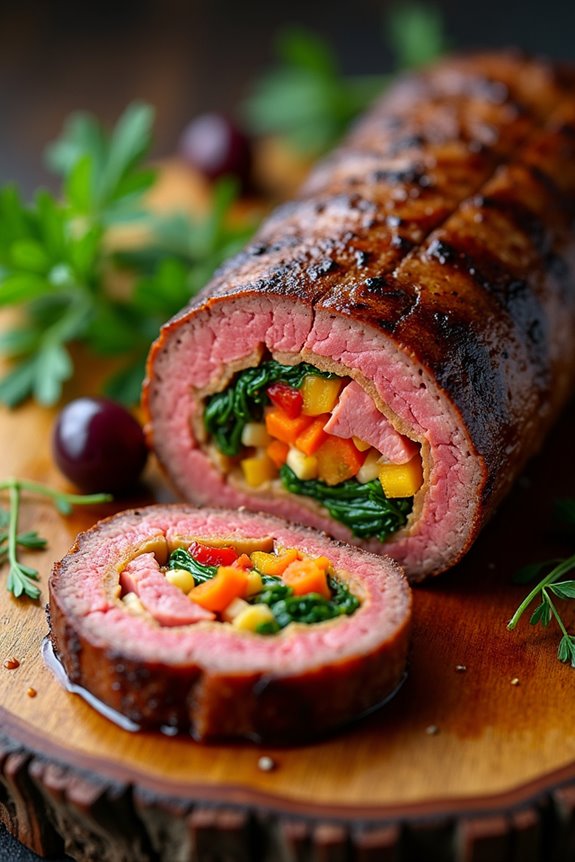
Argentine Matambre, also known as flank steak, is a traditional dish that showcases the flavors of Argentina’s rich culinary heritage. This dish isn’t only celebrated for its tender, juicy meat, but also for its vibrant stuffing that can include a variety of ingredients such as vegetables, herbs, and spices.
When cooked properly, matambre offers a delightful combination of textures and flavors that are bound to impress your family and friends at any gathering.
To prepare Argentine Matambre, you’ll want to start with a good quality piece of flank steak, which is typically marinated and then grilled or baked to perfection. The key to a delicious matambre is in the stuffing—using fresh, high-quality ingredients will elevate the dish and bring out the best flavors. This recipe serves 4-6 people and is perfect for a weekend barbecue or a special family meal.
Ingredients:
- 2 lbs flank steak (matambre)
- 1 cup spinach, chopped
- 1 cup carrots, grated
- 1 cup bell peppers, diced (red and yellow)
- 1 small onion, finely chopped
- 2 cloves garlic, minced
- 1/2 cup olives, pitted and sliced
- 2 hard-boiled eggs, chopped
- 1/4 cup fresh parsley, chopped
- 1/4 cup olive oil
- 2 tablespoons red wine vinegar
- Salt and pepper, to taste
- Kitchen twine or butcher’s twine
Cooking Instructions:
1. Prepare the Marinade: In a bowl, mix the olive oil, red wine vinegar, salt, and pepper. This marinade won’t only enhance the flavor of the meat but also help tenderize it.
Place the flank steak in a shallow dish, pour the marinade over it, and let it marinate for at least 1 hour (or overnight in the refrigerator for best results).
2. Prepare the Filling: In a skillet over medium heat, sauté the chopped onion and garlic until they’re translucent.
Add the grated carrots and diced bell peppers, cooking for another 5 minutes until they soften. Stir in the chopped spinach and cook until wilted. Remove from heat and let the mixture cool.
3. Assemble the Matambre: Once the filling has cooled, combine it with the chopped hard-boiled eggs, olives, and fresh parsley in a mixing bowl.
Lay the marinated flank steak flat on a clean surface, and spread the filling evenly over the meat, leaving a small border around the edges.
4. Roll and Tie: Starting from one end, carefully roll the flank steak tightly into a log shape.
Use kitchen twine or butcher’s twine to tie the roll securely, making sure to keep the filling intact. Tie it at intervals to prevent the filling from spilling out during cooking.
5. Cook the Matambre: Preheat your grill or oven to medium heat.
If grilling, place the rolled matambre on the grill and cook for about 20-25 minutes, turning occasionally until the meat reaches your desired doneness. If baking, place the rolled matambre in a roasting pan and bake for 30-35 minutes. Use a meat thermometer to confirm the internal temperature reaches 145°F (63°C) for medium-rare.
6. Rest and Serve: Once cooked, remove the matambre from the grill or oven and let it rest for 10 minutes.
This allows the juices to redistribute within the meat. After resting, carefully cut off the twine and slice the matambre into thick rounds. Serve warm, accompanied by chimichurri sauce or a fresh salad.
Extra Tips:
When making Argentine Matambre, feel free to get creative with the stuffing ingredients. You can add other vegetables such as zucchini or mushrooms, or even incorporate spices like cumin or paprika for a different flavor profile.
Additionally, if you’re grilling, make sure your grill is well-oiled to prevent sticking, and keep an eye on the cooking time to avoid overcooking the meat, which can lead to dryness. Enjoy this flavorful dish with a glass of Malbec for an authentic Argentine experience!
Bife De Chorizo
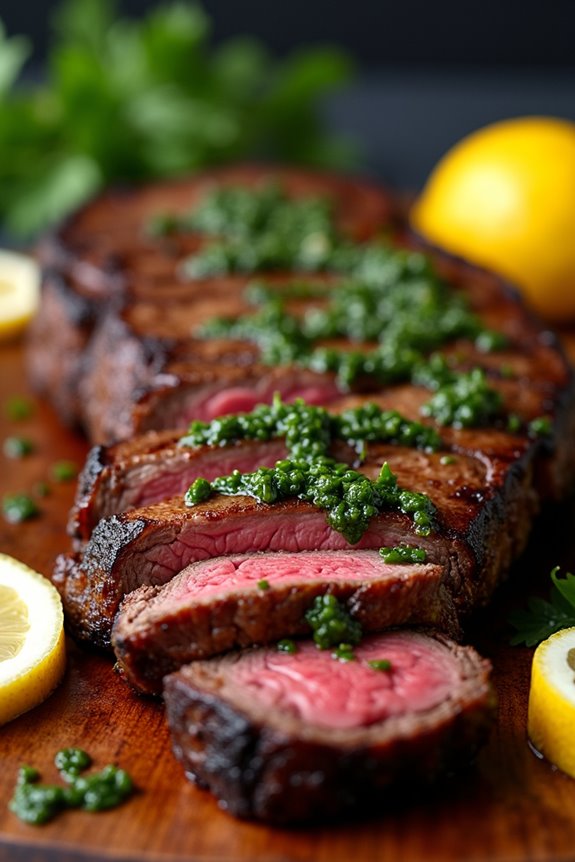
Bife De Chorizo, a beloved cut of beef in Argentina, is known for its rich flavor and tenderness. This dish features a thick, juicy steak that’s often grilled to perfection, making it a staple at asados (barbecues) throughout the country. The name “Bife De Chorizo” can be misleading, as it translates to “chorizo steak,” but it actually refers to a cut from the short loin, similar to what’s known as sirloin steak in other countries.
The secret to a great Bife De Chorizo lies not just in the quality of the meat but also in the cooking technique and simplicity of seasoning.
When preparing Bife De Chorizo, remember that the best results come from using high-quality beef. It’s ideal to choose a well-marbled cut, which guarantees a juicy and flavorful steak after cooking. The traditional method to cook this dish is grilling, which imparts a smoky flavor that complements the beef beautifully. Serve it with a side of chimichurri sauce, a classic Argentine condiment made with parsley, garlic, and olive oil, and you have an authentic taste of Argentina right at your table.
Ingredients (Serves 4-6)
- 2 to 3 pounds Bife De Chorizo (thick-cut sirloin steak)
- Kosher salt, to taste
- Freshly ground black pepper, to taste
- Olive oil, for brushing
- 1 cup chimichurri sauce (store-bought or homemade)
- Optional: lemon wedges, for serving
Cooking Instructions
- Preheat the Grill: Start by preheating your grill to high heat (around 450-500°F). This high temperature is vital for achieving a nice sear on the steak, which locks in the juices and flavors.
- Prepare the Steak: While the grill is heating, take the Bife De Chorizo out of the refrigerator. Pat the steak dry with paper towels to remove any moisture, which can prevent proper searing. Season generously on both sides with kosher salt and freshly ground black pepper, making sure that the seasoning is evenly distributed.
- Brush with Olive Oil: Lightly brush the steak with olive oil on both sides. This not only adds flavor but also helps to prevent sticking on the grill.
- Grill the Steak: Place the seasoned steak directly on the hot grill. Cook for about 5-7 minutes on the first side without moving it, allowing for a perfect sear. After the first side has developed a golden crust, flip the steak and continue cooking for another 5-7 minutes for medium-rare, or longer if you prefer it more well-done.
- Check for Doneness: Use a meat thermometer to confirm the steak has reached your desired level of doneness. For medium-rare, aim for an internal temperature of about 130°F. Remember that the steak will continue to cook slightly while resting.
- Rest the Steak: Once cooked to your liking, remove the steak from the grill and let it rest on a cutting board for about 5-10 minutes. This resting period allows the juices to redistribute throughout the meat, making it juicy and tender.
- Slice and Serve: After resting, slice the Bife De Chorizo against the grain into thick slices. Serve with a generous spoonful of chimichurri sauce drizzled over the top. Optionally, add lemon wedges for an extra burst of flavor.
Extra Tips
When cooking Bife De Chorizo, selecting the right cut of meat is essential for the best results. Look for a steak that’s at least 1.5 inches thick with good marbling to guarantee tenderness and flavor.
If you can, let the steak come to room temperature before grilling for more even cooking. Don’t be afraid to experiment with different seasonings or marinades, but remember that simplicity is key to showcasing the natural flavor of the beef.
Finally, always allow the steak to rest before slicing, as this step is vital for a juicy bite. Enjoy your authentic Argentine feast!
Beef Stroganoff a La Argentina

Beef Stroganoff a La Argentina blends the rich flavors of traditional Russian Stroganoff with the robust tastes of Argentinian cuisine. This dish features tender strips of beef sautéed until they reach a perfect sear, then drenched in a creamy mushroom sauce, all served over a bed of fluffy rice or traditional pasta.
The addition of Argentinian spices and herbs elevates this classic dish, making it a favorite for family dinners or gatherings with friends. The secret to a successful Beef Stroganoff a La Argentina lies in the quality of the beef and the balance of flavors in the sauce.
Using a cut of beef like sirloin or tenderloin guarantees tenderness, while the combination of mushrooms, onions, and a hint of paprika brings depth to the dish. This recipe is easy to follow and yields enough to serve 4-6 people, making it perfect for a hearty meal.
Ingredients (serving size: 4-6 people)
- 1.5 lbs beef sirloin or tenderloin, cut into thin strips
- 2 tablespoons olive oil
- 1 medium onion, finely chopped
- 2 cups mushrooms, sliced (button or cremini)
- 2 cloves garlic, minced
- 1 tablespoon paprika
- 1 cup beef broth
- 1 cup sour cream
- 2 tablespoons all-purpose flour
- Salt and pepper, to taste
- Fresh parsley, chopped (for garnish)
- Cooked rice or pasta (for serving)
Cooking Instructions
- Sauté the Beef: In a large skillet, heat the olive oil over medium-high heat. Add the strips of beef in batches to avoid overcrowding. Sear the beef for 2-3 minutes on each side until browned but not cooked through. Remove the beef from the skillet and set it aside on a plate.
- Cook the Vegetables: In the same skillet, add the chopped onion and sauté for about 3-4 minutes until it becomes translucent. Then, add the sliced mushrooms and continue to cook for another 5 minutes, until the mushrooms have released their moisture and are golden brown.
- Add Garlic and Paprika: Stir in the minced garlic and paprika, cooking for an additional minute until fragrant. This step adds a deep flavor to the dish.
- Create the Sauce: Sprinkle the flour over the mushroom mixture and stir well to combine. Gradually pour in the beef broth, stirring continuously to avoid lumps. Bring the mixture to a simmer and cook for about 5 minutes until the sauce thickens.
- Incorporate the Beef and Sour Cream: Lower the heat and return the seared beef to the skillet. Stir in the sour cream, mixing until well combined. Allow the dish to cook for an additional 2-3 minutes to verify the beef is heated through and coated in the sauce.
- Season and Serve: Taste the sauce and season with salt and pepper as needed. Remove from heat and garnish with freshly chopped parsley. Serve the Beef Stroganoff over cooked rice or pasta.
Extra Tips
For an added depth of flavor, consider marinating the beef strips in a mixture of olive oil, vinegar, and spices for a couple of hours before cooking. This won’t only enhance the meat’s tenderness but also infuse it with a delicious zing.
Additionally, you can experiment with different types of mushrooms, such as shiitake or portobello, to give the dish a unique twist.
