

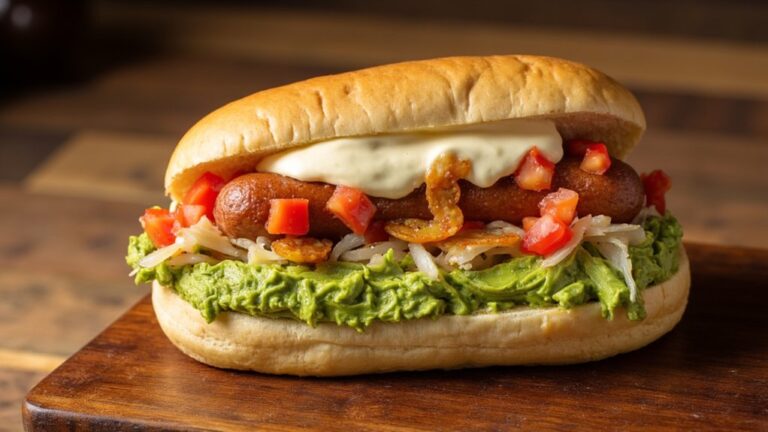
When I think of dinners that leave a lasting impression, the flavors of South America have a special place in my heart. Each dish brings its own story and offers a wonderful way to connect with loved ones. From the smoky charm of Argentine asado to the refreshing zest of Peruvian ceviche, these recipes turn any evening into something extraordinary. Ready to spice up your next meal? Let’s explore these delightful dishes that are sure to enchant your taste buds.
Argentine Asado: A Feast of Grilled Meats
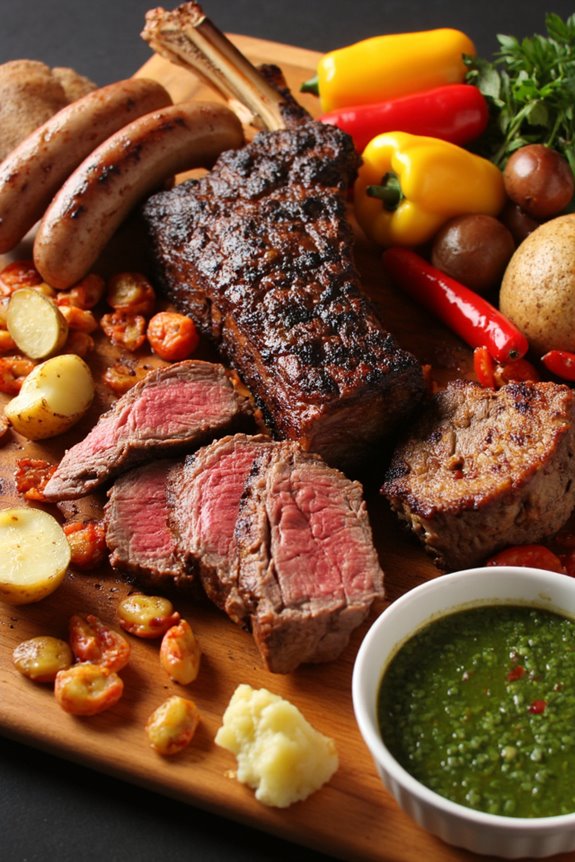
Argentine Asado is more than just a meal; it’s a cultural event that brings friends and family together to enjoy a variety of grilled meats. Originating from the vast grassy plains of the Pampas in Argentina, this traditional barbecue celebrates the rich flavors of beef, lamb, and pork, often seasoned simply with salt and accompanied by chimichurri sauce.
The grilling process is an art form, with different cuts of meat cooked to perfection over an open flame or charcoal, creating a smoky aroma that’s irresistible. The preparation for an Asado involves not only the meat but also the social aspect of gathering around the parrilla (grill) to share stories, laughter, and good company while the food cooks.
The experience is typically accompanied by a selection of Argentine wines, especially Malbec, which pairs beautifully with the rich flavors of the grilled meats. Whether you’re hosting a summer barbecue or simply want to indulge in this tasty tradition at home, Argentine Asado is sure to be a hit.
Ingredients (serving size: 4-6 people)
- 2 lbs beef ribs
- 2 lbs flank steak
- 1 lb pork sausages (chorizo)
- 1 lb lamb chops
- 1/4 cup coarse salt
- 1/4 cup chimichurri sauce (store-bought or homemade)
- 4-6 large potatoes (for grilling)
- Optional: assorted vegetables (bell peppers, onions, zucchini) for grilling
Cooking Instructions
- Prepare the Grill: Start by preparing your grill. If using charcoal, light it at least 30 minutes before cooking to allow the coals to reach the ideal temperature. You want a medium-high heat for the meats. If using a gas grill, preheat it to a similar temperature.
- Season the Meats: While the grill is heating up, season the beef ribs, flank steak, pork sausages, and lamb chops generously with coarse salt. Let the meats sit for about 15-20 minutes to allow the salt to penetrate and enhance the flavor.
- Grill the Meats: Begin by placing the beef ribs on the grill, as they’ll take the longest to cook. Grill them for about 15-20 minutes on each side, depending on your preferred level of doneness. After the ribs, add the flank steak and lamb chops, cooking them for 5-7 minutes per side. Finally, grill the pork sausages until they’re golden brown and cooked through, about 10-12 minutes total.
- Prepare the Vegetables: If using vegetables, slice them into manageable pieces and toss them in a bit of olive oil and salt. Grill them on a vegetable basket or skewers alongside the meats for the last 10-15 minutes of cooking, turning occasionally until tender.
- Check for Doneness: Use a meat thermometer to check the internal temperature of the meats. Beef should be cooked to a medium-rare temperature of 130-135°F, lamb to 145°F, and pork to 160°F. Remove the meats from the grill once they reach the desired temperature.
- Rest and Serve: Allow the grilled meats to rest for 5-10 minutes before slicing. This helps the juices redistribute within the meat. Serve the grilled meats with chimichurri sauce on the side and enjoy with the grilled vegetables and potatoes.
Extra Tips
When cooking Argentine Asado, quality is key. Opt for fresh, high-quality cuts of meat from a reputable butcher for the best flavor.
Additionally, feel free to get creative with the chimichurri sauce by adding spices or herbs to suit your taste. Finally, don’t rush the cooking process; good Asado takes time and patience, allowing the natural flavors of the meat to shine through. Enjoy the grilling experience and the company around you!
Brazilian Feijoada: Hearty Black Bean Stew
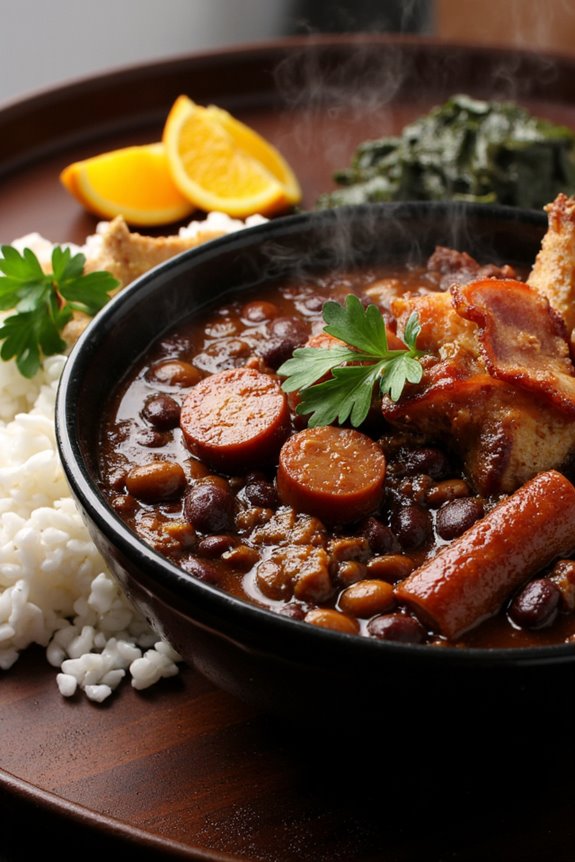
Feijoada is a traditional Brazilian dish that embodies the heart and soul of Brazilian cuisine. This hearty black bean stew is rich, flavorful, and often enjoyed as a communal meal, perfect for family gatherings or festive occasions.
Originally created by the Portuguese, feijoada has evolved into a beloved national dish in Brazil, featuring a variety of meats, spices, and, of course, the star ingredient: black beans. Each family may have their own twist on the recipe, but the essence remains the same—a comforting stew that brings people together.
Preparing feijoada may take some time, but the result is a satisfying meal that’s well worth the effort. This recipe serves 4-6 people and can be paired with rice, collard greens, and orange slices for a complete experience. The combination of flavors from the different meats and the simmered black beans creates a depth that’s both hearty and comforting, making it an ideal dish for any occasion.
Ingredients:
- 1 lb black beans, soaked overnight
- 1 lb pork shoulder, cut into chunks
- 1/2 lb smoked sausage, sliced
- 1/2 lb chorizo sausage, sliced
- 1/2 lb bacon, chopped
- 1 onion, chopped
- 4 cloves garlic, minced
- 2 bay leaves
- 1 tsp cumin
- 1 tsp smoked paprika
- 1/2 tsp black pepper
- 1/2 tsp salt (to taste)
- 4 cups chicken broth (or water)
- Chopped fresh parsley for garnish
- Rice, to serve
- Collard greens, to serve
- Orange slices, to serve
Cooking Instructions:
- Soak the beans: The night before cooking, soak the black beans in a large bowl of water. This will help soften them and reduce cooking time. Drain and rinse the beans before adding them to the stew.
- Cook the bacon: In a large heavy-bottomed pot or Dutch oven, cook the chopped bacon over medium heat until it’s crispy. This won’t only render the bacon fat but also add a rich flavor to the dish. Once cooked, remove the bacon with a slotted spoon and set aside, leaving the fat in the pot.
- Brown the meats: Add the pork shoulder chunks to the pot and brown them on all sides. This step is essential for developing flavor. Once the pork is browned, add the sliced smoked sausage and chorizo, cooking until they’re browned as well. Remove the meats and set them aside with the bacon.
- Sauté the aromatics: In the same pot, add the chopped onion and minced garlic. Sauté them for about 3-4 minutes until the onions are translucent and fragrant. This will build the base flavor for the stew.
- Combine ingredients: Return the browned meats to the pot and stir in the soaked black beans. Add the bay leaves, cumin, smoked paprika, black pepper, and salt. Pour in the chicken broth (or water) to cover the ingredients. Stir to combine everything well.
- Simmer the stew: Bring the mixture to a boil, then reduce the heat to low and cover. Let it simmer for 2 to 3 hours, stirring occasionally, until the beans are tender and the flavors have melded. You can add more broth or water if it gets too thick.
- Final adjustments: Taste the stew and adjust seasoning with more salt or spices as needed. Once the beans and meats are tender, remove the bay leaves before serving.
- Serve: Ladle the feijoada into bowls and garnish with chopped fresh parsley. Serve it alongside fluffy white rice, sautéed collard greens, and fresh orange slices for a revitalizing contrast.
Extra Tips:
When making feijoada, feel free to customize the types of meats used based on your preferences or what you have on hand. Some people add beef or other types of sausage for variety.
It’s also essential to allow the stew to simmer long enough for the flavors to develop fully. If you have leftovers, feijoada often tastes even better the next day, as the flavors continue to meld. Store any leftovers in an airtight container in the refrigerator for up to three days, and reheat gently before serving.
Peruvian Ceviche: Fresh and Zesty Seafood Dish
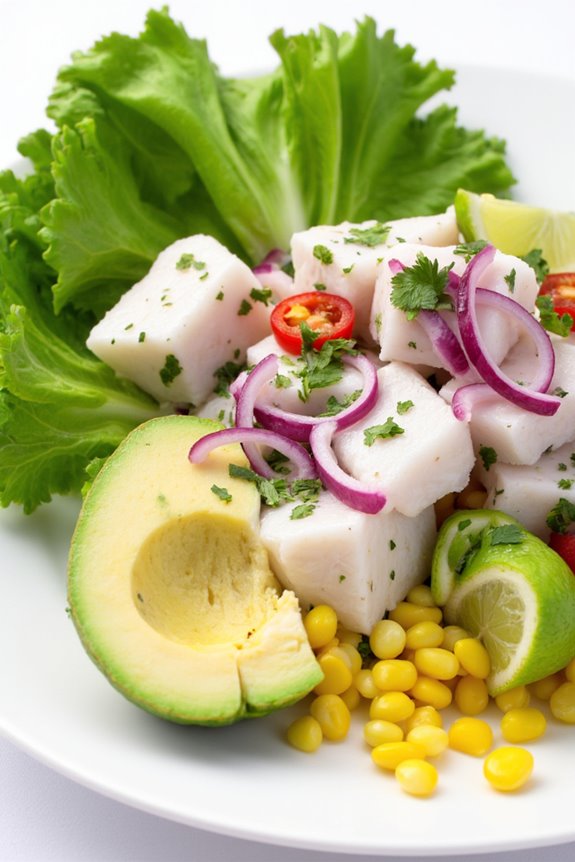
Peruvian Ceviche is a vibrant and invigorating seafood dish that encapsulates the essence of coastal Peru. Traditionally made with fresh raw fish marinated in freshly squeezed lime or bitter orange juice, this dish isn’t only a staple in Peruvian cuisine but also a favorite among seafood lovers around the world. The acidity of the citrus juice “cooks” the fish, resulting in a tender texture while infusing it with a zesty flavor.
Accompanied by onions, cilantro, and a touch of chili, ceviche is a delightful dish perfect for warm weather or as an appetizer at gatherings. Making ceviche isn’t just about throwing ingredients together; it’s an art that requires attention to detail. The choice of fish is essential—fresh and high-quality seafood will make all the difference in achieving that authentic taste.
Additionally, the balance of flavors from the lime juice, spices, and toppings can elevate the dish to new heights, making it a crowd-pleaser. This recipe serves 4-6 people, making it ideal for sharing with family and friends at your next dinner party.
Ingredients
- 1 lb (450g) fresh white fish fillets (such as snapper, sea bass, or tilapia)
- 1 cup freshly squeezed lime juice
- 1 small red onion, thinly sliced
- 1-2 serrano or jalapeño peppers, finely chopped (adjust based on spice preference)
- 1/2 cup fresh cilantro, chopped
- 1 tsp salt (or to taste)
- 1/2 tsp black pepper (or to taste)
- 1 cup corn kernels (cooked)
- 1 avocado, diced (for garnish)
- Lettuce leaves (for serving)
Cooking Instructions
- Prepare the Fish: Start by selecting the freshest fish possible. Rinse the fish fillets under cold water and pat them dry with paper towels. Cut the fish into small, bite-sized cubes, ensuring uniform size for even marination.
- Marinate the Fish: Place the cubed fish in a glass or ceramic bowl. Pour the freshly squeezed lime juice over the fish, making sure all pieces are submerged. This step is essential as the acidity will “cook” the fish. Cover the bowl and refrigerate for about 30 minutes to 1 hour, allowing the fish to firm up and absorb the lime flavor.
- Add Vegetables: Once the fish has marinated, remove it from the refrigerator. Add the thinly sliced red onion and finely chopped peppers to the fish. Gently mix to combine, ensuring the vegetables are evenly distributed without breaking up the fish.
- Season the Mixture: Sprinkle salt and black pepper over the mixture, adjusting to taste. Stir in the chopped cilantro, which will add a fresh herbal note to the ceviche. Make certain that all ingredients are well combined.
- Serve the Ceviche: To serve, use a slotted spoon to portion the ceviche onto individual plates. Arrange some lettuce leaves on the side for an added crunch. Top each serving with a generous scoop of corn kernels and diced avocado for richness.
Extra Tips
When making ceviche, freshness is key; always purchase fish from a reputable source and make sure it has been kept cold. If you’re concerned about the fish’s safety, consider freezing it for at least 24 hours before use to eliminate any potential parasites.
Additionally, feel free to customize your ceviche with other ingredients like mango or tomato for a unique twist. Remember to serve it immediately for the best taste and texture, as the fish will continue to “cook” in the lime juice over time. Enjoy your culinary journey into the heart of Peru!
Chilean Pastel De Choclo: Corn-Topped Meat Pie
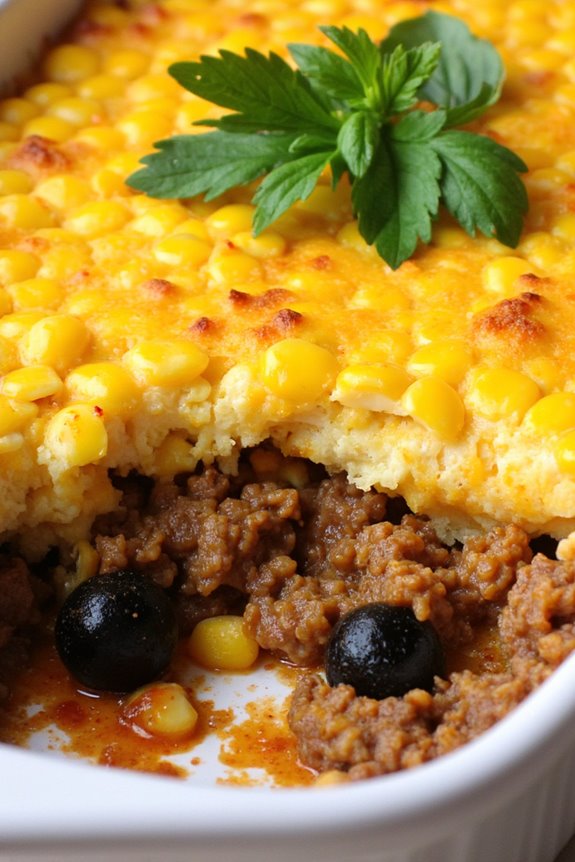
Chilean Pastel De Choclo is a delightful and hearty dish that showcases the vibrant flavors of South America. This traditional meat pie is a comforting blend of seasoned ground meat, hard-boiled eggs, olives, and a rich topping of sweet corn puree.
Often enjoyed during family gatherings and special occasions, it encapsulates the essence of Chilean cuisine, making it a must-try for anyone looking to explore South American flavors.
The dish isn’t only delicious but also visually appealing, with its golden corn topping contrasting beautifully against the savory meat filling. Preparing Pastel De Choclo may take time, but the end result is certainly worth the effort.
With layers of flavor and texture, this dish is sure to impress your family and friends at dinner gatherings or festive occasions.
Ingredients (serving size: 4-6 people)
- 1 lb ground beef or mixed meat (beef and pork)
- 1 onion, finely chopped
- 2 cloves garlic, minced
- 1 tsp ground cumin
- 1 tsp paprika
- Salt and pepper, to taste
- 2 hard-boiled eggs, sliced
- 1 cup black olives, pitted and sliced
- 2 cups fresh or canned corn kernels
- 1 cup milk
- 2 tbsp butter
- 1 tbsp sugar
- 1/4 cup fresh basil or parsley, chopped (optional)
Cooking Instructions
1. Prepare the Filling: In a large skillet, heat a tablespoon of oil over medium heat. Add the chopped onion and sauté until translucent, about 5 minutes. Then add the minced garlic and cook for an additional minute until fragrant.
Stir in the ground meat, breaking it apart with a spoon. Cook until browned, about 8-10 minutes. Season with cumin, paprika, salt, and pepper. Remove from heat and set aside.
2. Assemble the Filling Layers: In a baking dish, spread the cooked meat mixture evenly across the bottom. Layer the hard-boiled egg slices on top of the meat, followed by the sliced black olives. Set aside while you prepare the corn topping.
3. Prepare the Corn Topping: In a blender or food processor, combine the corn kernels, milk, butter, and sugar. Blend until smooth and creamy. If using fresh corn, you may need to cook it briefly before blending.
Adjust the seasoning with salt and pepper according to your taste.
4. Top the Filling: Pour the corn mixture over the meat filling in the baking dish, ensuring it’s evenly spread out. Use a spatula to smooth the top.
5. Bake: Preheat your oven to 375°F (190°C). Bake the Pastel De Choclo for about 30-40 minutes, or until the corn topping is golden brown and set.
6. Serve: Once baked, remove from the oven and let it cool for a few minutes before serving. Cut into squares and garnish with fresh basil or parsley, if desired.
Extra Tips
For an authentic touch, consider using fresh corn if it’s in season, as it adds a delightful sweetness to the dish.
If you want to elevate the flavor, you can add a pinch of nutmeg to the corn mixture or incorporate some diced bell peppers into the meat filling.
Be sure to let the pastel cool slightly before serving to allow it to set, which makes for cleaner slices. Enjoy your Chilean Pastel De Choclo with a side salad or a glass of Chilean wine for a complete experience!
Colombian Arepas: Delicious Cornmeal Cakes
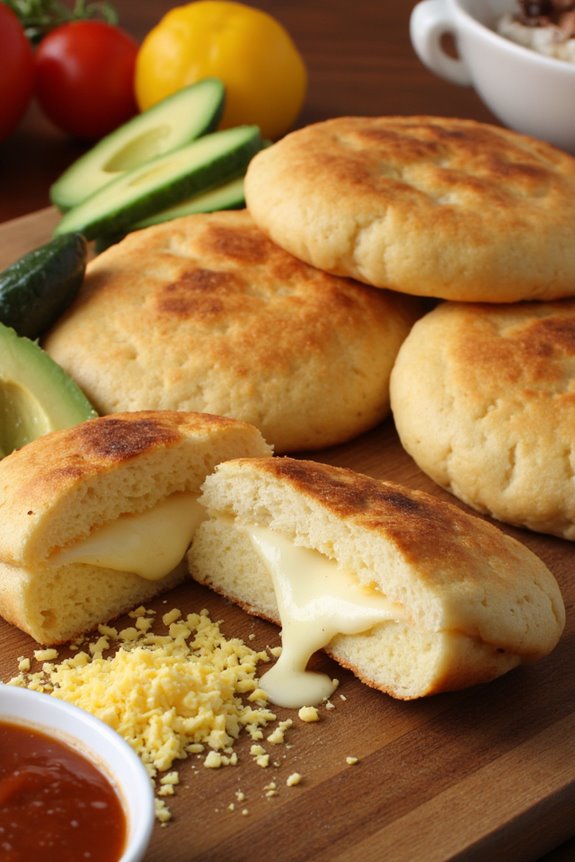
Colombian arepas are a beloved staple that showcases the rich culinary heritage of Colombia. These versatile cornmeal cakes can be enjoyed at any meal of the day, whether served plain, stuffed with cheese, or filled with meats and vegetables. The dough is simple to make, and the cooking process can be adapted to suit your taste, whether you prefer them grilled, fried, or baked.
Arepas aren’t only easy to prepare but also provide a blank canvas for a variety of delicious toppings and fillings. The key to making the perfect Colombian arepas lies in the choice of cornmeal and the right texture of the dough. It should be soft and pliable, allowing you to shape it easily. Once cooked, arepas develop a crunchy exterior while remaining soft and warm inside. Enjoy these delightful cakes with your favorite accompaniments, such as avocado, hogao sauce, or a sprinkle of cheese. Get ready to impress your family and friends with this authentic Colombian dish!
Ingredients (Serves 4-6):
- 2 cups pre-cooked cornmeal (such as Masarepa)
- 2 ½ cups warm water
- 1 teaspoon salt
- 1 tablespoon vegetable oil (for cooking)
- Cheese (arequipe, queso fresco, or mozzarella, optional for stuffing)
- Your choice of fillings (shredded meat, beans, avocado, etc., optional)
Cooking Instructions:
- Prepare the Dough: In a large mixing bowl, combine the pre-cooked cornmeal and salt. Gradually add the warm water, mixing with your hands or a spoon until a soft and pliable dough forms. The consistency should be similar to playdough. If the dough is too dry, add a little more water; if too wet, add a bit more cornmeal.
- Shape the Arepas: Divide the dough into equal portions, typically about the size of a golf ball. Roll each portion into a ball and then flatten it gently between your palms to form a disc about ½ inch thick. Make sure the edges are smooth to prevent cracking during cooking.
- Cook the Arepas: Heat a skillet or griddle over medium heat and add the vegetable oil. Once the oil is hot, place the arepas in the skillet, making sure not to overcrowd. Cook for about 5-7 minutes on each side, or until they develop a golden-brown crust. You can also bake them in a preheated oven at 375°F (190°C) for about 20 minutes, flipping halfway through for even cooking.
- Stuff and Serve: If you wish to fill the arepas, slice them open once they’re cooked and warm. Add your choice of cheese, meats, or vegetables, then return them to the skillet for an additional minute to melt the cheese or heat the filling.
- Enjoy: Serve your freshly made arepas warm, with optional toppings like avocado, hogao sauce, or a sprinkle of cheese for added flavor.
Extra Tips:
When making arepas, make certain that the dough isn’t too sticky or too dry—finding the right balance is key to achieving the perfect texture. If you’re looking to add flavor to your arepas, consider incorporating spices or herbs directly into the dough.
For a unique twist, experiment with different types of cheese or fillings to customize your arepas to your taste. Finally, arepas are best enjoyed fresh, but you can store any leftovers in an airtight container in the refrigerator and reheat them on the stovetop or in the oven for a quick meal.
Ecuadorian Llapingachos: Potato and Cheese Patties
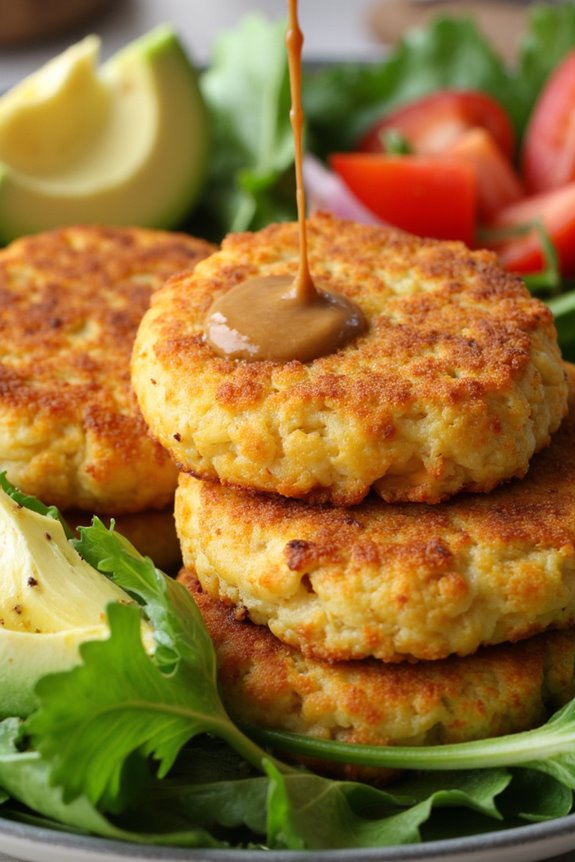
Ecuadorian Llapingachos are delicious potato and cheese patties that are a staple in Ecuadorian cuisine. These golden-brown delights aren’t only flavorful but also versatile, often served as a side dish or a main course. The combination of creamy mashed potatoes and melted cheese makes them irresistible, and their crispy exterior contrasts beautifully with the soft interior.
Typically accompanied by a fresh avocado salad and peanut sauce, these patties are sure to impress at any dinner gathering. Making Llapingachos is a straightforward process, perfect for both novice and experienced cooks. The key to achieving the best flavor and texture lies in using the right potatoes—Yukon Gold or similar varieties work best.
Once you master this recipe, you’ll find yourself craving these delightful patties regularly, whether for a casual family dinner or a festive celebration with friends.
Ingredients (Serves 4-6)
- 2 pounds of Yukon Gold potatoes
- 1 cup of mozzarella cheese, grated
- 1/2 cup of onion, finely chopped
- 1/4 cup of fresh cilantro, chopped
- 1 teaspoon of cumin
- Salt and pepper to taste
- 2 tablespoons of vegetable oil (for frying)
- Optional: avocado, salad greens, and peanut sauce for serving
Cooking Instructions
- Prepare the Potatoes: Begin by peeling the Yukon Gold potatoes and cutting them into large chunks. Place them in a large pot of salted water and bring to a boil. Cook until they’re tender, about 15-20 minutes. Once done, drain the potatoes and let them cool slightly.
- Mash the Potatoes: In a large mixing bowl, mash the cooked potatoes until smooth. Be sure there are no lumps for the best texture. Allow the mashed potatoes to cool completely before proceeding to the next step.
- Combine Ingredients: Once the potatoes are cool, add the grated mozzarella cheese, finely chopped onion, chopped cilantro, cumin, salt, and pepper to the bowl. Mix everything together until well combined. The mixture should be thick enough to hold its shape.
- Form the Patties: Take a handful of the potato mixture and shape it into a patty, about 1/2 inch thick. Repeat this process until all the mixture is used, placing the formed patties on a plate.
- Fry the Patties: Heat the vegetable oil in a large skillet over medium heat. Once hot, carefully add the patties to the skillet, making sure not to overcrowd the pan. Fry for about 4-5 minutes on each side or until they’re golden brown and crispy. Remove from the skillet and drain on paper towels.
- Serve: Serve the Llapingachos hot, accompanied by avocado slices, salad greens, and a drizzle of peanut sauce for an authentic Ecuadorian experience.
Extra Tips
For an added layer of flavor, consider mixing in some sautéed garlic or additional spices to the potato mixture. If you want to make the patties ahead of time, you can refrigerate them after forming and fry them just before serving.
Llapingachos are also great for freezing; cook them, let them cool, and then store them in an airtight container for up to a month. When ready to eat, simply reheat them in the oven or a skillet for crispy goodness!
Uruguayan Chivito: Flavorful Steak Sandwich

Uruguayan Chivito is a beloved sandwich that showcases the vibrant flavors of South American cuisine. Originating in Uruguay, this hearty dish typically features a juicy steak, complemented by a variety of toppings, all layered between two slices of fresh bread.
It’s not just a meal; it’s an experience that embodies the culture and culinary traditions of Uruguay. The combination of flavors and textures—tender meat, creamy mayonnaise, fresh vegetables, and sometimes even a fried egg—makes the Chivito a unique and satisfying dish that you can enjoy for lunch or dinner.
Preparing a Chivito at home is easier than you might think. With just a few key ingredients and some simple steps, you can create a sandwich that rivals any restaurant version. The beauty of this dish lies in its versatility; feel free to customize it with your favorite toppings, from cheese to avocado.
Whether you’re hosting a gathering or simply treating yourself to a delicious meal, this Uruguayan Chivito will surely impress.
Ingredients (Serves 4-6)
- 1.5 lbs flank steak or sirloin
- 6 slices of bacon
- 4 slices of mozzarella cheese
- 4 large eggs
- 4 sandwich rolls or buns (preferably ciabatta or similar)
- 1 cup mayonnaise
- 1 large tomato, sliced
- 1 cup lettuce, shredded
- 1 small onion, sliced
- Olive oil
- Salt and pepper to taste
- Optional: sliced pickles or jalapeños for extra flavor
Cooking Instructions
1. Prepare the Steak: Season the flank steak or sirloin generously with salt and pepper. In a large skillet or grill, heat a tablespoon of olive oil over medium-high heat. Once hot, add the steak and cook for about 4-5 minutes on each side for medium-rare, or longer if desired.
Remove from heat and let it rest for a few minutes before slicing it thinly against the grain.
2. Cook the Bacon: In the same skillet, add the bacon slices and cook until crispy. This usually takes about 5-7 minutes. Once cooked, transfer the bacon to a paper towel-lined plate to drain excess grease.
3. Fry the Eggs: In the remaining bacon grease, crack the eggs and fry them sunny-side up or to your preference. This will add a rich flavor to the sandwich. Cook for about 2-3 minutes until the whites are set but the yolks remain runny.
4. Assemble the Sandwich: Slice the sandwich rolls in half. Spread a generous amount of mayonnaise on both sides. Layer the bottom half with sliced steak, followed by the crispy bacon, a slice of mozzarella cheese, a fried egg, tomato slices, shredded lettuce, and onion.
If desired, add any additional toppings like pickles or jalapeños.
5. Melt the Cheese (Optional): If you prefer melted cheese, you can place the assembled sandwiches under a broiler for a few minutes until the cheese melts and the bread is lightly toasted.
6. Serve: Place the top half of the sandwich on and cut in half if desired. Serve immediately while warm, and enjoy the burst of flavors in each bite.
Extra Tips
When preparing the Uruguayan Chivito, consider marinating the steak for a few hours or overnight to enhance its flavor and tenderness. A simple marinade of olive oil, garlic, and herbs can elevate the taste considerably.
Additionally, feel free to experiment with different types of cheese or add avocado slices for a creamy texture. Pairing the Chivito with a side of crispy fries or a fresh salad can make for a complete and satisfying meal. Enjoy your culinary journey to Uruguay!
Venezuelan Pabellón Criollo: Savory Rice and Beans

Venezuelan Pabellón Criollo is a beloved national dish that beautifully reflects the rich culinary heritage of Venezuela. This vibrant meal is typically made up of shredded beef, black beans, white rice, and fried plantains, presenting a delightful mix of flavors and textures. The combination of ingredients creates a hearty dish that’s both filling and satisfying, making it perfect for family gatherings or special occasions.
Its roots can be traced back to the fusion of various cultural influences, including Indigenous, African, and Spanish, all of which contribute to the unique taste of this savory meal.
Cooking Pabellón Criollo isn’t just about the delicious components but also about the love and care that go into preparing each element. The slow-cooked beef is seasoned to perfection, while the beans are simmered with spices to enhance their flavor. The rice is fluffy and light, serving as the perfect base to soak up the rich juices from the beef and beans.
Finally, the sweet fried plantains add a touch of sweetness, balancing out the savory elements of the dish. Gather your ingredients, and let’s begin this culinary journey to create a true Venezuelan classic.
Ingredients (Serves 4-6 People)
- 2 lbs flank steak
- 1 cup black beans (dry or canned)
- 2 cups white rice
- 2 ripe plantains
- 1 medium onion, chopped
- 3 cloves garlic, minced
- 1 bell pepper, chopped
- 2 tablespoons vegetable oil
- 1 tablespoon cumin
- 1 tablespoon paprika
- Salt and pepper to taste
- Fresh cilantro for garnish (optional)
- 4 cups water (for cooking the beef and beans)
Cooking Instructions
- Prepare the Flank Steak: In a large pot, place the flank steak and cover it with water. Add half of the chopped onion, 2 cloves of garlic, cumin, paprika, salt, and pepper. Bring the water to a boil, then reduce to a simmer. Cover and cook for about 2-3 hours, or until the meat is tender enough to shred easily with a fork.
- Cook the Black Beans: If using dry beans, soak them overnight in water. The next day, drain and rinse them. In a separate pot, heat 1 tablespoon of vegetable oil over medium heat. Sauté the remaining onion, bell pepper, and garlic until fragrant. Add the soaked beans, cover with water, season with salt and pepper, and simmer for about 1-1.5 hours, or until beans are tender. If using canned beans, simply heat them in a pot with the sautéed vegetables.
- Prepare the Rice: Rinse the white rice under cold water until the water runs clear. In a medium pot, combine the rice with 4 cups of water and a pinch of salt. Bring to a boil, then reduce heat to low, cover, and let it simmer for about 18-20 minutes, or until all the water is absorbed and the rice is fluffy.
- Fry the Plantains: Peel the ripe plantains and cut them into diagonal slices about 1 inch thick. In a skillet, heat the remaining tablespoon of vegetable oil over medium heat. Fry the plantain slices until golden brown on both sides, about 3-4 minutes per side. Remove them from the skillet and place them on paper towels to absorb excess oil.
- Shred the Beef: Once the flank steak is cooked and tender, remove it from the pot and let it cool slightly. Shred the beef using two forks, then return it to the pot with the cooking liquid to soak up the flavors.
- Serve the Dish: On a large platter, arrange the fluffy rice, black beans, shredded beef, and fried plantains. Garnish with fresh cilantro if desired, and serve hot.
Extra Tips
When preparing Pabellón Criollo, feel free to customize the dish to your liking. For example, if you prefer a spicier flavor, consider adding some chili peppers or hot sauce to the beans or beef.
Additionally, if you’re short on time, you can use a pressure cooker to speed up the cooking process for the beef and beans. This dish can also be easily reheated, making it a fantastic option for meal prep. Enjoy your culinary adventure into Venezuelan cuisine!
Bolivian Salteñas: Flavorful Meat Pies
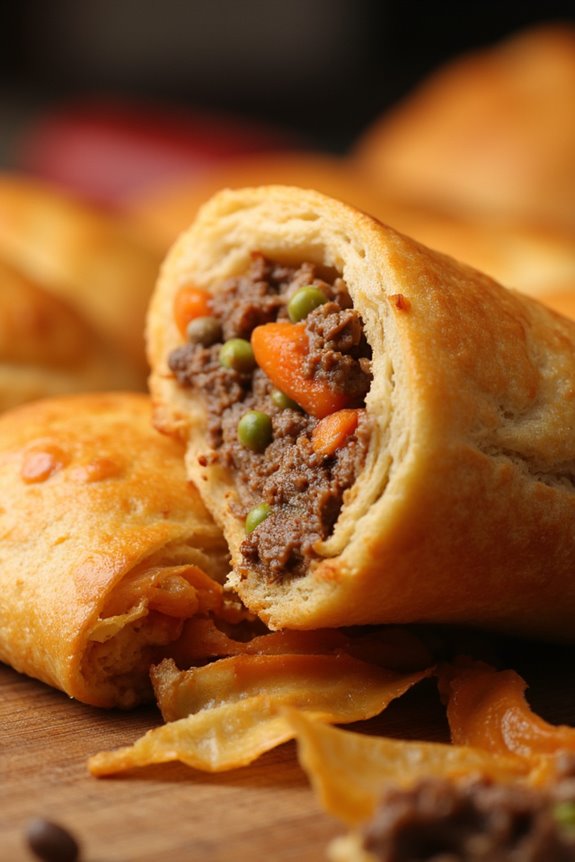
Bolivian salteñas are a delightful pastry that captures the essence of Bolivian cuisine. These savory meat pies are filled with a mixture of spiced meat, vegetables, and a unique sauce that gives them a burst of flavor. Traditionally enjoyed as a street food snack or a hearty meal, salteñas are known for their slightly sweet, flaky crust and juicy filling that makes them irresistible. Perfect for gatherings, they’re sure to impress your family and friends with their impressive flavors and textures.
Making salteñas can be a labor of love, but the result is well worth the effort. They’re typically made with a combination of ground beef, chicken, or pork, along with a medley of vegetables like potatoes, peas, and carrots. The secret to a great salteña lies in the dough, which is enriched with a bit of sugar and fat, giving it a unique taste that perfectly complements the savory filling. Follow this recipe to create your own delicious Bolivian salteñas, serving 4-6 people.
Ingredients
- For the Dough:
- 4 cups all-purpose flour
- 1/2 cup unsalted butter, softened
- 1/4 cup sugar
- 1 teaspoon salt
- 1/2 cup cold water
- 1 egg (for egg wash)
- For the Filling:
- 1 pound ground beef (or chicken)
- 1 medium onion, finely chopped
- 1 medium potato, peeled and diced
- 1/2 cup green peas
- 1/2 cup carrots, diced
- 2 cloves garlic, minced
- 1 teaspoon cumin
- 1 teaspoon paprika
- 1/2 teaspoon black pepper
- 1/2 teaspoon salt
- 1/4 cup beef broth
- 2 tablespoons olive oil
- 1 tablespoon fresh cilantro, chopped (optional)
Cooking Instructions
- Prepare the Dough: In a large mixing bowl, combine the flour, softened butter, sugar, and salt. Mix until the mixture resembles coarse crumbs. Gradually add cold water until the dough comes together. Knead briefly until smooth, then cover with plastic wrap and let it rest for 30 minutes.
- Make the Filling: In a skillet over medium heat, heat the olive oil and sauté the chopped onion and garlic until translucent. Add the ground beef and cook until browned, breaking it apart with a spatula. Stir in the diced potato, peas, carrots, cumin, paprika, black pepper, and salt. Pour in the beef broth and let simmer for about 10-15 minutes until the vegetables are tender. Remove from heat and stir in chopped cilantro if desired. Allow the filling to cool.
- Roll Out the Dough: After the dough has rested, divide it into equal portions (about 12 pieces for medium salteñas). Roll each piece into a ball and then flatten it into a circle about 6 inches in diameter on a floured surface.
- Fill the Salteñas: Place a generous spoonful of the cooled filling in the center of each dough circle. Carefully fold the dough over the filling to create a half-moon shape. Pinch the edges together to seal, then crimp the edges for a decorative touch.
- Bake the Salteñas: Preheat your oven to 375°F (190°C). Arrange the salteñas on a parchment-lined baking sheet. Brush the tops with beaten egg to give them a golden color when baked. Bake for 25-30 minutes or until they’re golden brown and flaky.
- Serve: Allow the salteñas to cool slightly before serving. They can be enjoyed warm or at room temperature, perfect for a snack or meal.
Extra Tips
When making salteñas, you can customize the filling to suit your taste by adding other vegetables or spices. To enhance the flavor, consider adding a splash of hot sauce to the filling for a spicy kick.
Make sure to seal the edges of the dough thoroughly to prevent any filling from leaking out during baking. If you have leftover dough or filling, you can refrigerate or freeze them for future use, making it easy to whip up a batch of salteñas whenever you crave this delicious treat.
Paraguayan Sopa Paraguaya: Cornbread With Cheese
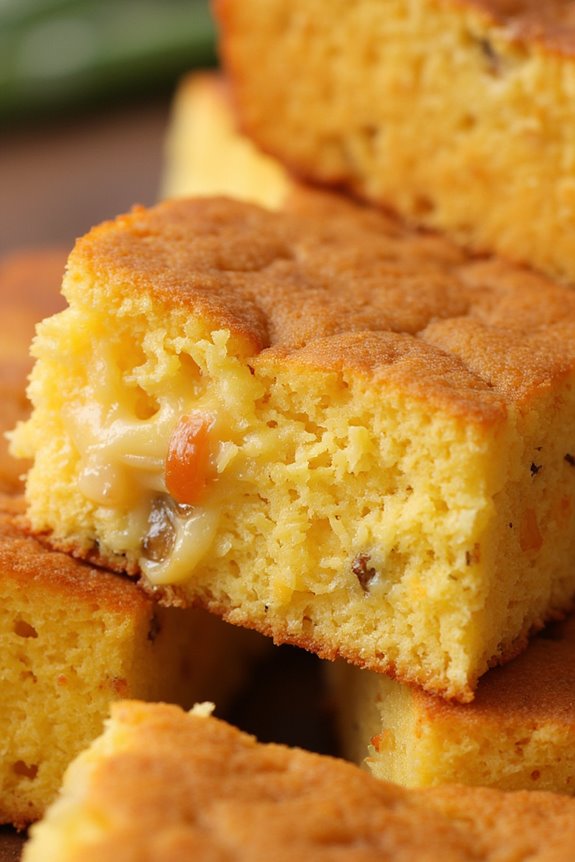
Sopa Paraguaya is a traditional dish from Paraguay that combines the delightful flavors of cornmeal, cheese, and onions into a savory cornbread. Despite its name, which translates to “Paraguayan Soup,” this dish isn’t a soup but rather a moist and cheesy cornbread that’s baked to golden perfection.
It’s a staple in Paraguayan cuisine, often served as a side dish or enjoyed on its own, making it a wonderful addition to any South American dinner spread. The unique combination of ingredients results in a satisfying texture and flavor that will leave your guests wanting more.
To prepare Sopa Paraguaya, you’ll need to gather key ingredients that are commonly found in many Paraguayan households. The dish is quite easy to make, and with the right balance of savory cheese and sweet corn, it’s a crowd-pleaser for both family gatherings and festive occasions.
Whether you’re looking to explore South American cuisine or simply want to try something new, this recipe will guide you through the steps to create your very own Sopa Paraguaya.
Ingredients (serving size: 4-6 people)
- 2 cups cornmeal
- 1 cup milk
- 1 cup vegetable oil
- 1 cup cheese (preferably Paraguayan cheese or mozzarella)
- 1 large onion, finely chopped
- 4 large eggs
- 1 tablespoon baking powder
- 1 teaspoon salt
Cooking Instructions
- Preheat the Oven: Begin by preheating your oven to 350°F (175°C). This guarantees that the Sopa Paraguaya will bake evenly and rise properly.
- Sauté the Onion: In a skillet over medium heat, add a small amount of oil and sauté the finely chopped onion until it becomes translucent and fragrant, about 5-7 minutes. This step enhances the flavor of the onions, which will add depth to the cornbread.
- Mix the Dry Ingredients: In a large mixing bowl, combine the cornmeal, baking powder, and salt. Whisk the dry ingredients together until they’re well blended.
- Combine Wet Ingredients: In another bowl, whisk together the eggs, milk, and vegetable oil until fully combined. Once mixed, add the sautéed onions and stir well.
- Combine Wet and Dry Mixtures: Gradually pour the wet mixture into the bowl with the dry ingredients, stirring continuously to avoid lumps. Incorporate the cheese into the batter, ensuring that it’s evenly distributed.
- Pour into Baking Dish: Grease a baking dish or a cast-iron skillet with a little oil, then pour the batter into the dish, spreading it evenly.
- Bake: Place the baking dish in the preheated oven and bake for approximately 30-40 minutes, or until the top is golden brown and a toothpick inserted into the center comes out clean.
- Cool and Serve: Once baked, remove the Sopa Paraguaya from the oven and let it cool for a few minutes. Cut into squares or wedges and serve warm.
Extra Tips
When making Sopa Paraguaya, feel free to experiment with different types of cheese for added flavor. If you can find Paraguayan cheese, use it for an authentic taste; otherwise, mozzarella or a mix of cheeses can work just as well.
Additionally, you can enhance the flavor by adding herbs like parsley or chives, or even spices like paprika for a hint of smokiness. Serve it alongside a fresh salad or grilled meats for a complete meal that captures the essence of Paraguayan cuisine. Enjoy!
Brazilian Moqueca: Coconut Fish Stew
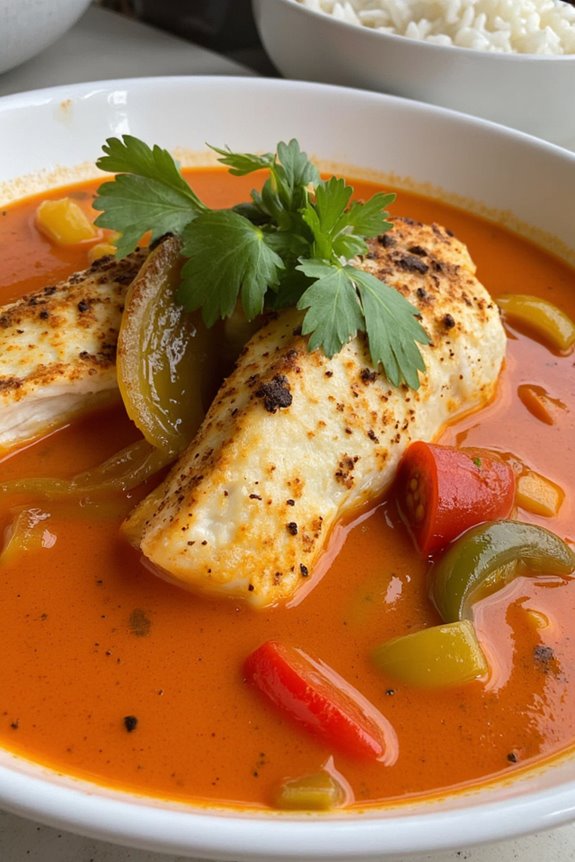
Brazilian Moqueca is a vibrant and aromatic dish that beautifully showcases the flavors of Brazil’s coastal cuisine. This coconut fish stew is a staple in Bahian cooking, often made with fresh fish, aromatic herbs, and rich coconut milk, resulting in a comforting meal that transports you straight to the beaches of Brazil. The dish is traditionally served with rice and farofa, a toasted cassava flour mixture, creating a delightful balance of textures and flavors.
The heart of Moqueca lies in its ingredients, which are often locally sourced and include a variety of fresh seafood and tropical produce. The combination of lime juice, tomatoes, and bell peppers adds a revitalizing brightness, while the coconut milk provides a creamy richness. This recipe isn’t only a feast for the eyes but also a delicious way to experience the diverse culinary heritage of South America.
Ingredients (serves 4-6):
- 2 lbs of firm white fish (such as cod or snapper), cut into chunks
- 1 cup of lime juice
- 2 tablespoons of olive oil
- 1 large onion, sliced
- 1 bell pepper (red or yellow), sliced
- 2 cloves of garlic, minced
- 2 ripe tomatoes, diced
- 1 can (14 oz) of coconut milk
- 1 cup of vegetable or fish broth
- 1 tablespoon of paprika
- 1 teaspoon of cayenne pepper (optional)
- 1 bunch of fresh cilantro, chopped
- Salt and pepper to taste
- Cooked rice, for serving
- Farofa, for serving (optional)
Cooking Instructions:
- Marinate the Fish: In a large bowl, combine the fish chunks with lime juice, salt, and pepper. Allow the fish to marinate for about 30 minutes while you prepare the other ingredients. This step helps to infuse the fish with flavor and tenderize it.
- Sauté the Aromatics: In a large pot or Dutch oven, heat the olive oil over medium heat. Add the sliced onion and bell pepper, and sauté for about 5 minutes until they become soft and translucent. This will create a flavorful base for the stew.
- Add Garlic and Tomatoes: Stir in the minced garlic and diced tomatoes, cooking for an additional 3-4 minutes until the tomatoes start to break down and release their juices. This step adds depth and richness to the stew.
- Combine Liquids: Pour in the coconut milk and broth, stirring to combine. Bring the mixture to a gentle simmer, allowing the flavors to meld together for about 5 minutes.
- Add the Fish: Carefully add the marinated fish chunks to the pot. Sprinkle in the paprika and cayenne pepper (if using), and gently stir to coat the fish in the sauce. Cook for about 10-15 minutes, or until the fish is cooked through and flakes easily with a fork.
- Finish with Cilantro: Once the fish is cooked, stir in the chopped cilantro, reserving some for garnish. Taste and adjust seasoning with salt and pepper as needed. Allow the stew to simmer for an additional 2-3 minutes to enhance the flavors.
- Serve: Ladle the Moqueca into bowls, ensuring each serving has a good amount of broth and fish. Serve with cooked rice and a sprinkle of farofa, if desired.
Extra Tips:
For an authentic touch, consider using dendê oil, a palm oil commonly found in Brazilian cuisine, to enhance the flavor of your Moqueca. If you can’t find fresh fish, frozen fish can work well; just make sure it’s properly thawed before marinating. Additionally, feel free to customize the stew by adding other seafood such as shrimp or mussels for a mixed seafood version. Enjoy your culinary journey through Brazil with this delicious Moqueca!
Argentine Milanesa: Breaded and Fried Meat Cutlet
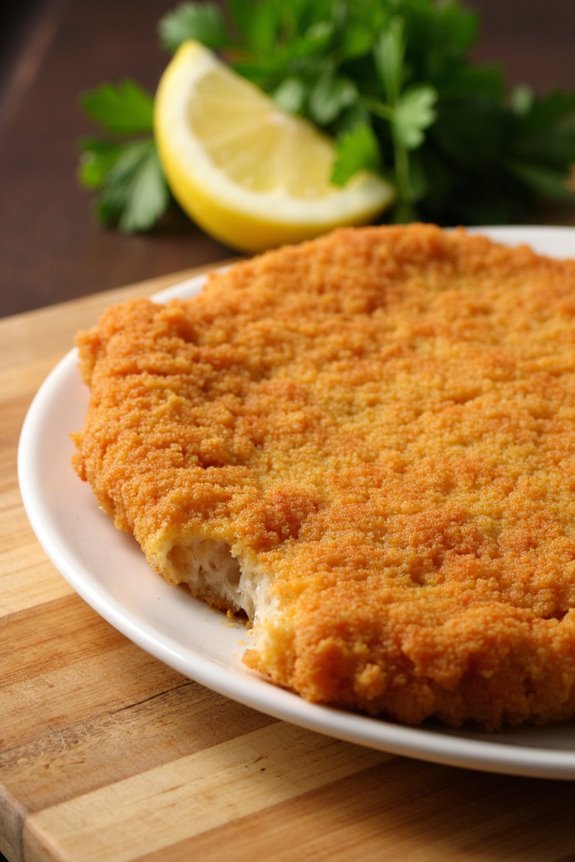
Argentine Milanesa is a beloved dish that showcases the culinary heritage of Argentina, emphasizing its rich flavors and simple yet satisfying preparation. This breaded and fried meat cutlet can be made with beef, chicken, or pork, making it a versatile choice for any meal.
Traditionally served alongside mashed potatoes, salad, or rice, the Milanesa isn’t only a staple in Argentine households but also a favorite in restaurants, bringing a taste of Argentina to your dining table.
The charm of Argentine Milanesa lies in its crispy texture and juicy interior, achieved through a meticulous process of breading and frying. The cutlets are first seasoned and dipped in egg before being coated in breadcrumbs, which gives them their signature crunch.
Whether you’re hosting a family dinner or simply treating yourself to a comforting meal, this dish is sure to impress with its delightful flavors and satisfying crunch.
Ingredients (Serves 4-6)
- 4-6 boneless beef, chicken, or pork cutlets (about 1/2 inch thick)
- 1 cup all-purpose flour
- 3 large eggs
- 2 cups breadcrumbs (preferably Panko for extra crunch)
- 1 teaspoon garlic powder
- 1 teaspoon onion powder
- 1 teaspoon paprika
- Salt and pepper to taste
- Vegetable oil (for frying)
- Lemon wedges (for serving)
- Fresh parsley (for garnish, optional)
Cooking Instructions
- Prepare the Cutlets: Begin by placing the meat cutlets between two sheets of plastic wrap or parchment paper. Use a meat mallet or rolling pin to gently pound the cutlets until they’re about 1/4 inch thick. This not only tenderizes the meat but also guarantees even cooking.
- Season the Flour: In a shallow bowl, mix the all-purpose flour with salt, pepper, garlic powder, onion powder, and paprika. This will be the first step in the breading process, adding flavor to the cutlets.
- Prepare the Egg Mixture: In another shallow bowl, crack the eggs and whisk them until they’re well combined. This will help the breadcrumbs adhere to the cutlets.
- Prepare the Breadcrumbs: Place the breadcrumbs in a third shallow bowl. If using Panko, it will give the Milanesa an extra crispy texture.
- Bread the Cutlets: Take each cutlet and first dredge it in the seasoned flour, shaking off any excess. Next, dip it in the egg mixture, allowing any excess to drip off. Finally, coat it in the breadcrumbs, pressing gently to guarantee an even layer. Repeat this for all cutlets.
- Heat the Oil: In a large skillet, heat about 1/2 inch of vegetable oil over medium-high heat. To test if the oil is hot enough, sprinkle a few breadcrumbs into the oil; if they sizzle immediately, the oil is ready.
- Fry the Cutlets: Carefully place the breaded cutlets into the hot oil, making sure not to overcrowd the pan. Fry for about 3-4 minutes on each side, or until golden brown and crispy. Use tongs to flip the cutlets gently.
- Drain and Serve: Once cooked, transfer the Milanesa to a paper towel-lined plate to drain excess oil. Serve hot with lemon wedges and garnish with fresh parsley, if desired.
Extra Tips
For an added twist, consider marinating the cutlets in a mixture of olive oil, vinegar, and herbs for a few hours before breading them. This will infuse additional flavors into the meat.
Additionally, feel free to experiment with different types of breadcrumbs or add grated cheese to the breadcrumbs for a cheesy crust. Serving the Milanesa with a tangy chimichurri sauce on the side can elevate the dish, providing a fresh and vibrant contrast to the crispy cutlet.
Enjoy your Argentine Milanesa!
Peruvian Aji De Gallina: Creamy Chicken Stew
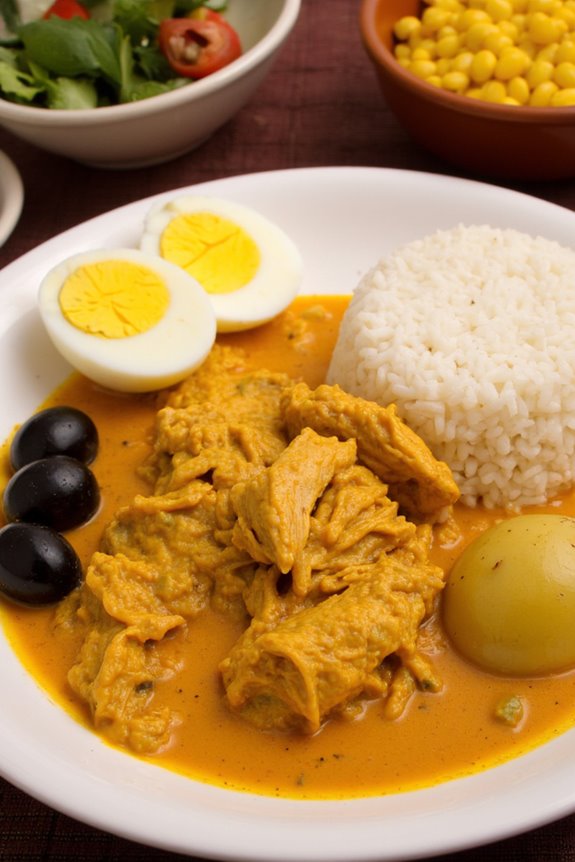
Aji De Gallina is a traditional Peruvian dish that showcases the rich and diverse flavors of South American cuisine. This creamy chicken stew is characterized by its subtle heat from aji amarillo peppers, combined with a velvety sauce made from walnuts and cheese. The dish is a perfect representation of Peru’s culinary landscape, where indigenous ingredients meet Spanish influences.
It’s often served with rice and boiled potatoes, making it a comforting and satisfying meal.
To prepare Aji De Gallina, boneless chicken is typically shredded and simmered in a sauce that brings together the distinct flavors of spices, herbs, and the unique aji amarillo paste. The result is a dish that embodies warmth and richness, making it a favorite for family gatherings and special occasions.
Whether you’re looking to explore Peruvian cuisine or simply want to try a new recipe, Aji De Gallina is sure to impress.
Ingredients (Serves 4-6):
- 2 boneless, skinless chicken breasts
- 1 medium onion, finely chopped
- 2 cloves garlic, minced
- 2 tablespoons aji amarillo paste
- 1 cup chicken broth
- 1 cup evaporated milk
- ½ cup walnuts, toasted and chopped
- ½ cup grated Parmesan cheese
- 4 slices of bread, crusts removed
- 1 tablespoon olive oil
- Salt and pepper to taste
- Boiled potatoes (for serving)
- Cooked white rice (for serving)
- Hard-boiled eggs (for garnish)
- Black olives (for garnish)
Cooking Instructions:
- Cook the Chicken: In a large pot, add the boneless chicken breasts and cover them with water. Bring to a boil, then lower the heat and simmer for about 20-25 minutes or until the chicken is cooked through. Remove the chicken from the pot and let it cool. Reserve the broth for later use.
- Prepare the Sauce Base: In a skillet, heat the olive oil over medium heat. Add the chopped onion and sauté until translucent, about 5-7 minutes. Add the minced garlic and continue to sauté for another minute until fragrant.
- Incorporate Aji Amarillo: Stir in the aji amarillo paste and cook for about 2-3 minutes, allowing the flavors to meld together. This step is essential as it develops the base flavor of the dish.
- Shred the Chicken: Once the chicken has cooled, shred it into bite-sized pieces using two forks or your hands.
- Create the Creamy Mixture: In a blender, combine the reserved chicken broth, evaporated milk, toasted walnuts, and grated Parmesan cheese. Blend until smooth. This mixture will provide the creamy texture of the stew.
- Combine Ingredients: Add the shredded chicken to the skillet with the onion and garlic mixture. Pour in the blended creamy mixture, and stir well to combine. Season with salt and pepper to taste. Allow the stew to simmer on low heat for about 10-15 minutes, letting all the flavors come together.
- Serve: To serve, place a generous amount of the Aji De Gallina stew over a bed of cooked white rice. Add boiled potatoes on the side and garnish with slices of hard-boiled eggs and black olives for added flavor and presentation.
Extra Tips:
When making Aji De Gallina, it’s important to adjust the level of aji amarillo paste according to your spice preference, as some brands can be hotter than others.
Additionally, to enhance the flavor of the dish, consider marinating the chicken in a bit of lime juice and spices before boiling. This will impart a rejuvenating zest to the chicken.
Finally, for a more authentic touch, serve the stew with a side of Peruvian corn or a simple salad to balance the richness of the dish. Enjoy your culinary journey through Peru!
Chilean Completo: Gourmet Hot Dog With Toppings
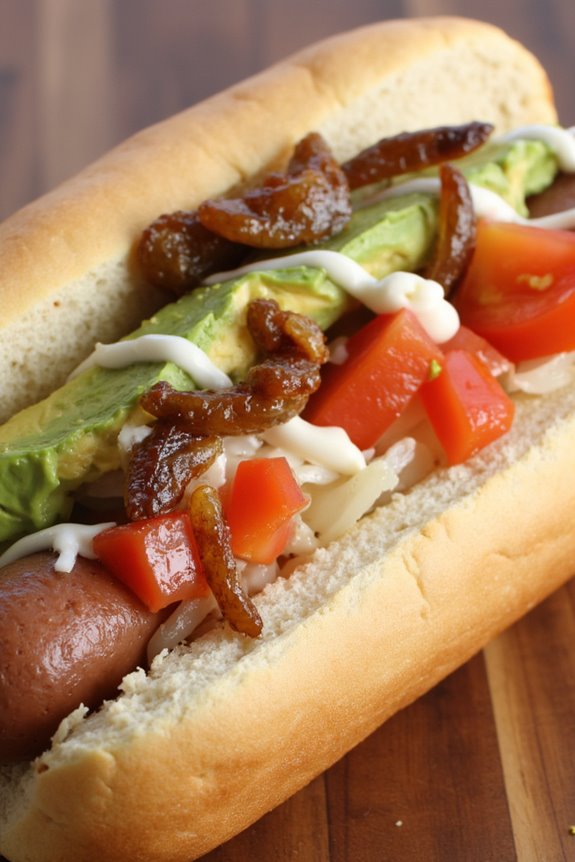
The Chilean Completo is a delightful twist on the classic hot dog, offering a burst of flavors that are sure to satisfy any palate. This gourmet version features a variety of toppings, including avocado, mayonnaise, and sauerkraut, making it a popular street food in Chile. Each bite is a delicious combination of textures and tastes, showcasing the vibrant culinary culture of South America.
Perfect for gatherings or a casual family dinner, the Completo is an easy yet impressive dish to prepare. To create the ultimate Completo, you’ll want to gather high-quality ingredients that will elevate your hot dog experience. The key is to balance the rich and creamy toppings with the savory sausage, resulting in a satisfying meal that everyone will enjoy.
This recipe serves 4-6 people, making it an ideal option for parties or casual get-togethers.
Ingredients
- 4-6 hot dog sausages (beef, pork, or chicken)
- 4-6 hot dog buns
- 1 large avocado, mashed
- 1 cup mayonnaise
- 1 cup sauerkraut
- 1 medium tomato, diced
- 1 small red onion, finely chopped
- 1 tsp lemon juice
- Salt and pepper to taste
- Optional: chili sauce or pimento for extra heat
Cooking Instructions
- Prepare the Toppings: Begin by preparing your toppings. In a medium bowl, combine the mashed avocado with lemon juice, salt, and pepper. This will prevent the avocado from browning and add a zesty flavor. Set aside.
- Sauté the Onion: In a small skillet over medium heat, sauté the finely chopped red onion until it becomes translucent and slightly caramelized, about 5-7 minutes. This will enhance the sweetness of the onions and provide a great flavor contrast to the Completo.
- Cook the Sausages: Grill or boil the hot dog sausages according to package instructions. If grilling, cook them over medium heat for about 5-7 minutes, turning occasionally until they’re evenly browned. If boiling, cook for about 5 minutes in simmering water.
- Warm the Buns: While the sausages are cooking, warm the hot dog buns either on the grill for a minute or in the oven at 350°F (175°C) for about 5 minutes. This adds a nice warmth and texture to the buns, making them more enjoyable.
- Assemble the Completo: Once the sausages and buns are ready, place each sausage into a bun. Generously spread the mashed avocado on top of the sausage, followed by a layer of mayonnaise. Then add a spoonful of sauerkraut and diced tomatoes. Finally, top with the sautéed onions for added flavor.
- Garnish and Serve: If desired, add a drizzle of chili sauce or sprinkle some pimento for an extra kick. Serve the Completo immediately while warm, and enjoy with your favorite sides!
Extra Tips
For the best Completo experience, consider using fresh, high-quality ingredients, especially the sausages and avocados. You can also customize your Completo by adding other toppings like jalapeños, cheese, or even a dash of hot sauce, depending on your taste preferences.
Don’t forget to serve with a side of crispy potato chips or a fresh salad to complete the meal!
