

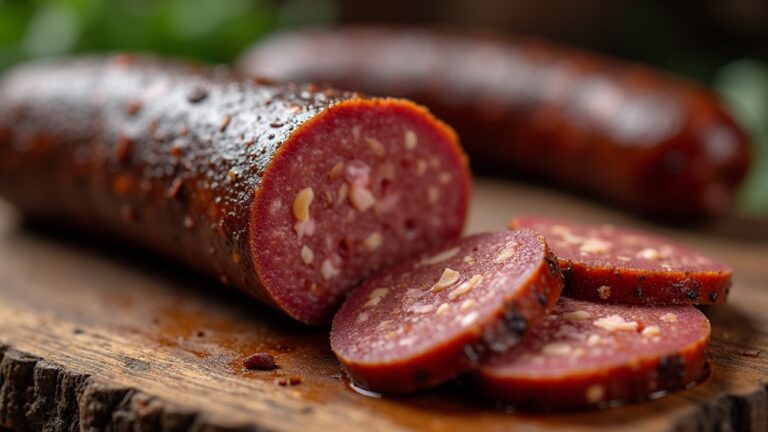
When I think of Colombian cuisine, my mind immediately goes to the delicious variety of pork dishes that highlight the country’s vibrant flavors. From the crispy delight of Lechona to the comforting warmth of Bandeja Paisa, there’s so much to enjoy. Each recipe is rich in tradition and taste. Let’s explore these mouthwatering creations that promise to enhance your culinary experience and delight your taste buds.
Lechona: The Colombian Festive Pork Dish
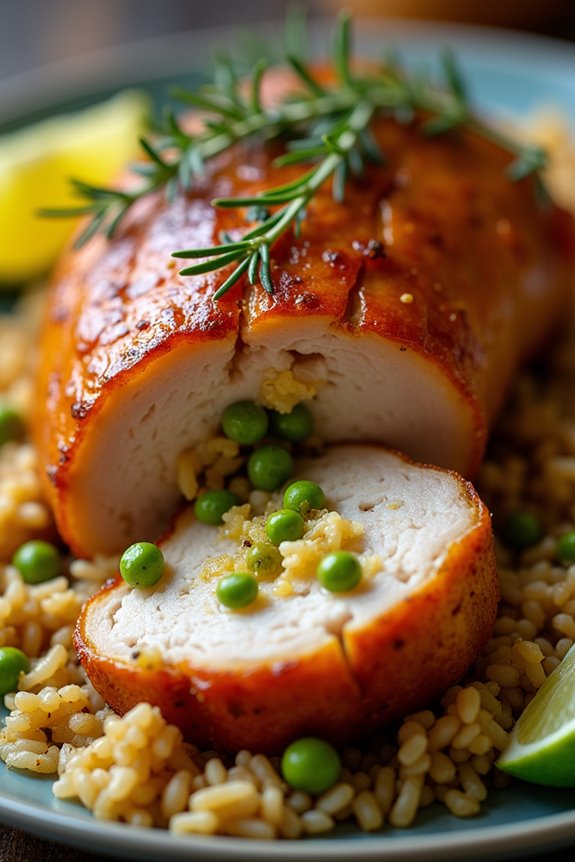
Lechona is a beloved traditional Colombian dish that showcases the rich flavors and culinary heritage of the country. This festive pork dish is often prepared for special occasions and family gatherings, making it a centerpiece of celebration. The dish involves slow-roasting a whole pig, stuffed with a delicious mixture of rice, peas, spices, and sometimes even additional meats. The result is a crispy, golden skin and tender, flavorful meat that has become synonymous with Colombian festivities.
Preparing Lechona can be a labor of love, but the reward is well worth the effort. The cooking process allows the flavors to meld beautifully as the pork cooks low and slow, guaranteeing that every bite is packed with taste. While it may seem intimidating to tackle a whole pig, there are smaller versions that can be made in the oven, making it accessible for home cooks looking to recreate this iconic dish.
Ingredients (Serves 4-6 People)
- 4-6 pounds pork shoulder or whole pig
- 2 cups white rice
- 1 cup green peas
- 1 onion, finely chopped
- 4 cloves garlic, minced
- 1 tablespoon ground cumin
- 1 tablespoon paprika
- 1 teaspoon black pepper
- 1 teaspoon salt
- 4 cups chicken broth
- 1/2 cup vegetable oil
- Fresh herbs (such as thyme and rosemary) for garnish
- Lime wedges for serving
Cooking Instructions
- Prepare the Pork: If using a whole pig, clean and gut it, then pat it dry. For pork shoulder, make sure it’s trimmed and ready for seasoning. Score the skin to allow for better crisping and flavor absorption.
- Make the Filling: In a large pot, heat the vegetable oil over medium heat. Sauté the chopped onion and minced garlic until they’re translucent. Add the ground cumin, paprika, black pepper, and salt, stirring to combine. Then, add the rice and green peas, mixing everything well.
- Cook the Rice: Pour in the chicken broth, bringing the mixture to a boil. Reduce the heat to low, cover, and let it simmer for about 20 minutes or until the rice is fully cooked and has absorbed the broth. Remove from heat and let it cool slightly.
- Stuff the Pork: Once the rice mixture is cool enough to handle, carefully stuff it into the cavity of the pork, ensuring that it’s packed tightly. If using a pork shoulder, simply fill the area around the meat. Secure the openings with kitchen twine or toothpicks.
- Roast the Pork: Preheat your oven to 325°F (160°C). Place the stuffed pork in a roasting pan and cover it with aluminum foil. Roast for about 4-5 hours, or until the internal temperature reaches 160°F (70°C). For the last 30 minutes, remove the foil to allow the skin to crisp up.
- Rest and Serve: Once done, remove the pork from the oven and let it rest for at least 20 minutes. This helps retain the juices. Serve the Lechona with lime wedges and garnish with fresh herbs for an added touch.
Extra Tips
To achieve the best results with your Lechona, consider marinating the pork overnight with a mixture of spices and citrus juices for additional flavor. If you’re using a whole pig, make sure that you have a reliable roasting method, such as a spit or a large oven.
Additionally, feel free to customize the rice stuffing by adding other ingredients like chorizo or vegetables to suit your taste. Enjoy this festive dish with friends and family, and savor the authentic flavors of Colombia!
Chuleta Valluna: Crispy Pork Cutlet
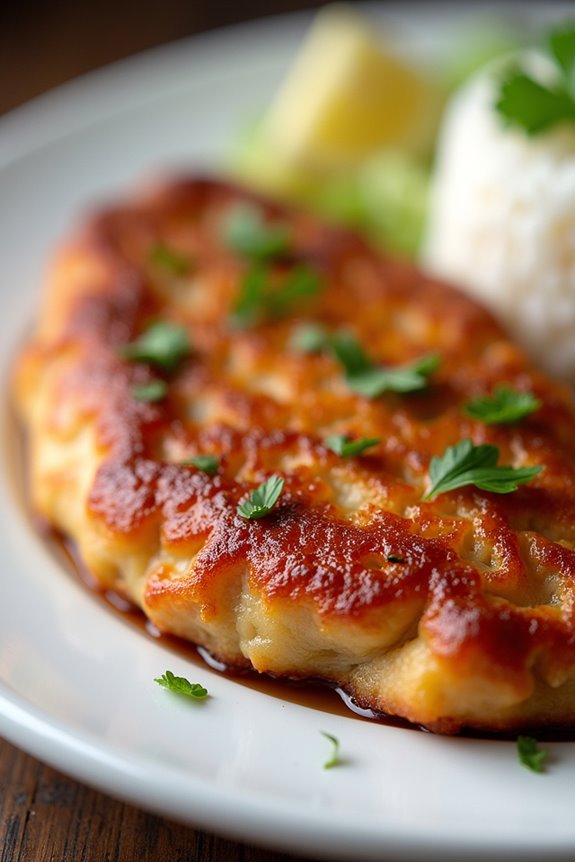
Chuleta Valluna is a beloved dish from the Valle del Cauca region in Colombia, known for its crispy fried pork cutlet. This dish isn’t only a staple in Colombian households but also a crowd-pleaser at family gatherings and celebrations. The secret to the perfect Chuleta Valluna lies in the marination of the pork, allowing the flavors to penetrate the meat, and the technique used in frying, which creates a delightful crunch on the outside while keeping the inside juicy and tender.
To achieve this delicious result, the pork cutlets are typically seasoned with garlic, lime, and a selection of spices, then coated in a mixture of flour and breadcrumbs before frying. The dish is often served alongside traditional Colombian accompaniments like arroz (rice), arepas, or a fresh salad, making it a complete and satisfying meal. Let’s explore the ingredients and preparation steps to bring this delightful culinary experience to your table.
Ingredients (Serves 4-6)
- 4-6 pork chops (bone-in or boneless)
- 4 cloves garlic, minced
- 1 lime, juiced
- 1 teaspoon ground cumin
- 1 teaspoon paprika
- Salt and pepper to taste
- 1 cup all-purpose flour
- 2 large eggs
- 2 cups breadcrumbs (preferably panko for extra crispiness)
- Vegetable oil for frying
- Fresh parsley, chopped (for garnish)
Cooking Instructions
- Marinate the Pork Chops: Begin by preparing the pork chops. In a bowl, combine the minced garlic, lime juice, ground cumin, paprika, salt, and pepper. Rub this marinade all over the pork chops, ensuring they’re well-coated. Cover and let them marinate in the refrigerator for at least 1 hour, or ideally overnight, to allow the flavors to infuse.
- Prepare the Breading Station: Set up a breading station by placing the flour, beaten eggs, and breadcrumbs in separate shallow dishes. This will make it easier to coat the pork chops evenly. You may season the flour with a pinch of salt and pepper for added flavor.
- Bread the Pork Chops: Remove the marinated pork chops from the refrigerator. First, dredge each chop in the flour, shaking off any excess. Next, dip them into the beaten eggs, allowing any excess to drip off. Finally, press the chops into the breadcrumbs, ensuring they’re fully coated. Repeat with all the pork chops.
- Heat the Oil: In a large, heavy-bottomed skillet or frying pan, heat about 1/2 inch of vegetable oil over medium-high heat. To test if the oil is hot enough, drop a small piece of bread into the oil; if it sizzles immediately, you’re ready to fry.
- Fry the Pork Chops: Carefully place the breaded pork chops into the hot oil, ensuring not to overcrowd the pan. Fry them for about 4-5 minutes on each side or until they’re golden brown and crispy. Use tongs to flip them gently to avoid breaking the crust.
- Drain and Serve: Once cooked, transfer the fried pork chops to a plate lined with paper towels to drain any excess oil. Garnish with chopped fresh parsley before serving.
Extra Tips
For an extra layer of flavor, consider adding some spices to the breadcrumbs, such as oregano or chili powder. If you prefer a lighter version, you can bake the breaded pork chops in a preheated oven at 400°F (200°C) for about 20-25 minutes, flipping halfway through.
Additionally, serving these crispy pork cutlets with a tangy salsa or aji sauce can elevate the dish even further, providing a fresh contrast to the richness of the fried pork. Enjoy your homemade Chuleta Valluna with family and friends!
Pernil: Slow-Roasted Pork Leg
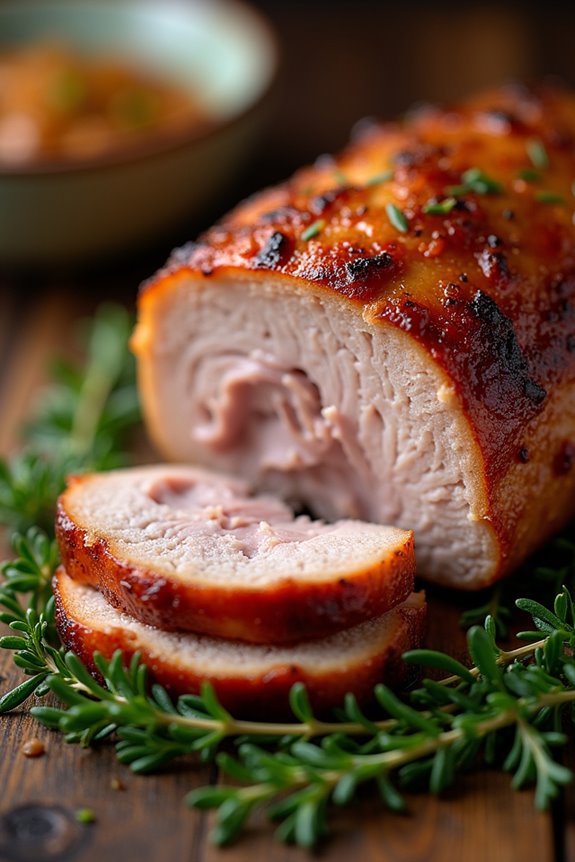
Pernil is a classic Colombian dish that features a succulent pork leg, marinated with a blend of spices and herbs, then slow-roasted until the skin is crispy and the meat is tender and juicy. This dish is often served during special occasions and celebrations, making it a staple at family gatherings and festive feasts.
The combination of garlic, citrus, and spices infuses the pork with a rich flavor, while the slow-roasting process allows the meat to become incredibly tender, making each bite a delightful experience.
Preparing Pernil may require some advance planning due to the marinating time, but the process is straightforward and rewarding. The key to a perfect Pernil lies in the careful seasoning and the patience to allow it to roast slowly. Serve this hearty dish with traditional sides like rice, beans, or plantains, and you’ll have a meal that will impress your family and friends.
Ingredients (Serves 4-6):
- 4-5 pounds of pork leg (bone-in)
- 1 head of garlic, peeled
- 1 cup of orange juice
- 1/2 cup of lime juice
- 2 tablespoons of olive oil
- 2 tablespoons of salt
- 1 tablespoon of black pepper
- 1 tablespoon of oregano
- 1 tablespoon of cumin
- 1 tablespoon of paprika
- 1 tablespoon of fresh thyme (or 1 teaspoon dried thyme)
- 1 onion, chopped
- 2-3 bay leaves
Cooking Instructions:
1. Prepare the Marinade: In a blender or food processor, combine the peeled garlic, orange juice, lime juice, olive oil, salt, black pepper, oregano, cumin, paprika, and thyme. Blend until you have a smooth marinade. This mixture will penetrate the meat and provide a burst of flavor.
2. Marinate the Pork: Rinse the pork leg under cold water and pat it dry with paper towels. Using a sharp knife, make several deep incisions in the flesh of the pork leg. This will help the marinade to seep into the meat. Rub the marinade all over the pork, making sure to get it into the incisions.
Place the marinated pork in a large resealable plastic bag or a covered dish and refrigerate for at least 12 hours, preferably overnight.
3. Preheat the Oven: When you’re ready to cook, preheat your oven to 300°F (150°C). This low and slow cooking method is essential for achieving that tender meat and crispy skin.
4. Prepare for Roasting: Remove the pork leg from the refrigerator and let it come to room temperature for about 30 minutes. Place the pork leg in a roasting pan, and scatter the chopped onion and bay leaves around it. This will add flavor during the roasting process.
5. Roast the Pork: Cover the roasting pan tightly with aluminum foil to keep moisture in. Roast in the preheated oven for about 4-5 hours, or until the internal temperature of the pork reaches 190°F (88°C). Remove the foil in the last hour of cooking to allow the skin to crisp up.
6. Rest and Serve: Once cooked, remove the pork from the oven and let it rest for at least 20-30 minutes before carving. This allows the juices to redistribute within the meat. Serve the Pernil sliced, with your choice of sides.
Extra Tips:
For an extra layer of flavor, consider adding additional spices or herbs to the marinade based on your taste preferences. You can also experiment with different citrus juices, like grapefruit or tangerine, for a unique twist.
When roasting, keep an eye on the skin to ascertain it doesn’t burn; you can occasionally baste the pork with its own juices to keep it moist. Finally, the leftovers make excellent sandwiches or tacos, so don’t hesitate to prepare extra!
Arepas De Chicharrón: Pork Crackling Arepas
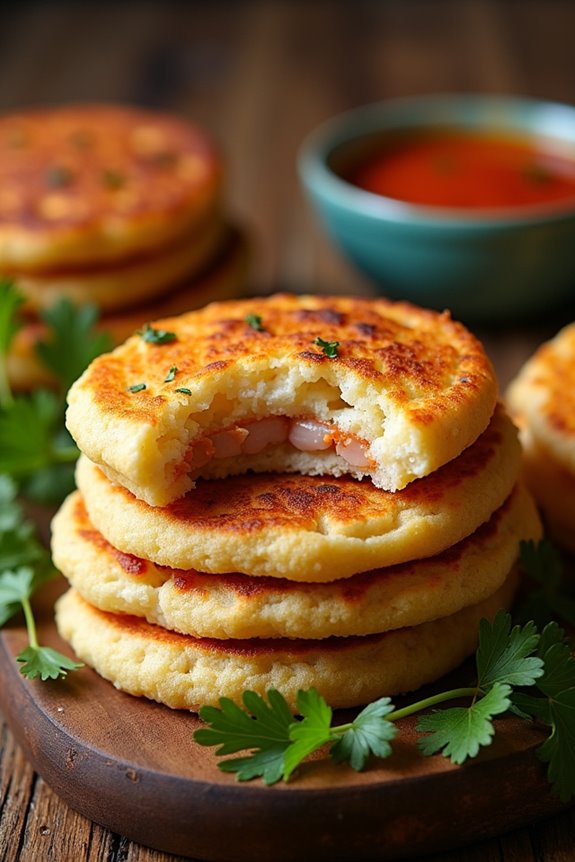
Arepas de Chicharrón is a delightful Colombian dish that combines the rich, savory flavor of pork crackling with the comforting, cornmeal goodness of arepas. These arepas aren’t just a meal; they’re a cultural experience that showcases the heart of Colombian cuisine. With their crispy exterior and soft interior, they’re perfect for breakfast, lunch, or dinner, and they can be enjoyed on their own or stuffed with various fillings.
Making Arepas de Chicharrón requires a bit of preparation, especially if you’re making your own pork crackling. However, the effort is well worth it when you taste the combination of textures and flavors. This dish is sure to impress your family and friends, making it a perfect choice for gatherings or special occasions. Follow this recipe to create a delicious batch of Arepas de Chicharrón that will transport you straight to the streets of Colombia.
Ingredients (Serves 4-6)
- 1 cup of cooked pork belly or pork shoulder, finely chopped
- 1 cup of pork cracklings, crushed
- 2 cups of precooked cornmeal (arepa flour)
- 1 ½ cups of warm water
- 1 teaspoon of salt
- 1 tablespoon of butter (optional)
- Cheese (optional, for stuffing or topping)
Cooking Instructions
- Prepare the Pork Cracklings: If you’re making your own cracklings, start by frying pieces of pork belly or shoulder in a pan over medium heat until they’re crispy and golden brown. Remove them from the pan and let them cool. Once cooled, chop them finely. Alternatively, you can use store-bought pork cracklings for convenience.
- Mix the Arepa Dough: In a large mixing bowl, combine the precooked cornmeal and salt. Gradually add the warm water while mixing with your hands or a spoon until a dough forms. The dough should be soft but not sticky. If desired, you can add melted butter for extra flavor and richness.
- Incorporate the Cracklings: Gently fold the chopped pork cracklings into the arepa dough until they’re evenly distributed. If you want to add cheese, you can include it at this stage, mixing it through the dough.
- Shape the Arepas: Divide the dough into equal portions, rolling each portion into a ball and then flattening it into a patty about ¾ inch thick. Make sure the edges are smooth to prevent cracking while cooking.
- Cook the Arepas: Heat a non-stick skillet or griddle over medium heat. Lightly grease it if desired. Place the arepas on the skillet and cook for about 5-7 minutes on each side, or until they’re golden brown and cooked through. You can also cook them in an oven preheated to 375°F (190°C) for about 15 minutes after pan-frying for an extra crispy texture.
- Serve: Once cooked, remove the arepas from the skillet and let them cool slightly before serving. You can serve them plain or slice them open and fill them with cheese, avocado, or your favorite toppings.
Extra Tips
To enhance the flavor of your Arepas de Chicharrón, consider serving them with a side of hogao, a Colombian tomato and onion sauce. Additionally, if you’re looking for a spicy kick, you can add some chopped jalapeños or a drizzle of hot sauce inside the arepas.
For best results, make certain that your dough is well mixed and that the arepas are cooked evenly for a perfect texture. Enjoy your culinary journey into Colombian cuisine!
Bandeja Paisa: The Ultimate Colombian Platter

Bandeja Paisa is a traditional Colombian dish that beautifully represents the diverse flavors and culinary heritage of the Antioquia region. This hearty platter is a feast for the senses, combining a variety of ingredients that come together to create a delightful meal. Often enjoyed for special occasions and family gatherings, Bandeja Paisa is a true celebration of Colombian culture, showcasing the significance of community and shared meals.
At the heart of Bandeja Paisa is a medley of ingredients, including tender pork, savory beans, rice, and a variety of accompaniments that elevate the dish to new heights. Each component plays an essential role in the overall experience, making every bite a journey through the vibrant flavors of Colombia. From the rich chicharrón to the fresh avocado, every element is thoughtfully prepared to create a well-rounded plate that’s both filling and satisfying.
Ingredients (Serving Size: 4-6 people)
- 2 cups of red beans
- 1 lb of pork belly (for chicharrón)
- 1 lb of ground beef
- 2 cups of white rice
- 4 large eggs
- 2 ripe avocados
- 1 large plantain (sweet)
- 1 cup of hogao (Colombian tomato and onion sauce)
- 1 cup of arepas (corn cakes)
- Salt and pepper to taste
- Fresh cilantro for garnish
- Lime wedges for serving
Cooking Instructions
- Prepare the Beans: Start by soaking the red beans overnight in water. The next day, drain them and place them in a pot with fresh water. Bring to a boil, then reduce to a simmer and cook until tender, about 1-2 hours. Season with salt to taste once they’re cooked.
- Cook the Pork Belly (Chicharrón): In a large skillet, heat oil over medium heat. Cut the pork belly into bite-sized pieces and season with salt. Fry the pork until crispy and golden brown, about 10-15 minutes, turning occasionally. Once cooked, remove from the skillet and set aside to drain on paper towels.
- Brown the Ground Beef: In the same skillet, add the ground beef and cook over medium heat. Season with salt and pepper, and cook until browned and cooked through, about 7-10 minutes. Drain any excess fat and set aside.
- Cook the Rice: In a pot, combine 2 cups of rice with 4 cups of water and a pinch of salt. Bring to a boil, then reduce heat to low, cover, and simmer until the rice is fluffy and all the water is absorbed, about 15-20 minutes.
- Fry the Plantains: Peel and slice the plantain diagonally into thick pieces. In a separate skillet, heat oil over medium heat and fry the plantain slices until golden and caramelized on both sides, about 3-4 minutes per side. Remove and drain on paper towels.
- Fry the Eggs: In a non-stick skillet, fry the eggs sunny-side up or to your desired doneness. Season with salt and pepper.
- Assemble the Platter: On a large serving platter, arrange a scoop of rice, a portion of beans, a generous serving of ground beef, crispy chicharrón, fried plantains, and a fried egg. Add sides of sliced avocado, arepas, and a dollop of hogao sauce. Garnish with fresh cilantro and serve with lime wedges.
Extra Tips
When preparing Bandeja Paisa, feel free to adjust the ingredients according to your taste preferences or dietary restrictions. For instance, you can substitute the pork belly with chicken or turkey for a leaner option.
Remember to cook each component separately to guarantee that each ingredient retains its unique flavor and texture. Additionally, serving the dish hot and fresh will enhance the flavors, so consider timing your cooking to have everything ready at the same time.
Enjoy this vibrant and delicious dish with family and friends for an authentic Colombian experience!
Costillas a La BBQ: Colombian BBQ Ribs
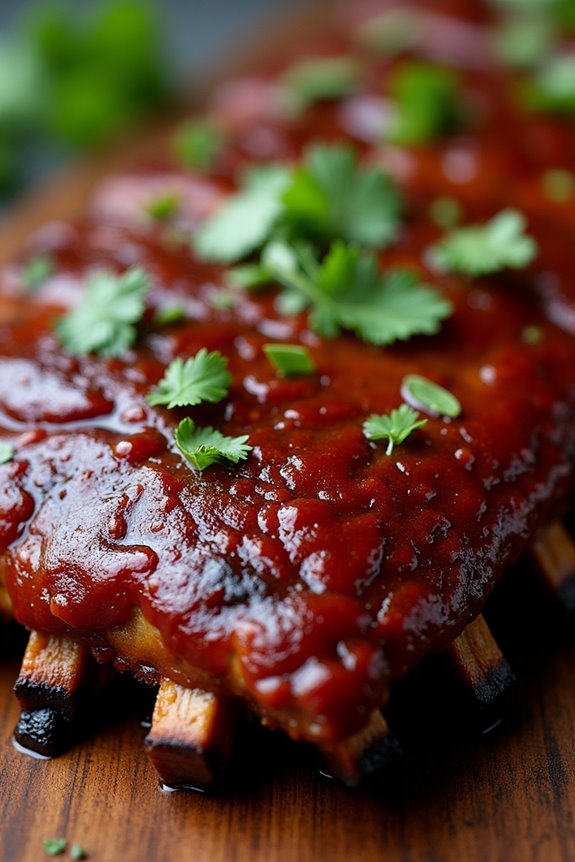
Costillas a La BBQ, or Colombian BBQ Ribs, is a beloved dish that brings together the rich flavors of marinated pork ribs and the smoky essence of barbecue. This dish is perfect for gatherings, family celebrations, or simply a weekend grilling session. The ribs are typically marinated in a blend of spices, garlic, and citrus, which infuses them with unparalleled flavor. The key to achieving tender, juicy ribs lies in marinating them for a sufficient amount of time and cooking them low and slow, allowing the flavors to meld beautifully.
Traditionally, these ribs can be prepared on a grill or in the oven, making them accessible no matter the cooking setup. The combination of the marinade and the BBQ sauce creates a caramelized crust on the outside while keeping the meat succulent and flavorful. Serve these ribs with a side of arepas, rice, or a crisp salad to create a complete and satisfying meal that captures the essence of Colombian cuisine.
Ingredients (Serves 4-6):
- 2 pounds pork ribs (baby back or spare ribs)
- 4 cloves garlic, minced
- 1/4 cup fresh lime juice
- 1/4 cup soy sauce
- 1 tablespoon brown sugar
- 1 tablespoon ground cumin
- 1 tablespoon paprika
- 1 teaspoon black pepper
- 1 teaspoon salt
- 1/2 teaspoon cayenne pepper (optional, for heat)
- 1 cup BBQ sauce (store-bought or homemade)
- Fresh cilantro, chopped (for garnish)
Cooking Instructions:
- Prepare the Marinade: In a mixing bowl, combine minced garlic, lime juice, soy sauce, brown sugar, ground cumin, paprika, black pepper, salt, and cayenne pepper (if using). Whisk together until well combined to create a flavorful marinade.
- Marinate the Ribs: Place the pork ribs in a large resealable plastic bag or a shallow dish. Pour the marinade over the ribs, ensuring they’re fully coated. Seal the bag or cover the dish and refrigerate for at least 4 hours, preferably overnight. This allows the flavors to penetrate the meat thoroughly.
- Preheat the Grill or Oven: If you’re grilling, preheat your grill to medium heat (about 350°F). If using an oven, preheat it to 300°F. This low and slow cooking method will help tenderize the ribs.
- Cook the Ribs: Remove the ribs from the marinade, shaking off any excess. If grilling, place the ribs on the grill bone-side down and cook for about 2 to 2.5 hours. If using the oven, place the ribs on a baking sheet lined with foil and cover with another piece of foil. Bake for 2.5 to 3 hours, or until the meat is tender and nearly falling off the bone.
- Apply the BBQ Sauce: During the last 20-30 minutes of cooking, brush the ribs generously with BBQ sauce. If grilling, turn the heat to high and caramelize the sauce on the grill for a few minutes on each side. If baking, remove the foil and brush on the BBQ sauce, then return to the oven uncovered to allow it to set.
- Rest and Serve: Once cooked, remove the ribs from the heat and let them rest for about 10 minutes. This helps the juices redistribute within the meat. Cut into individual ribs and garnish with chopped cilantro before serving.
Extra Tips:
For the best results, let the ribs marinate overnight to enhance their flavor. You can also experiment with different BBQ sauces, whether store-bought or homemade, to find your preferred taste profile.
If you want to add a smoky flavor without a grill, consider using smoked paprika in the marinade. Pair your ribs with sides like potato salad, grilled corn, or a cool slaw to complement the rich flavors of the dish. Enjoy the mouthwatering experience of Costillas a La BBQ with family and friends!
Lomo Al Trapo: Colombian Style Pork Tenderloin
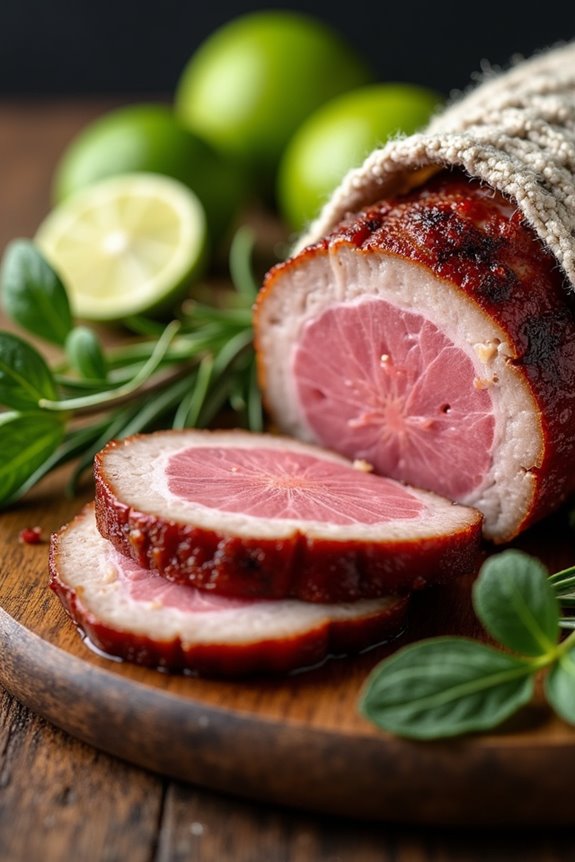
Lomo al Trapo is a traditional Colombian dish that features a juicy pork tenderloin wrapped in a cloth and cooked over an open flame or hot coals. This cooking method not only infuses the meat with delightful flavors but also guarantees that it remains incredibly tender and moist. The cloth acts as a barrier, allowing the pork to steam in its own juices while absorbing the spices and aromatic herbs used in the marinade. This unique preparation method has made Lomo al Trapo a popular choice for festive gatherings and family barbecues across Colombia.
To prepare Lomo al Trapo, you’ll need to marinate the pork tenderloin in a mixture of spices, garlic, and herbs for several hours, allowing the flavors to penetrate the meat. Once marinated, the tenderloin is wrapped in a clean cloth soaked in salt water, which adds an extra layer of seasoning during cooking. The wrapped tenderloin is then placed on hot coals, where it cooks to perfection, resulting in a dish that’s both flavorful and visually impressive when unwrapped at the table.
Ingredients (serving size: 4-6 people)
- 2 lbs pork tenderloin
- 4 cloves garlic, minced
- 1 tablespoon fresh thyme, chopped
- 1 tablespoon fresh rosemary, chopped
- 1 tablespoon paprika
- 1 teaspoon cumin
- 2 tablespoons olive oil
- Salt and pepper to taste
- 1 large clean cloth (preferably cotton)
- 2 cups salt (for soaking the cloth)
- Optional: lime wedges and fresh cilantro for serving
Cooking Instructions
- Prepare the Marinade: In a mixing bowl, combine minced garlic, thyme, rosemary, paprika, cumin, olive oil, salt, and pepper. Mix well to form a paste.
- Marinate the Pork: Rub the spice mixture all over the pork tenderloin, making sure it’s evenly coated. Cover the tenderloin and let it marinate in the refrigerator for at least 2 hours or overnight for deeper flavor.
- Prepare the Cloth: Soak the clean cloth in a solution of 2 cups of salt mixed with enough water to cover the cloth. Let it soak for about 30 minutes to an hour.
- Wrap the Tenderloin: Remove the cloth from the saltwater solution and wring it out slightly. Place the marinated pork tenderloin in the center of the cloth and wrap it tightly, folding over the ends to secure the pork inside.
- Prepare the Grill or Fire: Heat your grill or prepare a fire with hot coals. Make sure the coals are evenly distributed to guarantee consistent cooking.
- Cook the Pork: Place the wrapped tenderloin directly onto the hot coals. Cook for about 20-30 minutes, turning it occasionally for even cooking. Use a meat thermometer to check for doneness; the internal temperature should reach 145°F (63°C).
- Rest and Serve: Carefully unwrap the cloth (beware of steam) and let the tenderloin rest for about 5-10 minutes before slicing. Serve with lime wedges and fresh cilantro if desired.
Extra Tips
When cooking Lomo al Trapo, the key to achieving the best flavor lies in the marination time; the longer you let the pork sit with the spices, the more delicious it will be.
Additionally, make sure that the cloth is tightly wrapped to prevent it from coming undone during cooking, which could dry out the meat. If you’re cooking over an open flame, keep a watchful eye to avoid flare-ups, and consider using a grill basket or tray if you’re concerned about the cloth catching fire.
Enjoy this unique dish with traditional Colombian sides such as arepas or a fresh salad for a complete meal.
Tamales Tolimenses: Pork and Cornmeal Wraps
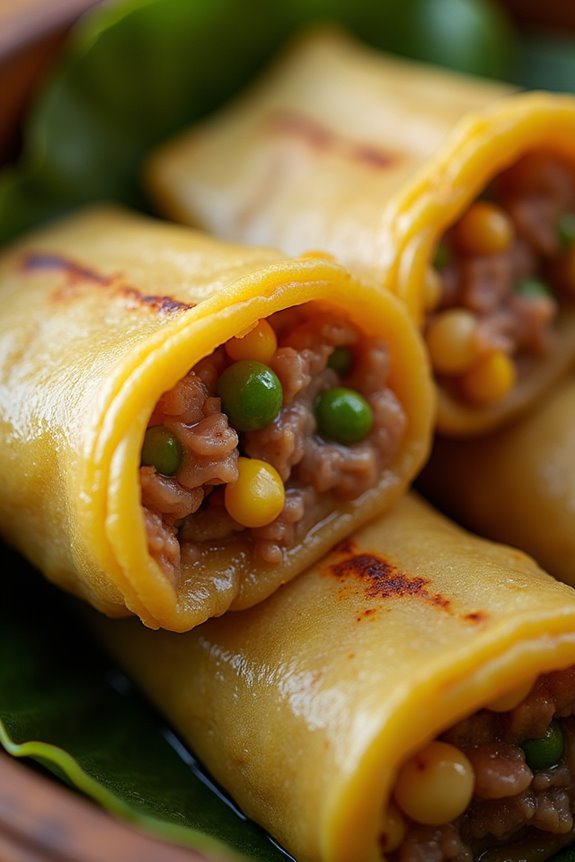
Tamales Tolimenses are a traditional Colombian dish that showcases the rich flavors and textures of the country’s culinary heritage. Originating from the Tolima region, these tamales are made with a delicious filling of marinated pork, vibrant vegetables, and a unique blend of spices, all wrapped in a soft cornmeal dough. The wrapped tamales are then steamed to perfection, resulting in a delightful combination of savory and aromatic flavors that are bound to impress family and friends alike.
Preparing Tamales Tolimenses can be a labor of love, but the end result is well worth the effort. The process allows you to immerse yourself in the vibrant culinary traditions of Colombia, and once you take that first bite, you’ll understand why this dish is a staple in many Colombian households.
Whether served as a hearty meal or a festive treat, these tamales are perfect for any occasion.
Ingredients (Serves 4-6):
- 2 cups of masa harina (cornmeal)
- 1 cup of warm water
- 2 tablespoons of vegetable oil
- 1 teaspoon of baking powder
- 1 teaspoon of salt
- 1 pound of pork shoulder, cubed
- 1/2 cup of chopped onion
- 1/2 cup of chopped bell pepper
- 1/2 cup of chopped tomato
- 2 cloves of garlic, minced
- 1 teaspoon of ground cumin
- 1 teaspoon of paprika
- 1/2 teaspoon of black pepper
- 1/4 teaspoon of oregano
- 1/2 cup of green peas
- 1/2 cup of corn kernels
- Banana leaves (for wrapping, or aluminum foil if unavailable)
Cooking Instructions:
- Prepare the Pork Filling: In a large mixing bowl, combine the cubed pork shoulder, chopped onion, bell pepper, tomato, garlic, cumin, paprika, black pepper, oregano, and a pinch of salt. Mix thoroughly to guarantee the pork is evenly coated with the spices. Let this mixture marinate for at least 30 minutes to enhance the flavors.
- Cook the Pork: In a large skillet over medium heat, add the marinated pork mixture. Cook for about 20-25 minutes, stirring occasionally, until the pork is cooked through and tender. Add the green peas and corn kernels in the last 5 minutes of cooking. Set aside to cool slightly.
- Make the Tamale Dough: In a separate bowl, combine the masa harina, baking powder, and salt. Gradually add the warm water and vegetable oil to the dry ingredients, mixing until a smooth, pliable dough forms. If the dough feels too dry, add a little more water, one tablespoon at a time.
- Prepare the Wrapping: If using banana leaves, cut them into rectangles (about 10×8 inches) and briefly wilt them over an open flame or in hot water to make them more pliable. If using aluminum foil, cut into rectangles of the same size.
- Assemble the Tamales: Place about 1/4 cup of the tamale dough on the center of each banana leaf or foil piece. Flatten it slightly and add a generous tablespoon of the pork filling on top. Fold the sides of the leaf or foil over the filling, then roll it up tightly, securing it at both ends.
- Steam the Tamales: Arrange the tamales upright in a steamer basket, ensuring they’re packed tightly to hold their shape. Fill the bottom of the steamer with water, cover, and steam for about 1 to 1.5 hours. Check periodically to guarantee there’s enough water, adding more as necessary.
- Serve: Once the tamales are firm and cooked through, remove them from the steamer and let them cool for a few minutes. Unwrap the tamales and serve warm, accompanied by your favorite salsa or a side of avocado.
Extra Tips:
For a more authentic flavor, consider adding a few slices of pork fat or bacon to the filling, which will enhance the richness of the tamales.
Additionally, you can experiment with different fillings, such as chicken or vegetables, to suit your taste. When steaming, guarantee that the water doesn’t touch the tamales directly, as this could make them soggy.
Finally, these tamales can be made ahead of time and frozen, making them a convenient option for future meals.
Sancocho De Cerdo: Hearty Pork Stew
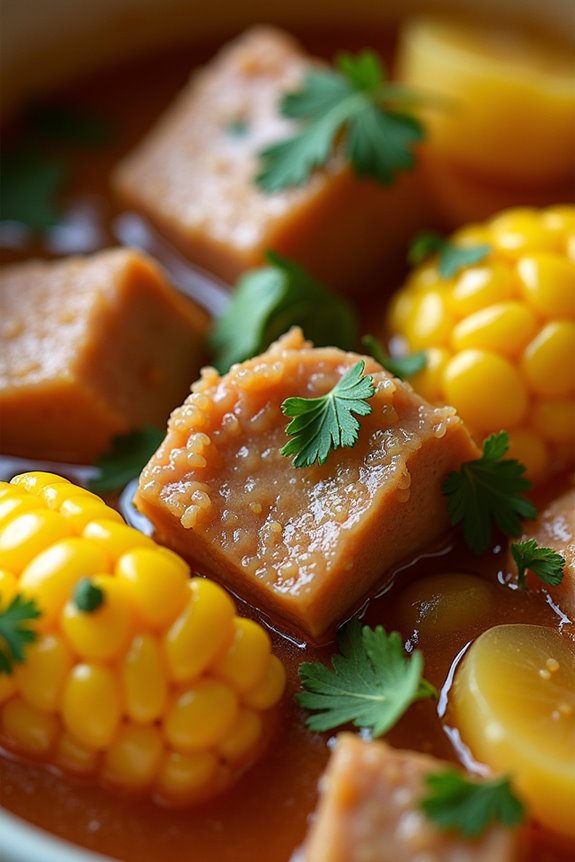
Sancocho De Cerdo is a traditional Colombian dish that embodies the rich culinary heritage of the country. This hearty pork stew is a comforting meal, ideal for family gatherings or chilly evenings. It features tender pieces of pork simmered with a variety of vegetables and spices, creating a warm and flavorful dish that’s certain to satisfy your appetite. The combination of yuca, plantains, and corn adds a unique texture and taste that makes this stew a beloved favorite across Colombia.
The beauty of Sancocho De Cerdo lies in its versatility; each region in Colombia may have its own variations, but the core ingredients remain the same. The slow cooking process allows the pork to become incredibly tender, while the vegetables soak up all the delicious flavors. Serve this dish with a side of avocado or white rice, and you have a meal that isn’t only filling but also bursting with Colombian flavor.
Ingredients (Serves 4-6):
- 2 lbs pork shoulder, cut into cubes
- 1 large onion, chopped
- 2 cloves garlic, minced
- 2 medium tomatoes, chopped
- 2 medium potatoes, peeled and cubed
- 1 cup yuca, peeled and cut into chunks
- 1 ripe plantain, peeled and sliced
- 2 ears of corn, cut into halves
- 6 cups water
- 2 tablespoons vegetable oil
- 1 teaspoon cumin
- 1 teaspoon oregano
- Salt and pepper to taste
- Fresh cilantro for garnish
Cooking Instructions:
- Prepare the Ingredients: Start by cutting the pork shoulder into cubes, and chop the onion, garlic, tomatoes, potatoes, yuca, and plantain. This step guarantees everything is ready and makes the cooking process smoother.
- Sauté the Aromatics: In a large pot, heat the vegetable oil over medium heat. Add the chopped onion and minced garlic, sautéing until the onion becomes translucent. This step builds the foundation of flavor for your stew.
- Brown the Pork: Add the pork cubes to the pot and cook until they’re browned on all sides. This should take about 5-7 minutes. Browning the meat adds depth of flavor to the stew.
- Add Tomatoes and Spices: Stir in the chopped tomatoes, cumin, oregano, salt, and pepper. Cook for an additional 3-4 minutes, allowing the tomatoes to break down and release their juices, which will help form a flavorful base.
- Pour in the Water: Add the 6 cups of water to the pot and bring the mixture to a boil. Once boiling, reduce the heat to low, cover the pot, and let it simmer for about 30 minutes. This slow cooking helps tenderize the pork and meld the flavors together.
- Incorporate Vegetables: After 30 minutes, add the potatoes, yuca, plantain, and corn to the pot. Stir well to combine all the ingredients. Cover and simmer for another 30-40 minutes, or until the vegetables are tender and the pork is fully cooked.
- Final Taste Adjustments: After the cooking time, taste the stew and adjust the seasoning if necessary. If you prefer a thicker consistency, you can mash some of the potatoes against the side of the pot.
- Serve and Garnish: Ladle the Sancocho De Cerdo into bowls, garnish with fresh cilantro, and serve hot. Pair with avocado slices or a side of white rice if desired.
Extra Tips:
When preparing Sancocho De Cerdo, feel free to customize the vegetable selection based on what you have available. Some variations might include adding carrots or green beans.
Additionally, allowing the stew to sit for a while after cooking can enhance the flavors even further. Leftovers can be stored in the refrigerator and often taste even better the next day as the flavors continue to develop.
Chicharrón: Crispy Fried Pork Belly
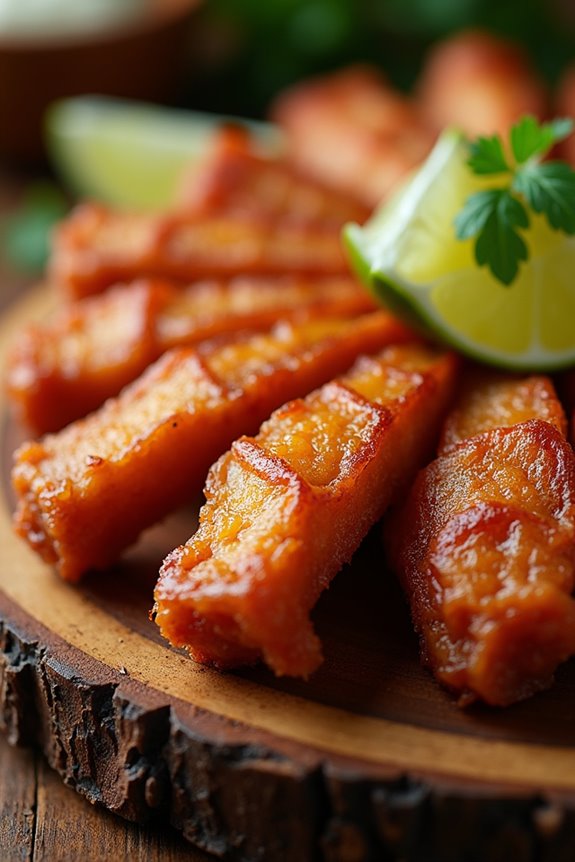
Chicharrón is a traditional Colombian dish that features succulent pieces of pork belly, known for its incredible crunch and rich flavor. This dish isn’t only a popular street food snack but also a beloved accompaniment to many Colombian meals. The crispy skin and tender meat create a delightful contrast that’s hard to resist.
Whether enjoyed on its own, paired with arepas, or served alongside a fresh salad, chicharrón is bound to be a hit at your dining table.
Preparing chicharrón may seem intimidating, but with the right technique, you can achieve that perfect balance of crispy and juicy. The key lies in the cooking process, which involves boiling the pork belly before frying it to guarantee that the meat is tender and the skin gets that irresistible crunch.
Follow this recipe to bring the authentic taste of Colombian chicharrón to your home!
Ingredients (Serves 4-6)
- 2 pounds pork belly, skin on
- 1 tablespoon salt
- 1 tablespoon black pepper
- 4 cups water
- Vegetable oil, for frying
- Lime wedges, for serving (optional)
Cooking Instructions
- Prepare the Pork Belly: Start by rinsing the pork belly under cold water. Pat it dry with paper towels. With a sharp knife, score the skin in a crosshatch pattern, being careful not to cut into the meat beneath. This will help the fat render out and allow the skin to become crispy.
- Season the Meat: Rub the pork belly generously with salt and black pepper, making certain that the seasoning gets into the scored skin. Let it sit for about 30 minutes at room temperature to absorb the flavors.
- Boil the Pork Belly: In a large pot, combine the seasoned pork belly and water. Bring it to a boil over medium-high heat. Once boiling, reduce the heat to low and let it simmer for about 1 hour. This step will help tenderize the meat and render some of the fat.
- Dry the Pork Belly: After simmering, carefully remove the pork belly from the pot and let it cool slightly. Pat the skin dry with paper towels to remove excess moisture; this is vital for achieving a crispy texture when frying.
- Heat the Oil: In a deep frying pan or heavy-bottomed pot, pour enough vegetable oil to cover the bottom by about 1 inch. Heat the oil over medium-high heat until it reaches about 350°F (175°C).
- Fry the Pork Belly: Once the oil is hot, carefully place the pork belly in the oil, skin side down. Fry it for about 5-7 minutes, or until the skin is golden brown and crispy. Flip the pork belly and fry for an additional 5 minutes on the meat side to confirm it’s heated through.
- Drain and Serve: Remove the chicharrón from the oil and place it on a plate lined with paper towels to drain any excess oil. Allow it to rest for a few minutes before slicing into pieces. Serve with lime wedges for squeezing over the top, if desired.
Extra Tips
To achieve the crispiest chicharrón, make sure to dry the skin thoroughly before frying, as moisture will prevent it from crisping up.
Additionally, keep a close eye on the temperature of the oil; too hot can burn the skin, while too cool can make it greasy. If you want to add extra flavor, consider marinating the pork belly with garlic, cumin, or other spices before boiling.
Enjoy your homemade chicharrón with traditional sides, such as arepas or avocado, for a complete Colombian experience!
Ajiaco: Chicken and Pork Soup
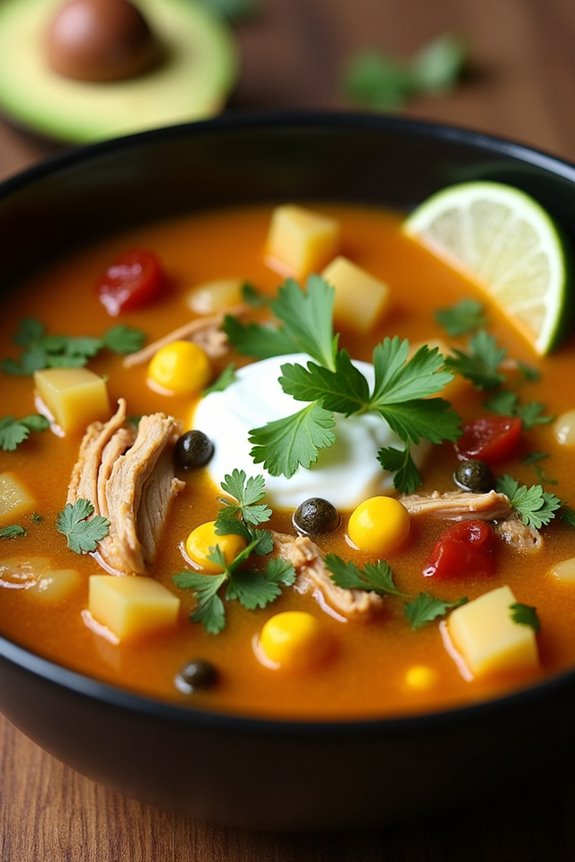
Ajiaco is a beloved Colombian soup that brings together the robust flavors of chicken, pork, and a variety of vegetables, creating a hearty and comforting meal perfect for any occasion. Traditionally, this dish is known for its use of three types of potatoes, which add a creamy texture and depth of flavor. Each spoonful of Ajiaco offers a delightful combination of tender meats, earthy potatoes, and fresh herbs, making it a staple in Colombian households, especially during family gatherings and celebrations.
The beauty of Ajiaco lies not only in its rich taste but also in its aromatic profile, thanks to the addition of guascas, a traditional Colombian herb that infuses the soup with a unique essence. This dish is often served with sides such as avocado, capers, and cream, allowing each person to customize their bowl to their liking. Whether you’re looking to warm up on a chilly day or impress guests with a taste of Colombian cuisine, Ajiaco is sure to satisfy.
Ingredients (Serves 4-6):
- 2 chicken breasts, boneless and skinless
- 1 pound pork shoulder, cut into cubes
- 4 medium yellow potatoes, peeled and diced
- 2 medium red potatoes, peeled and diced
- 2 medium white potatoes, peeled and diced
- 1 medium onion, chopped
- 2 cloves garlic, minced
- 1 carrot, diced
- 1 cup fresh corn kernels (or 2 ears of corn, cut into rounds)
- 8 cups chicken broth
- 1 cup fresh cilantro, chopped
- 1 teaspoon dried guascas (or to taste)
- Salt and pepper to taste
- 1 tablespoon olive oil
- 1 lime, cut into wedges (for serving)
- 1 cup sour cream (for serving)
- Capers (for serving)
- Avocado slices (for serving)
Cooking Instructions:
- Prepare the Meat: In a large pot, heat the olive oil over medium heat. Add the pork shoulder cubes and season with salt and pepper. Sear the meat until it’s browned on all sides, which should take about 5-7 minutes. This step enhances the flavor of the pork and adds a rich base to the soup.
- Add Chicken and Vegetables: Once the pork is browned, add the chicken breasts to the pot along with the chopped onion, minced garlic, and diced carrot. Sauté the mixture for about 5 minutes until the onions become translucent and fragrant, allowing the flavors to meld together.
- Incorporate Potatoes and Broth: Add all three types of diced potatoes and the corn to the pot. Pour in the chicken broth and bring the mixture to a boil. Once boiling, reduce the heat to low and let it simmer for about 30-40 minutes, or until the chicken and pork are tender and the potatoes are soft.
- Add Herbs and Seasonings: After the meats are cooked, stir in the chopped cilantro and dried guascas. Let the soup simmer for an additional 10-15 minutes. Taste the soup and adjust the seasoning with salt and pepper as needed. The guascas will infuse the soup with its distinct flavor during this time.
- Serve the Ajiaco: Once everything is cooked and well combined, remove the chicken breasts from the pot, shred them, and return the shredded chicken to the soup. Ladle the Ajiaco into bowls and serve hot with lime wedges, sour cream, capers, and avocado slices on the side, allowing each person to customize their bowl.
Extra Tips:
For an authentic Ajiaco experience, use a mix of different potato varieties to achieve varying textures—this adds complexity to the dish. If guascas are hard to find, you can substitute with oregano, but the flavor won’t be the same.
Additionally, letting the soup sit for a short while before serving can enhance the flavors even more, as they’ve time to blend together. Enjoy this warm bowl of Colombian goodness with family and friends for a truly comforting meal!
Empanadas De Cerdo: Pork-Filled Pastries
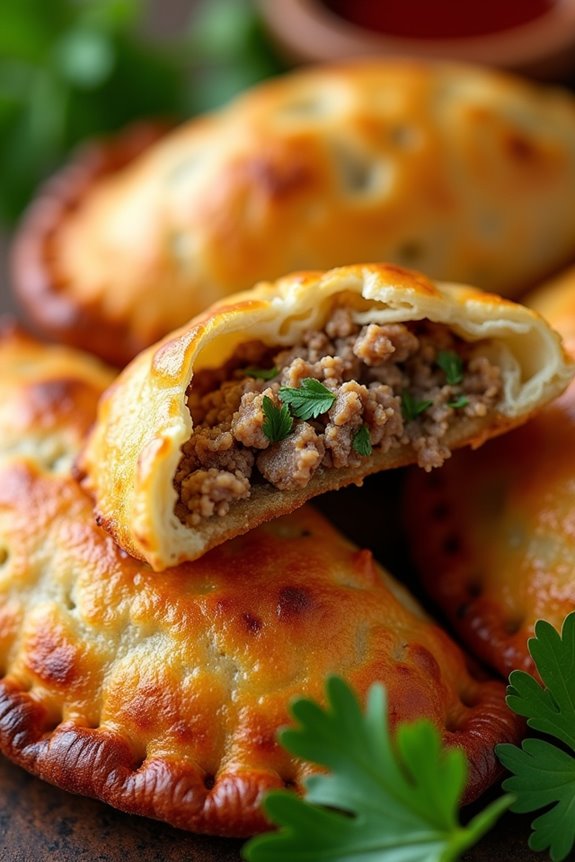
Empanadas de cerdo, or pork-filled pastries, are a beloved dish in Colombian cuisine, characterized by their flaky crust and savory filling. These delightful pastries are perfect for appetizers, snacks, or even as a main course when served with a side salad or dipping sauce. The combination of seasoned pork and spices enveloped in a golden, crispy pastry is sure to satisfy any palate.
They can be enjoyed fresh out of the fryer or baked for a lighter option, making them versatile for various occasions.
To create these delicious empanadas, the dough is typically made with simple pantry staples, while the filling showcases the rich flavors of pork, onions, and spices. The process of folding and sealing the empanadas can be a fun activity for family and friends, allowing for personal touches and variations in the filling. Once prepared, these empanadas can be served warm, making them an ideal treat for gatherings or festive celebrations.
Ingredients (serving size: 4-6 people):
- 2 cups all-purpose flour
- 1/2 teaspoon salt
- 1/4 cup unsalted butter, melted
- 1/2 cup cold water
- 1 pound ground pork
- 1 medium onion, finely chopped
- 2 cloves garlic, minced
- 1 teaspoon ground cumin
- 1 teaspoon paprika
- 1/2 teaspoon black pepper
- 1/4 cup fresh cilantro, chopped
- 1 egg, beaten (for sealing)
- Oil for frying
Cooking Instructions:
- Prepare the Dough: In a mixing bowl, combine the all-purpose flour and salt. Make a well in the center and add the melted butter. Gradually pour in the cold water, mixing until a dough forms. Knead the dough for about 5 minutes until it becomes smooth and elastic. Wrap it in plastic wrap and let it rest for at least 30 minutes.
- Cook the Filling: In a skillet over medium heat, add a splash of oil and sauté the chopped onion until translucent. Add the minced garlic and cook for an additional minute. Then, add the ground pork, cumin, paprika, and black pepper. Cook the mixture until the pork is browned and fully cooked, breaking it apart with a spoon. Stir in the chopped cilantro, then remove from heat and let the filling cool.
- Roll Out the Dough: After resting, divide the dough into small balls (about the size of a golf ball). On a floured surface, roll each ball out into a thin circle, approximately 6 inches in diameter.
- Fill the Empanadas: Place a spoonful of the pork filling in the center of each dough circle. Brush the edges with the beaten egg to help seal the empanadas. Fold the dough over to create a half-moon shape and press the edges together firmly. Use a fork to crimp the edges for an extra seal.
- Fry the Empanadas: In a deep skillet or pot, heat oil over medium-high heat until it reaches 350°F (175°C). Carefully add the empanadas in batches, frying for about 3-4 minutes on each side, or until golden brown. Remove with a slotted spoon and drain on paper towels.
- Serve and Enjoy: Allow the empanadas to cool slightly before serving. They can be enjoyed plain or with a side of salsa, guacamole, or aji sauce for dipping.
Extra Tips: For a variation in flavors, you can add diced potatoes or other vegetables to the pork filling. If you’re looking for a healthier option, consider baking the empanadas instead of frying – just brush them with oil and bake in a preheated oven at 400°F (200°C) for about 20 minutes or until golden. Always taste your filling before sealing to ascertain the seasoning is to your liking!
Morcilla: Colombian Blood Sausage
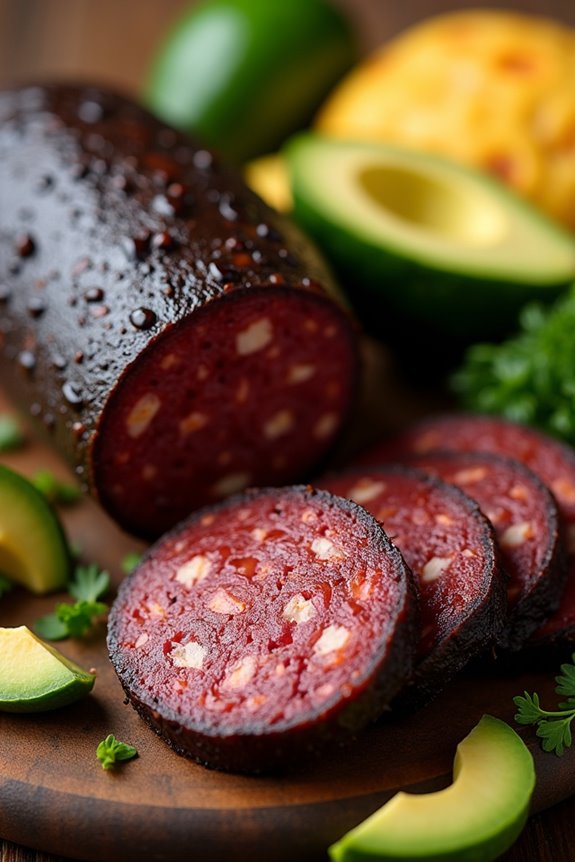
Morcilla, a traditional Colombian blood sausage, is a culinary delight that brings a rich and savory flavor to your table. This dish is often enjoyed as part of a hearty meal, paired with various sides, or even on its own as a snack. The combination of spices, rice, and, of course, the blood of the pig creates a unique taste that’s both comforting and satisfying.
Morcilla isn’t only a staple in Colombian cuisine but also a representation of the country’s diverse food culture.
Making morcilla at home can seem intimidating, but with the right ingredients and a little patience, you can create this delicious sausage that your family and friends will love. The recipe involves combining various ingredients, stuffing them into casings, and then cooking them to perfection. Serve it alongside arepas, fried eggs, or fresh avocado for a true Colombian experience.
Ingredients for Morcilla (Serves 4-6 people):
- 1 cup of pig’s blood
- 1 cup of rice (uncooked)
- 1/2 cup of onions, finely chopped
- 1/2 cup of pork fat, diced
- 2 cloves of garlic, minced
- 1 teaspoon of paprika
- 1 teaspoon of cumin
- 1 teaspoon of black pepper
- 1/2 teaspoon of salt
- 1/2 teaspoon of oregano
- Sausage casings (approximately 2-3 meters)
Cooking Instructions:
- Prepare the Rice: Start by cooking the rice according to package instructions, but reduce the water slightly to make certain it remains firm. Once cooked, set it aside to cool. This will form the base of your morcilla and should be fluffy but not mushy.
- Cook the Onions and Garlic: In a skillet over medium heat, add the diced pork fat. Once it has rendered some of its fat, add the finely chopped onions and minced garlic. Sauté until the onions are translucent and fragrant, about 5-7 minutes. This will enhance the flavors of the morcilla.
- Combine Ingredients: In a large mixing bowl, combine the cooked rice, sautéed onion and garlic mixture, pig’s blood, paprika, cumin, black pepper, salt, and oregano. Mix thoroughly until all ingredients are well incorporated. The mixture should be thick and cohesive.
- Prepare the Casings: Rinse the sausage casings under cold water to remove any excess salt. If using natural casings, soak them in warm water for about 30 minutes to make them pliable.
- Stuff the Casings: Using a funnel or sausage stuffer, carefully fill the casings with the morcilla mixture, being careful not to overstuff them. Leave some space at the end of the casing for expansion during cooking. Tie off the ends securely with kitchen twine.
- Cook the Morcilla: Bring a large pot of water to a gentle simmer. Add the stuffed morcilla sausages and cook for about 30-40 minutes, being careful not to let the water boil too hard. The sausages should be firm to the touch and cooked through.
- Cool and Slice: Once cooked, remove the morcilla from the pot and let it cool slightly. Slice into rounds or serve whole, depending on your preference.
Extra Tips: When making morcilla, it’s essential to verify that the blood is fresh and properly sourced for the best flavor and safety. If you’re new to making sausages, practice twisting and tying the casings with some test batches.
You can also experiment with additional spices or ingredients, such as nuts or herbs, to create your unique version of this classic dish. Enjoy your homemade morcilla with traditional Colombian sides for an authentic experience!
